







horizontal centrifugal water pumps
When they say “horizontal centrifugal pumps,” many immediately imagine something simple and utilitarian - a shaft, an impeller, a casing, and off we go. But in practice, especially when it comes to water with its vagaries (take, for example, the same abrasiveness or temperature), this “simplicity” deceptive. A common mistake is to choose a pump only from the catalog, looking at the pressure and flow figures, and forget about the “little things”. such as shaft seal material or support frame design. I got burned by this myself when ten years ago they installed pumps in the area for pumping recycled water - after six months I had to change the stuffing box seals to mechanical seals, because the shafts began to “eat” due to small suspensions.
Design is not just a drawing
Look here. We take a standard horizontal centrifugal pump. Everything seems predictable. But if this is not just pure water, but, say, technical water with pH fluctuations, then the body material made of ordinary cast iron may not be suitable. At our plant at Zhejiang Yangzijiang Pump Industry LLC, there were cases when the client ordered a pump for slightly aggressive environments, but from old memory he specified cast iron. After consultation with our engineers from the R&D department, we switched to AISI 304 stainless steel - and the problem with premature corrosion disappeared. This means that the production line must be flexible in order to quickly adapt the standard model to real conditions.
Or another nuance - the location of the pipes. The inlet and outlet can be either radial or axial, angled. This is critical for installation in a cramped pumping station. I remember a project where, due to rigid pipe routing, I had to look for a pump with pipes rotated 90 degrees relative to the drive. You can’t change this on your own, on the spot—the manufacturer needs to provide such an option at the assembly stage. On our websiteyangtzeriverpump.ruin the product section this is always emphasized - the possibility of customization to suit the customer’s needs, and not just selling “off the shelf”.
Tests. Many people think that a test bench is just for show. In fact, this is the only way to catch vibration, which in field conditions will lead to the destruction of bearing units. Everyone is ourshorizontal centrifugal pumpBefore shipment, it is run-in under load, not only the parameters are measured, but also the noise level and the temperature of the bearing housings. Sometimes, at this stage, a wheel imbalance was detected that was not noticeable during a static check. Trifle? No. This is the same “occupational disease” that is easier to prevent at the plant than to treat at the client’s site.
Where and why are they irreplaceable?
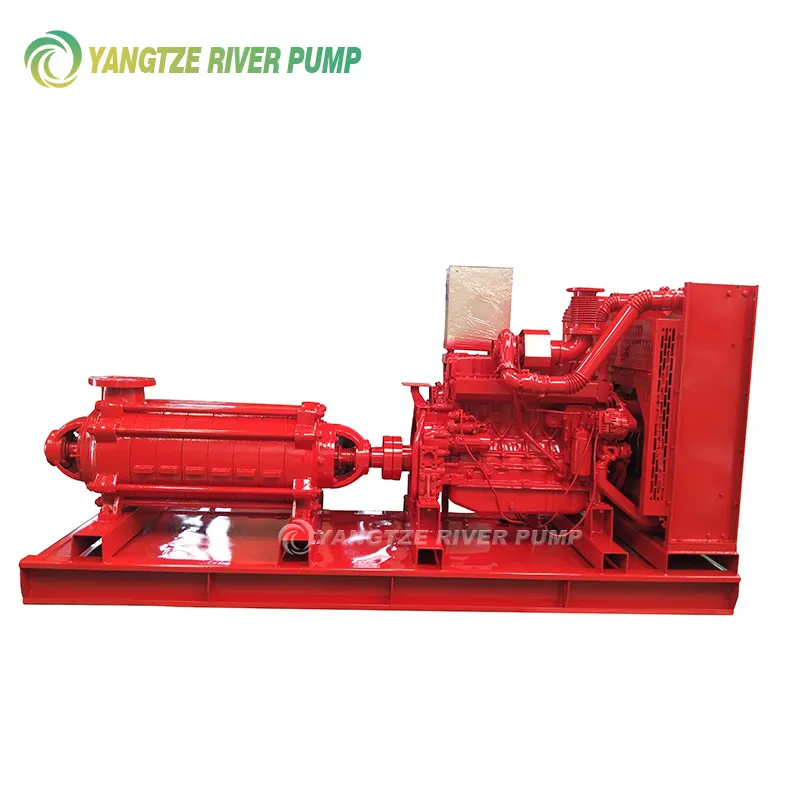
The main area, of course, is water supply and sanitation. But there are elephants here too. For example, in fire extinguishing systems. What is needed there is not just high performance, but absolute reliability and the ability to quickly reach operating mode.Horizontal centrifugal pumpswith a two-support shaft design (like our multi-stage models) there is no competition here due to its resistance to loads. Once we supplied such pumps for a pumping station at a large warehouse. The key was to ensure a smooth start to avoid water hammer in the system - frequency converters had to be integrated, but the pumping unit itself was taken as the basis as the most durable.
Another story is irrigation in agriculture. It would seem that there was a field, water from a canal, nothing complicated. But the water contains sand and silt. Installing fine filters on the suction side is expensive and impractical. The solution is pumps with increased clearances and impellers made of wear-resistant materials, for example, with a polymer coating. For such tasks, we often offer modifications of oursingle stage centrifugal pumps- simple design, maintainability in field conditions, and most importantly, you can “donate” Efficiency for the sake of resource. Clients from the agricultural sector appreciate this.
Industrial water use is a separate universe. Cooling circuits, flushing systems, process water supply. There are already a lot of variations here: from the requirements for food-grade stainless steel to the need for cavitation resistance. At our production there is a line for the production of chemical pumps made of plastic, but for hot water, say, in thermal power engineering, this is not suitable. Therefore, there are always “workhorses” in the assortment. made of cast iron and stainless steel, which have been operating at thermal power plants for decades without major repairs, requiring only scheduled replacement of consumables.
Installation and operation errors that are costly
The most common story is incorrect piping of the suction pipeline. The inlet to the pump must not have narrowings, sharp turns or insufficient pipe diameter. This leads to cavitation, a terrible phenomenon when bubbles form in a liquid and collapse with microscopic explosions, destroying the wheel blades. I saw a pump that “ate” himself for three months due to the fact that a valve with a small flow area was placed in front of him in order to “regulate the fence?” They don't regulate it that way. Regulated by injection.
The second problem is the lack or incorrect alignment with the engine. It seems that if they connected it with a coupling and “by eye?” exactly, that's okay. Not okay. Misalignment of even half a millimeter causes beating, which over time will break both seals and bearings. In our company, for critical deliveries, we always recommend that the customer include an installation supervision service in the contract. Our specialists come and help you correctly position the unit on the foundation slab, which, by the way, we also supply ready-made, with already processed seats.
And, of course, “forgetfulness?” at startup. Launchcentrifugal pump?dry? - this is an almost guaranteed failure. The mechanical seal or stuffing box requires lubrication by the fluid being pumped. Before the first start-up, the housing and suction pipe must be filled with water. Elementary? Yes. But how many times have I come to a facility where the staff complained about a leak or overheating, and this was precisely the reason. Now in the passport for each product we write in large letters the order of preparation for launch. And in the support serviceZhejiang Yangzijiang Pumping Industry Co.,LtdWe are always ready to talk through these steps over the phone.
Comparison with other types - without fanaticism
People often ask: why not use vertical or submersible pumps? It all depends on the task. Vertical centrifugal pumps save space, yes. But their maintenance, especially replacing the mechanical seal or bearings, is often more difficult - you need to disassemble the structure from above, and sometimes dismantle the engine. In the horizontal version, access to adjustment and repair units is usually easier. For stationary pumping stations, where there is maintenance personnel and room for maneuver, a horizontal layout is often preferable.
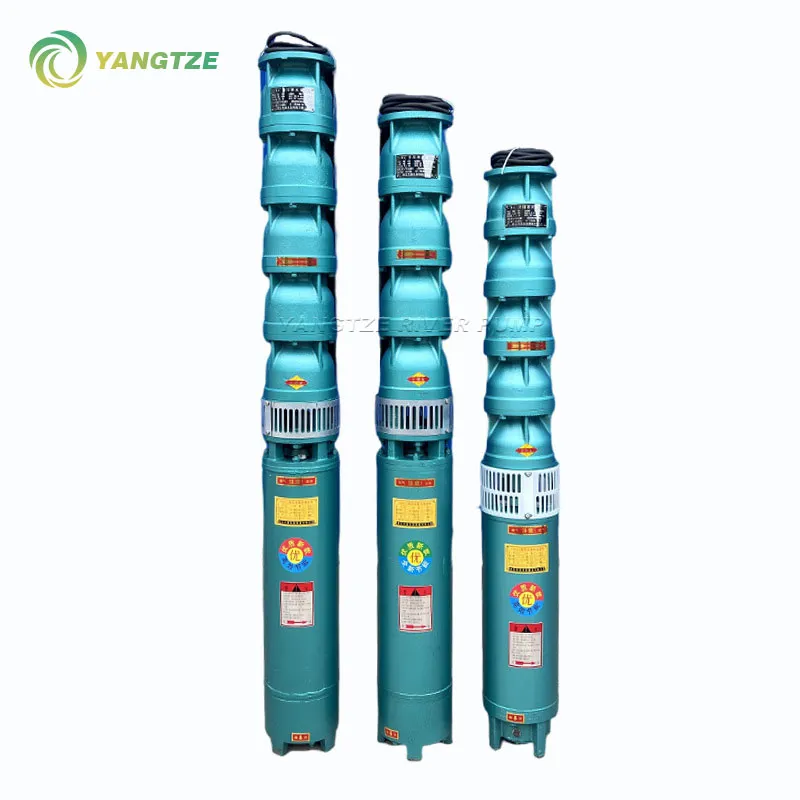
Submersible pumps are a solution for wells, wells, and pumping out tanks. They cannot be compared directly to horizontal surface pumps. These are different tools for different jobs. Although we have both in our product line, we will never recommend a submersible pump to a client for organizing a constant water supply from an open reservoir, where a unit that is easily accessible for inspection is needed.Horizontal centrifugal pumpHere it wins due to its maintainability.
There are also fashionable trends, for example, linear centrifugal pumps (in-line). Their main advantage is that they can be built directly into the pipeline without the need for a foundation. But they, as a rule, have limitations in power and pressure. For high flow rates and high pressures, a classic horizontal pump on a separate plate is still more reliable and durable. We also produce them, but we always speak honestly about the limits of application.
Production and control: what is behind the name
When you see it on the siteyangtzeriverpump.ruThe phrase “eight complete production lines” is not just words for advertising. In practice, this means that we control the entire cycle: from metal cutting and casting (we cooperate with proven foundries) to final painting and packaging. The test line is especially important. There are tanks there where we can simulate different operating modes, up to short-term operation with a closed valve. (although this is an undesirable mode, it is necessary to check the strength of the case).
The R&D department is not armchair theorists. These are engineers who regularly visit sites to see how pumps behave in real life. For example, after several requests regarding the problem of shaft jamming in pumps for water with a high lime content, the design of the stuffing box was modified to make it easier to wash without completely disassembling the unit. Such improvements then become the standard for the whole series.
And the last thing is the service. Delivery of the pump is not the end of the story. Having a spare parts warehouse is critical. The same impellers, shafts, seal sets. We try to keep the most popular items for our products in stock in Russia, so that the delivery time for spare parts is calculated in days, not months. Because stopping a pump on the water supply of a village or a production line of a plant is an emergency, and we, as a manufacturer, understand our responsibility. In the endhorizontal centrifugal water pump- it’s not just a piece of hardware, it’s an element of a system on which the operation of many other processes depends.
Correspondingproducts
Related Products
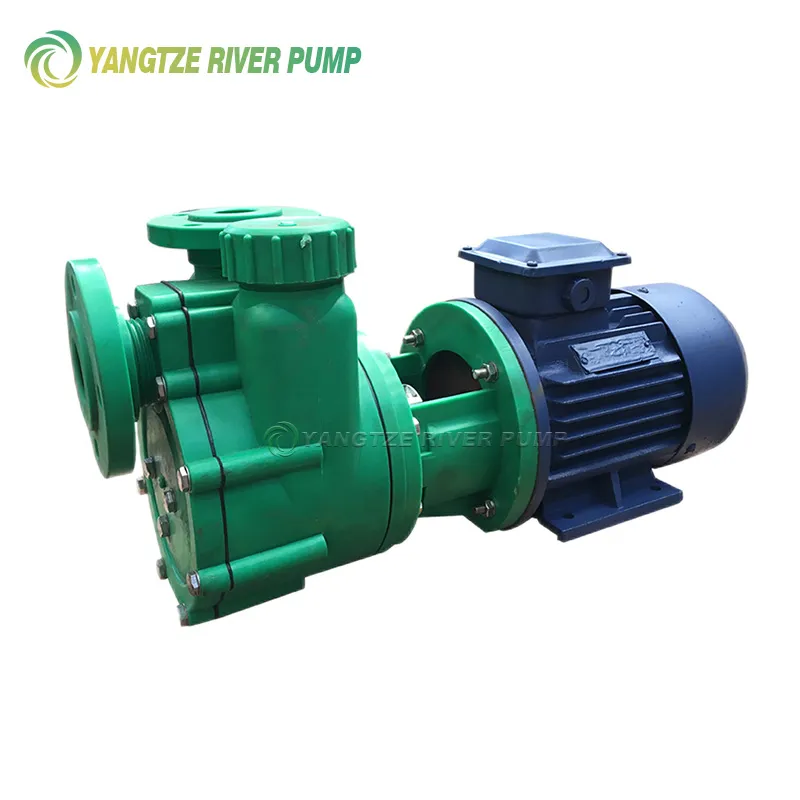
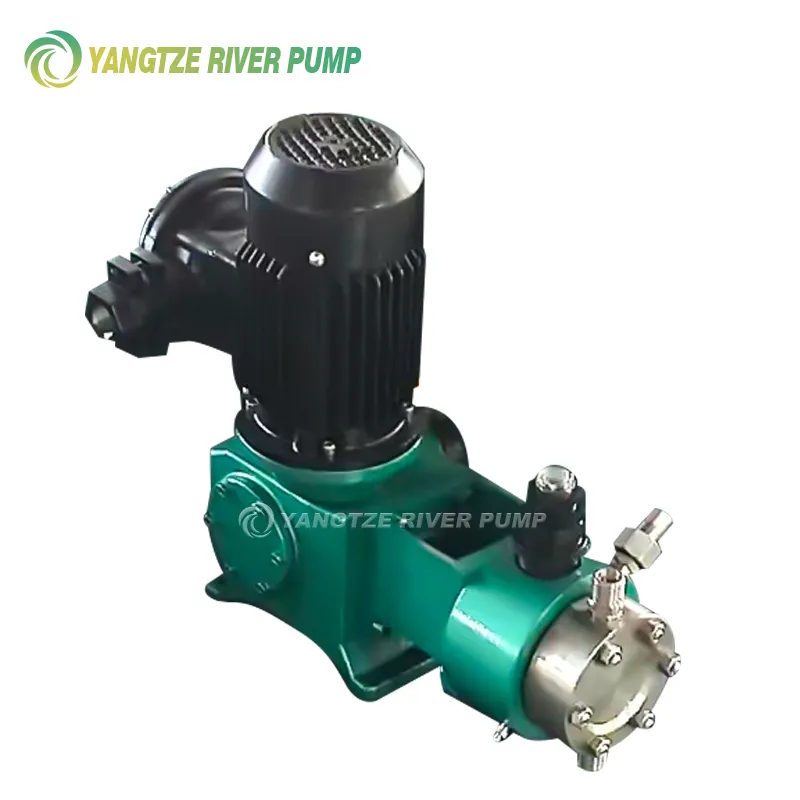

Best Sellingproducts
Best Selling Products-
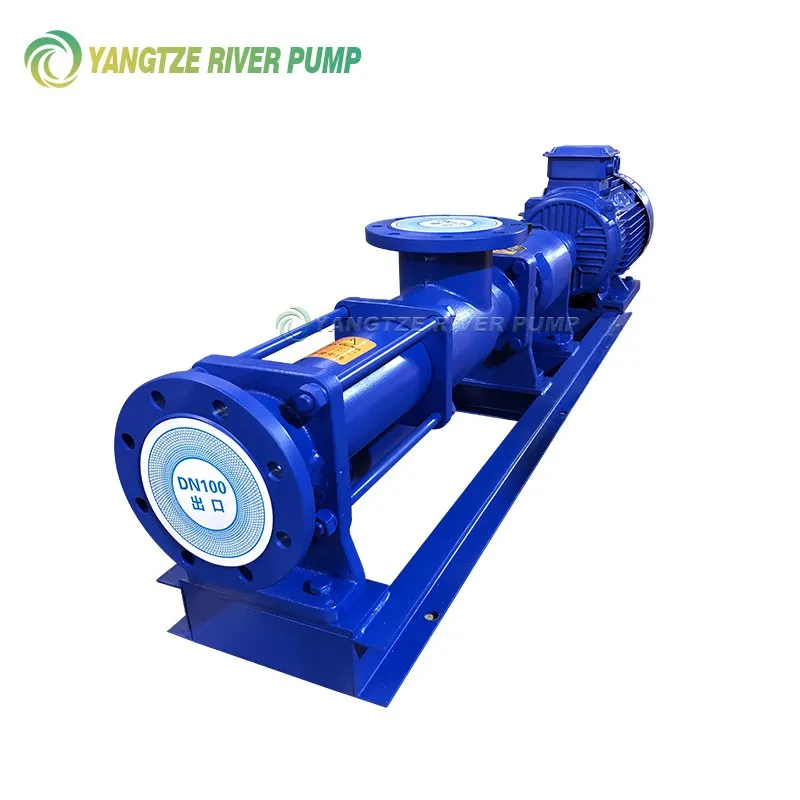 Single screw pumps type G
-
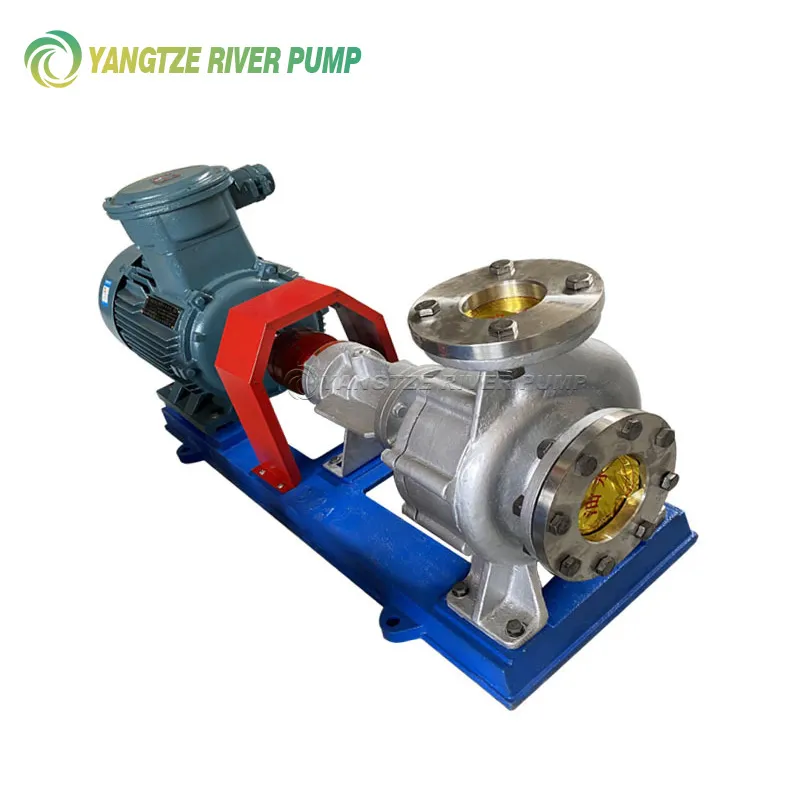 RY thermal oil pumps
-
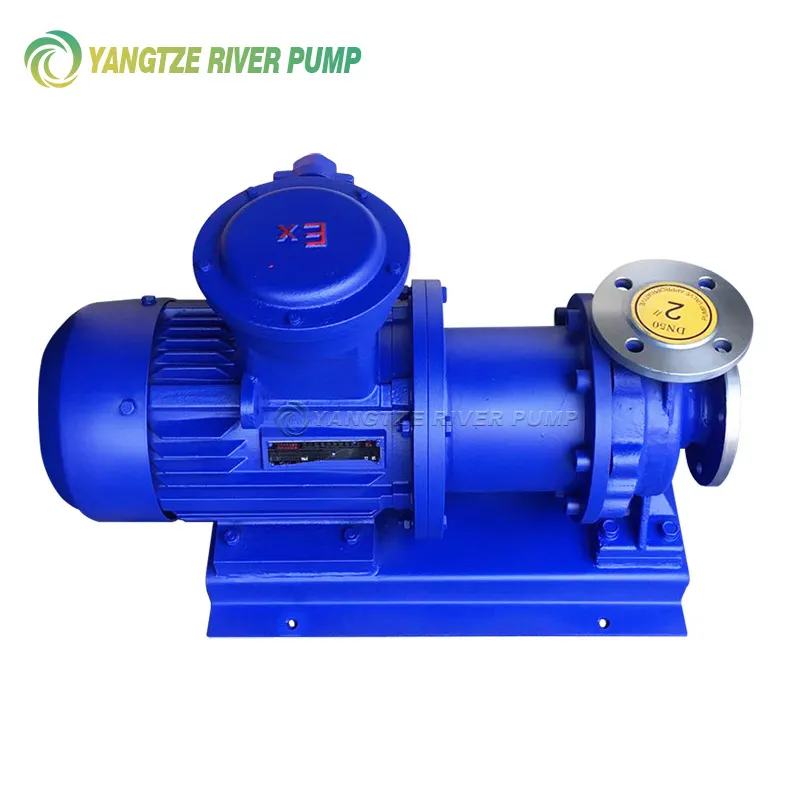 CQB Stainless Steel Magnetic Pumps
-
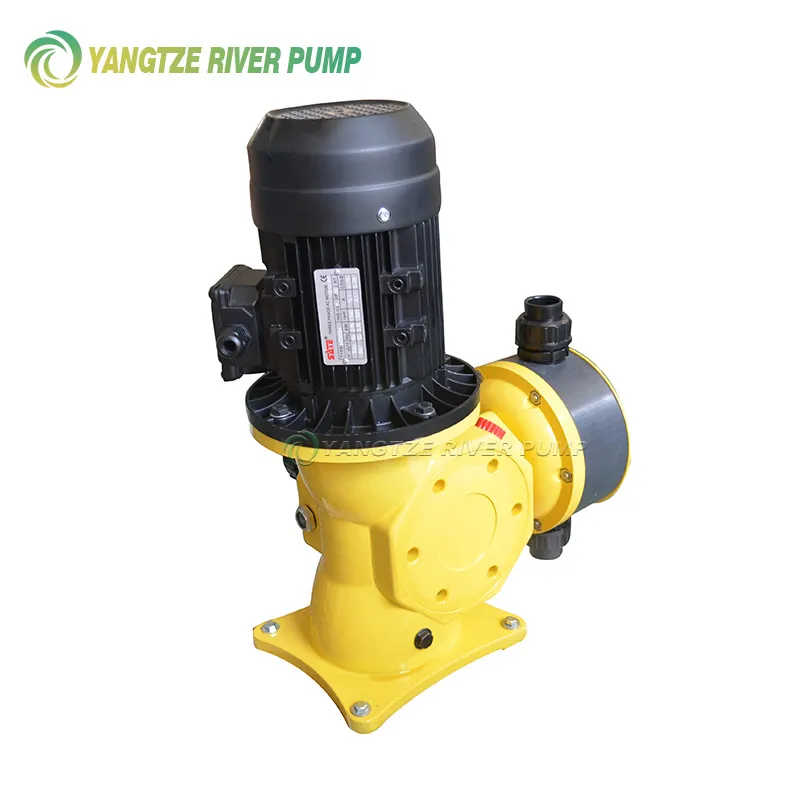 Mechanical diaphragm dosing pumps DJ-D
-
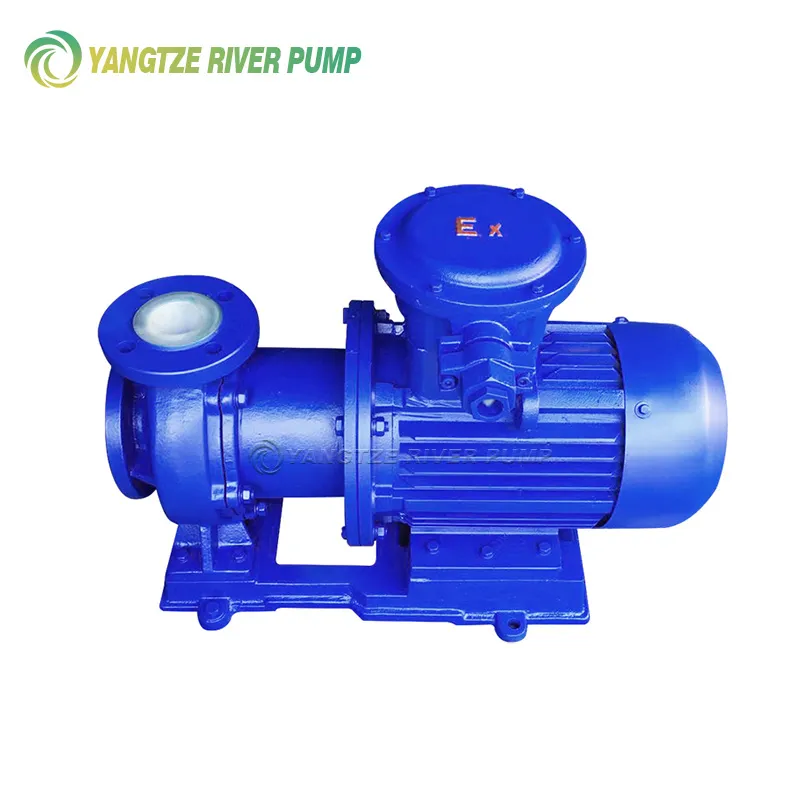 Magnetic pumps with fluoroplastic lining CQB-F
-
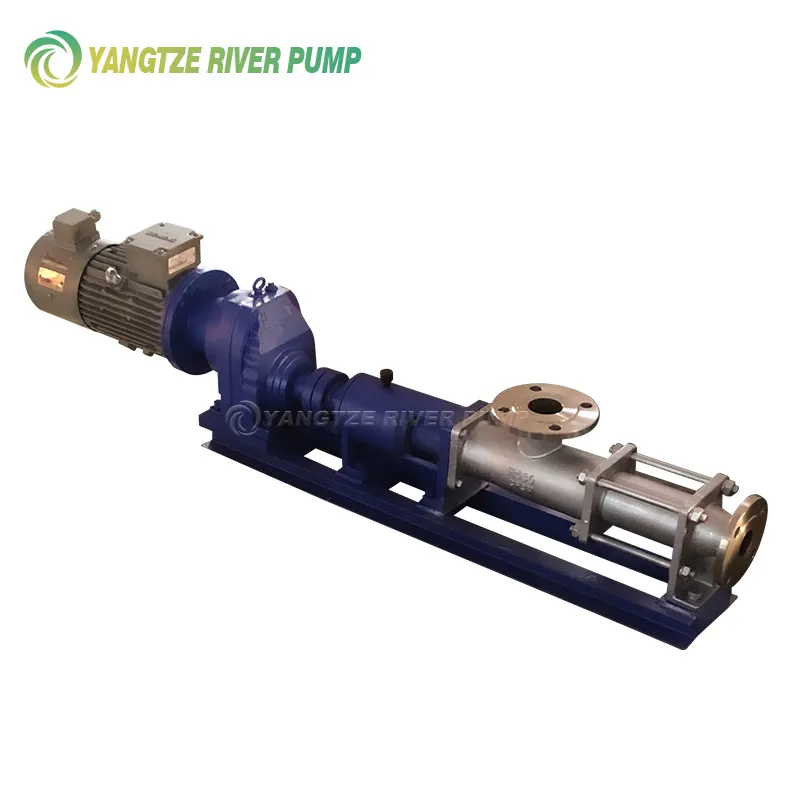 Geared screw pumps type G
-
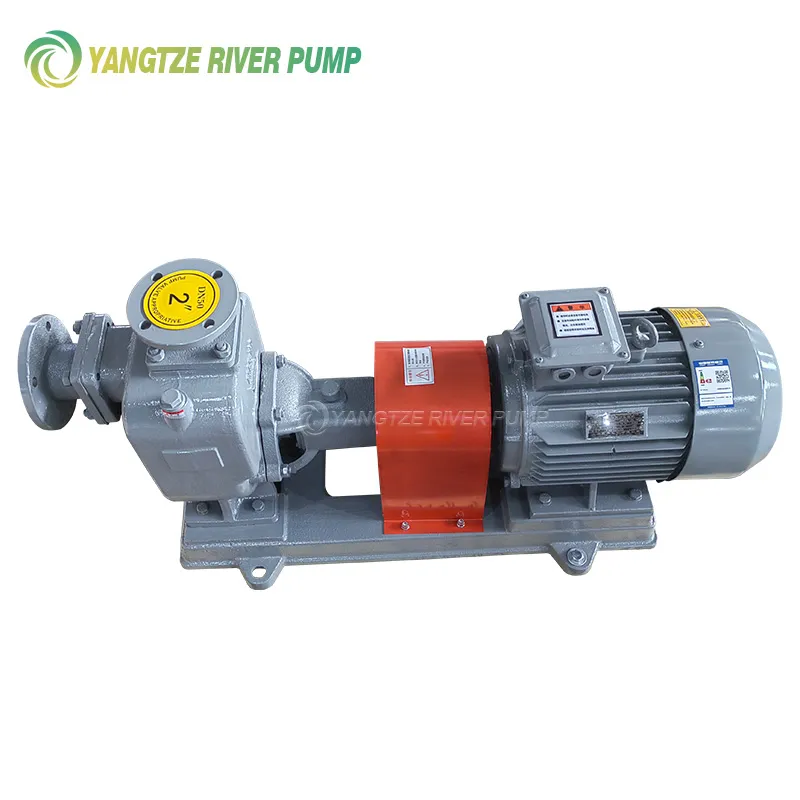 Non-clogging self-priming wastewater pumps ZW
-
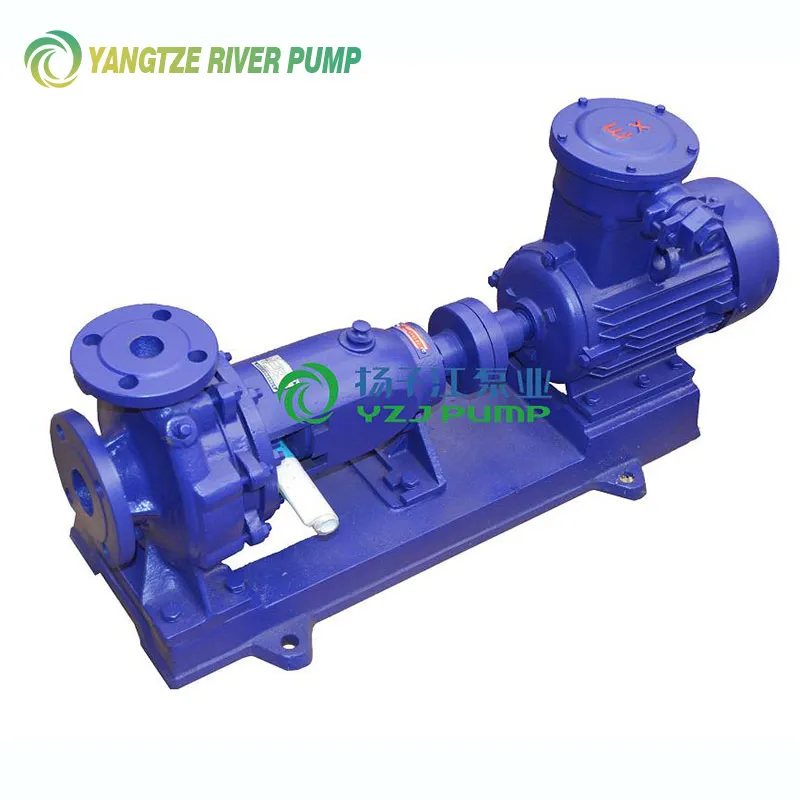 Horizontal chemical centrifugal pumps types IS and IR
-
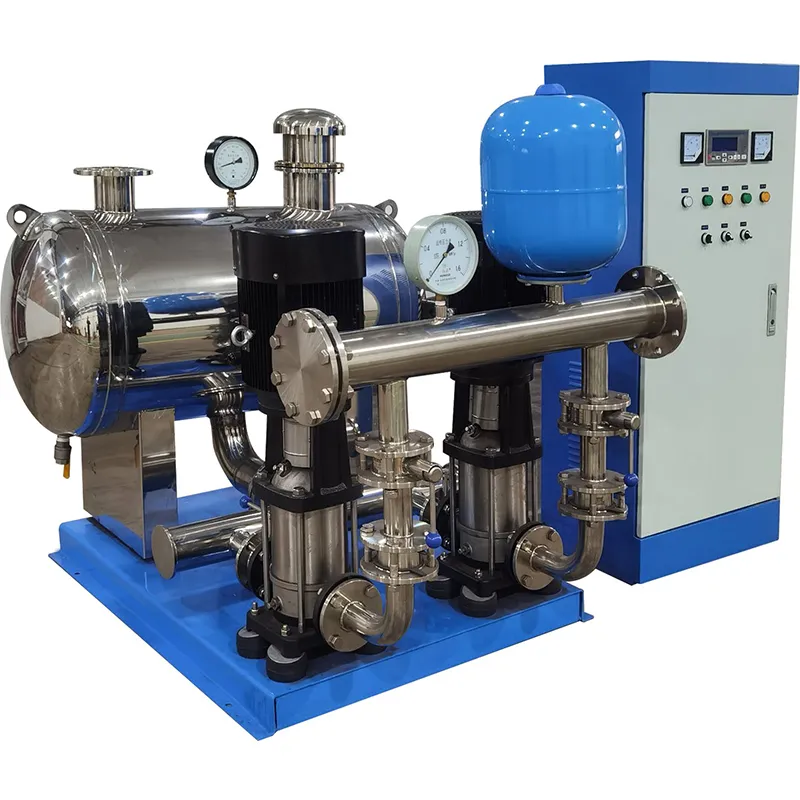 Complete water supply installations with frequency regulation and constant pressure CDLF
-
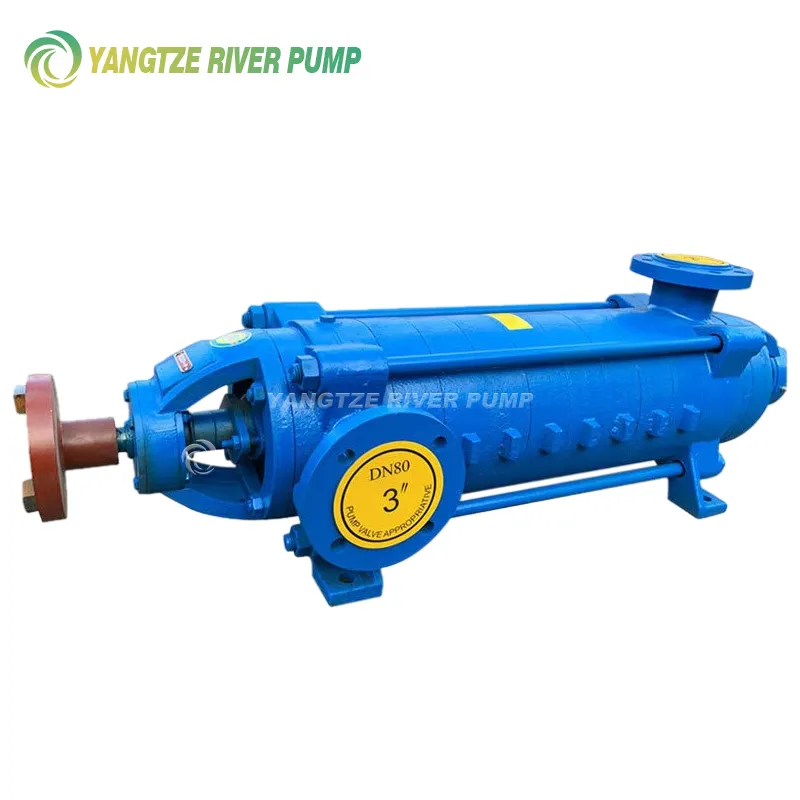 Horizontal multistage pumps for feeding DG boilers
-
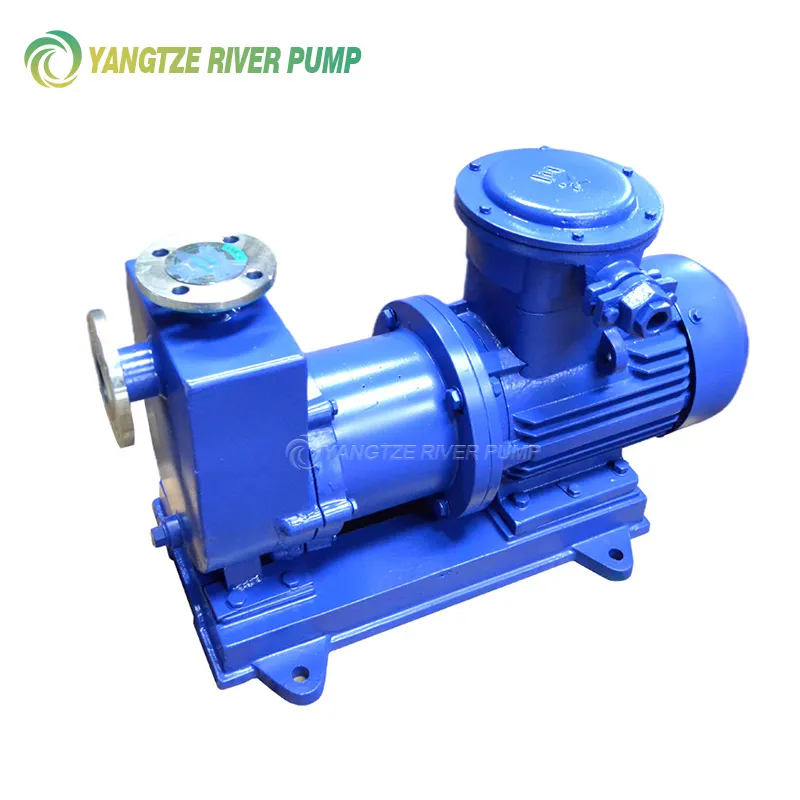 ZCQ Stainless Steel Self-Priming Magnetic Pumps
-
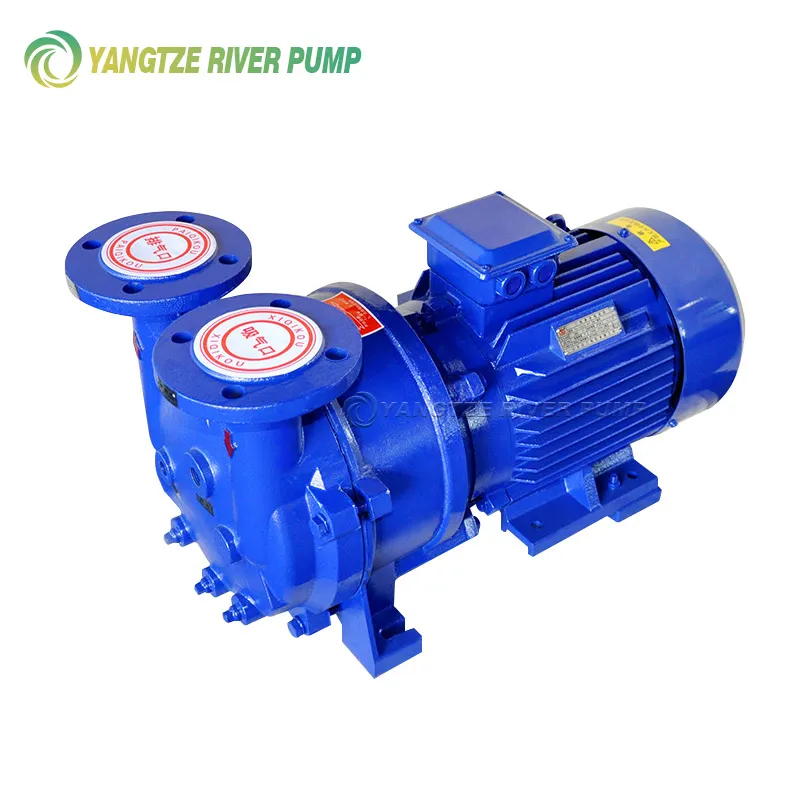 Liquid ring vacuum pumps type SKA and 2BV