







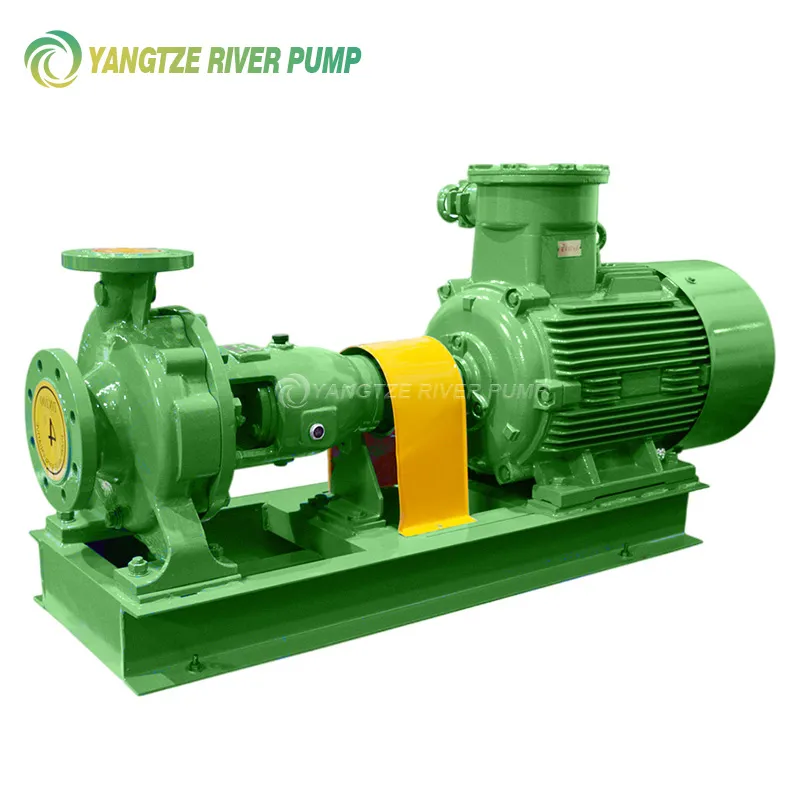
adjustable centrifugal pumps
When people talk about variable-speed centrifugal pumps, often the first thing that comes to mind is simply a pump with a frequency converter. But in practice, everything turns out to be much subtler and, sometimes, more unsightly. Many customers, and some colleagues in the shop, are still confident that the main goal of regulation is only to save energy. Although, if you dig deeper, the key challenge often lies elsewhere - the need to flexibly adapt system parameters to constantly changing technological conditions, be it a chemical process or a water supply system, where flow rates fluctuate throughout the day. And this is where the most interesting, and often painful, part begins.
The essence of regulation: not only speed
Yes, VFD is a powerful tool. But blindly installing it on any pump is a sure way to problems. I remember one project for a chemical plant where precise control of reagent flow was required. They installed a standard centrifugal pump with a frequency drive, and six months later constant failures began. It turned out that with deep throttling (reducing the frequency below 30 Hz), the pump began to operate in an instability zone, increased vibrations arose, and the mechanical seal collapsed. There is regulation, but there is no reliability.
Therefore, Zhejiang Yangzijiang Pumping Industry Co., Ltd. has a different approach. Before recommending a solution, my engineers and I review the system's operating schedule in detail. Sometimes it is not smooth frequency regulation that is more effective, but cascade switching of several units or the use of pumps with special characteristics. For chemical production, by the way, our plastic chemical pumps are often equipped with control systems not for speed, but for bypass through a bypass with a precise valve - this turns out to be both cheaper and more stable for aggressive environments.
Another nuance is mechanical regulation. Somehow they forgot about it in the pursuit of digitalization. But in the same multi-stage centrifugal pumps for boiler rooms, regulation by changing the number of operating stages or the angle of installation of the guide vane blades (if the design allows) gives amazing energy efficiency at certain points of operation. This is not always universal, but for stable systems that work in one mode for a long time, it’s golden. On our website https://www.yangtzeriverpump.ru in the products section this is not always clearly stated, but in technical consultations we always study such options.
Practical pitfalls and how to avoid them
A mistake I've seen dozens of times is ignoring the minimum allowable flow rate.Variable Centrifugal Pumpsare especially sensitive to working with a closed valve? or at low flows. Overheating of the liquid in the housing, cavitation, imbalance of the rotor - a bunch of problems are guaranteed. In our company, all pumps are tested on benches before shipment, and we make sure to build real operating curves, and not be content with catalog ones. This allows you to immediately show the customer the limits of safe regulation for a specific model.
Another pitfall is compatibility with the automation system. It happens that a pump has been delivered and installed, but it “doesn’t understand” the signals from the pressure or flow sensors. Or, on the contrary, the frequency generator creates such interference in the network that it “glitches?” all control equipment. That is why we now place great emphasis on comprehensive testing within our eight product lines, from R&D to service. We can offer a ready-made skid - a pump, drive, control cabinet and sensors that are already ground in. to each other. This is especially in demand for linear centrifugal pumps in fire extinguishing systems, where reliability must be absolute.
And of course, service. The regulated system is more complex. A mechanic accustomed to the usual “stone” pump, may get confused in front of the frequency converter. We always insist on training for customer personnel. Sometimes we even post short manuals on common faults on the website, but, to be honest, live communication with our service engineer is irreplaceable. Because over the phone it often turns out that the problem is not in the pump, but, for example, in a clogged filter or incorrect settings of the PID controller.
Case study: when regulation saved a project
I would like to remember a positive example. We had an order for an irrigation system for a large greenhouse farm. It was necessary to supply water with fertilizers to several tens of hectares, and the pressure and flow rate had to vary depending on the irrigation section being turned on. The client initially wanted to supply several conventional self-priming pumps with manual switching.
We proposed a cascade of threeadjustable centrifugal pumpsaverage pressure, controlled by a pressure sensor in the line. The system itself connects and disconnects units, smoothly adjusting their performance. The main argument was not so much the calculation of energy savings (although that was significant), but the demonstration of how the system eliminates water hammer when switching irrigation sections. Water hammer is the scourge of such systems; they tear pipes and drip tapes.
Installed and launched. The first year of operation showed a 70% reduction in emergency stops compared to neighbors' old systems. And most importantly, agronomists were able to finely dose the supply of nutrient solution to different crops simply by changing the setting on the controller. This is a case where regulation revealed the full potential of the technology, and was not just a “fashionable feature”. By the way, for such tasks, sometimes it is not the most expensive multi-stage pumps that are better suited, but reliable single-stage models with a cavitation reserve and a properly selected adjustable drive.
Equipment and its real limits of applicability
In our assortment, as indicated on the website https://www.yangtzeriverpump.ru, there are different types of pumps, and not all of them are equally “friendly”. with regulation. For example, diaphragm pumps or single screw pumps - they are volumetric in nature, and their regulation is carried out differently, most often by changing the stroke or speed. But for standard single-stage and multi-stage centrifugal pumps, speed control is their natural element.
But there is an important point with submersible pumps. Regulating the rotation speed of a submersible electric motor is a task of increased responsibility. The long cable, the cooling features of the engine in the well (it depends on the speed of the water flow around it) - all this imposes limitations. We are following the path of using specialized frequency converters with functions of engine protection and pre-calculation of operating points in conjunction with hydraulics. You can’t do it just like that, “out of the box”.
Magnetic pumps are a separate issue. Their main trump card is complete tightness. Regulation most often concerns not the pump itself, but the external drive. The key here is to ensure smooth starting and stopping to avoid torque surges on the magnetic clutch. Sudden changes can cause it to slip and overheat. Therefore, for such pumps we always describe the acceleration and deceleration algorithms in detail in the data sheet.
Looking to the future: what really matters
Nowadays there is a lot of noise around “smart” people. pumps and the Internet of things. But, based on experience, this is not the main market need. Customers need, above all, predictability, reliability and maintainability. Vibration and temperature sensors built into bearing units - yes, this is really useful for predictive maintenance. But remotely changing parameters via a smartphone is a function that in 95% of cases will not be in demand in serious production for reasons of cybersecurity.
The trend I'm seeing is a request for deeper integration. Don't just selladjustable centrifugal pump, but to design a unit or even an entire system, where the pump is its organic and optimally selected part. To this end, our company closes the full cycle - from its research and testing to installation supervision. Because the hardest part begins after the equipment is shipped from the factory.
The bottom line of my thinking is simple: regulation is not an option, but part of the design philosophy of a modern pumping system. It cannot be applied in a formulaic manner. Success is determined not so much by the characteristics of a pump from a catalog, but by an understanding of how it will behave in a real, non-ideal system, with real voltage drops, contaminated water or changing fluid viscosity. And it is precisely this understanding that we focus our work on, be it a simple delivery or a complex project.
Correspondingproducts
Related Products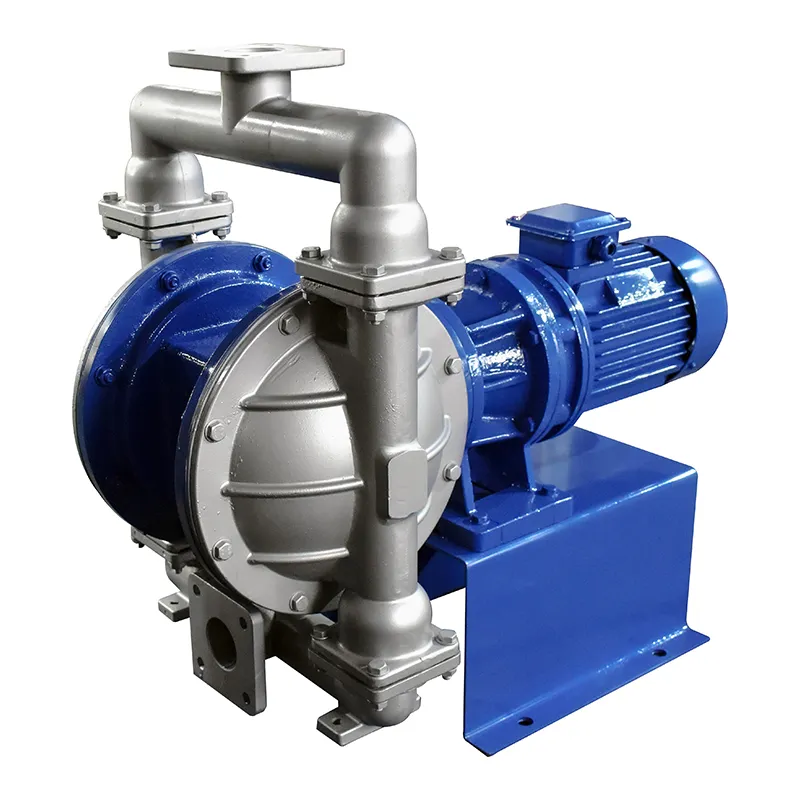
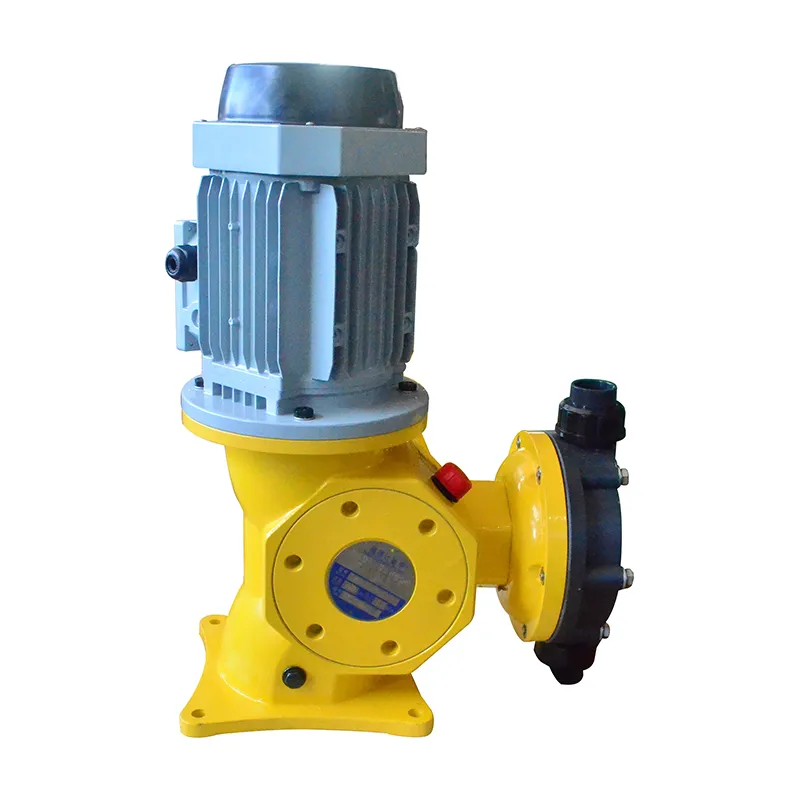
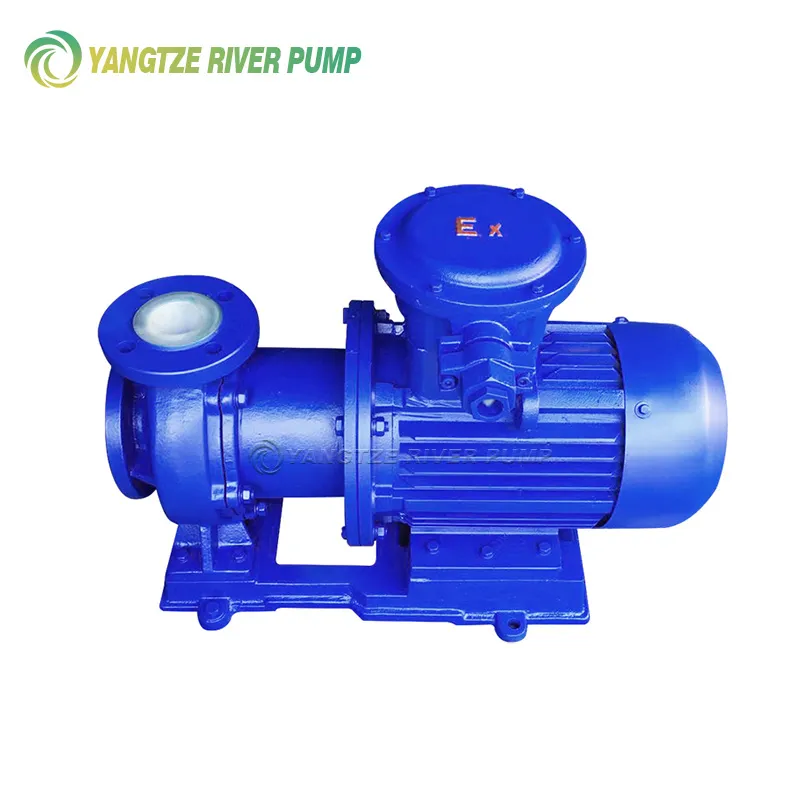
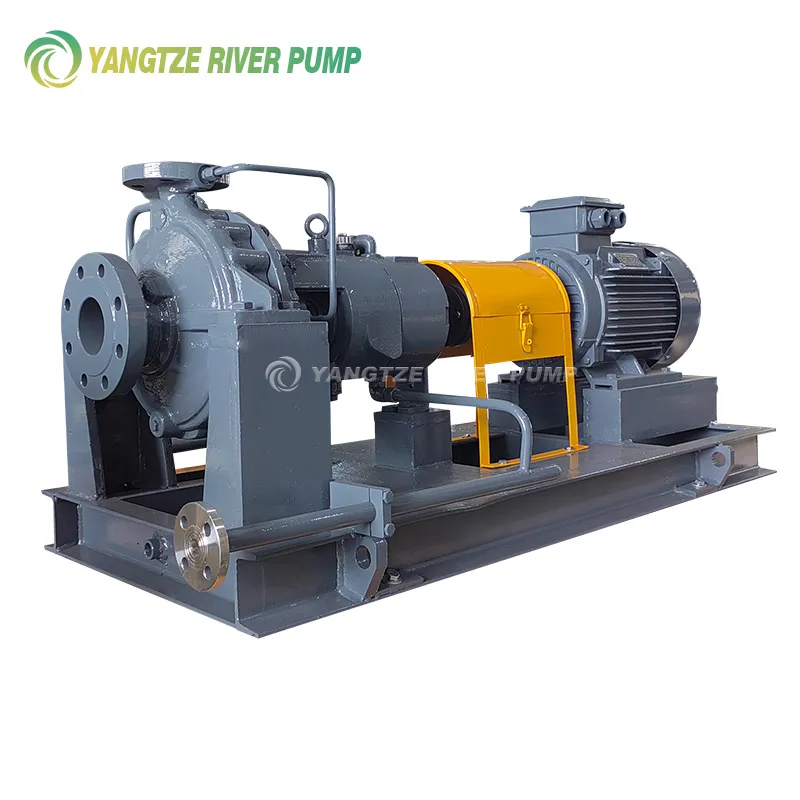

Best Sellingproducts
Best Selling Products-
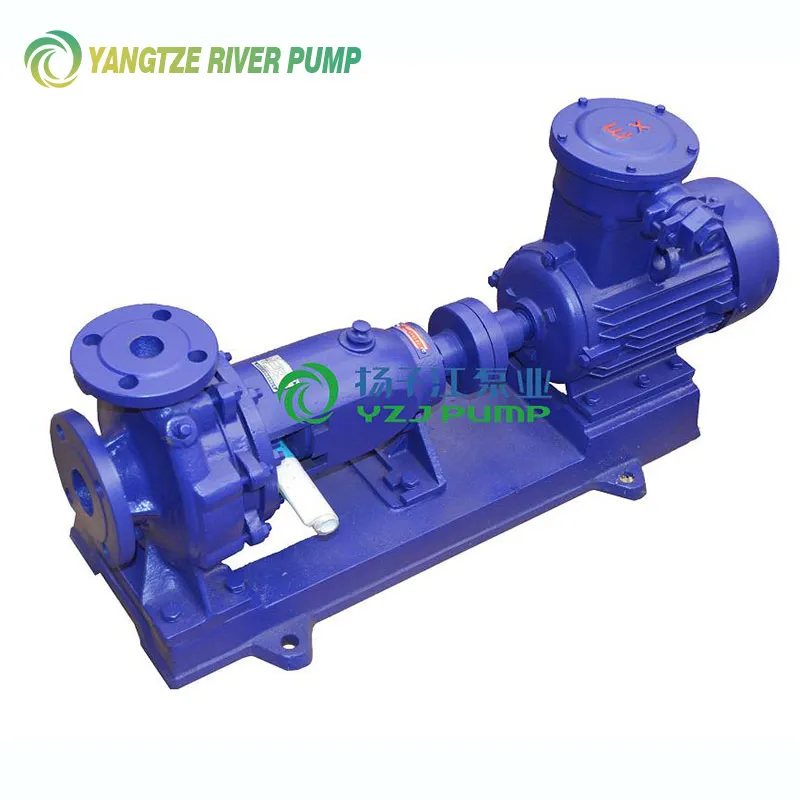 Horizontal chemical centrifugal pumps types IS and IR
-
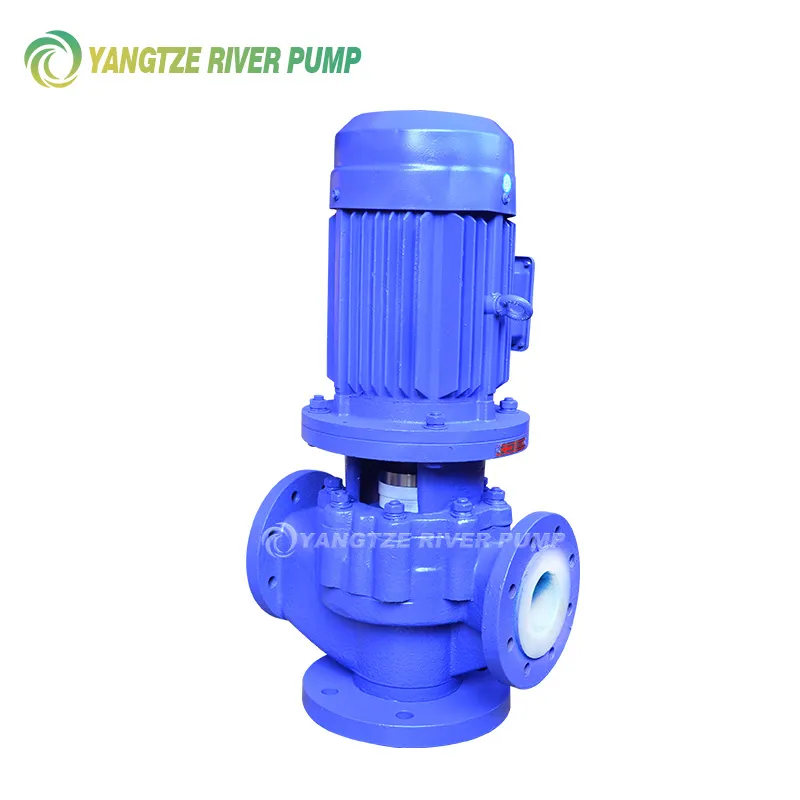 Vertical pumps with PTFE lining YQF
-
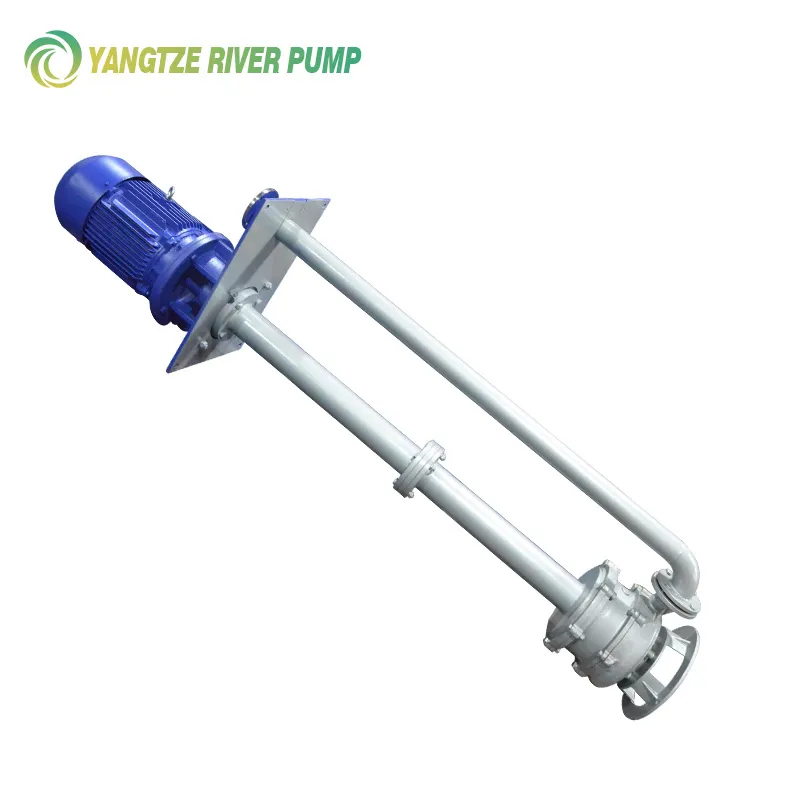 YW Vertical Submersible Sewage Pumps
-
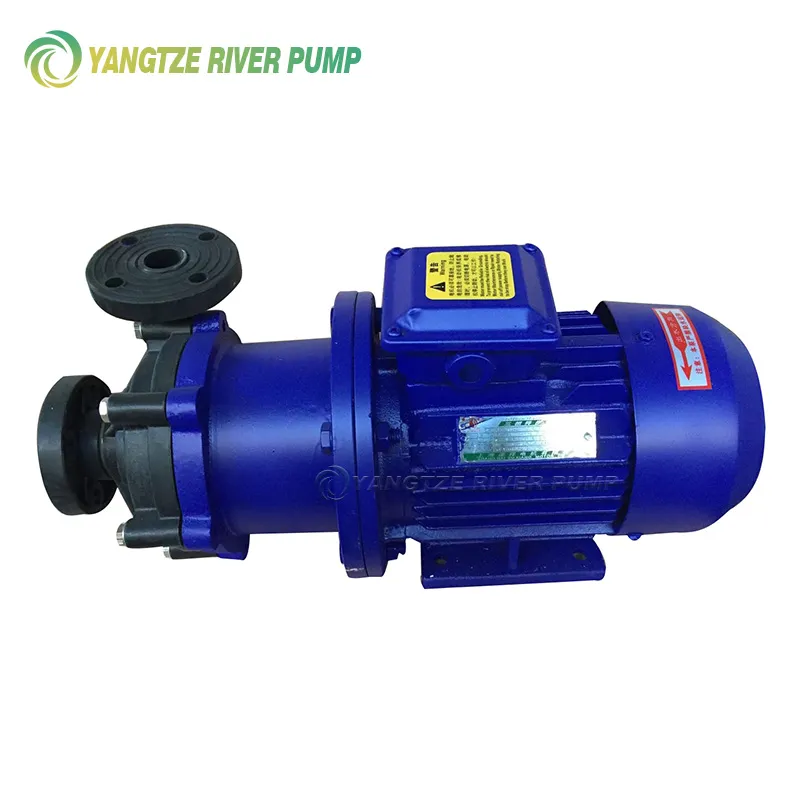 CQF Plastic Magnetic Pumps
-
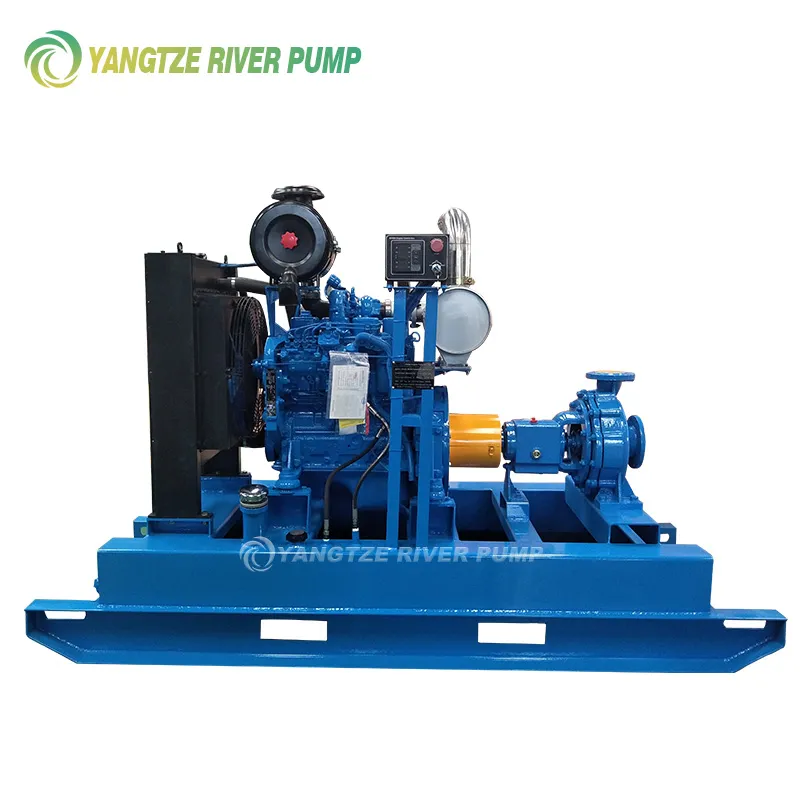 YZIS Diesel Single Stage Centrifugal Pumps
-
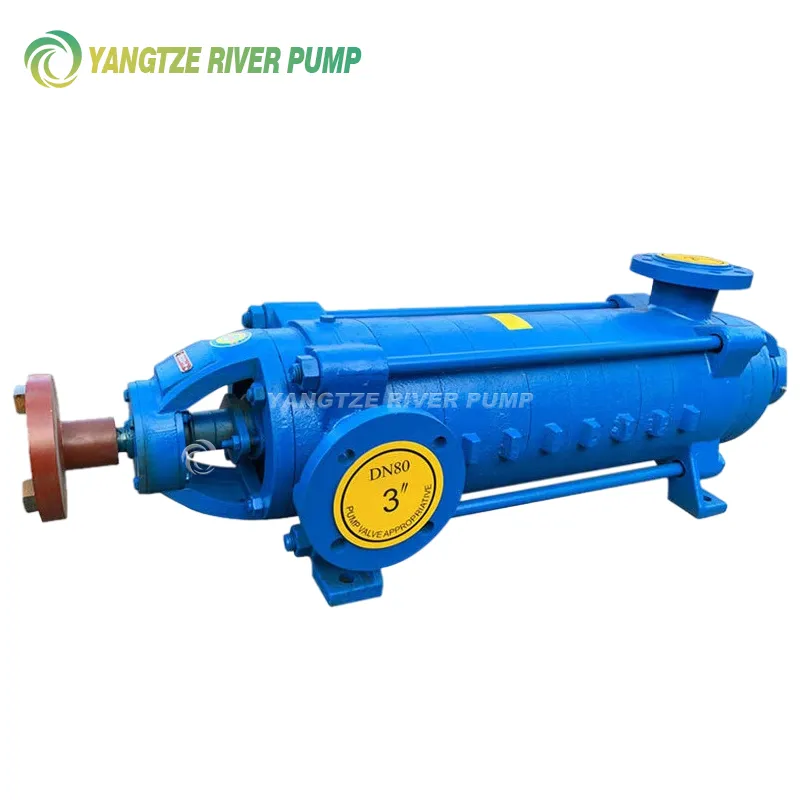 Horizontal multistage centrifugal pumps type D
-
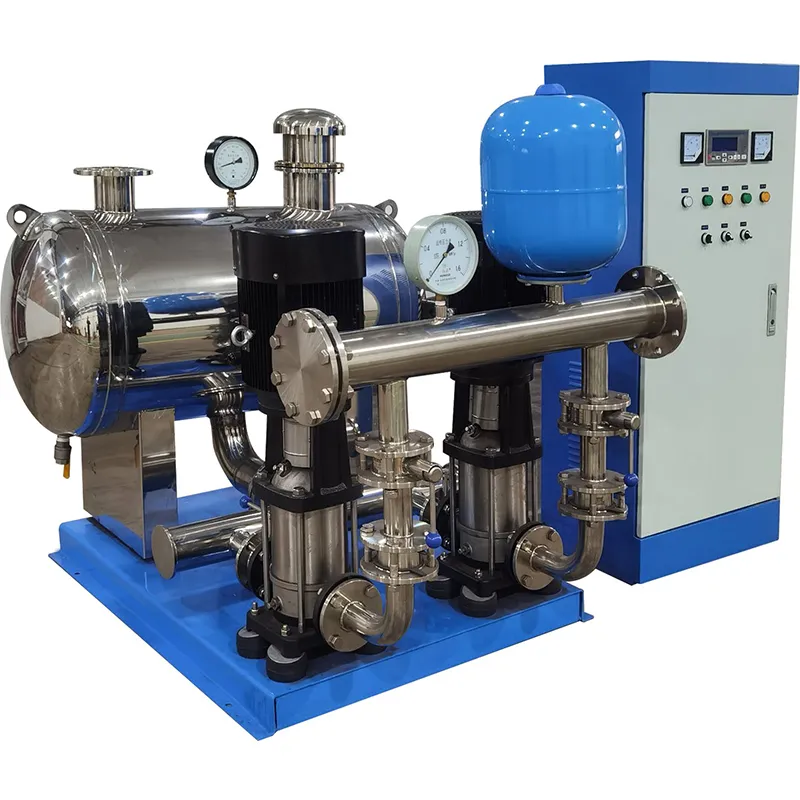 Complete water supply installations with frequency regulation and constant pressure CDLF
-
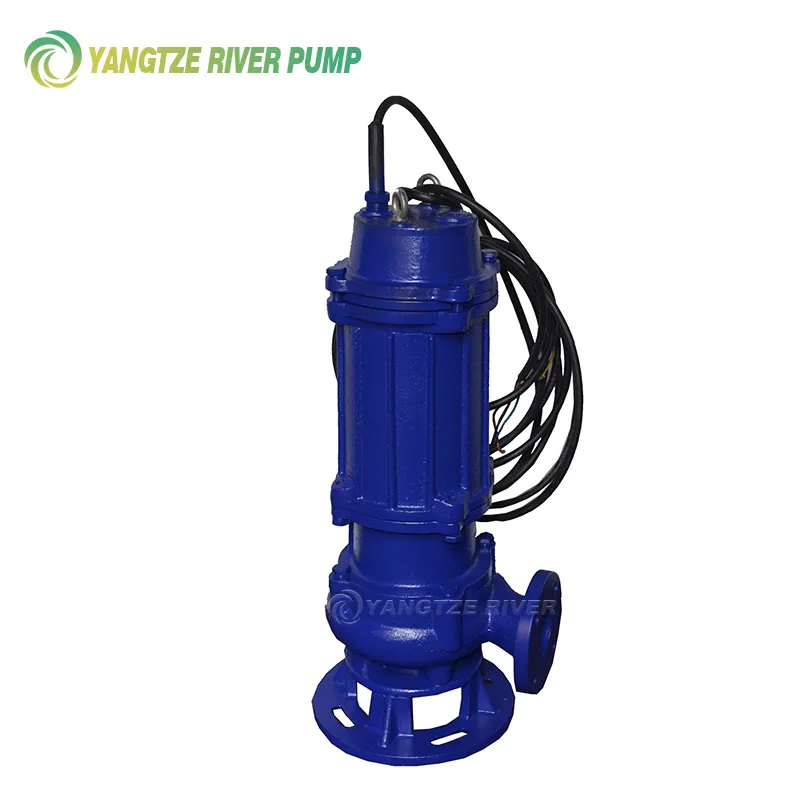 QW Non-clogging Submersible Sewage Pumps
-
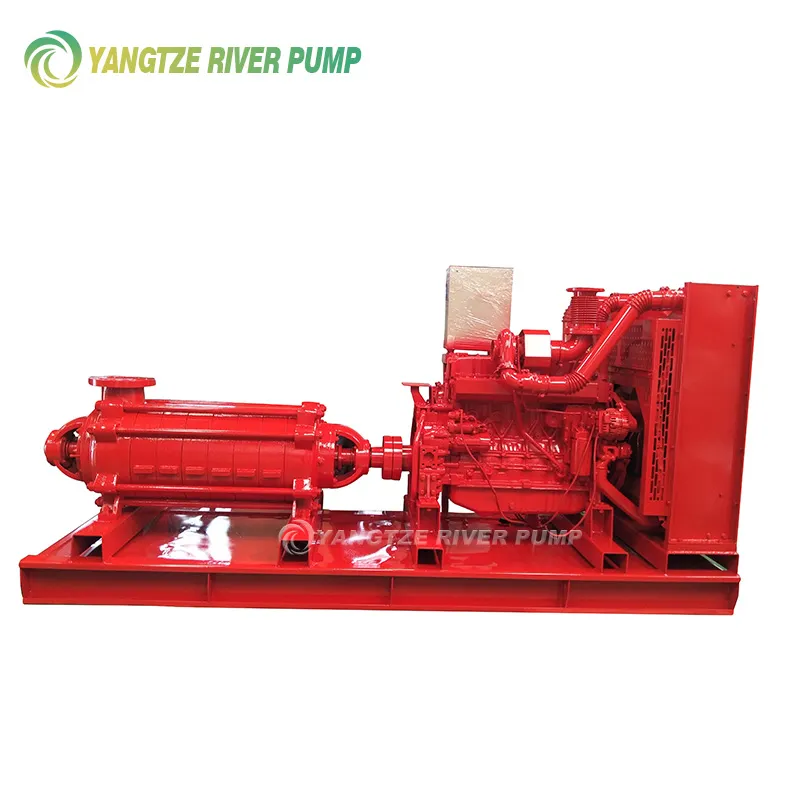 YZD Series Diesel Multistage Centrifugal Pumps
-
 YCB Type Circular Gear Pumps
-
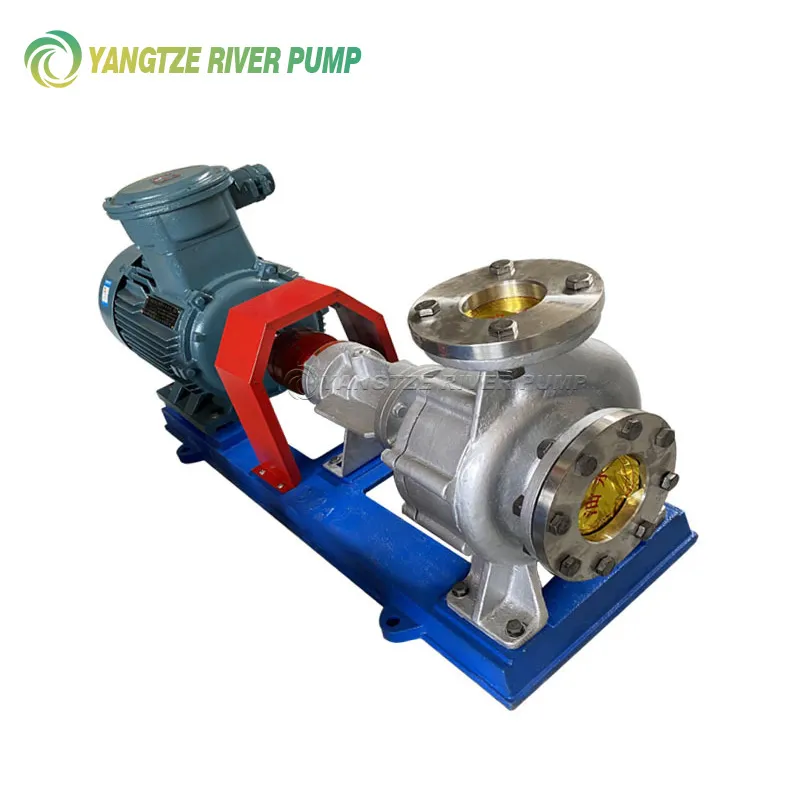 RY thermal oil pumps
-
 YCZ Chemical Process Pumps