







production of centrifugal pumps
When they talk aboutproduction of centrifugal pumps, many immediately imagine a foundry, a lathe and assembly. It’s as if the main thing is to cast the body, grind the shaft, fit the wheel and it’s done. In fact, if everything were so simple, the market would not be flooded with pumps that do not withstand even half of the declared resource. The main mistake is to reduce the process to mechanical assembly, losing sight of dozens of nuances, from choosing the grade of cast iron for a specific environment to the method of balancing the rotor at operating speeds. It is these “little things” and determine whether the pump will simply rotate or pump steadily for years under real, rather than bench, operation conditions.
From drawing to casting: where the first risks lie
It all starts not in the workshop, but in the design department. And here the first fork is unification versus optimization. You can take a proven hydraulic circuit, substitute new dimensions and put it to work. It's fast and cheap. But we at Yangtzeriverpump.ru took a different route, especially formultistage centrifugal pumps. Each new standard size is a recalculation of the flow part to the specific pressure and flow parameters of the customer. Why? Because a standard wheel operating at the design point begins to cavitate when the mode deviates, and in such a way that it eats up the blades within a month. I have seen this more than once on pumps assembled according to the principle of “one body for all occasions”.
Let's say the circuit is ready. Next is the casting equipment. There is also a trap here: you can order forms from a third-party company and save money. But the quality of the casting surface and the accuracy of the allowances are future costs for machining. We have our basic models, the samelinear centrifugal pumps, we pour on our own site. We control both the pouring temperature and the composition of the alloy. For aggressive environments, for which our plastic chemical pumps are designed, this is generally critical - the slightest porosity in the body material and leakage are guaranteed.
Balancing. It would seem like a routine. But how to carry it out? Everyone undergoes cold balancing on the machine. What about a dynamic one, under load, complete with a drive? We insist on this for the entire segmentcentrifugal pumpsresponsible use. There was a story with a pump for circulating hot water - everything was perfect at the stand, but on site a week later there was vibration. It turned out that at operating temperature, the shaft, due to the different coefficient of expansion of the materials and the fit of the wheel, was deformed microscopically, but enough to cause an imbalance. We had to make amendments to the assembly technology.
Assembly: where theory meets practice
The assembly shop is where all previous steps are tested. An ideally designed seal can “bite” due to a millimeter misalignment when pressing the bushing. At Zhejiang Yangzijiang Pumping Industry LLC, we have introduced double control for critical components: the geometry of the seats is checked after each operation. This is especially important formagnetic pumps, where the gap between the inner and outer rotor is a matter of tenths of a millimeter. If you assemble it carelessly, the efficiency will drop catastrophically, and the magnetic coupling will begin to overheat.
Another point is staff training. You can write an ideal technological map, but if the assembler is used to “holding out?” key all the way, problems with bearing units cannot be avoided. We switched to torque tools for critical connections. Yes, it's slower. But the number of warranty cases due to “jammed bearing?” dropped to almost zero. This also appliesself-priming pumps, where the reliability of the shaft seal under possible dry running conditions is a key factor.
Load testing is sacred. Each pump leaving our line is tested on water. But there is a nuance here too. Often only the nominal point is checked. We measure the characteristics: pressure, flow, current consumption, vibration - in several modes. This makes it possible not only to state “it works,” but to identify hidden defects. For example, an imperfect blade shape, which will cause a failure in performance. We will not send such a pump for sale, but will send it for disassembly and analysis.
Materials and Environment: Main Dialogue
The choice of material is always a compromise between cost, strength and durability. Cast iron SCh20 is good for water, but for weak alkalis you need stainless steel. And for concentrated acids - alreadyplastic chemical pumpsmade of PP or PVDF. We have seen from our own experience that saving on case material is the most false. The client will buy a pump for pumping, conditionally, a saline solution made of cast iron. It will work for a year, and then corrosion will eat up the flow part. Reputation is lost, lawsuits are possible. Therefore, our sales department strictly demands from the customer accurate data on the environment: not just “chemistry”, but pH, temperature, the presence of abrasive particles.
Forsubmersible pumpsthe story is separate. Here, in addition to chemical resistance, the pressure of the liquid column is added. The thickness of the walls, the quality of the threaded connections, the durability of the cable entry - everything should be in reserve. Once there was a case with a drainage pump: the customer saved money, took a model with a body made of ordinary stainless steel, and pumped water with a high content of chlorides. Six months later - through corrosion. Now for such tasks we offer only steel grades with a high molybdenum content, even if it is more expensive. Honesty in material selection pays off in long-term relationships.
We carry out durability tests selectively, but strictly. Samples of materials, new coatings forcentrifugal pumps— everything is sent to the laboratory, where it is kept in an aggressive environment under load. This allows you to collect your own database of which material actually lasts for how long. Theoretical resistance tables are often too optimistic.
Logistics and after-sales: what happens after shipment
Collected, tested, packaged. It would seem that's the end of the story. But no. How will the pump be delivered to the site? We were faced with the fact that during sea transportation in a container, due to humidity and salt fog, the unprotected surfaces of the shaft could become corroded even before commissioning. It was necessary to develop enhanced preservation and packaging protocols, especially for shipments to tropical countries. It's a small thing, but it shows that you care about the product all the way.
And after-sales service is not just “call me if anything happens?”. For complex units, the samemultistage centrifugal pumpshigh pressure, we prepare recommendations for initial start-up, run-in, and maintenance schedule. Often breakdowns occur due to improper installation or dry start-up. Our website https://www.yangtzeriverpump.ru has become not only a catalog, but also a knowledge base: there we post technical notes and analysis of common installation errors.
And of course, a spare parts warehouse. Keeping all items for hundreds of models in a warehouse in Russia is expensive. But we have formed a safety stock of the most popular ones. units: seals, bearing units, impellers for popular modelslinear centrifugal pumps. This reduces repair time for the customer from months to weeks. For us, this is a matter of responsibility to those who bought our product.
Looking ahead: where the industry is heading
Now the trend is ?smart? pumps with sensors and the ability to integrate into automated process control systems. This is right. But our opinion is that first you need to bring the hardware to perfection. The most advanced vibration sensor will not save the pump from cavitation caused by poor hydraulics. Therefore, our R&D efforts are concentrated in two areas: further improving the efficiency of the flow part (that same efficiency) and increasing the service life through new combinations of materials. For example, forsingle screw pumpsWe are experimenting with wear-resistant polymers for the stator that handle viscous abrasive media.
The second area is flexibility. The market demands increasingly customized solutions. Our eight complete production lines provide just this opportunity. We can relatively quickly put into production a modification of a standardcentrifugal pumpfor a non-standard flange or material, without stopping the entire conveyor. This is our competitive advantage over giants who only work in large quantities.
As a result,production of centrifugal pumps- this is not a conveyor. This is a chain of interconnected decisions where every step is important: from engineering calculations to how the assembler tightens the last nut. And the main indicator for us is not the sales volume in units, but the number of pumps that, after ten years, continue to work properly at our clients’ facilities. Everything else - technology, processes, control - are just means to achieve this goal. This is exactly how we work at Yangtzeriverpump.ru, trying to ensure that each unit, be it a powerful multi-stage pump or a compact magnetic one, becomes not a problem for the buyer, but a reliable tool for many years.
Correspondingproducts
Related Products
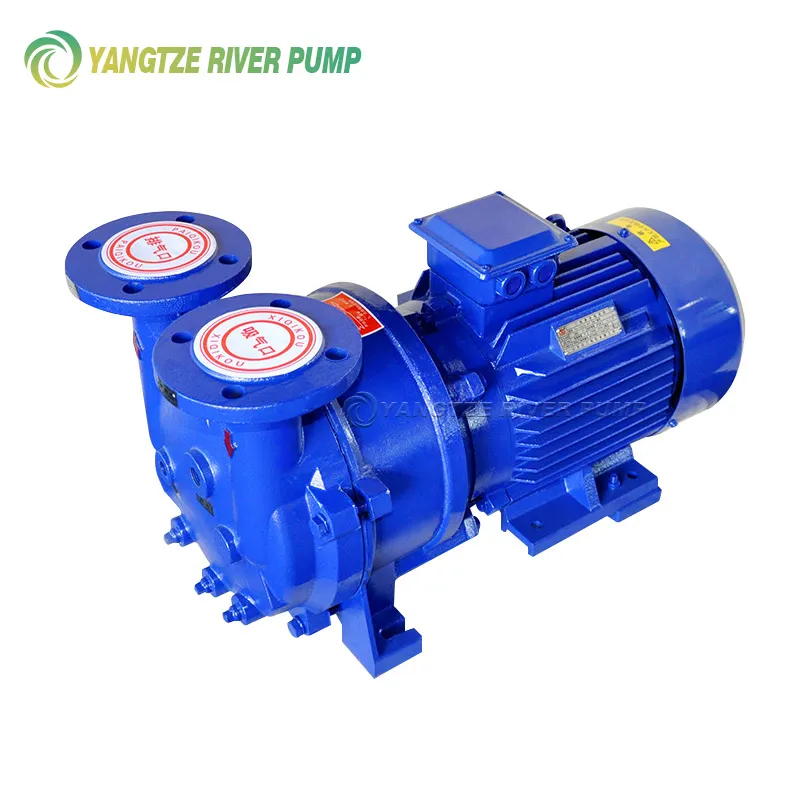

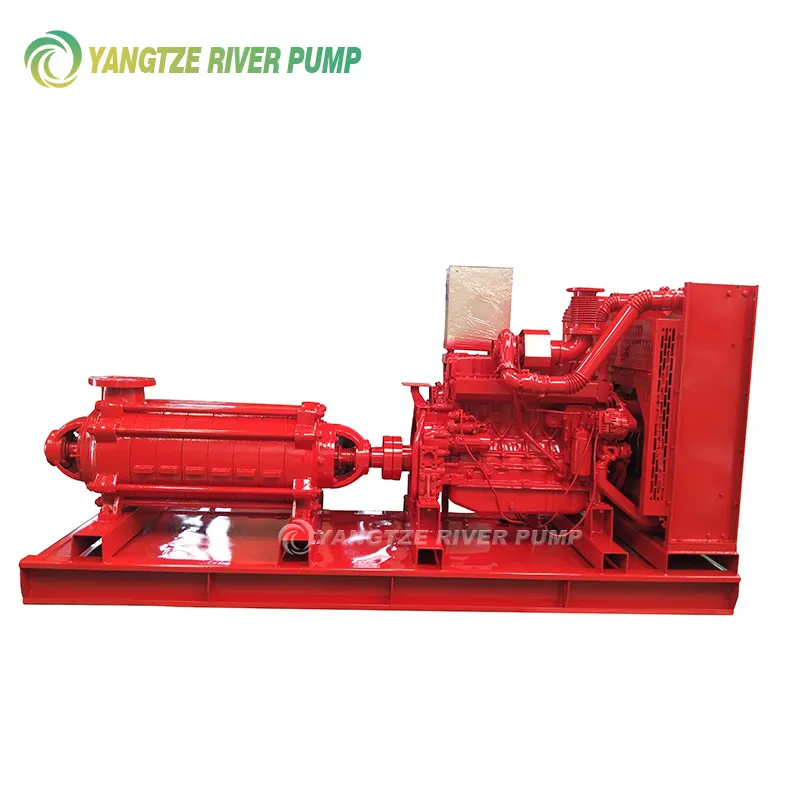

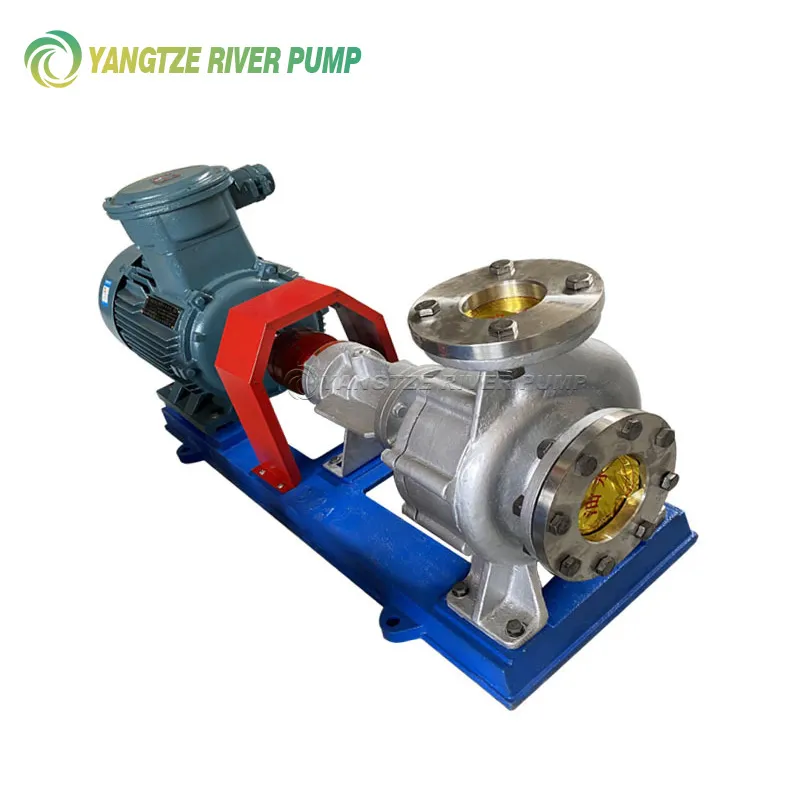


Best Sellingproducts
Best Selling Products-
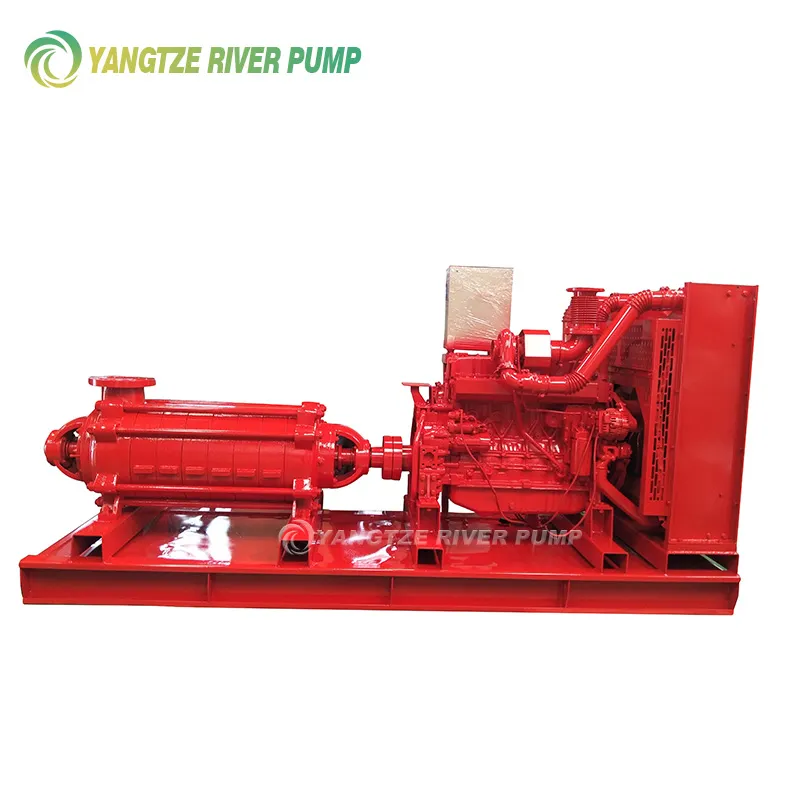 YZD Series Diesel Multistage Centrifugal Pumps
-
 Sanitary screw pumps type GF
-
 CQF Plastic Magnetic Pumps
-
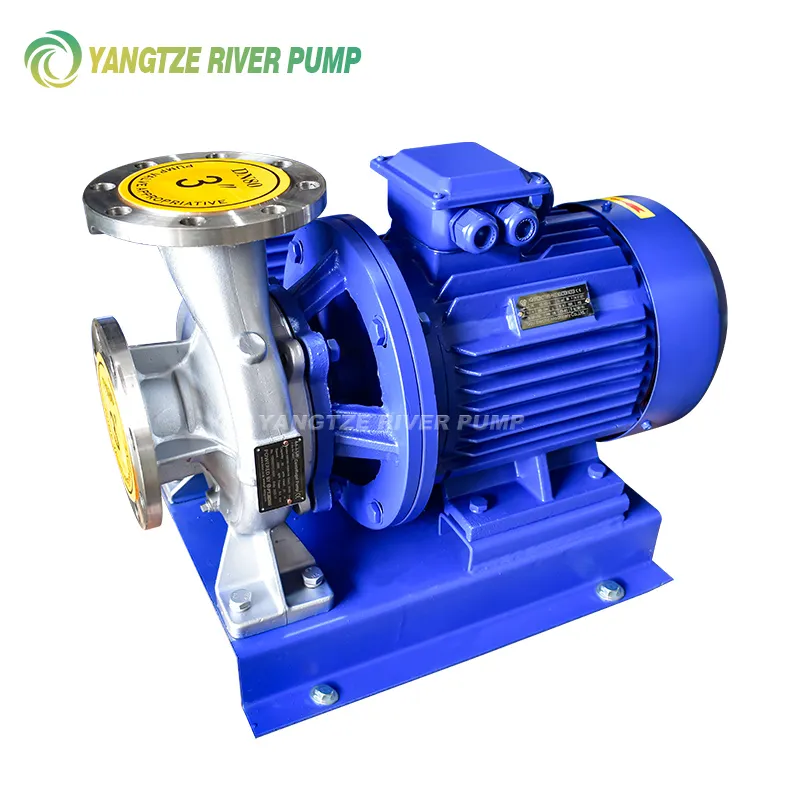 ISW and ISWH Single Stage Horizontal Pipeline Centrifugal Pumps
-
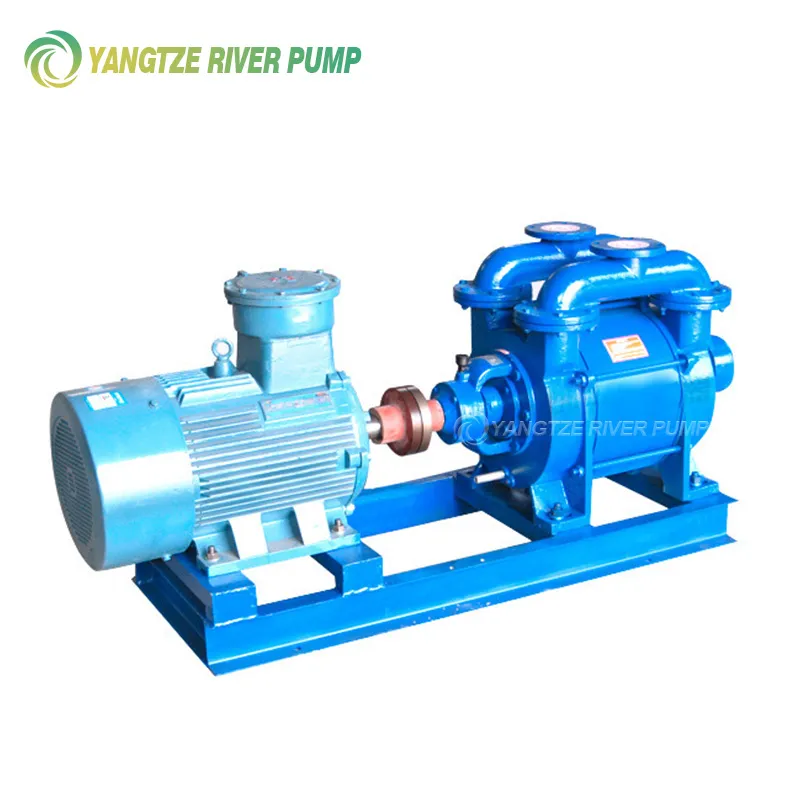 Liquid ring vacuum pumps type SK
-
 YZSP Diesel Self-Priming Pumps
-
 QJ type borehole pumps
-
 YCZ Chemical Process Pumps
-
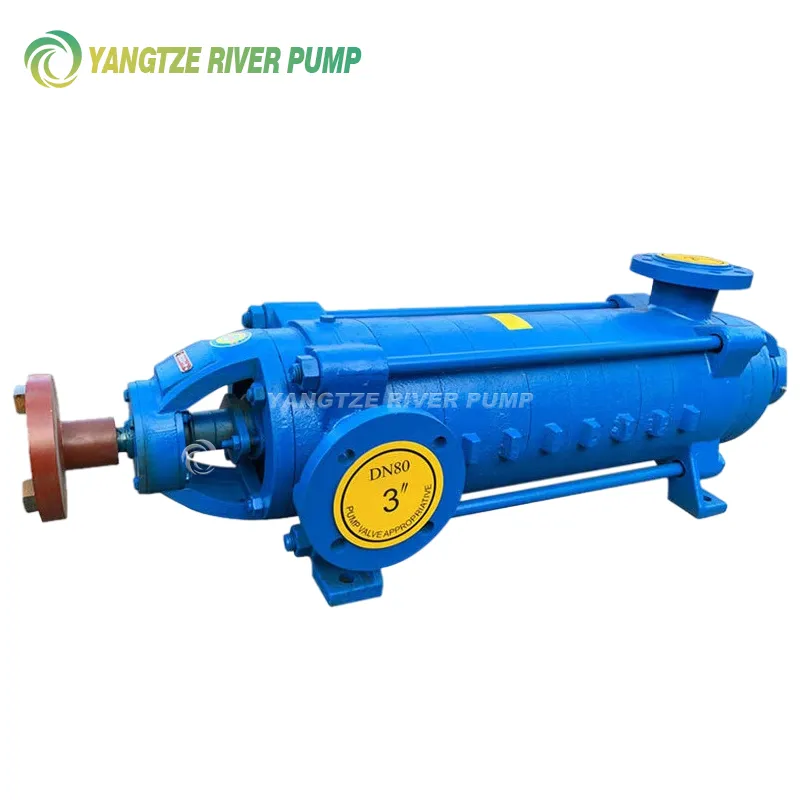 Horizontal multistage pumps for feeding DC boilers
-
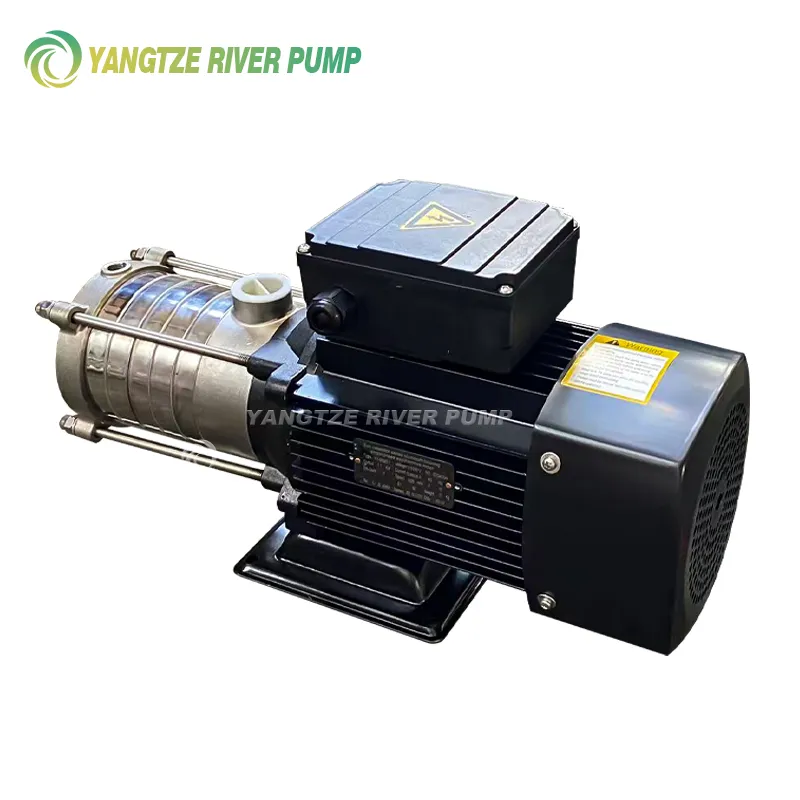 Horizontal multistage centrifugal pumps (light series) CHL and CHLF
-
 Vertical multistage centrifugal pumps made of stainless steel (light series) CDL and CDLF
-
 Horizontal multistage centrifugal pumps type D