







centrifugal pump 2 25
When you see “centrifugal pump 2 25” in a specification or request, you immediately understand that we are talking about specific parameters - a nominal diameter of 2 inches and a head of about 25 meters. But here’s the catch: many, especially those who are encountering this for the first time, think that this is some kind of standard ready-made model, like a refrigerator. But in reality, this is rather a technical characteristic that can fit a number of units, and the operation of the entire system will depend on how you decipher it and what you choose. I got burned by this myself when, ten years ago, I installed the first “two-inch” one I came across to water my plot. with a pressure of 25 m, but it turned out to be too noisy and consumed more electricity than necessary. Then I realized that it was not only a matter of numbers, but also the type of impeller, the material of the flow part, and, critically, the characteristic curve of the pump.
Let's break down the numbers: not just 2 and 25
The number ?2? - this is a conditional diameter, usually DN 50 mm. But here it is important to look at the connecting dimensions - thread or flange? For many household and semi-industrial systems, threads are more often used, but in stationary pipelines there are already flanges. ?25? - this is the maximum pressure, but it is achieved at zero flow. In reality, when the pump pumps water, the pressure drops. Therefore, you need to look at the operating point: what flow rate do you need at what pressure? Let's say for irrigation you need 10 cubic meters per hour at a head of 20 meters - so you are looking for a pump whose Q-H curve passes through this point or close to it.
A common mistake is to select a pump only for maximum parameters. I saw how they installed a powerfulcentrifugal pumpto supply water to the trailers, but it worked at half capacity, constantly overheated and eventually burned out. Because the operating point was shifted far to the right along the curve, the efficiency fell below the baseboard. You should always request a performance chart from the manufacturer. Here, in productionZhejiang Yangzijiang Pumping Industry Co.,Ltd, for each pump, whethersingle stage centrifugalormulti-stage, such graphs are required, and we always provide them to technologists during selection.
Another nuance is the material. For clean water, cast iron will also do, but if we are talking about some technical liquids, even weak solutions, you already need to look at stainless steel or, as in our line,plastic chemical pumps. We had a case with a client from a food processing plant: they pumped syrup, installed a regular cast iron pump, and six months later problems began with the product - an aftertaste appeared. We figured it out - corrosion had started. We switched to a pump made of AISI 304 stainless steel, and the issue was resolved.
Production experience: from drawing to testing
When we design and assemble a pump for parameters like “2 25”, we look at it not as an abstraction, but as a node in a specific system. Our plant has eight full lines - this is not for beauty. This means that from development in the R&D department to the final tests for tightness and performance, everything goes along the chain, under control. Tests are especially important. Readycentrifugal pumpwe race on the stand, take real parameters, compare them with the calculated ones. It happens that due to a casting hole in the housing or shaft microbeat, the characteristics “float away”. Then we either revise it, or, if the deviation is within the tolerance, we correct the passport. Honesty in this matter is the main capital.
Here, for example, is a linelinear centrifugal pumps. They are often confused with console ones. And the key difference is in the supporting structure and the location of the pipes. Linear is good when you need a compact insert into a straight pipeline. We once made a batch of such pumps for a recirculation system in a swimming pool. The customer initially wanted conventional ones, but after calculating the hydraulic losses during turns, he agreed to a linear scheme. We saved space and reduced resistance.
And withself-priming pumpsaltogether a different story. The numbers ?2 25? for them, this is one thing, but there is also a depth of suction. Theoretically, they can claim 8 meters, but in practice, if there is even a slight air leak at the suction, the performance will collapse. Therefore, the volume of the air-water chamber and the shape of the impeller are critically important in the design. Before shipping, we always test our models on dry suction - we launch them “by air?” and measure the time during which a vacuum is created and the water rises. Not all manufacturers do this, unfortunately.
Where and how are such pumps used?
Parameters ?2 25? - this is a very popular range. Such equipment is used for water supply to small houses or farms from wells, and for pumping in heating systems, and for irrigation, and for technological lines in small production. The key is to correctly define the conditions. If it's a well, then look atsubmersible pumps— they have a different design, although the principle is the same centrifugal. But for wells, the diameter of the casing is also important.
One of our regular customers, a small beverage plant, uses several pumps with these specifications in different locations. On the bottling line -plastic chemical pumpfor blended syrup, for washing containers -centrifugal pumpmade of stainless steel for the cleaning solution, and for the circulation of cooling water in the chiller - ordinary cast iron. We selected them separately for each case and looked at the chemical resistance of the materials indicated in the catalog onhttps://www.yangtzeriverpump.ru.
People often ask about reliability. My answer is always simple: reliability is built into production. Not in beautiful packaging, but in the quality of the casting of the housing, in the precise balancing of the impeller (we do this on a dynamic stand), in bearings from trusted suppliers and in high-quality motor windings. I've seen pumps where they skimped on the stuffing box and installed cheap packing - they leaked within a month. In most models we immediately install a mechanical seal, it lasts longer and there are fewer losses.
Typical installation and operation errors
Even the best pump can be ruined by improper installation. The first and most common is the wrong direction of rotation. It seems nonsense, but if a three-phase motor is connected in the wrong direction, the pump will work, but with scanty performance and is noisy. Always check after the first launch! The second is the absence of a check valve on the suction line if the pump is not self-priming. Without it, after shutting down, the water will go away, and the next time the pump is started, it will run “dry”. - this is certain death for the mechanical seal.
Another story from practice. Delivered to the clientmultistage centrifugal pumpto increase the pressure in the network. He gave out his 25 meters with a reserve. But the system was old, with a piece of rusty steel pipe. A couple of months later the client complains: noise, vibration. We arrived and opened it - there was cavitation erosion in the first stage impeller. The reason is a narrowing of the suction due to deposits in the old pipe, the pump began to “starve”. I had to clean the pipeline and install a coarse filter. Now we always recommend analyzing the condition of the pipes before selecting a pump.
And about “dry?” move. For pumps not designed for this (and most of them are), running without liquid means a few minutes before failure. Overheating, scuffing, deformation. Some install pressure switches or flow sensors for protection. In some of our models for critical systems, we immediately include terminals for connecting such a sensor. This does not complicate the design, but greatly increases the survivability of the unit in real, far from ideal, conditions.
A look into the future: what is changing in pumps of this class
The current trend is towards energy efficiency and controllability. Increasingly towards the classiccentrifugal pump 2 25They are asking not just for a motor, but for a frequency converter included or with the ability to connect it. This allows you to flexibly adjust the performance to changing loads, rather than running the pump at full capacity and dumping excess through the valve. The savings on electricity over the course of a year can make up for the difference in price.
The materials don't stand still either. We are experimenting with polymers, composites for casings and impellers in aggressive environments. Sometimes this comes out cheaper and more durable than stainless steel. But here we need our own tests, our own database on chemical resistance. On our website in the product section you can see this assortment - from standard to special versions.
And, of course, the service. Previously, it often happened: I sold and forgot. Now for usZhejiang Yangzijiang Pumping Industry Co.,Ltd, this is not true. Because one satisfied customer, who was quickly helped with seal replacement or installation advice, will bring several more. Therefore, we keep in stock not only pumps, but also the most popular spare parts for them - the same mechanical seals, bearing units. This allows the customer to reduce downtime to a minimum, which in the production cycle is often more important than the small initial savings on the pump itself.
As a result, returning to “centrifugal pump 2 25?” is not just a line in a directory. This is a tool that must be correctly selected, correctly installed and serviced on time. Numbers are only the starting point for a dialogue between the technologist, installer and manufacturer. And when this dialogue succeeds, the pump works for years without reminding itself. And this, perhaps, is the best assessment for any equipment.
Correspondingproducts
Related Products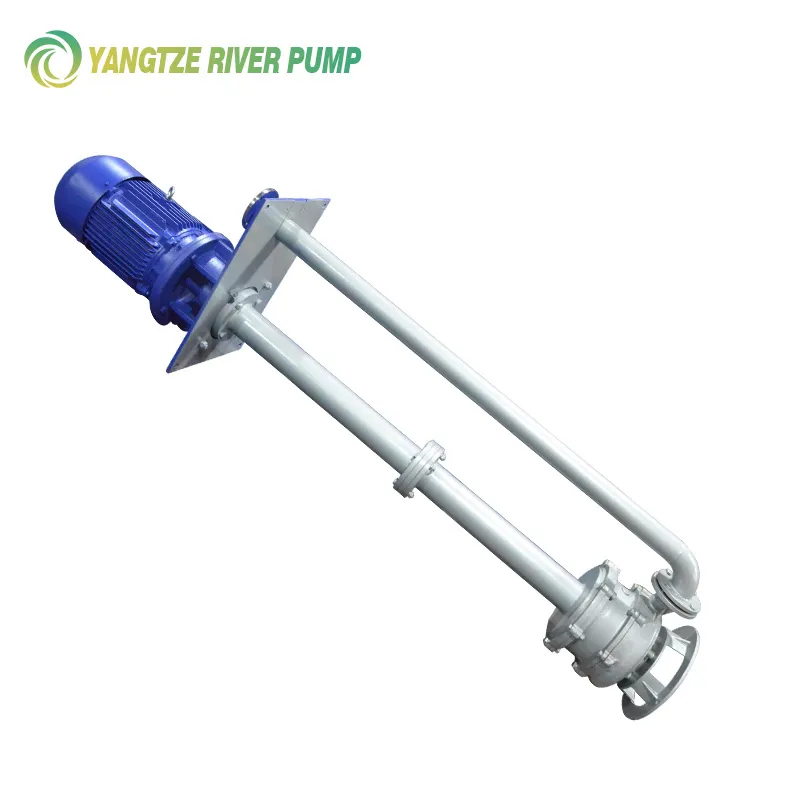
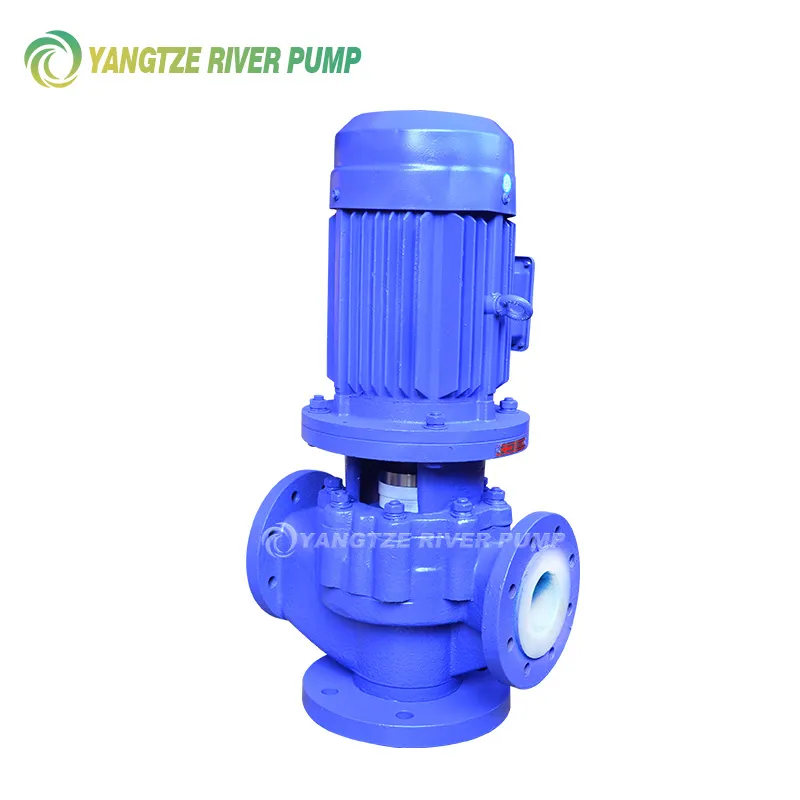
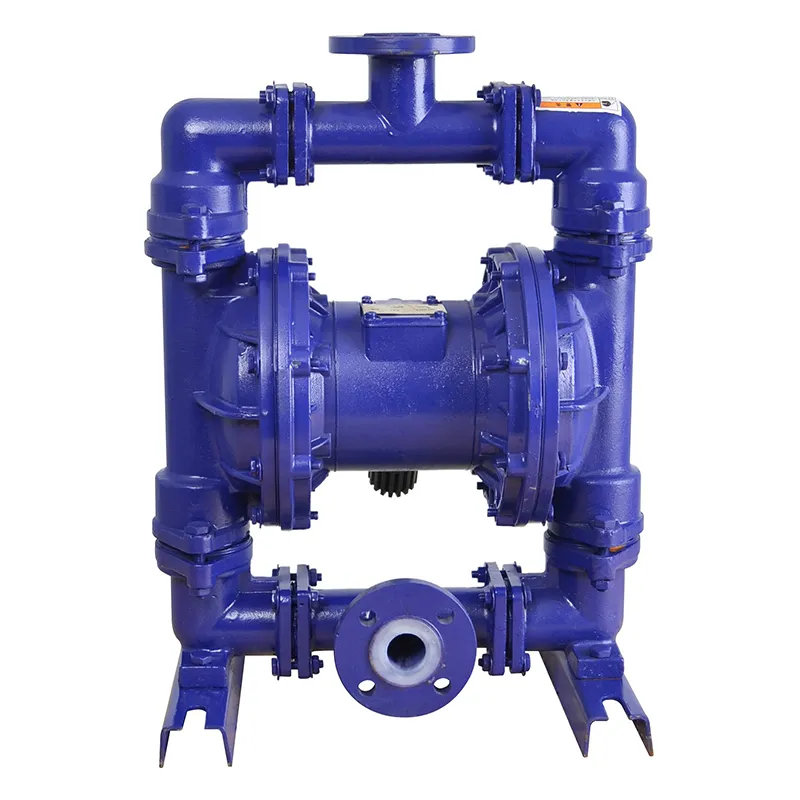
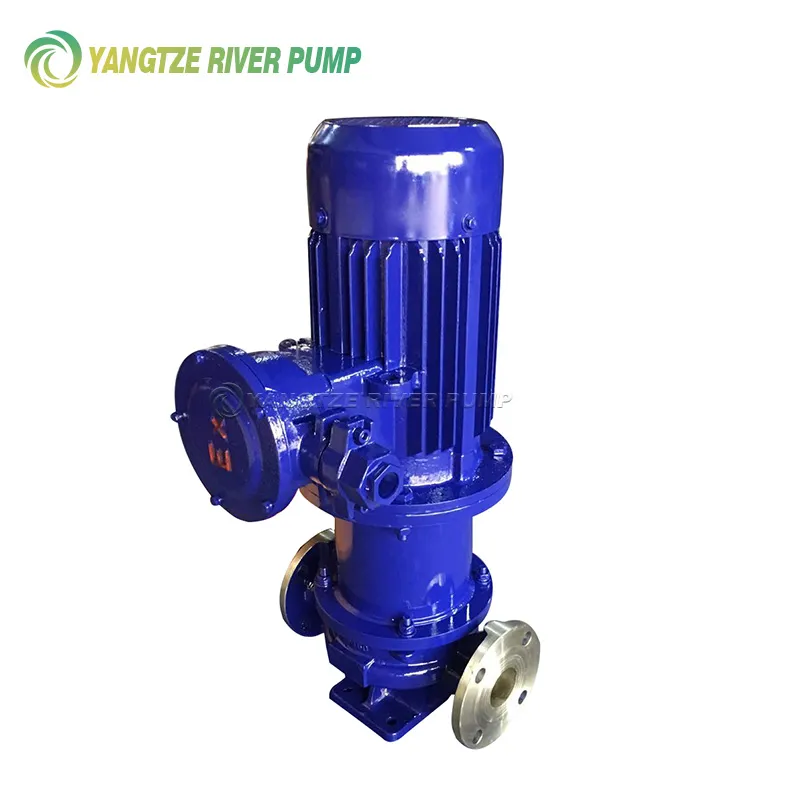
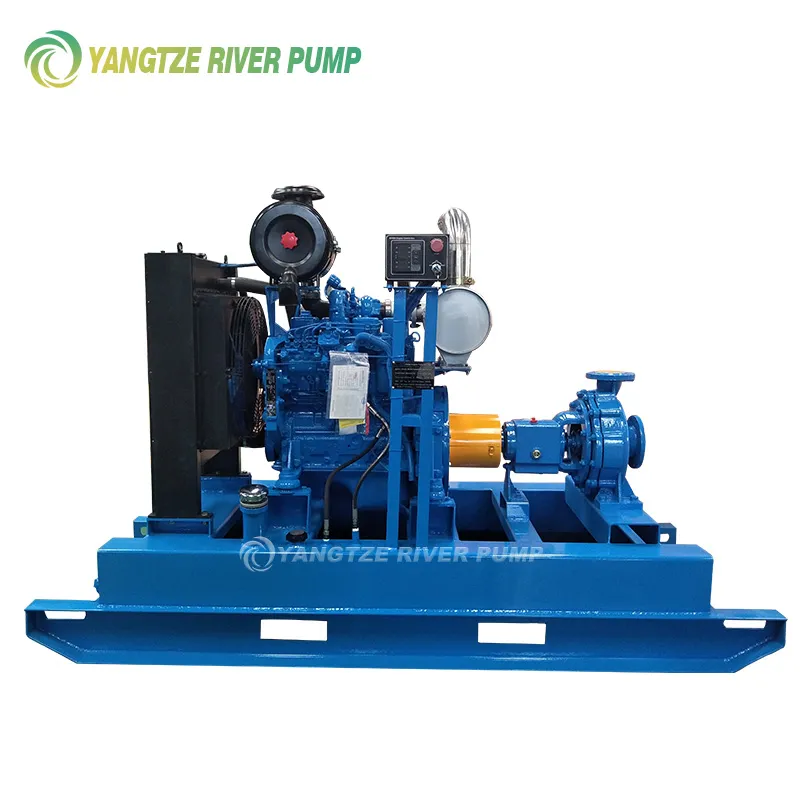

Best Sellingproducts
Best Selling Products-
 Corrosion-resistant stainless steel centrifugal pumps SFB and SFBX
-
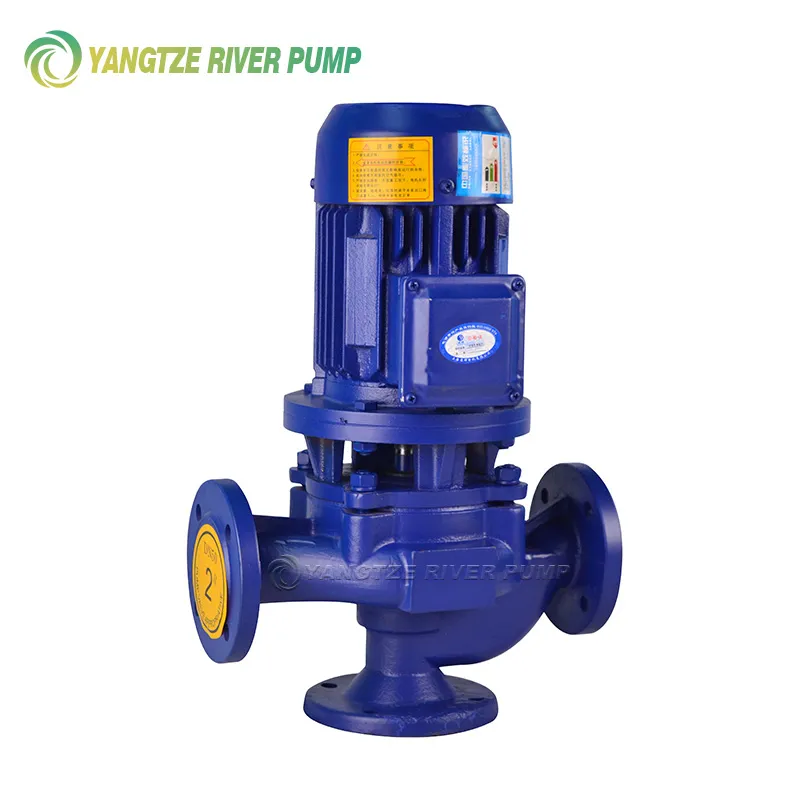 Pipeline wastewater pumps GW
-
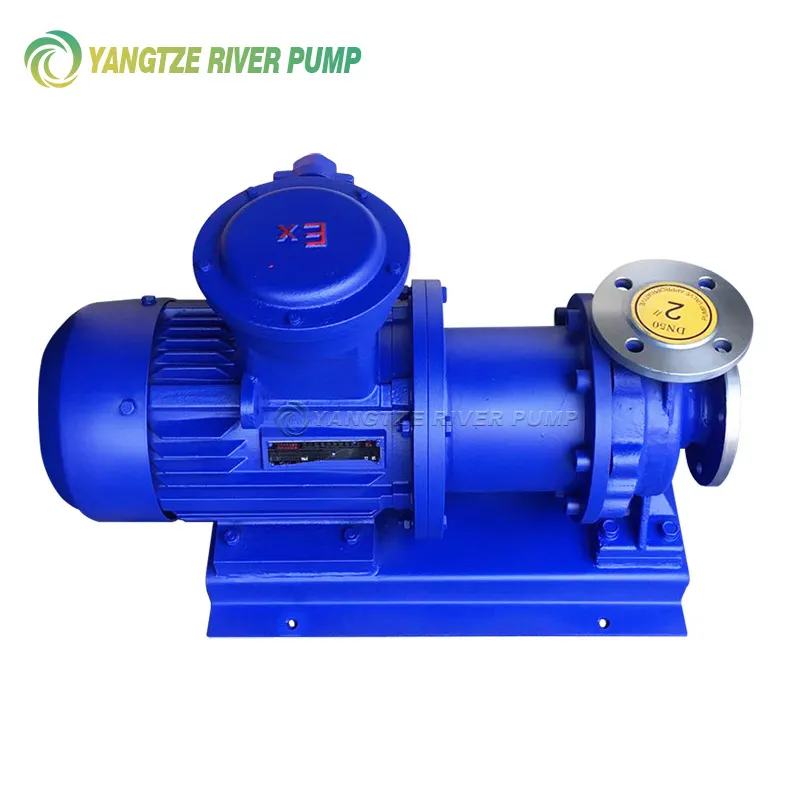 CQB Stainless Steel Magnetic Pumps
-
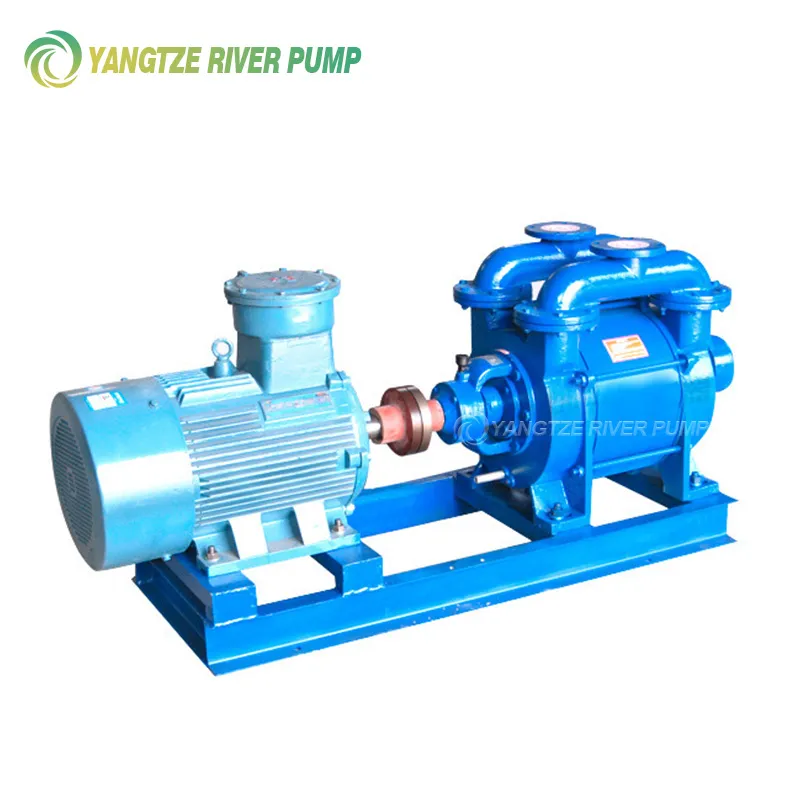 Liquid ring vacuum pumps type SK
-
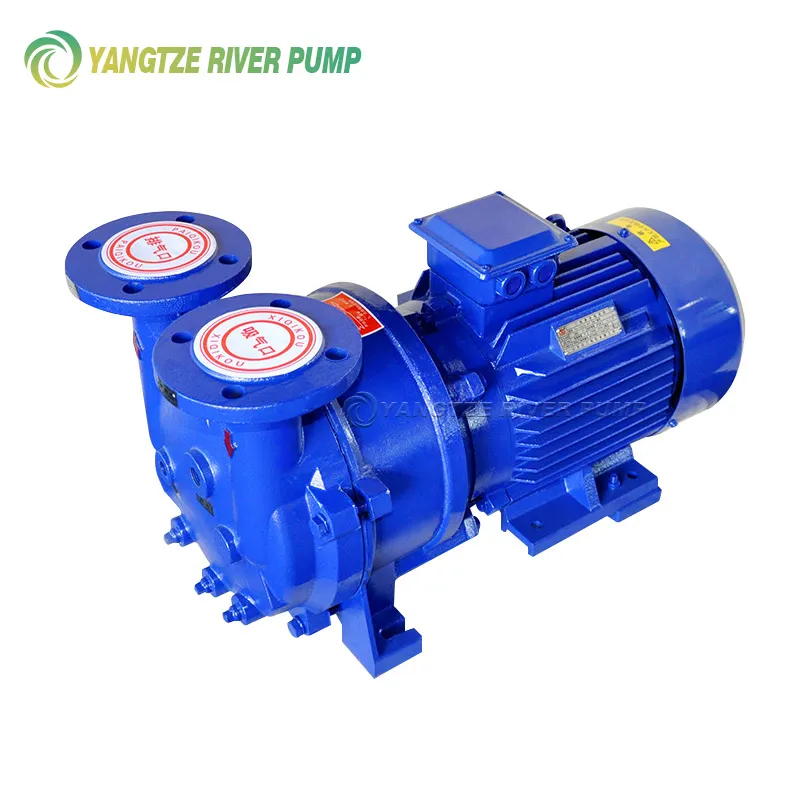 Liquid ring vacuum pumps type SKA and 2BV
-
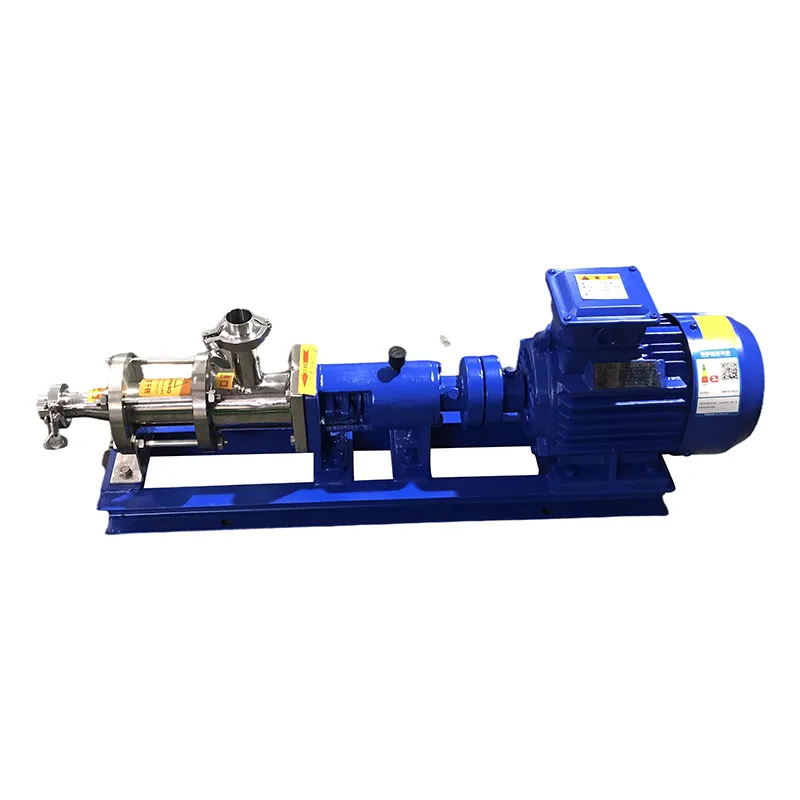 Sanitary screw pumps type GF
-
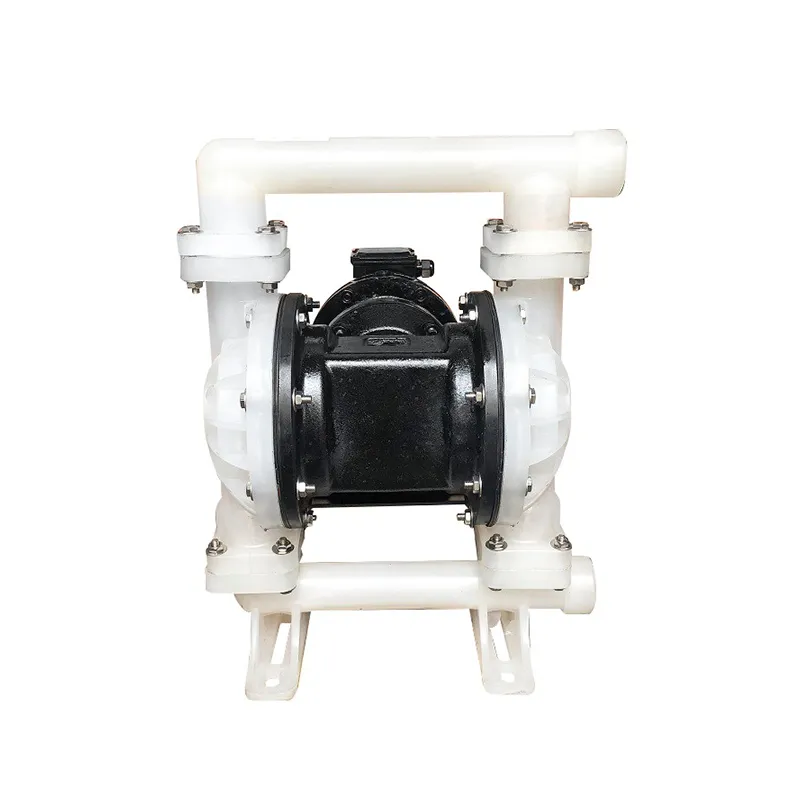 DBY Non-Metallic Electric Diaphragm Pumps
-
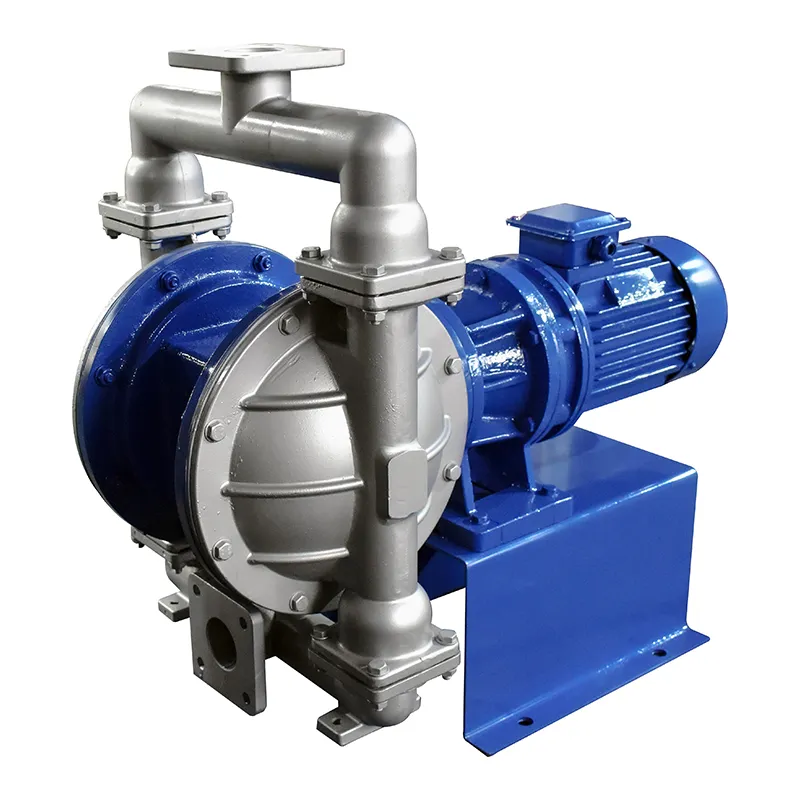 Metal electric diaphragm pumps DBY
-
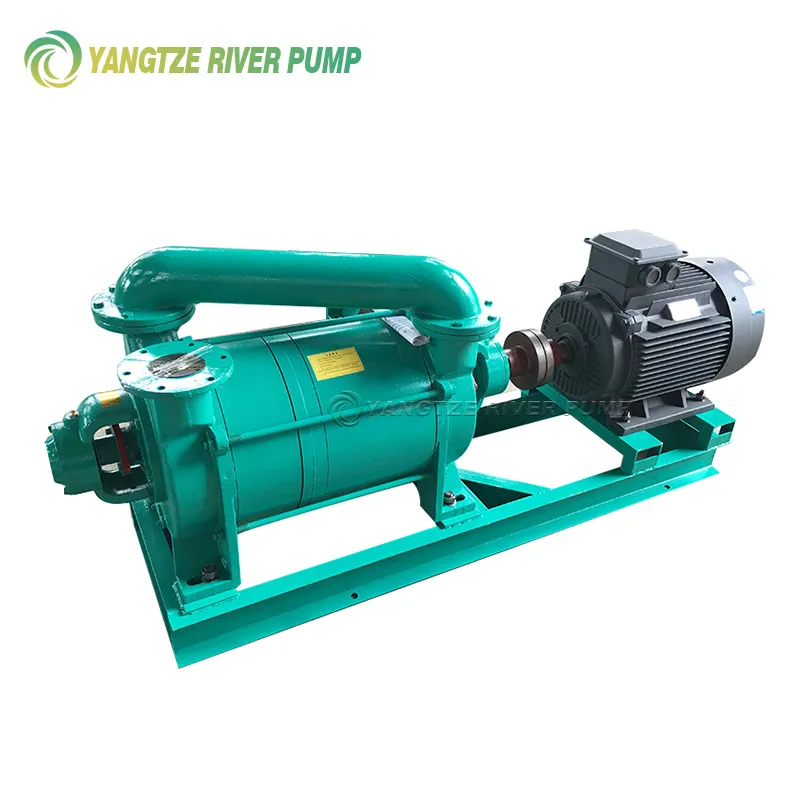 Liquid ring vacuum pumps type 2SK
-
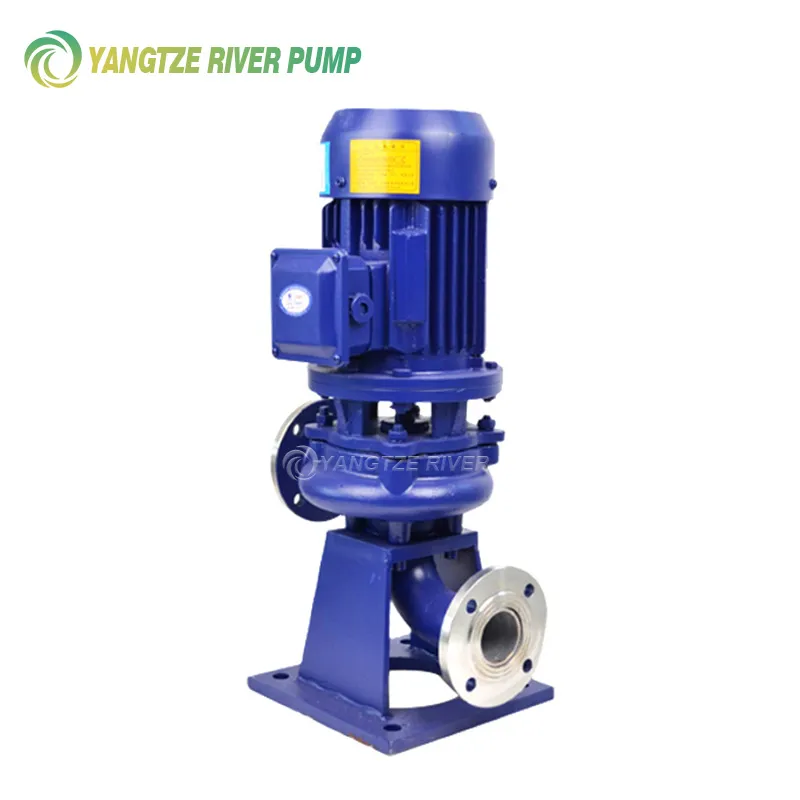 Non-clogging vertical wastewater pumps LW
-
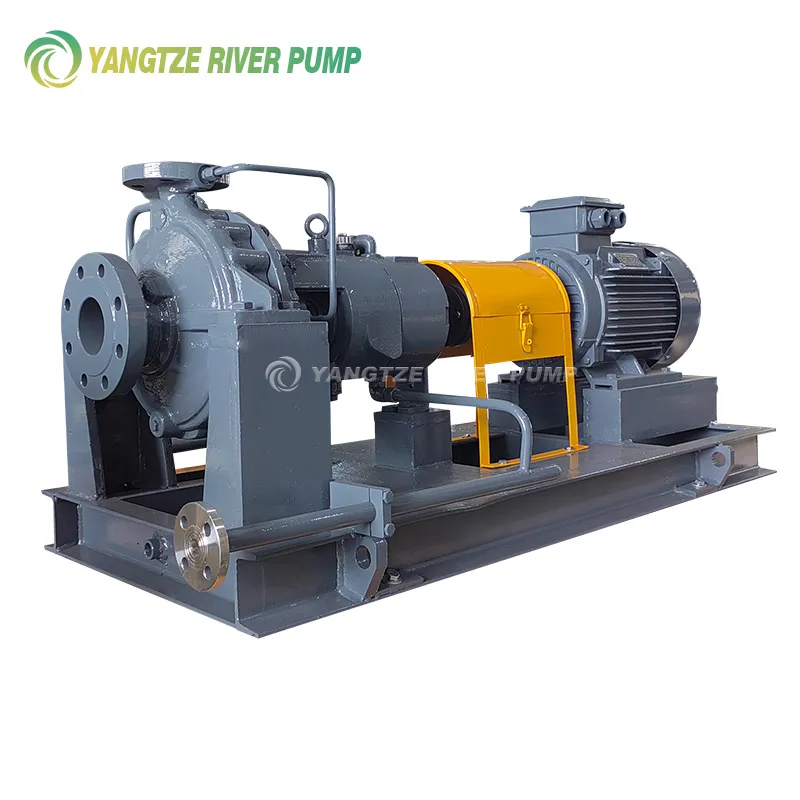 Petrochemical Process Pumps API 610 YZE
-
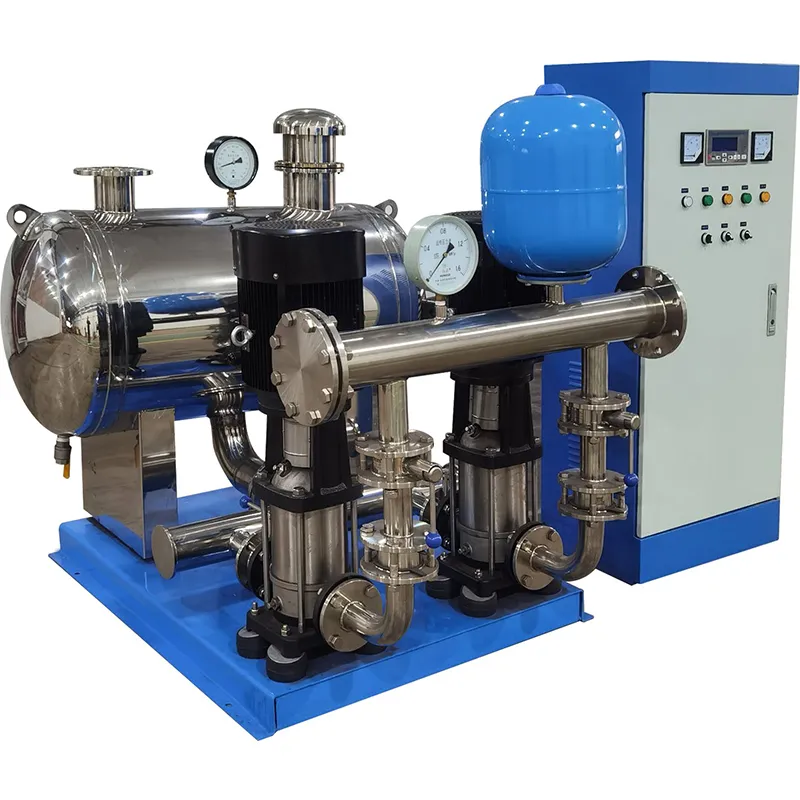 Complete water supply installations with frequency regulation and constant pressure CDLF