







centrifugal vacuum pump
When they saycentrifugal vacuum pump, many immediately imagine a complex installation for high vacuum, such as rotary or diffusion systems. But in practice, especially in chemical and processing lines, what is often required is not so much ultra-high vacuum, but rather the effective removal of large volumes of vapor-gas mixtures, condensates, sometimes with impurities. This is where the centrifugal principle comes into play, but in a slightly different role. I have personally encountered situations where a customer asked for a “vacuum pump”, but in fact he needed a reliable unit to create a vacuum and simultaneously pump a medium with high productivity. And classic vacuum pumps, such as vane-rotor ones, could not cope here due to sensitivity to liquids or the need for frequent maintenance.
Where is the boundary between a pump and a vacuum pump?
In our work in production, this question often arises. If you take the usualcentrifugal pump, it creates pressure at the outlet. But if you seal the suction line and pump air out of it, the same pump will begin to create a vacuum. True, it’s shallow. To enhance the effect, multi-stage structures or special seals are used to prevent air leaks. Zhejiang Yangtzejiang Pumping Industry LLC has a line of multi-stage centrifugal pumps, which, with certain modifications (reinforced mechanical seals, bypass lines), are successfully used as the first stage of vacuum systems or for liquid degassing tasks. This is not a full-fledged high-vacuum unit, but for many technological processes where it is necessary, say, to maintain a vacuum of 0.5-0.8 bar, this is enough.
A key point that is often missed is working with a 'wet' vacuum. Let's say there is a process of evaporation or vacuum filtration. Steam, drops, possible splashes - for a conventional vacuum pump this is death. And a centrifugal design, especially with an open impeller and corrosion-resistant design, can pass such media through without catastrophic consequences. We had a project for a chemical plant where it was necessary to pump out vapors from an acid solution from an evaporator. They installed a plastic chemical centrifugal pump with a double mechanical seal and flushing. I worked at a vacuum of about 0.7 bar abs. And it did the job because it was designed for aggressive liquids, and steam with droplets was less dangerous for it than for a mechanical vacuum pump.
Hence the first rule of thumb: before you choosevacuum pump, you need to clearly understand the composition of the pumped medium, its temperature, the presence of a droplet phase and the required gas capacity, and not just the final pressure. Sometimes a centrifugal pump in vacuum mode is a cheaper and more durable solution than a specialized vacuum unit.
Design nuances and pitfalls
When you try to use a standard centrifugal pump to create vacuum, parts immediately pop up. The first is cavitation. When operating suction in vacuum conditions, the risk of cavitation increases sharply. The pump begins to make noise, vibrate, and the wheel corrodes. You can fight, but it’s not always easy. One way is to select an impeller with a special blade profile and low NPSH requirement. YangtzeRiverPump's assortment includes linear centrifugal pumps, which are distinguished by good anti-cavitation characteristics. We tried them as ejector pumps in combined vacuum systems - they performed well.
The second point is seals. Standard stuffing box packings are not suitable for vacuum - they will suck in air. Mechanical mechanical seals are needed, often double ones, with a barrier liquid under pressure. And here it is important that a manufacturer, like the same Zhejiang Yangzijiang, offers such options for its standard models. Otherwise, on-site upgrading becomes a headache.
And third is the material. For vacuum applications, even if the environment is not aggressive, high cleanliness and resistance to dry friction are often required (at the start, when the pump is pumping out air, the seals can run without lubrication). Stainless steel or special polymers are preferable to cast iron. The website yangtzeriverpump.ru shows that the company focuses on chemical pumps made of plastics - for many vacuum tasks with aggressive vapors this can be a key argument.
From practice: when it worked and when it didn’t
I will give two cases from personal experience. Successful: the bottling line needed a unit to create a vacuum in the syrup degasser. Temperature up to 80°C, viscous but non-aggressive medium. The vacuum needed was small but stable, and most importantly, the pump had to withstand the ingress of syrup without any problems. We installed a single-stage centrifugal pump made of stainless steel with a reinforced seal. We connected it and set up a bypass to regulate the vacuum. It has been working for more than three years, maintenance is only replacing the seal once a season.
There were bad experiences too. They tried to use a powerful multi-stage centrifugal pump to quickly pump air out of a large reactor. The task is to reduce the pressure from atmospheric to 0.3 bar abs. in a short time. The pump was productive, but not designed for such a regime. Overheating of the seals, then deformation of the shaft due to temperature stress. Conclusion: a centrifugal pump is not an ejector or a piston vacuum pump. It maintains a vacuum well, but is poorly suited for quickly creating it from atmospheric pressure, especially at large volumes. For such tasks, you need either a combination with a fore-vacuum pump, or a completely different type of machine.
That is why in the description of the production lines of Zhejiang Yangzijiang Pump Industry LLC, a division is visible: they produce centrifugal, self-priming, and diaphragm pumps. For vacuum applications, a combination often looks better: a self-priming pump creates the initial vacuum and copes with the vapor-gas mixture, and a centrifugal pump maintains the flow and pressure at the next stage.
Connection with other types of pumps in vacuum systems
Rarely whencentrifugal vacuum pumpworks alone. More often than not it is part of a scheme. A classic example is paired with a liquid ring vacuum pump. The centrifugal pumps fluid out of the ring, increasing the efficiency and stability of the entire system. Or, as I already mentioned, with a self-priming pump. We had a project where a cascade system was used for vacuum evaporation: an ejector (steam) created the main vacuum, and a centrifugal chemical pump pumped out condensate and uncompensated vapors, ensuring the purity of the process.
It is important here that all components are compatible in materials and parameters. If the centrifugal pump is made of plastic and the previous stage is made of cast iron, galvanic corrosion may occur in the general environment. Or if the liquid capacity of the centrifugal pump is higher than that of the previous vacuum stage for gas, the system will operate unstable. You have to carefully select and calculate.
In my opinion, a company that produces a wide range of pumping equipment, like ours, is in a winning position. We can offer not just a separatepump, but a well-developed solution by selecting compatible units from our own range - centrifugal, magnetic, diaphragm. This reduces risks for the customer and simplifies maintenance.
What's the result? Thinking out loud
So what is itcentrifugal vacuum pump? This is not some mythical separate class of devices. Rather, it is an operating mode or a specialized version of a conventional centrifugal pump, adapted to the task of creating and maintaining vacuum in specific environments. Its strength lies in its ability to handle wet, aggressive, hot flows where other vacuum pumps fail. Its weakness is its limited vacuum depth and sensitivity to launch conditions.
When choosing such a solution, you need to start not from the name, but from the detailed technical process. And here the experience of the manufacturer, who has faced various challenges, is invaluable. When you see that the company’s production lines have both R&D and testing, you understand that they can not only sell a finished unit, but also help adapt it to non-standard conditions, including vacuum ones.
Ultimately, the main thing is that the pump solves the problem reliably and for a long time, and what it is called is a second question. And the centrifugal design, proven for decades in pumping liquids, can still present many surprises in vacuum applications, both pleasant and not so pleasant. But this is a topic for another conversation.
Correspondingproducts
Related Products

Best Sellingproducts
Best Selling Products-
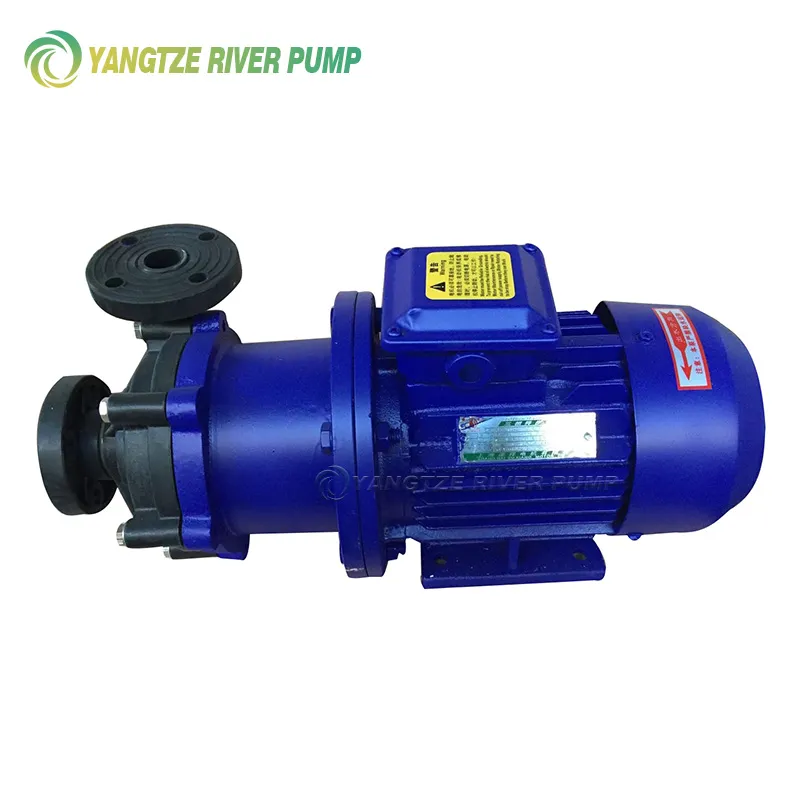 CQF Plastic Magnetic Pumps
-
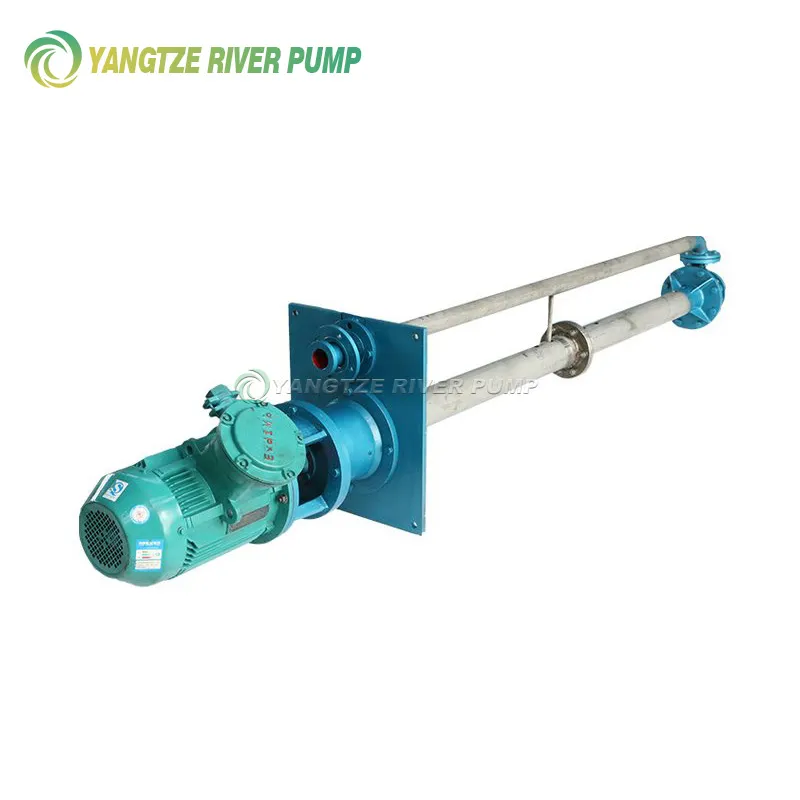 FY Submersible Chemical Pumps
-
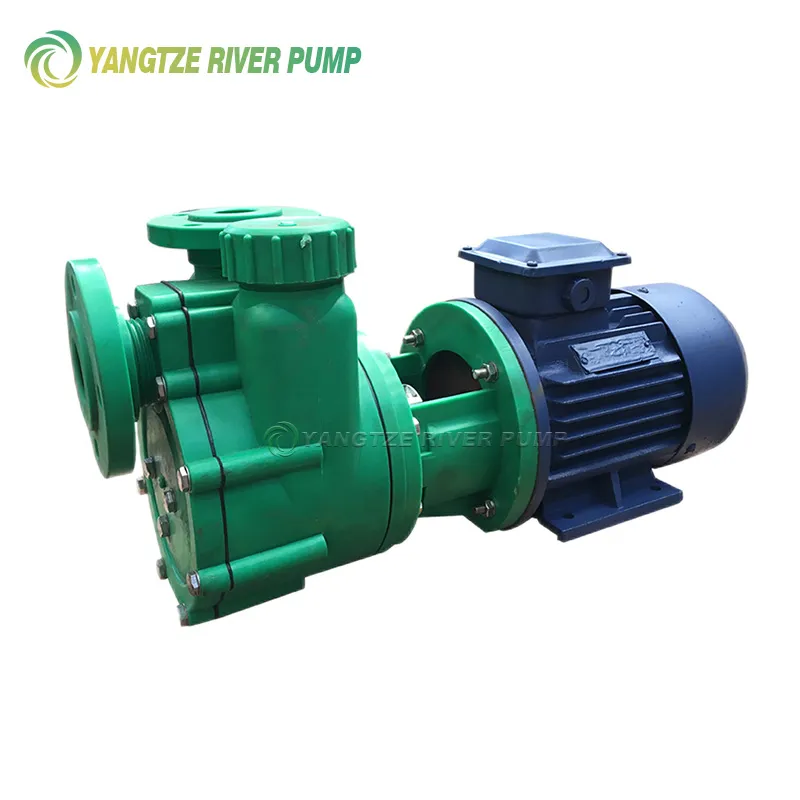 Plastic self-priming centrifugal pumps FP and FS
-
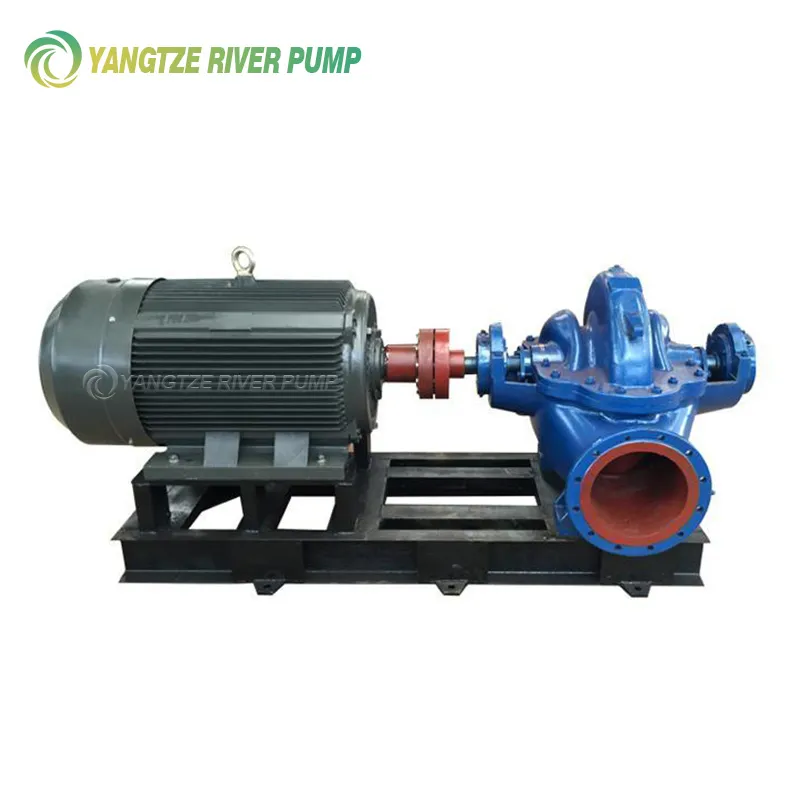 Single Stage Double Entry Centrifugal Pumps Type S
-
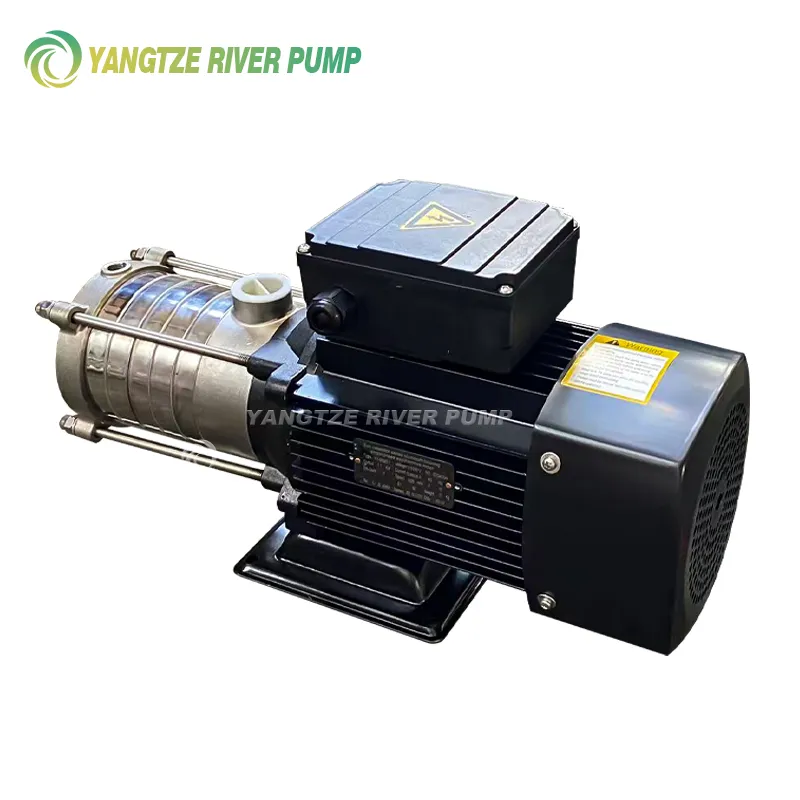 Horizontal multistage centrifugal pumps (light series) CHL and CHLF
-
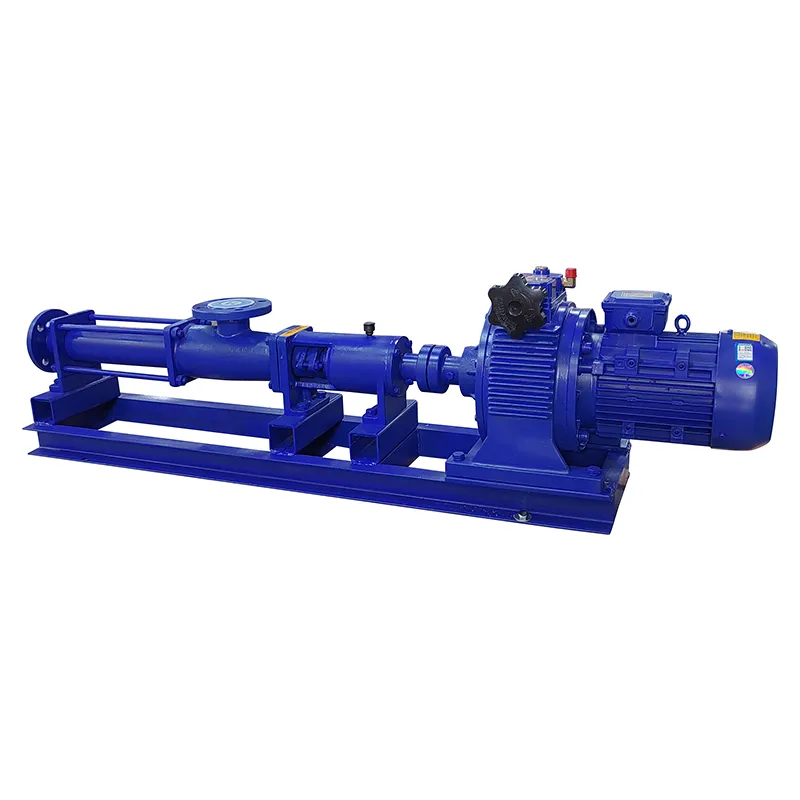 Infinitely variable screw pumps type G
-
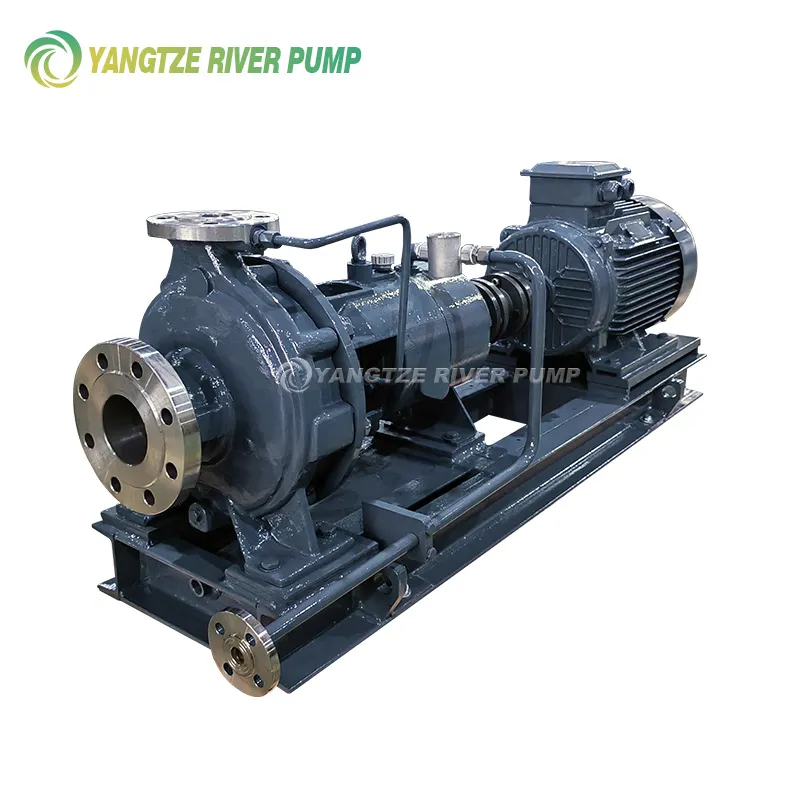 Petrochemical Process Pumps API 610 YZA
-
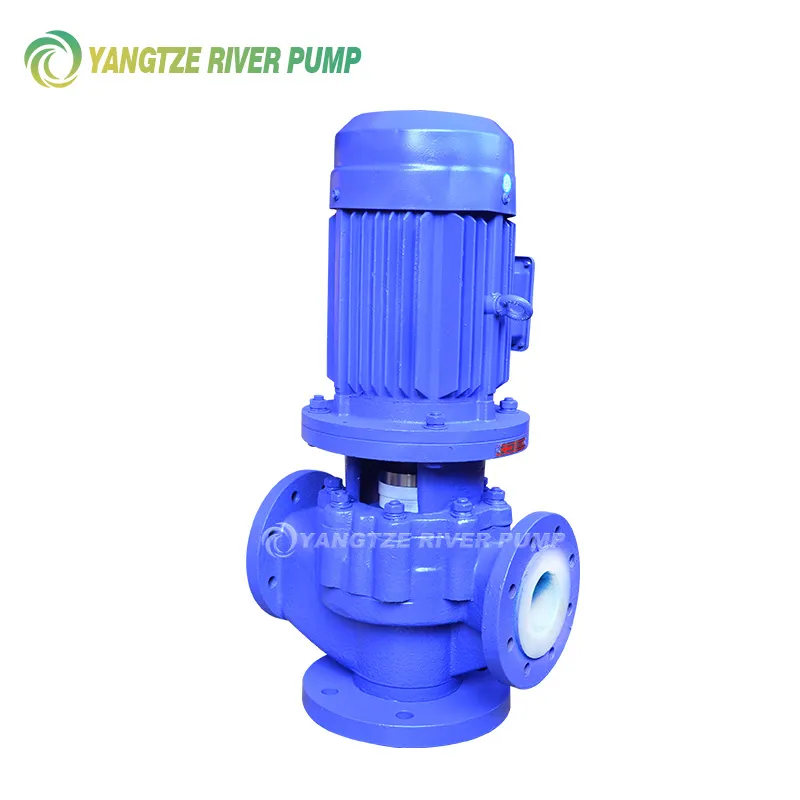 Vertical pumps with PTFE lining YQF
-
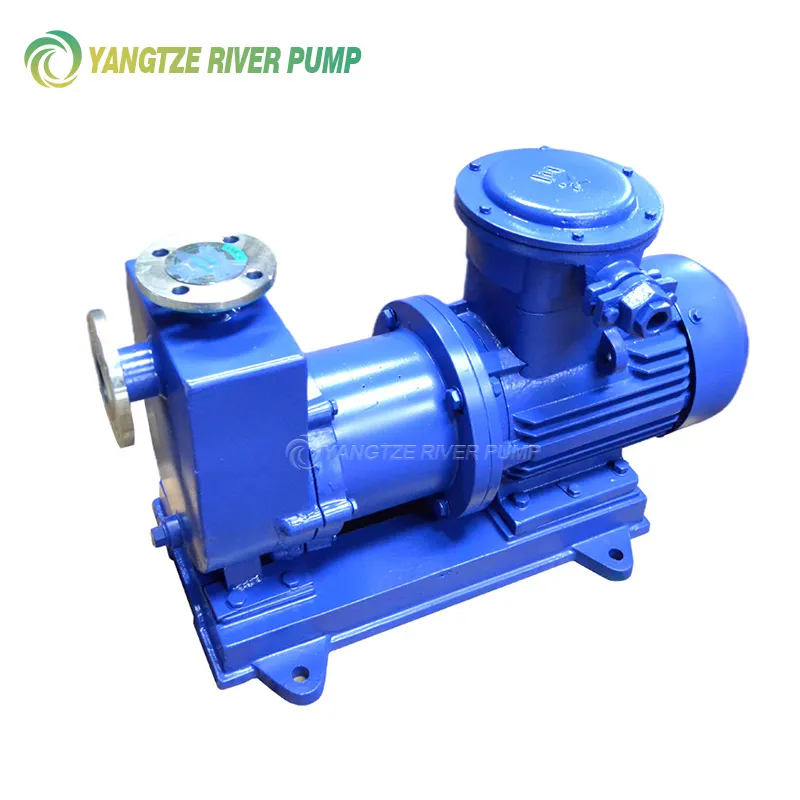 ZCQ Stainless Steel Self-Priming Magnetic Pumps
-
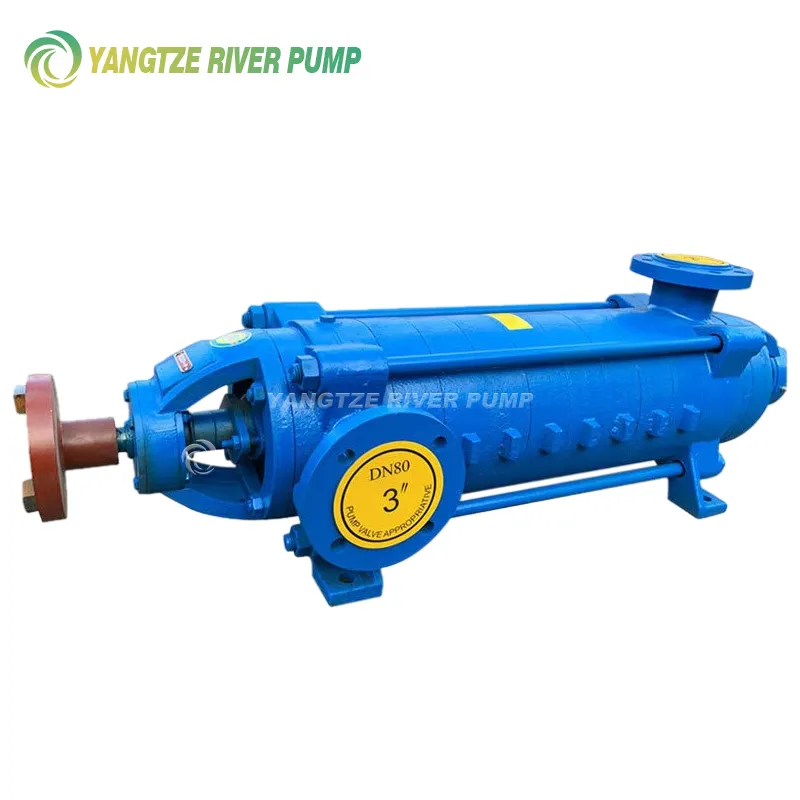 Horizontal multistage pumps for feeding DG boilers
-
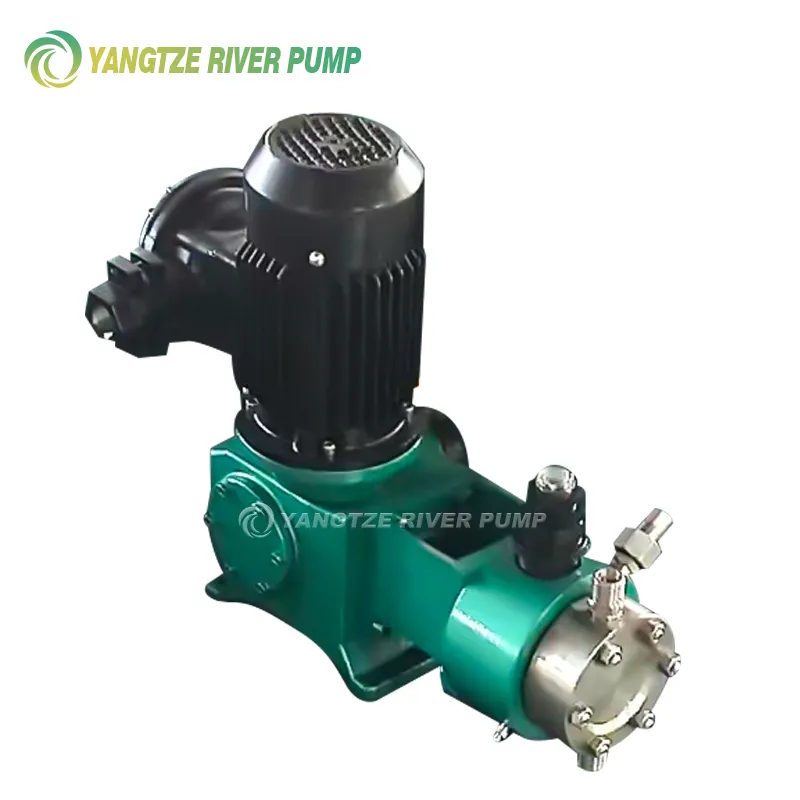 Plunger dosing pumps type DZ-X
-
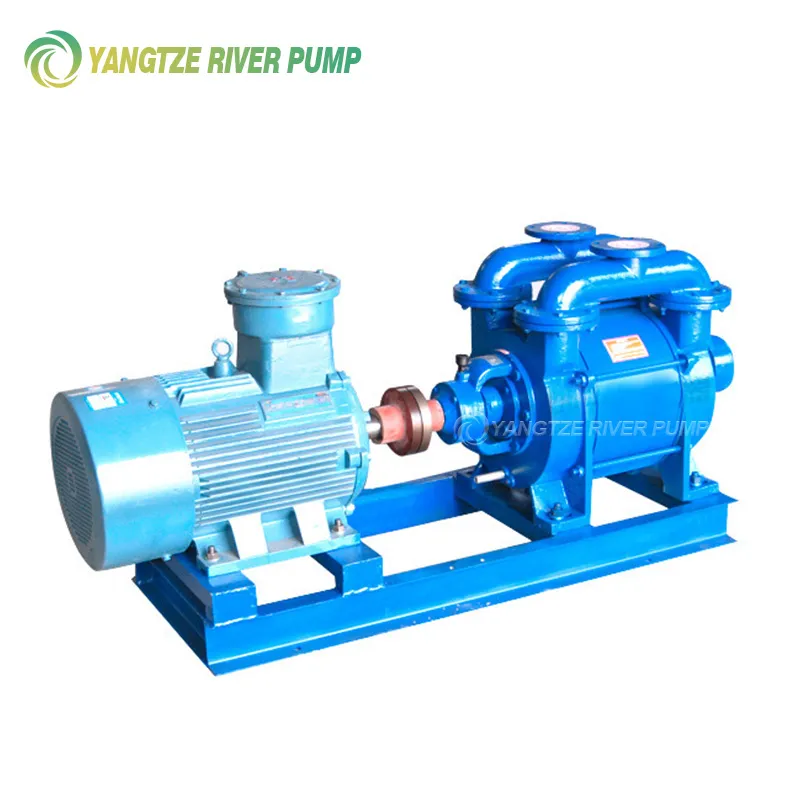 Liquid ring vacuum pumps type SK
Relatedsearch
Related Search- submersible well pump 2 2 kW
- vacuum liquid pump
- gear pump operating principle
- centrifugal pump 15 32
- Pumps for petrochemical processes
- food centrifugal pump onc
- Horizontal centrifugal pumps
- centrifugal pump 20 50
- CDLF Complete water supply plants with frequency regulation and constant pressure
- centrifugal sealed pump