







small centrifugal pump
When they say “small centrifugal pump?”, many immediately imagine just a compact unit for pumping water in everyday life. But in actual industrial practice, especially in chemical processing, small processing lines or dosing systems, the concept is much deeper. A common mistake is to select it only by dimensions and nominal pressure, losing sight of the material of the flow part, the type of seal and, critically, the characteristic curve in the partial load zone. In our production at Zhejiang Yangzijiang Pump Industry LLC, hundreds of such models have passed through test benches, and I can say: the key difference is often not in the passport data, but in the behavior of the pump under non-ideal conditions - say, in the presence of fine suspended matter or at variable flow rates.
Where are small centrifugals actually in demand?
If we ignore obvious areas such as water supply for small facilities, then our main consumer is the segment of “small chemicals”. and pharmaceuticals. Here it is required to pump relatively small volumes of aggressive or clean media with high precision. This is where all the nuances come out. For example, for acids, plastic chemical pumps based on the centrifugal principle are often used - they are really small in size, but the design of the impeller and chamber should minimize cavitation, because even a small drop in inlet pressure can lead to failure. We once made a batch for a reagent production plant: the customer complained about frequent shaft breakdowns. It turned out that their technologists sometimes ran the pump “dry?” for a few seconds while the sample was being taken. The standard mechanical seal did not hold up - it was necessary to modify it towards a mechanical seal with forced lubrication, although this increased the cost of the design.
Another subtle point is the so-called linear centrifugal pumps. They are often confused with small horizontal ones, but they have their own niche - integration into ready-made pipeline lines, where not only compactness is important, but also the alignment of the connection. We on the website https://www.yangtzeriverpump.ru put them in a separate category, because requests for them are specific: flanges are often needed for a specific standard, and not just threads. I remember a case when a water softening system in a boiler room required just such a small pump, but with DIN flanges. We had to combine them - we took standard small-series centrifugal hydraulics, but the housing and fastenings were designed anew. The client was satisfied, but the cost, of course, increased.
But with self-priming models in small format, the story is different. They are often requested for mobile installations or emergency water supply. But there is a pitfall here: the smaller the pump, the more difficult it is for it to consistently maintain self-priming ability after stopping, especially if there is a check valve in the pipeline. One of our early developments in this segment showed good numbers on the stand, but in the field, at temperatures below +35, it began to “air” after idle time. The reason turned out to be trivial - in the design of the chamber, where, when heated, the remaining liquid evaporated and violated the vacuum. This was fixed by increasing the volume of the working chamber, but we had to sacrifice some dimensions. A compromise without which you can’t go anywhere.
Materials and durability: what they don’t write in catalogs
The specifications usually indicate "stainless steel" or “polypropylene?”. But for small pumps operating, say, with a 5-10% solution of hydrochloric acid or alkali, it is not just the grade of steel that is important, but the condition of the surface. Grinding the flow path is not cosmetic, but a necessity to reduce adhesion and corrosion points. On our production lines, after mechanical processing, a mandatory stage is polishing for models going into the chemical sector. This increases the production time, but according to reviews from the field, the service life before the first repair increases noticeably.
Plastic chemical pumps have their own headache - material fatigue. Especially if the environment is not at a constant temperature. There was an incident with a pump for pumping alternately hot and cold solutions: the body made of reinforced polypropylene developed a microcrack not at the weld, but at the point of attachment to the metal frame. Vibration plus thermal cycling. Now, for such conditions, we recommend either a PVDF housing or special damping pads during installation, although this is not always specified in the instructions. Experience bought by problems.
And about the seals. For small pumps, stuffing box packings are almost archaic; everyone has switched to mechanical seals. But here there is a dilemma: single or double? If the environment is clean and non-aggressive, a single one is sufficient. But in practice, ?cleanliness? - a relative concept. For example, water circulation systems with antifreeze may contain small abrasive particles from pipes. They kill the ceramic seal pair in a couple of months. Therefore, for such cases, even for a pump with a power of a couple of kilowatts, we often recommend a double seal with flushing fluid. Yes, it is more complicated and more expensive, but replacing a seal on site is often comparable in cost to half a new pump, not including downtime.
Tests and "field" conditions
On our test benches, each model, before being included in the catalog at https://www.yangtzeriverpump.ru, races not only on water at 20 degrees. We try to imitate real conditions. For example, for pumps that are positioned as suitable for suspensions, we run them on liquid with sand of a certain fraction. And here’s what’s interesting: some small centrifugal pumps with a semi-open impeller show better resistance to abrasive than those with a closed one, although they usually lose in terms of efficiency. This is an important observation for choosing when the passport may have beautiful pressure figures, but the service life in difficult conditions is not indicated.
Another test that we implemented after several complaints was operation at unstable voltage. Small pumps are often installed in remote workshops or temporary installations where there are network problems. A standard electric motor may not burn out, but when the voltage drops below 200V, the pump loses pressure and the system stops working as it should, although the pump is technically sound. Now for such scenarios we offer motors with a wide voltage range or even single-phase models with increased starting torque, although they are more expensive. This is not a whim, but a necessity identified in the field.
And of course, noise and vibration. For a large pump in a separate room, this may not be critical, but a small centrifugal pump is often located directly in the work area. Underestimating vibration isolation is a common mistake of installers. We even started including rubber mounts as standard on some models after we received a series of complaints about "rattling" noise. - it turns out that people simply bolted the pump tightly to the metal base, and then were surprised at the increased noise and premature wear of the bearings. It would seem like a small thing, but it affects the perception of the reliability of the entire product.
Service and feedback: what benefits production
Combining in one company, like ours in Zhejiang Yangzijiang Pumping Industry LLC, a full cycle from R&D to service is not just nice words. This is an opportunity to quickly refine products. For example, based on accumulated requests from service engineers, we changed the design of the housing cover on several models of small pumps - we made it more easily removable, without the need to dismantle the entire pipeline. For the client, this is hours of saved time during a routine inspection.
Feedback from installers is also invaluable. They often encounter atypical situations. One example: a pump that worked perfectly on the bench constantly lost pressure on site. It turned out that a coarse filter was installed at the inlet, which clogged more often than expected, but there were no sensors. The installers, without thinking twice, simply removed the filter - the pump began to cavitate due to scale. The solution was born from such cases: we began to offer integrated dry-running protection as an option. and an inlet differential pressure sensor even for low-power models. Not as a standard, but as a recommended option for "dirty" ones. avg.
The service also teaches humility: there is no ideal pump for all occasions. There was a story when we tried to promote one very successful, in our opinion, model of a small centrifugal pump made of stainless steel as a universal one for the food industry. But it turned out that in some lines for washing containers they use alkaline solutions at high temperatures, and then immediately rinse them with cold water. Sudden changes caused microdeformations at the attachment points. I had to admit that a special heat-resistant version, which we did not produce at that time, is better suited for such cyclic processes. Now we are releasing, but it was a lesson: narrow specialization is often better than broad statements.
Looking Ahead and Final Thoughts
Now the trend is towards the intellectualization of even small equipment. Requests for frequency-controlled pumps to accurately maintain flow are growing, although this increases the cost of the kit significantly. But for technological processes where every liter of reagent counts, it pays off. We are experimenting with compact control units that can be placed directly on the pump group.
Another point is the growing requirements for energy efficiency. Even for a 1.1 kW pump, a difference in efficiency of a few percent over a year of operation results in a significant amount. Therefore, when designing new lines of small centrifugal pumps, we now pay more attention to the hydraulic perfection of the flow part, and not just to the minimization of metal. Sometimes it is better to make the body a little larger, but get a smooth response and higher efficiency in the working area.
Ultimately, selecting a small centrifugal pump is always a balancing act between price, reliability in a particular application, and cost of ownership. The race for the lowest price often leads to the pump becoming a consumable item. And in industry, even small ones, predictability is needed. Our task as a full-cycle manufacturer is not just to sell the unit, but to ensure that it serves its life without surprises in the environment for which it was selected. And this is achieved not by magic, but by attention to detail, which becomes visible only after many launches, tests and, yes, sometimes failures. It is this experience that allows us at https://www.yangtzeriverpump.ru to offer not just products from the list, but solutions that will work.
Correspondingproducts
Related Products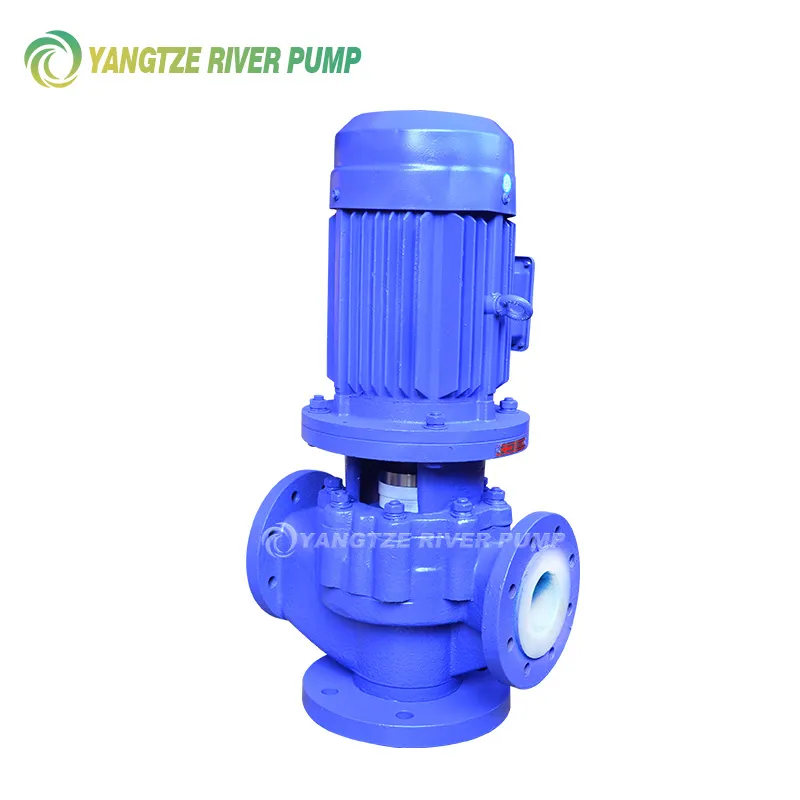
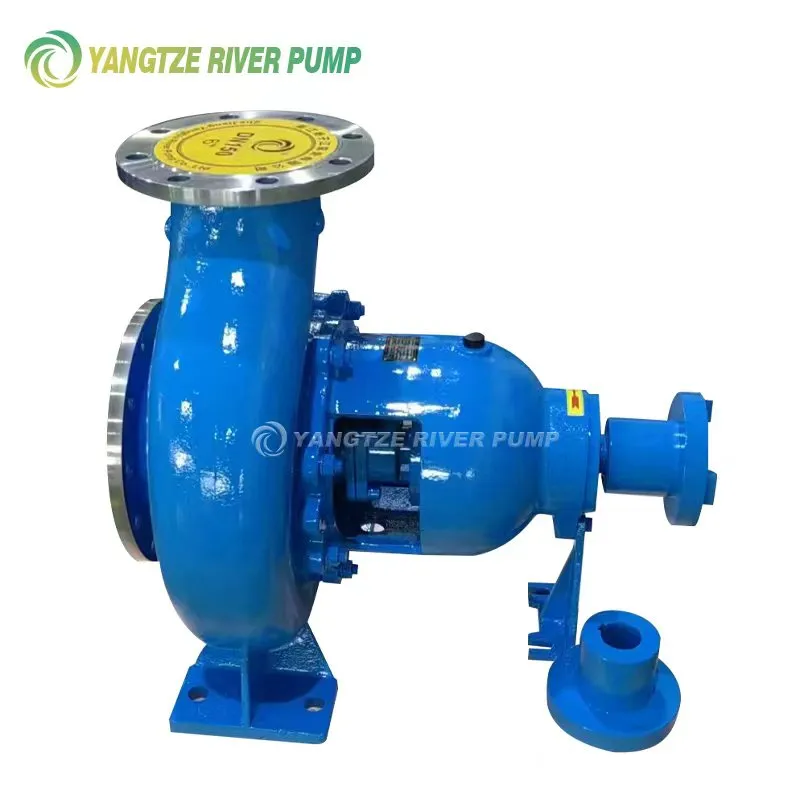
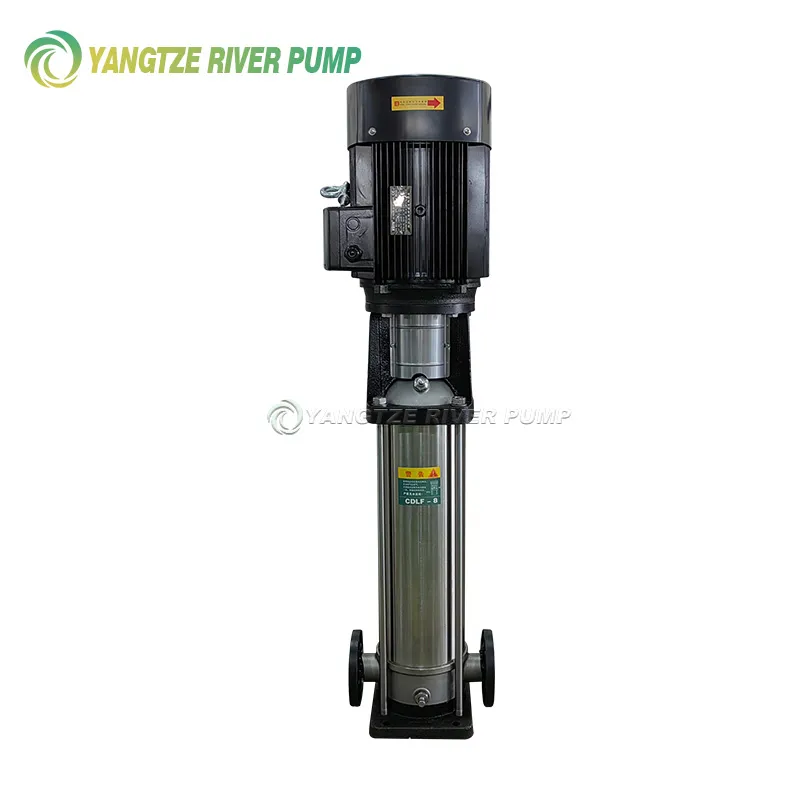

Best Sellingproducts
Best Selling Products-
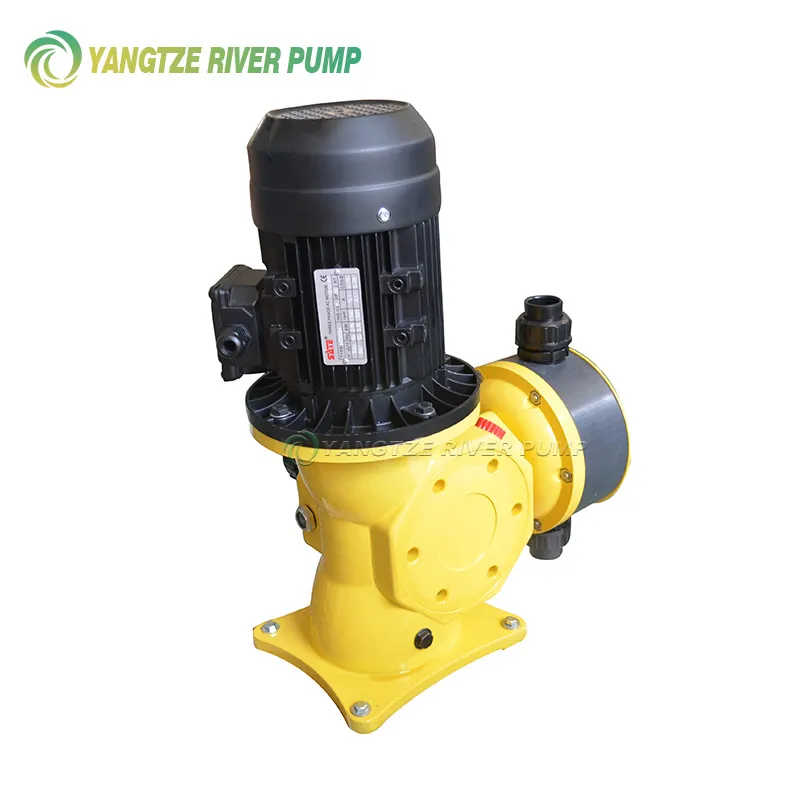 Mechanical diaphragm dosing pumps DJ-D
-
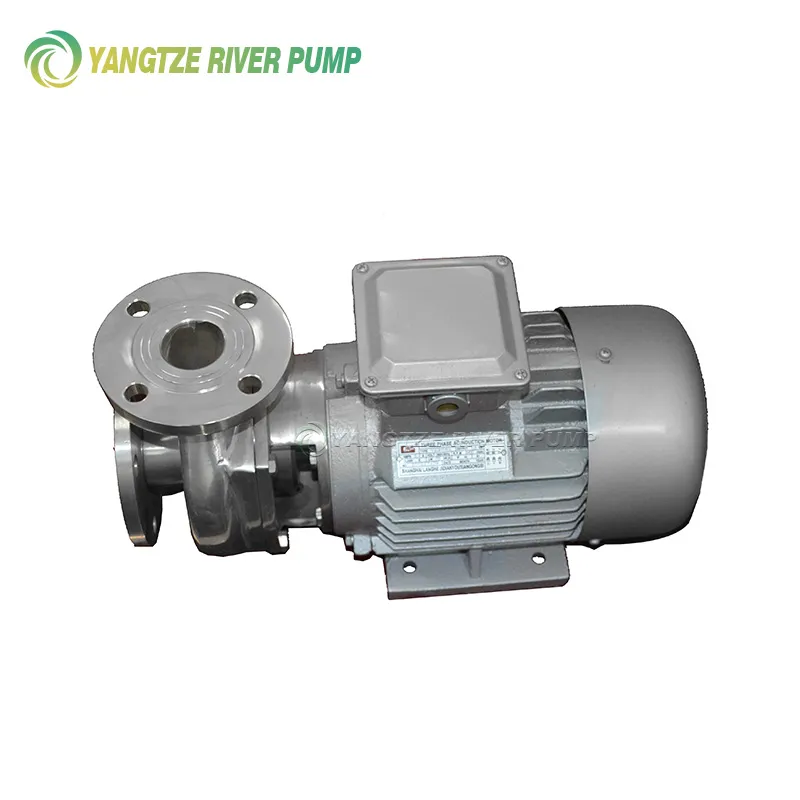 Corrosion-resistant stainless steel centrifugal pumps SFB and SFBX
-
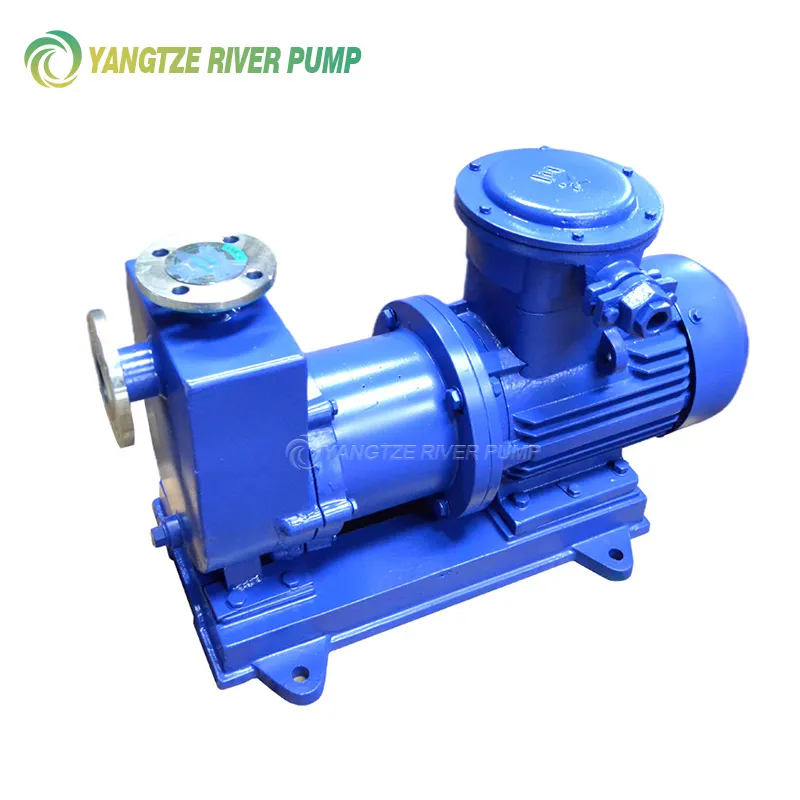 ZCQ Stainless Steel Self-Priming Magnetic Pumps
-
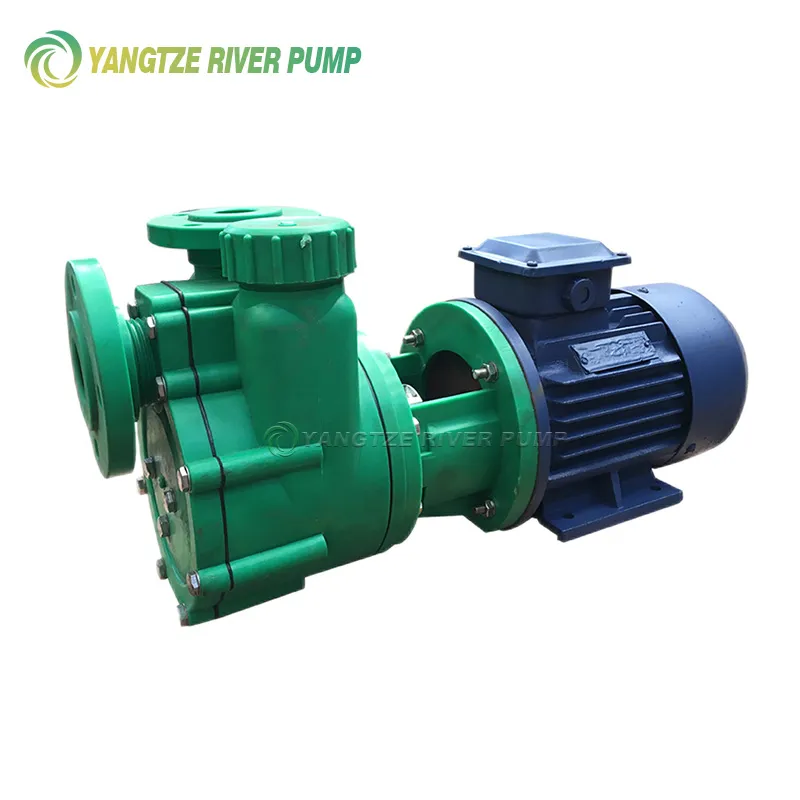 Plastic self-priming centrifugal pumps FP and FS
-
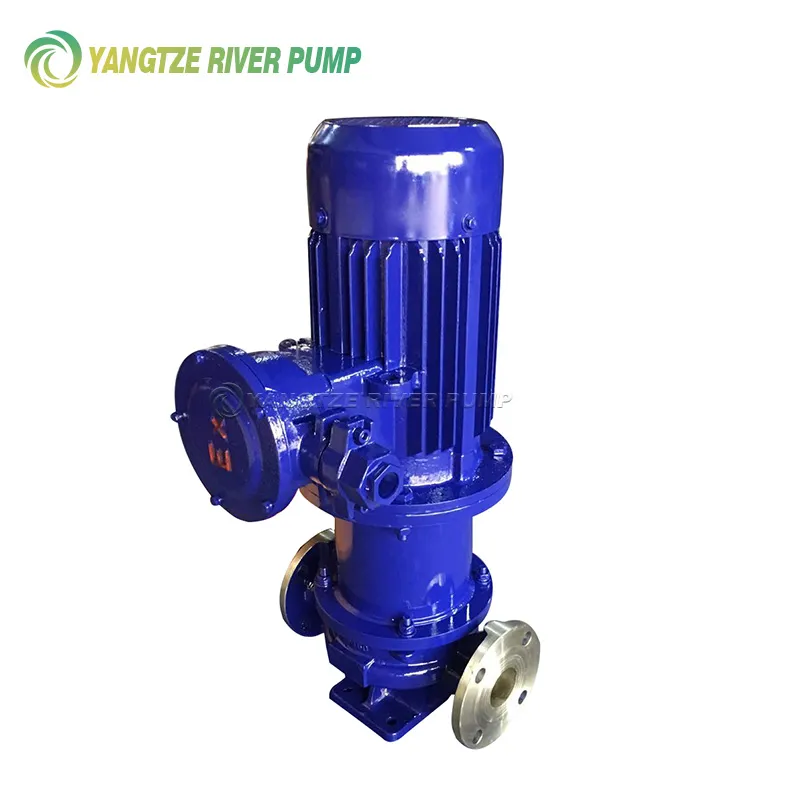 Vertical magnetic pumps CQB-L
-
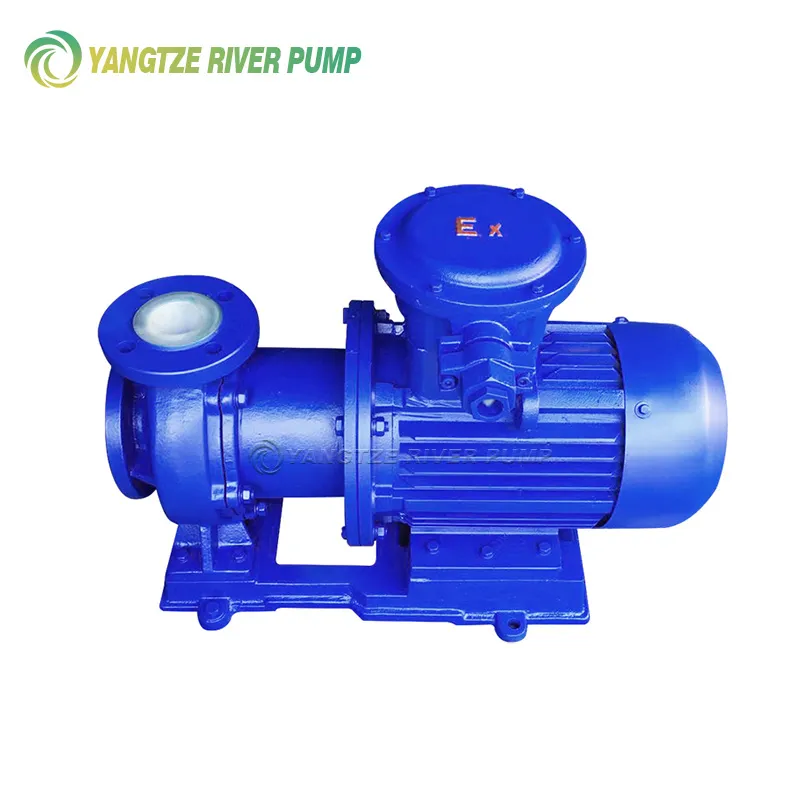 Magnetic pumps with fluoroplastic lining CQB-F
-
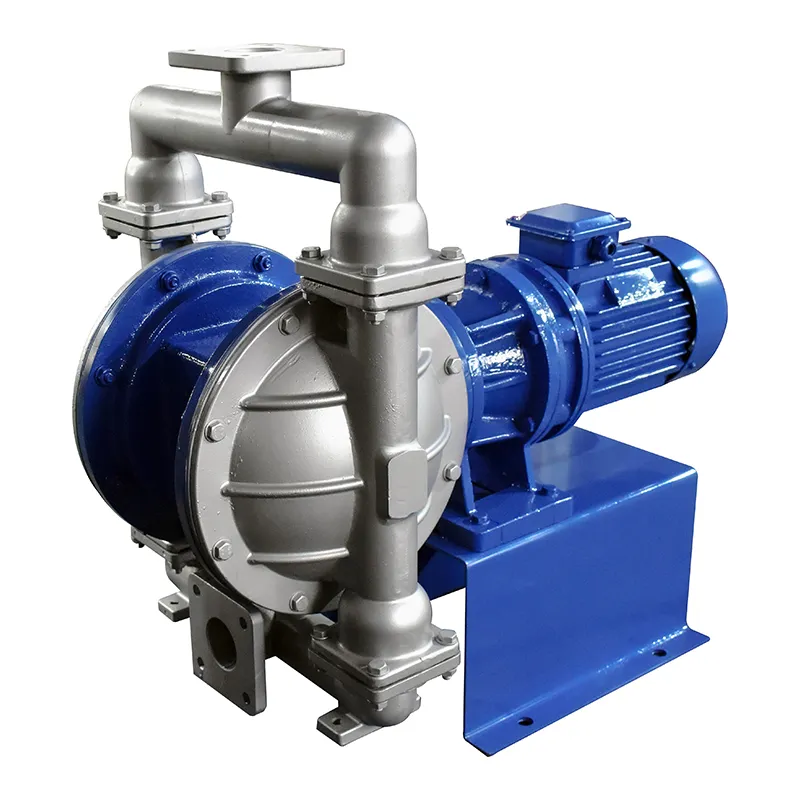 Metal electric diaphragm pumps DBY
-
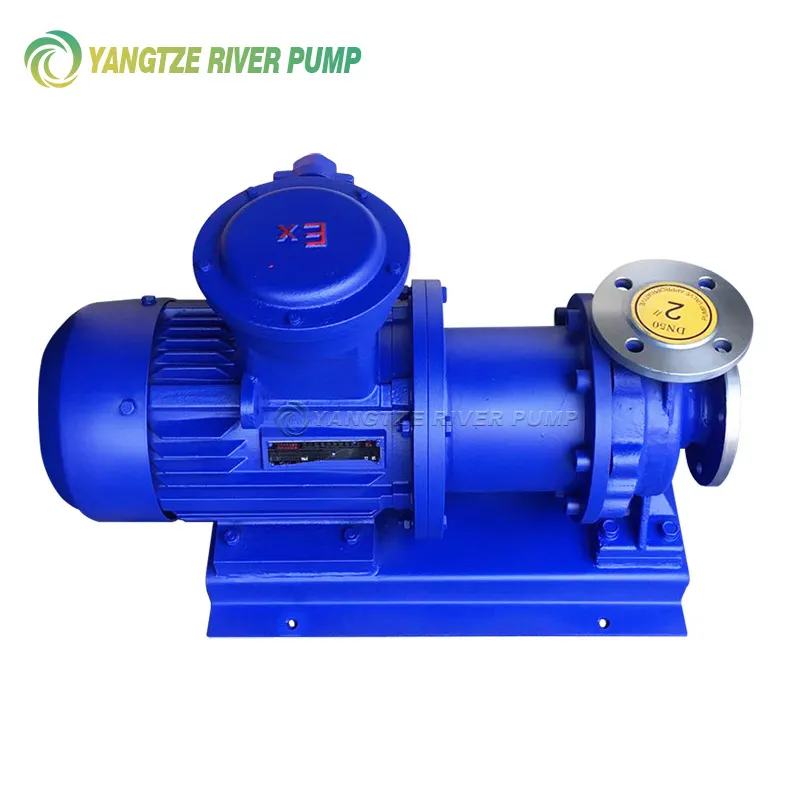 CQB Stainless Steel Magnetic Pumps
-
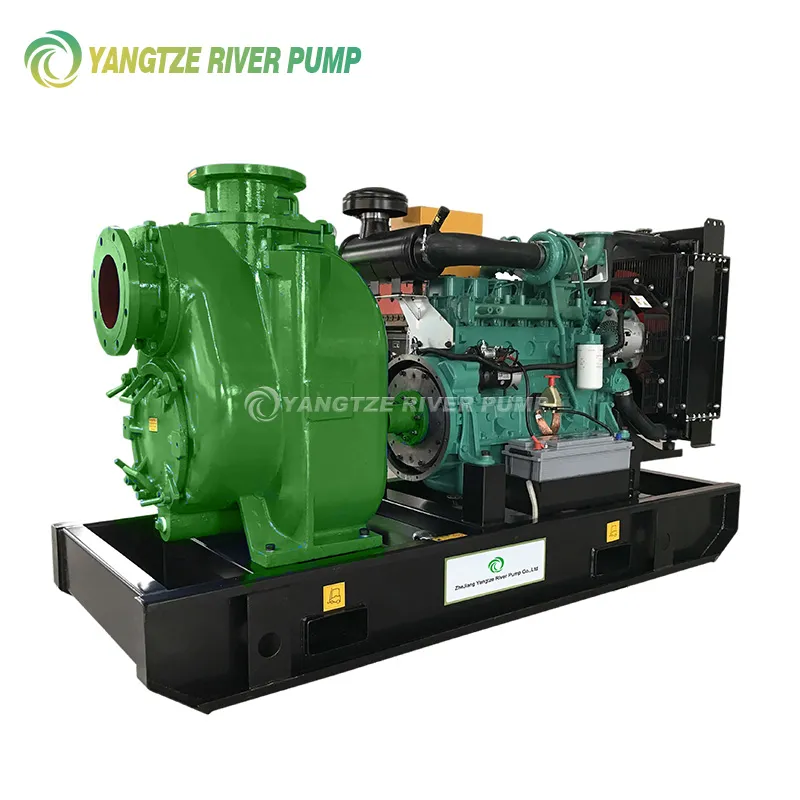 YZSP Diesel Self-Priming Pumps
-
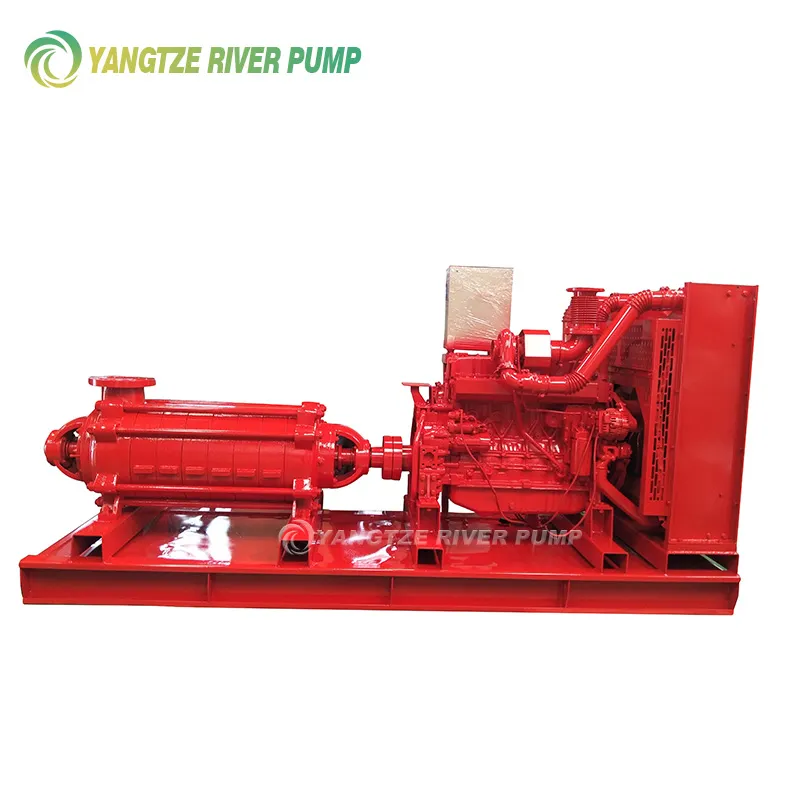 YZD Series Diesel Multistage Centrifugal Pumps
-
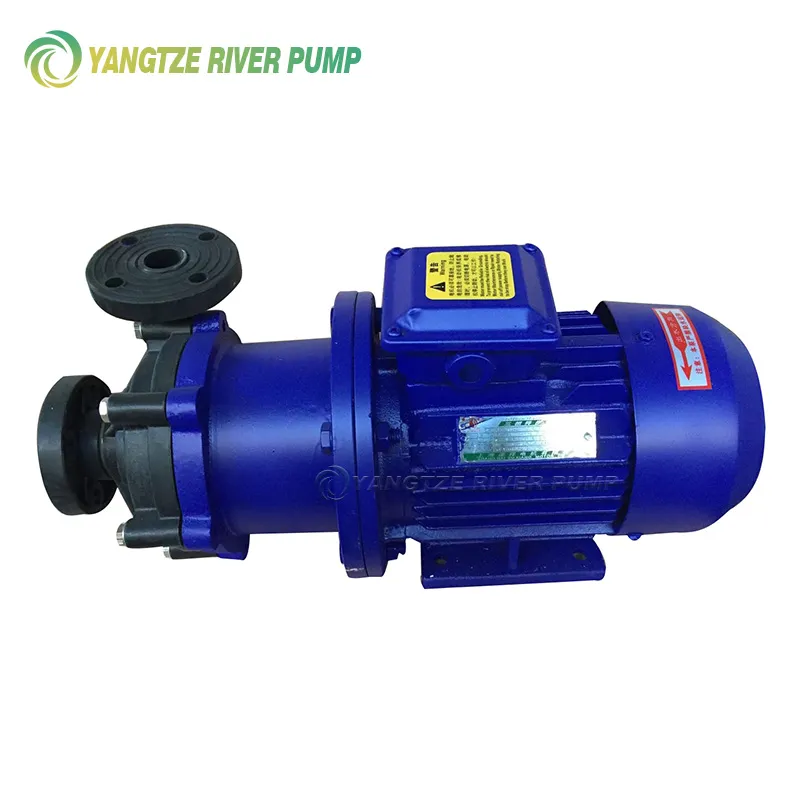 CQF Plastic Magnetic Pumps
-
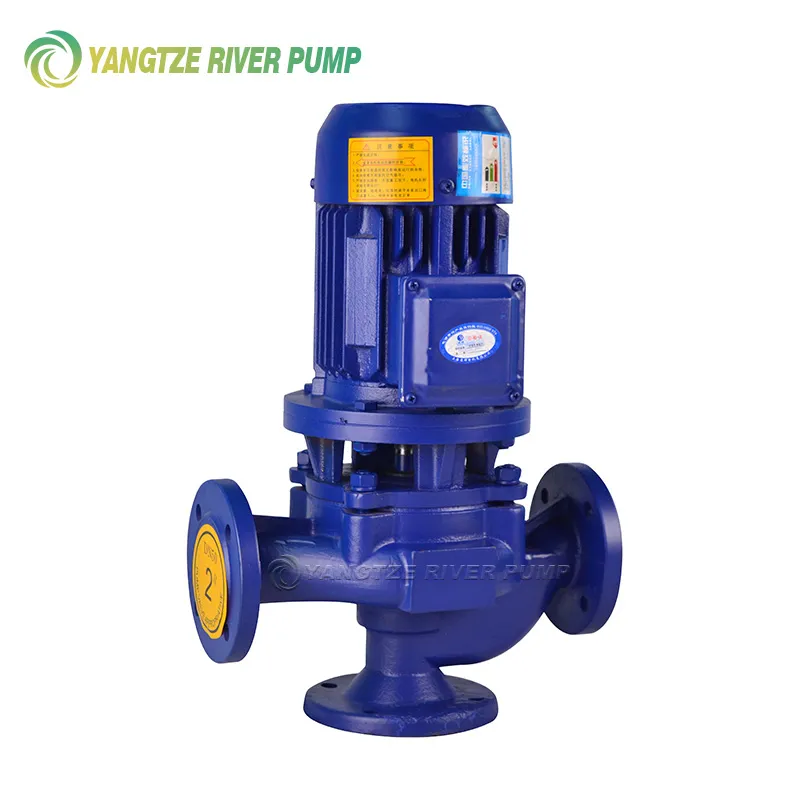 Pipeline wastewater pumps GW