







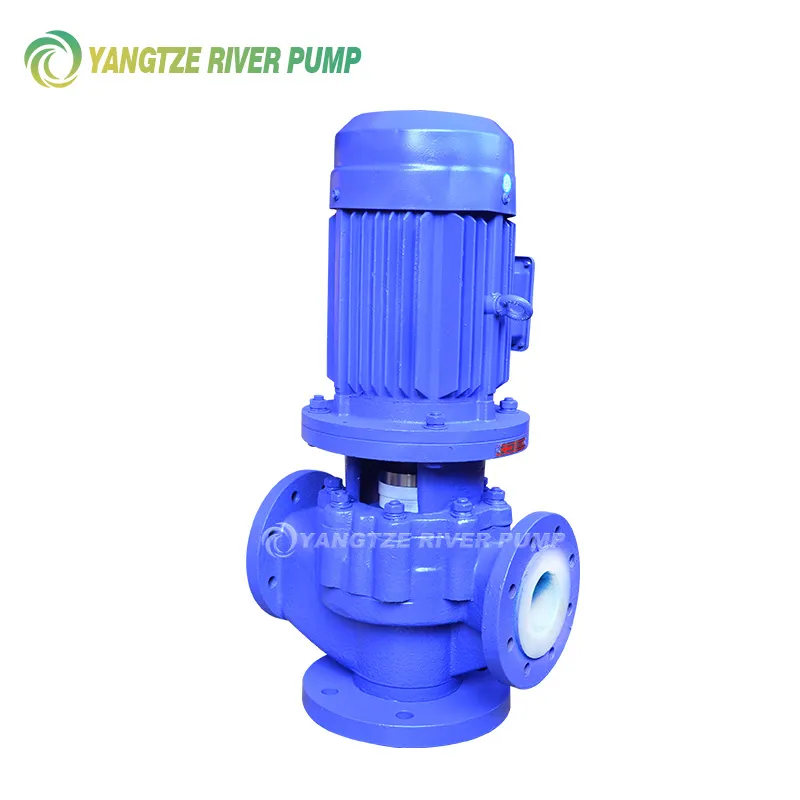
Vertical centrifugal pumps
To be honest, when many people say “vertical centrifugal pumps?”, the first thing that comes to mind is simply a pump with a motor on top and a long shaft. It’s as if they took the horizontal one and put it on its end. But this is the biggest misconception that I encountered ten years ago, until I myself began to work closely with their selection, installation and, more importantly, eliminating the consequences of incorrect selection. The design is just the tip of the iceberg. The whole point is in the hydraulics, in the operating conditions, in how the long shaft line behaves under real load, and not in ideal conditions on the bench. In ourZhejiang Yangzijiang Pumping Industry Co.,LtdThere has always been a special approach to these units, because they often go to critical areas - water supply, circulation in systems, technological lines, where downtime is unacceptable. And an error in calculations or savings on case material backfires very quickly.
Design: where the main problems lie
Take, for example, a basic thing - a support bearing. In horizontal pumps this is easier - the load is predictable. In vertical ones, especially in models with a submersible part, the entire axial and radial load falls on one or two bearings located at the very top, in the dry part. If the pump does not operate at nominal mode, but, say, with frequent starts or at reduced flow, vibration occurs. It’s not critical right away, but over time it breaks the seats, play appears, and the shaft begins to “draw figure eights.” I saw this at one of the old water treatment plants - a Grundfos CR vertical pump, seemingly reliable, but it was selected with a pressure reserve of one and a half times. After two years of operation with constant work on the valve, the entire support assembly had to be replaced. And this is not a defect, it is a consequence of an incorrect understanding of the operating point.
Another point is the length of the shaft. The larger it is, the higher the requirements for balancing and rigidity. We are in our production atyangtzeriverpump.ruFor multi-stage vertical pumps we always use forged steel shafts followed by multi-stage balancing. But even this is not a panacea if the installers allow axial distortions during installation. There was an incident during the installation of a circulation pump for a boiler room: the foundation slab began to shrink, the pump frame “failed”, and a month later the client complained about increased noise. I had to set everything up again, using a laser level. So verticality is not just a word, it is a physical parameter that must be controlled.
And of course, the material of the flow part. For aggressive environments they often come with stainless steel housings or even coatings. But here’s what’s important: vertical pumps with a long shaft often have intermediate bushings-bearings that operate in the pumped medium. If the environment is abrasive (for example, slurry water), these bushings made of ordinary stainless steel wear out within a season. We are in line for such casesvertical centrifugal pumpsWe offer an option with silicon carbide bushings - more expensive, but the service life increases significantly. This is not advertising, this is a conclusion from three replacements at one facility in two years.
Scope of application and typical selection errors
Most often, vertical systems are used on two main fronts: water supply (borehole, well options) and industrial circulation/pumping in a limited space. With wells, everything is more or less clear - there the specifics dictate the conditions. But in industry there is room for mistakes. A typical story: a technologist says - “we need a pump to pump a solution with a density of 1100 kg/m3 with a flow rate of 100 m3/h at a head of 50 meters?”. The designer takes the catalog, finds a model based on water and thinks: “The density is a little higher, I’ll take the motor one step more powerful, and that’s all?” But in reality it turns out that the solution contains a fine abrasive, and even the temperature is under 60°C. And the standard EPDM-based shaft seal quickly fails, and the pressure characteristic “sags?” due to increased wear of the impeller. As a result, the pump does not produce parameters, heats up, and the client is dissatisfied.
In our company, with our eight production lines including R&D and testing, we always request a sample of the medium for such cases. Even a liter jar. We carry out tests on the chemical resistance of materials, looking at viscosity. Because for the same plastic chemical pump of a vertical type there is one type of plastic, but for pumping alkali it is completely different. Without this stage, selection is a lottery.
Another mistake is ignoring the “dry running” mode. For many vertical centrifugal pumps, especially those with an overhead bearing arrangement, running without liquid means guaranteed overheating and seizure within minutes. In horizontal ones there is sometimes a reserve for heat removal, but here there is none. Therefore, we always include level or flow sensors in the piping diagrams, and in the passport for our products we highlight this in bold. But do you know how many times I’ve seen how these sensors are simply not connected in order to “save on electrical costs?” Then they cry.
Installation and piping: there are no trifles
You can talk here for hours. Let's start with the foundation. For heavy vertical multistage pumps, it should not just be flat, but have rigid anchoring that can dampen vibrations. They often save money and install them on vibration supports, which are not designed for such weight and moment. The result is misalignment with the engine and a constant hum.
Pipe connections. It would seem that what is so difficult here? But if a straight section of less than 5-7 diameters is placed on the suction line of a vertical pump to the nearest outlet or valve, then a swirling, uneven flow will enter the flow part. This reduces efficiency and causes cavitation and vibration. Particularly critical for high speed pumps. We had to redo the piping at one thermal power plant precisely because of this - the pump hummed like a jet engine. After moving the pipes to a longer straight section, everything fell into place.
And, of course, electrical installation. Star-delta launch to reduce starting currents - this is standard for high-power motors. But if the time relay is configured incorrectly, the transition from the “star” to ?triangle? occurs too early, before the pump has reached its design speed. There is a sharp blow to the mechanical part. Clutches broke, and there were cases of rotor displacement. Now we always recommend that commissioning be carried out with the participation of our service engineer - this is stipulated in the warranty conditions for units with a power of over 75 kW.
Service and diagnostics: how to understand that there will be a problem soon
The simplest, but often ignored indicator is the motor current. Regular measurements with current clamps on each phase can show imbalance (problems with the network or winding) or a gradual increase in consumption (increased mechanical friction due to wear of bearings or contact with impellers). We are at the testing station after each assemblyvertical centrifugal pumpWe take full vibroacoustic characteristics and current data. These ?fingerprints? attach it to your passport. If after a year or two of operation the measurements at the facility are very different, this is a reason for an unscheduled audit, and not for waiting until “thunder strikes”.
Another point is the condition of the shaft seals. For pumps with a gland seal, the permissible leakage limit is a few drops per minute. If the leak stops completely, this is not always good. It is possible that the oil seal is overtightened and the shaft is running dry and overheating. And if there is a trickle, it’s time to tighten or change the stuffing. For pumps with a mechanical seal (and these are the majority of them now), visual inspection is more complicated, but it has its own diagnostics - based on the presence of a leak through the drainage hole of the seal chamber. All this seems like a trifle, but such little things add up to a resource of 10 years instead of 3.
And of course, an operation log. Trite, but effective. Recording of working hours, periodic measurements of inlet/outlet pressure, bearing temperature. When all this is available, you can build trends and predict the remaining resource. For critical facilities, we propose the implementation of simple monitoring systems - this is no longer space technology, but affordable equipment.
A look into the future and the place of our products
Where is the industry heading? Towards greater energy efficiency and “smart” management. Frequency converters for vertical pumps are no longer a luxury, but a necessity for systems with variable flow rates. They allow you to keep the pump at the optimal operating point, saving up to 30% energy and significantly reducing wear. But there are pitfalls here too - at too low speeds, lubrication in the same plain bearings may be disrupted, and for pumps with “wet” with a rotor this is generally critical. Therefore, simply introducing a state of emergency is not enough. It is necessary to correctly set the lower frequency limit, and this is not done according to a template, but for a specific hydraulic system.
Regarding our line onyangtzeriverpump.ru, then we try to cover the basic needs of the market: from compact vertical circulation pumps for HVAC to powerful multi-stage units for water supply and industry. We place special emphasis on adaptation to complex environments - chemically active, abrasive, high-temperature. Our production lines allow us not only to assemble pumps from ready-made components, but also to modify the design to suit the customer’s needs - change the materials of the flow part, the type of seal, and the method of fastening. This is not a fast way, but it provides the same reliability that is expected from industrial equipment.
After all, a vertical centrifugal pump is a tool. And like any tool, it requires an understanding of the principles of its operation, competent selection and attentive maintenance. No design, even the most perfect one, can save you from negligence at the installation stage or from the desire to save on “trifles”. Our experience, including bitter ones, shows that dialogue with the customer at the design stage, honesty in assessments and willingness to take responsibility for their products are what distinguishes a simple supplier from a partner. And in industrial pumping technology we need partners.
Correspondingproducts
Related Products

Best Sellingproducts
Best Selling Products-
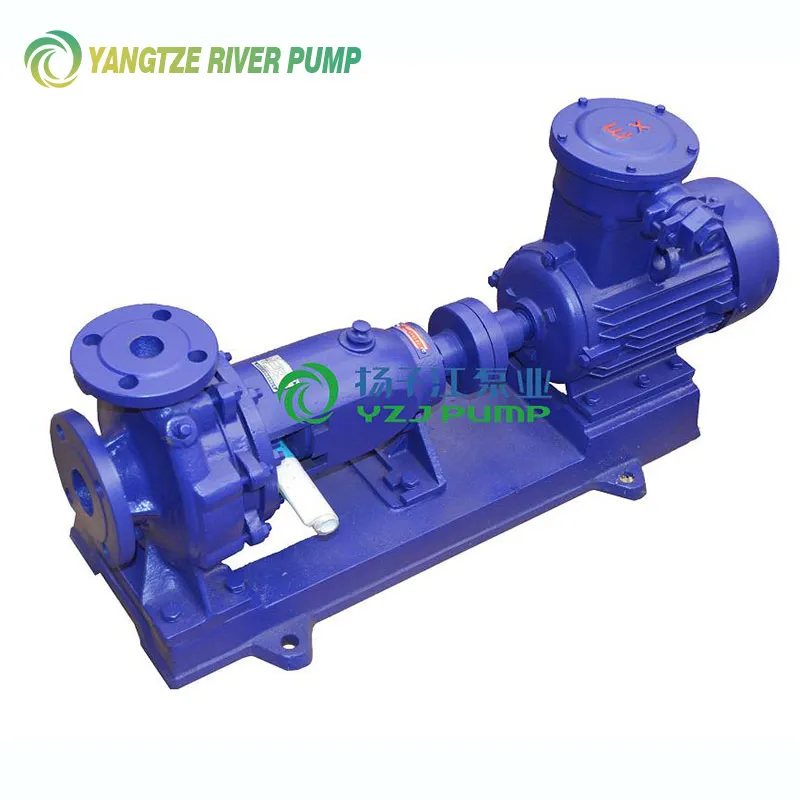 Horizontal chemical centrifugal pumps types IS and IR
-
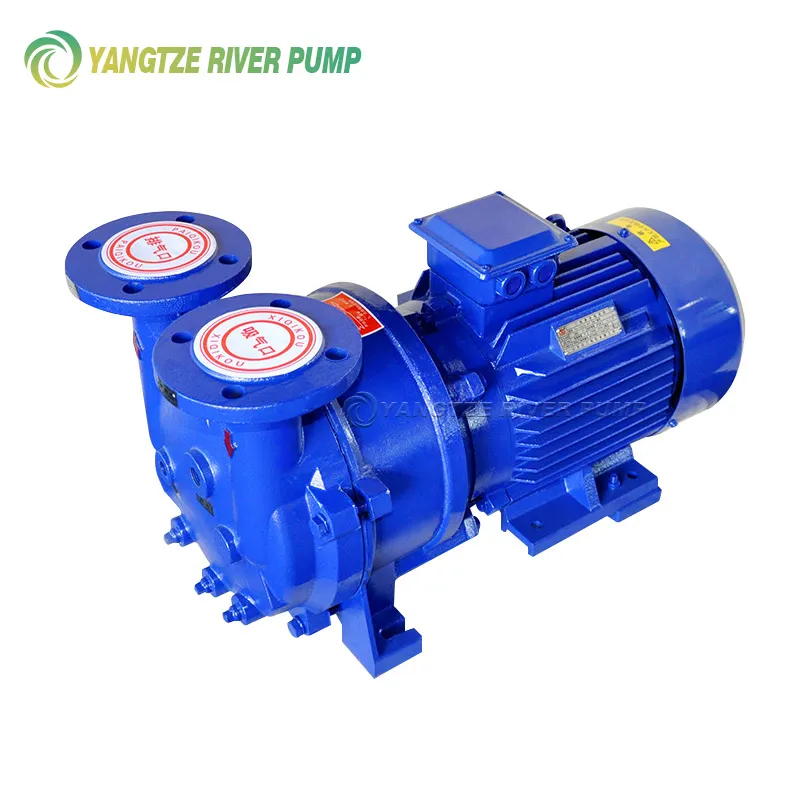 Liquid ring vacuum pumps type SKA and 2BV
-
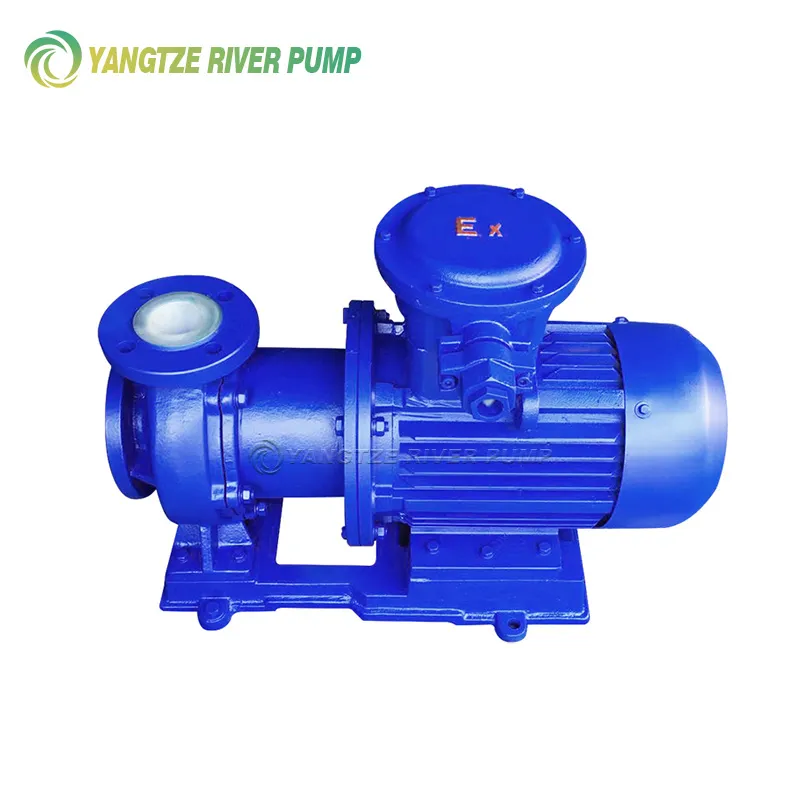 Magnetic pumps with fluoroplastic lining CQB-F
-
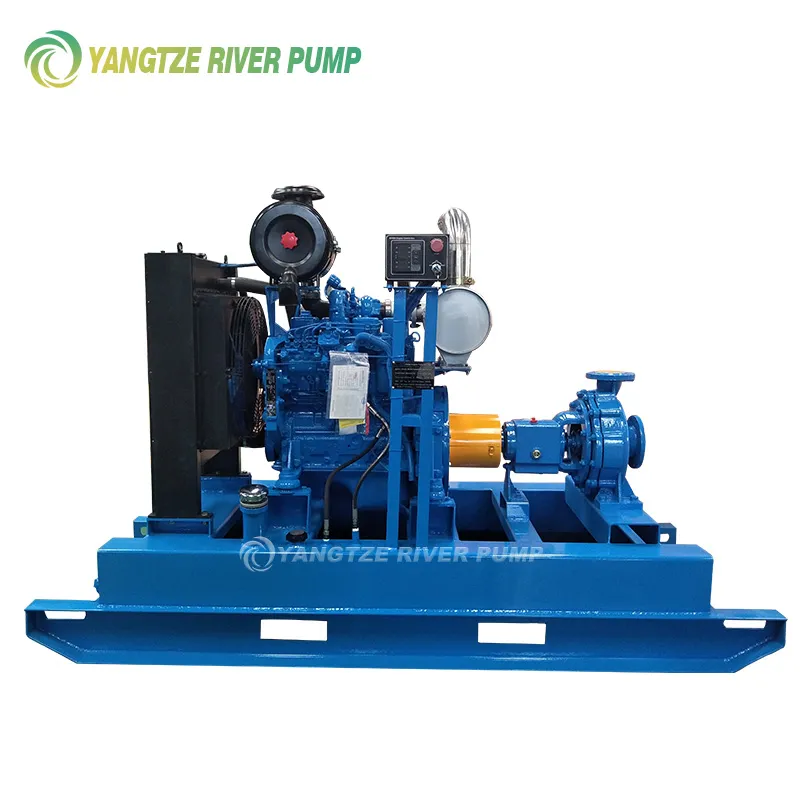 YZIS Diesel Single Stage Centrifugal Pumps
-
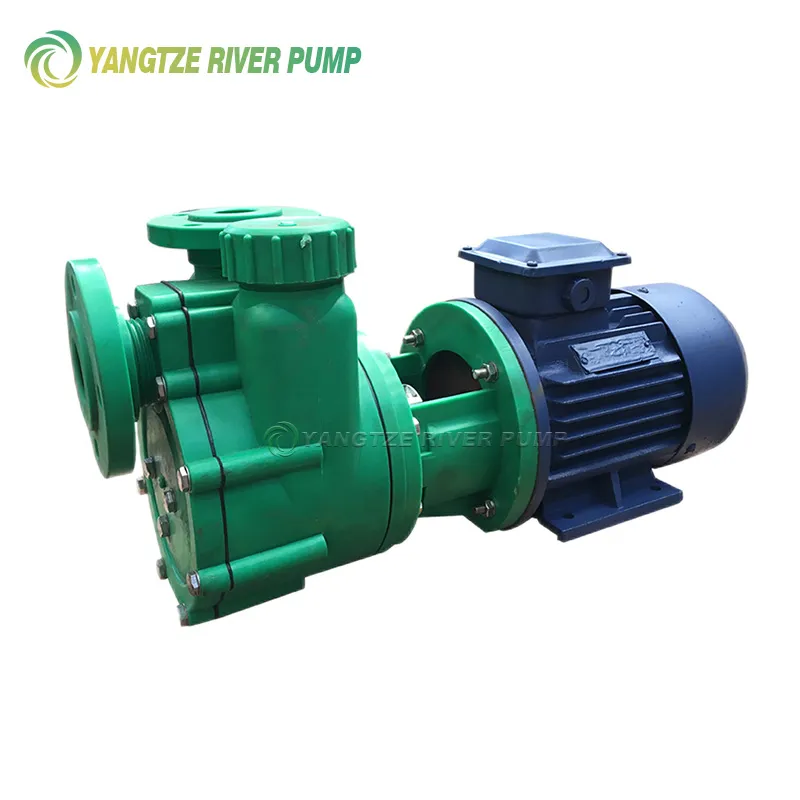 Plastic self-priming centrifugal pumps FP and FS
-
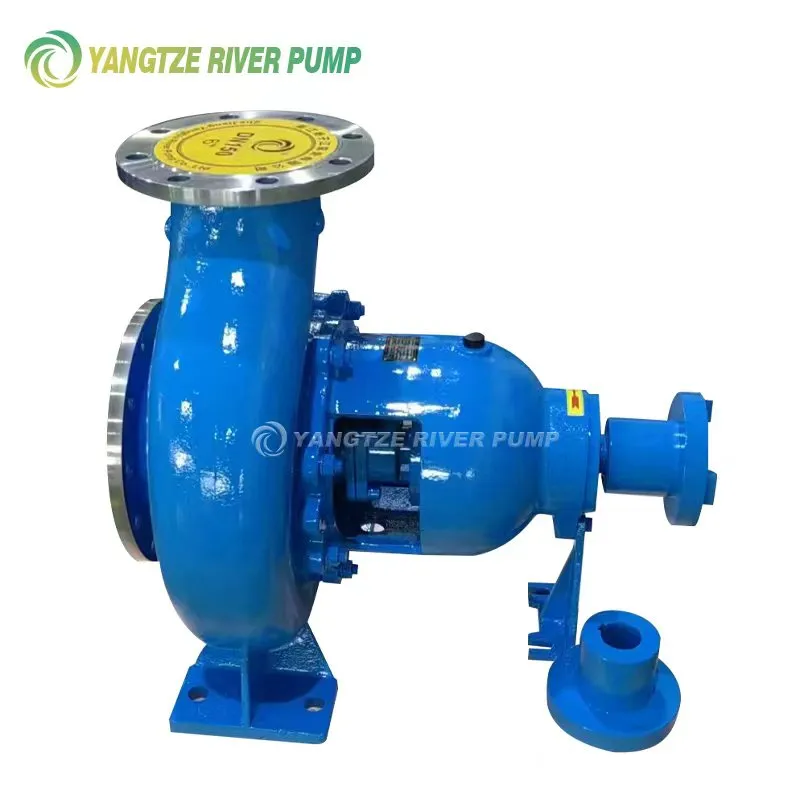 IH Stainless Steel Chemical Centrifugal Pumps
-
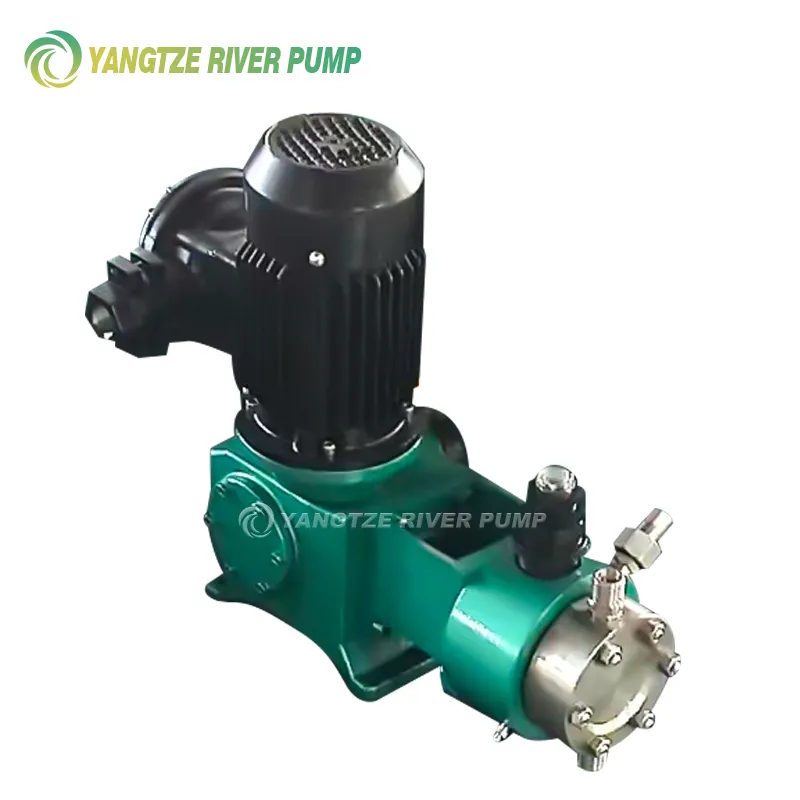 Plunger dosing pumps type DZ-X
-
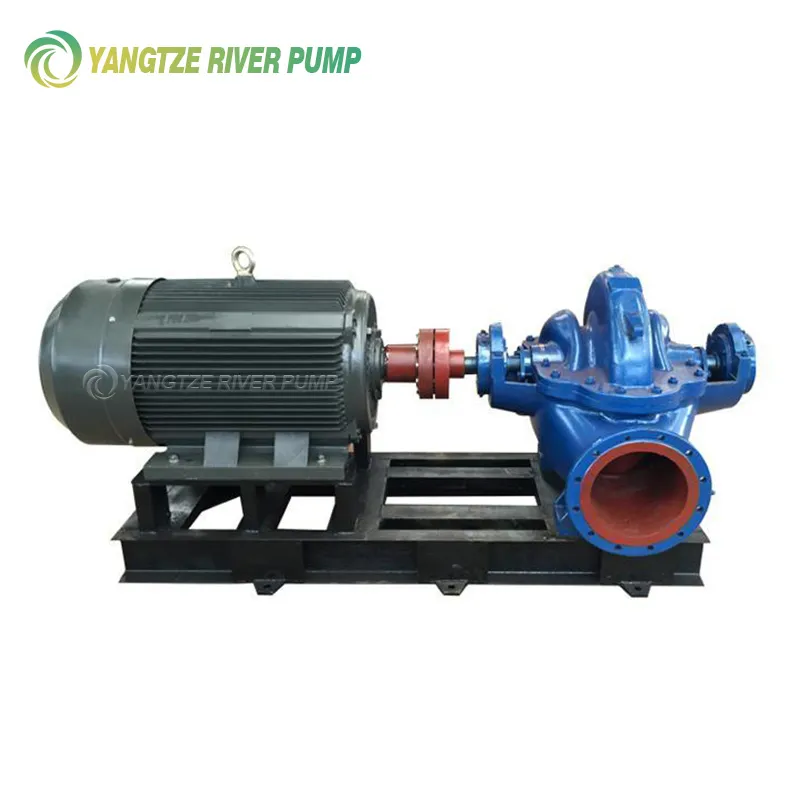 Single Stage Double Entry Centrifugal Pumps Type S
-
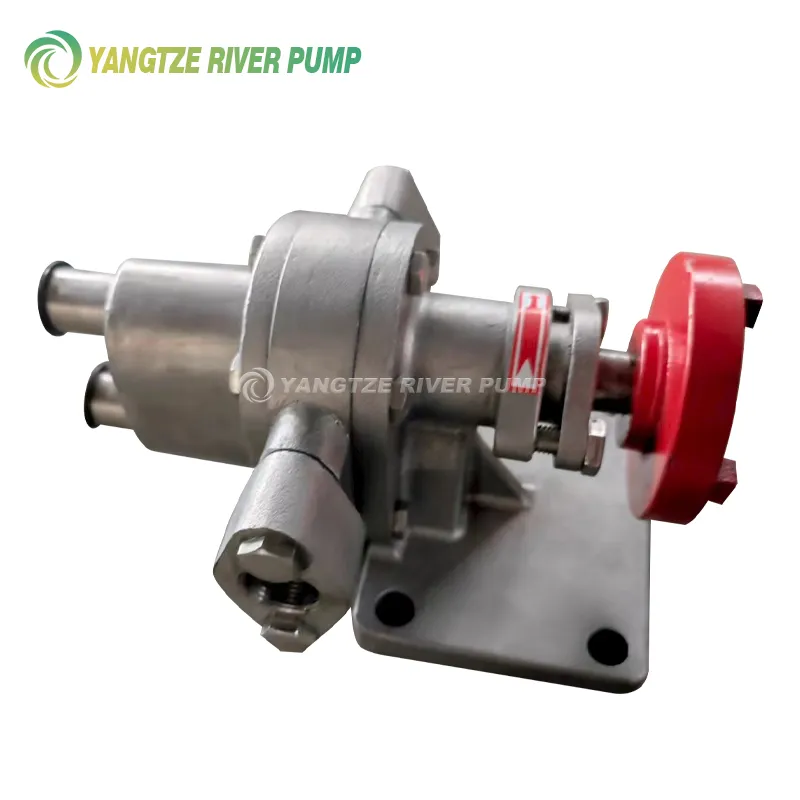 Gear oil pumps type KCB
-
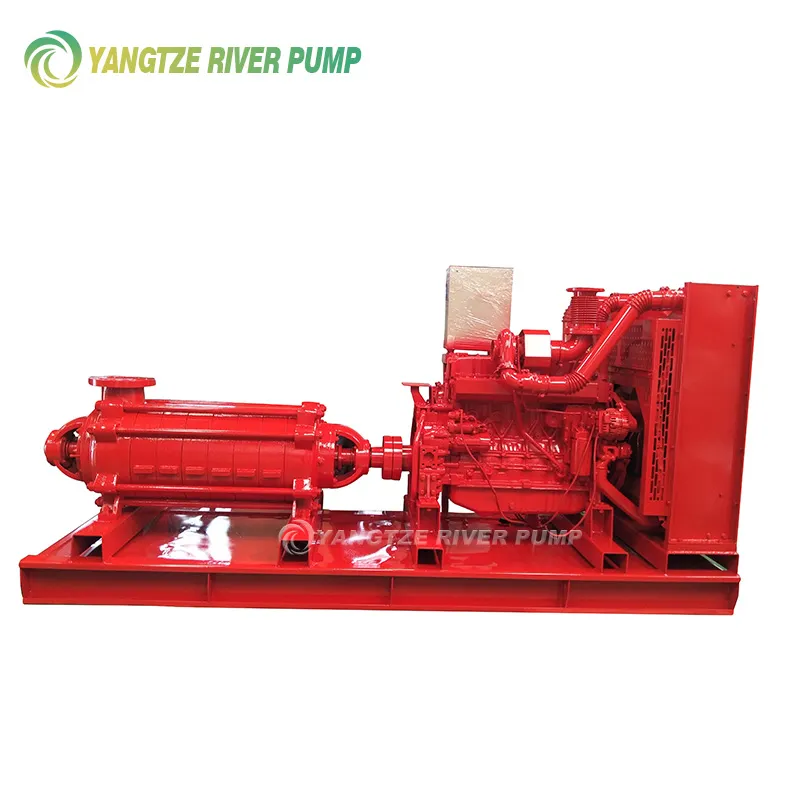 YZD Series Diesel Multistage Centrifugal Pumps
-
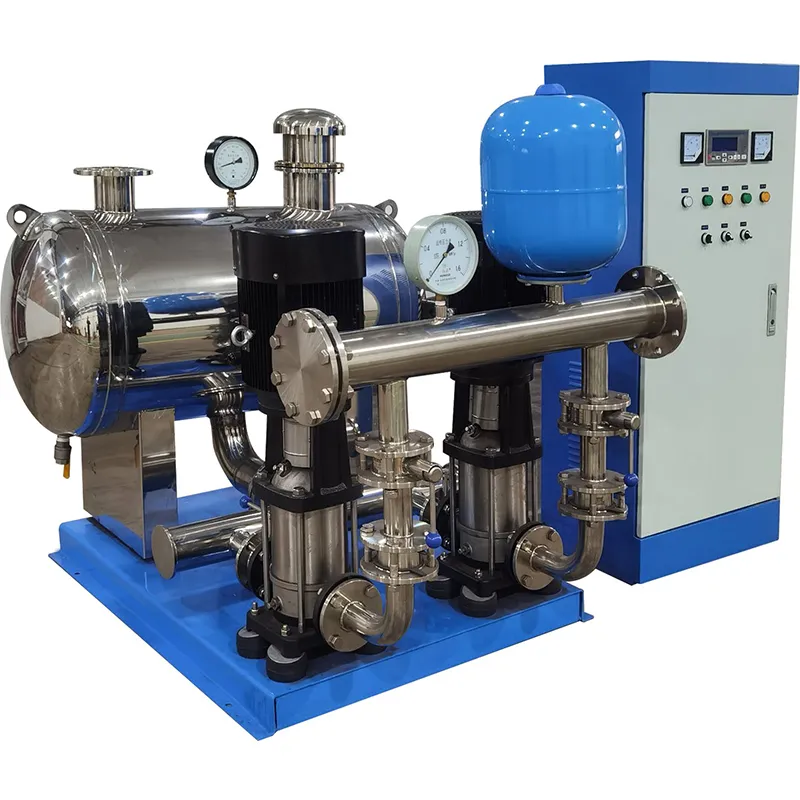 Complete water supply installations with frequency regulation and constant pressure CDLF
-
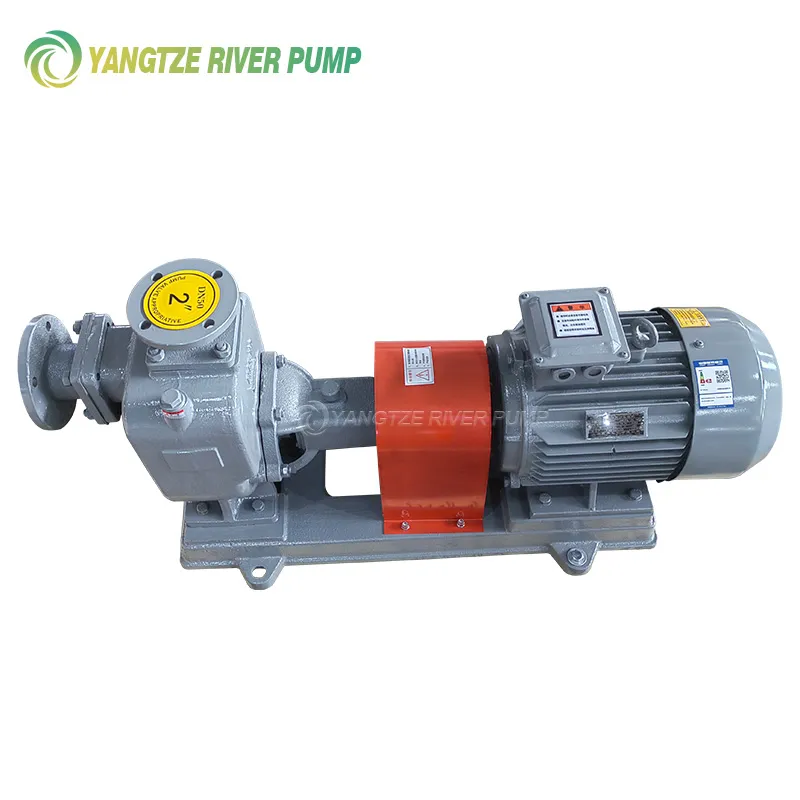 Non-clogging self-priming wastewater pumps ZW