







centrifugal well pump vortex
When they talk aboutcentrifugal well pump vortex, many immediately imagine something universal and inexpensive. But in practice, this name hides a whole class of equipment, and not all models cope equally well with deep wells or water with sand. A common mistake is to assume that any “vortex” the pump is automatically suitable for a constant supply of water from an artesian well. In fact, there are nuances here that are rarely written about in catalogs.
What does "whirlwind" really mean? in the context of a well pump
Marketing aside, we are usually talking about the design of the impeller. In classiccentrifugal pumpThe water flow moves radially, and in a vortex it twists in a spiral. This gives certain advantages: for example, slightly better pressure at the same speed. But this comes at the price of sensitivity to suspensions. I have seen cases where, after six months of work in a well with fine sand, a vortex wheel turned into a sieve, while an ordinary multi-stage centrifugal wheel still held up.
Therefore, the first thing I always check with the client is the well data. Flow rate, static/dynamic level, presence of sand. If the well passport says “water with mechanical impurities up to 100 g/m3?”, then install the standardvortex- this is almost guaranteed to plan repairs in advance. It is better to look towards pumps with protected flow parts or, as an option, to multi-stage models, which, although not called “vortex”, but due to several wheels create a stable pressure and are less capricious to the quality of water.
By the way, at our production site inZhejiang Yangzijiang Pumping Industry Co.,LtdThey just focus on this division. The line of well pumps includes both classic centrifugal multistage models and options with vortex wheels, but for the latter the recommended area of application is always indicated - clean or slightly contaminated water. This is not because others are worse, but simply so that the equipment fulfills its service life.
Practical observations: where is the “vortex?” really works
From my experience, I can say that vortex borehole pumps perform well in shallow sand wells, where the water is relatively clean and good pressure is required for an irrigation system or water supply for a small house. There was a story when such a pump was installed at a dacha near Moscow - a well of 25 meters, a dynamic level of 15 meters. It has been working for the third season without any complaints, although the owners had doubts at first, comparing with more expensive European analogues.
But there was also the opposite case in the Rostov region. The well is 40 meters long; fine sand periodically appeared in the water. We installed an inexpensive vortex pump - after four months the client complained of a drop in productivity. They dismantled it - the impeller channels and the streets were thoroughly "milled" abrasive. I had to change it to a multi-stage onecentrifugal pumpwith reinforced diffusers. The conclusion is simple: vortex models require a more careful assessment of conditions.
Another point that is often overlooked is the electric motor. The vortex principle can create increased radial loads on the shaft, especially when operating in the partial opening mode of the valve. Therefore, it is important to look not only at the characteristics of the pump, but also at the safety margin of the engine. In our models that we assemble athttps://www.yangtzeriverpump.ru, for borehole ?vortices? A motor with a higher insulation class and bearings designed for such loads is always used. These are not just words - these are the result of tests on benches, when we run pumps in different, including abnormal, modes.
Comparison with other types: when to choose something different
Sometimes the client insists oncentrifugal well pump vortex, because I heard somewhere about its reliability. But if you dig deeper, you may find that, for example, a conventional multi-stage submersible pump is more suitable. We have eight complete lines at our enterprise just to cover different needs: there is a line for the production of magnetic pumps for aggressive media, and there is a line of self-priming pumps for wells. For wells, the main thing is still a line of submersiblecentrifugal pumps, which includes both vortex and standard models.
The key difference in practice is efficiency and behavior with changing flow rates. Pure vortex pumps usually have a steeper pressure-flow curve. This means that when the flow rate increases (several taps are opened at the same time), the pressure may drop more noticeably than with a multi-stage centrifugal valve. Therefore, for a house with two bathrooms and the ability to simultaneously turn on water in the kitchen and shower, I would probably recommend the second option. ?Vortex? It is also good for stable, relatively constant consumption.
We must not forget about the diameter of the well. Many vortex models, especially for the purpose of increasing pressure, have an increased body diameter. Standard casing pipe is 4 inches (about 100 mm). If the pump has a diameter of 98 mm, this is already critical - there is not enough space for cooling the engine. In our practice, we always leave a gap of at least 4-5 mm along the radius. On our company websiteZhejiang Yangzijiang Pumping Industry Co.,LtdThe technical data always indicates the overall dimensions, and I advise you not to be lazy and measure the internal diameter of your casing before purchasing.
Installation and operation: what is not written in the instructions
Installed the pump and forgot? Not really. Even with the most reliablewhirlwindthere are subtleties. The first is a mandatory check valve. Without it, every time you turn it off, the water will go back into the well, and the next time you turn it on, the pump will experience water hammer and run “dry.” first seconds. For vortex models this is especially critical due to the tight gaps between the wheel and the body.
The second is dry-running protection. Many people think that since the pump is submersible, it is always in the water. But if the well's flow rate is small and the flow rate is high, the level may fall below the intake pipe. A level sensor or pressure switch with dry-running protection is not a luxury, but a necessity. In our service department, most warranty claims are related to engine burnout due to operation without water.
And third, the simplest but most important is the quality of the power supply. Frequent power surges kill motor windings faster than sand. A stabilizer or at least a voltage control relay will extend the life of any pump, not just a vortex pump. On our test benches we check the operation of pumps at low (up to 190 V) and high (up to 250 V) voltage, but in real conditions the network can behave even worse.
A look from inside production: how a reliable pump is born
When I visit our production in China (and the companyZhejiang Yangzijiang Pumping Industry Co.,Ltd- this is a full-cycle manufacturing company), then I see that the key to the quality of a well pump is control at all stages. Casting the housing, balancing the impeller, impregnating the motor windings - all this is done not just anyhow, but according to fairly strict internal regulations. For vortex models, by the way, wheel balancing is even more important than for conventional centrifugal ones, due to the specifics of the flow.
Particular attention is paid to materials. For the housing and impeller of well pumps, we use stainless steel grade 304 or, for more aggressive environments, 316. Plastic - only food grade, polypropylene or analogues. This is not a tribute to fashion, but practice: cheap plastic or low-quality steel after a year or two in a well can lead to a breakdown, the repair of which is comparable in cost to a new pump.
The final stage is testing. Everyonecentrifugal pump for well, before going to the warehouse, it is tested on a hydraulic stand. The declared pressure and flow parameters, current consumption, and tightness are checked. Only after this the pump receives a passport. This allows us to eliminate defects and gives us, as a manufacturer, confidence in the product. Information about the production process and control can be found on our websiteYangtze Pumpin the section about the company.
Bottom line: is a vortex really necessary? for your well?
To sum it up, I want to say thatcentrifugal well pump vortexis a good tool, but a tool for specific tasks. It is not a panacea or a universal solution for any well. Its strengths are good pressure with a compact size and a relatively low price for its characteristics. Weaknesses: sensitivity to abrasive and not always optimal efficiency at variable flow rates.
Before making a choice, collect as much information as possible about your well. Ideally, have a passport with the pumping results. Then compare this data with the characteristics of the pump, paying attention not only to the maximum pressure, but also to the recommended flow range. Don’t hesitate to ask questions to the manufacturer or seller: what material is the impeller made of, what bearings are in the motor, what is the reserve diameter for your casing pipe.
To summarize my experience, for stable conditions, clean water and the need for high pressure -vortexcould be a great choice. For difficult conditions, variable flow rates or water with impurities, it is worth considering other types of centrifugal submersible pumps. The main thing is to approach the choice consciously, and not chase a fashionable name. In the end, a pump is bought for years, and its task is simply to silently do its job somewhere down there, deep in the well.
Correspondingproducts
Related Products

Best Sellingproducts
Best Selling Products-
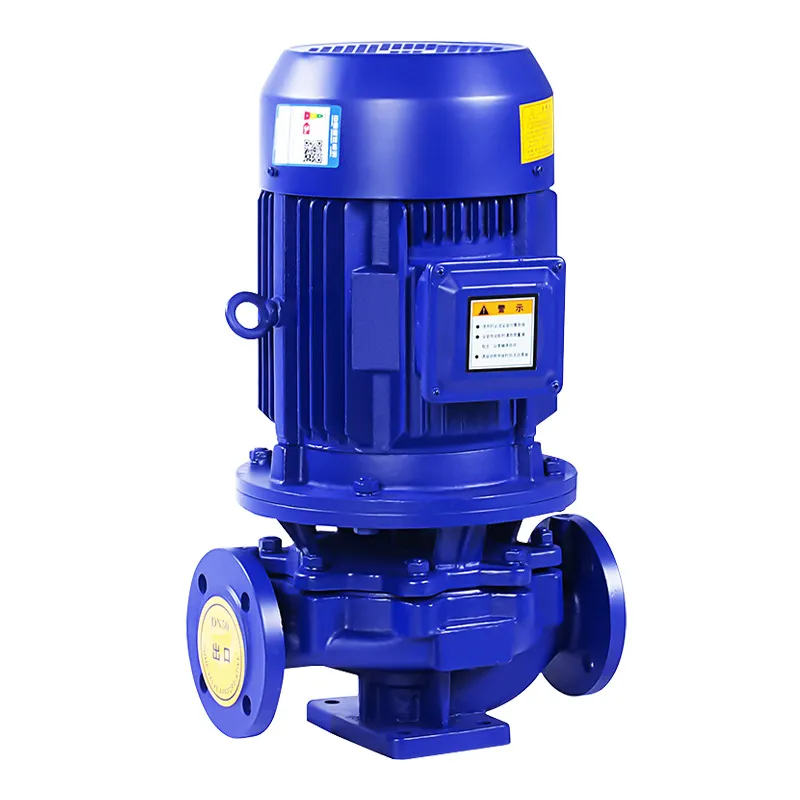 Vertical single-stage pipeline centrifugal pumps ISG and IHG
-
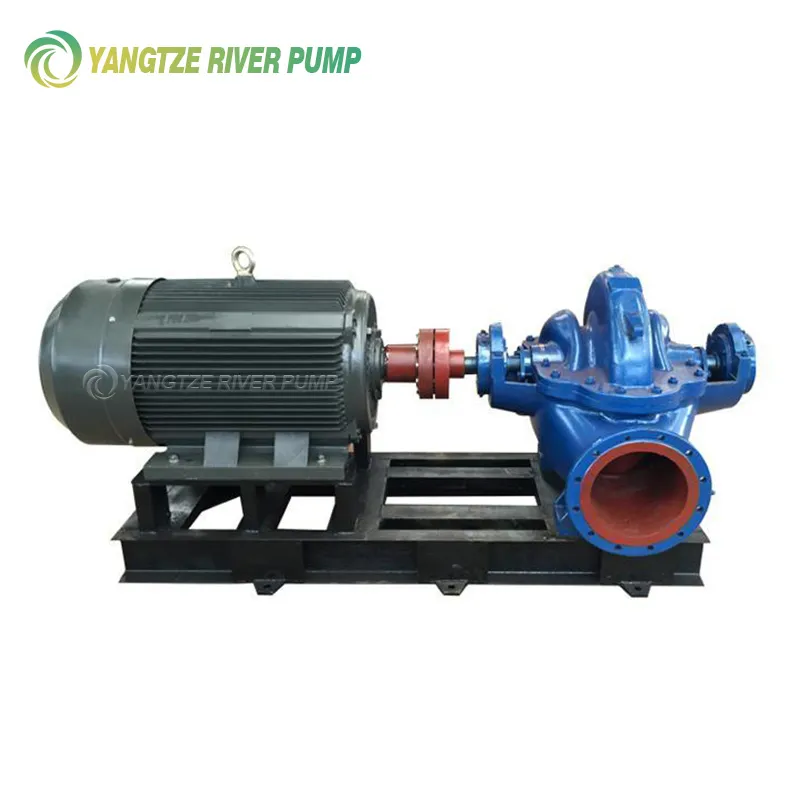 Single Stage Double Entry Centrifugal Pumps Type S
-
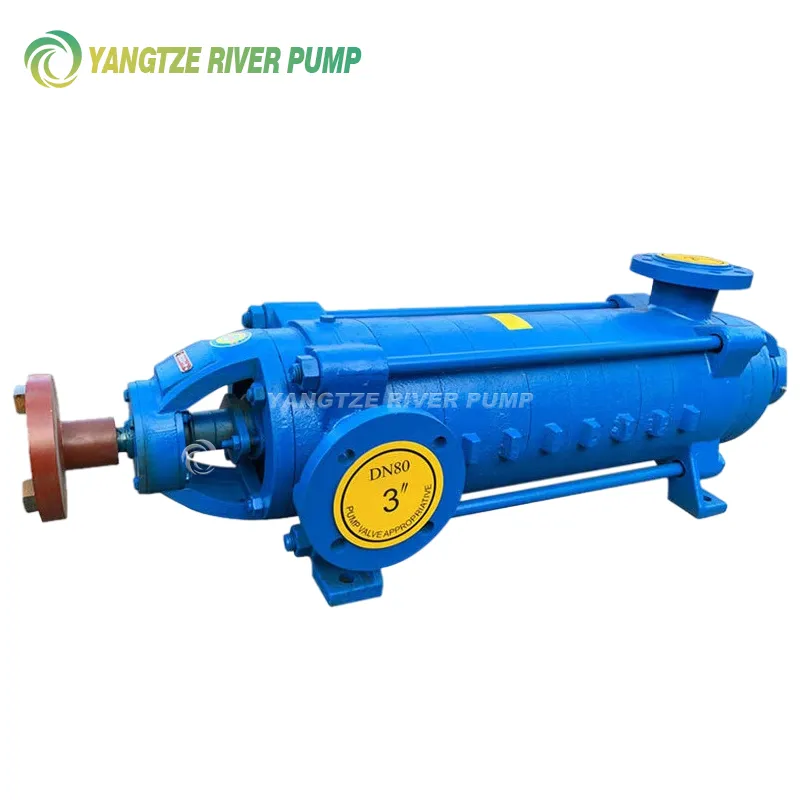 Horizontal multistage pumps for feeding DC boilers
-
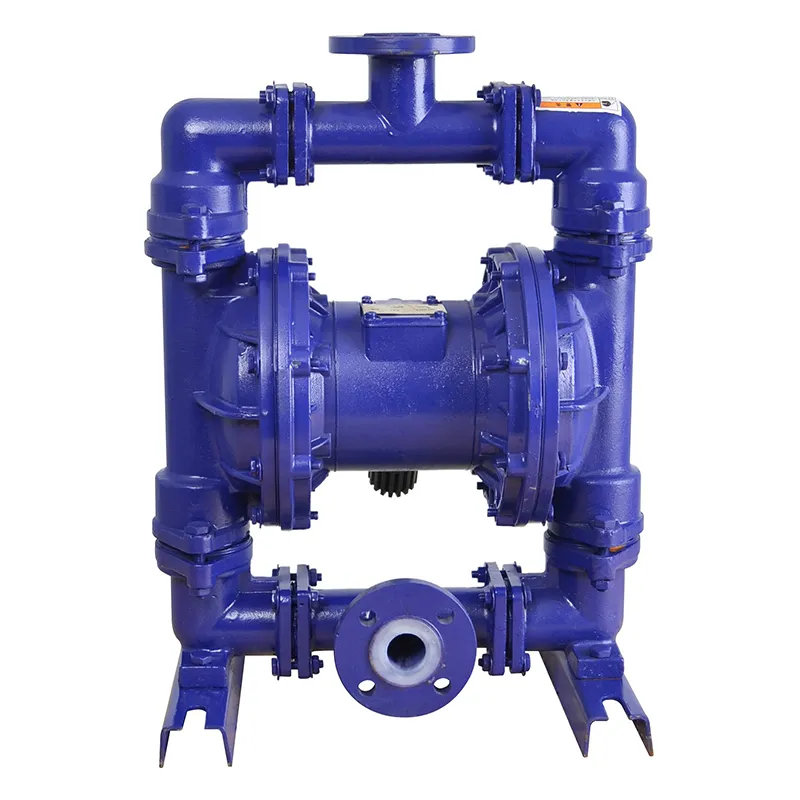 Metal pneumatic diaphragm pumps QBK
-
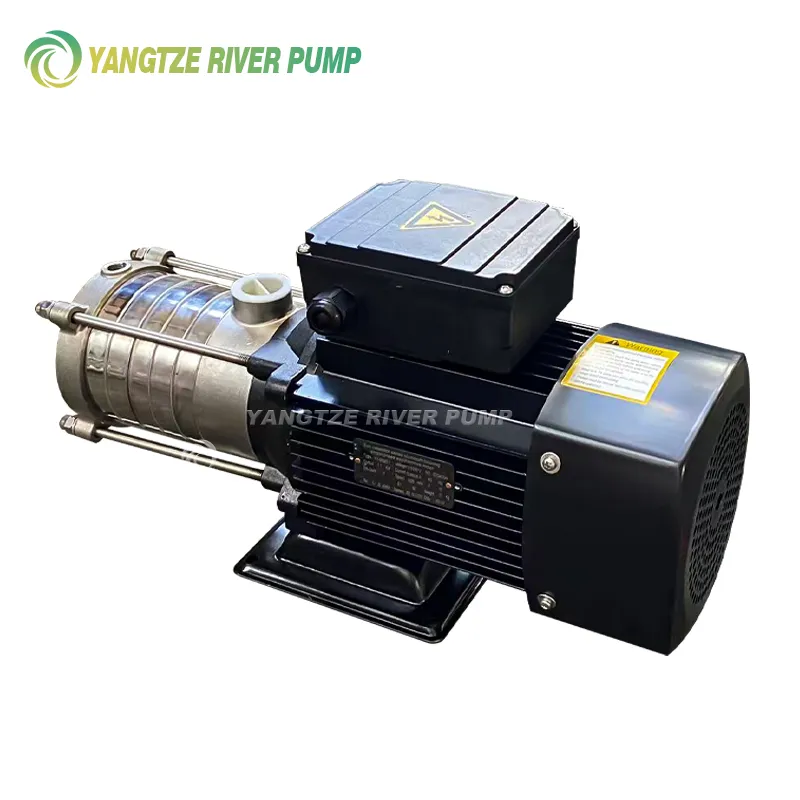 Horizontal multistage centrifugal pumps (light series) CHL and CHLF
-
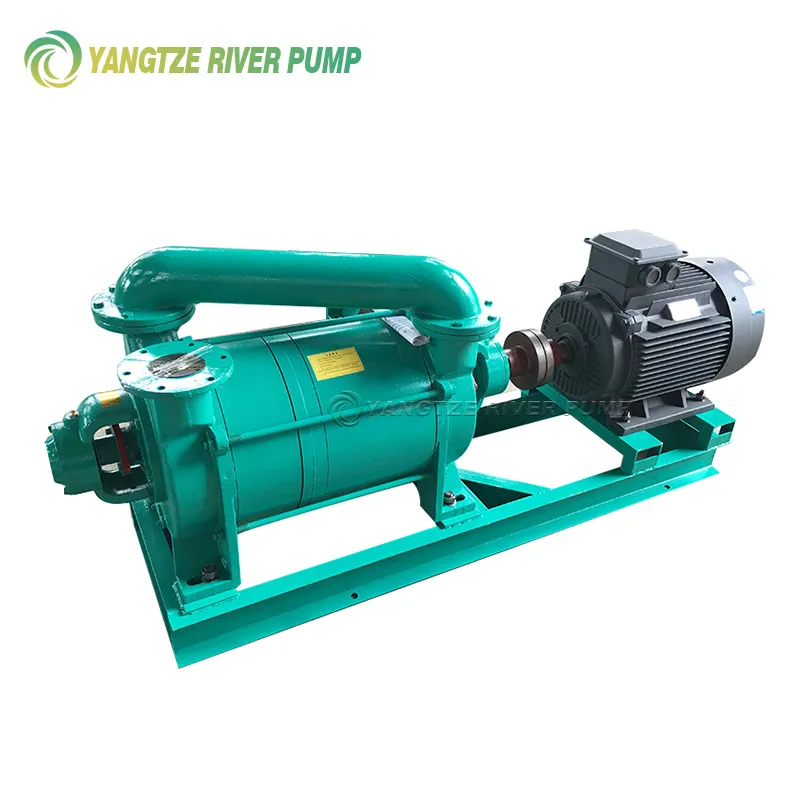 Liquid ring vacuum pumps type 2SK
-
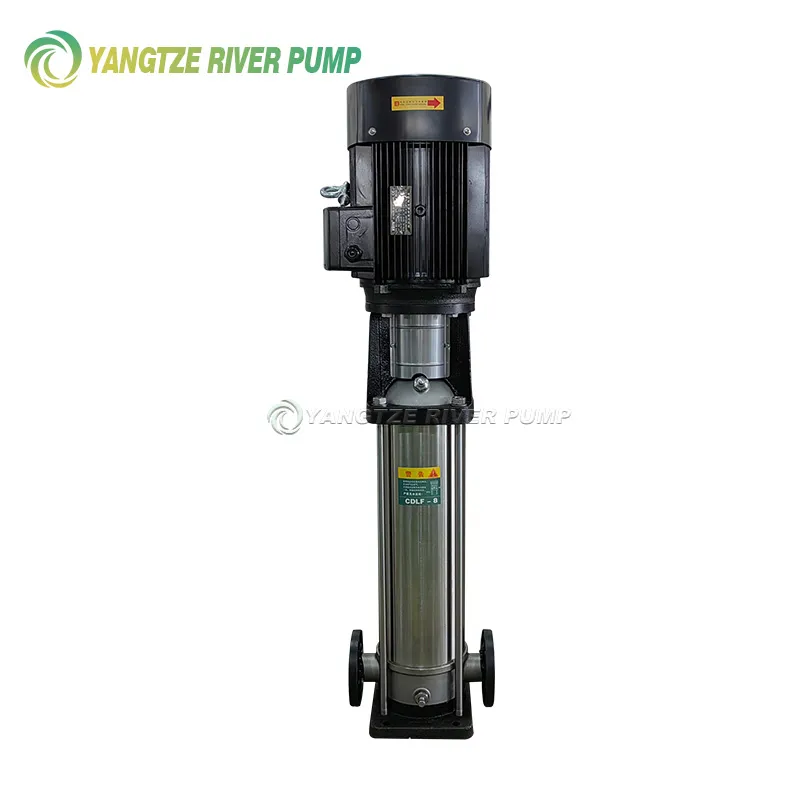 Vertical multistage centrifugal pumps made of stainless steel (light series) CDL and CDLF
-
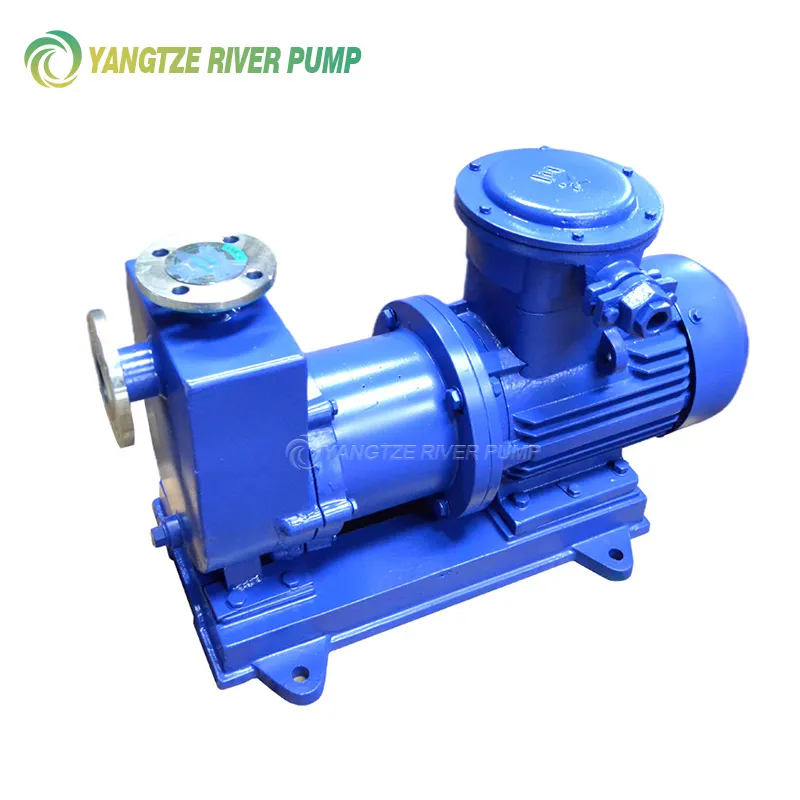 ZCQ Stainless Steel Self-Priming Magnetic Pumps
-
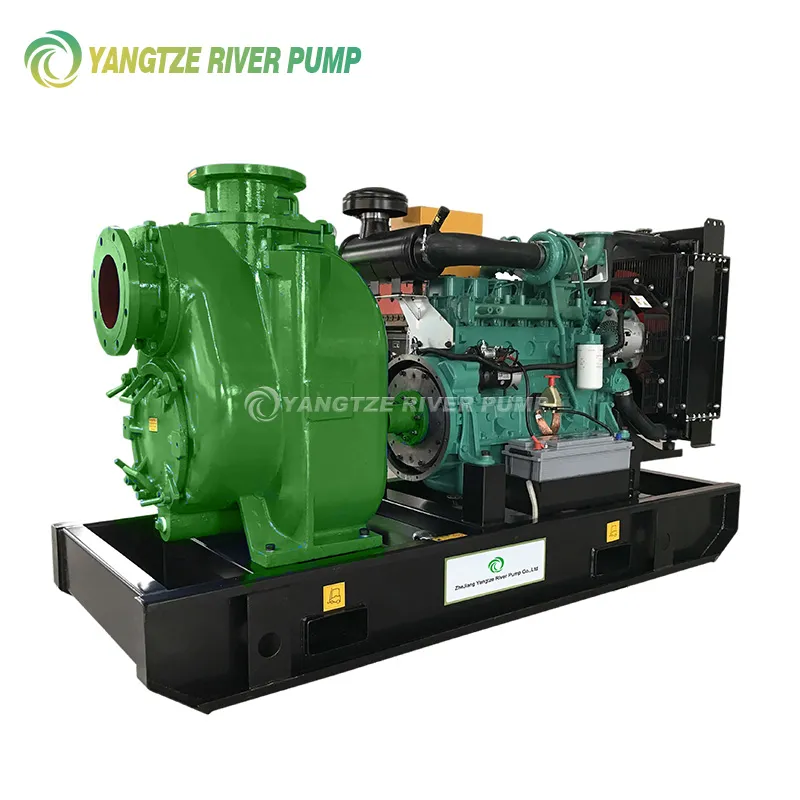 YZSP Diesel Self-Priming Pumps
-
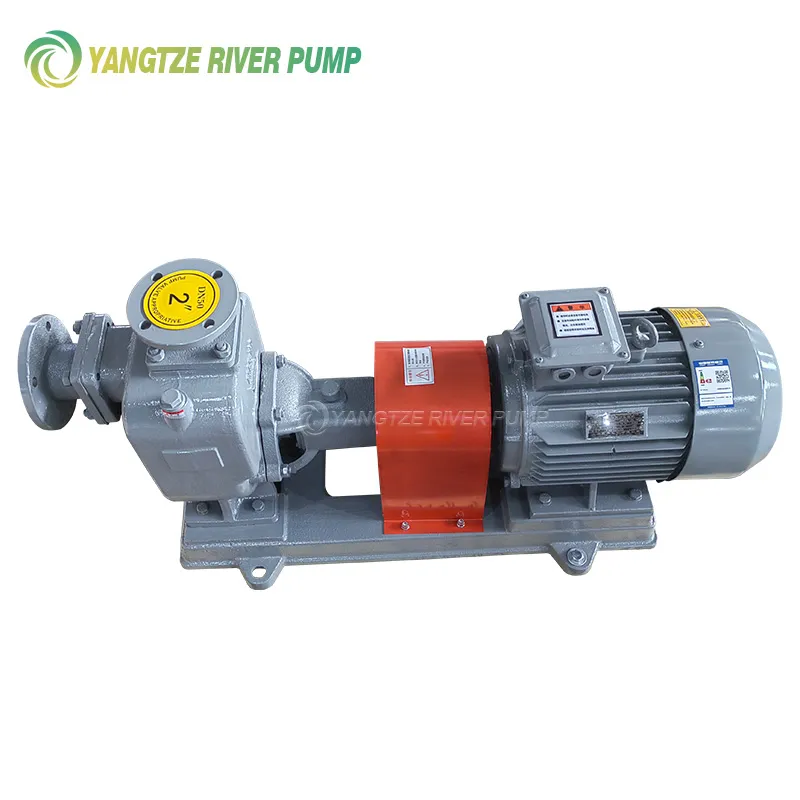 Non-clogging self-priming wastewater pumps ZW
-
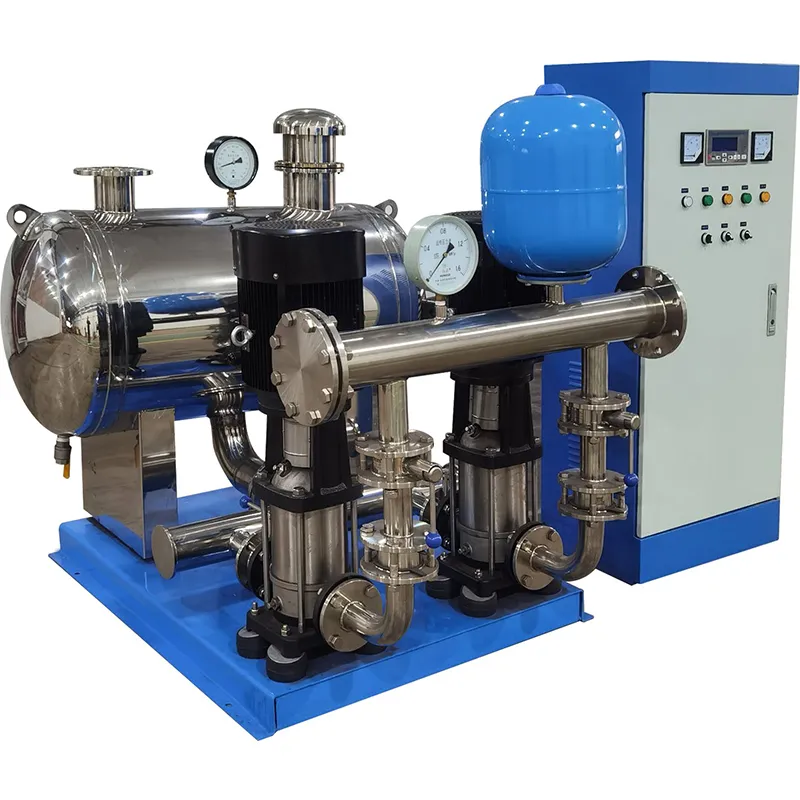 Complete water supply installations with frequency regulation and constant pressure CDLF
-
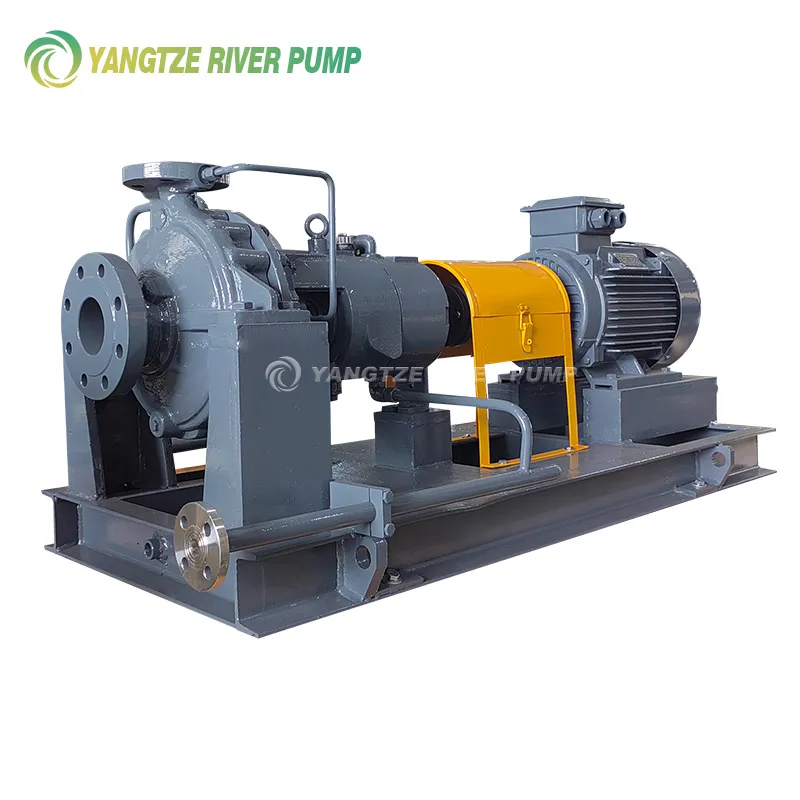 Petrochemical Process Pumps API 610 YZE
Relatedsearch
Related Search- best centrifugal submersible pump
- positive displacement pump group
- centrifugal pump 75 mm
- XBC Diesel Intelligent Fire Pumps
- Stainless steel electric diaphragm pumps
- centrifugal pump 250 m3
- flanged centrifugal pump
- pumping units centrifugal pumps
- Lightweight vertical multistage centrifugal pumps
- ISWH Single Stage Horizontal Pipeline Centrifugal Pumps