







magnetic centrifugal pump
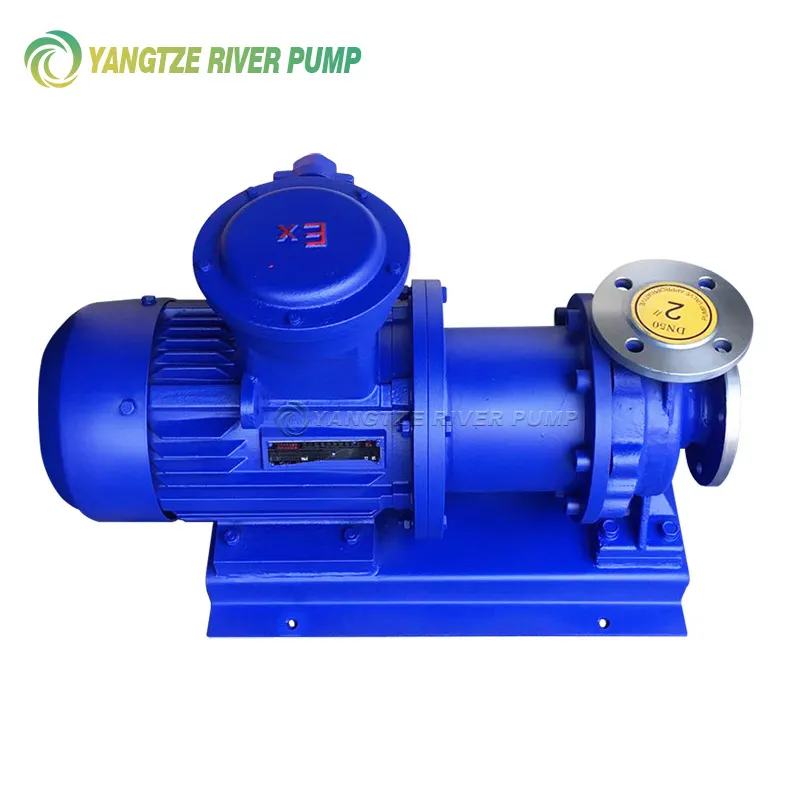
When they talk about a magnetic centrifugal pump, many people immediately think about tightness, about pumping aggressive media - and in general this is true. But what is often overlooked is how exactly this magnetic coupling works under real load, not under ideal catalog conditions, but when, say, the pumped medium has a non-uniform density or contains fine abrasive particles. This is where the fun begins, and sometimes the headache.
From theory to practice: where the pitfalls lie
In theory, everything is smooth: an external magnetic drive rotates the internal sleeve with an impeller, tightness is ensured. But in practice, the key moment is the moment of failure. Not the one in the calculations, but the real one. For example, when starting a pump with a high viscosity of the medium or when solid inclusions accidentally enter the internal cavity. Standard calculations often do not take this into account, relying on pure liquids. We at Zhejiang Yangzijiang Pumping Industry Co., Ltd. specially simulate such “non-standard” ones on our test benches. situations. It happened that the prototype of a magnetic centrifugal pump for chemical production jammed not because of the failure of the sliding bearings, but because of the misalignment of the internal rotor at the moment the magnetic coupling overcame the peak load. This led to a series of modifications to strengthen the sleeve design and select more stable magnetic materials.
Another nuance is heating. The magnetic clutch, especially when operating at maximum speed or with slipping, gets hot. And this heat is transferred to the pumped medium. For some processes this is critical. It is necessary to provide a temperature reserve or even consider options with forced cooling of the coupling body, which complicates the design. In our linear centrifugal pumps with a magnetic drive for pharmaceuticals, this issue was resolved individually for each order; there is no universal solution.
That is why on our website https://www.yangtzeriverpump.ru in descriptions of magnetic pumps we always focus attention not only on the flow and pressure parameters, but also on the conditions under which synchronous rotation may fail and recommendations for preventing overheating. These are not just words from a technical data sheet, but conclusions often obtained after analyzing equipment returned for repair.
Materials: not only fluoroplastic and ceramics
It is generally accepted that for aggressive chemicals the pump internals are made of PTFE or ceramic. Yes, this is the standard. But in reality everything is more complicated. Let's take, for example, pumping hot concentrated alkalis. Fluoroplastic can “float” here. under prolonged thermal and mechanical load. Ceramics are fragile and susceptible to impacts. For one fertilizer plant, we made a magnetic centrifugal pump with a rotor and sleeve made of special sintered silicon carbide (SSiC). Yes, it’s expensive, but the resource in that environment turned out to be many times higher. And for weak acids with abrasive sludge, sometimes a combination is more profitable - a body made of polypropylene and an impeller made of wear-resistant polyurethane. It is important not to chase the most expensive material, but to select it for a specific environment, taking into account temperature, concentration and the presence of suspensions.
Our production lines have a material testing area. We try new composites and look at the behavior in a long-term test. Sometimes the result is not obvious. I remember that one sample of a polymer coating held acid perfectly, but was quickly abraded by fine sand. We had to abandon it for pumps in electroplating shops, where there is always a suspension in the solution.
We directly use this experience in the development of plastic chemical pumps and, of course, magnetic models. Consultation before ordering is not a formality. We always request the most detailed composition of the pumped medium, including seemingly little things like “sometimes rinsing water with detergent residues gets in.” This can radically change the recommendations for performance materials.
Connection with other types: when magnetic centrifugal is not a panacea
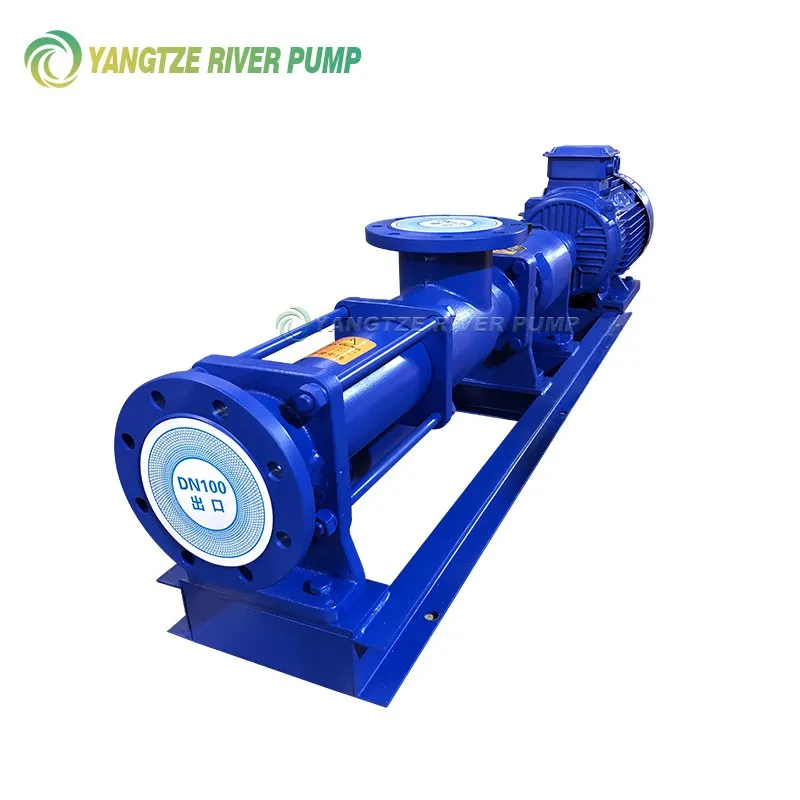
There are technological lines where one type of pump cannot cope with all operations. The magnetic centrifugal pump performs well in the area of dosing and pumping clean or moderately contaminated aggressive liquids. But at the stage of supplying the initial suspension from the storage container, where clots and variable viscosity are possible, it may no longer be enough. Here it is more logical to place, say, a reliable single-screw pump at the beginning of the line, which is guaranteed to supply mass, and only then - our precise and sealed magnetic centrifugal pump.
As a full-cycle manufacturer, from R&D to service, we are often faced with complex equipment challenges. The customer needs not just a pump, but a pumping solution. Therefore, in our portfolio, in addition to magnetic ones, there are also self-priming pumps for suction line organizations, submersible ones for wells, and diaphragm ones for dosing high-viscosity pastes. Sometimes the optimal scheme is a hybrid one. We developed a system for a paint and varnish plant: supply of pigment paste by a screw pump, mixing and circulation by a linear centrifugal pump, and the final supply of finished paint to the filling machine by a magnetic centrifugal pump to completely eliminate the risk of leaks and contact with air.
We reflect this approach on the website yangtzeriverpump.ru - we try to show that we can offer not just a piece of equipment, but a well-developed unit or even a section where different types of pumps work in conjunction. This is especially valuable for process engineers who are designing new lines.
Maintenance and diagnostics: what can be predicted
One of the main advantages of a magnetic drive is the absence of mechanical seals, which require regular replacement and are a common cause of failure. But this does not mean that the pump has become “eternal”. The main points of attention are the sleeve bearings of the internal rotor and the condition of the magnets. Bearing wear leads to increased clearance, vibration and, ultimately, jamming. An indirect sign is a gradual drop in performance at the same speed or slight noise during operation.
The situation with magnets is more interesting. Modern rare earth magnets (neodymium-iron-boron) are very powerful, but they are afraid of overheating. During prolonged operation on the verge of loss of synchronization or when pumping very hot media (above 120-140°C, depending on the version), there is a risk of partial demagnetization. This is not an instant process, but a gradual one. In practice, this looks like the need to gradually increase the drive speed in order to maintain the same performance. In our service recommendations, we always indicate the critical temperature for each model and advise monitoring the temperature of the coupling body.
In our production, after assembly, each magnetic centrifugal pump is tested at idle and under load, where not only the nameplate parameters are recorded, but also the vibration-acoustic characteristics. This data is entered into the test card. The idea is that during periodic maintenance, you can take the same parameters and compare them with the original ones - this is a powerful predictive diagnostic tool that allows you to plan repairs before a serious breakdown occurs.
Looking ahead: where development is heading
Now the trend is not only reliability, but also “intellectualization”. Simple magnetic centrifugal pumps are transformed into units with internal cavity temperature sensors (indirectly, through the sleeve), vibration sensors, and even synchronization control elements. This makes it possible to integrate the pump into an Industry 4.0 system, obtain data on its condition in real time and predict maintenance. We are actively experimenting with such solutions in our R&D, especially for critical applications in the chemical and pharmaceutical industries.
Another direction is optimization of the hydraulic part. A standard centrifugal impeller is not always optimal for viscous liquids, even with a magnetic drive. We are testing semi-open wheels with special blade geometry that are less prone to clogging and provide more consistent performance with variable viscosity. This is no longer just a magnetic pump, but rather a specialized device, where the magnetic drive is a key, but not the only advantage.
All this is not done for the sake of innovation as such. The goal is to solve specific problems of customers who contact us. Whether it is the need to pump shear-sensitive suspensions without segregation or to ensure absolute process purity in microelectronics. The experience we have gained from producing both single-stage and multi-stage centrifugal pumps is of great help here. The principles of hydraulics are general, but the implementation of magnetic sealed design for specific tasks is already a field for constant search and improvement. And this process, I am sure, will not stop.
Correspondingproducts
Related Products


Best Sellingproducts
Best Selling Products-
 Mechanical diaphragm dosing pumps DJ-D
-
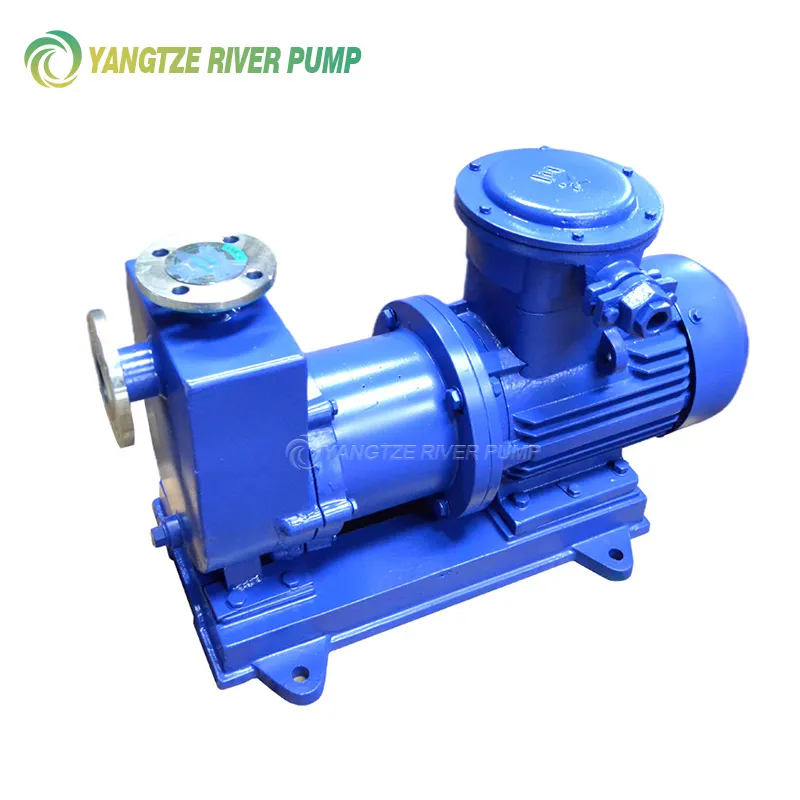 ZCQ Stainless Steel Self-Priming Magnetic Pumps
-
 Infinitely variable screw pumps type G
-
 IH Stainless Steel Chemical Centrifugal Pumps
-
 Horizontal multistage pumps for feeding DC boilers
-
 YCB Type Circular Gear Pumps
-
 Non-clogging self-priming wastewater pumps ZW
-
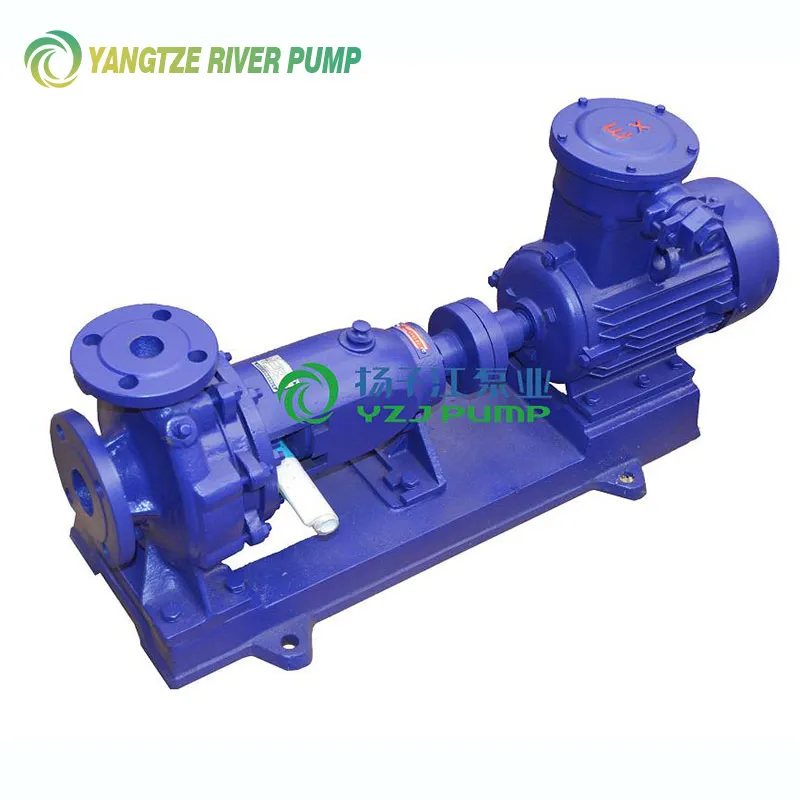 Horizontal chemical centrifugal pumps types IS and IR
-
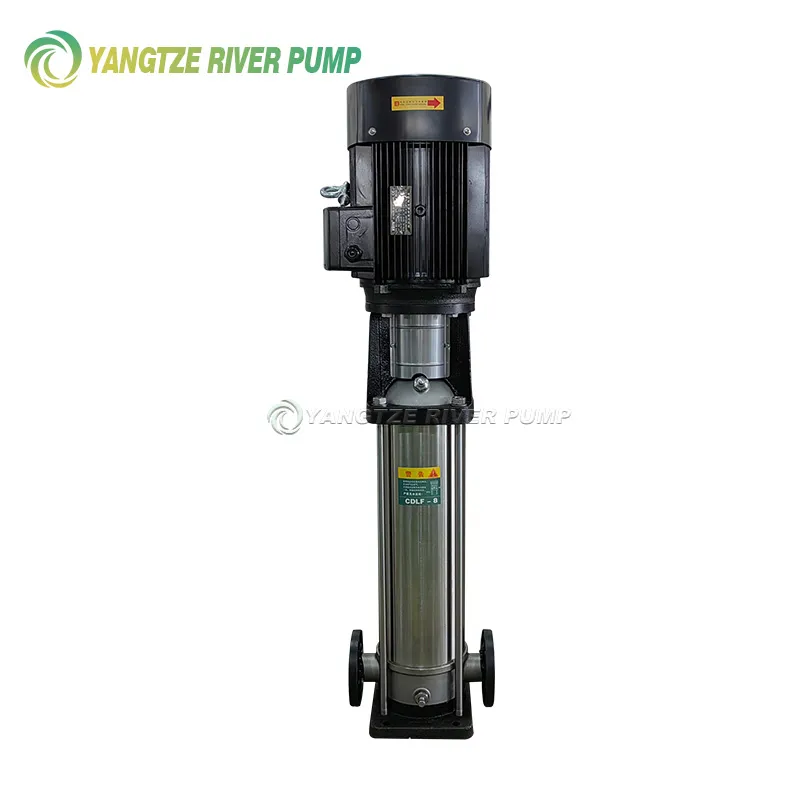 Vertical multistage centrifugal pumps made of stainless steel (light series) CDL and CDLF
-
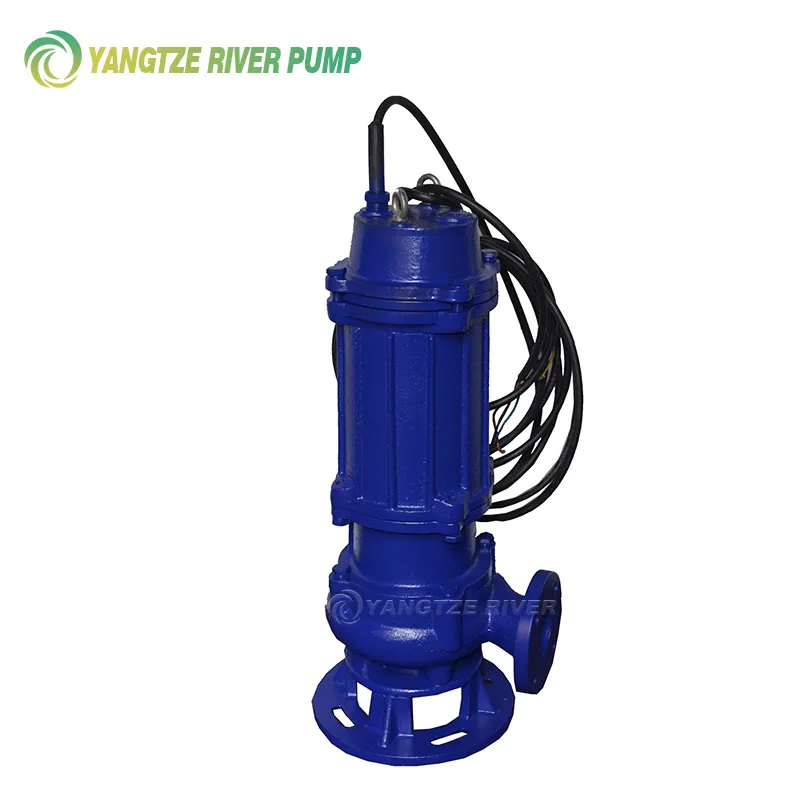 QW Non-clogging Submersible Sewage Pumps
-
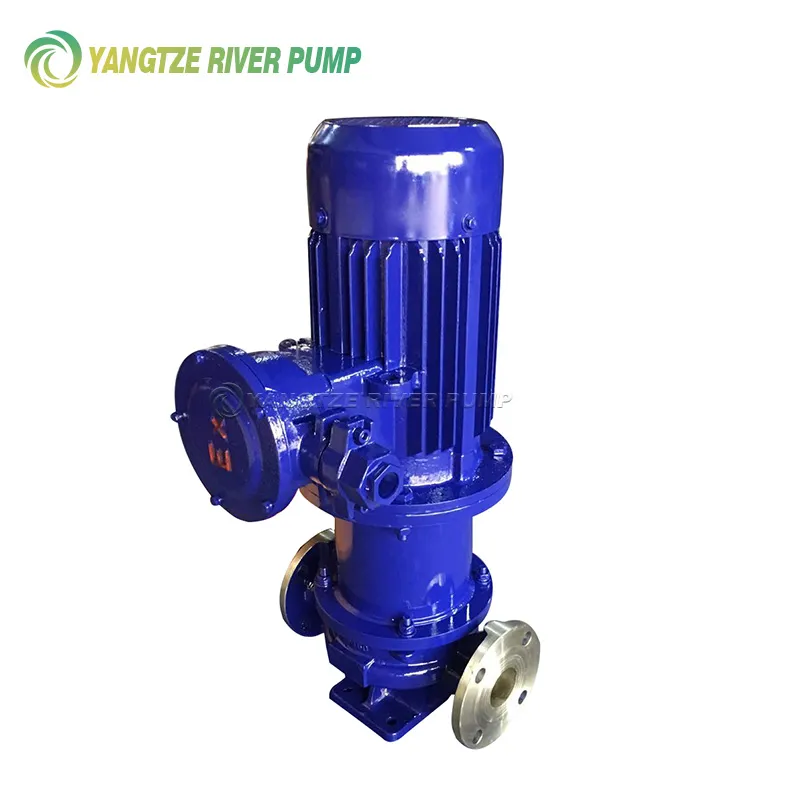 Vertical magnetic pumps CQB-L
-
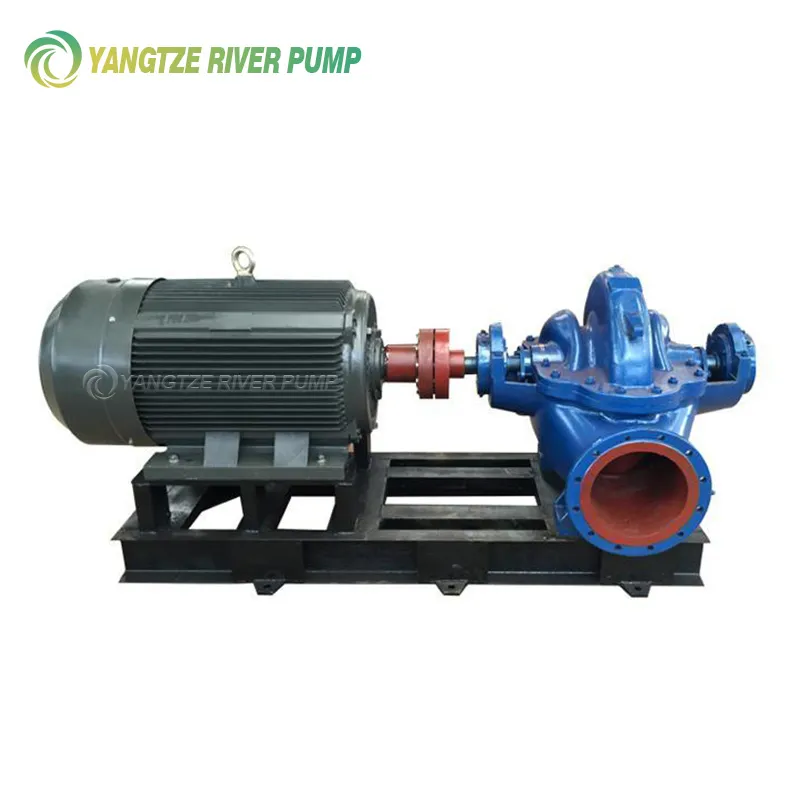 Single Stage Double Entry Centrifugal Pumps Type S