







centrifugal sand pump
When they say 'centrifugal sand pump', many people immediately imagine just a reinforced conventional centrifugal pump. This is the first and perhaps the most common misconception. In fact, if you take a standard single-stage pump and run sand slurry of even medium concentration through it, the wear of the flow part will be catastrophic, and productivity will drop significantly after just a few tens of hours of operation. The key here is the specialized design designed for abrasive.
Design features you can't do without
The main difference is in materials and gaps. The housing, impeller, sealing rings - all this should be made of high-chromium cast iron or, for more aggressive environments, with a rubber or polyurethane lining. The thickness of the metal at critical points is also different. I remember that at one of the facilities they tried to install a pump with ordinary cast iron wheels of the ChH16 brand - in two months cavitation and abrasive “ate” the blades by almost a third of the thickness.
The gaps between the impeller and the housing in a sand pump are larger than in a water pump. This reduces the efficiency by several percent, but radically increases the resource. If the gap is small, grains of sand will quickly wear it out and the pump will lose pressure. I often see how during repairs they try to reduce these gaps so that they are “like new” - this is a mistake that leads to repeated rapid failure.
Another nuance is the shape of the blades and the design of the shaft seal. The blades are made more massive, with smooth transitions, to reduce local wear rates. And mechanical seals are almost always installed on the shaft with clean water supplied to the chamber or, for simple tasks, an stuffing box with flushing. A dry mechanical seal will not last long in a clean abrasive environment.
Selection experience and common mistakes
The most common mistake customers make is to focus only on pressure and flow, as for water. For sand, the size of solid particles is also critical. The passport characteristics of the pump are given for pulp with a certain size. If you have a larger fraction, wear will be higher, and actual performance will be lower. You should always ask: 'Which fraction of sand? What volume concentration?' It happens that they transport river sand with an admixture of pebbles up to 10-15 mm - for most standard sand pumps this is already on the verge.
The second point is the strapping diagram. The sand pump really doesn’t like running with a closed valve and frequent starts/stops under load. Thick pulp, immobile in the body, can quickly stagnate and even set. Either purging or installing a bypass line is recommended. At one of our hydrowashing projects, this was neglected; as a result, after being idle over the weekend, we were unable to start the unit - we had to disassemble and clean it manually.
And thirdly, the power reserve of the electric motor. Due to the increased density of the pulp and the variable nature of the load (the density of sand in the pulp is not constant), the engine power is taken with a margin of at least 15-20% of the calculated one. Otherwise, the motor will overheat and shut down.
Practice of application and observation
Most often ourcentrifugal sand pumpsgo to mining and processing plants, quarries, hydraulic excavation works and construction. The context of use dictates the features. Uninterrupted operation is important for the mining and processing plant, because a shutdown means a shutdown of the entire technological chain. Pumps with maximum service life are installed there, often in a backup circuit. For construction, for example, for pumping sludge from a pit, mobility and the ability to work with unstable flow are often important.
An interesting case was with pumping sand from the bottom of a settling tank. There was not just pulp, but a dense, compacted sediment. Standardcentrifugal pumpI couldn’t cope with it - the suction became clogged. I had to do a combination: first wash away the sediment with a hydromonitor, and only then feed the pulp to the pump. This is to the question that equipment is part of the system, and not a magic box.
I also observed differences in wear depending on the mineralogy of the sand. Quartz sand wears out parts faster than, say, limestone sand. This also needs to be taken into account when planning the repair cycle and ordering spare parts.
About the product line and development approach
In our company,Zhejiang Yangzijiang Pumping Industry Co.,Ltd, we approach the development of pumps for abrasive media systematically. We have a separate group in R&D that deals specifically with this topic. Production lines make it possible to cast and process parts from special anti-abrasive alloys. Allcentrifugal sand pumpsundergo mandatory testing on a bench with real sand pulp - not on water! - before shipment. This is not just “watering”, but measuring parameters and monitoring vibration under load.
The assortment includes several series adapted for different tasks. For example, to pump highly concentrated slurries with coarse sand, pumps with a special flow path geometry and extremely wear-resistant materials are used. For applications where corrosion resistance is also important (say, sand and seawater), we offer options with coatings or made of duplex stainless steel.
It is important that we control the full cycle - from development and casting to testing and service. This makes it possible to quickly adapt the design to non-standard customer requirements and promptly supply the most vulnerable spare parts - the same impellers or sealing rings. Information on specific models and technical solutions can always be clarified on our websitehttps://www.yangtzeriverpump.ru.
Conclusions and non-obvious recommendations
So, the main thing is not to try to save money by installing a pump that is not designed for abrasives. Savings on purchase will result in multiple costs for repairs, downtime and replacement. When selecting, it is necessary to describe the technological medium in as much detail as possible: not just “sand”, but its density, fractional composition, concentration in the pulp, temperature, the presence of chemically aggressive components.
In operation, strictly follow the regulations. Monitor the condition of the seals, vibration, and prevent dry running and operation on a closed valve. Keep a log of operation and parameters - this helps predict the need for maintenance.
And one last thing. Even the best onecentrifugal sand pump— consumable material in conditions of constant work with abrasive. The right approach is to plan its resource, have a scheme for quickly replacing critical components and an agreement for the supply of original spare parts with a manufacturer such as our company. This will ensure cost predictability and process continuity. Everything else is details that are being worked out for a specific project.
Correspondingproducts
Related Products


Best Sellingproducts
Best Selling Products-
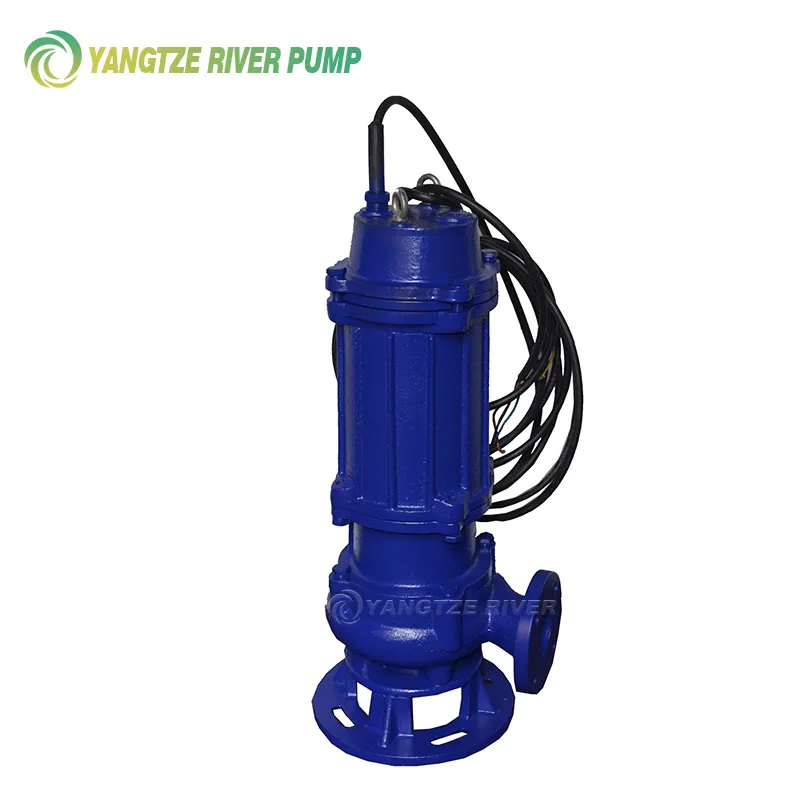 QW Non-clogging Submersible Sewage Pumps
-
 Horizontal multistage pumps for feeding DC boilers
-
 IH Stainless Steel Chemical Centrifugal Pumps
-
 Mechanical diaphragm dosing pumps DJ-D
-
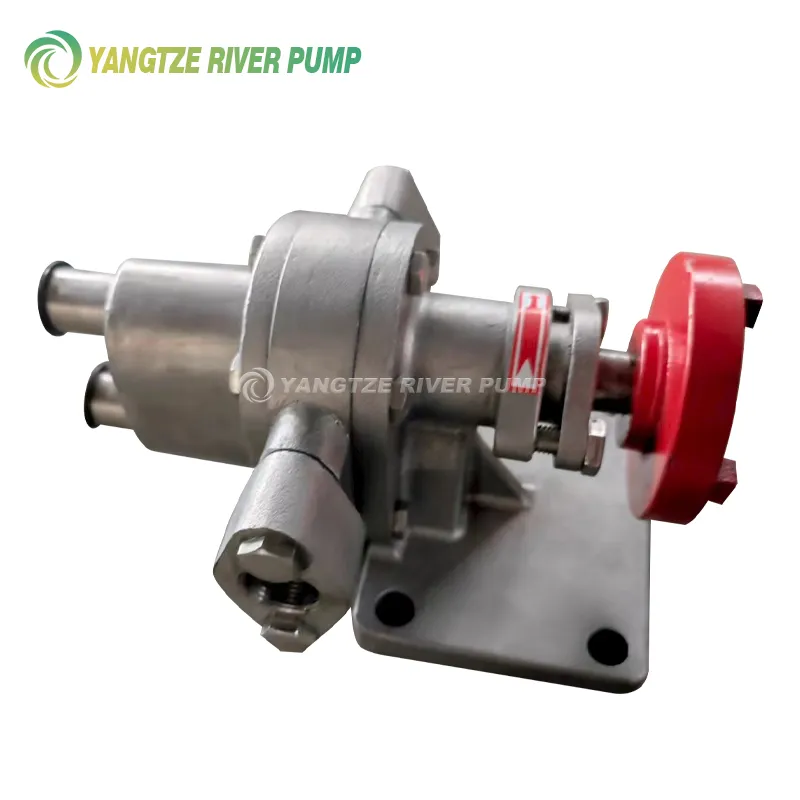 Gear oil pumps type KCB
-
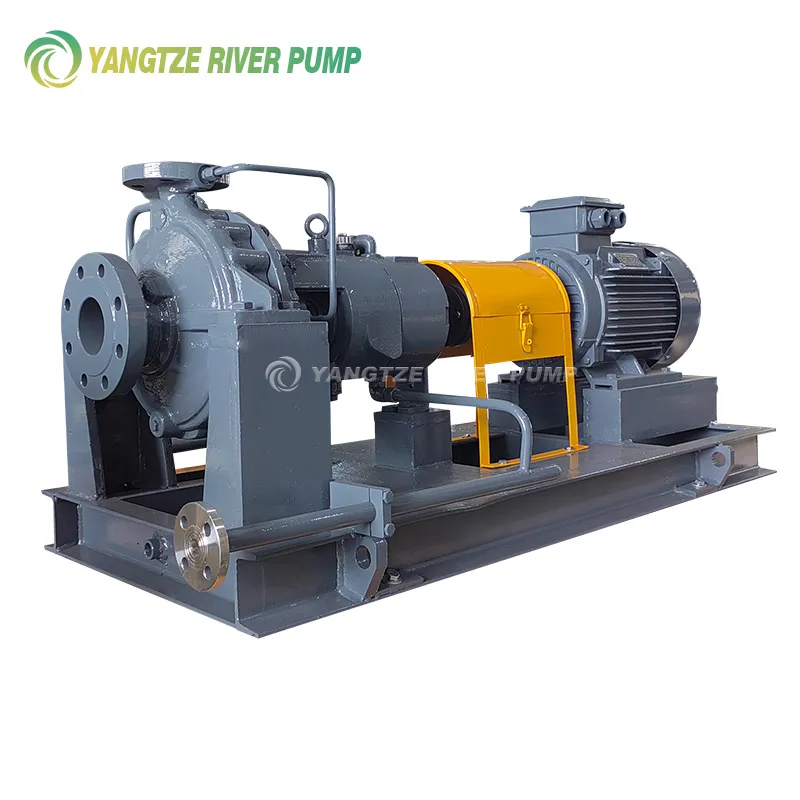 Petrochemical Process Pumps API 610 YZE
-
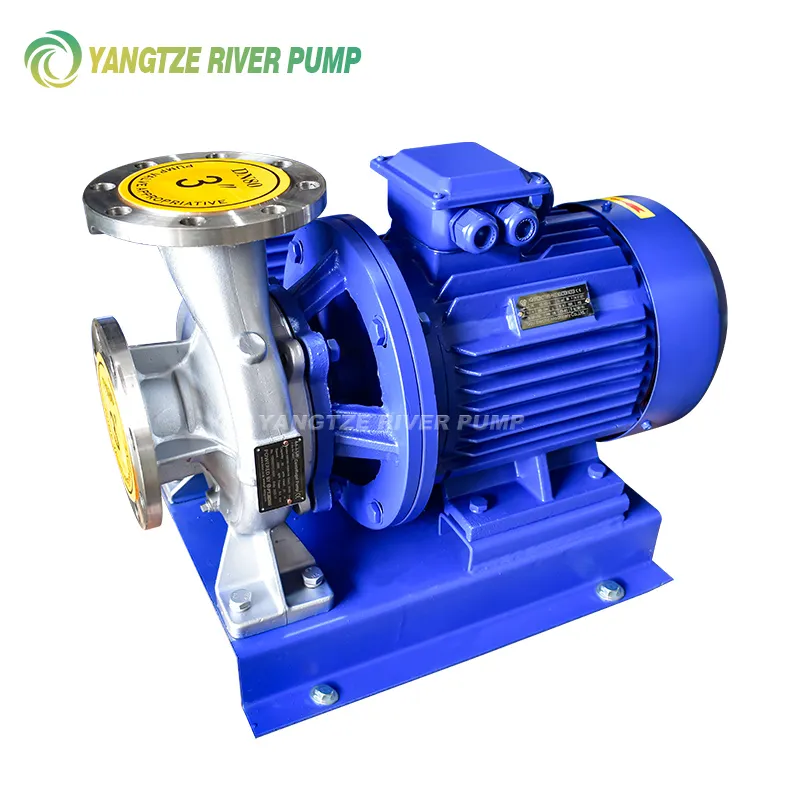 ISW and ISWH Single Stage Horizontal Pipeline Centrifugal Pumps
-
 YW Vertical Submersible Sewage Pumps
-
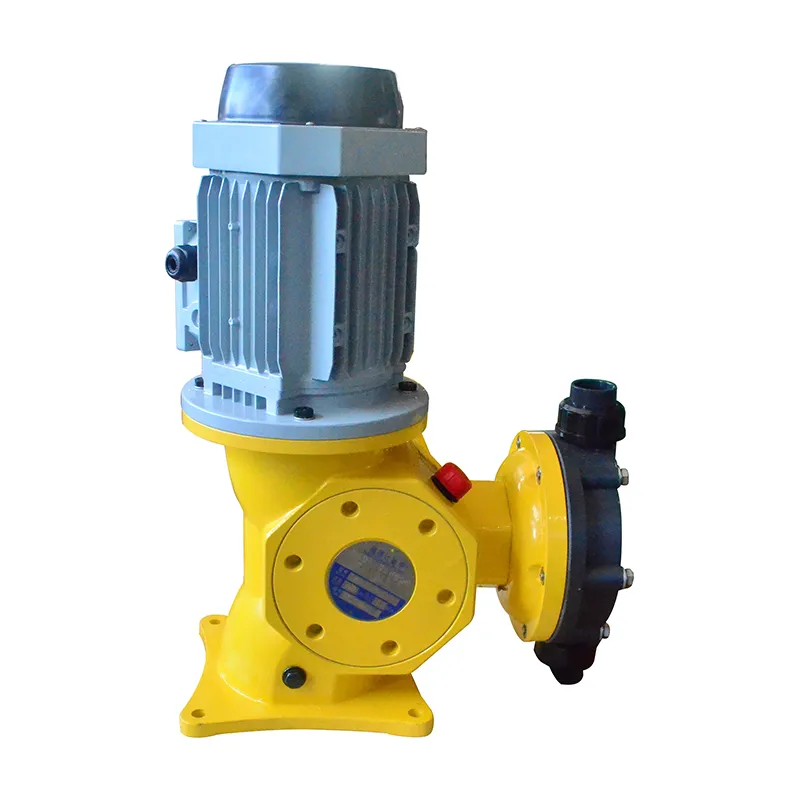 Mechanical diaphragm dosing pumps DJ-Z
-
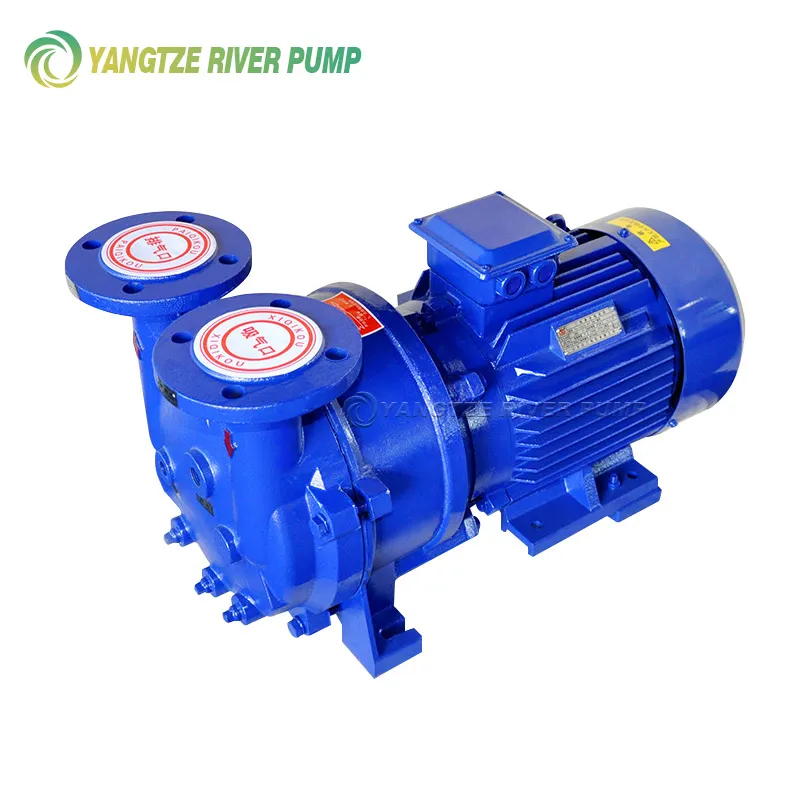 Liquid ring vacuum pumps type SKA and 2BV
-
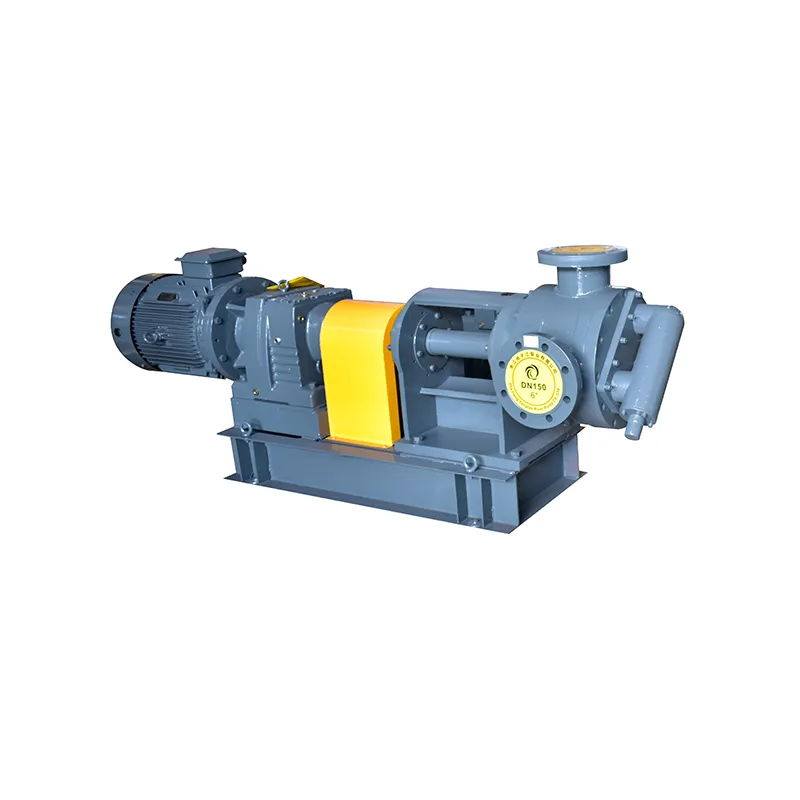 NYP High Viscosity Internal Gear Pumps
-
 Sanitary screw pumps type GF