







deep well pump 32
When you hear “depth pump 32”, the first thing that comes to mind is probably the diameter. 32 mm, standard, nothing special. But this is where the first pitfall lies. In practice, especially when selecting complex wells, this figure begins to live its own life. It's not just the size of the casing it should theoretically fit. This is a question of performance at depth, resistance to sand, which in our soils can be very fine and treacherous, and, of course, the durability of the engine. Many customers, and some colleagues in the workshop, mistakenly believe that since the diameter is standard, then the pumps are all approximately the same. And then they wonder why one worked for three seasons, and the other barely one. The difference is in the details, which are not always visible in the catalog.
From specification to real well
Take, for example, our experience at one of the facilities in the Leningrad region. The customer provided a well passport: depth 45 meters, static level 20, casing pipe - 125 mm. It would seemdeep well pump 32- ideal candidate, passes freely. We installed a unit from a well-known brand, with good passport data on pressure and flow. But after a couple of months - complaints about a drop in pressure and periodic “spitting”. sand.
Upon opening it, it turned out that the problem was not with the pump itself, but with its design for precisely such conditions. The fact is that the well, despite the passport, had a slight slope, and the vibration from the operation of a standard pump (even minimal) caused the suction of fine sand from the bottom. Standard strainers quickly silted up. I had to deal not with the brand, but with the engineering solution.
This is where the experience of our company, Zhejiang Yangzijiang Pumping Industry LLC, comes in handy. We have several lines of submersible pumps in our assortment, and for such cases we have begun to recommend models with reinforced multi-stage filters and a design that minimizes vibration. Not the same “thirty second” that first came to mind, but its modification, developed specifically for unstable soils. This is the case when knowing the product from the inside, from the production line, allows you to avoid a template solution.
Materials and ?quiet? exploitation
Another point that is often overlooked is the materials of the flow part. Fordeep well pump 32, which operates at great depths, the material of the impeller and diffusers is a question of not only corrosion resistance, but also abrasive wear. Stainless steel is different from stainless steel. Our pumps, which are assembled on site in Zhejiang, use AISI 304 for critical models, and AISI 316 for more aggressive environments. This is not a publicity stunt, but a necessity, verified by reviews from sites where water has high mineralization.
But the material is half the battle. The second half is the quality of processing and balancing. An unbalanced impeller, even one made from the best steel, will create vibration that will eventually damage the bearings and seals. On our website yangtzeriverpump.ru in the production section you can see that we have a full-fledged test bench. Each pump is tested for vibration and noise before being packaged. This is not for show. It is these tests that make it possible to eliminate defects, which in the field will result in unplanned repairs.
I remember the case when we tested a batch for delivery to Karelia. One of the pumps seemed to meet the performance standards, but on the stand it gave a slightly increased, barely audible hum at certain speeds. They sent it back to the shop for disassembly. It turned out to be a microscopic casting shell in one of the diffuser channels. This would not be reflected in the passport, but after six months of operation it could lead to cavitation and failure. This is how “manual” it is. Working with every unit, provided by our eight production lines, from R&D to the final test, gives us that very advantage.
Interface with automation systems
Moderndeep well pump- it is rarely an independent unit. Most often, it is the heart of the water supply system with a hydraulic accumulator, pressure switch and protection units. This is where the 32mm diameter and its associated design features come into play again. For example, the length of the cable and the method of its entry. Cheap models often have a non-separable input, which creates problems when replacing the cable or pulling it through bottlenecks.
In our submersible pumps we use sealed split gland glands. This seems like a small thing until you are faced with the need to replace 50 meters of cable that was damaged during installation. There is no need to change the entire pump - disconnect the old cable, stretch it and connect the new one. This decision was not born in the design bureau, but based on feedback from the installation teams. Such nuances form a reputation.
In addition, for small diameter pumps it is critically important how they fit together. with frequency converters. A smooth start is not just comfort, it is an extension of the life of the mechanical part. We conduct compatibility tests with popular inverter models, and this data is in the technical documentation. This is not an abstract “compatibility with automation”, but specific recommendations: with this converter model, set such and such settings to avoid overheating of the winding.
Not only water: limits of application
Although the main purpose is, of course, clean water, sometimespump 32they ask you to choose for other tasks. For example, to increase the pressure in the system or to pump technical fluid. Here we must immediately make a serious reservation. Standard models for water are not suitable for chemically active environments. This is a dead end path.
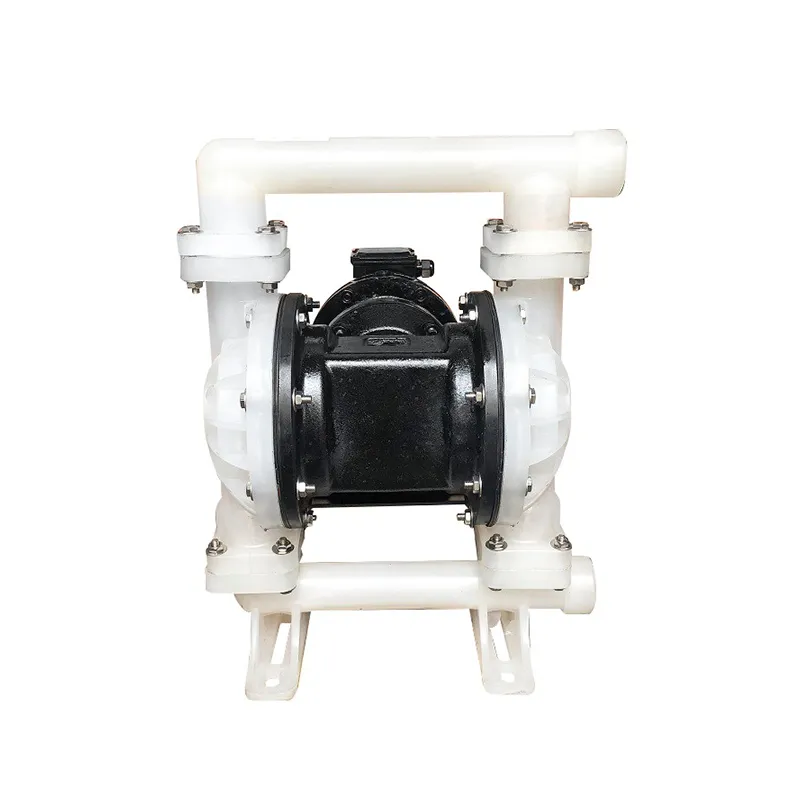
In this case, we are already looking towards other lines of our production. For example, plastic chemical pumps or diaphragm pumps. But if we are simply talking about a clean, but more viscous liquid, then you can consider modifying a submersible pump with reinforced seals and material that is resistant to certain influences. Again, the key is consultation and a clear understanding of the task. Our technical support service is dedicated to translating the customer’s wishes: “does it need to be pumped from the tank?” into specific technical parameters: temperature, pH, presence of abrasive particles, operating mode.
There was an illustrative example in a small production facility. They needed a pump to pump out condensate accumulating in the basement. The water was practically distilled, but with a temperature of about 5-7 degrees and a small but constant flow rate was required. A standard vortex pump would not be suitable due to its sensitivity to “dry running”. Selected a small onesubmersible pumpwith float switch and housing made of a special composite. It has worked for more than four years without any complaints. The solution was found not in the first column of the catalog, but as a result of dialogue.
Bottom line: the number is the starting point
So what is it in the enddeep well pump 32? This is not a commodity item, but a whole class of equipment, within which the variation in quality, reliability and suitability for specific tasks is colossal. The number 32 is just the starting point in the dialogue between the engineer, installer and well conditions.
It is important for us at Zhejiang Yangzijiang Pumping Industry Co.,Ltd that this dialogue be substantive. Therefore, we do not just sell pumps, but try to build a full cycle: from design and production on our eight lines to testing, delivery and subsequent service consultations. Because even the most balanced and well-made pump can be “killed” improper installation or operation.
When choosing such a pump, you should look not only at the pressure and flow figures, but also at who makes it and how, what materials they use, and what support they can offer. After all, it is buried tens of meters into the ground, and a lot depends on its uninterrupted operation. And there are no trifles here.
Correspondingproducts
Related Products
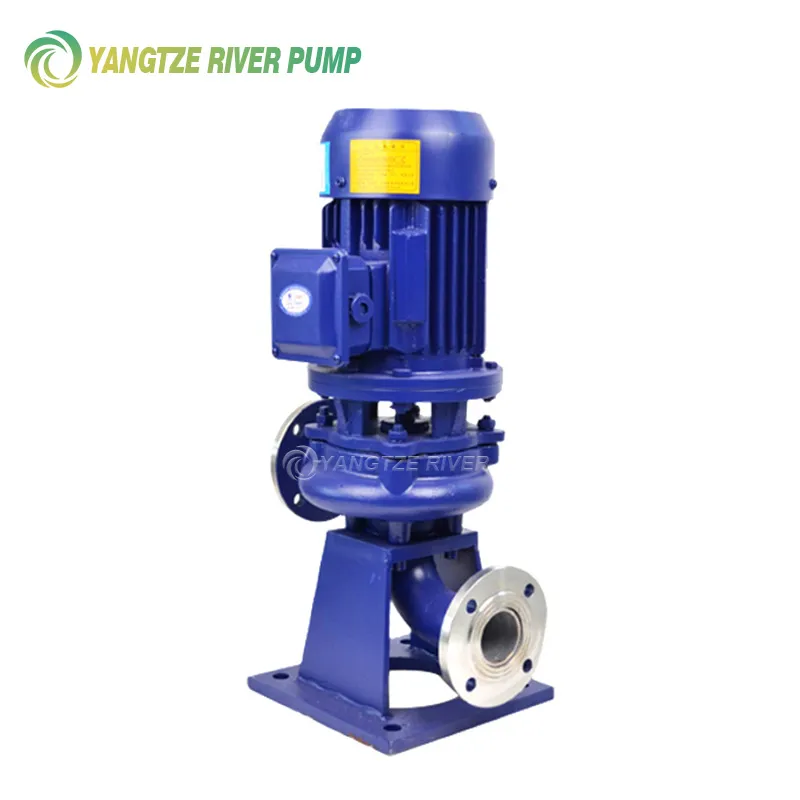

Best Sellingproducts
Best Selling Products-
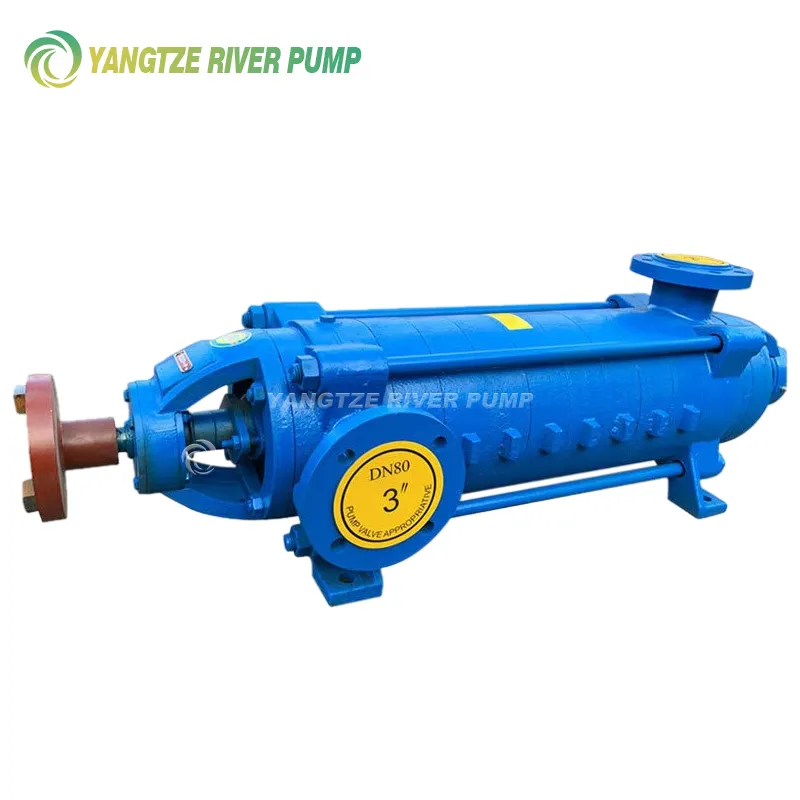 Horizontal multistage pumps for feeding DG boilers
-
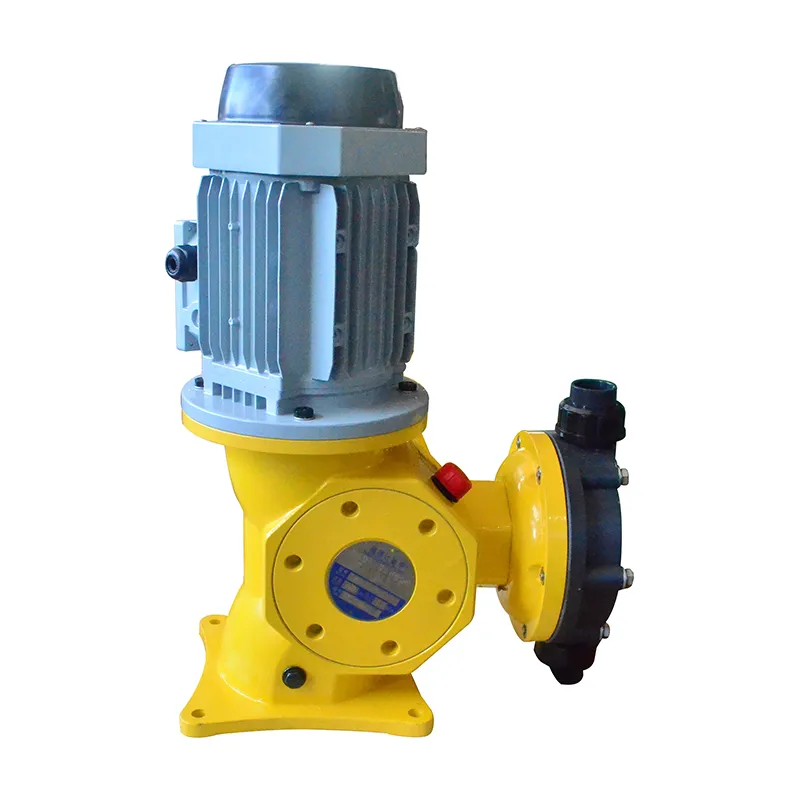 Mechanical diaphragm dosing pumps DJ-Z
-
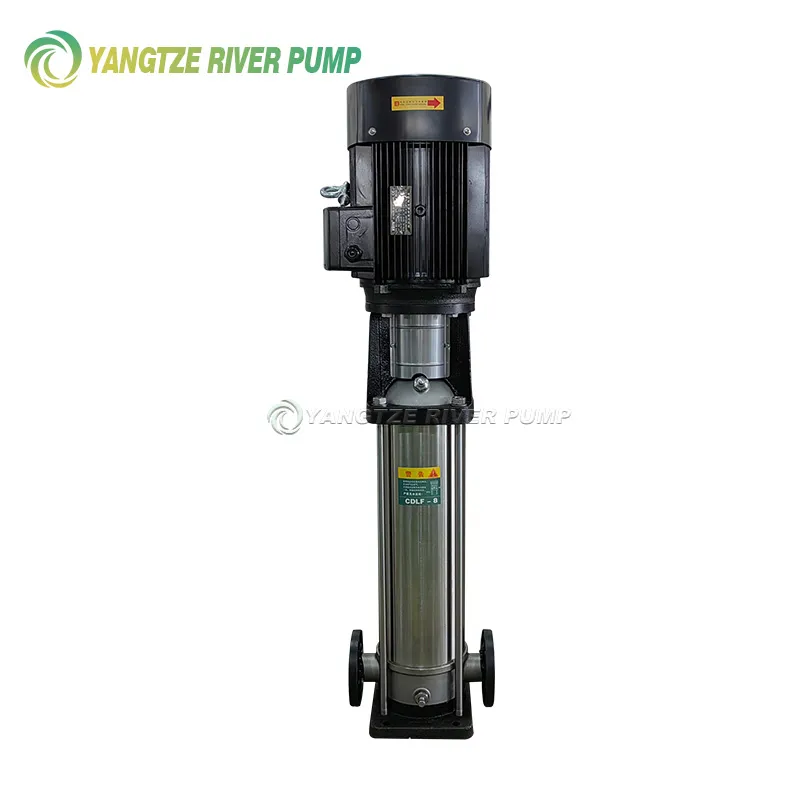 Vertical multistage centrifugal pumps made of stainless steel (light series) CDL and CDLF
-
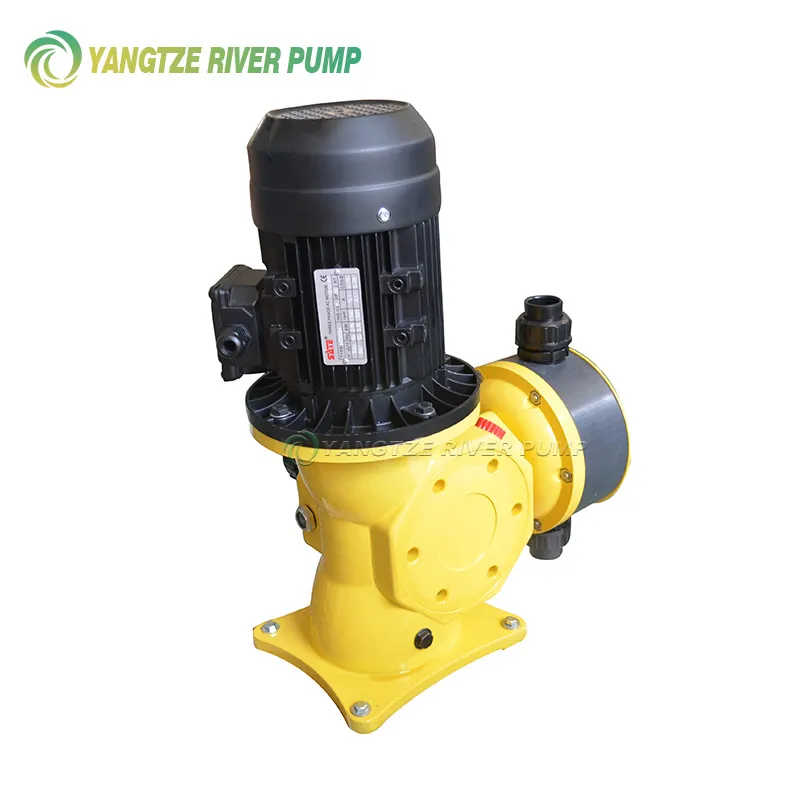 Mechanical diaphragm dosing pumps DJ-D
-
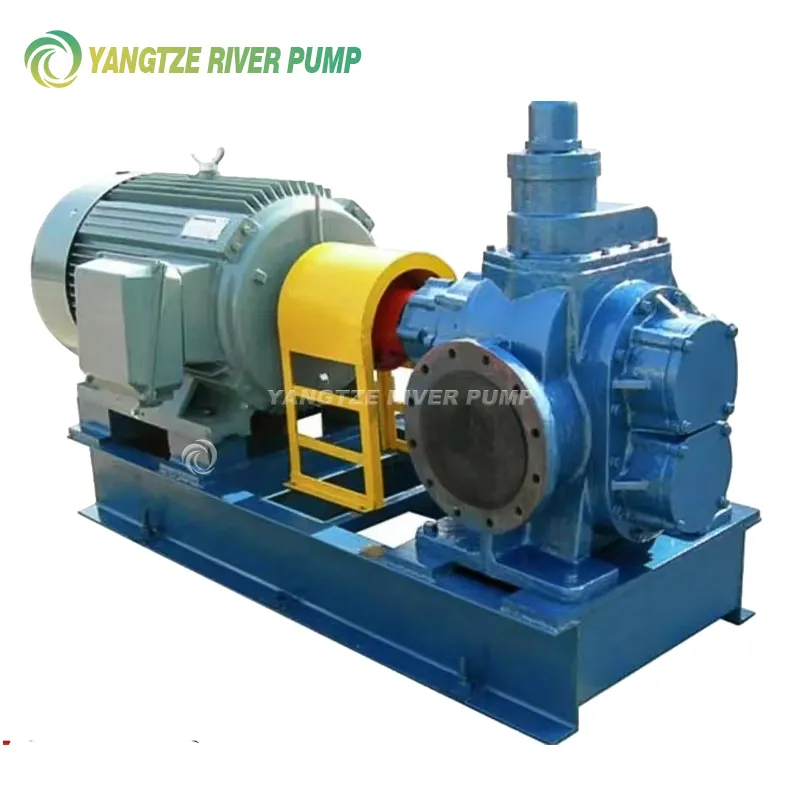 YCB Type Circular Gear Pumps
-
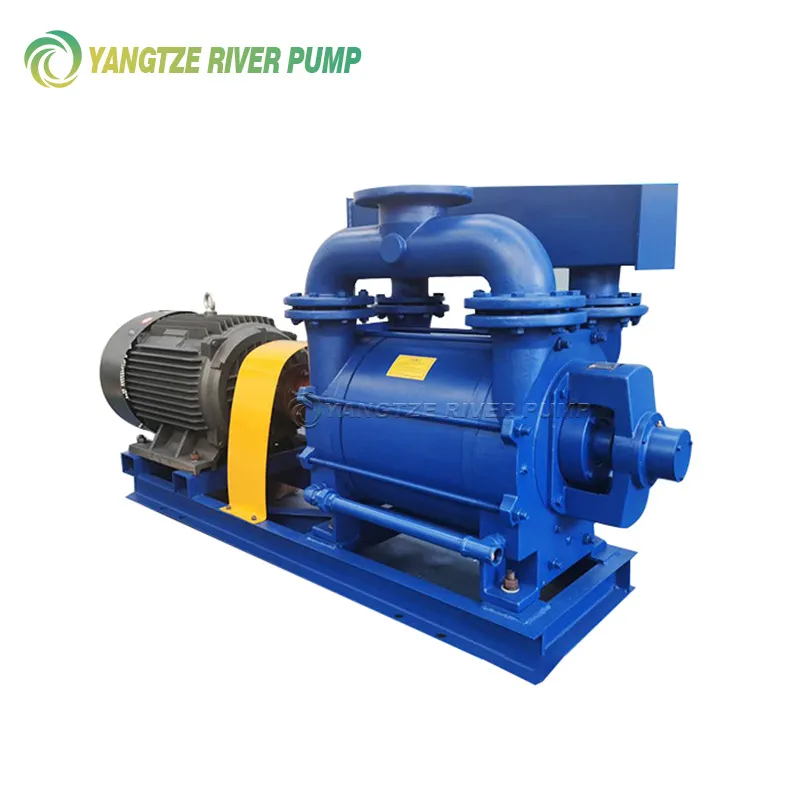 Liquid ring vacuum pumps type 2EB
-
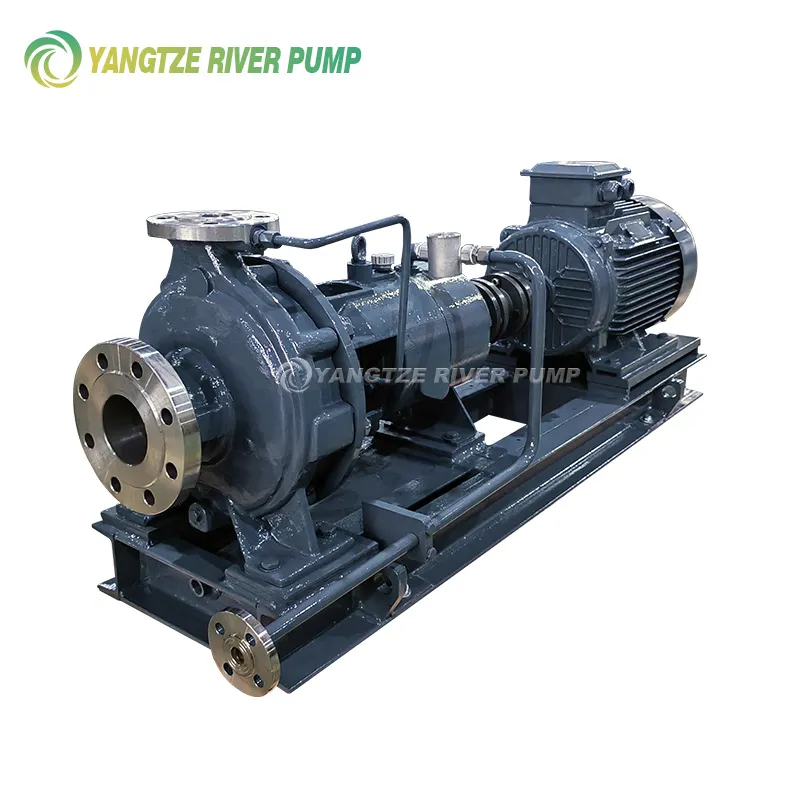 Petrochemical Process Pumps API 610 YZA
-
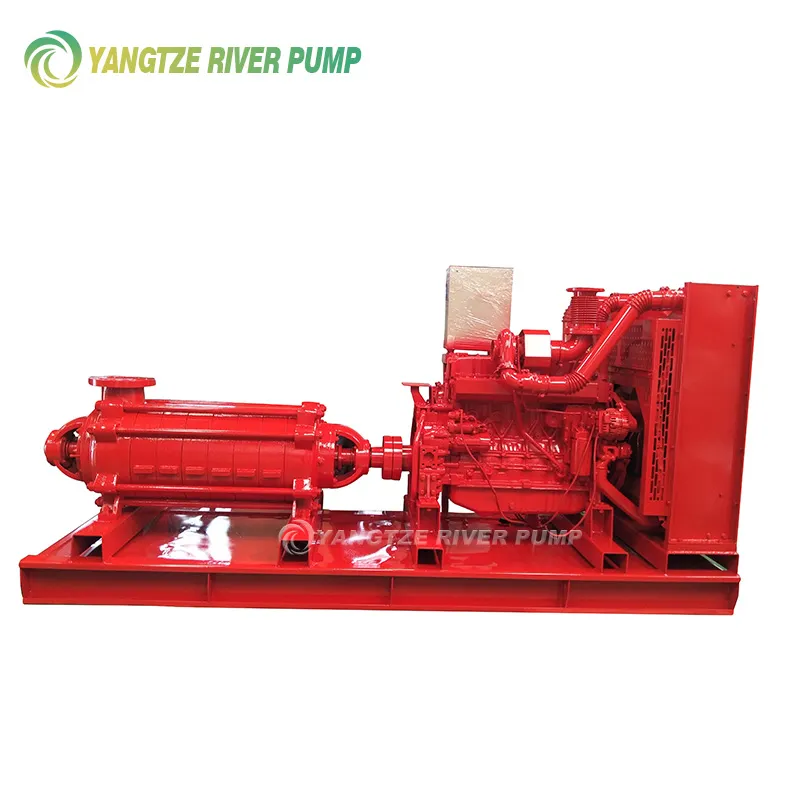 YZD Series Diesel Multistage Centrifugal Pumps
-
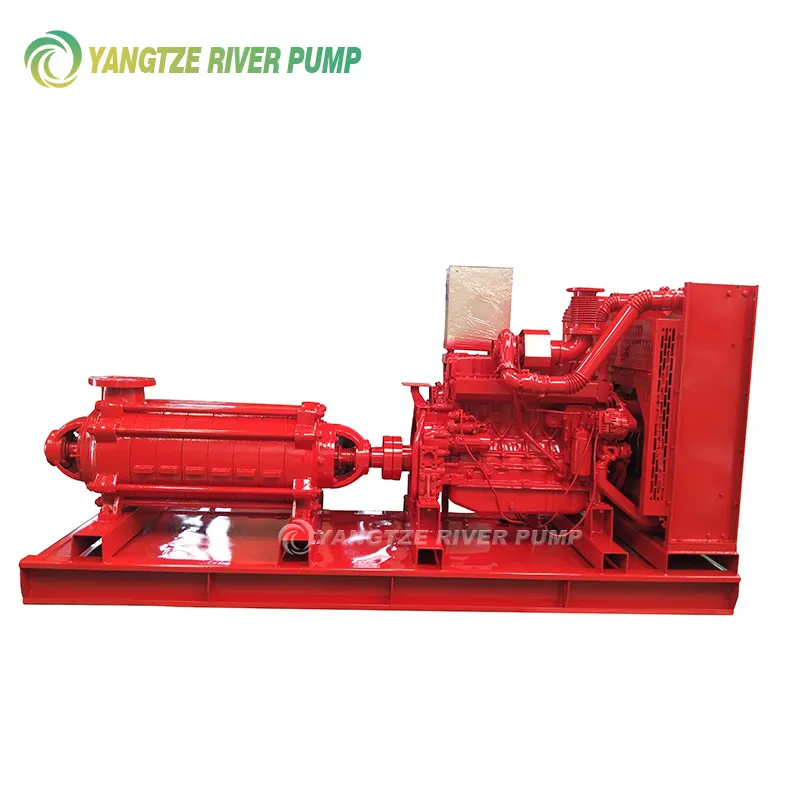 XBC Diesel Intelligent Fire Pumps
-
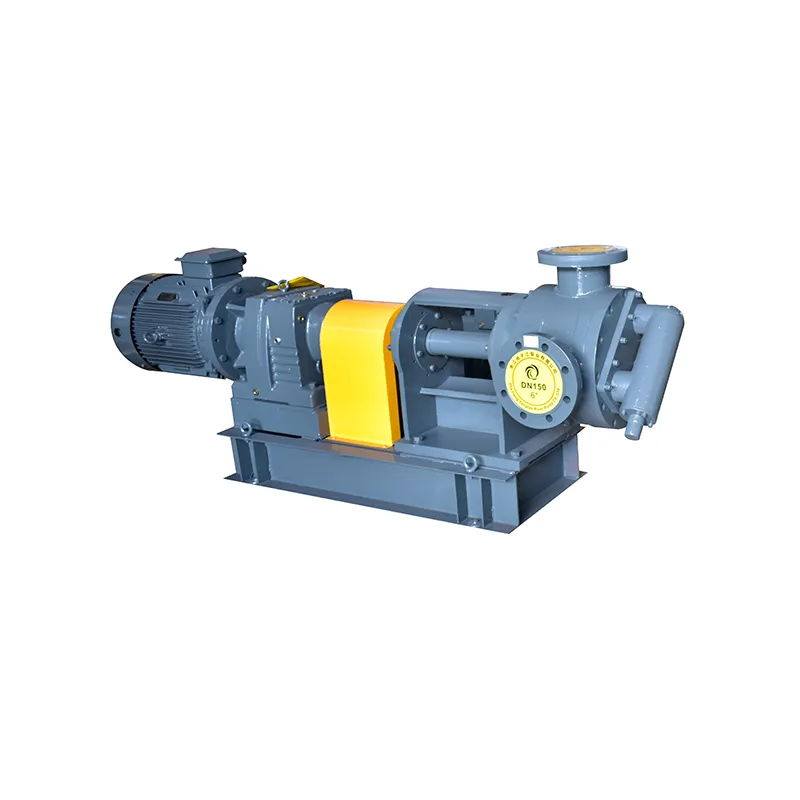 NYP High Viscosity Internal Gear Pumps
-
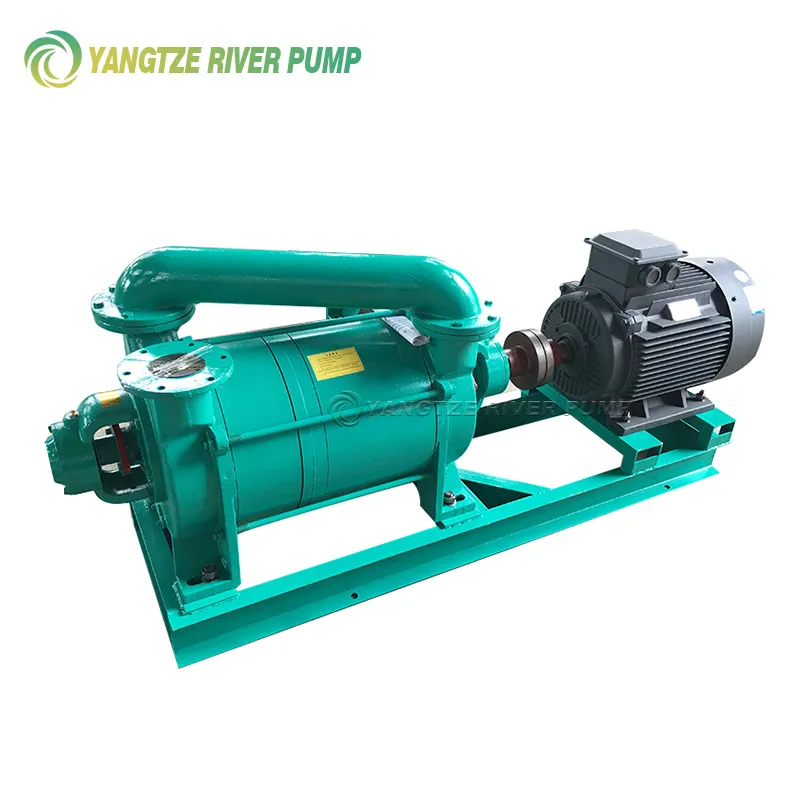 Liquid ring vacuum pumps type 2SK
-
 Plunger dosing pumps type DZ-X