







Vertical single stage centrifugal pumps
When you hear “vertical single-stage centrifugal pumps,” the first thing that comes to mind for many is just an ordinary centrifugal placed vertically. But if only everything were so simple... In fact, this design is a whole compromise between space saving, suction conditions and, what is often overlooked, issues of maintenance and cavitation resistance. Working with them on water supply projects and process lines, you understand that their choice is not just a tick in a catalog, but a decision with consequences.
Design: where the pitfalls lie
The main advantage, of course, is saving space. Especially in pumping stations, where every square meter counts. But here’s what’s important: the vertical design imposes its own limitations on the design of the support unit and bearings. Not all manufacturers pay enough attention to this. I remember that at one of the early delivery sites, pumps from an unknown brand began to “sing?” — vibration at high speeds. We figured it out - the problem is insufficient rigidity of the bracket and cheap rolling bearings. Replacement with a model with a reinforced frame and a journal bearing, like the same onesvertical single-stage centrifugal pumpsfrom Zhejiang Yangzijiang Pumping Industry Co., Ltd., resolved the issue. By the way, the shaft in such models is often made of stainless steel, which is a must have for aggressive environments.
Another nuance is the length of the shaft. The larger it is to achieve the required suction depth, the more critical the issue of its deflection and balancing becomes. Here you cannot do without accurate calculations and high-quality materials. Simply taking a horizontal model and turning it over doesn’t work. This is exactly the case when the full production cycle, from R&D to testing, which is declaredyangtzeriverpump.ru, gives an advantage. Because the pump can be “sharpened” for specific parameters, and not just choose from an average grid.
And about the seals. The gland seal in the vertical design is a separate headache. Access to the packing is often difficult and it is more difficult to regulate. Therefore, for reliability in critical areas, they are increasingly looking towards mechanical seals, and double ones. But this, of course, increases the cost. The question is always about expediency: for clean water you can get by with a well-packed seal, but for something abrasive or chemically active - only an end seal.
Scope of application and common mistakes in selection
They are traditionally used for pumping water - from reservoirs, wells, at booster stations. But the potential is broader. For example, in the chemical industry, for pumping reagents from barrels or underground tanks. This is where the material of the flow part comes to the fore. Plastic, stainless steel of a certain brand - the service life depends on this. Our company, Zhejiang Yangzijiang Pumping Industry LLC, has a range of plastic chemical pumps and a stainless steel line, which allows you to choose a solution for the environment.
The most common mistake in selection is ignoring NPSH (NPSH). Due to the vertical installation and possibly longer suction path, suction losses may be higher than the horizontal counterpart. If not taken into account, the pump will operate with cavitation, quickly destroying the impeller. I had a case at a meat processing plant: they installed a pump to supply process water from a pit, and took it “back to back?” according to the catalogue, they did not take into account the additional resistance on the new coarse filter. The result is that after three months the wheel began to look like a sieve. I had to urgently change to a model with a lower required NPSH.
Another point is installation and alignment. It seems that it couldn’t be simpler: put it on the stove, connect the pipes. But if the foundation slab has a slope or is not rigid enough, the distortion is transferred to the body, which leads to premature wear. We always require installers to check the level.
Maintenance: what you need to be prepared for
And here lies the main compromise of the vertical design. On the one hand, they saved space. On the other hand, in order to inspect the electric motor or replace the mechanical seal, it is often necessary to dismantle the entire aggregate part, and sometimes disassemble the connections. This is downtime, simple. Therefore, when designing systems with such pumps, we always include the possibility of quick shutdown and replacement with a backup unit.
Prevention is everything. Regular monitoring of vibration, bearing temperatures, checking for shaft leaks. For models with an oil seal - periodic tightening of the packing. If this is not done, a leak begins, water gets into the bearings, and the result is predictable - jamming.
An interesting experience was with pumps at a fire extinguishing station. There they stand in reserve, are launched rarely, but should work instantly. The problem was “sticking?” shaft to the seals due to long periods of inactivity. The solution was found to be simple but effective - weekly running of the pumps idle for a few minutes according to a schedule. A trifle, but a potential accident was avoided.
Comparison with other types and place in the line
People often ask: why not horizontal single-stage? The answer, as usual, is in the site conditions. If there is a lot of space, there are maintenance personnel, and the requirements for NPSH are high, perhaps the horizontal one will be easier and cheaper to maintain. If the pump must be immersed in liquid or installed in a well, then a submersible pump may be an alternative. But it has its own specifics with the tightness of the electric motor and the possibility of maintenance.
The vertical single-stage pump occupies its own very clear niche. This is not a universal soldier, but rather a specialist for specific conditions. In our product line, it logically coexists with multistage (for high pressures), linear centrifugal (for compactness in length) and self-priming pumps. The choice depends on the task: whether self-priming is needed, what pressure is needed, what medium is needed.
For example, for pumping chemicals from an open tank with moderate pressure, our AISI 316 stainless steel vertical chemical pump is a good choice. And to supply condensate with high pressure in the boiler room, let’s look towards a multi-stage vertical model. All this is in the portfolio of Zhejiang Yangtzejiang Pumping Industry LLC, and it is the presence of a full production cycle that allows you to flexibly vary materials and designs to suit the customer’s specifications.
Conclusions and practical recommendations
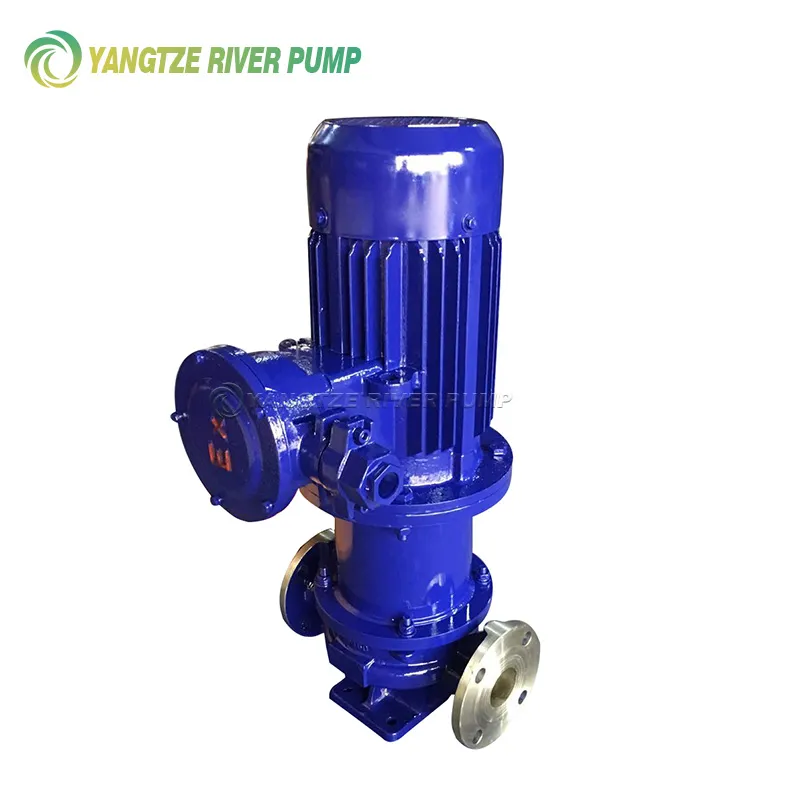
So, to summarize the experience.Vertical Single Stage Centrifugal Pump- an excellent solution for saving space and working with a flooded suction. But its choice requires increased attention to the calculation of NPSH, the quality of the shaft and support assembly, as well as materials for a specific environment.
Always ask the manufacturer for detailed pump drawings and curves, not just a general catalogue. Pay attention to the availability of nodes for maintenance. And, of course, consider future operating costs. Sometimes a more expensive model with a reliable mechanical seal and bearings will pay for itself due to fewer repairs.
Ultimately, the success of the application depends on synergy: competent selection, high-quality manufacturing (our own eight production lines, like ours, help a lot) and careful operation. Not a single one, even the most advanced pump, will forgive neglect of its operating conditions. This is not just a piece of hardware, it is part of the system, and it will behave accordingly.
Correspondingproducts
Related Products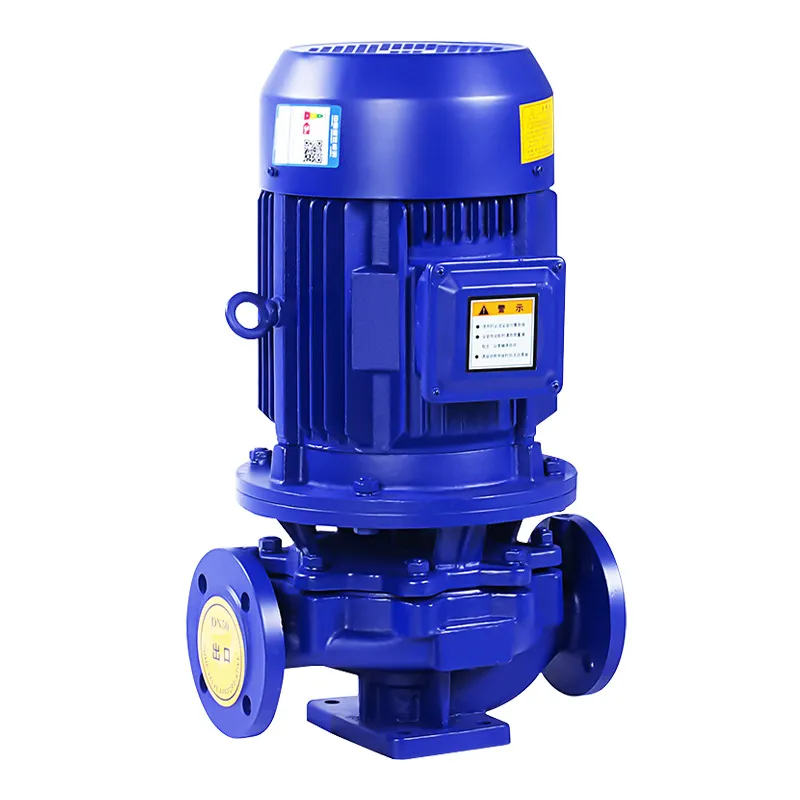

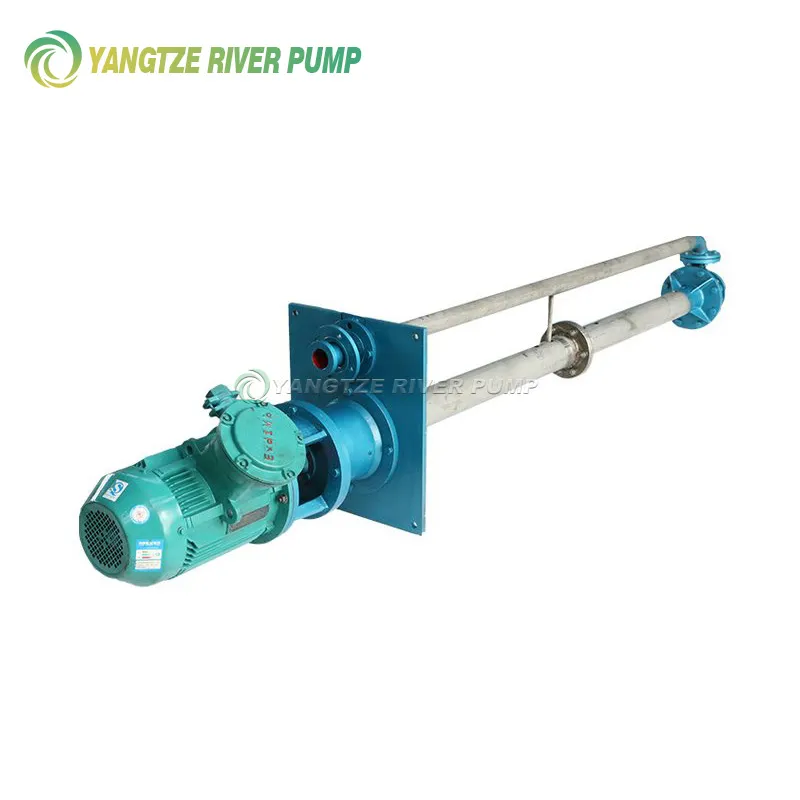

Best Sellingproducts
Best Selling Products-
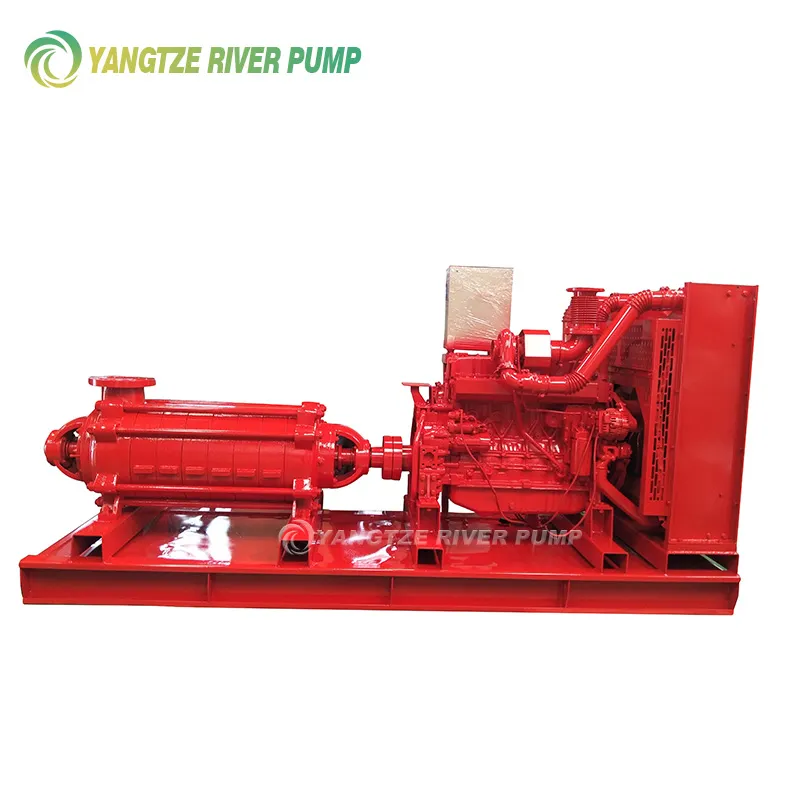 YZD Series Diesel Multistage Centrifugal Pumps
-
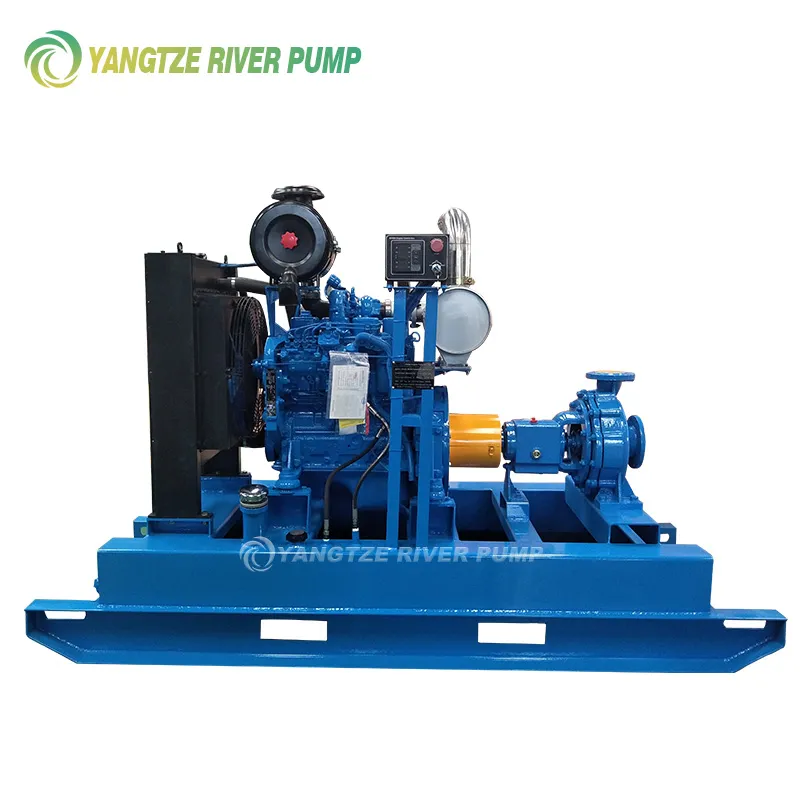 YZIS Diesel Single Stage Centrifugal Pumps
-
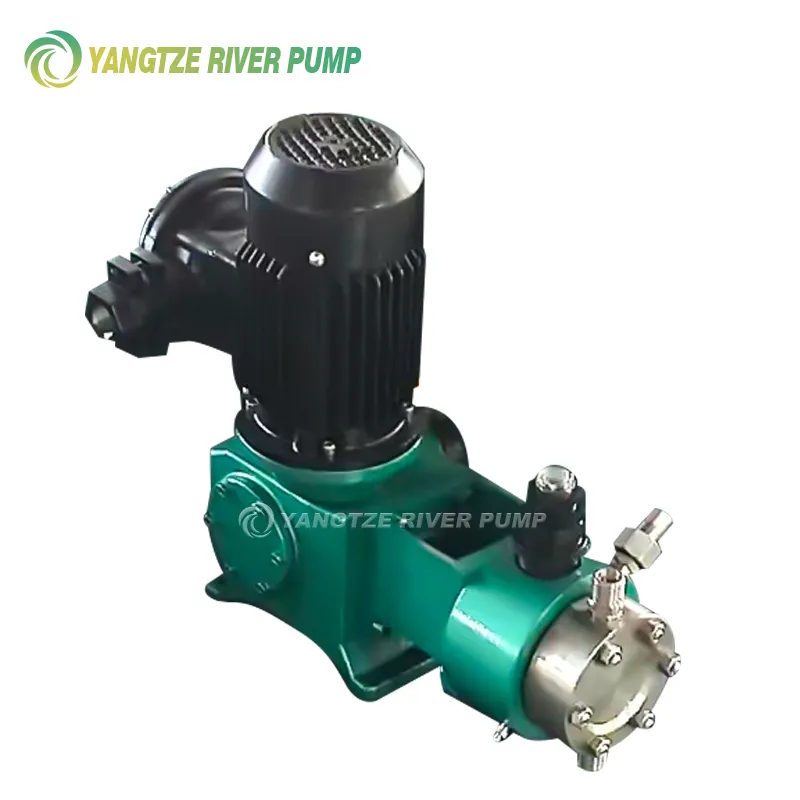 Plunger dosing pumps type DZ-X
-
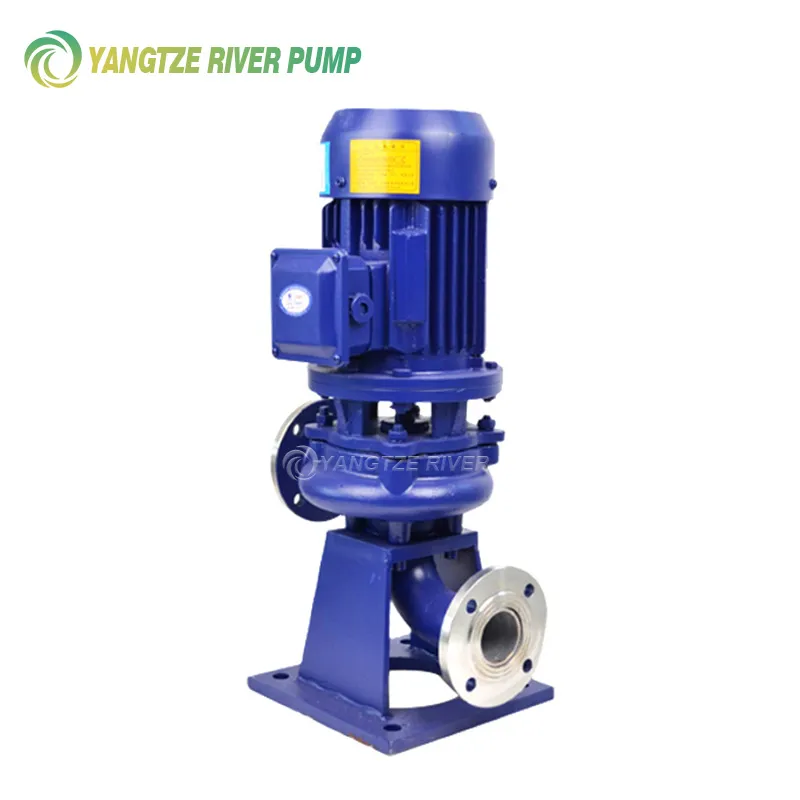 Non-clogging vertical wastewater pumps LW
-
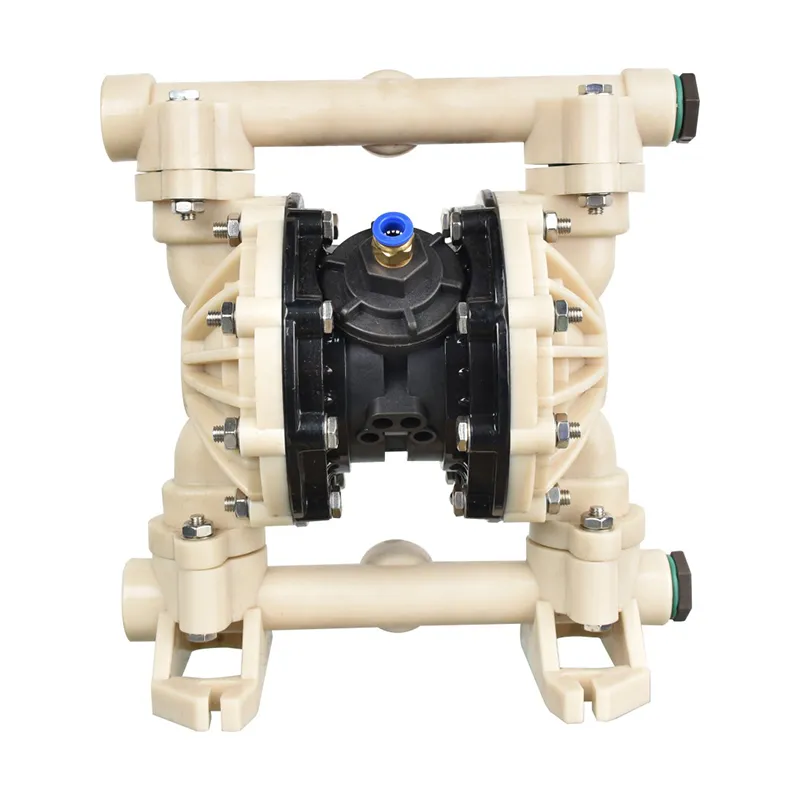 QBK Non-Metallic Air Operated Diaphragm Pumps
-
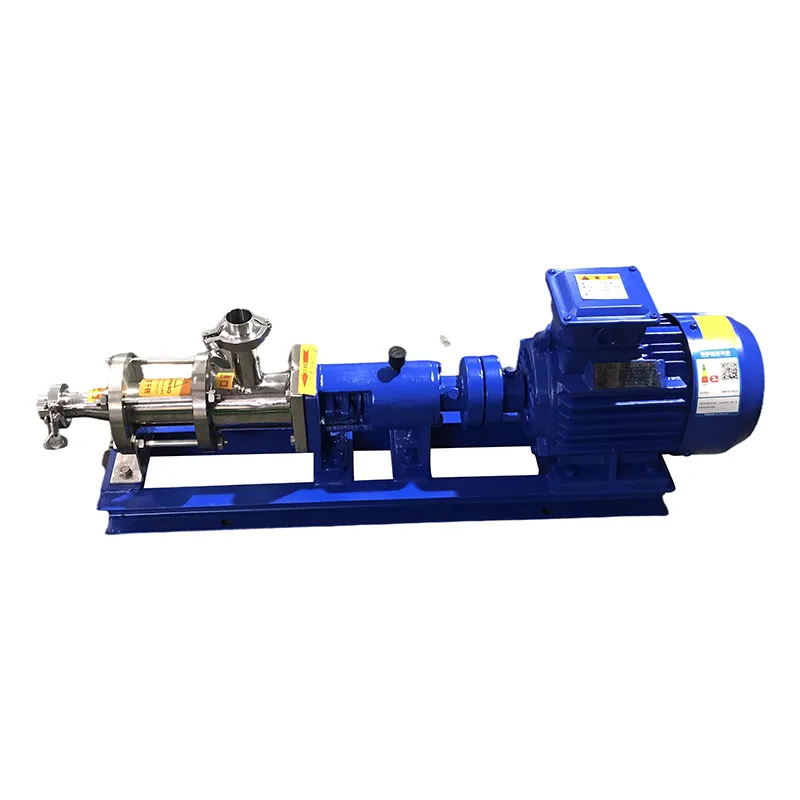 Sanitary screw pumps type GF
-
 YZZW Diesel self-priming pumps
-
 Petrochemical Process Pumps API 610 YZE
-
 Mechanical diaphragm dosing pumps DJ-D
-
 Diesel pumps with horizontal connector YZS and YZSH
-
 Vertical magnetic pumps CQB-L
-
 Horizontal multistage centrifugal pumps (light series) CHL and CHLF