







pressure head centrifugal pumps
When they talk aboutpressure head centrifugal pumps, many immediately imagine graphs from textbooks or ideal curves in catalogs. But in real work, especially on objects, everything often comes down to details, which are written in fine print in the same catalogs. For me personally, the key has always been not just “maximum pressure?”, but how this pressure behaves when the flow rate changes, the temperature of the pumped medium or, say, in the presence of erosive wear of the impeller. This is what I would like to speculate on, based on what you see on test benches and, more importantly, in the field.
Let's get the basics down: pressure does not equal pressure.
This is perhaps the most common source of confusion among customers. They come and ask: “I need a pressure of 10 bar?”. And you begin to find out that the system is open, the lift height is critical, and the back pressure is minimal. This is where we have to explain that pressure is the energy imparted to the fluid, and the outlet pressure is its consequence, depending on many factors. Bcentrifugal pumpsIt is the creation of a stable pressure within the design parameters that is the main task. If a wheel is designed with a focus only on pressure, cavitation performance can easily be missed.
At our production site, Zhejiang Yangzijiang Pump Industry Co., Ltd., the test benches are precisely set up to capture the full characteristics of H-Q. I have seen many cases where a pump, while new, produces the stated parameters, but after several months of operation in an abrasive medium, its pressure curve “sags”. by 15-20%. And this is not a question of theory, but of the choice of materials and the quality of hydraulic finishing. By the way, our engineers spend a lot of time selecting alloys for wheels and seals, based on the expected pressure and aggressiveness of the environment.
Another point is multi-stage structures. They are often seen as a panacea for high blood pressure. But each additional stage means friction losses, a complication of the shaft and rotor, and risks of imbalance. For clean water, it may be justified. What about suspensions? Here, every additional channel is a place for clogging. Therefore, in our assortment, along with multi-stage ones, single-stage ones have always been in demandcentrifugal pumpswith reinforced channels and spiral outlets, designed for high pressure when pumping contaminated liquids.
Field observations: where theory meets reality
I remember one project for water supply to a small village. The task was to raise water from a well with a dynamic level of about 40 meters and provide a pressure in the network of another 30 meters. According to the passport, a standard well pump was suitable. Installed, but the pressure at the outlet of the column barely reaches the required level. They began to figure it out. It turned out that losses in the casing itself due to lime deposits consumed almost 15 meters of pressure! We had to quickly recalculate and install a model with a headroom reserve, since our line of submersible pumps had options with different impeller characteristics.
Or another case - at a chemical plant. An alkaline solution with a temperature of 80°C was pumped. The customer complained about a drop in productivity. We came and looked. In addition to the obvious check for cavitation (NPSH), we discovered that the shaft seal material began to lose its elasticity due to temperature, and air leaks appeared at the suction. This, of course, is not directly related to pressure, but it critically affects the overall performance of the pumping unit. For such cases, we at Yangtzeriverpump have developed a series of plastic chemical pumps made from special heat-resistant composites - they can be selected for a specific range of temperatures and pressures.
From such situations an understanding is born of what to talk aboutpressure headin isolation from the entire system it is meaningless. Our customer support service https://www.yangtzeriverpump.ru often begins a dialogue with questions about the length of pipelines, the number of turns, shut-off valves and fluid properties. Because the pump is only part of the equation.
Design features affecting pressure
Let's talk about the geometry of the impeller. Wide-channel wheels are good for viscous liquids or suspensions, but their efficiency and generated pressure are usually lower. Narrow, high-speed wheels can give a lot of pressure, but will be extremely sensitive to abrasive. In our production lines, the selection and casting of wheels is a separate workshop with a large range of equipment. For standard tasks (water, weak solutions) there is a serial line. But if an order arrives for pumping, say, a sandblasting mixture with the required pressure, individual work begins: the angle of the blades, channel width, material (most often wear-resistant cast iron or alloys with chrome) are selected.
The pump housing is also an important player. In spiral outlets (volutes), it is important to ensure a smooth conversion of kinetic energy into pressure. Any sharp transition or non-optimal cross-section results in loss of pressure and noise. In tests, we sometimes see how two pumps with identical wheels show a difference in pressure of 3-5% only due to the nuances of casting or processing of the housing. Therefore, geometry control on all eight production lines is a mandatory step.
They stand apartcentrifugal pumpslinear type. They are often underestimated in the context of pressure, considered weak. But for certain applications - for example, as part of technological lines, where compactness and ease of integration into the pipeline are important - they can provide quite decent and, what is important, stable pressure at a given flow rate. Their advantage is often less sensitivity to axial loads.
Selection errors and imaginary compromises
The most common mistake is to take a pump “with a reserve?” by pressure, guided by the principle “you can’t spoil porridge with oil?”. You'll ruin it. If the operating point of the system is far to the left of the optimal point on the H-Q curve, this leads to motor overload, increased vibration, overheating of the pumped fluid and rapid wear. I saw how on the irrigation system because of such a “reserve” Over the course of the season, the oil seals failed and the shafts bent.
The opposite situation is an attempt to save money and use a pump whose maximum pressure barely covers the calculated needs of the system. Any clogging of the filter, an increase in the dynamic level in the well, or an increase in the length of the line - and the pump simply ceases to perform its function. Working on the right, steeply falling branch of the characteristic is also harmful - cavitation may occur.
The golden rule that our company tries to convey to every client: selection is a search for balance. You need to clearly know the system parameters, the properties of the liquid, and it is desirable to be able to adjust the operation (by throttling or frequency regulation). On the website yangtzeriverpump.ru we post not just catalogs, but detailed selection guides and calculation programs, because we understand that the correct initial choice will save you from many problems in the future.
Looking to the Future: What's Changing in Creating Pressure
The trend is integration. The pump ceases to be just a piece of hardware that createspressure head. This is a node in a smart system equipped with sensors. We are already testing prototypes where vibration and temperature sensors are built into the housing and can indirectly signal changes in performance characteristics, including a drop in pressure due to wear. This allows you to move from planned to actual maintenance.
Another direction is materials. Composites and ceramic coatings for impellers. They are more expensive, but for aggressive environments or highly abrasive pulps they can maintain the geometry of the channels, and therefore the pressure characteristics, many times longer. This is a direct saving for the customer, despite the high initial cost.
And, of course, modeling. Computer fluid dynamics calculations (CFD) now make it possible to “see” even at the design stage. zones of turbulence in the flow part that steal pressure. We actively use this in our R&D department. This is not a panacea, because real fluid behaves more cunningly than any model, but it is a powerful tool for optimization. As a result, returning to the beginning, everything still revolves around understanding how pressure is born and lost incentrifugal pumps. Only the tools for this understanding become deeper, and the experience accumulated on thousands of operating units is invaluable.
Correspondingproducts
Related Products

Best Sellingproducts
Best Selling Products-
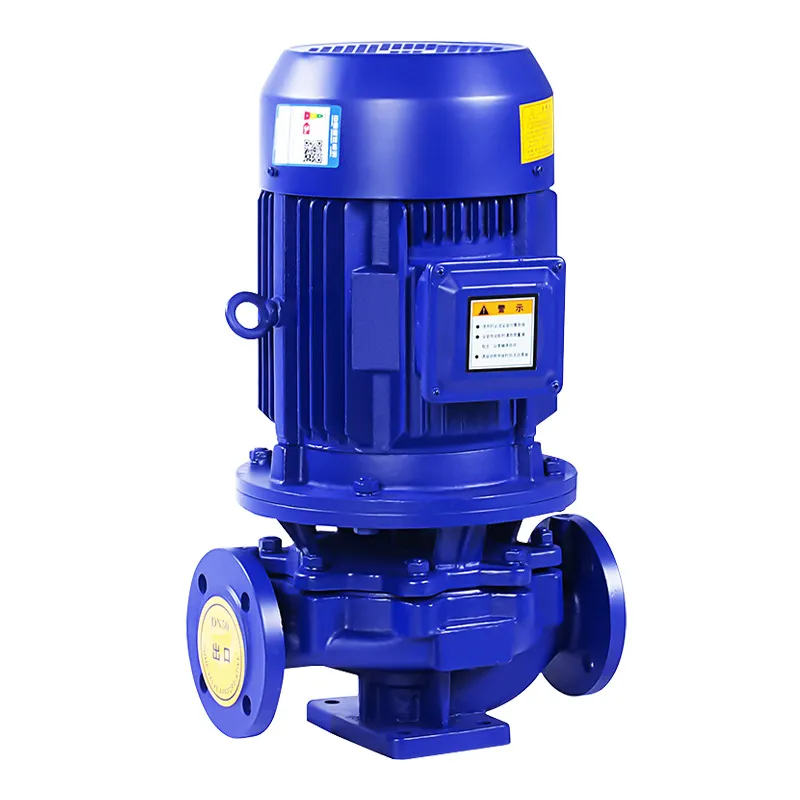 Vertical single-stage pipeline centrifugal pumps ISG and IHG
-
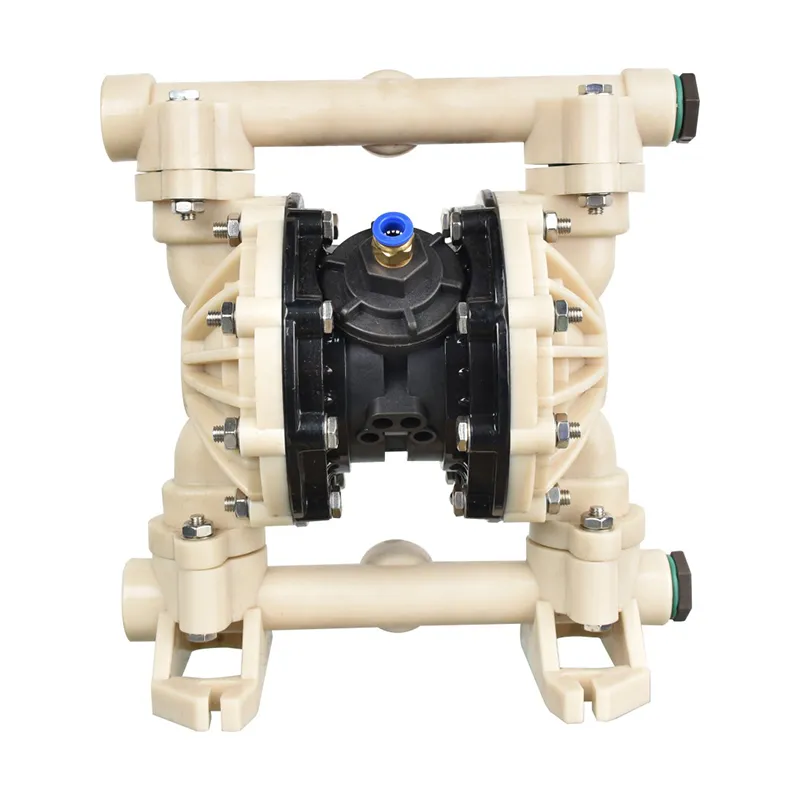 QBK Non-Metallic Air Operated Diaphragm Pumps
-
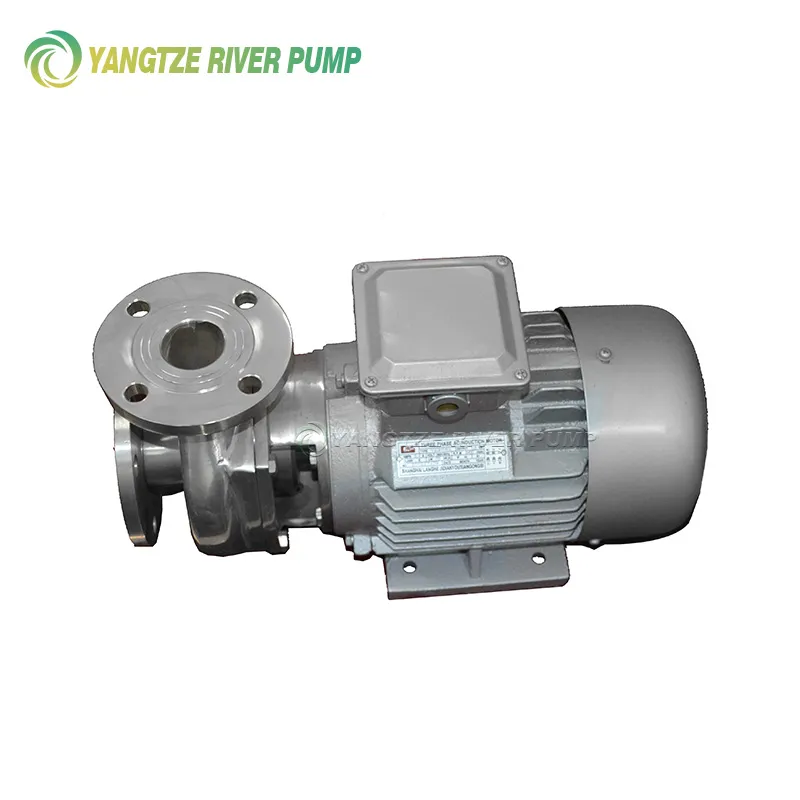 Corrosion-resistant stainless steel centrifugal pumps SFB and SFBX
-
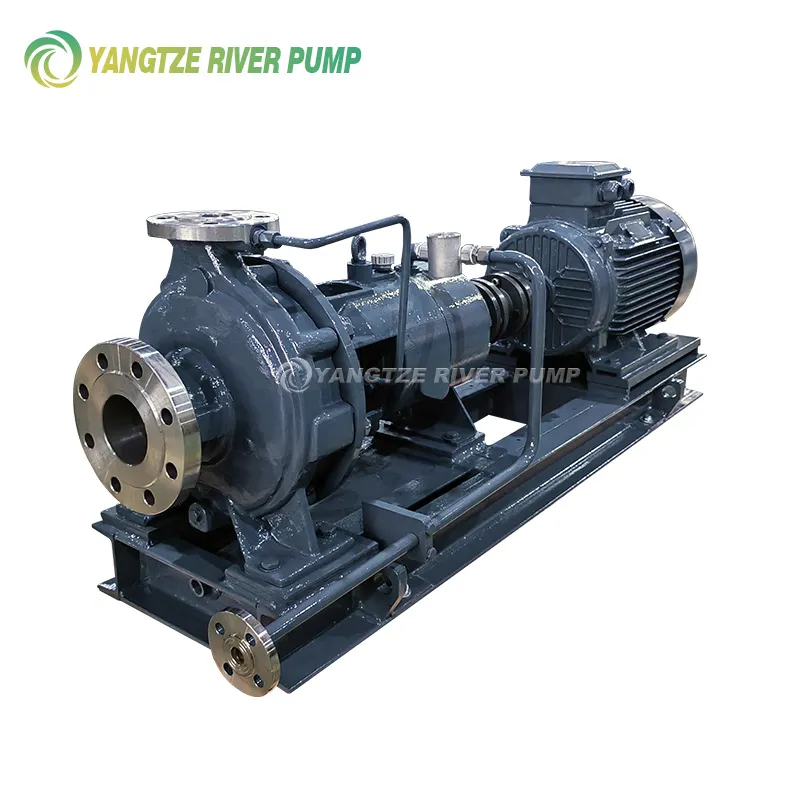 Petrochemical Process Pumps API 610 YZA
-
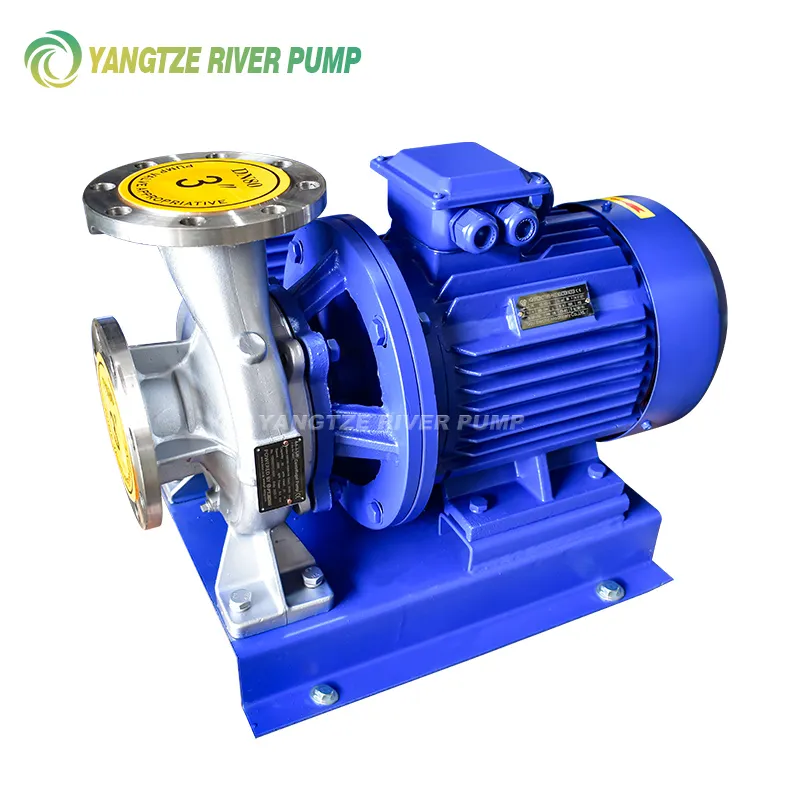 ISW and ISWH Single Stage Horizontal Pipeline Centrifugal Pumps
-
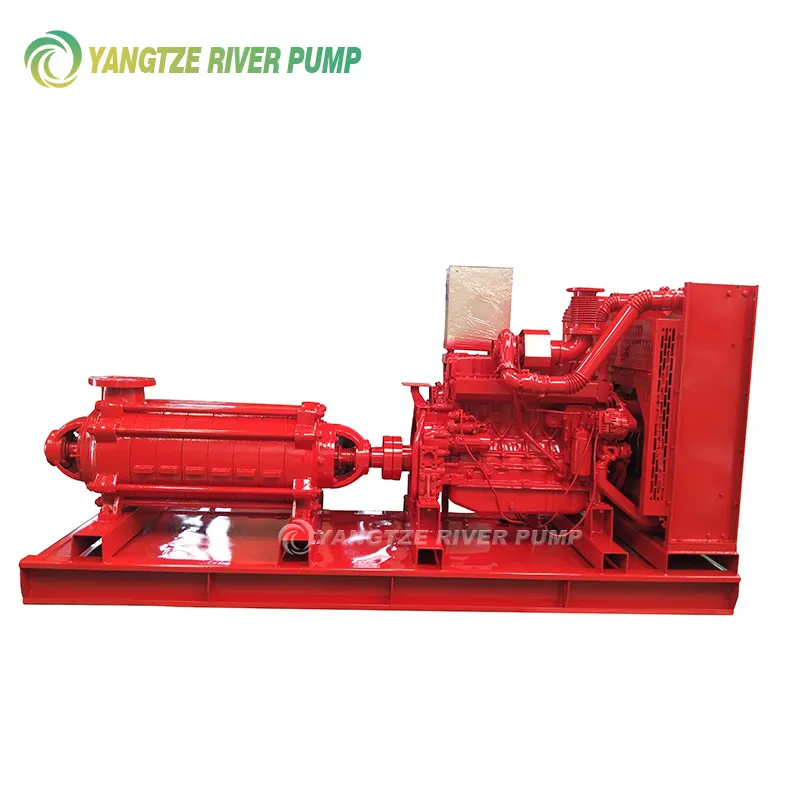 XBC Diesel Intelligent Fire Pumps
-
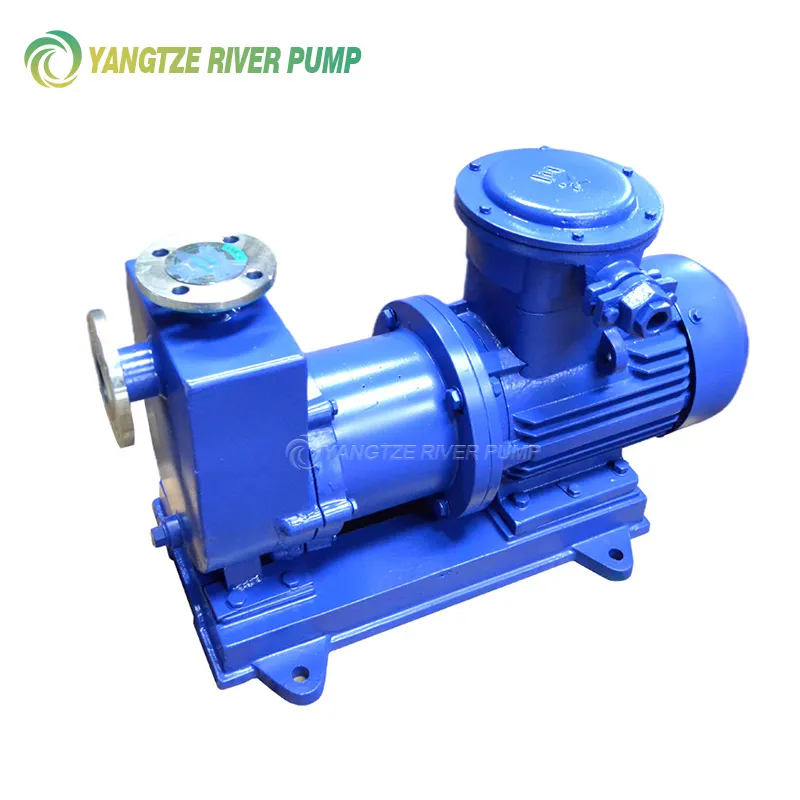 ZCQ Stainless Steel Self-Priming Magnetic Pumps
-
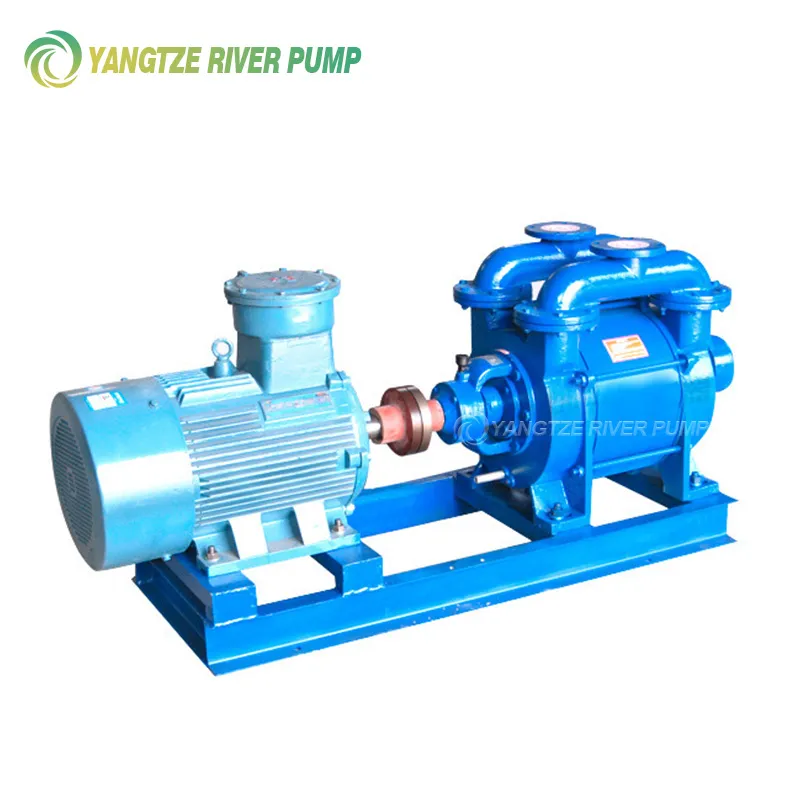 Liquid ring vacuum pumps type SK
-
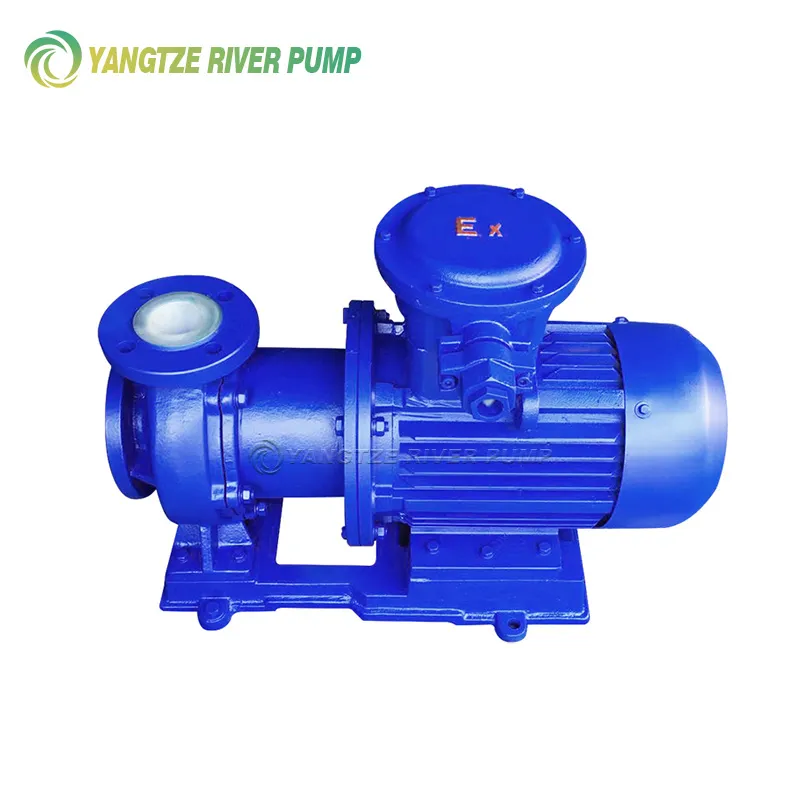 Magnetic pumps with fluoroplastic lining CQB-F
-
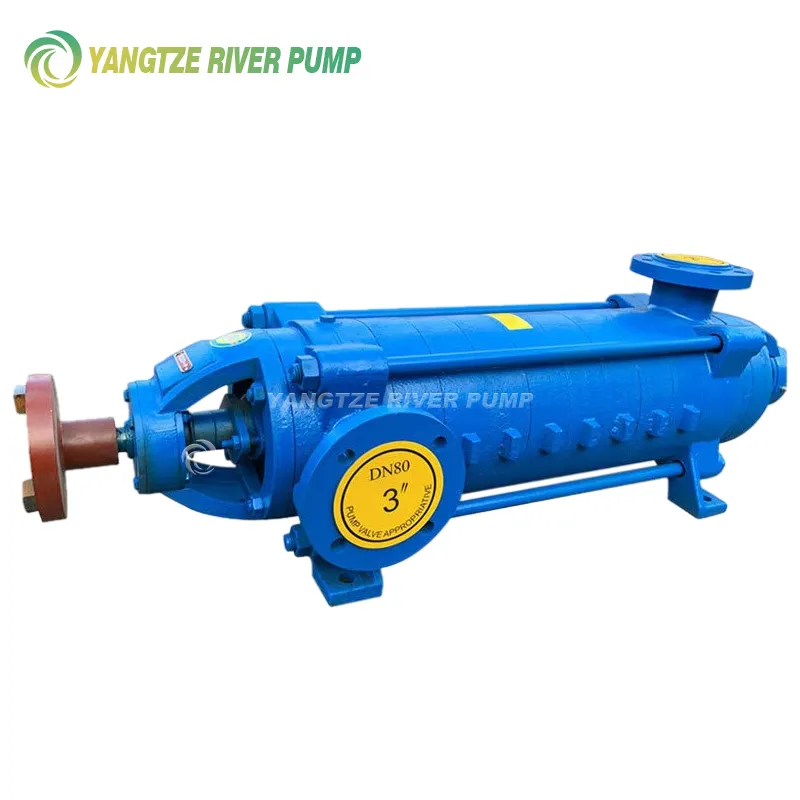 Horizontal multistage pumps for feeding DG boilers
-
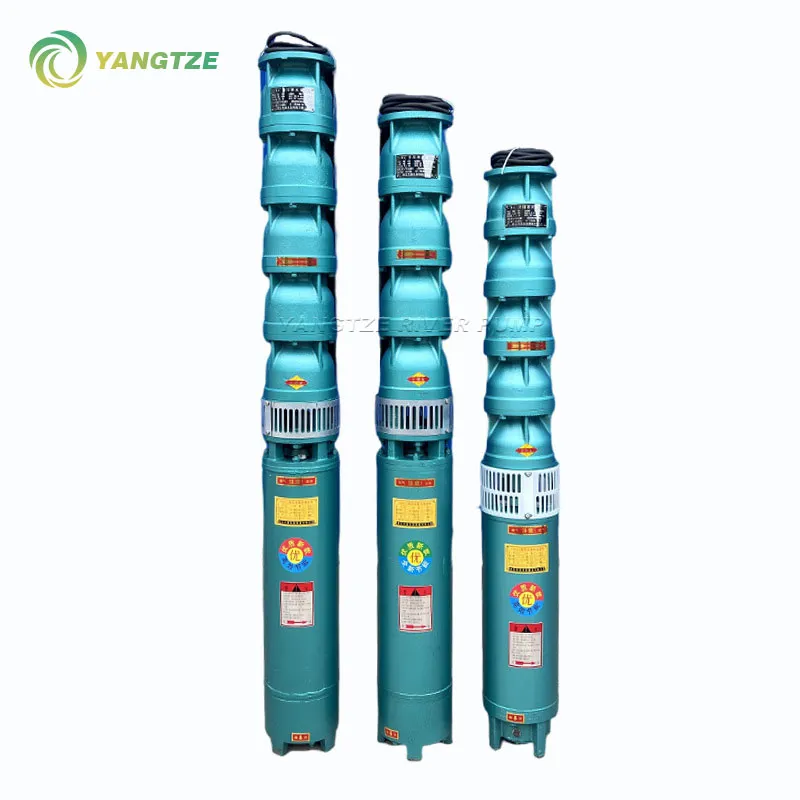 QJ type borehole pumps
-
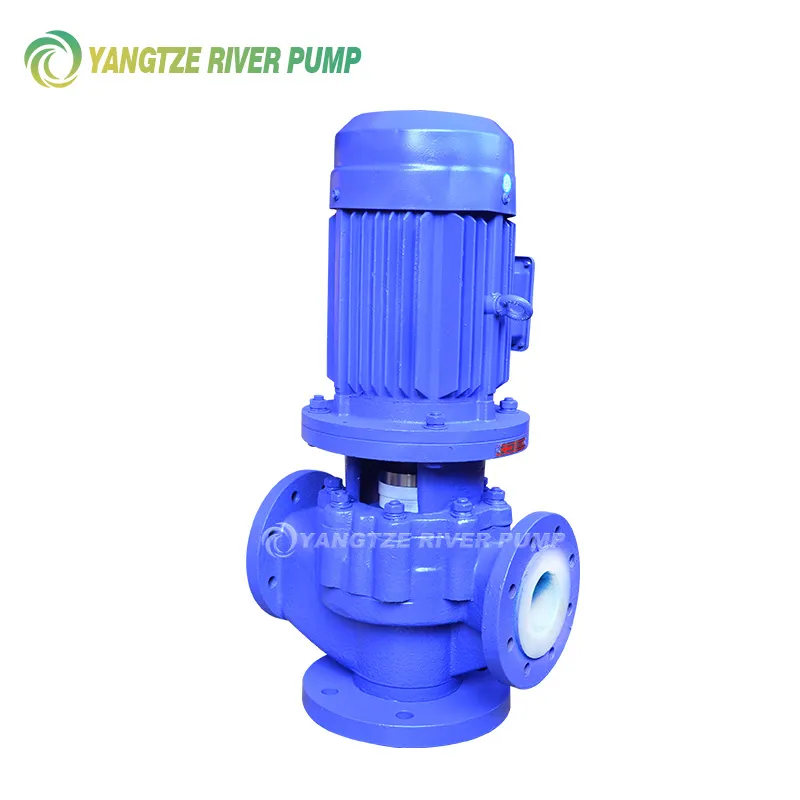 Vertical pumps with PTFE lining YQF