







Stainless steel deep well pumps
When you hear “stainless steel deep-well pumps,” many people immediately imagine just a well pump in a shiny “stainless steel” casing. This is where the first pitfall lies. Stainless steel is a flexible concept. For aggressive environments or simply very hard water with a high content of chlorides and sulfates, the usual AISI 304 may not be suitable; pitting corrosion will begin to appear. We at Zhejiang Yangzijiang Pumping Industry LLC went through this - there was a case at one of the food production plants, where there were active ions in the water that were not taken into account during selection. I had to redo it and install a version made from AISI 316L. So the first conclusion: the key thing is not the fact of “stainless steel” itself, but its specific brand and compliance with the chemical composition of the pumped medium.
From drawing to well: where the nuances lie
Manufacturing is more than just assembly. We have eight complete lines, and for deep-well pumps it is the testing line that is critical. The assembled pump must pass not only hydraulic tests for flow and pressure, but also long runs in a mode that simulates operation in a well - with sand, with voltage drops. Often customers ask to provide exactly these test schedules, and not just passport data. And that's right.
Constructiondeep well pumpsseems conservative, but the little things make all the difference. For example, the gap between the impeller and the diffuser. Too small - risk of jamming when working with abrasive or due to thermal expansion. Too large - a drop in efficiency. There is no universal recipe; much depends on the planned depth and viscosity of the liquid. For artesian water with minimal sand content, you can make minimal gaps; for drainage or wells in unstable soils, you can increase them.
Another point is the engine cooling system. In standard well pumps, cooling occurs due to the flow of pumped liquid along the motor housing. But if the pump operates in partial submersion mode or at shallow depths with low flow rates, the motor may overheat. We always focus on this when selecting a model; sometimes we recommend an additional casing to organize forced flow. This is a detail that is often overlooked when selecting equipment on your own.
Materials and “chemistry”: why AISI 304 is not a panacea
Returning to the materials. For most domestic wells with neutral water, AISI 304 is really enough. But our experience supplying pumps to chemical plants and agriculture shows a different picture. For example, pumping fertilizer or seawater (yes, there are desalination projects like that) requires 316L or even duplex steel. The housing is one thing, but there is also a shaft, impellers, and protective bushings.
There was an illustrative incident with a pump for drawing water from an open reservoir for irrigation. The water seemed clean, but analysis showed high microbiological activity and hydrogen sulfide content. Ordinary "stainless steel" after a season it became covered with pinpoint corrosion caused by bacterial activity. I had to change to pumps with elements made of bronze and more resistant alloys. Now, during a consultation, we always ask questions not only about chemical analysis, but also about the source of water and its temperature.
Therefore, in our assortmentstainless steel deep well pumps- this is not one ruler, but several, with gradation according to the material used. And this is clearly stated in the technical documentation on the website yangtzeriverpump.ru, so that the client can make an informed choice, and not just buy a “stainless steel pump”.
Assembly, logistics and the “last meter?”
A good pump can be ruined by improper installation. A common mistake is an unsuitable cable or improper fixation. The cable must be made of stainless steel and designed to withstand a load several times greater than the weight of the pump. We always equip our pumps with the appropriate cable and recommend not to skimp on this. A pump falling into a well is a disaster and huge costs for recovery.
Another point is the electrical cable. It must be moisture-resistant, with reliable sealing of the input to the engine. In production, we pay special attention to crimping cable glands, checking them for tightness under pressure. But there were cases when the cable was extended at the site using a makeshift method, the connection point was poorly insulated, and water reached the motor winding through the veins. The result is an interturn short circuit and failure.
Logistics are also important.Deep well pump- the product is long and not always rigid. Incorrect packaging or transportation in bulk? may lead to shaft deformation. We pack our pumps in rigid foam housings in individual boxes to avoid even a hint of bending during transportation. This seems like a small thing, but it’s these little things that differentiate functional equipment that lasts for years from problematic ones.
Service and feedback: what we learn from clients
Having a full cycle, including customer service, is not just a marketing ploy. This is the source of the most valuable information. Every return, every consultation on already working equipment is data for improvement. For example, based on feedback, we strengthened the design of the bracket for mounting the pressure pipe on multi-stage models for greater depths. Customers have complained about vibration in certain modes. We analyzed it, improved the casting - the problem went away.
They often call with the question: “Is the pump humming/vibrating/giving less pressure?”. In 70% of cases, the problem is not in the pump, but in operating conditions: silting of the well, drop in water level, problems with the power cable, or even power surges in the network. The ability to remotely, based on a description of the symptoms, direct the client to check these factors is part of our work. Sometimes this saves you from unnecessary dismantling and expensive repairs.
That is why we at Yangtzejiang Pump Industry rely not only on sales, but also on full support: from assistance in selecting a model based on technical specifications to consultations on installation and diagnostics. Our website https://www.yangtzeriverpump.ru is not just a catalogue, it is a portal where we try to post as much technical information, diagrams, and manuals as possible so that the on-site specialist has all the tools to properly operate the equipment.
Looking forward: more than just steel
Although the topic is stainless steel, it cannot be stressed enough that the market demands flexibility. Sometimes, for specific environments, it is not steel, but, for example, plastic chemical pumps that are more optimal. We also have them in our production line. But for wells, for drinking water, for most industrial applications where strength, durability and hygiene are needed,stainless steelremains the uncontested leader.
Now there is a request for “smart” pumps - with built-in sensors for monitoring operation, protection against dry running, with the possibility of integration into a smart home or industrial control system. This is the next step. We are already exploring options for equipping our deep models with such options. But the basis - a reliable hydraulic block made of the right steel - will remain unchanged.
In the end, what is a high-quality stainless steel deep-well pump for us? This is not just a product off an assembly line. This includes calculation of materials for the task, careful assembly, strict control during testing, thoughtful packaging and readiness to support the client after the sale. This is exactly the approach we put into the work of all eight of our production lines - from R&D to service.
Correspondingproducts
Related Products

Best Sellingproducts
Best Selling Products-
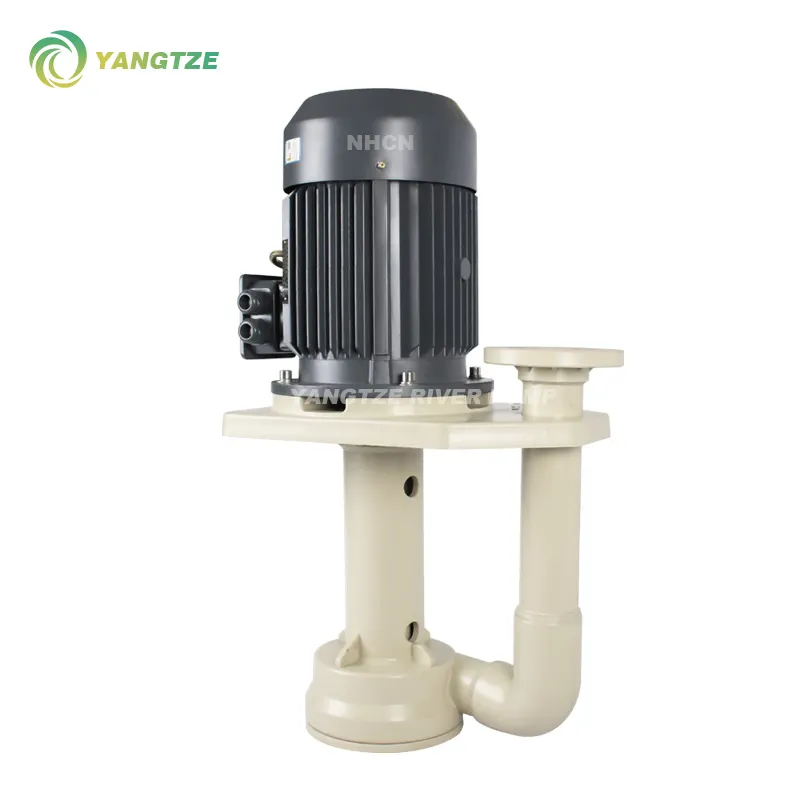 Vertical pumps for installation inside/outside tanks YZCN and YZCW
-
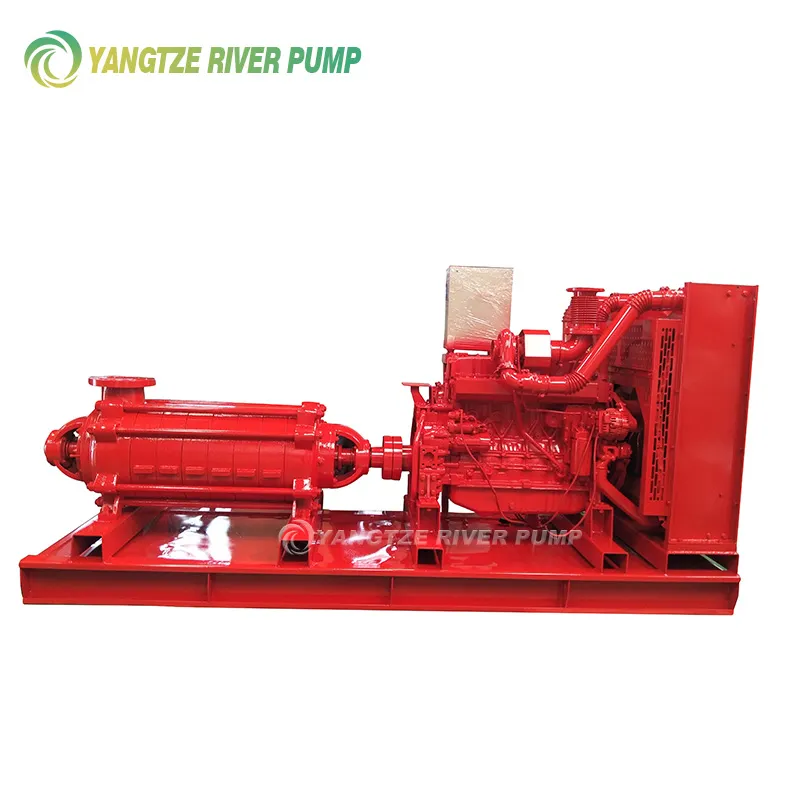 YZD Series Diesel Multistage Centrifugal Pumps
-
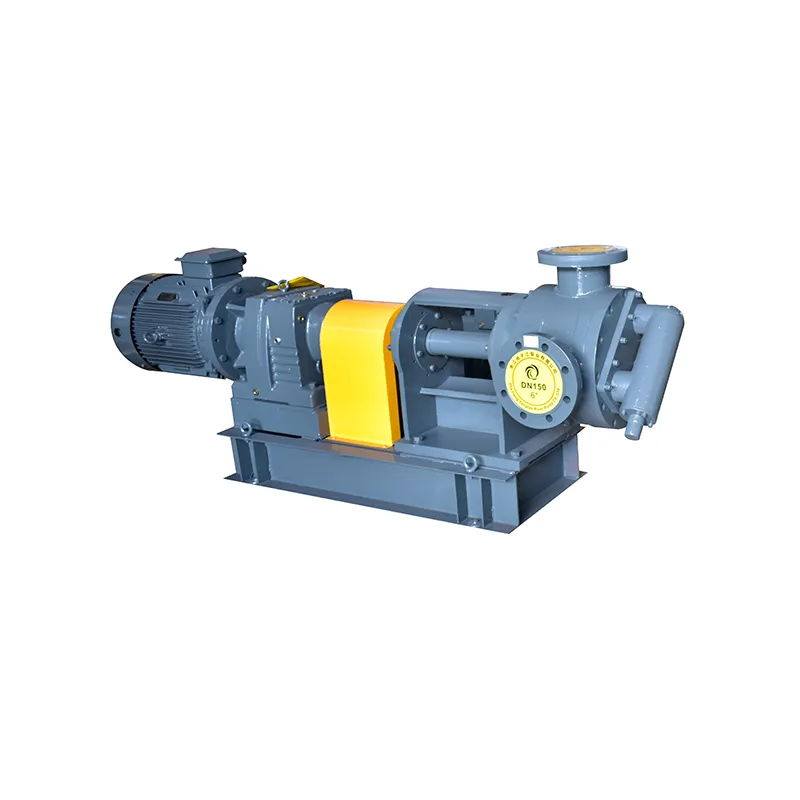 NYP High Viscosity Internal Gear Pumps
-
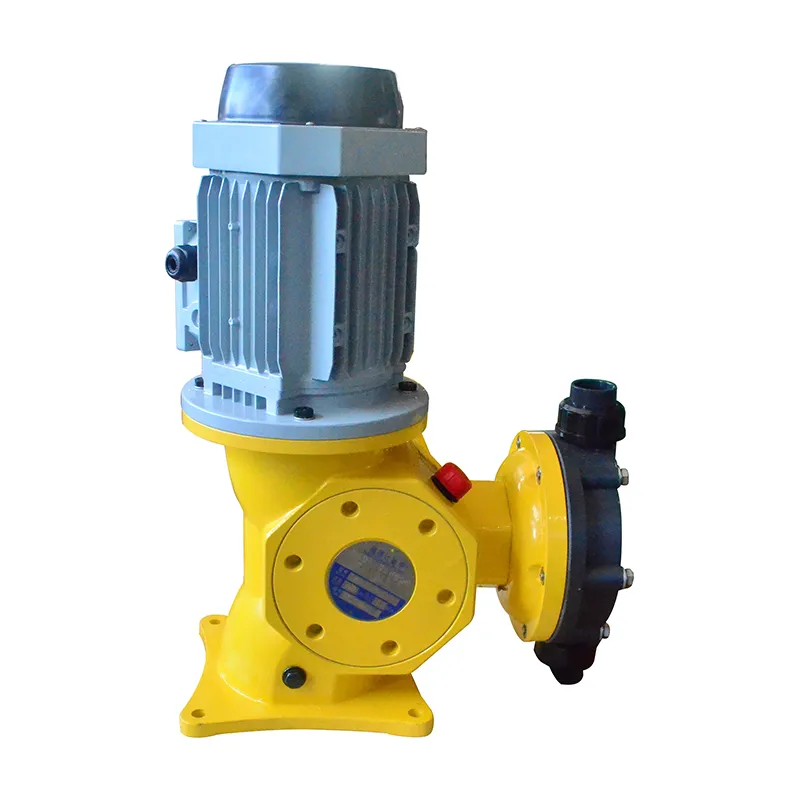 Mechanical diaphragm dosing pumps DJ-Z
-
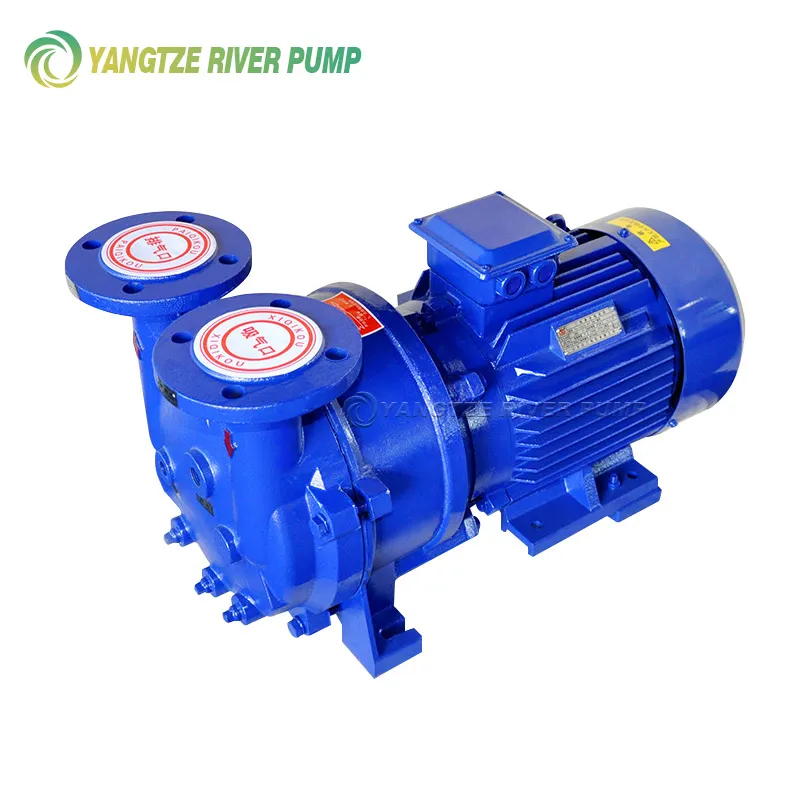 Liquid ring vacuum pumps type SKA and 2BV
-
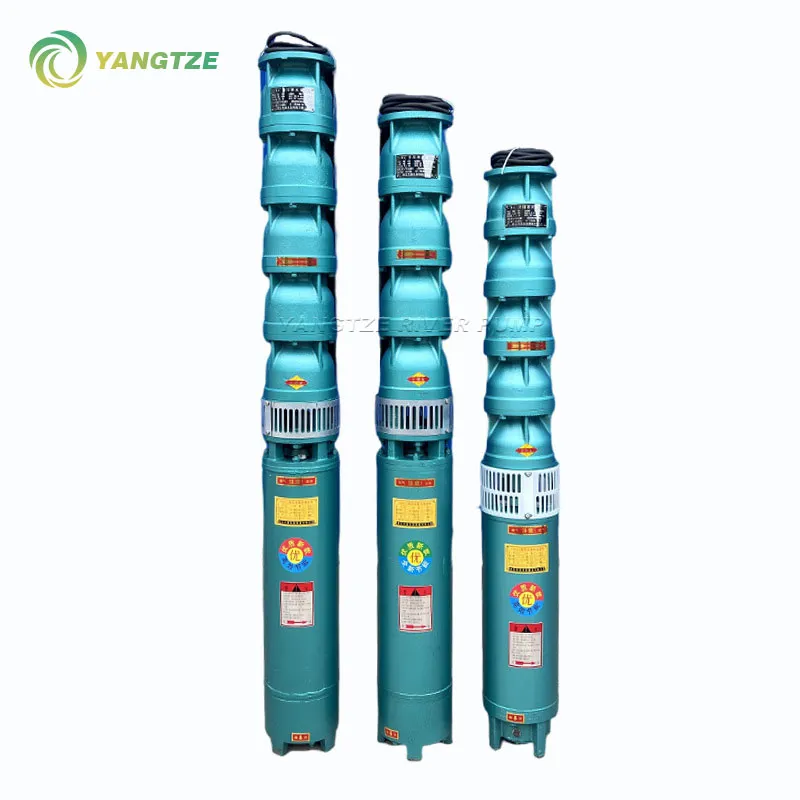 QJ type borehole pumps
-
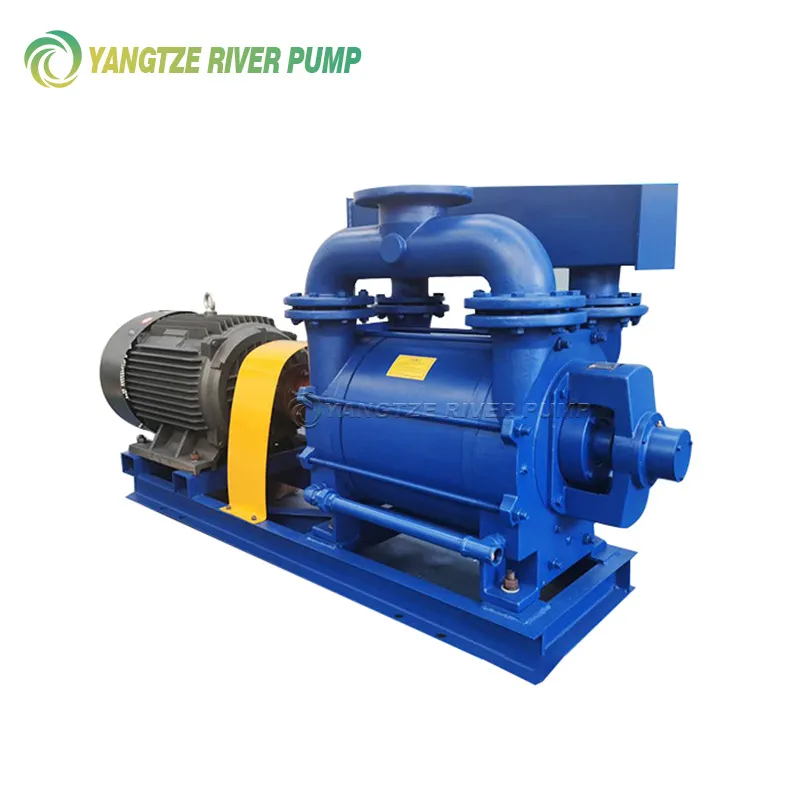 Liquid ring vacuum pumps type 2EB
-
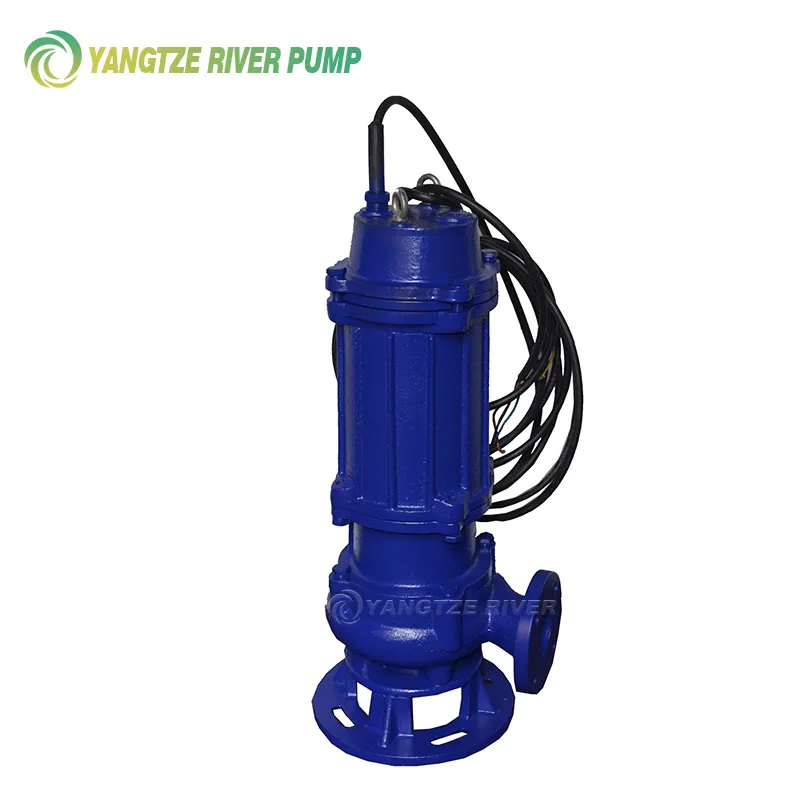 QW Non-clogging Submersible Sewage Pumps
-
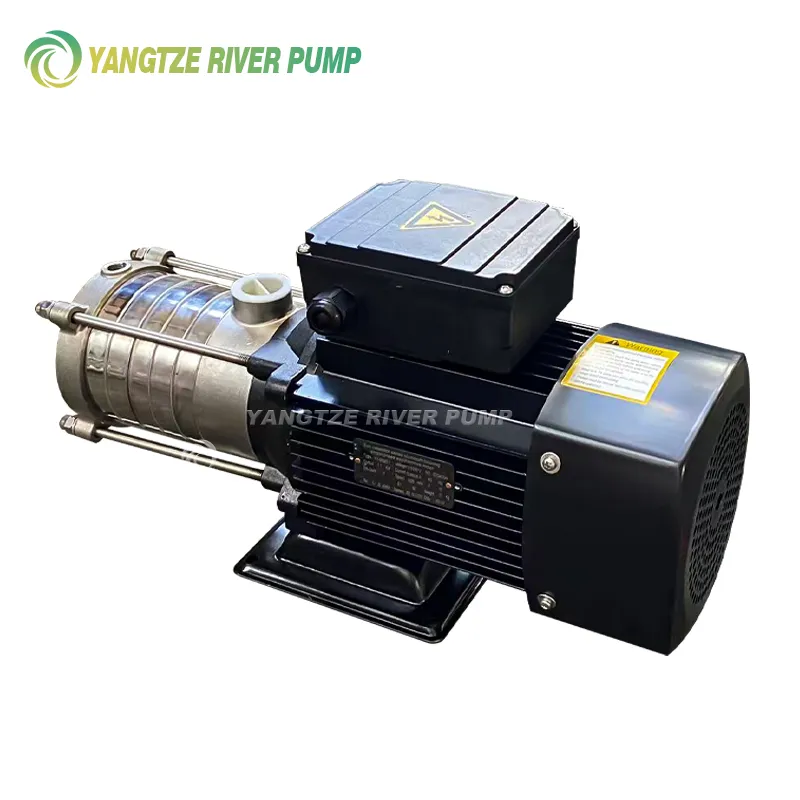 Horizontal multistage centrifugal pumps (light series) CHL and CHLF
-
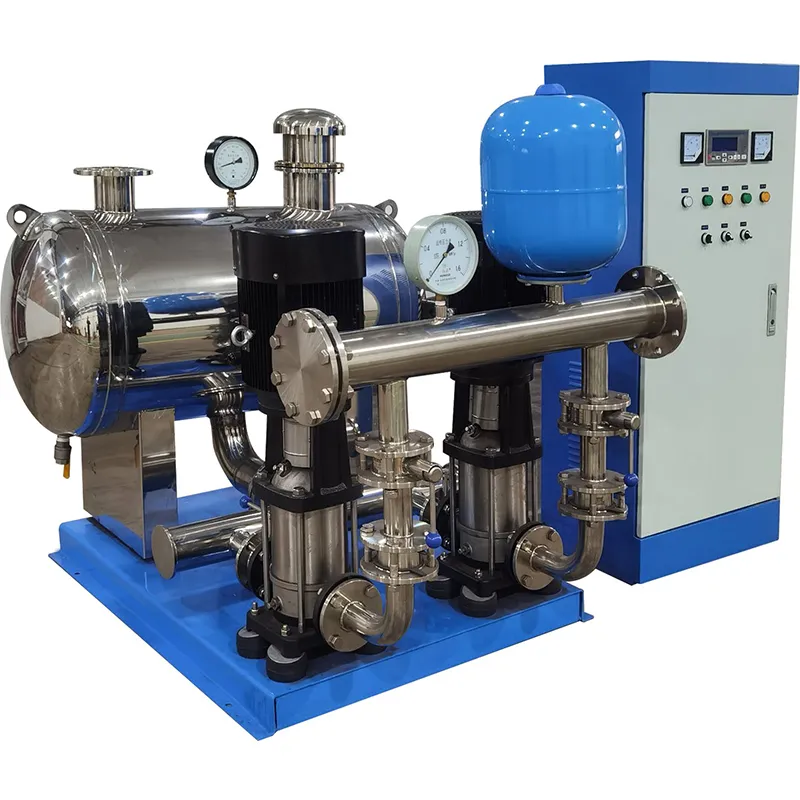 Complete water supply installations with frequency regulation and constant pressure CDLF
-
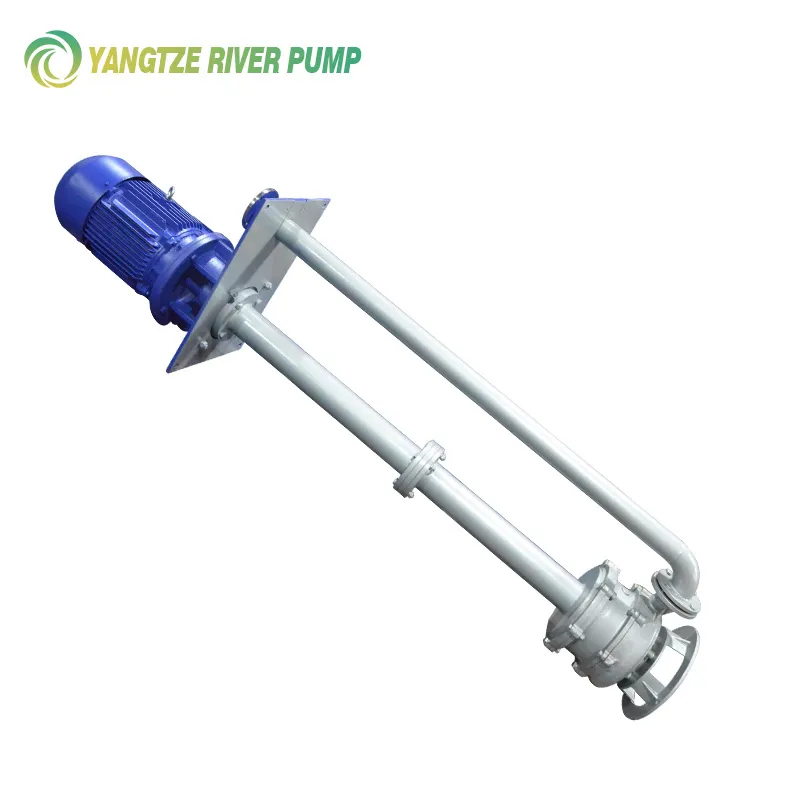 YW Vertical Submersible Sewage Pumps
-
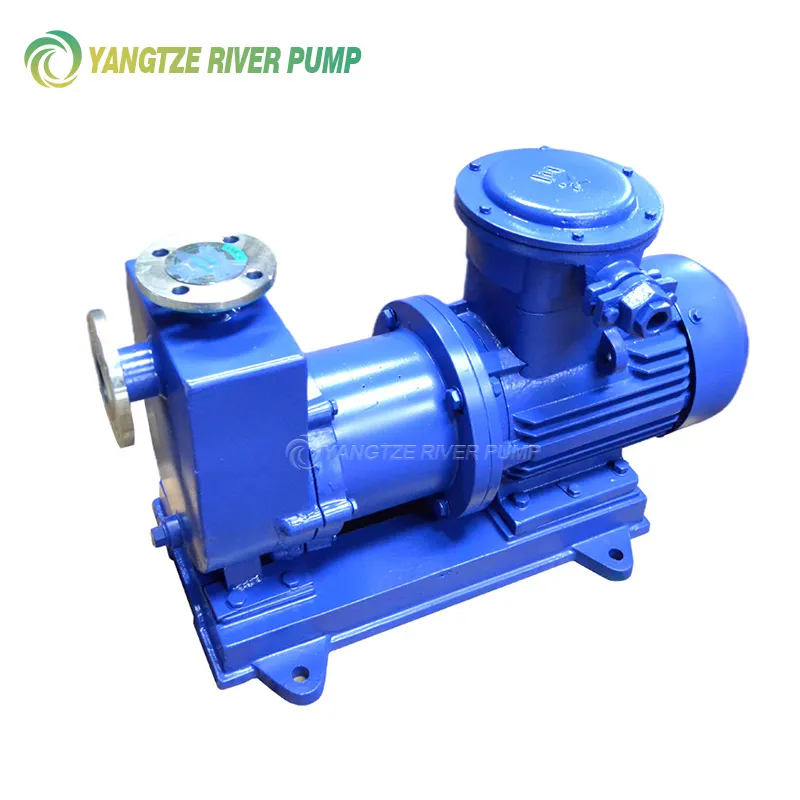 ZCQ Stainless Steel Self-Priming Magnetic Pumps