







centrifugal pumps 45 30
When you see “centrifugal pumps 45 30” in a specification or request, the first thought is probably the standard size, nominal diameter and pressure. But behind these numbers there is often a misunderstanding. Many people think that this is some kind of standard ready-made position, like an M10 bolt. In reality, especially in industry, it is more of a starting point for conversation. 45 is the nominal diameter, 30 is the pressure in meters? Or vice versa? What environment? Temperature? Purity? This is where all the difficulties at the site usually begin.
What's really behind the numbers 45 and 30?
In my practice, most often this combination meantcentrifugal pumpswith connection DN 45 and a pressure of about 30 meters of water column. But here it is? is the key word. To pump water from a well and to supply a slightly aggressive solution to a production line, completely different devices are required, even if they formally fit these parameters.
Once there was an incident at a small chemical production plant. We just ordered a pump with parameters 45/30 for pumping an alkaline solution. They brought a standard cast iron single stage. It fit like a glove in terms of dimensions and flanges. But after three weeks, problems began with the stuffing box seal, and then corrosion began. It turned out that the supplier did not specify the material of the flow part. As a result, we had to urgently look for a replacement - we took a plastic chemical pump with the same connecting dimensions, but from a different manufacturer. It still works.
This experience taught me that numbers are just the tip of the iceberg. You need to look deeper: material (stainless steel, cast iron, plastic), type of seal (oil seal, end), the ability to work “dry”. By the way, they perform well for such tasksmagnetic pumps— there are no leaks, which is critically important for chemistry.
Why there is no universal solution
And here I often come across requests where they want one pump “for all occasions?”. Like, here you have it in the catalogcentrifugal pumps 45 30, give the same, but with water, and a suspension, and a weak acid. It doesn't happen that way. The design of a single-stage centrifugal pump for clean water and, say, a screw (screw) pump for viscous media are fundamentally different things.
Our company, Zhejiang Yangzijiang Pumping Industry Co.,Ltd., is on the path of specialization. On our websiteyangtzeriverpump.ruit is clear that we are not trying to make one superpump. Instead, separate production lines have been built specifically for specific tasks:linear centrifugal pumpsfor compact systems, self-priming for cases where there is air in the line, submersible for wells. This is the right way.
For conditional parameters of 45/30, for example, we may have a single-stage stainless steel centrifuge for the food industry, and a multi-stage pump for increasing the pressure in the water supply system, where exactly this pressure is needed. But these are physically different units with different cavitation and efficiency characteristics.
Errors during selection and installation: from personal experience
The most common mistake is not to take into account the characteristics of the suction line. A 45/30 pump may or may not be self-priming. Once they installed a standard centrifugal pump to draw water from a tank. The pressure in the passport was 30 meters, everything is fine. But they forgot about the necessary suction support. As a result, the pump worked with cavitation, made noise, and after a month the impeller looked like a sieve. I had to redo the harness and install an additional container with support.
Another point is the pressure reserve. Sometimes technologists require “exactly 30 meters”. But if there are filters in the line that become clogged over time, the resistance increases. A pump operating at the limit of its performance will quickly fail. I always advise you to take with a small margin of pressure, at least 10-15%. During testing, our production engineers run the pumps in different modes to understand where the real operating point is, and not the passport ideal.
And yes, you should never ignore challenges. At our factory, each product unit undergoes bench testing. This is not for show. I saw how it “popped up” during tests. slight vibration in a seemingly ideal unit. It's better to find and fix it here than to get a call from the site about an emergency shutdown.
Case: from request to working system
A good example was a project for a small boiler room. It was necessary to ensure the circulation of network water; the parameters revolved around DN 45 and a pressure of 30-35 meters. Temperature up to 110°C. The client initially wanted to save money and install a regular water pump.
We suggested consideringmultistage centrifugal pumpshorizontal design, specially designed for hot water. They explained that not only the pressure is important here, but also the housing material (high-strength cast iron), the type of shaft seal (double mechanical), designed for high temperatures. It was important to ensure correct piping with compensation for thermal expansion.
As a result, we installed a CR series pump. It is distinguished by its compact multi-stage design and just the right pressure range. After commissioning and commissioning, the system has been operating stably for more than two years. This is the case when the correct selection, taking into account all the nuances, and not just two numbers, saved the customer money on repairs and downtime.
Stories like these confirm that our approach isYangzijiang Pumping Industryis not just selling hardware. This is a complex: from consultation and selection at the R&D stage to production, testing and service. Eight full lines is an opportunity not to “squeeze in”? request into the existing model, and often it is to select or adapt a solution.
Instead of a conclusion: thinking out loud
So, going back tocentrifugal pumps 45 30. For me, this is no longer just a line in a request. This is a signal to ask a dozen clarifying questions. This is a reminder that even seemingly standardized equipment has a lot of details on which the success of the entire project depends.
Now, looking at the range that we produce - from chemical plastic to powerful submersible - I understand that the main thing is not to try to be universal for everyone, but to be precise for each specific case. The numbers 45 and 30 are the coordinates on the map. And to plan a route, you need to know the area: what we are pumping, under what conditions, with what risks.
This is exactly what we do. We don’t just sell a pump, we put together a puzzle of technical specifications, equipment capabilities and economic feasibility. Because in industry there are no trifles. And an incorrectly selected pump, even if it is formally ?45 30?, always means a stop in production, and these are completely different numbers, much more serious.
Correspondingproducts
Related Products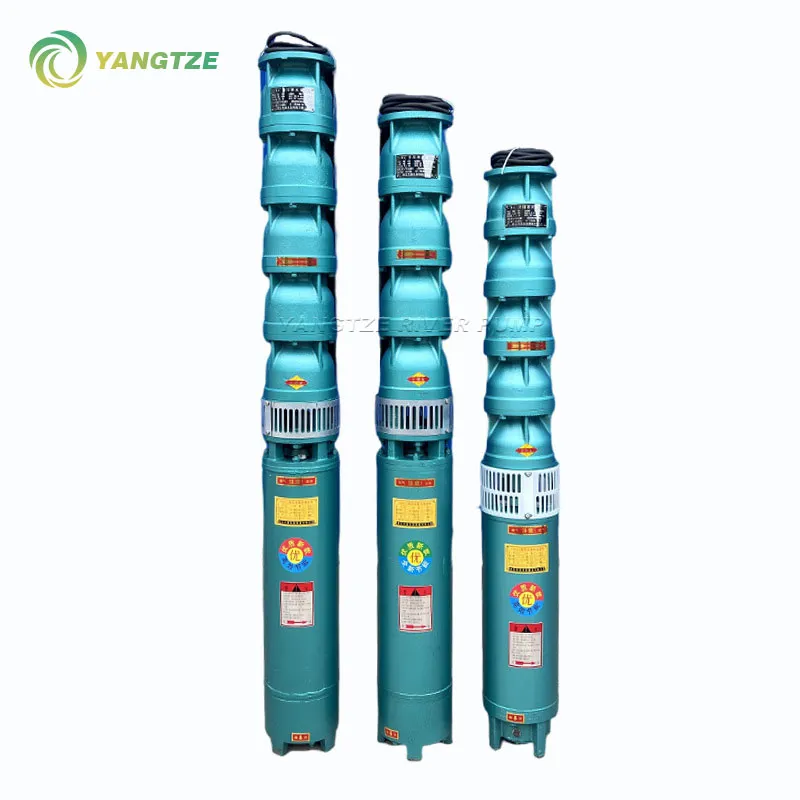


Best Sellingproducts
Best Selling Products-
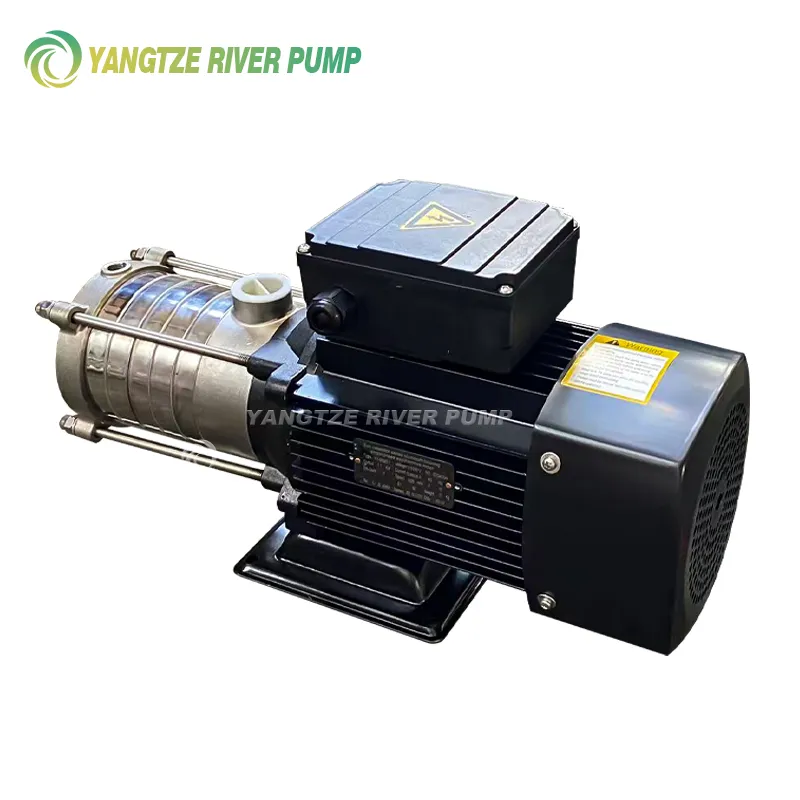 Horizontal multistage centrifugal pumps (light series) CHL and CHLF
-
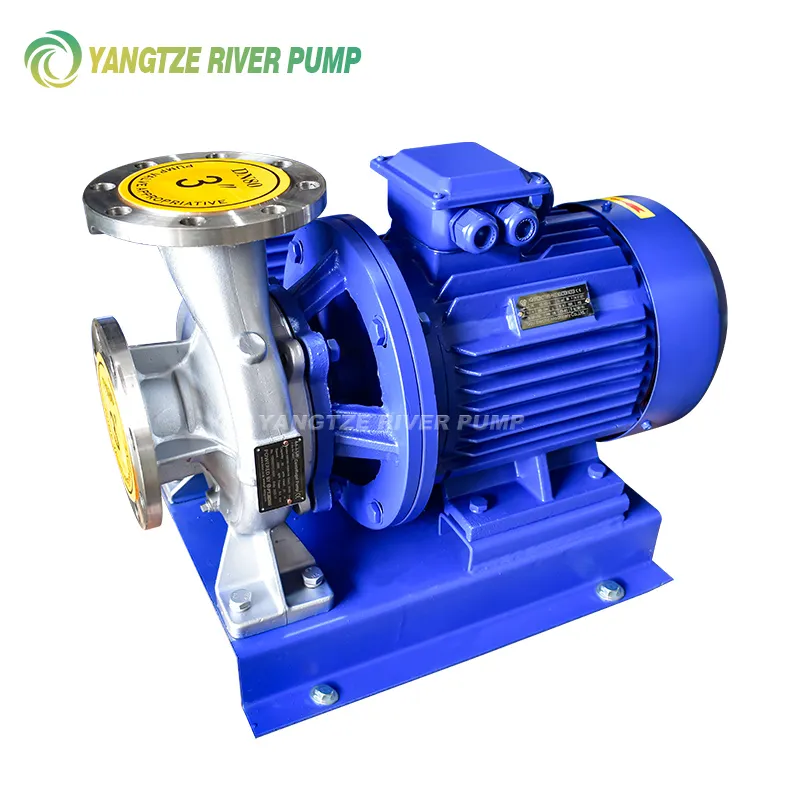 ISW and ISWH Single Stage Horizontal Pipeline Centrifugal Pumps
-
 Corrosion-resistant stainless steel centrifugal pumps SFB and SFBX
-
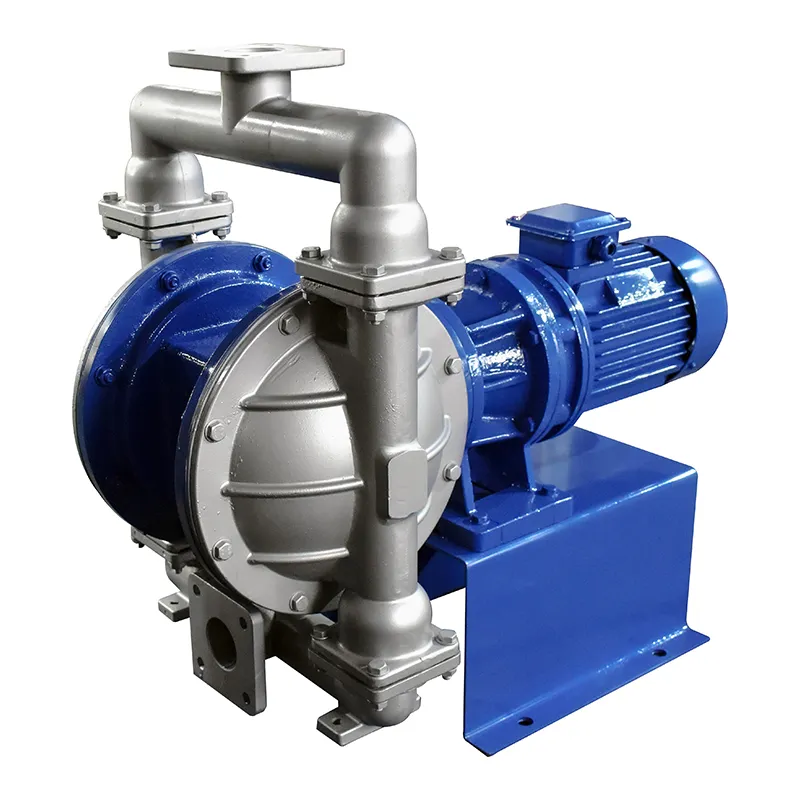 Metal electric diaphragm pumps DBY
-
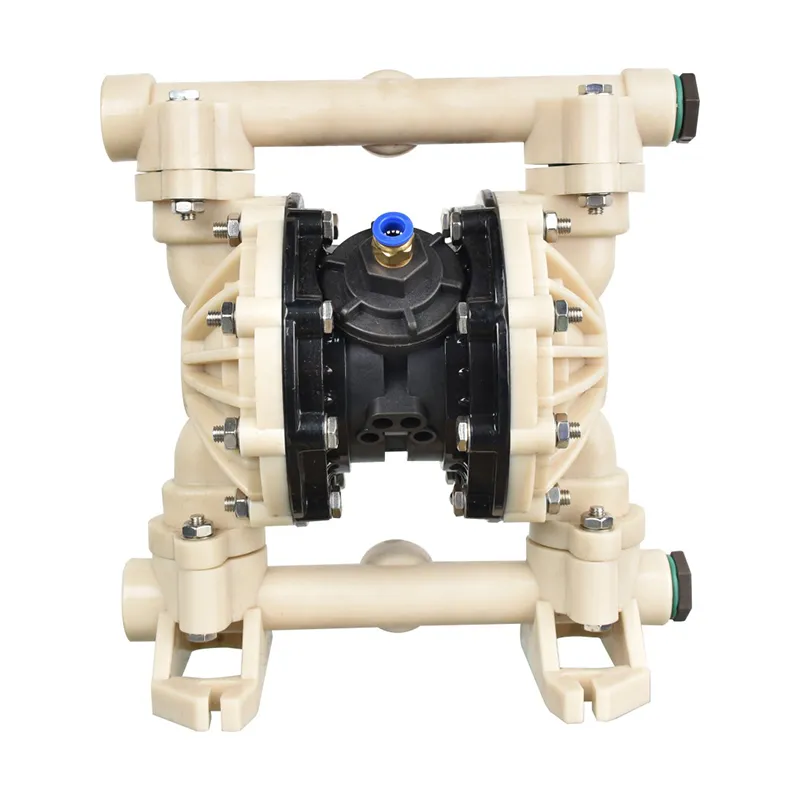 QBK Non-Metallic Air Operated Diaphragm Pumps
-
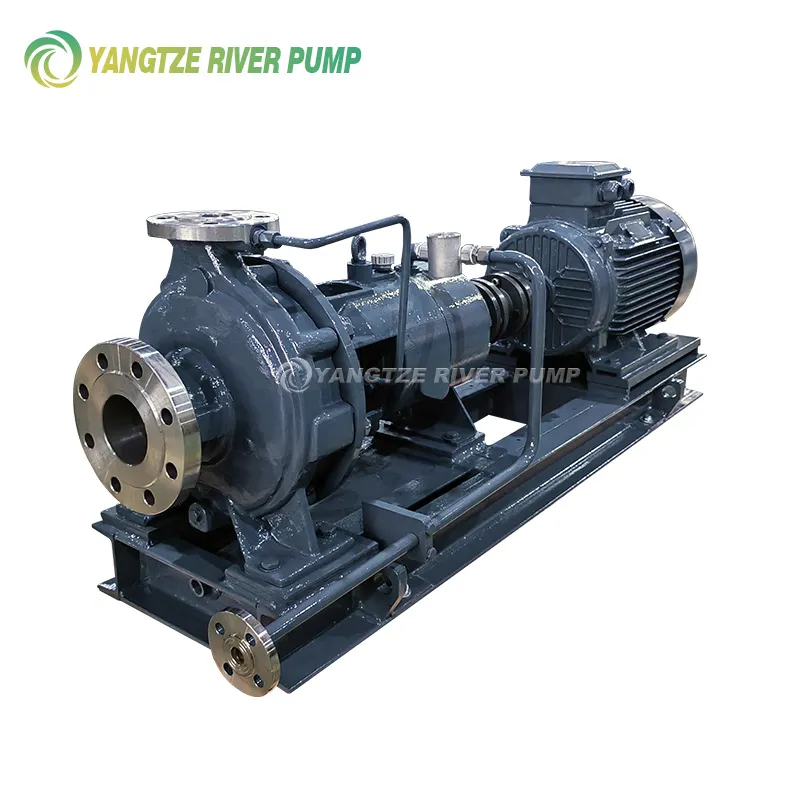 Petrochemical Process Pumps API 610 YZA
-
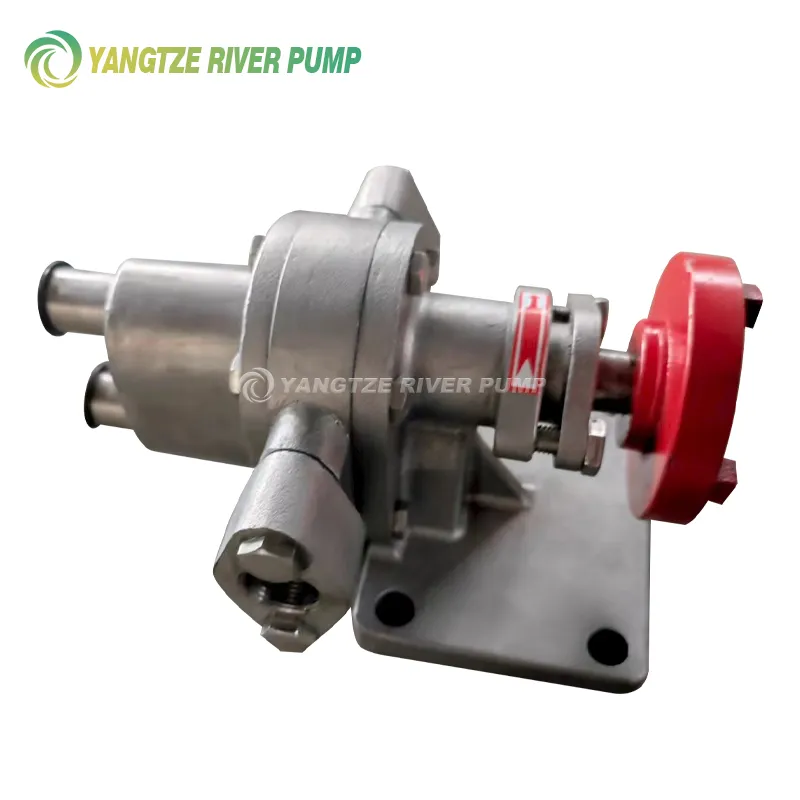 Gear oil pumps type KCB
-
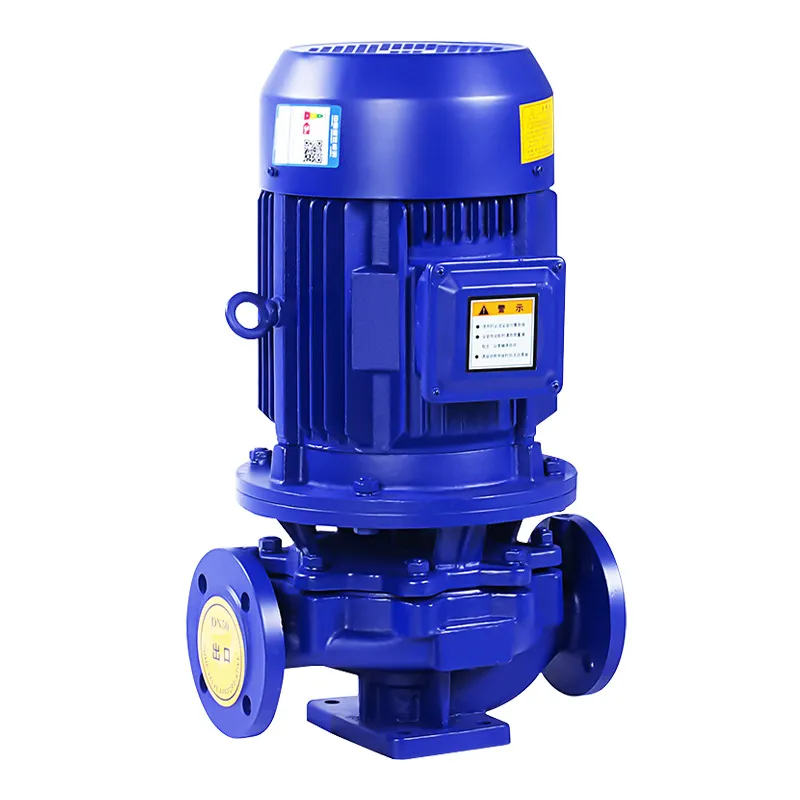 Vertical single-stage pipeline centrifugal pumps ISG and IHG
-
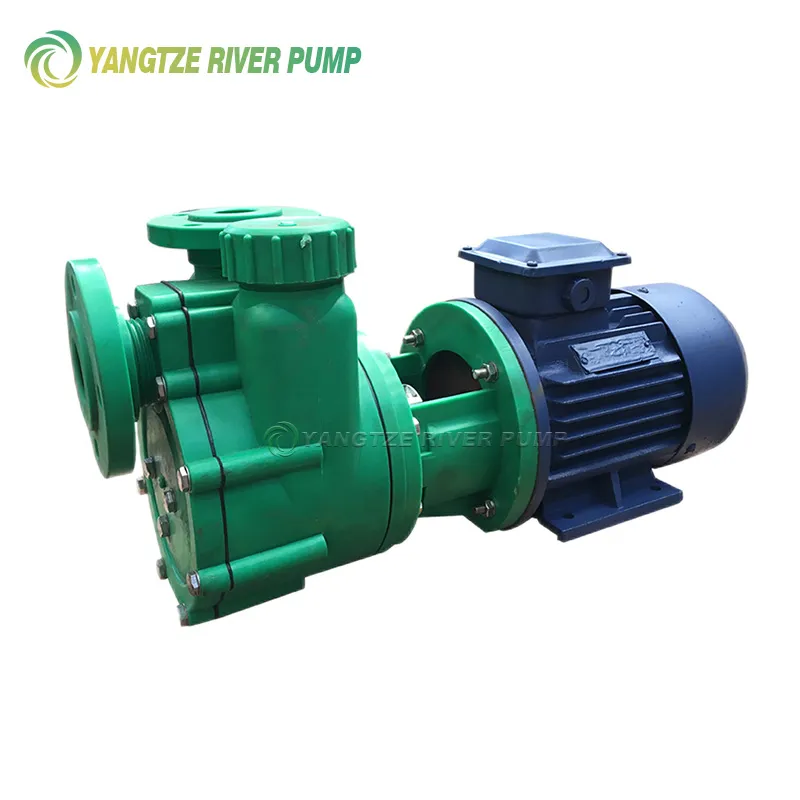 Plastic self-priming centrifugal pumps FP and FS
-
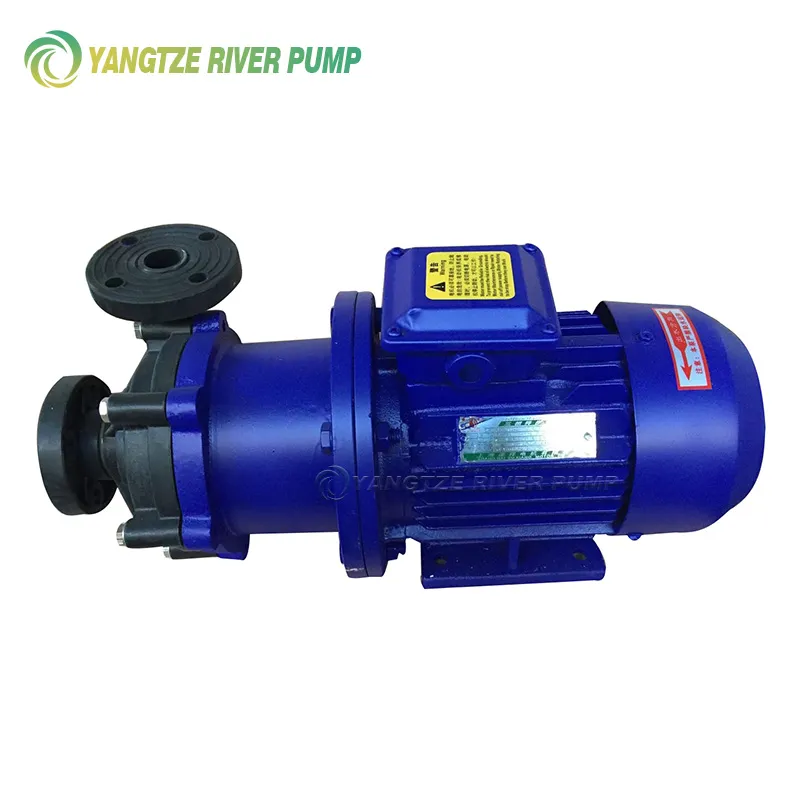 CQF Plastic Magnetic Pumps
-
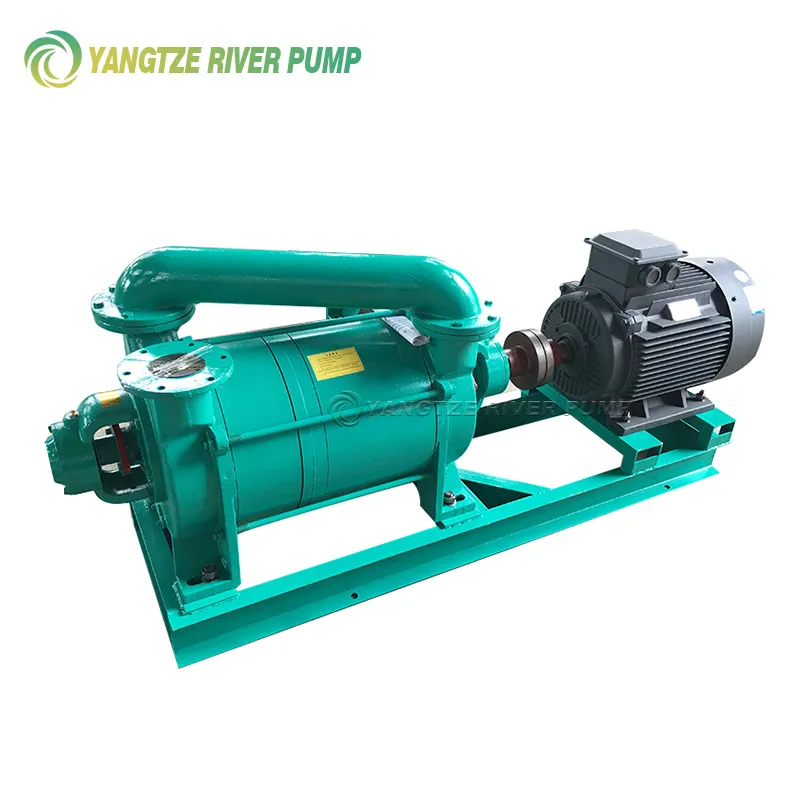 Liquid ring vacuum pumps type 2SK
-
 YCB Type Circular Gear Pumps