







centrifugal pump 0 55 kW
I often hear requests forcentrifugal pump 0 55 kW– and it’s immediately clear that people are looking for something for local tasks, watering, pumping, maybe a little circulation. But here is the first stumbling block: many people think that since the power is modest, then the choice is simple, almost any unit will do. But in reality, it is with these “kids?” Sometimes there is more hassle than with powerful installations. Because errors in selection by pressure, by material, by type of seal are more critical for them - there are no reserves. I stepped on this rake myself when, in pursuit of cheapness, I installed a pump with a conventional gland seal on water with a fine abrasive suspension. A month - and it’s leaking, noise, overheating. I had to convert it to a mechanical seal made of ceramic-graphite, but taking into account the real environment. So 0.55 kW is not a toy, but a full-fledged tool that requires the same thoughtful approach.
Not just a number: what 0.55 kW hides
A power of 0.55 kW is, in fact, a common standard for single-phase 220V networks, a limit beyond which three-phase is often needed. This determines the scope: a summer house, a small workshop, a local water supply or irrigation system. But here is the key point that is being missed: with such power, the efficiency of the unit is critical. The difference is 5-7% between the conditionally “budget” and a well-designed pump results in a constant waste of electricity and, worse, the risk of operating at the limit, with engine overload. I have seen samples where, in order to achieve a nominal head of 20 meters, the motor is already working for wear, with a characteristic hum. And there are models where the hydraulic reserve allows you to work in a comfortable zone. In our line onyangtzeriverpump.ruFor this segment, we rely on optimizing the flow part - we don’t just reduce the size of the wheel from a more powerful model, but recalculate the channels in order to minimize hydraulic losses in this particular range.
Another nuance is the material. Often the customer wants “cheaper”, which means cast iron. But for chemically neutral water - yes, it will do. What if, say, a fertilizer solution or seawater for aquaculture is pumped? Here you already need stainless steel AISI 304 or even 316, or, as an option, a plastic chemical pump. The power is the same, 0.55 kW, but the cost and service life are completely different. We at Zhejiang Yangzijiang Pump Industry Co.,Ltd are following the path of specialization: we also have standard cast ironcentrifugal pumps, and a full line of stainless steel, and those same plastic chemical pumps. This is not for show in the catalogue, but because in practice we have encountered failures due to corrosion and we know where everything is required.
And about the installation. It seems that the lightweight pump can be placed in any way. But no. Vibration from an imbalance of even a small rotor, if it is poorly secured, will eventually break both the pipes and the seal. I always insist on a rigid, level frame or platform. And be sure to have flexible inserts on the suction and pressure so as not to transfer stress to the body. Trifle? On paper - yes. The failure report contains the main reason.
From drawing to reality: testing as a filter
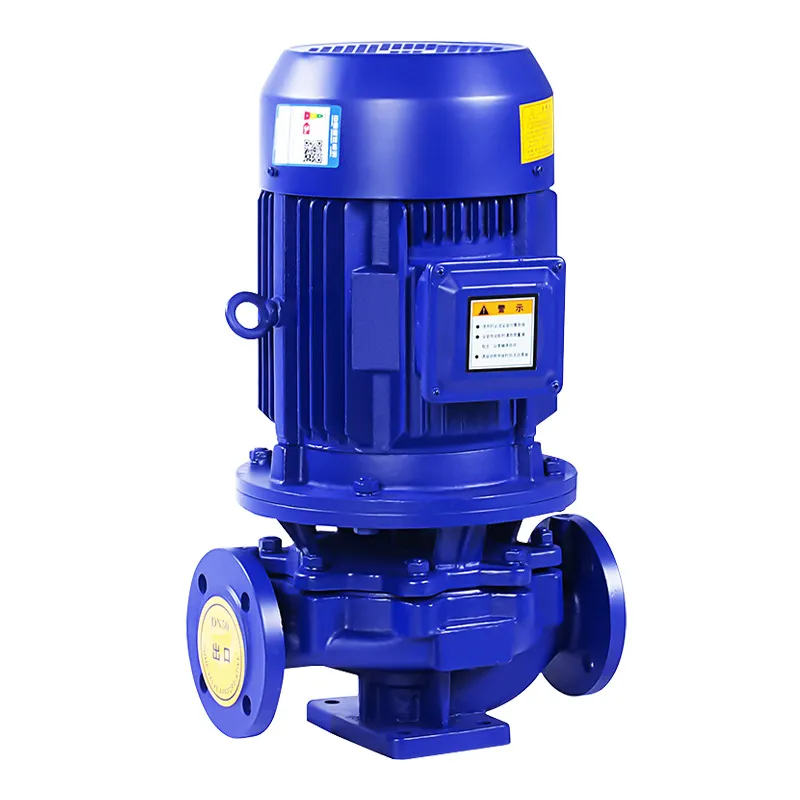
We have eight production lines, and one of the key ones is testing. You can draw a nice Q-H curve forpump 0 55 kWin the catalogue, but how will it behave during power surges in the Russian network or during slight cavitation? Therefore, before launching each type into series, we test it in real conditions. I remember there was a development of a compact linear centrifugal pump just for this power. According to calculations, everything was perfect. And on the test bench, during prolonged operation on a partially closed valve (a typical situation in a control system), the bearing assembly began to overheat. It turned out that the axial loads were distributed incorrectly. I had to go back to the design, strengthen the unit, change the type of bearing. The result was a reliable device, but without these practical “runs”. he would go to a customer with a birth defect.
Tests are not just about water. For chemical pumps, we test on real media, albeit in small volumes. Because the resistance of plastic or stainless steel is different for sulfuric acid and alkali. And this practice was born out of one unpleasant incident many years ago, when a pump, formally suitable for the material, quickly failed due to impurities in the reagent that were not taken into account. Since then, in the form for ordering a chemical pump, we have a dozen clarifying questions about the composition of the medium.
There is also a problem with self-priming models.Centrifugal pump 0.55 kWwith a self-priming function - a very popular item for water supply from wells or containers. But what is important here is not the nameplate suction height, but how quickly it creates a vacuum and how it holds it after turning off. At the stand we measure the time of initial filling and the time during which the vacuum is lost. Because if the pump “throws?” water back after stopping, the user will have to refill it every time - this kills the whole idea of convenience. The design of the check valve and shaft seals was modified precisely because of such field complaints.
Field stories: where theory breaks down
Theory and catalogs are good in an ideal world. In reality, different things happen. I had a case on a small farm. We installed a standard 0.55 kW single-stage centrifugal pump to pump water from the pond for irrigation. Everything according to the passport: pressure, delivery. And two weeks later - a call: “It doesn’t pump?”. When I arrived, the pump was humming, but there was almost no water. They disassembled it - and the impeller and the insides of the chamber were covered with dense silt and algae. The passport does not provide for working with a dirty environment, and the customer simply said “pond water?” This is a classic communication error. I had to install a simple mesh filter on the suction hose and recommend periodic cleaning. And ideally, it was necessary to initially consider a model with larger gaps or evensingle screw pumpfor viscous media, but for it 0.55 kW is already too little power. Lesson: Always find out the details of the environment down to the smallest detail.
Another story is with the heating system in a small house. The 0.55 kW circulation pump worked flawlessly for several years, and then the noise started. We disassembled it - scale and corrosion products from the old system had stuck to the impeller. The problem is not with the pump, but with the fact that the system was not flushed before installation. But for the user, it is the pump that is at fault. Now in the instructions and in conversations with clients, we emphasize: heating systems require flushing and a dirt filter at the inlet. Seems obvious? For a specialist - yes. For a professional installer - not always.
Or here's the montage. I arrived at a site where the pump purchased from us “vibrates?”. I look - it is connected with rigid pipes, plus it is standing on an uneven concrete base, with a piece of wood placed for leveling. I removed the wood chips, installed rubber vibration isolators, replaced sections of the pipes with flexible corrugated hoses - the noise disappeared. Is this often written about in manuals? They write. How often do you read this? No. Therefore, our technical support department spends half of its time remotely helping to install correctly, rather than repair.
Alternatives in the same power class: not only centrifuges
When it comes to 0.55 kW, one immediately thinks of the classiccentrifugal pump. But this is not always optimal. For example, you need to pump a viscous liquid - the same syrup, wort, sludge. The centrifugal pump will already lose pressure, efficiency will drop, and it may jam. This is where membrane (diaphragm) or those same single-screw pumps come into play. They have a smaller feed, but they are not afraid of viscosity and abrasiveness. We have them in our assortment, and for the correct selection we always ask about the viscosity of the medium.
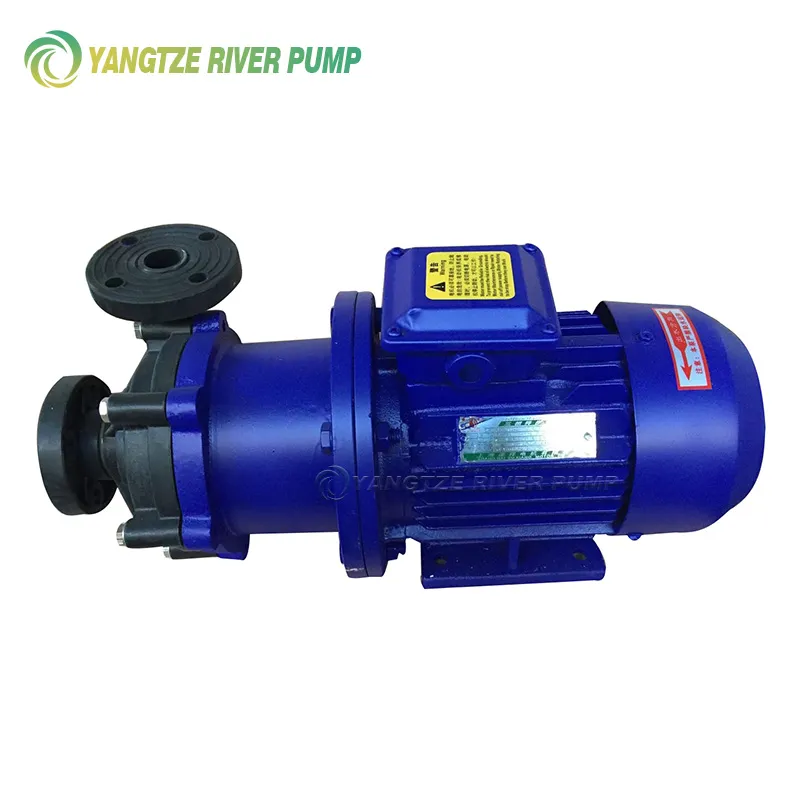
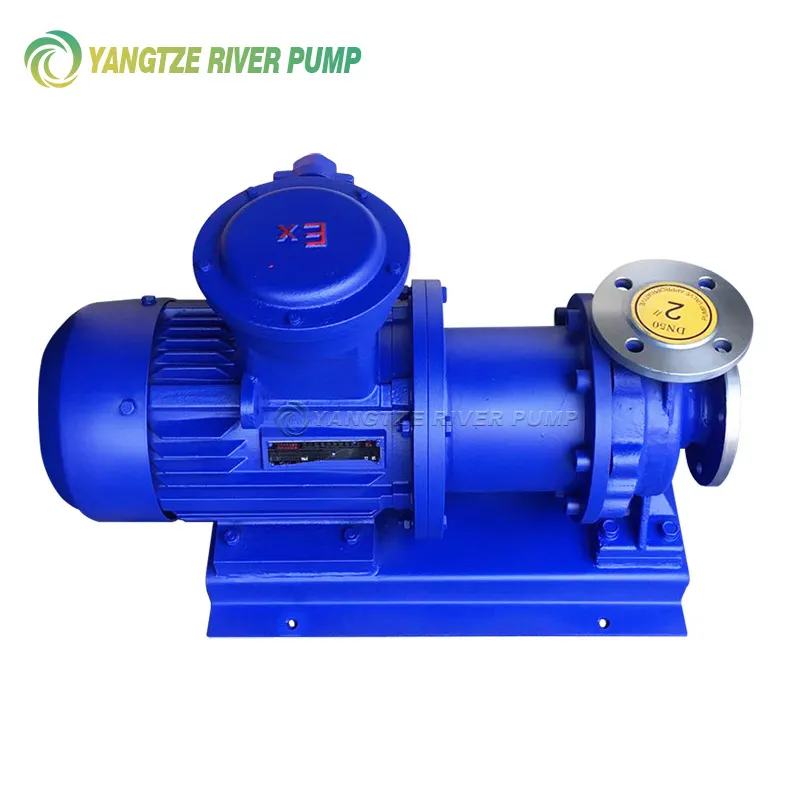
Or a situation with aggressive chemicals. For them, we have plastic chemical pumps and magnetic pumps. A magnetic coupling is generally an elegant solution to the leak problem. There is no mechanical seal to leak - torque is transmitted through a sealed housing. Ideal for hazardous environments. And the power is of the same order, 0.55 kW, but the design and price are different. Often a production technologist wants a magnetic pump for safety, but the buyer looks at the price and offers a regular chemical pump with a mechanical seal. Our job is to explain the risks and long-term savings of no leaks or downtime.
Another frequent guest in this class is submersible pumps. But here 0.55 kW is, as a rule, already for wells or drainage. The operating principle is different, the motor is cooled by the pumped medium. And the key here is the material and protection class. For drainage with sand, you need a wear-resistant impeller material, but for clean water, something simpler is possible. We produce these too, and it is important not to confuse the areas of application. A drainage pump placed in a well for drinking water will quickly disable it due to suspended matter, and a well pump in a dirty pit will overheat and burn out.
Service as a continuation of production
Many manufacturers, especially large ones, view the sale of the pump as the final point. Here at Zhejiang Yangzijiang Pumping Industry Co., Ltd. it is different. Eight lines are not only about volume, but also about a closed cycle. The R&D department receives feedback from service engineers and even directly from customers on the websiteyangtzeriverpump.ru. Every emergency situation, every failure is information for improvement.
For example, we received a series of complaints about increased noise from one modelpump 0 55 kWwithin a certain range of operating points. The service guys collected the data and sent it to production. Engineers at the test bench reproduced the mode and carried out vibration diagnostics. It turned out that the resonant frequency from the impeller blades coincided with the frequency of the engine bracket structure. In the next batch, they changed the thickness of the bracket ribs and shifted this frequency - the problem went away. Without well-functioning feedback, such a microscopic, but important for the user, defect would have wandered from batch to batch.
Or for spare parts. For pumps that we produce for five to seven years, we guarantee the availability of basic spare parts - mechanical seals, bearing units, impellers. This is not always beneficial in terms of inventory, but it is a matter of responsibility. A client who bought a pump from us in 2018 should be able to repair it in 2024. This builds trust, which is more important than one-time margin.
As a result, returning to ourcentrifugal pump 0.55 kW. This is not just a product item with a price. This is a node in the system that should work for years. His choice is an analysis of the environment, pressure, operating mode, and installation conditions. Its production is not stamping, but calculation, testing and readiness for modifications. Its life after sale is support and availability of spare parts. And when all these links come together, you get not just a pump, but a reliable tool that you eventually forget about - because it just works. And this, perhaps, is the best assessment.
Correspondingproducts
Related Products

Best Sellingproducts
Best Selling Products-
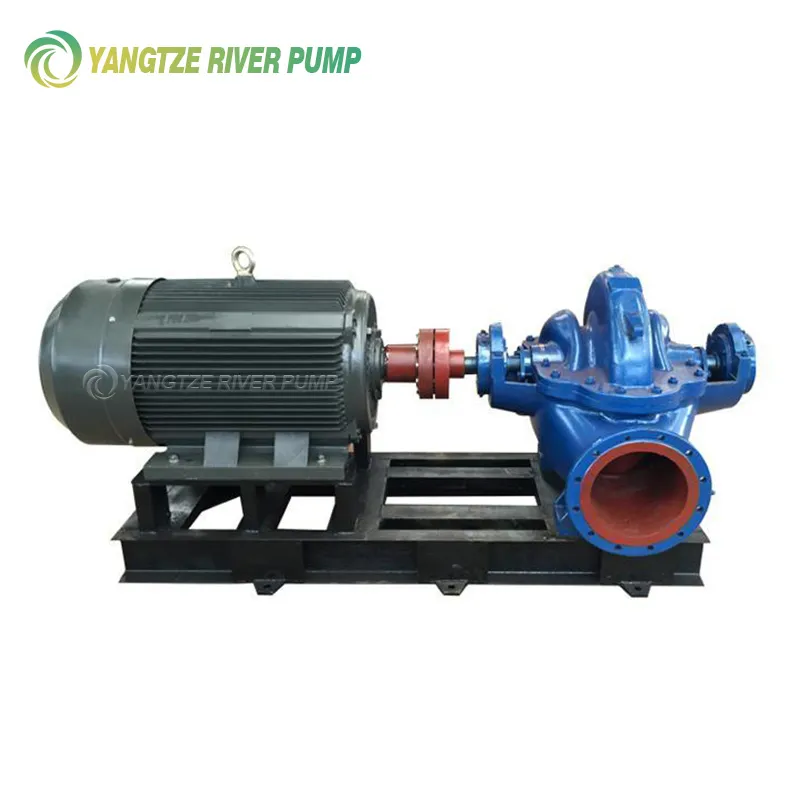 Single Stage Double Entry Centrifugal Pumps Type S
-
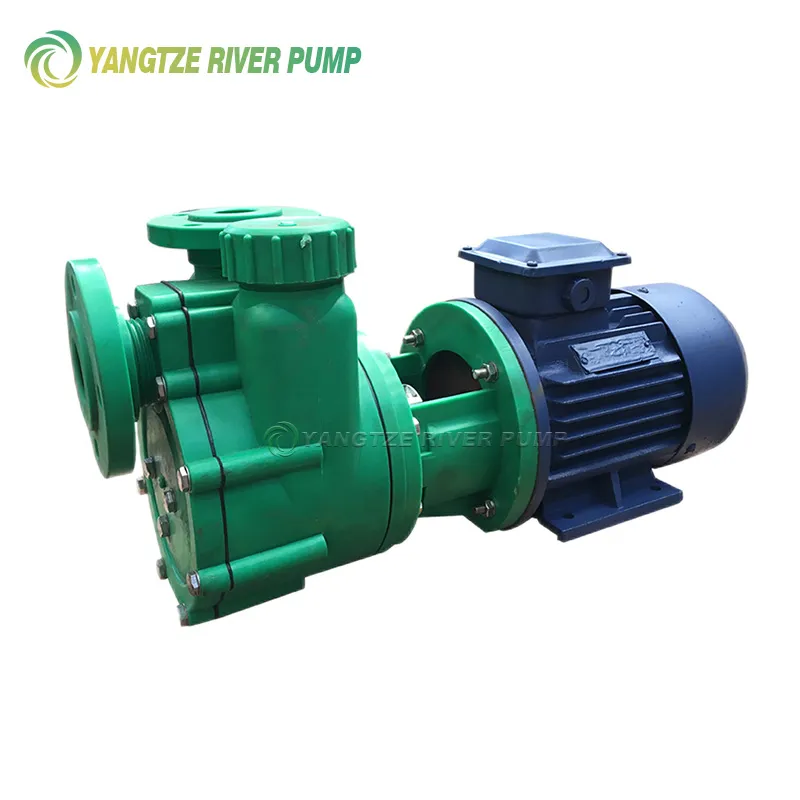 Plastic self-priming centrifugal pumps FP and FS
-
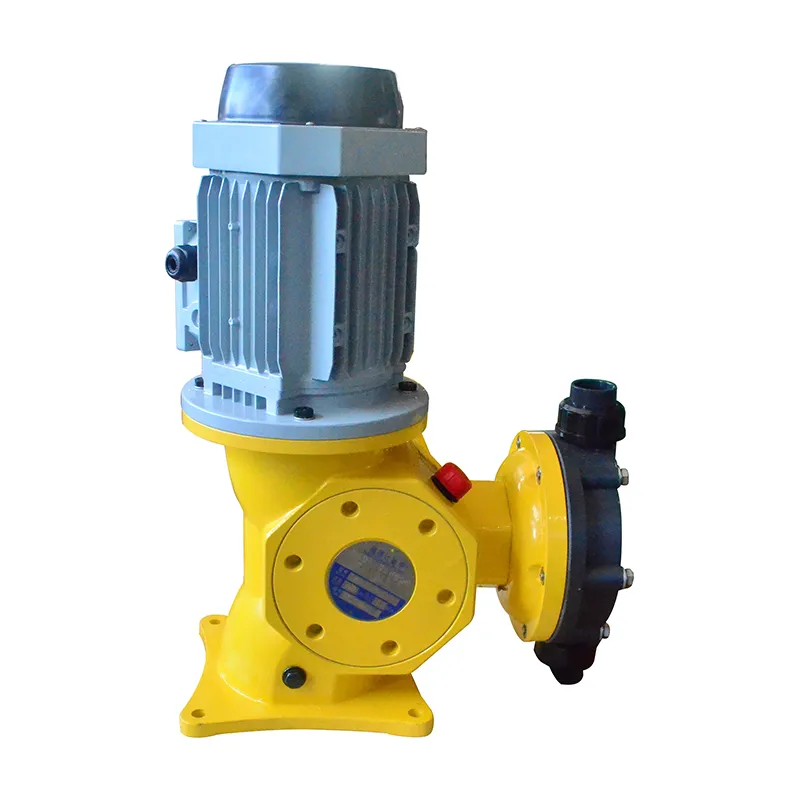 Mechanical diaphragm dosing pumps DJ-Z
-
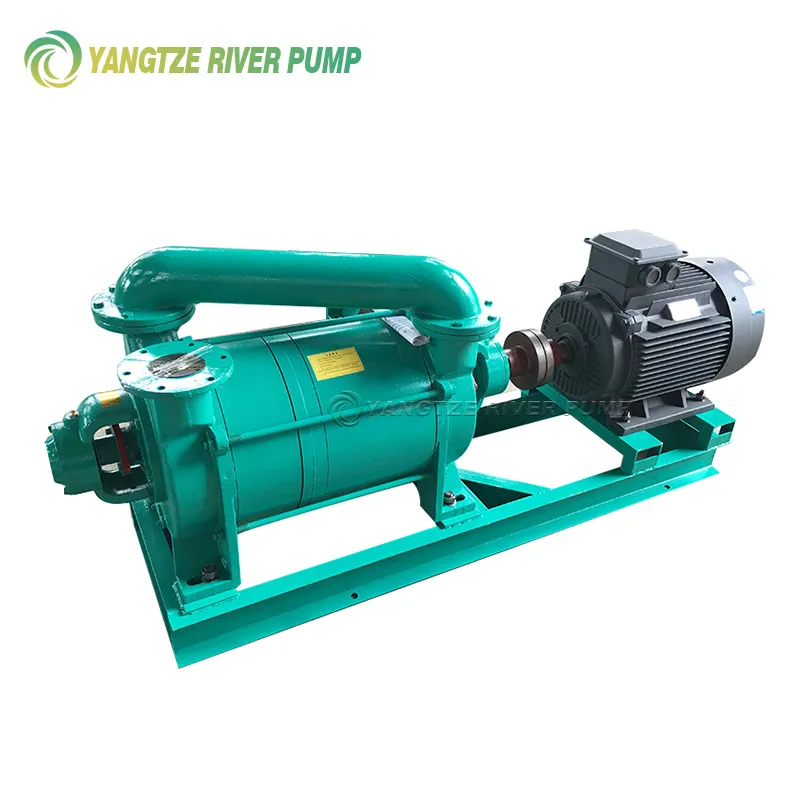 Liquid ring vacuum pumps type 2SK
-
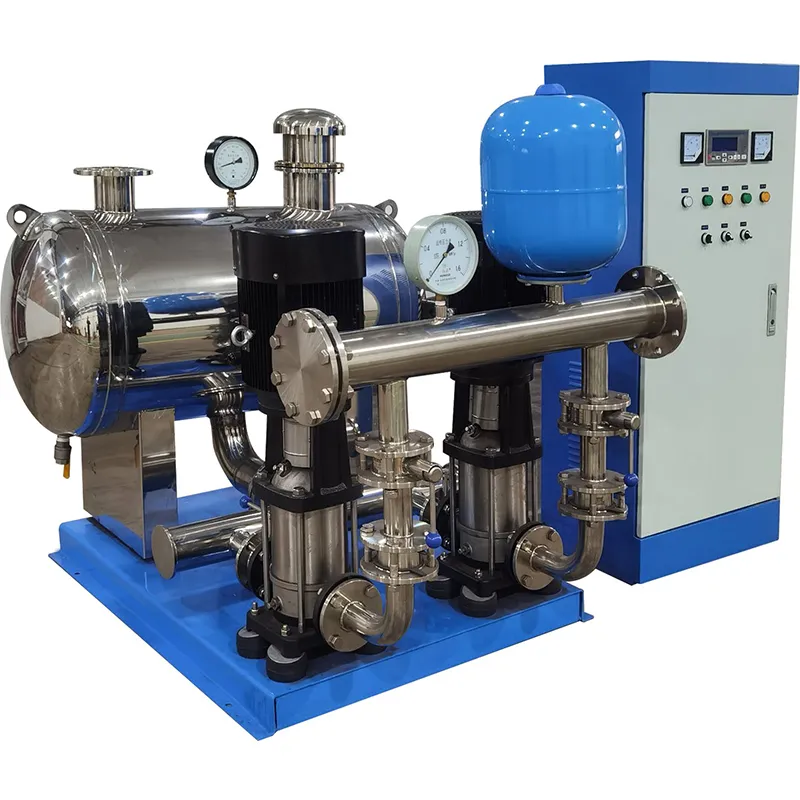 Complete water supply installations with frequency regulation and constant pressure CDLF
-
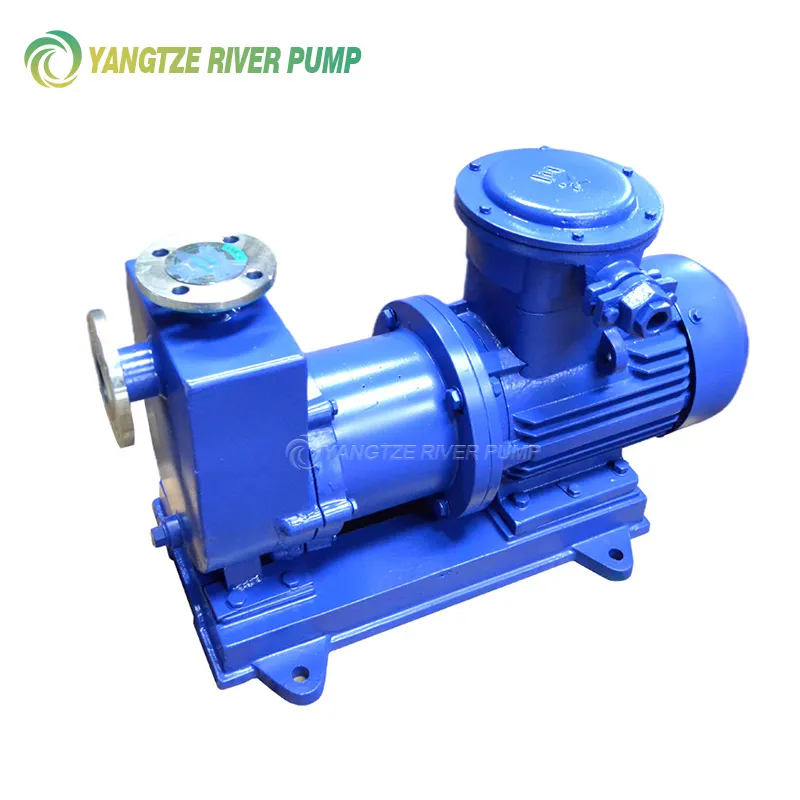 ZCQ Stainless Steel Self-Priming Magnetic Pumps
-
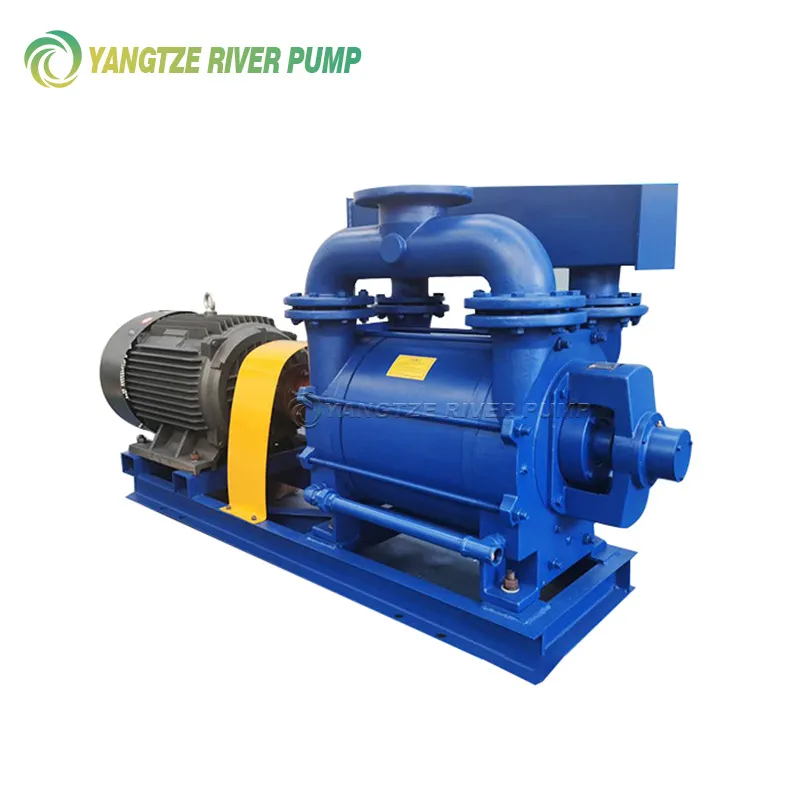 Liquid ring vacuum pumps type 2EB
-
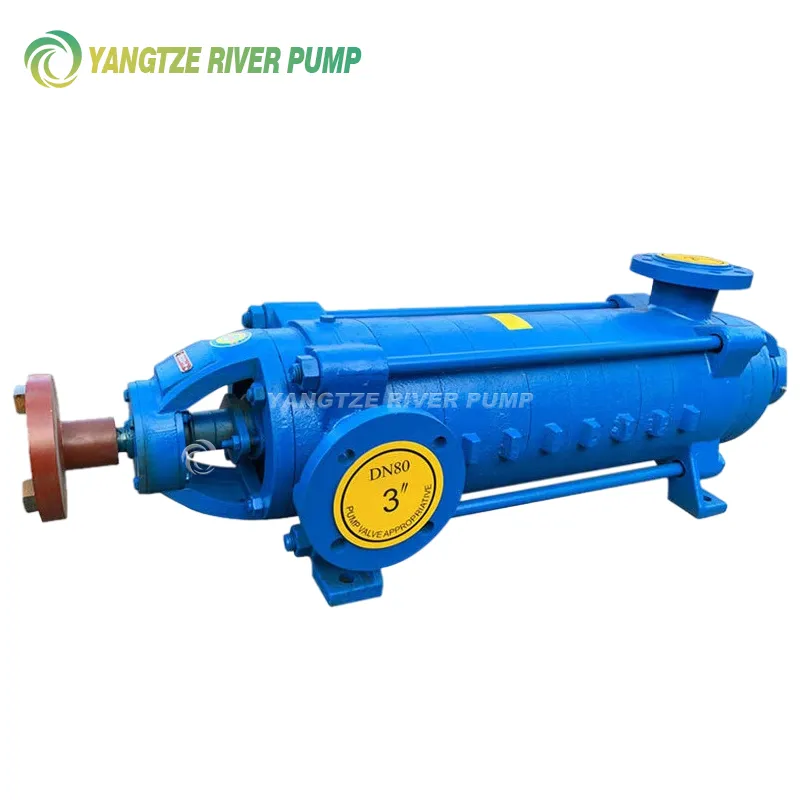 Horizontal multistage centrifugal pumps type D
-
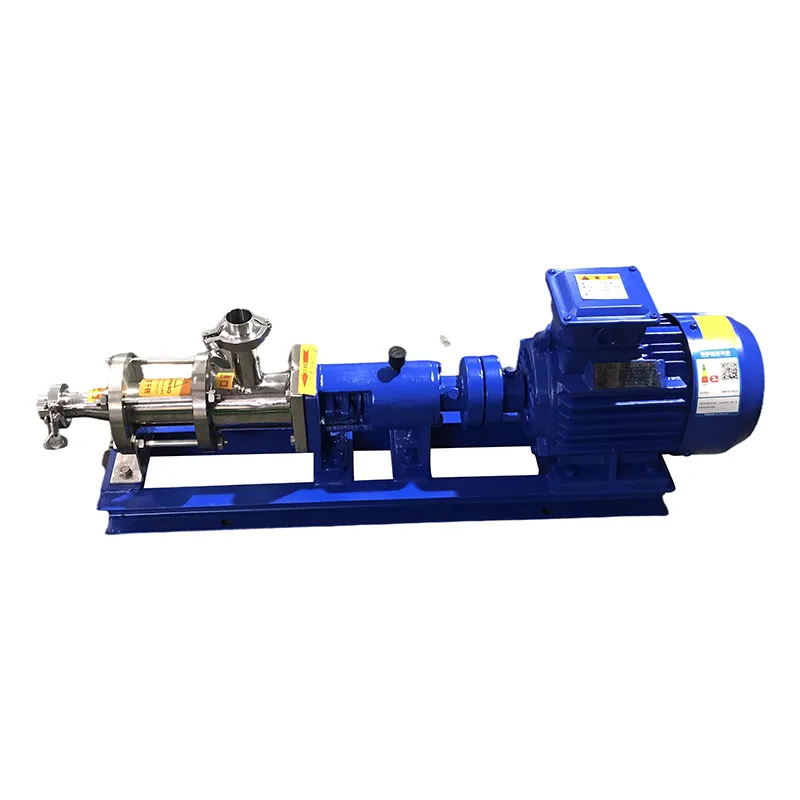 Sanitary screw pumps type GF
-
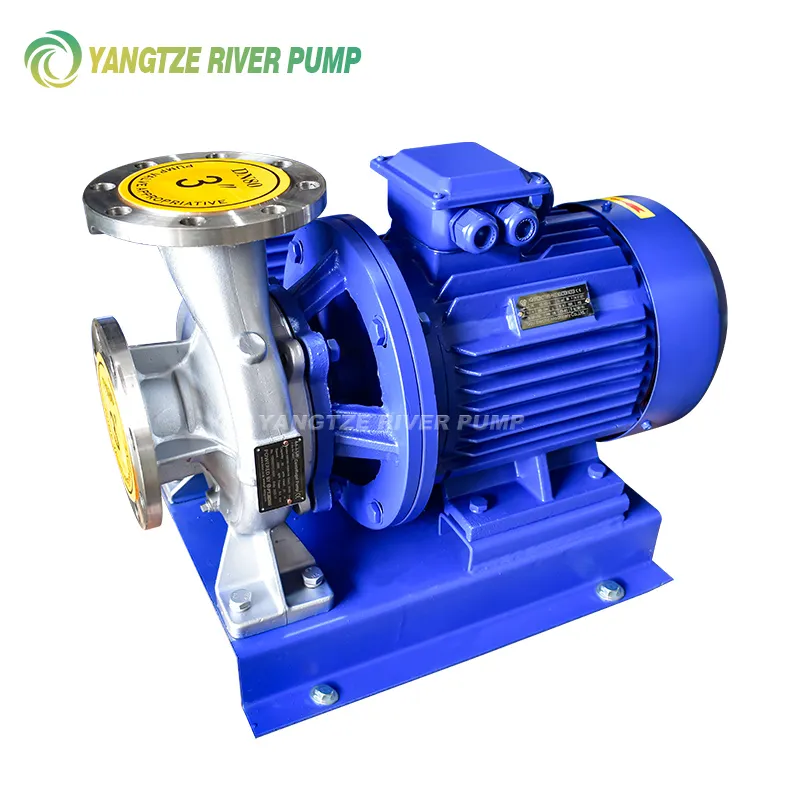 ISW and ISWH Single Stage Horizontal Pipeline Centrifugal Pumps
-
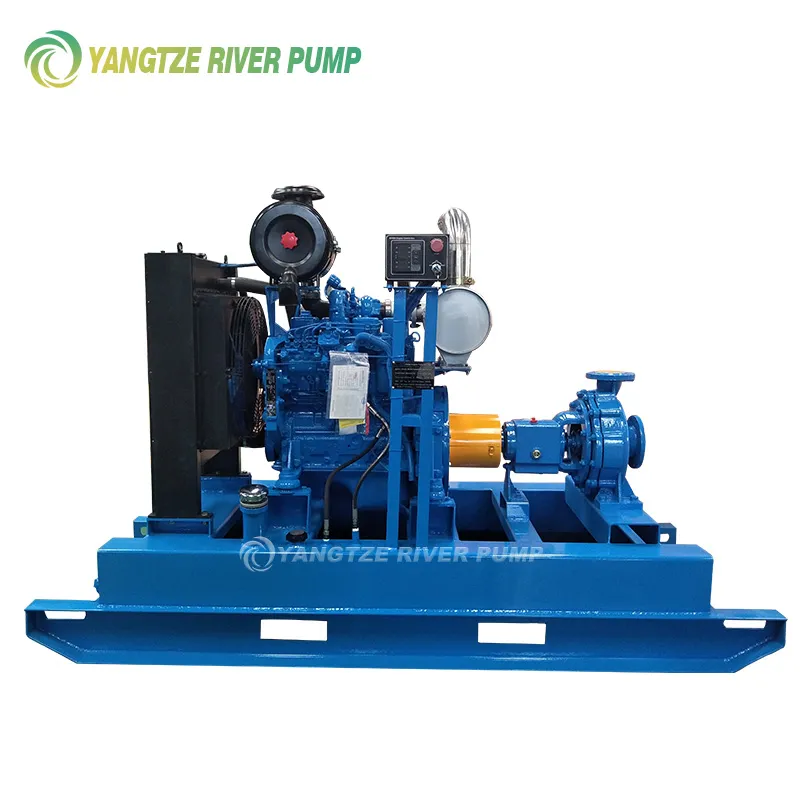 YZIS Diesel Single Stage Centrifugal Pumps
-
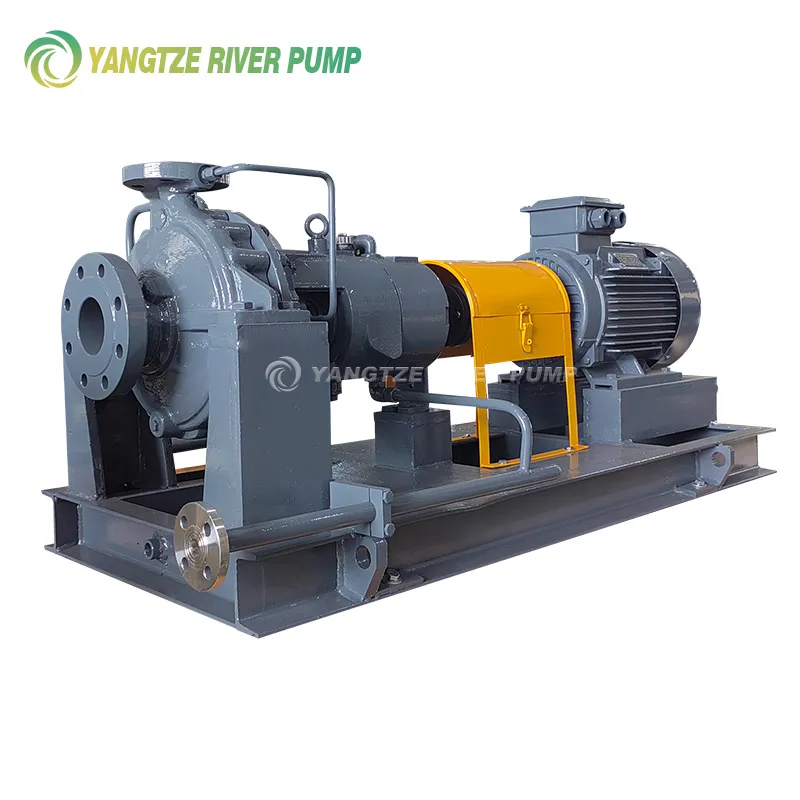 Petrochemical Process Pumps API 610 YZE