







deep well pump 90 meters
When they say “90 meter deep well pump”, many people immediately think of a specific model or brand. But in practice, this is more of a technical task, a whole set of conditions where depth is only one parameter, and often not the most tricky one. The main mistake is to assume that any pump with this marking will do. The reality is more complicated: there is the well’s flow rate, the static/dynamic level, the composition of the water, and the required pressure. The most expensive pump can fail in a month if you do not take into account, for example, a high sand content or an aggressive environment.
From numbers to reality: what the depth of 90 meters hides
So, 90 meters. This is already a serious depth, suggesting the use of multi-stage submersible pumps. Single-stage ones here, as a rule, cannot cope with the necessary pressure. It is important to understand: the pump does not stand on the bottom. It is installed with a margin below the dynamic level, usually 5-10 meters, so that it is always flooded. Therefore, if you have a dynamic level of 80 meters, then the actual immersion depth of the pump will be about 85-90 meters, but the total depth of the well may be greater. Confusion about these terms is a common cause of poor choices.
The pump operates under high pressure conditions at this depth. Therefore, the housing, most often made of stainless steel, must be designed for this. But material is not a panacea. The key is the quality of assembly and balancing of the impellers. Vibration at great depths is destructive. In ourZhejiang Yangzijiang Pumping Industry Co.,Ltdon test benches eachdeep well pumpis tested for vibration resistance under load simulating different depths. This is not just “watering”, but a long cycle with measurements. Without this, it’s a lottery.
Another nuance is the electric motor. At depth, cooling occurs only by flowing water. If the well flow rate is low and the pump is powerful, the motor may overheat. Therefore, it is always necessary to compare the performance of the pump with the capabilities of the well. Sometimes it is better to take a model with a slightly lower productivity, but which will work stably, than one that will squeeze everything out of the well in five minutes and stand “dry”.
Sand, iron, aggressive environment: invisible enemies
A depth of 90 meters does not guarantee clean water. Often it is at such horizons that a high content of dissolved iron or fine sand is found. Conventional impellers made of technopolymer or even stainless steel wear out catastrophically quickly when exposed to constant exposure to abrasives. For such cases, our range includes models with wear-resistant wheels made of special composites. This is not marketing, but a severe necessity. I remember an incident at a site in the Tver region: a 95-meter well, water and sand. They installed a standard pump, but over the course of the season the wheels became trash. After analysis, we installed a model with reinforced elements - it has been working for the third year without any complaints.
With chemical aggression it is more difficult. If the water has high chloride levels or low pH, even 304 stainless steel may not hold up. Requires 316 steel or optionally a plastic housing for chemical applications. We also have such solutions in our line of plastic chemical pumps, but for deep problems these are, of course, individual and more complex projects. Here you cannot do without a detailed water analysis. Advice: put something thicker? doesn't work.
Installation and operation: where the risks lie
The most reliable equipment can be killed at the installation stage. For a depth of 90 meters, a high-quality cable, correct piping, protection against backflow and water hammer are critical. The cable must be submersible, with reliable sealing of the input. A common mistake is saving on a low-power cable. At great depths, the voltage drop can be significant, the engine does not reach rated power, overheats and burns out. We always select the cable cross-section with a margin, especially for three-phase models.
Automation is a separate topic. A simple pressure switch is often not enough here. We need protection against dry running and, preferably, frequency conversion for a smooth start. Sharp starts under load at such a depth create enormous stress on the mechanics. The frequency converter prolongs the life of the pump several times, although it increases the initial costs. On our websiteyangtzeriverpump.ruIn the product sections we try to give not just specifications, but practical recommendations for tying.
Service? In theory, with proper selection and installation, it is almost non-existent. But reality makes adjustments. Once every year or two, it is advisable to lift and inspect: the condition of the cable, cable, and check the insulation resistance. If the pump suddenly begins to produce less pressure or turn on more often, this is a clear signal. You can’t delay, otherwise the next stage is major repairs or replacement.
Production experience: why the full cycle is important
Our companyZhejiang Yangzijiang Pumping Industry Co.,Ltd, was originally built around a full cycle. This is not just an assembly shop. In-house R&D, casting, machining, bench testing - all in one place. What this means for the end user is that the 90 meter pump has been designed and tested as a complete system. The engine and hydraulic part are balanced under each other, and not joined together from what was in the warehouse.
Eight production lines provide the flexibility to respond to specific requests. Neededsubmersible pumpfor a well with a non-standard casing diameter? Or an increased number of stages for more pressure at the same depth? Such modifications are possible. This is the advantage of own production over pure trade in ready-made brands. We can ?tweak? parameters for a real task, and not offer only what is in the catalog.
The test bench is sacred. Each deep well pump is tested for performance and pressure before shipment. We actually construct a characteristic curve for it. This allows you to eliminate defects and, more importantly, make sure that the parameters correspond to the passport parameters. For the client, this is insurance against the situation “they delivered, but there is not enough pressure?”.
Choice and outcome: not a model, but a solution
Let's go back to the beginning. ?Deep pump 90 meters? - this is not the name of the product. This is the task. Its solution begins with a well passport (if it doesn’t exist, with measurements) and an understanding of water consumption needs. Only then comes the selection of a model from the lines: multi-stage centrifugal for clean water, options with reinforced elements for abrasive.
Our role as a manufacturer is to provide a reliable tool for these conditions and give clear instructions for its use. Information onyangtzeriverpump.ru- just the first step. Next comes consultation, selection, and, if necessary, adaptation of equipment. Because success at a depth of 90 meters is determined not at the time of purchase, but after years of stable operation without unnecessary hassle. And this is exactly the result we strive for.
Ultimately, the right sump pump is the one you forget about once installed. It simply works, supplying water at the required pressure. This can only be achieved with an integrated approach: accurate data, competent selection, high-quality equipment and careful installation. If you miss one element, the whole chain fails. Experience, alas, is often bitter, but it is precisely this experience that teaches you not to pursue simple answers to complex questions.
Correspondingproducts
Related Products

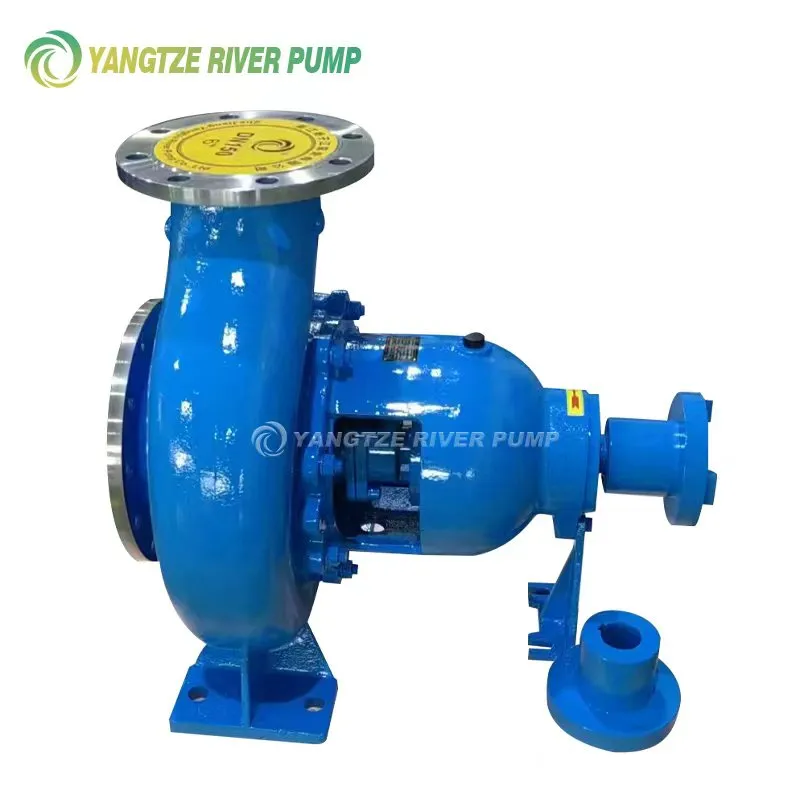



Best Sellingproducts
Best Selling Products-
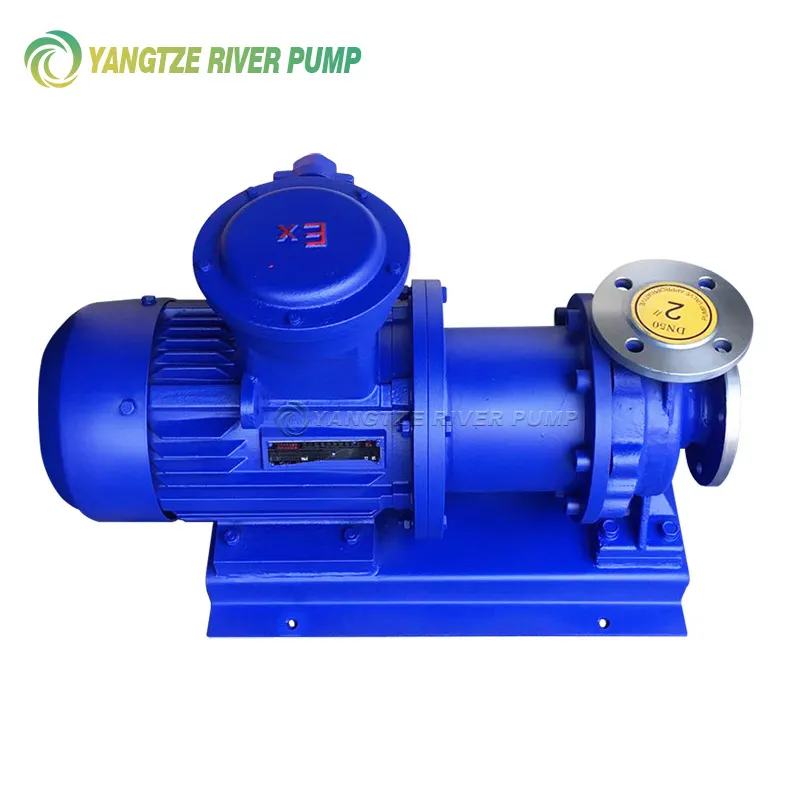
 CQF Plastic Magnetic Pumps
-
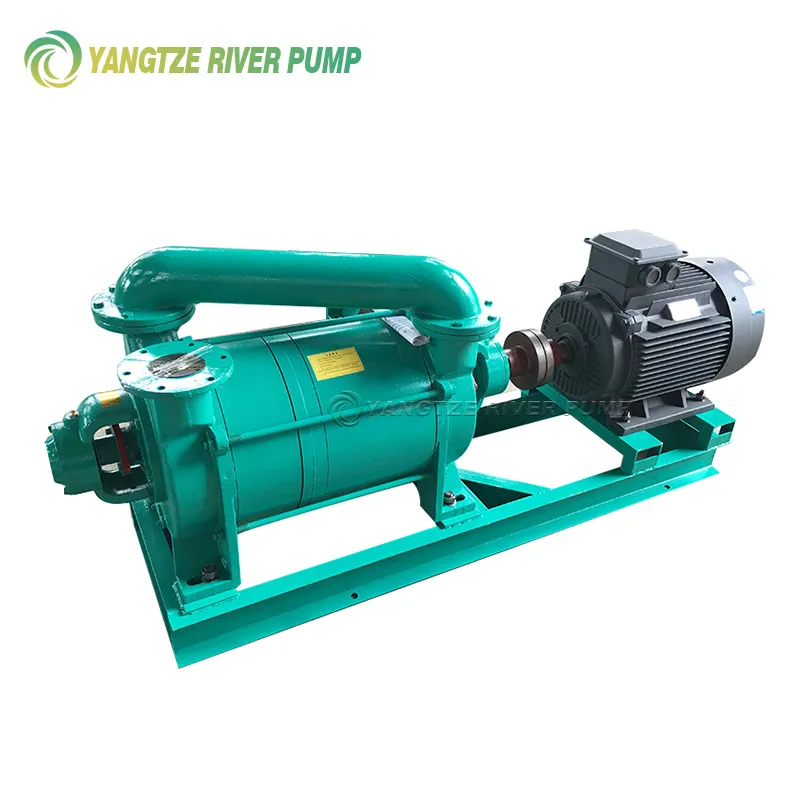 Liquid ring vacuum pumps type 2SK
-
 YCB Type Circular Gear Pumps
-
 Horizontal multistage centrifugal pumps type D
-
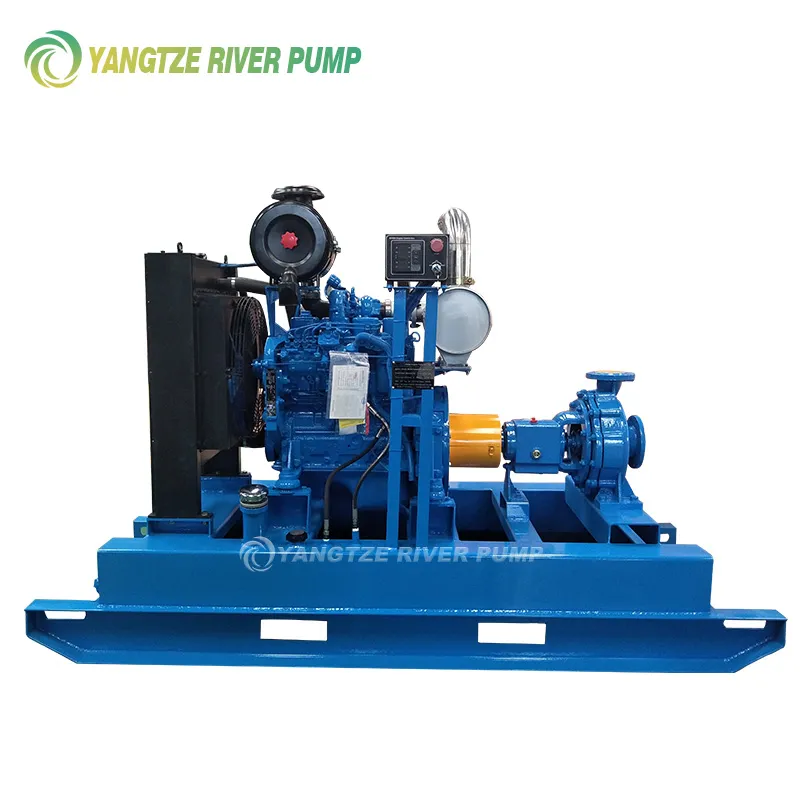 YZIS Diesel Single Stage Centrifugal Pumps
-
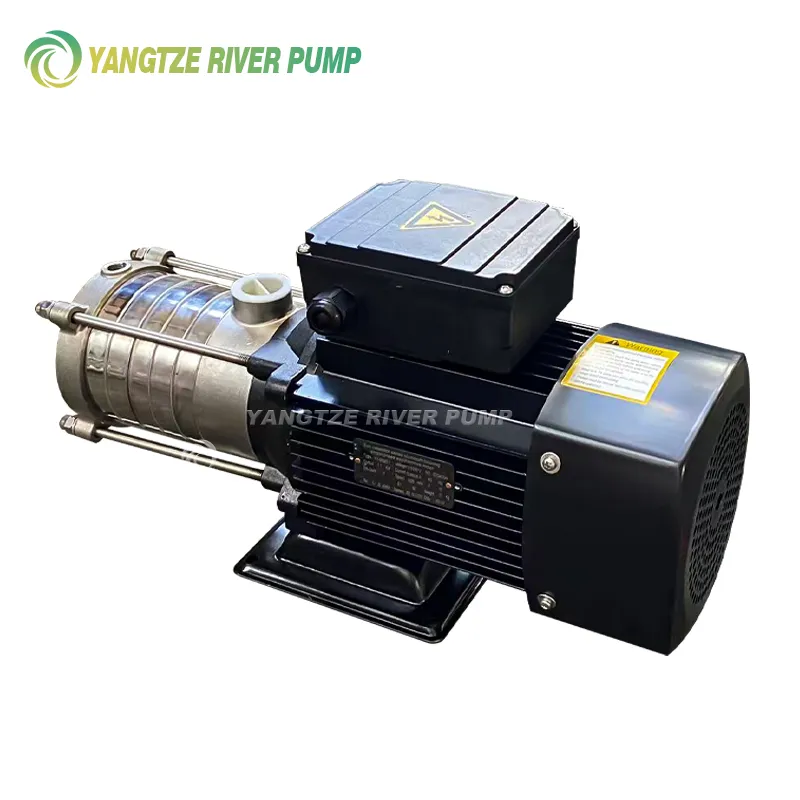 Horizontal multistage centrifugal pumps (light series) CHL and CHLF
-
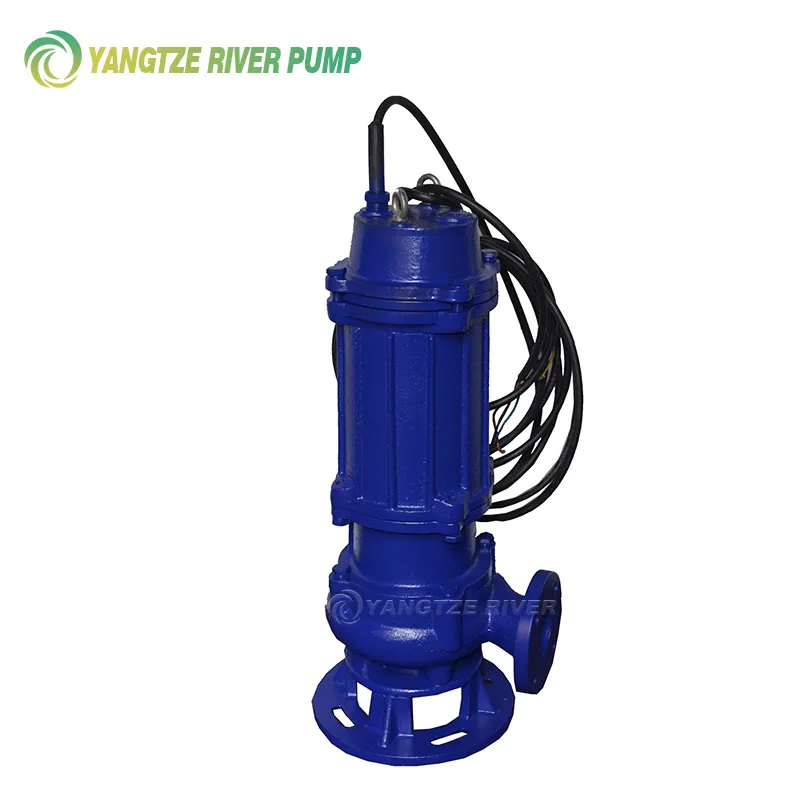 QW Non-clogging Submersible Sewage Pumps
-
 YCZ Chemical Process Pumps
-
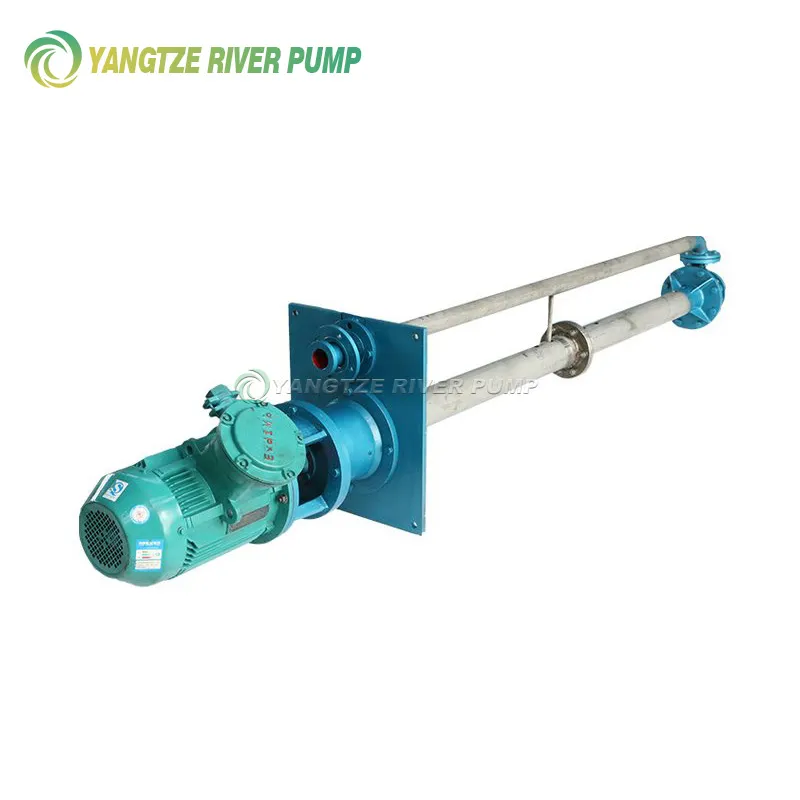 FY Submersible Chemical Pumps
-
 Sanitary screw pumps type GF
-
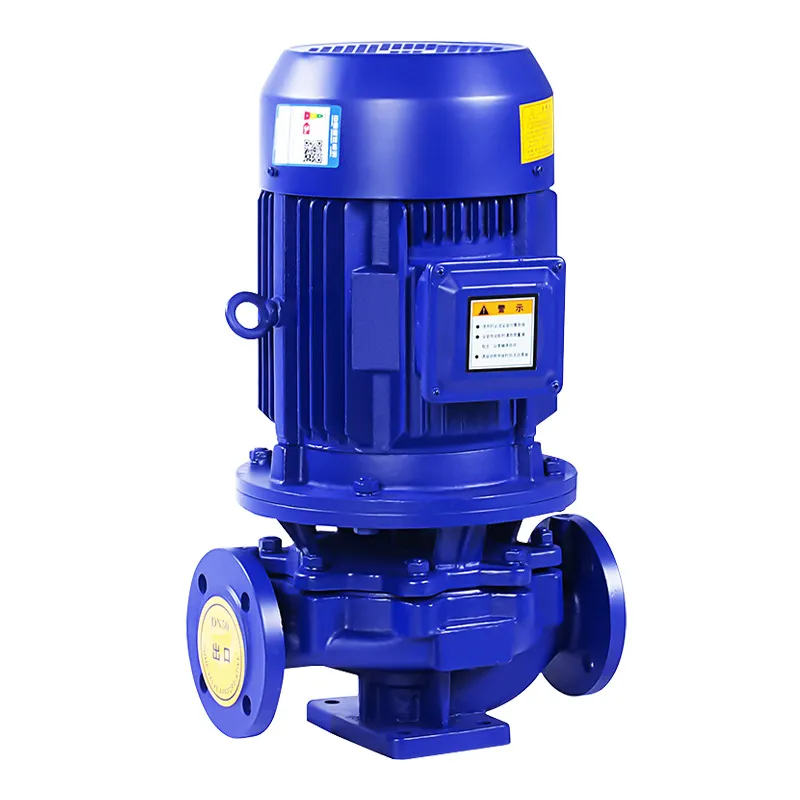 Vertical single-stage pipeline centrifugal pumps ISG and IHG
-
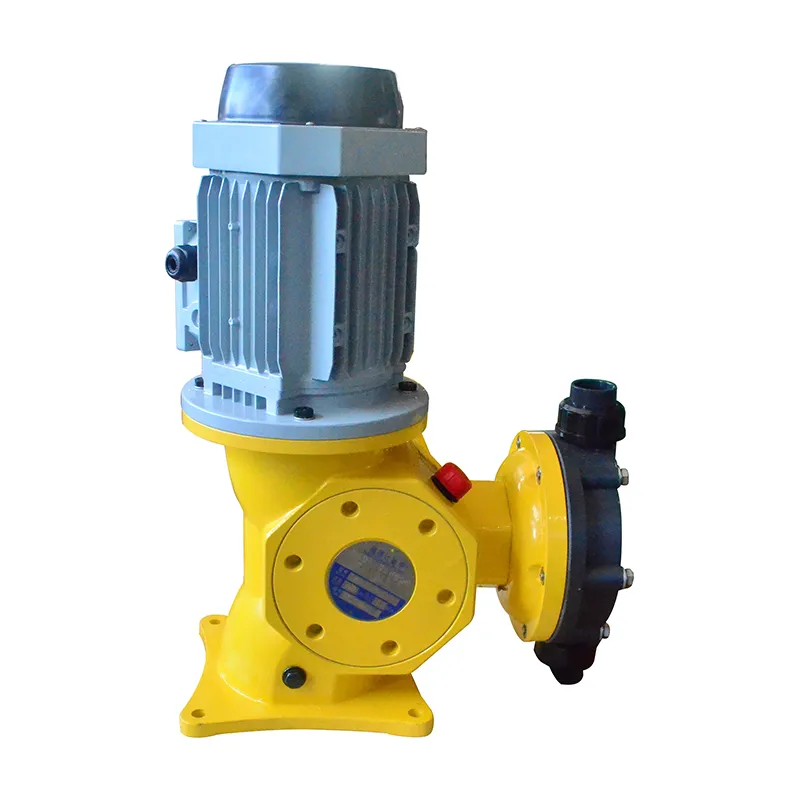 Mechanical diaphragm dosing pumps DJ-Z