







production of vertical centrifugal pumps
When talking about the production of vertical centrifugal pumps, they often boil it down to assembly patterns and tolerances. But in fact, the key begins earlier - with an understanding of where and how this machine will work. Many people, especially at the start, strive for versatility, and then wonder why a pump with clean water in a workshop and at the same facility, but with an abrasive suspension, behaves differently. We at Zhejiang Yangzijiang Pumping Industry LLC have gone through this: eight lines are not just an area, but rather a necessity, so as not to do “average” ones. solutions. Because a vertical centrifugal pump for chemicals and for water supply are, in fact, different products.
From idea to metal: why R&D is not just calculations
Our development department often argues. Not about formulas - everyone knows them. And about exactly what conditions are considered “standard”? Let’s say a customer from a mining and processing plant sends technical specifications: neededvertical centrifugal pumpfor pumping pulp. Temperature is normal, pressure is average. But if we just take a standard project and make the body thicker, in six months we will receive a call about production. Because the technical specifications did not indicate the size of solid particles and their concentration, and this decides everything. We now always ask for a sample of the medium if there is the slightest doubt. It's better to spend time testing than to deal with the warranty later.
One of our engineers once said: “A good pump starts with a bad case.” I was referring to our experience about ten years ago, when we installed a batch of pumps at a facility where there were voltage surges. On paper everything was fine, but the engines overheated. Since then, the test program has included an imitation of “dirty?” power supply This is the very practice that you will not find in textbooks onproduction of centrifugal pumps.
By the way, about materials. For vertical structures, where the shaft is longer than that of horizontal counterparts, not only strength is critical, but also fatigue endurance. We tried several grades of stainless steel before settling on an option that behaves well not only in static conditions, but also under long-term cyclic loads. This is especially important for pumps that operate frequently, such as in automatic fire extinguishing systems.
Assembly shop: where theory meets hands
Even a perfect shaft can be ruined by improperly seated bearings. We have a rule on the assembly line of vertical pumps: critical components are assembled by two people - one does it, the second checks the gaps. It sounds simple, but it saved a lot of time on eliminating vibrations. The most common problem at the start is rotor imbalance. It would seem that there is a balancing machine, everything should be fine. But if you do not remove chips from the internal cavities of the impeller before balancing, noise will appear after a couple of hours of operation. Trifle? Yes. But it is precisely these little things that make up a resource.
Seals are a separate story. For chemical pumps, which we also make, this is a completely separate science. But even for conventional vertical water pumps, the choice between a gland seal and a mechanical seal is not a matter of price, but a matter of on-site service. If the customer is a large plant with its own staff of mechanics, you can install an oil seal; it is easier to maintain in the field. If the pump goes to a remote village where there are no specialists, we insist on an end pump - there is less risk of leaks due to improper maintenance. We always tell our clients about this at the project discussion stage; information on selection can always be clarified on our websiteyangtzeriverpump.ru.
Welding the housings is another point. Automatic welding produces a beautiful seam, but for complex spatial seams in large casings of vertical pumps, it is often necessary to involve hand-handlers. The control here is not only visual; we definitely do selective ultrasonic flaw detection, especially in high-voltage areas. I remember a case when a microcrack in a camera weld made itself felt only after a year of operation - it’s good that we were able to promptly replace the unit under warranty. After this, the control regulations were revised.
Tests: not for show, but for data
Our testing station is essentially a testing ground. Everyone races herevertical centrifugal pumpnot only at the nominal mode, but also at the maximum parameters. Sometimes customers ask for test reports - and rightly so. But in these protocols there is a column that many do not read: “work in off-design mode?”. We deliberately “crush” it for a short time. pump or force it to work with cavitation, removing vibroacoustic characteristics. This helps predict what will happen if a failure occurs on site and the pump operates under incorrect conditions for some time. This data then helps to refine the design.
For pumps that are exported, we add climate tests. It would seem that metal is metal. But when a vertical pump, assembled at +20, is exposed to frost of -30, there may be surprises with fit and lubrication. Once there was a claim from Kazakhstan - a shaft jammed in the cold. It turned out that the specification did not take into account the type of thickener in the bearing lubricant. Now this is a mandatory item in the questionnaire for customers from cold regions.
Durability tests are the longest. For a week, or even a month, the pump can operate on the stand in cyclic mode. The goal is not to wait for a breakdown, but to record trends: how vibration, temperature, and current consumption change. Using this data, you can predict the service interval quite accurately. This is valuable information for the client, which we transmit along with the product passport.
From workshop to site: logistics and installation
A vertical pump is a large and often heavy thing. Errors in fastening during transportation can lead to deformation of the foundation slab or the housing itself. We have developed our own schemes for mounting pumps on wooden carriages, which dampen vibration while traveling. Previously, they used ordinary steel slings, but after a couple of incidents with dents on the body from too tight a tie, they switched to nylon belts with soft rings.
But the main thing begins at the site. Often, installers, without reading the instructions, place the pump on an unleveled foundation, and then are surprised at the misalignment. We even began making “top” marks on the foundation slabs in large letters. and places for anchor bolts. It seems like a small thing. But the number of warranty cases due to improper installation has decreased by almost a third. Sometimes we go to commissioning ourselves, especially if the object is complex. It’s expensive, but we see everything with our own eyes and then we can finalize the documentation or even the design.
One of the most useful practices is feedback from service engineers. They see what breaks in real life in a year, two, five years. For example, they came up with the idea of making inspection windows in the shaft casings of tall pumps, so as not to disassemble half the structure for visual inspection of the seals. This is now standard for our vertical models from two meters high.
Evolution of the product range: from water to chemistry
We started, like many people, with water pumps. But the market forces us to develop. Now our portfolio, as indicated in the company description, no longer only includes single- and multi-stage centrifugal pumps, but also magnetic, plastic chemical, and diaphragm pumps. This is not just a “line extension”. This is a response to various technological challenges.Production of vertical centrifugal pumpsfor the chemical industry it is a separate world with other materials (polypropylene, ETFE), other standards of tightness and safety.
For example, we had to completely rebuild the line for plastic pumps: cleanliness of the workshop, control of static electricity when working with polymer workpieces, and other welding modes. But now we can solve problems where metal is not suitable due to aggressive environments. And here the vertical design is often critical - it saves space in cramped technological areas of chemical plants.
The most difficult transition was to magnetic pumps. The idea of eliminating the mechanical seal and leaks due to the magnetic coupling is excellent. But it has its own nuances: precision manufacturing of magnets, balancing, combating heating from eddy currents. The first samples heated up more than calculated. It was necessary to change the material of the clutch chamber shell and modify the cooling system. Now it is a stable product, but the journey took more than two years.
Ultimately, what is modern?production of vertical centrifugal pumpsfor us at Zhejiang Yangzijiang Co.,Ltd? It's not just a machine shop anymore. This is a complex where engineering ideas from the R&D department are tested on benches, implemented on eight lines taking into account past mistakes, and then refined based on feedback from real objects. The main conclusion that can be drawn is that there is no ideal pump. There is an optimal one for specific conditions. And the manufacturer’s task is not to sell the most expensive unit, but to help select (and then make) one that will work for a long time and without problems. Everything else is details, important, but secondary.
Correspondingproducts
Related Products

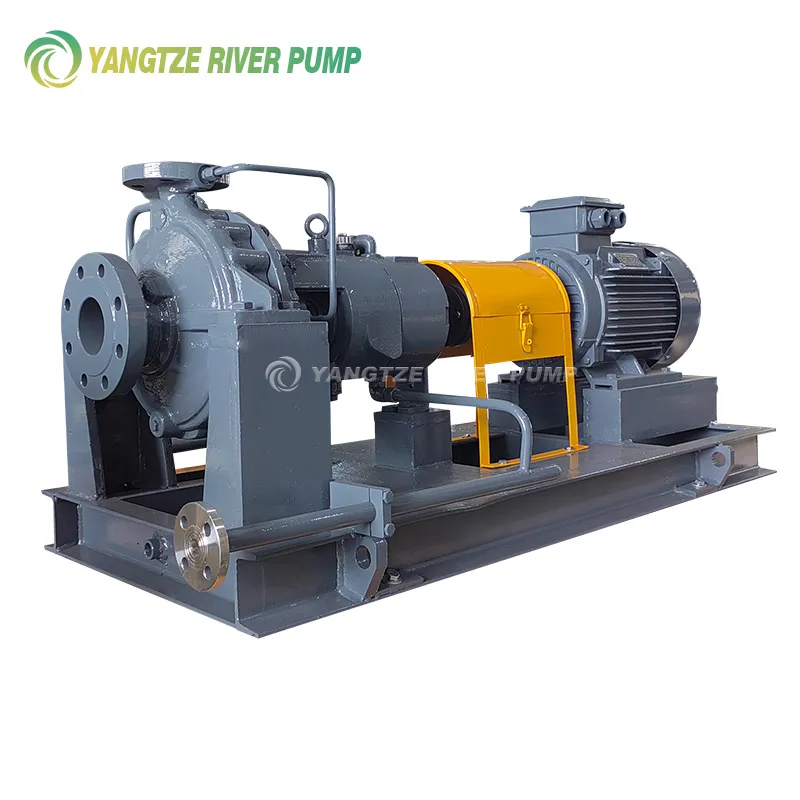


Best Sellingproducts
Best Selling Products-
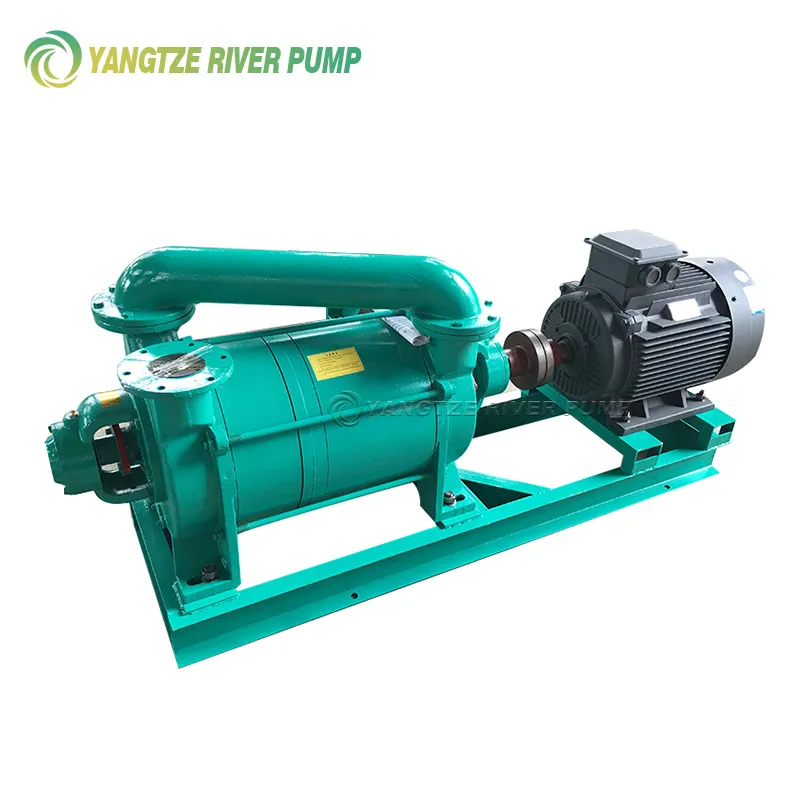 Liquid ring vacuum pumps type 2SK
-
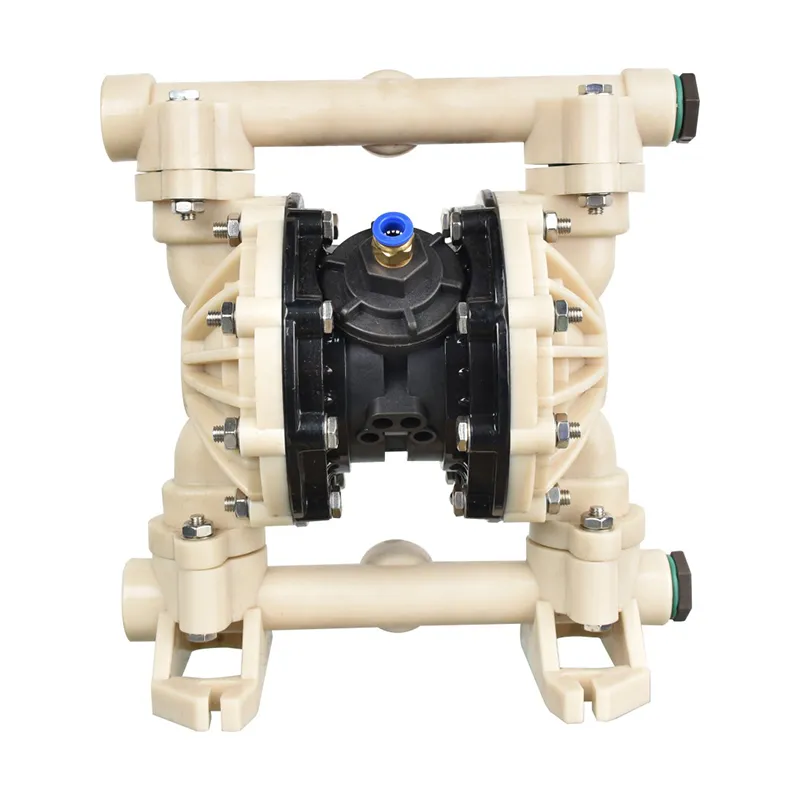 QBK Non-Metallic Air Operated Diaphragm Pumps
-
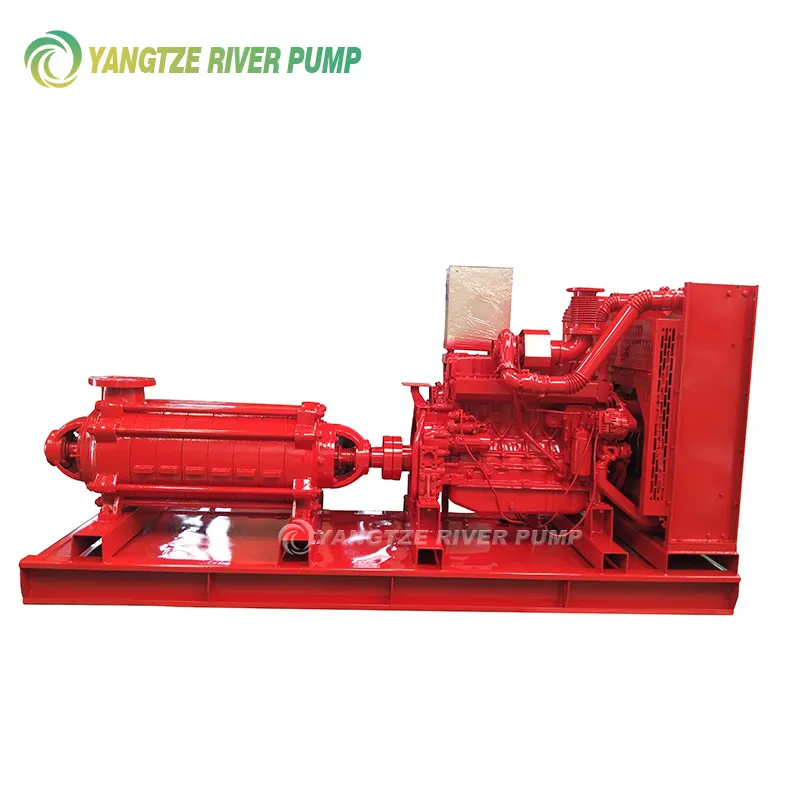 XBC Diesel Intelligent Fire Pumps
-
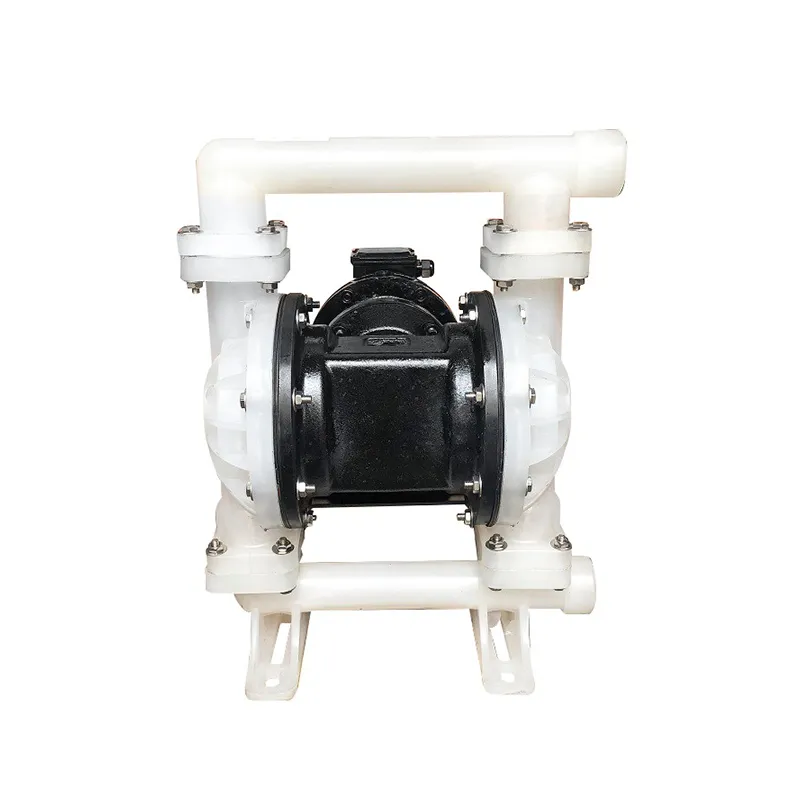 DBY Non-Metallic Electric Diaphragm Pumps
-
 IHF PTFE Chemical Centrifugal Pumps
-
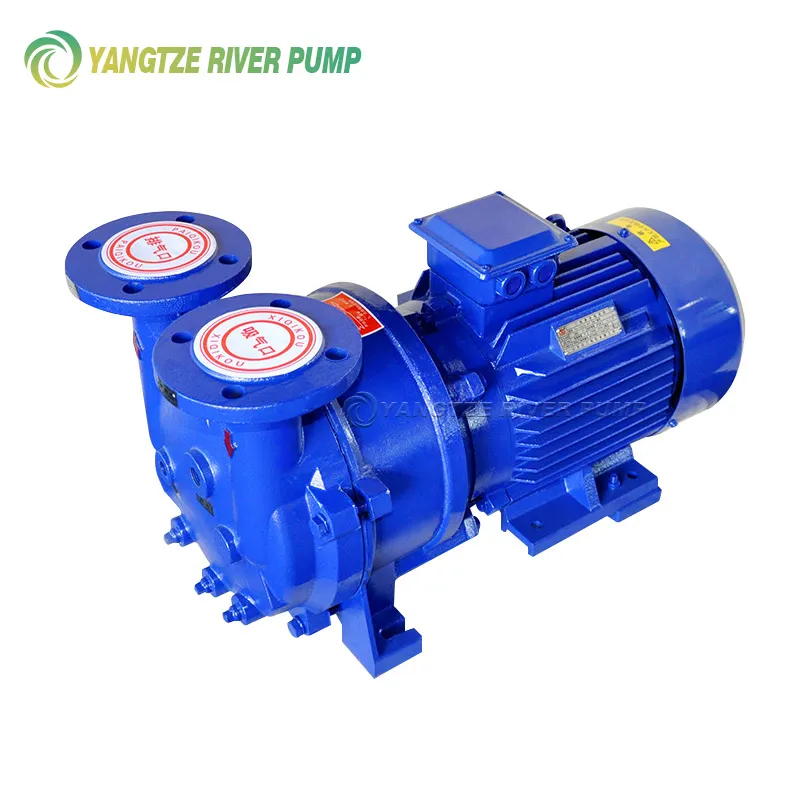 Liquid ring vacuum pumps type SKA and 2BV
-
 QJ type borehole pumps
-
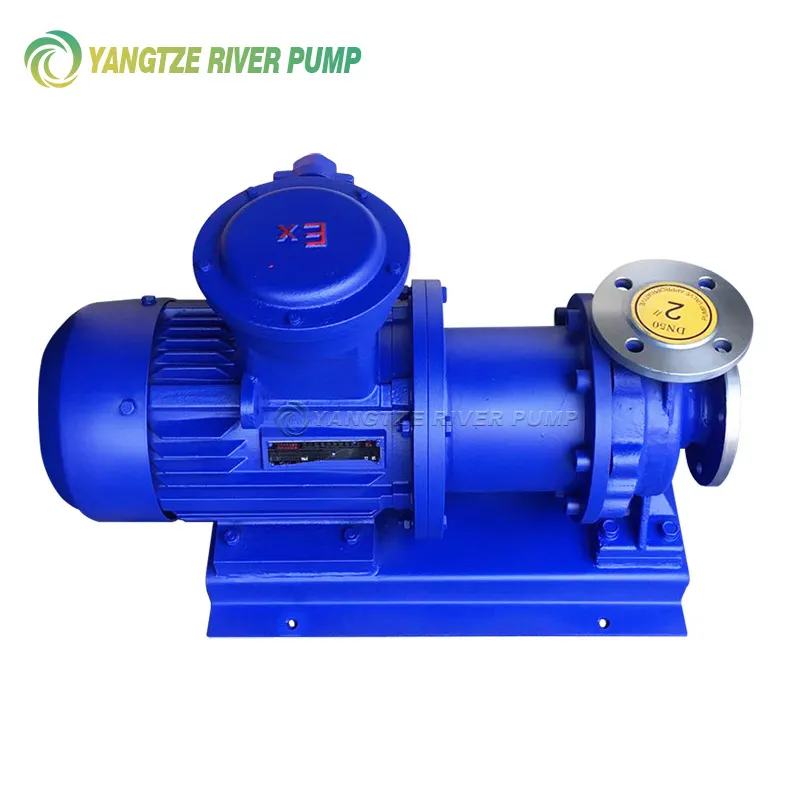 CQB Stainless Steel Magnetic Pumps
-
 CQF Plastic Magnetic Pumps
-
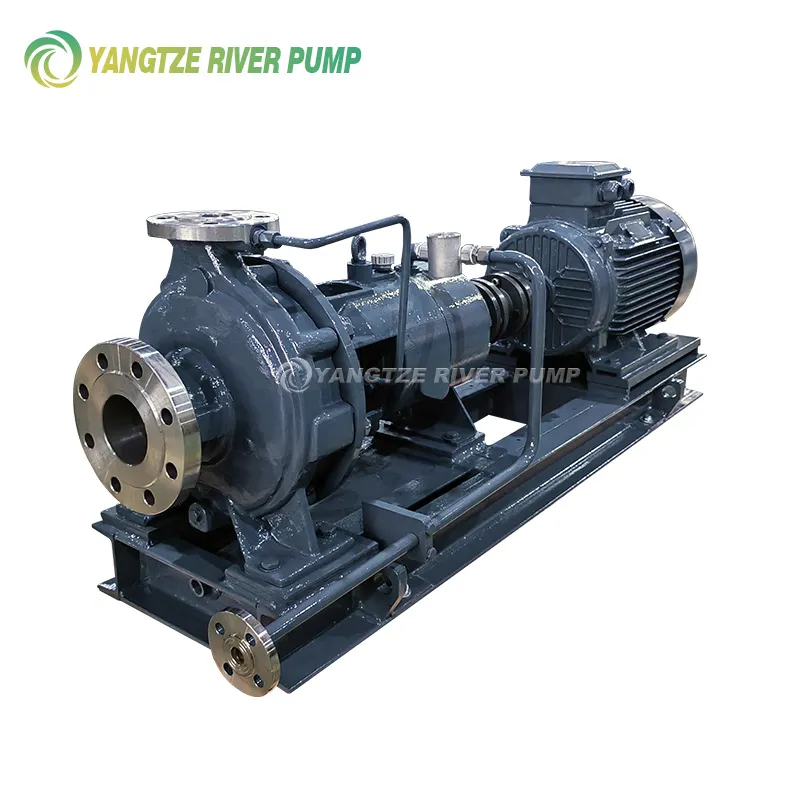 Petrochemical Process Pumps API 610 YZA
-
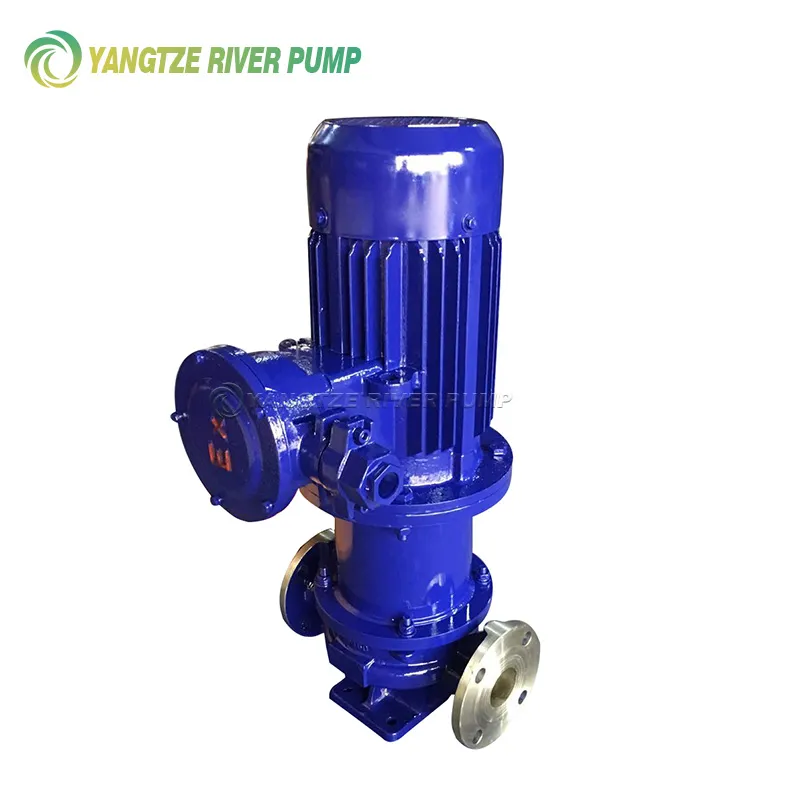 Vertical magnetic pumps CQB-L
-
 Gear oil pumps type KCB