







deep well pump 60
When you hear the request “deep pump for well 60”, the first thing that comes to the mind of an inexperienced customer is to find a unit whose characteristics indicate “maximum depth: 60 m”. And that's all. But this is where the main trap lies. Sixty meters is not just a passport parameter, it is a whole set of conditions: static and dynamic levels, well flow rate, casing diameter, and most importantly, the necessary pressure to ensure pressure in the house system. Selecting a pump that will simply “get it” from this depth, but will work at the limit - a sure path to frequent starts, overheating and rapid failure. More than once I had to sort out “dead” things. pumps selected only on the principle of “is there enough depth?”.
Why ?60 meters? is a starting point, not an answer
In practice, a well depth of 60 meters often means that the dynamic level (water level when the pump is running) can be set at, say, 40-45 meters. But if the house is two-story, and the water point is a shower stall on the second floor, you need to add another 7-8 meters vertically to this. Plus a horizontal section from the well to the house, which creates hydraulic resistance - it is conventionally converted into vertical meters of pressure (about 10 horizontal meters = 1 meter of pressure). And now the required pump pressure is not 60, but all 70-75 meters. If this is not taken into account, the water will barely flow from the tap upstairs.
Another nuance is flow rate. It happened that they installed a powerfuldeep well pumpto a weak well. It quickly pumped out a column of water, went into “dry running,” and a couple of months later the client called with a complaint about a burnt-out engine. For a sixty-meter well with a small flow rate, it often makes more sense to use not the most productive, but reliable multi-stage apparatus that will provide stable pressure without the risk of drying up the source.
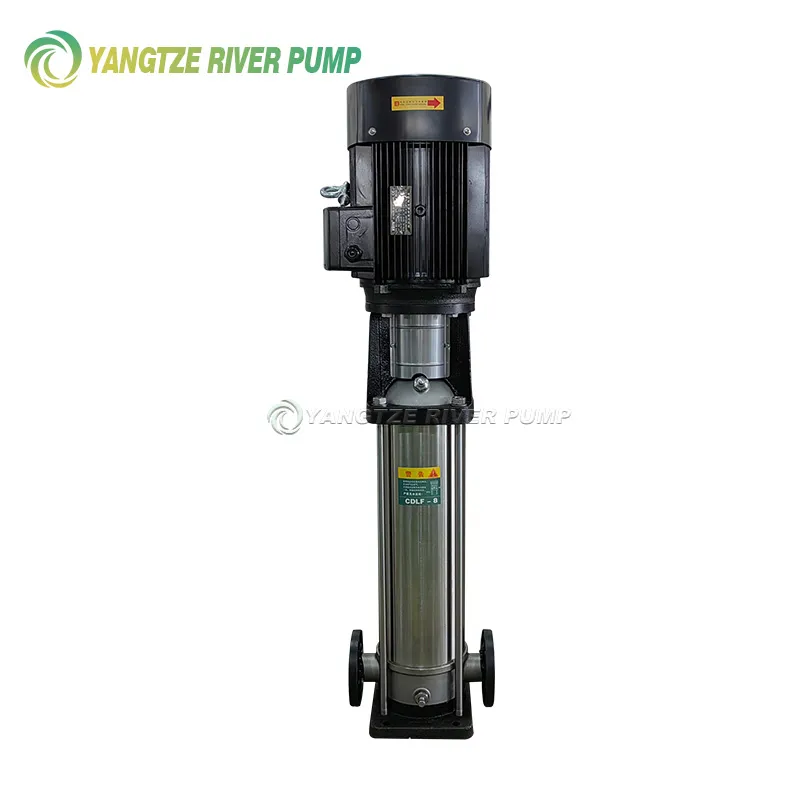
Here I often pay attention to the products supplied by Zhejiang Yangzijiang Pumping Industry Co.,Ltd. They have in their line a series of multi-stagewell pumps, where you can select a model specifically according to the pressure and productivity graph, and not just according to the maximum depth. This is the correct engineering approach. Their websiteyangtzeriverpump.ruuseful to study specifically for understanding parametric series.
Design features: what to look for inside
When talking about a pump for this depth, we cannot ignore the topic of materials. A stainless steel shaft is a must have. Cheap models with a galvanized shaft at such a depth under load can present surprises in the form of bending or increased wear. Impellers are a wear-resistant polymer or technopolymer that is better than conventional plastic. This affects efficiency and durability.
The cooling system is a different story. A pump operating at great depths is cooled by water flowing around it. If it is placed too close to the bottom of the well or if there is not enough water around it (due to the small diameter of the casing), the motor will overheat. The standard recommendation is to install the unit 2-3 meters below the dynamic level, but no closer than 5-7 meters to the bottom. This seems like a small thing, but it’s little things like these that extend the life of your equipment by years.
In the context of reliability, I am impressed that on production linesZhejiang Yangzijiang Pumping Industry Co.,Ltda separate testing area has been allocated. For a deep-well pump, it is critical to test its operation under real load before shipment. This is not a guarantee of eternal life, but it seriously cuts off defects associated with the hydraulic part.
Installation and operation errors that “kill” pump
The most common nightmare is the absence or incorrect setting of dry-running protection. A pressure sensor or switch configured only for the upper and lower thresholds will not help here. You need either a separate level sensor, or a frequency converter with a protection function, or, at worst, a high-quality flow switch. I have seen cases when the pump ran idle due to an unnoticeable leak in the line in front of the pressure switch - the water left, the pressure dropped, the pump turned on, pumped air and turned off. The cycle was repeated every 10 minutes until the winding burned out.
Another point is power supply. Voltage drops in rural networks are common. A pump designed for 220V, when constantly operating at 190-200V, will heat up, lose power and eventually fail. A stabilizer for such equipment is not a luxury, but a necessity. Especially when it comes to models with an asynchronous motor.
By the way, about the cable. You cannot extend the standard cable coming from the pump with ordinary household wire. A special moisture-resistant cable is required forsubmersible pumps, with reliable sealing of the connection. One leaky connection at depth and a short circuit is guaranteed.
A case from practice: when the right equipment saved the day
I had an object - a well of just 60 meters, a casing pipe of 110 mm. The client bought a powerful pump, but complained about noise in the system and frequent starts. We arrived and checked. It turned out that the pump was selected with a reserve in terms of performance, and the hydraulic accumulator had a capacity of 24 liters. The pump pumped it up in half a minute and turned off. A minute later, when the tap was opened, the pressure dropped and the pump started again. This kind of work is in “start-stop” mode. he would have been killed quickly.
We solved the problem in a comprehensive manner: we installed a model more suitable for flow rate (exactly from a series of multi-stage centrifugal pumps, analogues of which the mentioned company has) and installed a 100-liter hydraulic accumulator. The switching cycles were reduced, the pressure in the system became stable, and the noise disappeared. This is a typical example when the problem is not in the pump, but in an incorrectly assembled water supply system as a whole.
This experience once again confirmed a simple truth:deep well pump- not an independent unit, but part of the system. And his choice must be linked with all other components.
Towards technology: what else can the market offer?
There is a lot of talk these days about variable frequency pumps (VFDs). For a 60-meter well, this can be justified if the water supply is very uneven - either no one is at home, or the shower, irrigation and washing machine are running at the same time. The VFD smoothly regulates speed, maintaining constant pressure and saving energy. But! The cost of such a system is many times higher, and its repair in the event of a breakdown is more difficult. For most private houses with moderate water consumption, a high-quality conventional pump + a properly selected hydraulic accumulator solves the same problems.
It is also worth taking a closer look at models with built-in check valves and sand protection. For non-ideal wells where there is a risk of fine suspended matter, this can extend service life. Available from many manufacturers, includingZhejiang Yangzijiang Pumping Industry Co.,Ltd, such options exist. Their production lines, combining R&D and testing, allow them to customize designs to meet specific operational challenges.
As a result, returning to the original request “deep pump for well 60”, I would like to summarize: don’t just look for a device with the number 60 in the “depth” column. Look for a balanced solution where pressure, performance, quality of materials and compatibility with your specific system are selected as a whole. And then your well will work for a long time and without problems.
Correspondingproducts
Related Products

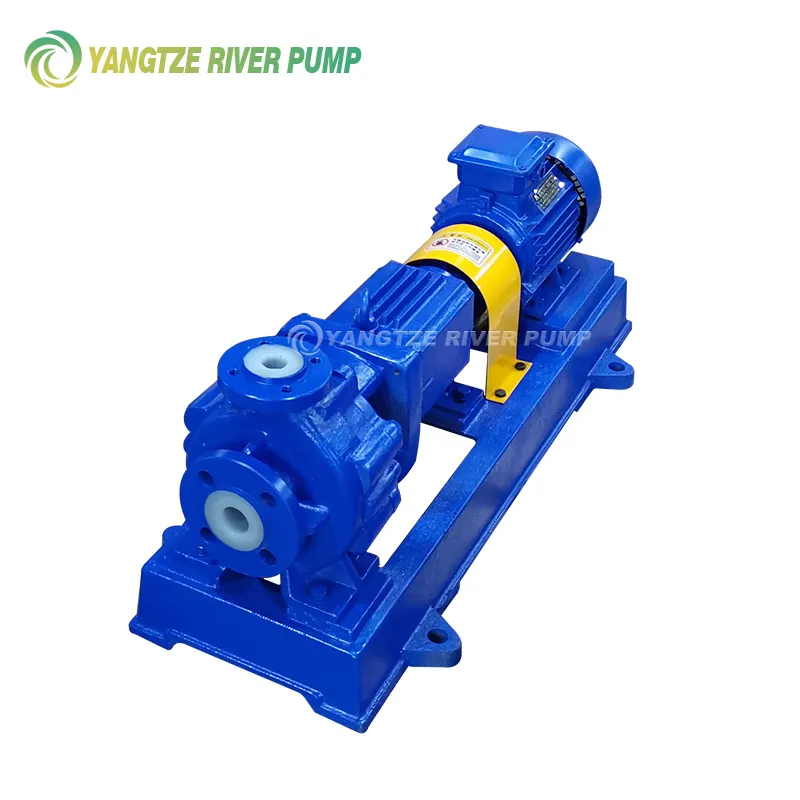

Best Sellingproducts
Best Selling Products-
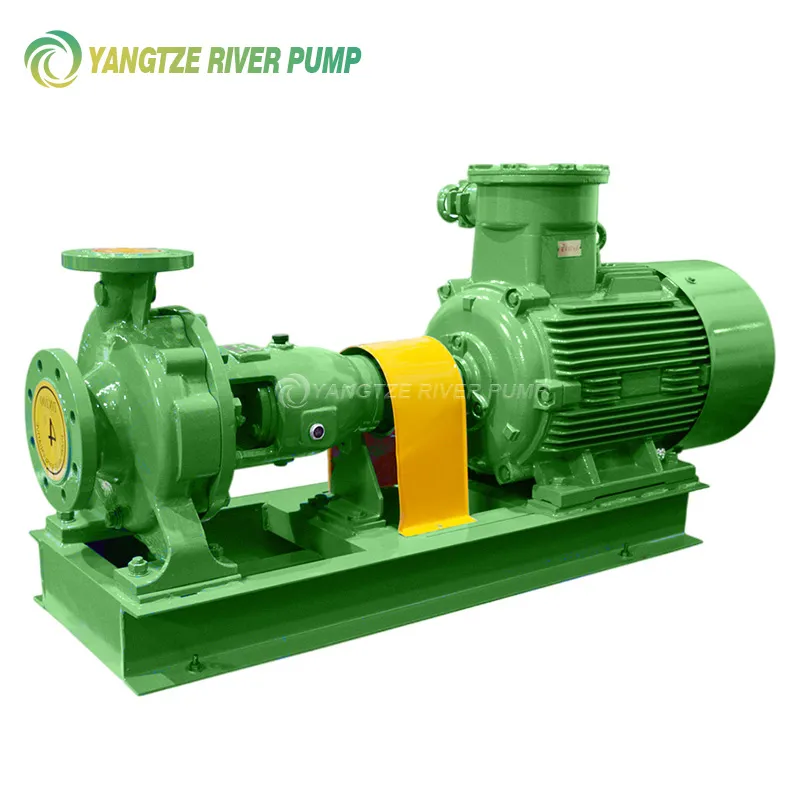 YCZ Chemical Process Pumps
-
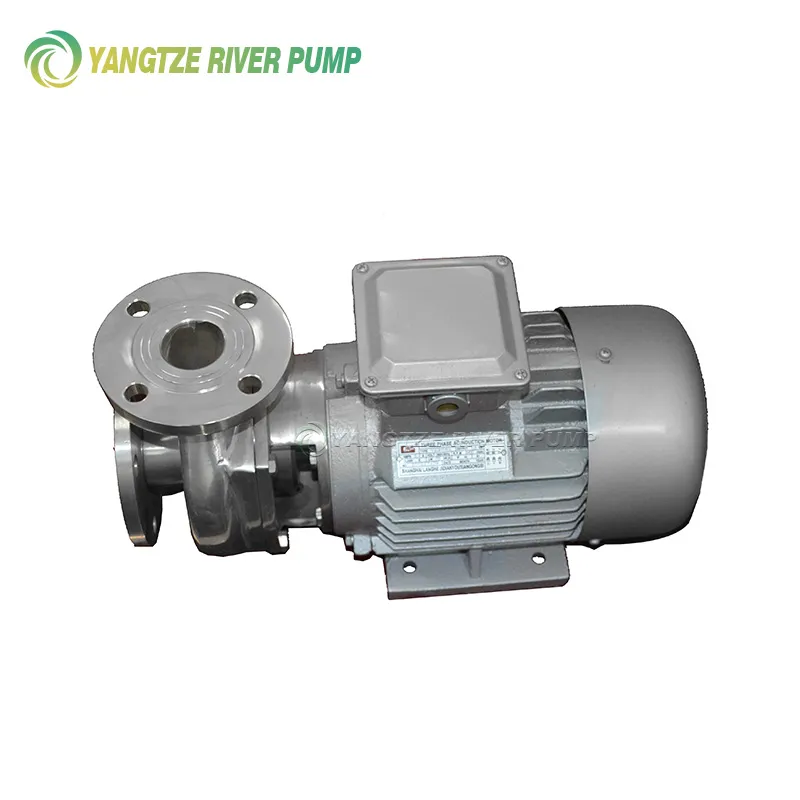 Corrosion-resistant stainless steel centrifugal pumps SFB and SFBX
-
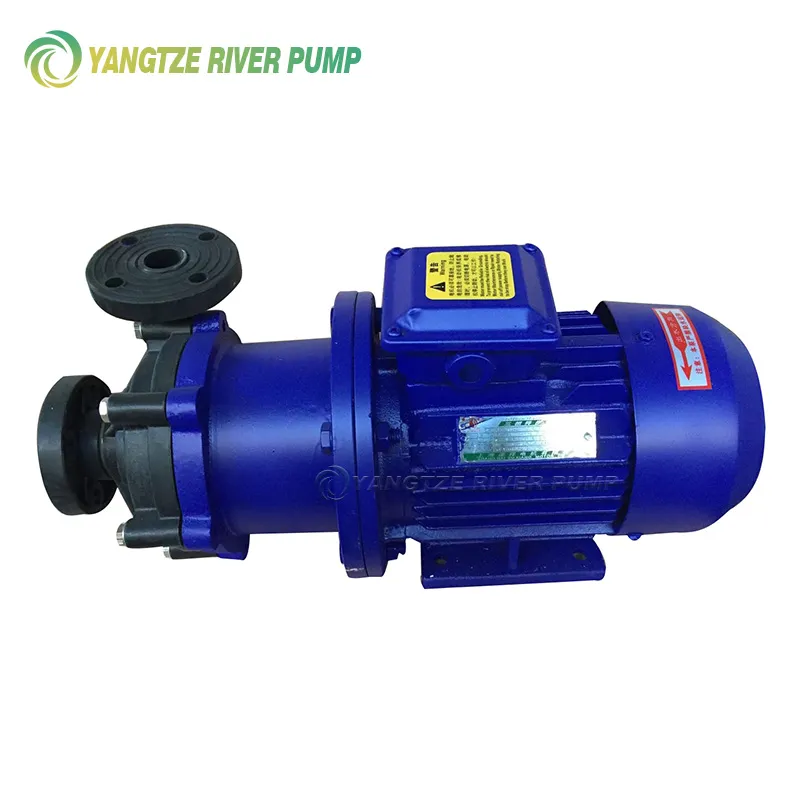 CQF Plastic Magnetic Pumps
-
 Mechanical diaphragm dosing pumps DJ-D
-
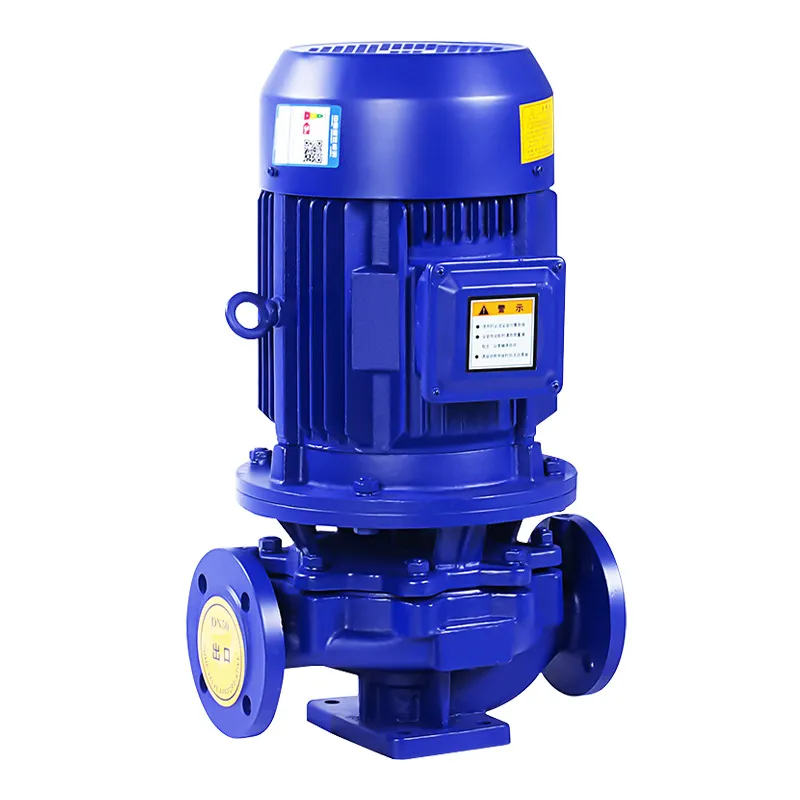 Vertical single-stage pipeline centrifugal pumps ISG and IHG
-
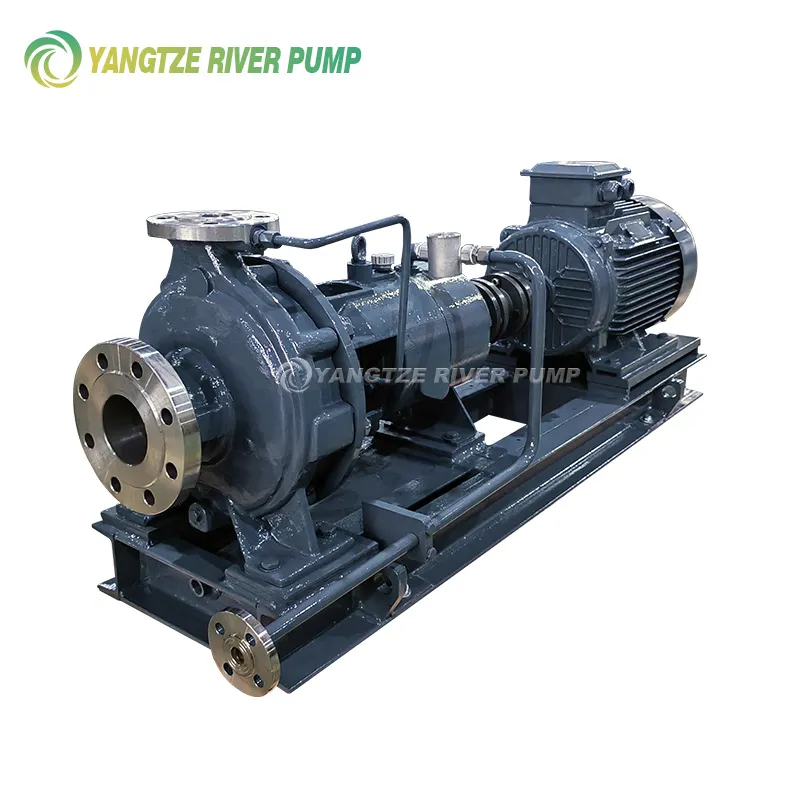 Petrochemical Process Pumps API 610 YZA
-
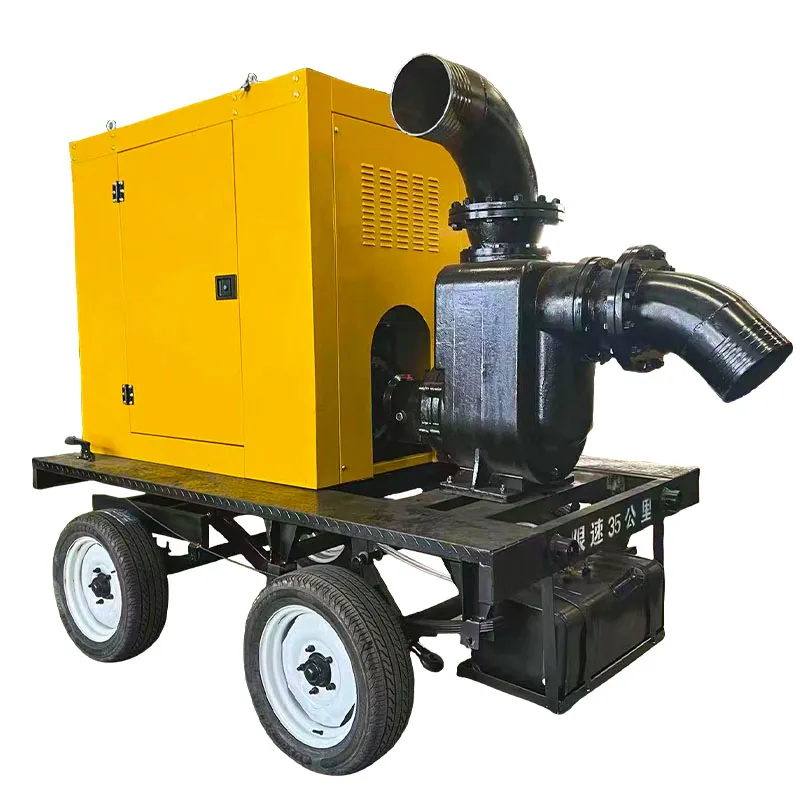 YZZW Diesel self-priming pumps
-
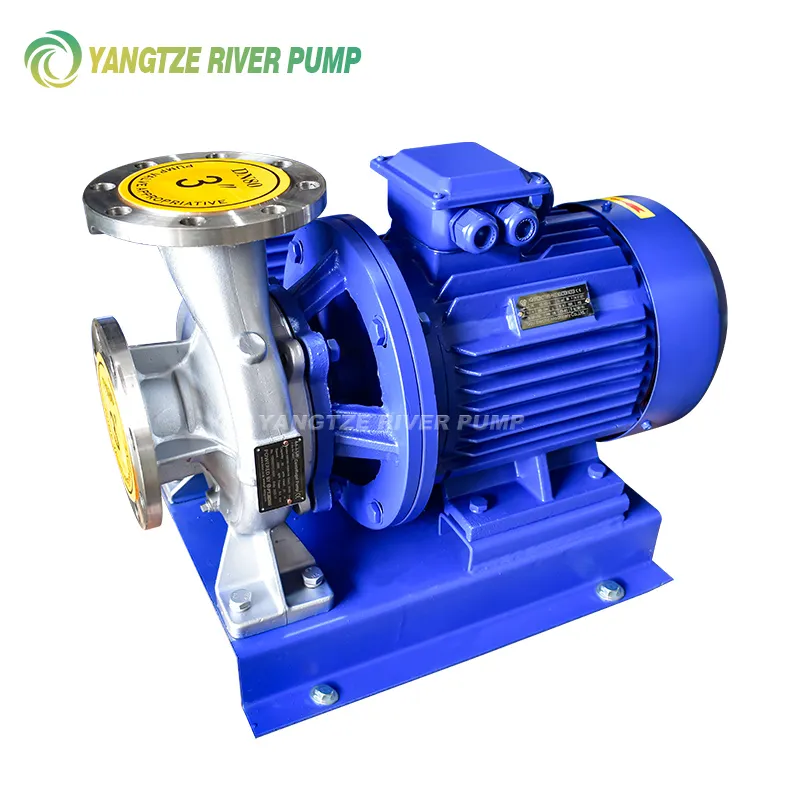 ISW and ISWH Single Stage Horizontal Pipeline Centrifugal Pumps
-
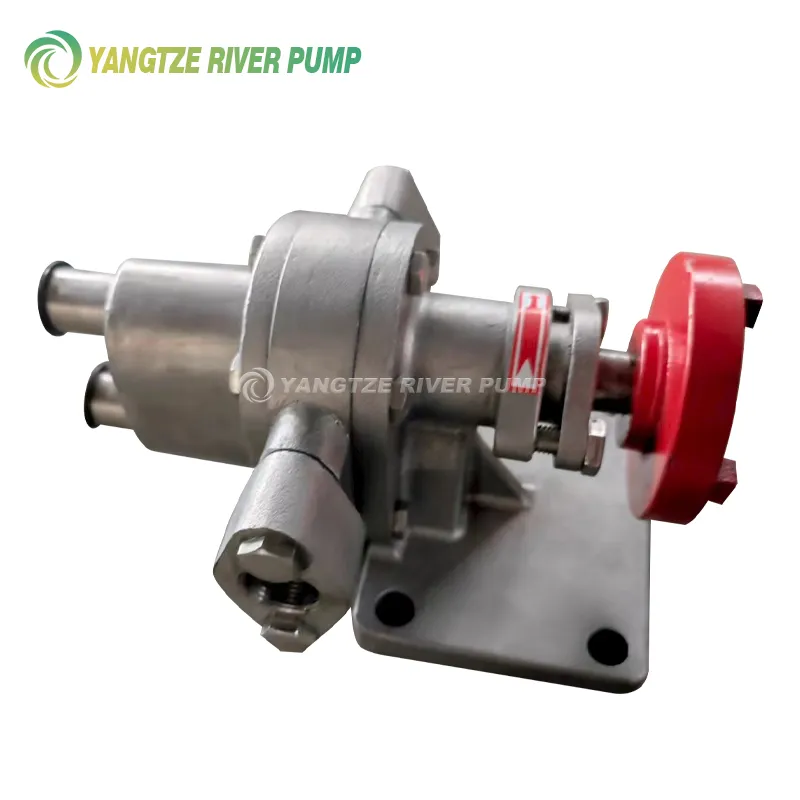 Gear oil pumps type KCB
-
 Liquid ring vacuum pumps type 2EB
-
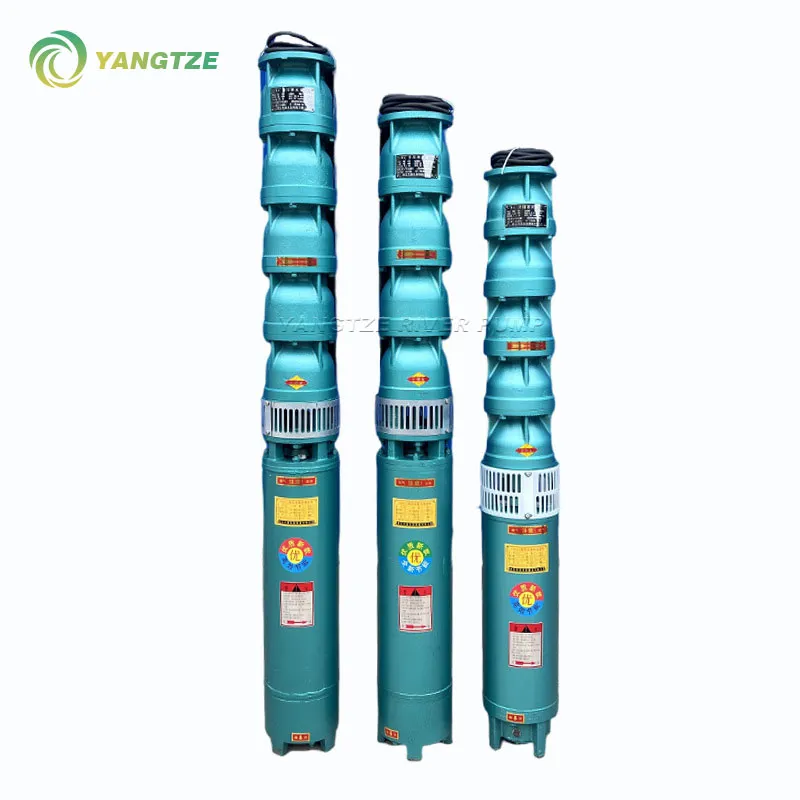 QJ type borehole pumps
-
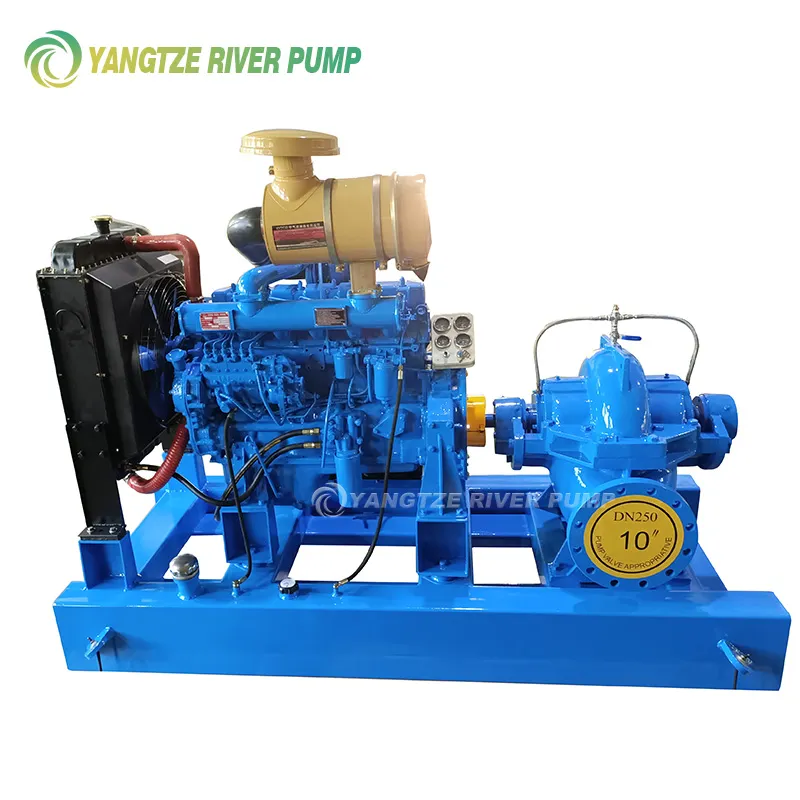 Diesel pumps with horizontal connector YZS and YZSH