







centrifugal pump 6 m3 h
When you hear “centrifugal pump 6 m3 h”, the first thing that comes to mind is a specific parameter, flow rate. But in selection practice this is often misleading. Many people think that since the pump produces 6 cubic meters per hour, then it will work stably with this figure everywhere. But what is the actual pressure? What is the viscosity of the medium? What's the temperature? And most importantly, where on the Q-H curve will it be used? It is with such thoughts that real work with equipment usually begins, and not with simply reading a catalog.
Why exactly 6 cubes? Context of application
This expense is not a random figure. It very often appears in dosing tasks, pumping in small process lines, in systems for supplying cleaning solutions or in compact circulation circuits. For example, to supply a corrosion inhibitor to the main line or to pump condensate. But here lies the first pitfall: for such tasks they often look only at productivity, forgetting about the required outlet pressure. A centrifugal at 6 m3/h at 30 meters of pressure and at 15 meters are, in fact, two different devices in design and, what is important, in the impeller.
I remember an incident at one small production site. We just ordered a pump with parameters of 6 m3/h, 25 m. They delivered it, installed it, started it up - but it does not produce the required pressure, the system does not work. They began to figure it out. It turned out that the height difference and hydraulic resistance of the pipeline with fittings were calculated incorrectly; the actual needs were closer to 32 meters. The pump operated well outside its effective zone, became overloaded, and quickly had to be replaced. Moral: the passport 6 m3/h must be tied to a specific pressure point.
Therefore, in our practice in production, for example, on sitesZhejiang Yangzijiang Pumping Industry Co.,Ltd, we always emphasize this when discussing an order. You can’t just say “I need a 6 cc pump?”. You need a technical specification or, at a minimum, an understanding of the full picture of the system. On our websiteyangtzeriverpump.ruthere is always a reminder about this in the selection section - but clients, alas, do not always read carefully.
Design features for low flow rates
When it comes to relatively low flow rates, such as 6 m3/h, the design of a centrifugal pump has its own nuances. Just a smaller copy of a powerful unit is no longer suitable here. The impeller, especially for single-stage models, must be designed to provide stable head at such low flow rates, avoiding cavitation zones.
We have in our assortment linear centrifugal pumps, which often meet these parameters. Their advantage is their compactness and often a block design with an engine. But when choosing between, say, a conventional cantilever monoblock and a linear pump, you need to look at the installation conditions and maintenance requirements. Linear ones are good for embedding into a finished line, but their maintainability may be lower.
Another point is the material of the flow part. Cast iron is also suitable for water, but if these 6 cubic meters per hour are some kind of weak alkaline solution or liquid with abrasive inclusions, then you need to consider a stainless steel or even a plastic chemical pump. We have a whole production line for the production of plastic chemical pumps, and for aggressive environments at low costs this is often the optimal solution. But it is important to remember that the mechanics of the seal (stuffing box or mechanical seal) for such media also requires a special approach.
Self-priming vs. conventional centrifugal: limits of applicability
Often the request is ?centrifugal pump 6 m3 h? comes with an implicit condition: “we need it to suck from the container itself?” And this is where the confusion begins between conventional centrifugal and self-priming models. A classic centrifugal pump requires filling the housing with liquid to start. If the suction point is below the pump, there is no problem. If it’s higher, you need either backfilling or a self-priming design.
For a flow rate of 6 cubic meters per hour, self-priming centrifugal pumps are a viable option. They can create a vacuum and lift water from several meters. But their efficiency (efficiency) is usually slightly lower than that of conventional pumps, and they are more sensitive to the presence of air in the system. I had experience when such a pump was installed to pump out liquid from a drainage pit with a variable level. It seems perfect. But air periodically appeared in the liquid due to vortex, the pump “reset” suction and stopped. It was necessary to modify the suction pipeline diagram and install a check valve with a special design.
Therefore, in the company we always clarify the suction conditions. If it is possible to place the pump below the liquid level, we often recommend a conventional centrifugal model; it is more reliable and simpler. If not, then we are already considering self-priming options, but with reservations regarding operating conditions.
Tests and "field" conditions
Any pump that comes off the production line, including 6 m3/h models, is tested on our bench. We check the flow rate, pressure, power consumption, and noise level. But the stand provides ideal conditions: clean water, an even network, stable voltage. But in reality everything is different.
One of the common problems at low flow rates is working with a closed valve. or at very low flow. Let's say an automation system controls a pump, and most of the time it operates at 10% of its capacity. This is disastrous for a centrifugal pump - overheating, increased loads on bearings and seals. In such cases, it is necessary to either provide a bypass with a regulator, or initially select a pump with a flat characteristic, or consider frequency regulation. But the latter may not be economically justified for a small pump.
Hence the conclusion that we always voice: when ordering, it is important to describe not only the peak parameters (the same 6 m3/h and, say, 20 m), but also the operating mode. Cyclical? Constant? With variable flow? This allows us, as a manufacturer who combines R&D, production and testing, to offer the optimal design or at least give the correct recommendations for strapping and operation.
Interchangeability and maintainability
In industry, the question is often not just to buy a new pump, but to replace a faulty one, preferably with minimal modifications. And when you have a centrifugal pump with a capacity of 6 cubic meters per hour in your system, and it breaks down, you want to quickly find an analogue.
Here it is important to look at the connecting dimensions (flanges), dimensions, and shaft height. Often different manufacturers with similar hydraulic parameters have different installation dimensions. Our production strives to adhere to common standards to simplify replacement. But there is no perfect single standard. Therefore, for critical systems, we always recommend having spare parts in stock specifically for this model: impeller, shaft, seal. For a low flow pump, these are not as expensive components, but they can save days of downtime.
By the way, about repairs. The design of single-stage centrifugal pumps for such parameters is usually quite simple, which is a plus. But there is a nuance: during repairs, after replacing the impeller or gaps in the seals, the characteristics of the pump may change slightly. It can no longer produce exactly 6 m3/h, but, for example, 6.2 or 5.8. For many processes this is not critical, but for precise dosing it can be important. This is also worth remembering.
Final touches: from paper to real work
So, what is the bottom line about the “centrifugal pump 6 m3 h?” This is not just a line in the catalog between 5 and 8 cubes. This is a device for specific, often subtle tasks. His choice is always a compromise between performance, pressure, suction conditions, environmental properties and economic feasibility.
The experience that we have accumulated while dealing with the full cycle - from development to maintenance - shows that successful operation begins with a competent technical specification. Feel free to describe the details. It is better to overload an engineer with information than to redesign the system later.
And going back to the beginning: the next time you look for a pump with these parameters, look at more than one flow rate figure. Look at the entire curve, at the environmental tolerances, at the opportunity to get advice from a manufacturer who really understands the issue. As, for example, we try to do it by combining all stages in one place - from drawing to shipment and further support.
Correspondingproducts
Related Products




Best Sellingproducts
Best Selling Products-
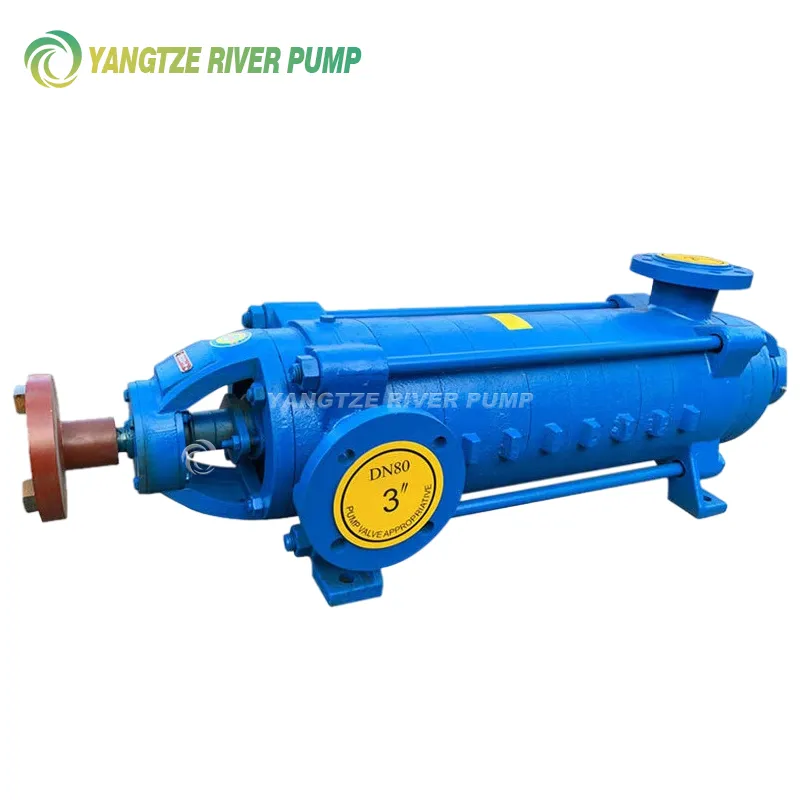 Horizontal multistage pumps for feeding DC boilers
-
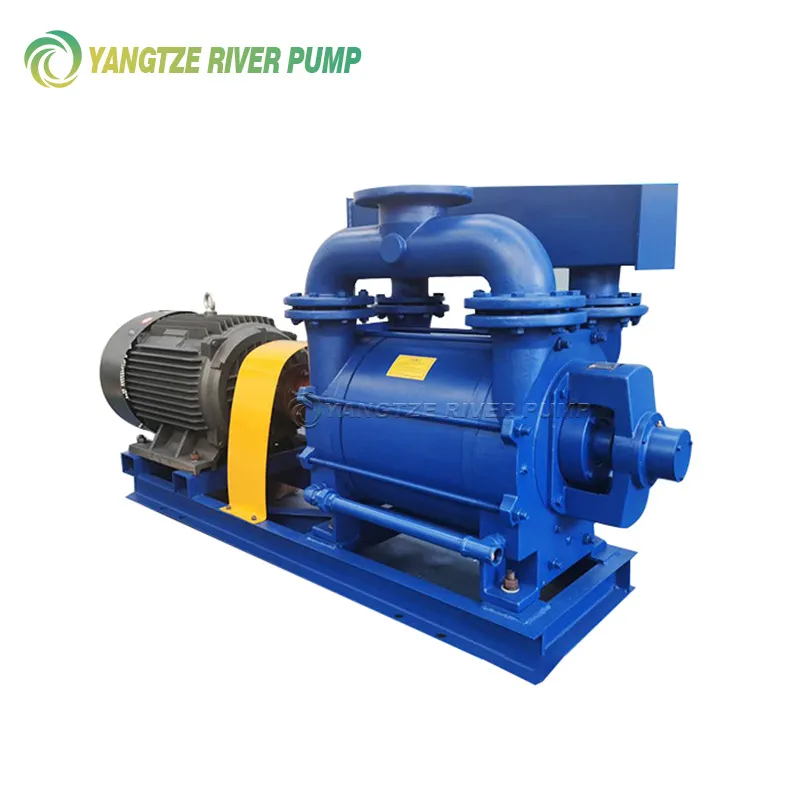 Liquid ring vacuum pumps type 2EB
-
 Plastic self-priming centrifugal pumps FP and FS
-
 Vertical multistage centrifugal pumps made of stainless steel (light series) CDL and CDLF
-
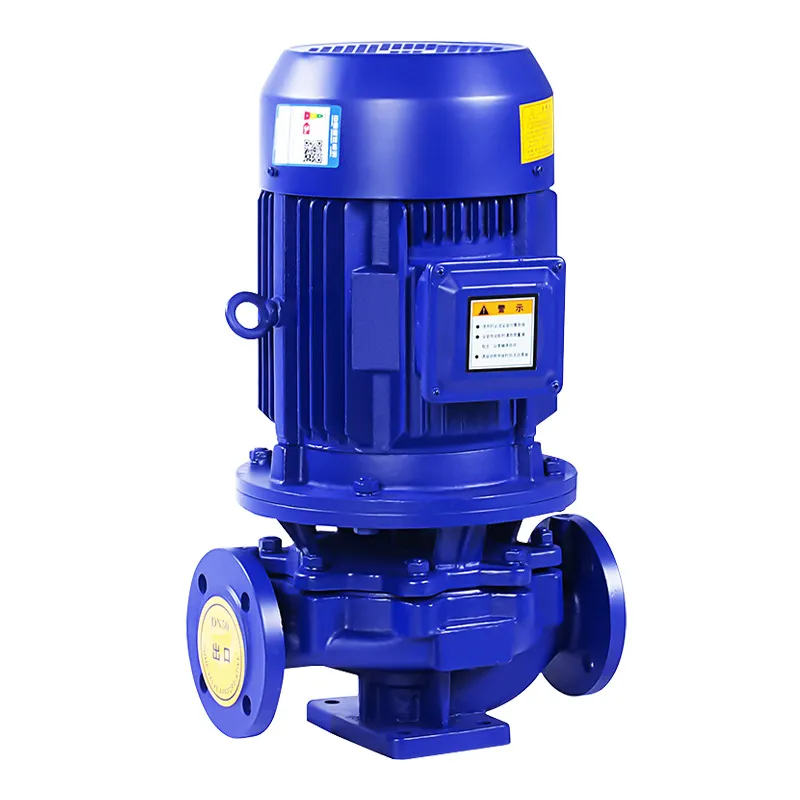 Vertical single-stage pipeline centrifugal pumps ISG and IHG
-
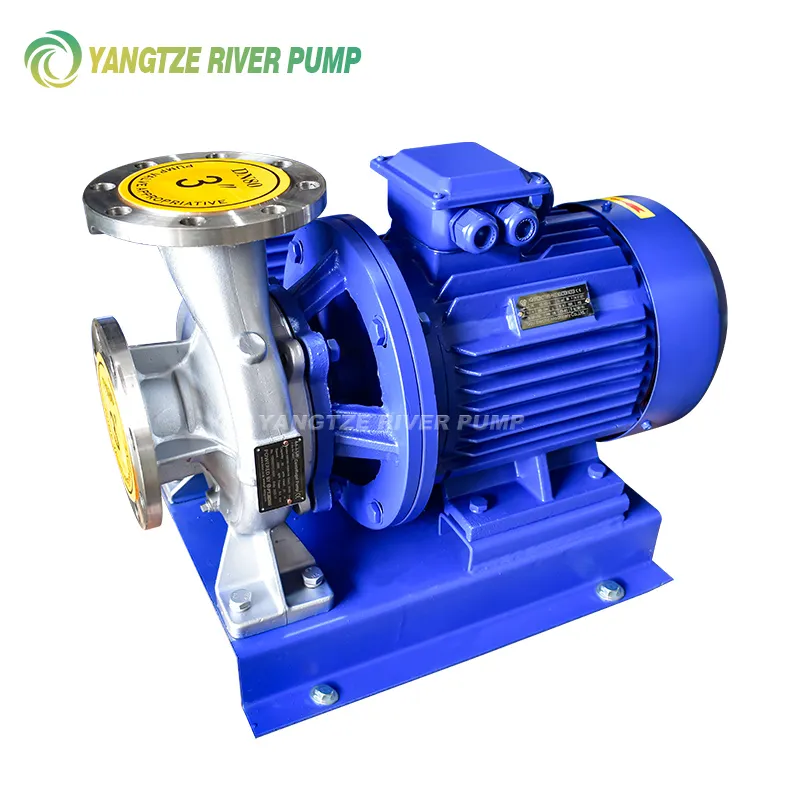 ISW and ISWH Single Stage Horizontal Pipeline Centrifugal Pumps
-
 Metal electric diaphragm pumps DBY
-
 YCZ Chemical Process Pumps
-
 Sanitary screw pumps type GF
-
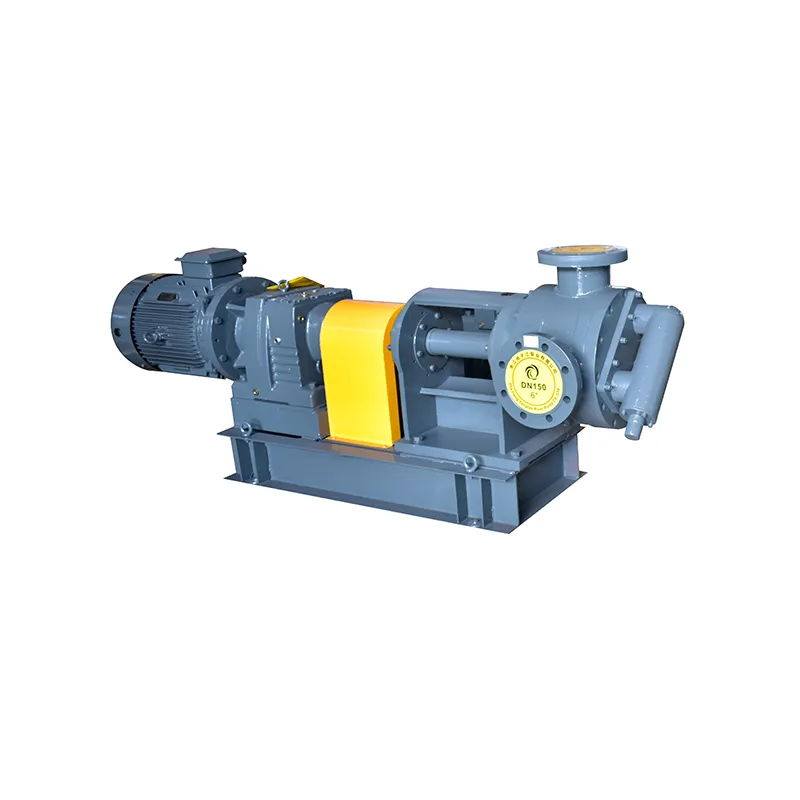 NYP High Viscosity Internal Gear Pumps
-
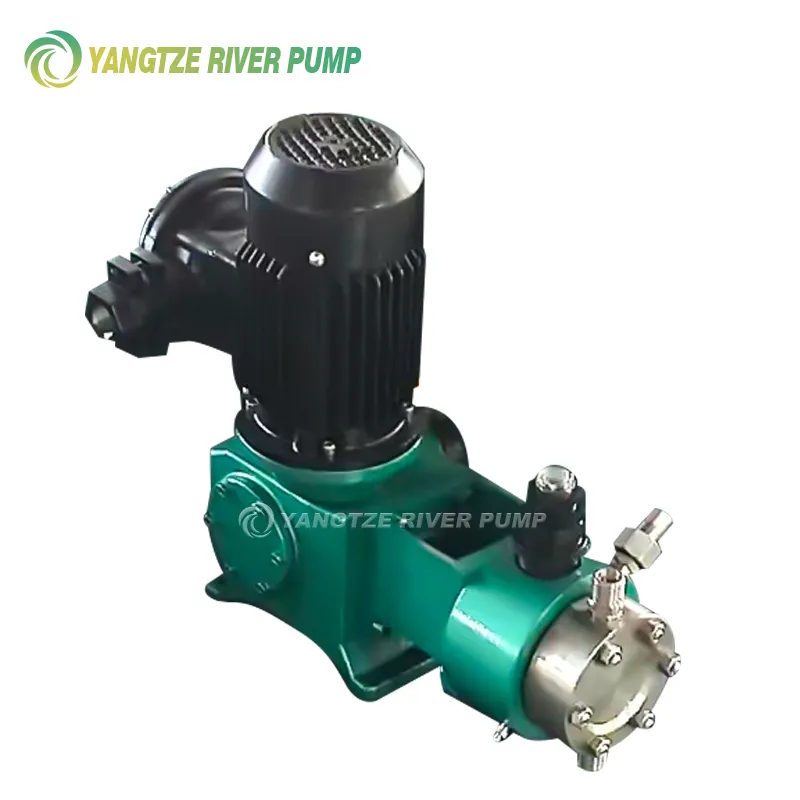 Plunger dosing pumps type DZ-X
-
 Vertical pumps with PTFE lining YQF
Relatedsearch
Related Search- CDLF Complete water supply plants with frequency regulation and constant pressure
- deep well pump 220
- gear pump with motor
- centrifugal pump 20 50
- submersible well pump 220v
- CDL Vertical multistage centrifugal pumps made of stainless steel (light series)
- Mechanical Diaphragm Dosing Pumps
- vacuum pump 5.5 kW
- centrifugal pump 10 m3
- centrifugal pump stage