







centrifugal pump 10 m3
When you see a request for “centrifugal pump 10 m3”, the first thing that comes to mind is that a person is looking for a unit with ten cubic meters per hour. But here’s the catch: apart from the pressure, medium, temperature and even the type of seal, this figure means almost nothing. Many people, especially those who are just starting to deal with rebounding, think that the main thing is to grab the right serve, and the rest will “work out somehow.” In practice, it is around these “other” parameters that all the pitfalls lie, which can turn installation into a headache, and the pump into a pile of useless metal. I went through this myself when, ten years ago, out of inexperience, I installed an ordinary cast-iron centrifugal pump to pump warm water with a fine abrasive suspension. It worked, of course, but the wear on the impellers was such that after six months the flow rate dropped by half. That’s when the understanding came: 10 m3/h is not a starting point, but rather the center of a whole puzzle that needs to be assembled.
What really stands behind the number '10 cubes'
If we talk specifically about the 10 m3/h segment, this is perhaps one of the most popular ranges for many tasks: from water supply to a small workshop or farm to pumping chemical reagents in dosing units. But the design of the pump for these tasks will be radically different. For clean water for irrigation or increasing pressure in the system, a standard single-stage centrifugal pump with a mechanical seal is suitable. But as soon as we talk about some aggressive media, even the same cleaning solutions, you need to look towards chemical pumps with a flow part made of stainless steel or, even better, thermoplastics. At our production site inZhejiang Yangzijiang Pumping Industry Co.,LtdThere is just a separate line for plastic chemical pumps, which are often designed for just such volumes. The key here is the material. Polypropylene, PVDF - they are inert to a huge number of compounds where stainless steel can begin to corrode.
A common mistake is not to take cavitation into account. A pump with a flow rate of 10 m3/h, installed with insufficient suction head, will begin to 'hum', lose performance and quickly destroy the impeller and seals. NPSH is not an abstract characteristic from a catalog, but a real parameter that needs to be checked on site. I remember an incident at one small treatment plant: they installed a standard centrifugal pump, everything seemed to be according to the calculations, but on site it turned out that the suction pipeline had an extra turn and narrowing. As a result, the pump worked with constant cavitation, and after a month the wheel had to be changed. I had to revise the suction line diagram and add a storage tank. So the number '10' in the passport is always under ideal conditions. There are no ideal conditions in life.
Another nuance is regulation. Are these 10 cubes needed constantly, or is the load variable? If it is variable, then a simple centrifugal with direct start from an electric motor will constantly either overload the network or work with excessive energy consumption. Here it’s worth thinking about a frequency converter or, as an option, selecting a pump with a flat H-Q characteristic so that changes in pressure in the system have less impact on the flow. Sometimes a more rational solution is not one pump per 10 m3/h, but two per 5, operating in a cascade. This gives both flexibility and redundancy.
Versions and materials: from water to acid
Let's return to ourcentrifugal pump. If the task is to pump clean or slightly contaminated water, then the classics of the genre are a cast iron body and an impeller made of brass or stainless steel. Units such as our single-stage cantilever pumps, which have been used for years, are reliable and repairable. But once even a small amount of sand or scale appears in the water, the service life drops sharply. For such environments it is already necessary to look at pumps with reinforced, often closed, wheels made of wear-resistant alloys or at designs that allow work with abrasives.
Chemistry is a completely different story. Let’s say you need to pump 10 m3/h of alkali or acid. Cast iron and standard stainless steel will not work here. We have two main lines for these applications: chemical pumps made from 304 or 316 stainless steel for less aggressive environments and, critically,plastic chemical pumps. The latter are often the only solution for highly aggressive liquids such as hydrochloric acid, sodium hypochlorite and many organic compounds. Their flow part is cast from polypropylene (PP) or fluoroplastic (PVDF). At the same time, the principle of operation itself remains the same - centrifugal, but the design of the body, seal chamber and method of fastening the wheel are adapted to plastic. An important point is that such pumps usually do not like high temperatures (the limit is often 60-90°C depending on the plastic) and require careful installation, without overtightening the flange connections.
What if the medium is viscous? At 10 m3/h this can already be a problem. A conventional centrifugal pump rapidly loses efficiency as viscosity increases. Here sometimes you have to move away from purely centrifugal solutions and look to the side, for example,single screw pumps. Although they are fundamentally different, they are also in our line, and for pumping oils, pastes, and sludge over short distances they can be the best choice even with such a supply. But this is a compromise between the need for a centrifugal solution and the actual properties of the pumped liquid.
Installation and the little things that make all the difference
Let’s say the pump is selected ideally: in terms of flow 10 m3/h, and in terms of pressure, and in terms of material. The biggest work is just beginning - installation. And here there can be a lot of mistakes. Base. It must be rigid, smooth and massive to dampen vibrations. They often save on this and install them on light metal structures or directly on a concrete floor without anchoring. The result is increased noise, vibration, wear of bearings and seals. Strapping. There must be a filter on the suction line (but not too small, so as not to create unnecessary losses!), and on the pressure line there must be a check valve and shut-off valves. Moreover, it is better to install the fittings behind the valve, and not before it, to allow for maintenance.
Power supply and protection. The cable must be of the appropriate cross-section and grounded. An automatic machine and a thermal relay, matched to the motor current, are required. How many times have I seen how they install a “automatic machine with a reserve”, and when the shaft jams, the engine simply burns out because the protection did not work. And, of course, the correct direction of rotation. It seems obvious, but on three-phase motors it is necessary to check it during the first start. Running a centrifugal pump in reverse will produce close to zero output and may damage the seal.
Another practical installation tip that many people miss is to provide access for maintenance. To the seal, to the stuffing box (if there is one), to the bearing lubrication points. It happens that the pump is squeezed into a corner and can only be disassembled by dismantling half of the pipelines. This is a guarantee that preventive maintenance will not be carried out, but will be exploited until complete failure.
Case study: a failure that taught more than success
I would like to give an example that well illustrates how formal selection based on parameters can lead to failure. The customer requestedcentrifugal pump 10 m3/h40 meters of pressure for pumping condensate with a temperature of about 85°C. According to the passport, it is almost pure water, slightly aggressive. We selected a standard chemical pump made of 316 stainless steel. Everything came together. Installed. Two weeks later I got a call: the pump is leaking along the shaft, productivity has dropped.
We arrived and sorted it out. It turned out that the condensate was not just hot, but with periodic vapor locks (the system was leaky). In addition, it contained dissolved carbon dioxide, which at this temperature and vapor phase created an aggressive environment. The standard ceramic/graphite mechanical seal did not withstand thermal shock and aggression. The pump material held up, but the seal did not. The solution turned out to be not obvious: it was necessary to install a pump with a double mechanical seal with a barrier liquid, which created a buffer between the medium and the atmosphere, and also provided cooling. And, of course, recommend to the customer to modify the system to minimize steam bags at the suction. This case once again showed that it is important to know not only “what we are downloading,” but also “under what conditions it happens.” Now, when selecting, I always ask leading questions about possible vapor locks, the presence of dissolved gases and temperature stability.
Service and prospects: why it is important to think ahead
When choosing a pump, especially for a critical area, we must not forget about service. Availability of spare parts in stock, the ability to quickly get advice, or better yet, a specialist visit. BZhejiang Yangzijiang Pumping Industry Co.,LtdWe have built a full cycle precisely for this purpose: from our own R&D and testing on eight production lines to the sales and service department. This allows you not only to sell the unit, but to accompany it throughout its entire service life. For the samecentrifugal pump 10 m3This means that in three to five years, when an impeller or seal needs to be replaced, the customer will not have to spend months searching for a compatible part, but will receive it from stock or on order from our factory.
The trend now is towards energy efficiency and smart management. Increasingly, requests are not just for a pump, but for a pumping station complete with a frequency converter, pressure sensors and a remote monitoring system. Yes, for a modest task of 10 cubic meters per hour this may look excessive, but if there are several such pumps in the system, or if the cost of an error (production downtime, rush) is high, then such investments pay off quickly. We are also moving in this direction, offering not just units, but turnkey solutions.
As a result, returning to the original request. 'Centrifugal pump 10 m3' is not a product item, but the beginning of a dialogue. Dialogue about pressure, about the environment, about temperature, about operating mode, about future maintenance. Only by putting all these puzzles together, you can get not just working equipment, but a reliable and durable assistant in the production process. The main thing is not to be afraid to ask questions, even if they seem stupid, and to look at the task more broadly than just the numbers in the technical specification. Experience, including bitter ones, is the best teacher in this matter.
Correspondingproducts
Related Products


Best Sellingproducts
Best Selling Products-
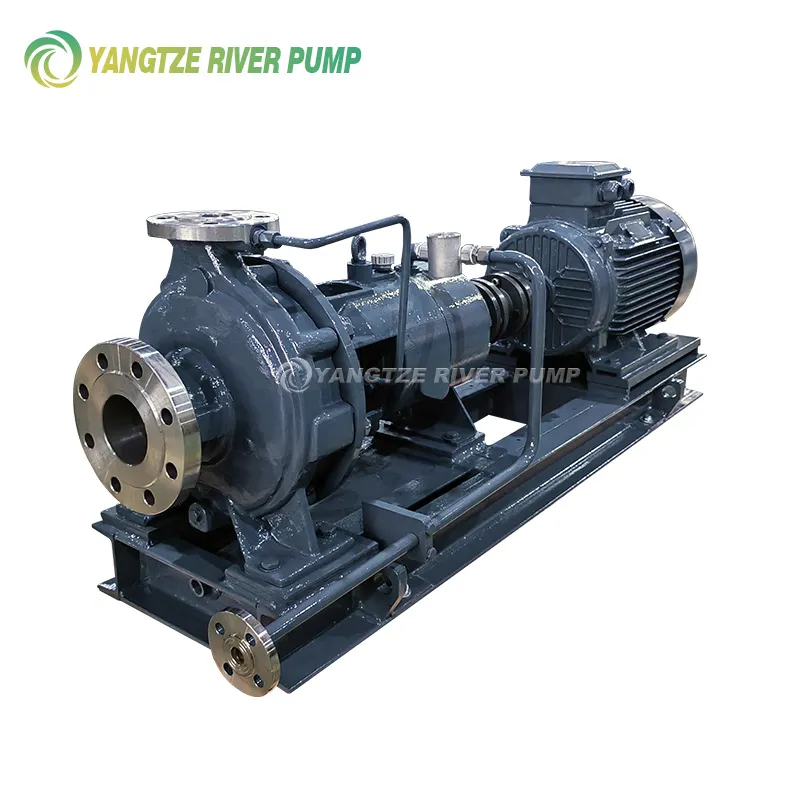 Petrochemical Process Pumps API 610 YZA
-
 Sanitary screw pumps type GF
-
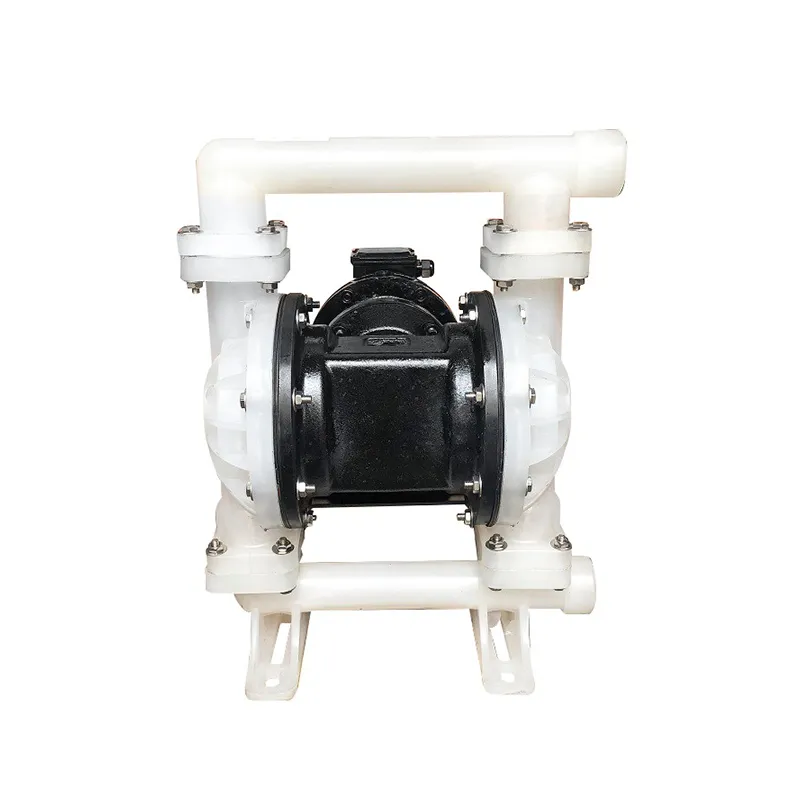 DBY Non-Metallic Electric Diaphragm Pumps
-
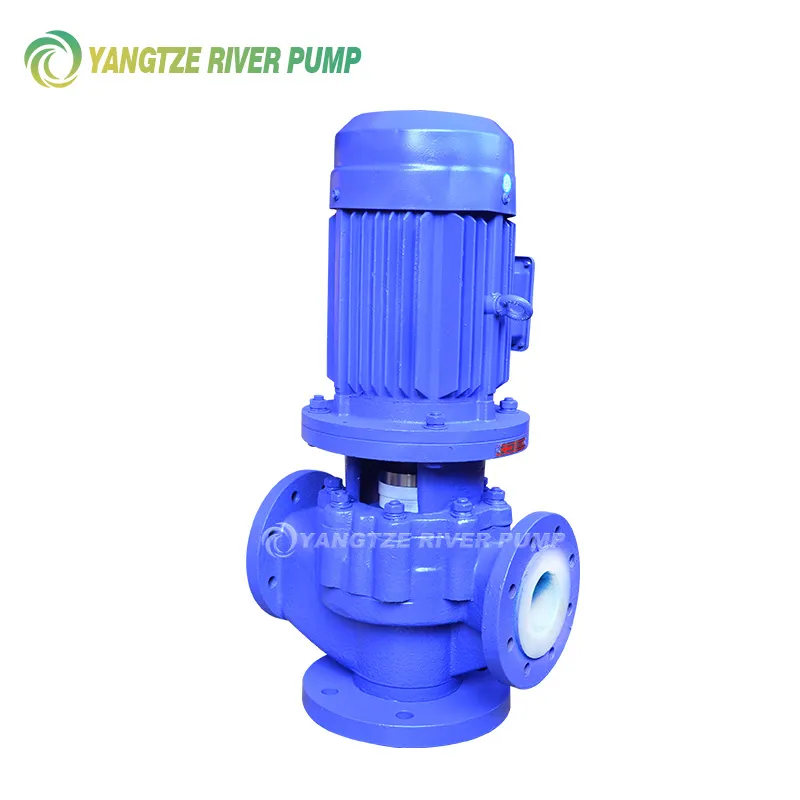 Vertical pumps with PTFE lining YQF
-
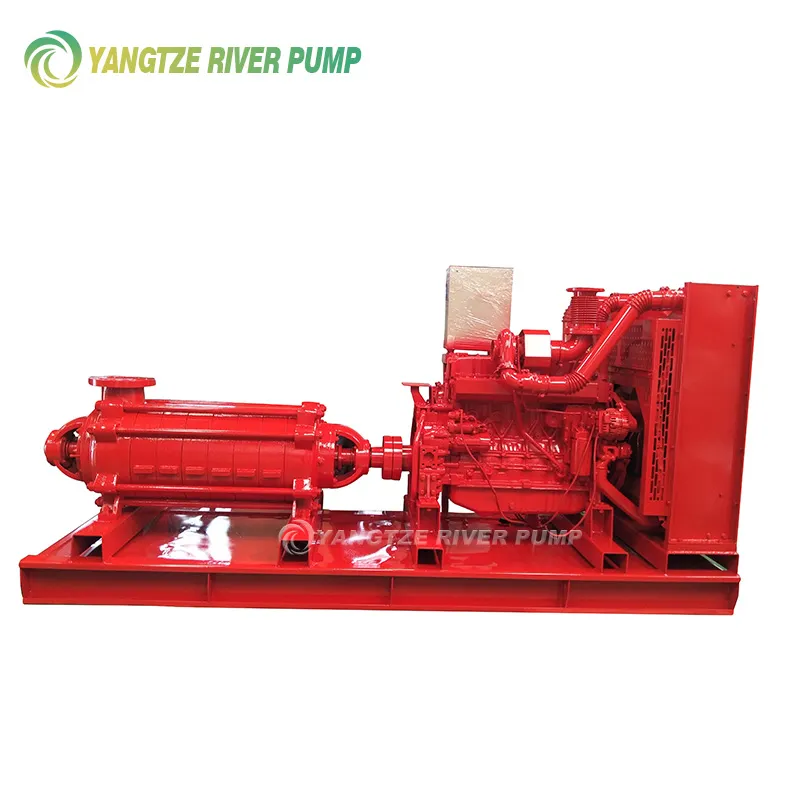 YZD Series Diesel Multistage Centrifugal Pumps
-
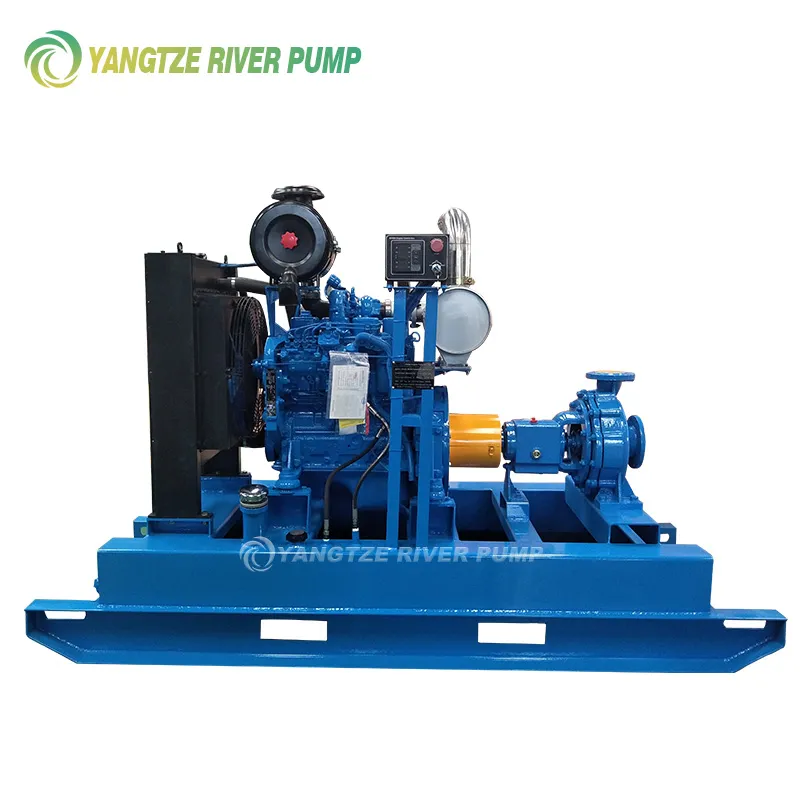 YZIS Diesel Single Stage Centrifugal Pumps
-
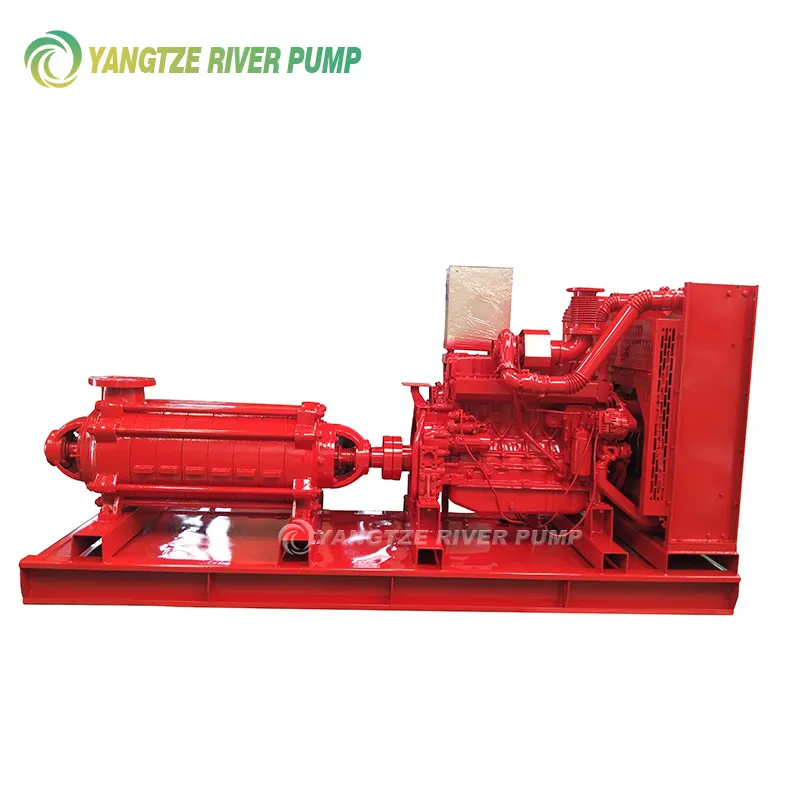 XBC Diesel Intelligent Fire Pumps
-
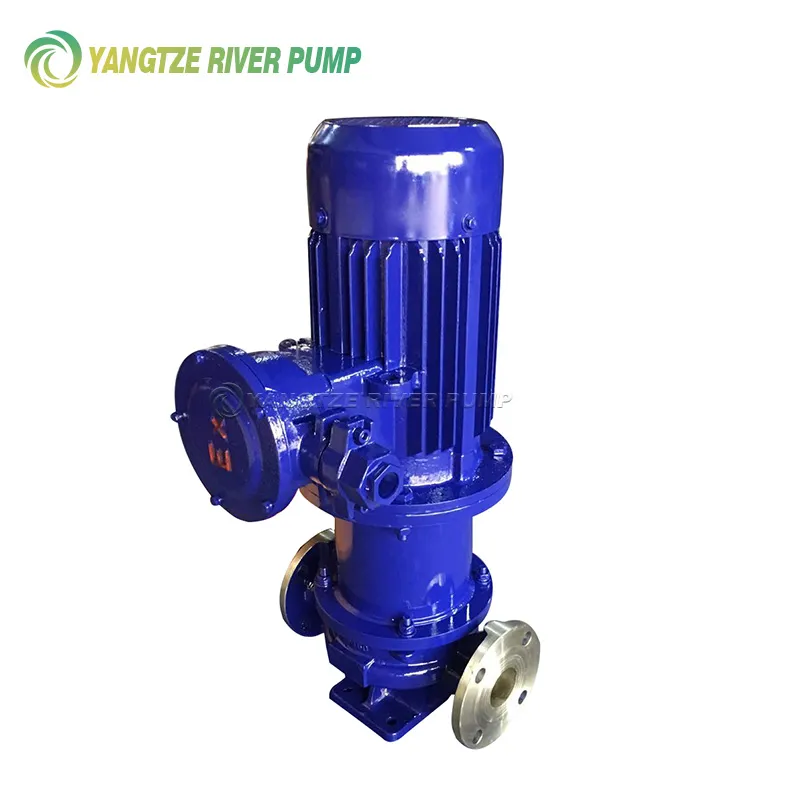 Vertical magnetic pumps CQB-L
-
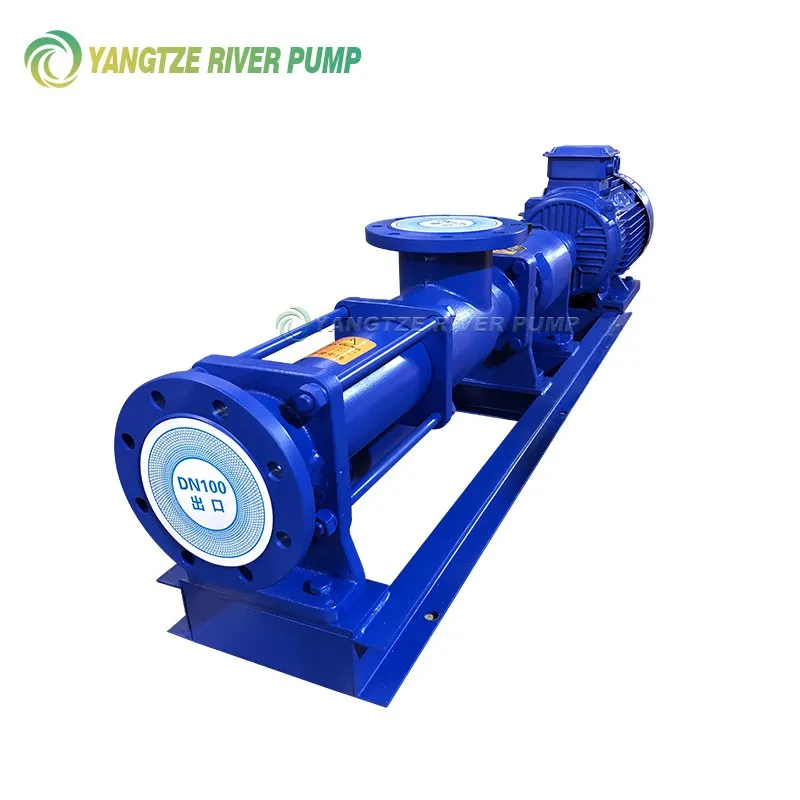 Single screw pumps type G
-
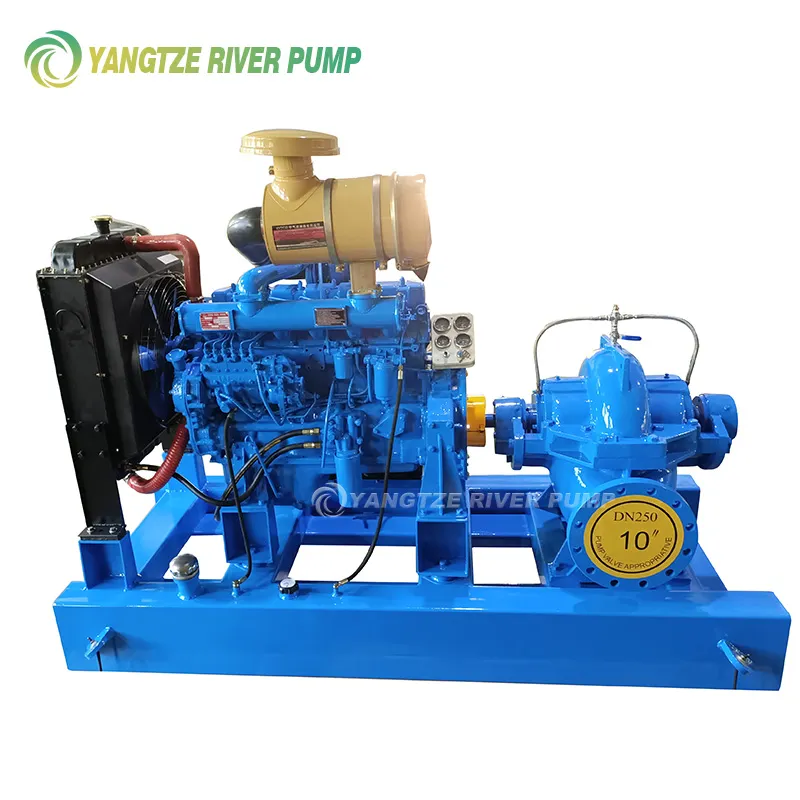 Diesel pumps with horizontal connector YZS and YZSH
-
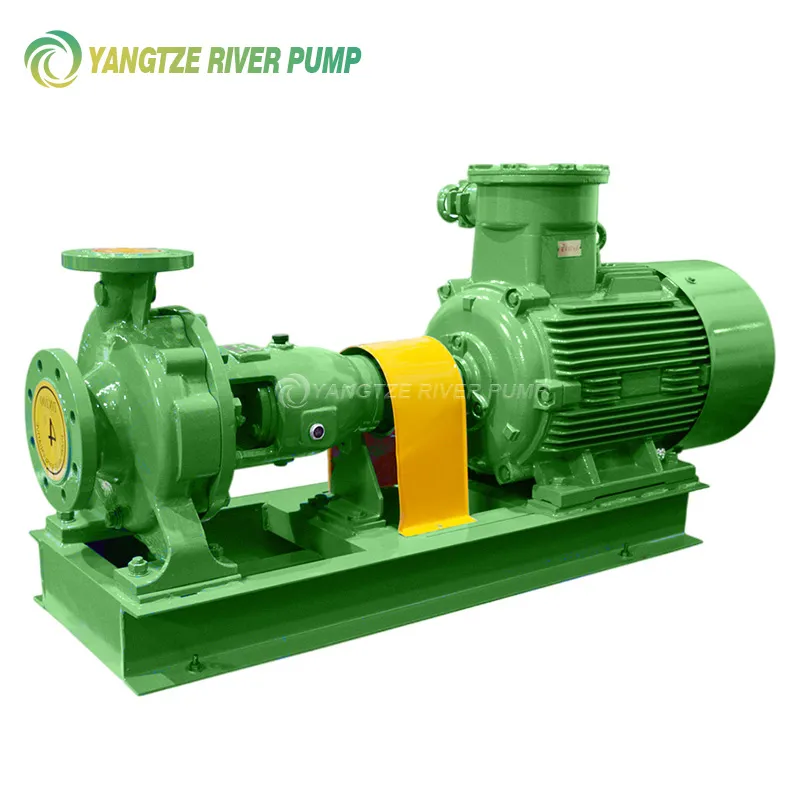 YCZ Chemical Process Pumps
-
 Mechanical diaphragm dosing pumps DJ-D
Relatedsearch
Related Search- deep well pumps equipment
- submersible sewage pump with cutting
- centrifugal pump 550W
- Vertical centrifugal pumps
- CDLF Complete water supply plants with frequency regulation and constant pressure
- single centrifugal pumps
- centrifugal pump 6 m3 h
- quality centrifugal pump
- vacuum pump 100l min
- batch diaphragm pump