







electric driven centrifugal pumps
When they talk aboutelectric driven centrifugal pumps, many immediately imagine just a “pump with a motor?”. But what is it like to call a car a “box with wheels?” - technically true, but does not reflect the essence. The main subtlety that is often missed at the selection stage is precisely the consistency of the “hydraulics-drive” pair. You can take an excellent wheel with bearings, but if the engine does not provide the necessary torque and adjustment, the entire system will work under tension, or even fail prematurely. In ourZhejiang Yangzijiang Pumping Industry Co.,Ltdthere is a history on this topic, full of cones, especially in the early years, when they tried to install standard engines on everything.
Where is the non-obvious problem?
Here, for example, is a classic situation with the water supply of a small village. The customer asks for a reliablecentrifugal pump, the data on flow and pressure seem to be clear. We select a unit and install a regular asynchronous motor with a fixed frequency. Everything starts up, but after six months complaints begin: either the pressure fluctuates, or the engine overheats during peak hours, when many taps are opened at the same time. The standard drive does not have time to adapt and operates constantly at maximum, although the average load is far from the nominal value. The resource is consumed instantly. This is the same mistake when they look only at the passport data of the pump, forgetting about the dynamics of real operation.
Later, for similar objects, we began to recommend circuits with frequency converters. But even here there are some surprises. One of the projects where we installed multi-stage vertical pumps with advanced emergency control, it seemed like we had everything figured out. However, it turned out on site that the local network had strong phase imbalances and interference. The converter began to trigger protection almost every day. We had to shield the cables, install additional network chokes - a whole story that was not in the original estimate. The client, of course, was not happy with the additional work and costs. This is the case when a theoretically ideal circuit withelectric drivestumbles upon the harsh reality of Russian power grids.
Hence our internal principle, which we now always voice: selecting a drive is not a separate task. This is part of a comprehensive site analysis. It is necessary to know not only the parameters of the pumped medium, but also the quality of electricity on site, the permissible noise level (the frequency converter may hum), the possibility of placing the control cabinet, and climatic conditions. Without this, even the most technologically advanced pump from the best manufacturer can turn into a headache for everyone.
Experience with chemical media and ?plastic?
A special discussion is the applicationelectric driven centrifugal pumpsin the chemical industry. Here, errors in choosing a drive can lead not just to breakdown, but to an accident. We have a line of plastic chemical pumps in our assortment, and when we first started promoting them, we were confident that the main thing was the corrosion resistance of the flow part. But no.
There was an incident at one of the production facilities of paints and varnishes. An aggressive suspension with abrasive particles was pumped. The polypropylene pump worked, but the drive shaft, connected to the engine through a coupling, experienced not only torque, but also significant radial loads due to uneven flow and impeller wear. The engine was general purpose, with standard bearings. After a few months, the vibration increased so much that the stuffing box began to leak. It's good that we noticed it in time. After this case, for such tasks we insist on using motors with a reinforced design of bearing units designed for increased radial forces, and ideally on the use of monoblock structures, where the motor shaft is part of the pump shaft. This reduces the number of connections and points of potential failure.
Our company websiteyangtzeriverpump.ruWe now reflect this experience: in product descriptions, especially for chemical and abrasive media, we specifically focus on drive requirements. Not just “power 5.5 kW”, but recommendations on the type of installation, protection class (IP) depending on the environment and the need for a special design. This is not marketing, these are conclusions written by the costs of complaints.
Self-priming models: imaginary simplicity
Self-priming pumps are another layer of interesting problems for electric drives. They are often perceived as something simple, for everyday needs. But in industry, for example, for pumping drainage water from pits or pumping fuel, the requirements are completely different. The key parameter here is the time and depth of suction. And here it all depends on the characteristics of the engine: its starting torque and the ability to work with overload at the moment of starting, when the pump is filled and a vacuum is created.
I remember they supplied a batch of standardself-priming pumpswith conventional electric motors to a fuel and lubricants warehouse. The temperature outside is minus 15, the diesel fuel has thickened. During startup, the load on the shaft went off scale, the engines could not reach rated speed, and thermal protection was triggered. We had to urgently change the engines to models with increased starting torque and install a heating system in the receiving tank. Now for the northern regions we immediately include this factor in the proposal. The engine must not only be suitable in terms of power, but also have a torque reserve for starting in difficult conditions.
This, by the way, also applies to our submersible pumps. It would seem that there the engine is generally hermetically sealed and operates in ideal conditions - surrounded by the pumped liquid that cools it. But if it is a well pump, then the diameter is limited, which means the motor is long and thin. Overheating of its windings is a common problem if the flow rate is incorrectly selected. If the flow through the pump is less than the calculated one, there is not enough cooling and the engine burns out. Therefore, our testing department runs such pumps on production lines in different modes, including at the minimum permissible flow rate, to ensure sufficient coolingelectric drive.
Magnetic pumps and seamless drive
Magnetic pumps are perhaps the most striking example where an electric drive and hydraulics become one. There is no mechanical seal; torque is transmitted through a magnetic coupling. And here the main enemy is overheating. If the pump operates in a mode close to a “closed valve”, or the pumped medium is viscous, eddy currents arise in the magnetic coupling and it heats up. If the heating exceeds the critical level for permanent magnets, demagnetization occurs - the pump stops, and this cannot be repaired, only replacing the coupling or the entire unit.
We produce such pumps and know from our own experience how important it is to choose the right motor and control system for a specific environment. You can’t just take a sign and choose a model. It is necessary to simulate thermal conditions. Once, for a chemical reactor where a highly viscous polymer was pumped, we installed a standard magnetic pump. Everything was fine on the water when tested at our stand. But at the site, due to high viscosity, the heating of the coupling turned out to be higher than calculated. The protection system worked, but only after a partial loss of torque had occurred. It was necessary to quickly develop and install an additional casing with forced airflow to remove heat from the coupling body. Now, in such technical specifications, we immediately provide a reserve for engine power and definitely consider the option of a temperature sensor on the coupling body with a signal output to the control panel.
This is about the eight complete production lines that we have.Zhejiang Yangzijiang Pumping Industry Co.,Ltd. It is not just assembly that is important, but a closed cycle: R&D, production, testing. Without your own tests, where you can simulate complex and even extreme conditions, such subtleties simply cannot be revealed. You can sell anything, but in order for the equipment to last beyond the warranty period, you need to deeply understand how each combination of rotor-hydraulics-drive behaves. in the field.
Bottom line: not a pump, but a system
So what's all this for?Electric drive centrifugal pump- this is not just a product from a catalogue. This is a solution to a specific technological problem. Its reliability and efficiency are determined at the intersection of disciplines: fluid mechanics, electrical engineering, materials science. You can buy a cheap pump with a powerful motor, but then pay for downtime, repairs and energy consumption.
Our position, as a manufacturer who goes all the way from drawing to installation and service, is to minimize the risks for the customer even at the selection stage. Therefore, in each dialogue we try to find out not only the required parameters, but also the nuances of operation: how often there will be launches, whether there is a risk of working with a closed valve, what kind of electrical network is at the site, who will maintain it. Sometimes, based on this, it is more correct to offer not the most expensive frequency-controlled pump, but a more reliable linear one with a properly selected impeller and motor, which will operate in its optimal mode without complex electronics.
In the end, the most important thing in our work is not just shipping equipment from the siteyangtzeriverpump.ru, but so that it silently and regularly pumps water, chemicals or fuel for years. And this is achieved by paying attention to details that are usually not written in the passport. It is these details that distinguish a set of components from a functional system.
Correspondingproducts
Related Products



Best Sellingproducts
Best Selling Products-
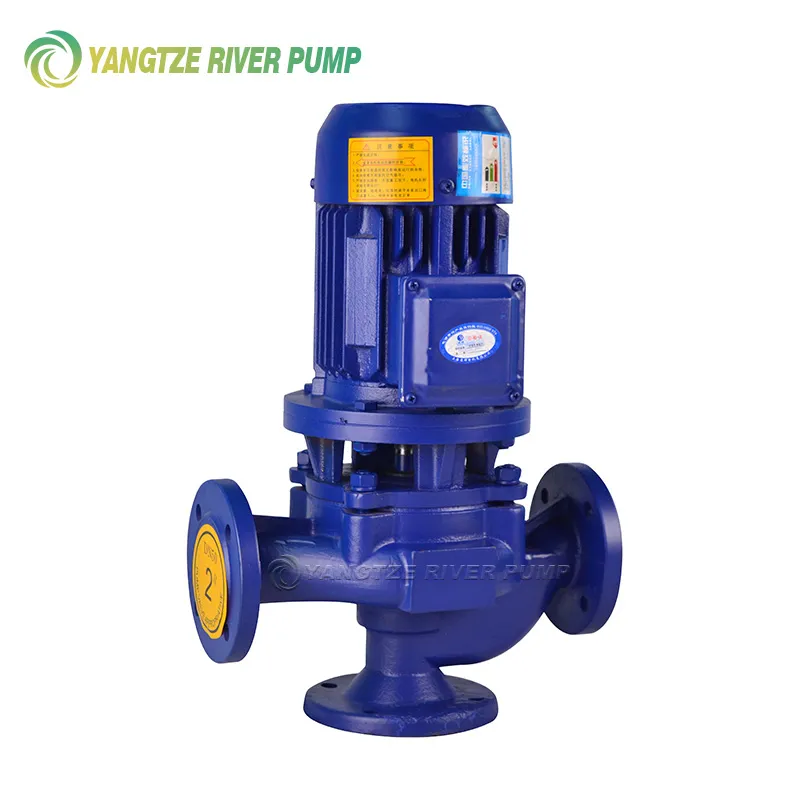 Pipeline wastewater pumps GW
-
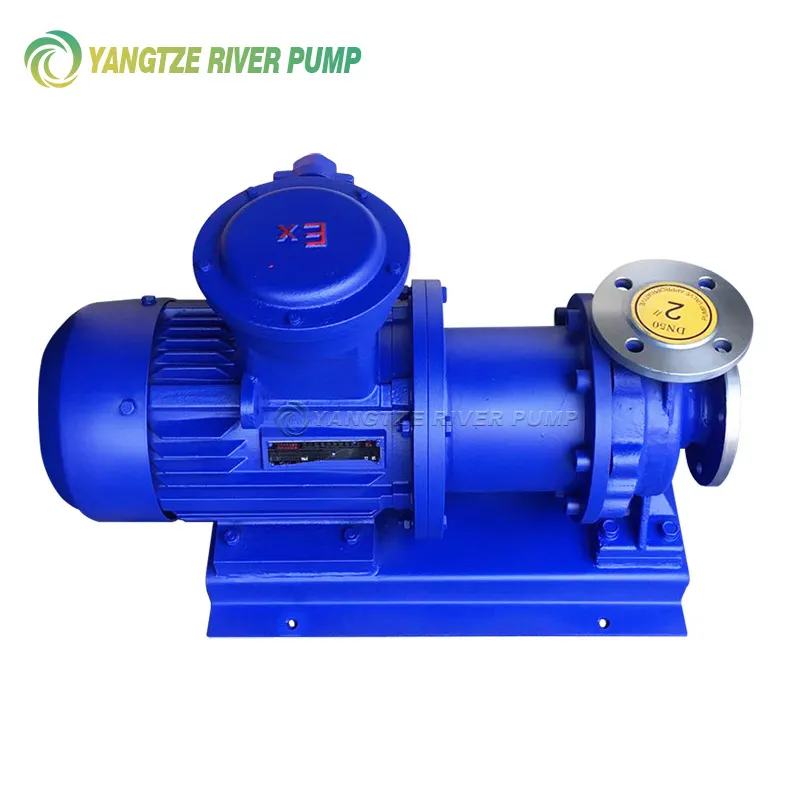 CQB Stainless Steel Magnetic Pumps
-
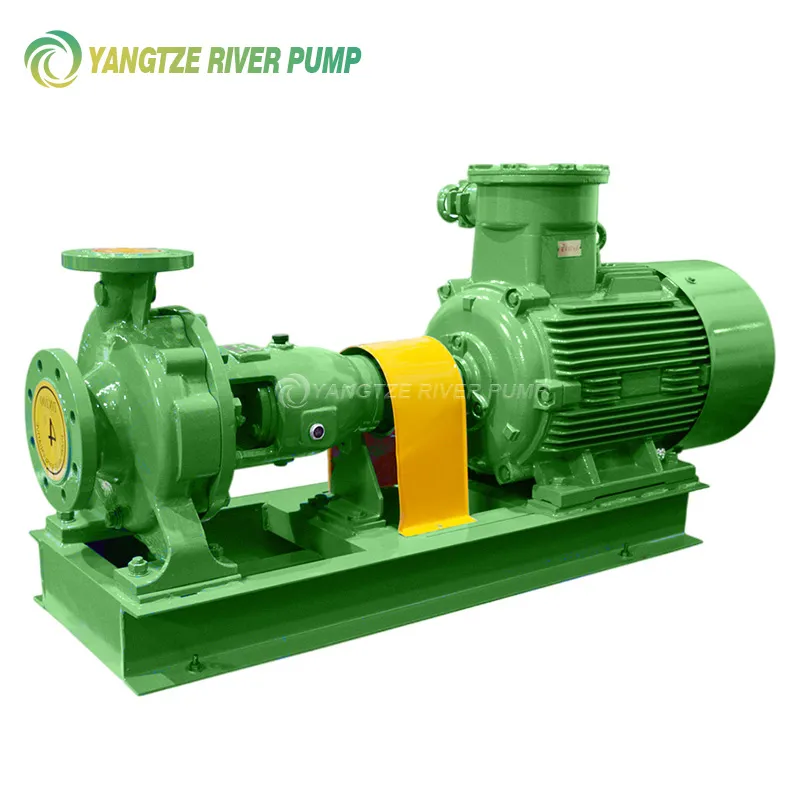 YCZ Chemical Process Pumps
-
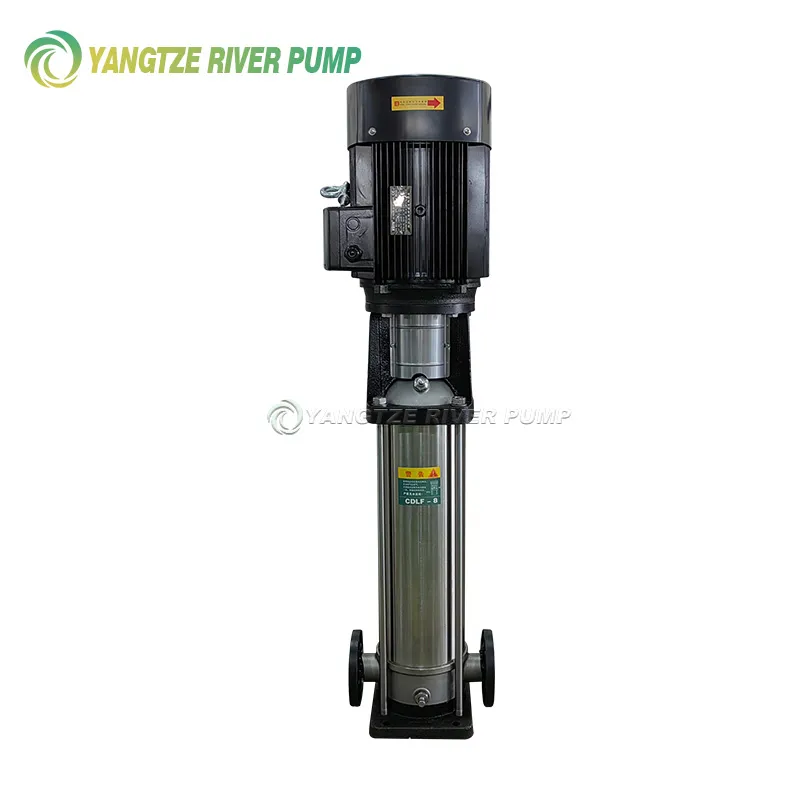 Vertical multistage centrifugal pumps made of stainless steel (light series) CDL and CDLF
-
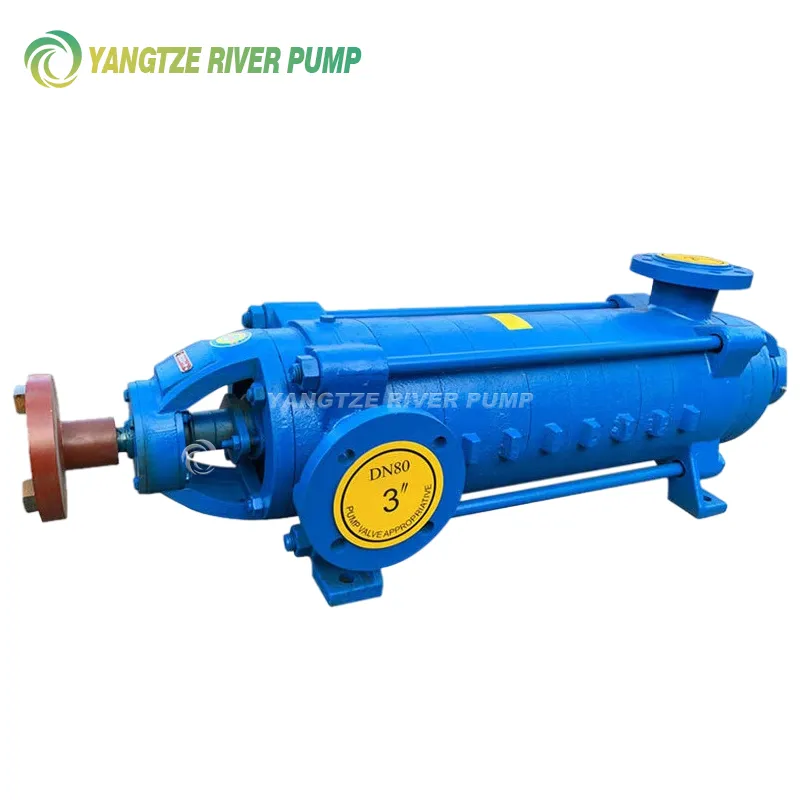 Horizontal multistage centrifugal pumps type D
-
 Non-clogging self-priming wastewater pumps ZW
-
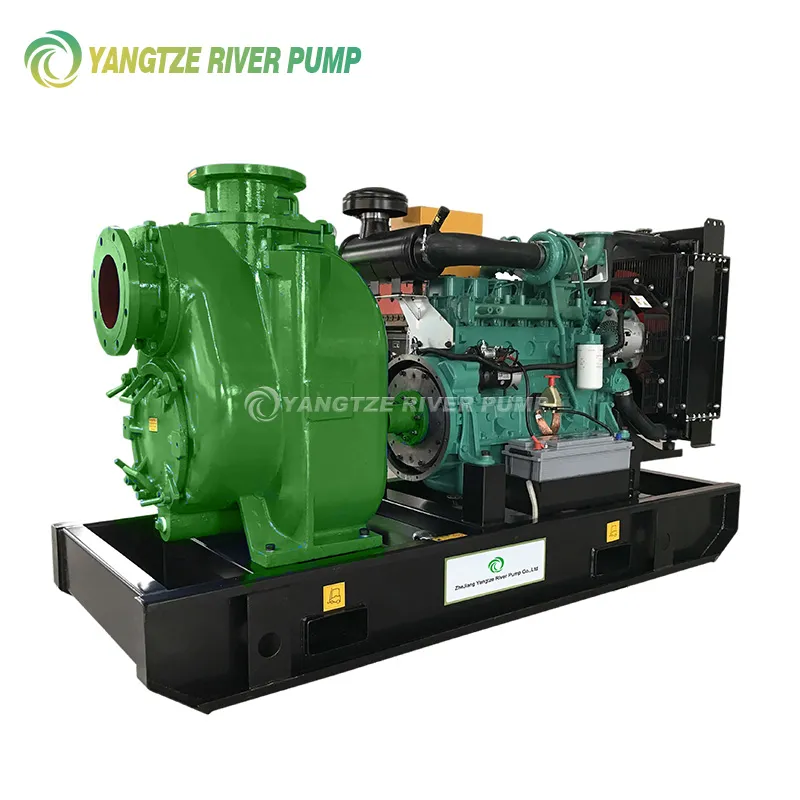 YZSP Diesel Self-Priming Pumps
-
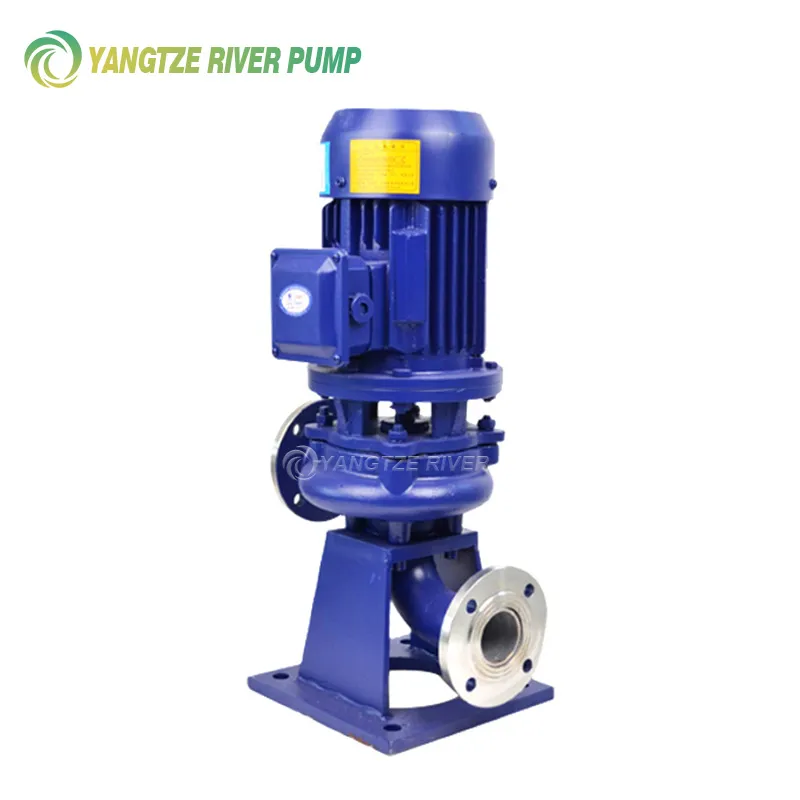 Non-clogging vertical wastewater pumps LW
-
 YCB Type Circular Gear Pumps
-
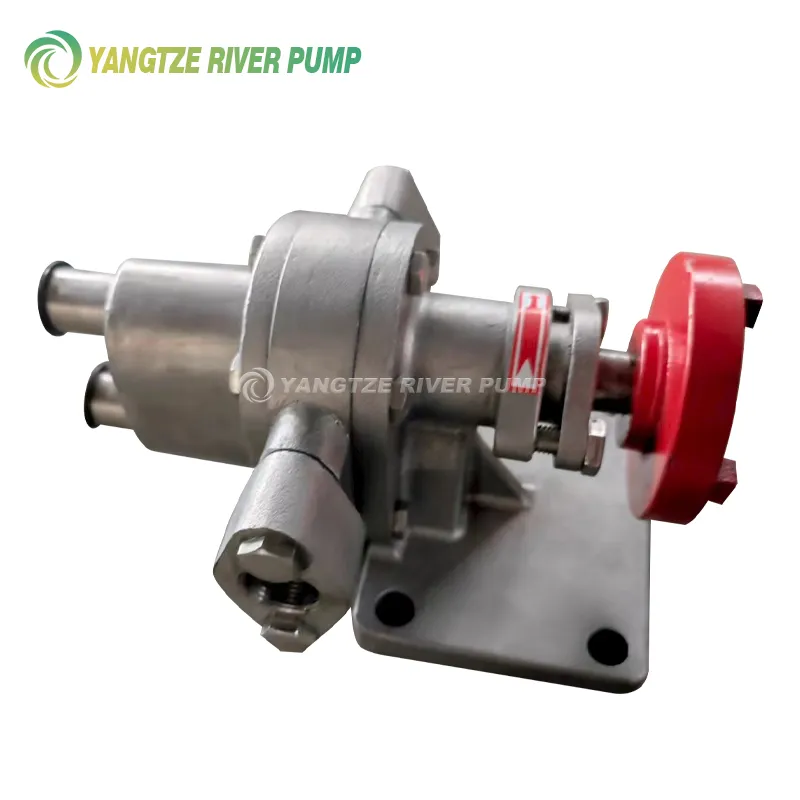 Gear oil pumps type KCB
-
 Mechanical diaphragm dosing pumps DJ-D
-
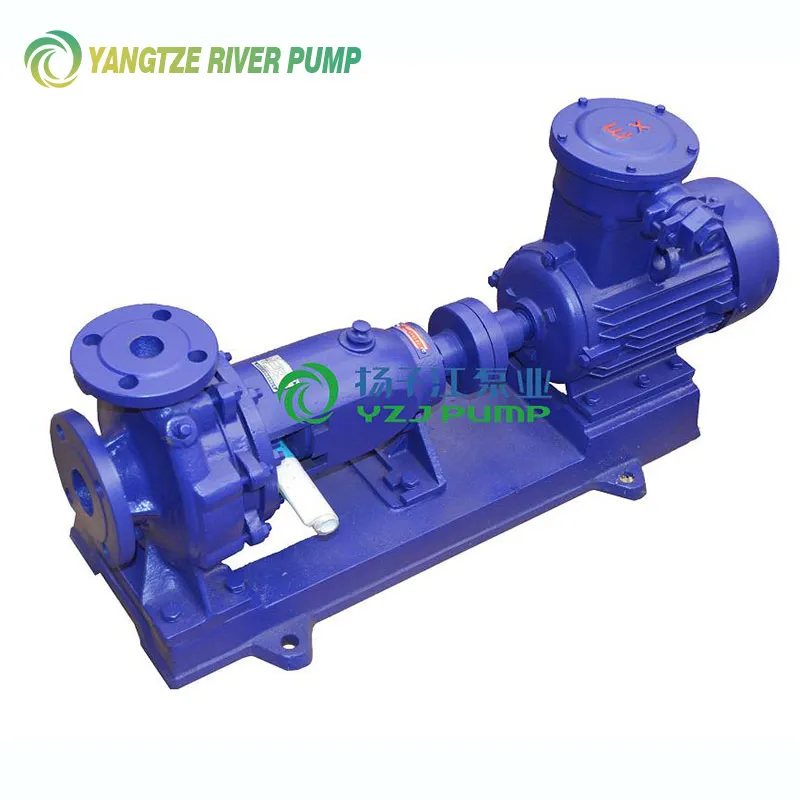 Horizontal chemical centrifugal pumps types IS and IR
Relatedsearch
Related Search- vertical type centrifugal pump
- deep well pump 6 kW
- Corrosion Resistant Chemical Centrifugal Pumps
- horizontal single stage centrifugal pump
- Submersible sewage pump
- centrifugal liquid pump
- Type DZ-X Plunger dosing pumps
- CDL Vertical multistage centrifugal pumps made of stainless steel (light series)
- centrifugal rotary pump
- single-stage vertical centrifugal pump with dry rotor