







centrifugal pump 20 m3 h
When you see the request “centrifugal pump 20 m3 h”, the first thought is that you need a standard unit with twenty cubic meters per hour. But here’s the catch: this seemingly simple number hides a lot of nuances that are often forgotten when choosing. Many people think that this is a universal parameter, and it is enough to select a model based on it. In fact, without taking into account the pressure, type of pumped medium, temperature and even the piping scheme, you can easily make a mistake. I have more than once encountered situations where a pump with the coveted number ?20? on the nameplate did not provide the required performance at the site or worked at the limit, making noise and overheating. Let's figure out what actually stands behind these cubic meters.
Why? 20 cubic meters? - it’s not always 20 cubic meters
Passport performance is an idealized thing. It is indicated for water under standard conditions. What if you have, say, a liquid with high viscosity or abrasive inclusions? The characteristics of the Q-H curve will float instantly. I remember one project involving the supply of a polymer solution: they took an ordinary single-stage centrifugal with a capacity of 20 m3/h, but it barely pulled out 15, and the pressure dropped catastrophically. I had to reconsider the choice towards models with a flatter characteristic and reinforced impellers.
The second point is pressure. The pump can deliver its 20 cubic meters, but only at a certain back pressure. If the hydraulic resistance in the system is higher than designed, the operating point will shift to the left along the curve and the flow rate will drop. This is basic hydraulics, but how many times have I seen people turn a blind eye to this! Especially when modernizing old pipelines, where no one recalculated the real losses.
And third is the operating mode itself. Do you need a stable 20 m3/h or is this a peak value? For periodic work, a standard model may be suitable. But for constant, round-the-clock pumping, especially in critical technological lines, it is already worth looking at the performance margin, at the materials used and, most importantly, at the reliability of the manufacturer. Here, by the way, experience suggests paying attention to companies with a full cycle, from development to testing, likeZhejiang Yangzijiang Pumping Industry Co.,Ltd. When production and tests are under the same control, there is less chance of running into a discrepancy between declared and actual parameters.
What is the correct pump for 20 m3/h assembled from?
Structurally, for such a flow rate, single-stage cantilever centrifugal pumps are often used. They are relatively simple, maintainable and affordable. But ?simple? does not mean “always suitable?”. The key components are the impeller, seal and casing material. For clean water, cast iron with a brass wheel will also work. But for chemically active environments, which are not uncommon in industry, stainless steels or even specialized plastics are already needed.
I have learned from my own experience that the type of mechanical seal plays a huge role. Cheap stuffing box packings for such flow rates mean constant tightening and leaks. Modern mechanical seals, especially double ones, for aggressive environments are a different matter. They are more expensive, but are completely worth it in the long run, keeping maintenance to a minimum. In stockYangtze Pumpthis is well understood when offering for theirplastic chemical pumpsandmagnetic pumpsDesign options with different types of seals for a specific task.
Another practical aspect is the method of supply. Linear centrifugal pumps (in-line) are good for inserting into a finished pipeline and save space. But they, as a rule, have higher requirements for alignment during installation. Conventional cantilever pumps with a base plate are easier to align, but require more space. The choice often depends on the layout of the pumping station.
Where and how such pumps actually work
The scope of application is huge. A typical example is the water supply of small villages or industrial enterprises, where such a pump works in tandem with a hydrophore. Or circulation in cooling systems of technological equipment. But more interesting cases involve non-standard environments.
I had a project at a small chemical production plant - pumping a caustic solution. The temperature is under 60°C, the environment is caustic. They installed it justcentrifugal pumpmade of AISI 316 stainless steel, with a capacity of about 20 m3/h. The key was to ensure a smooth start (to avoid water hammer) and the correct selection of seals. We settled on a magnetic coupling to completely eliminate the possibility of leakage through the shaft. This solution, by the way, has something in common with the technologies that it usesZhejiang Yangzijiang Pumping Industry Co.,Ltdin theirmagnetic pumps— the sealless design is the main one, which is ideal for hazardous liquids.
Another case is irrigation. It would seem like just water. But if the source is an open reservoir, there is sand and silt in the water. A regular wheel will wear out quickly. Here we had to look for a model with a reinforced, wear-resistant impeller, perhaps even made of polymer material. And again the question arises about real performance: with contaminated water it will be lower, which means you need to take a pump with a reserve.
Mistakes to Avoid
The most common is saving on everything. They take the cheapest pump with the appropriate numbers, install it on old, overgrown pipes, and wonder why it doesn’t work or quickly breaks down. The margin of safety and quality of materials is not marketing, but a necessity.
The second mistake is ignoring suction conditions. For normal operation of a centrifugal pump, it is important to provide pressure at the inlet, especially if it is located above the liquid level. Self-priming models solve this problem, but they have their own specifics and, as a rule, are slightly lower in efficiency. If cavitation phenomena are possible in the system (at high temperatures or low suction pressure), this will kill even the best pump in a matter of months.
And third, forget about maintenance. Any, even the most reliable pump requires attention: checking vibration, condition of seals, bearings. I have seen excellent units fail simply because they did not notice the destruction of the seal in time, and water got into the bearing assembly. This is especially true for pumps operating in a continuous cycle, where stopping is a loss of money. It is therefore important that the manufacturer, like the sameYangtze Pump, provided not just equipment, but full technical support and availability of spare parts.
What's the result? Thinking out loud
So what is itcentrifugal pump 20 m3 h? This is not a product item, but a whole class of equipment, the choice within which requires an understanding of the technology. This is a starting point for dialogue with an engineer, not a ready-made answer.
The modern market offers a lot of options: from standard console ones to specialized linear, magnetic or plastic ones. Availability from the manufacturer as stated onyangtzeriverpump.ru, complete lines from R&D to testing is a good sign. This means that the pumps are not simply assembled from purchased components, but are designed and tested as a system. For critical applications this is critical.
Ultimately, success is in the details. Not from a beautiful picture in the catalog, but from the correct selection of material for the flow part for the medium, from well-calculated hydraulics of the system, from the quality of manufacture of the impeller and shaft. And, of course, from the experience of the one who selects and installs this pump. The number ?20? - just the beginning of an interesting conversation.
Correspondingproducts
Related Products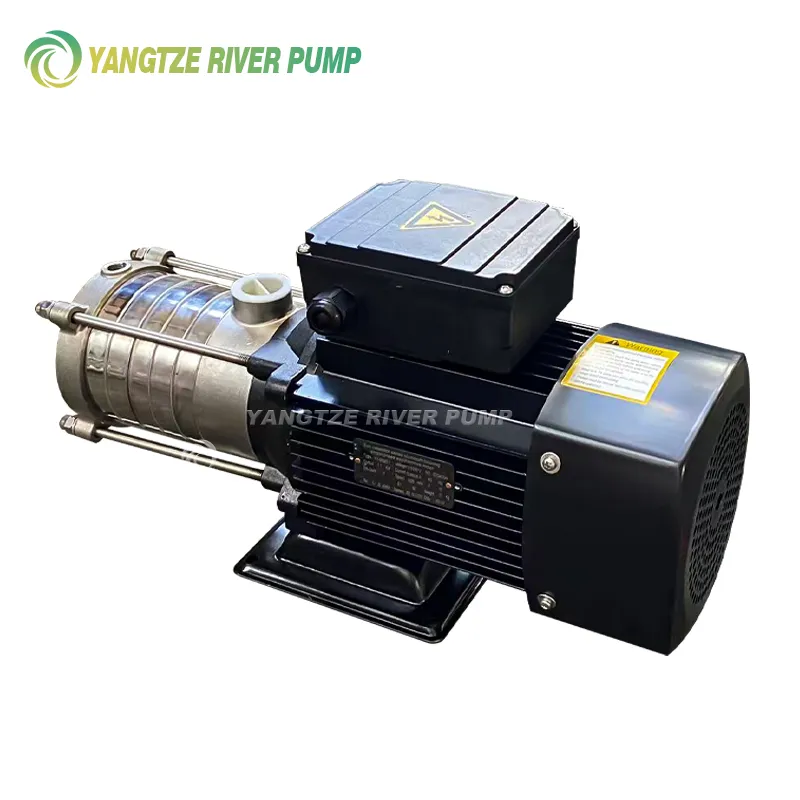
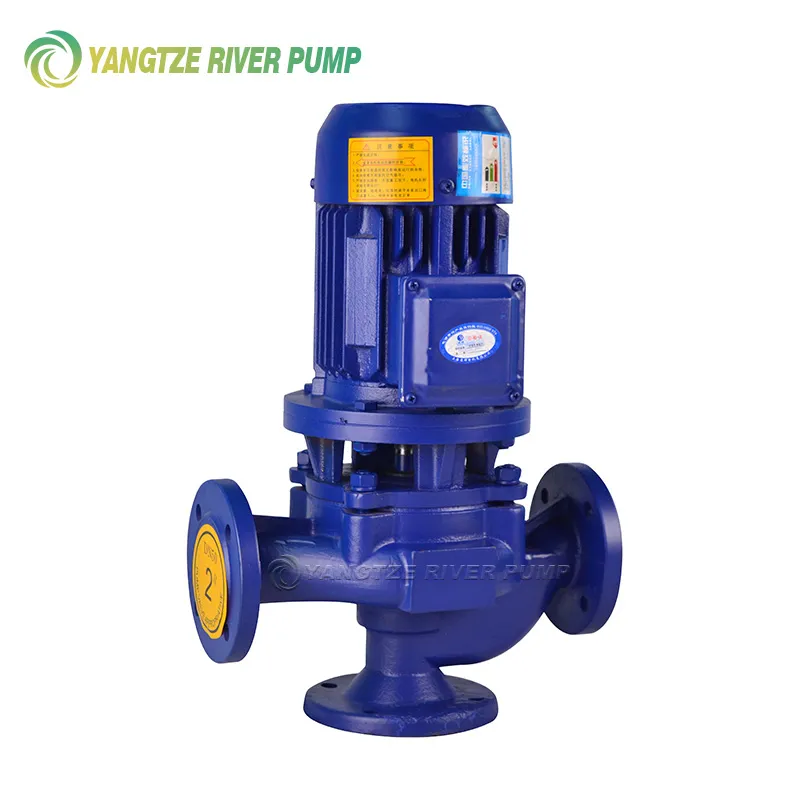
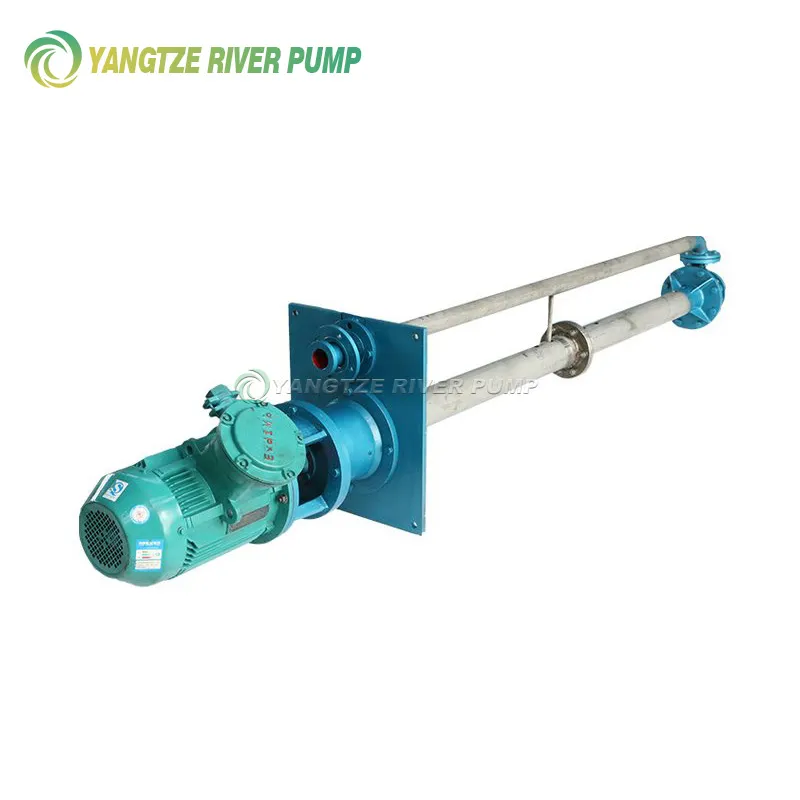





Best Sellingproducts
Best Selling Products-
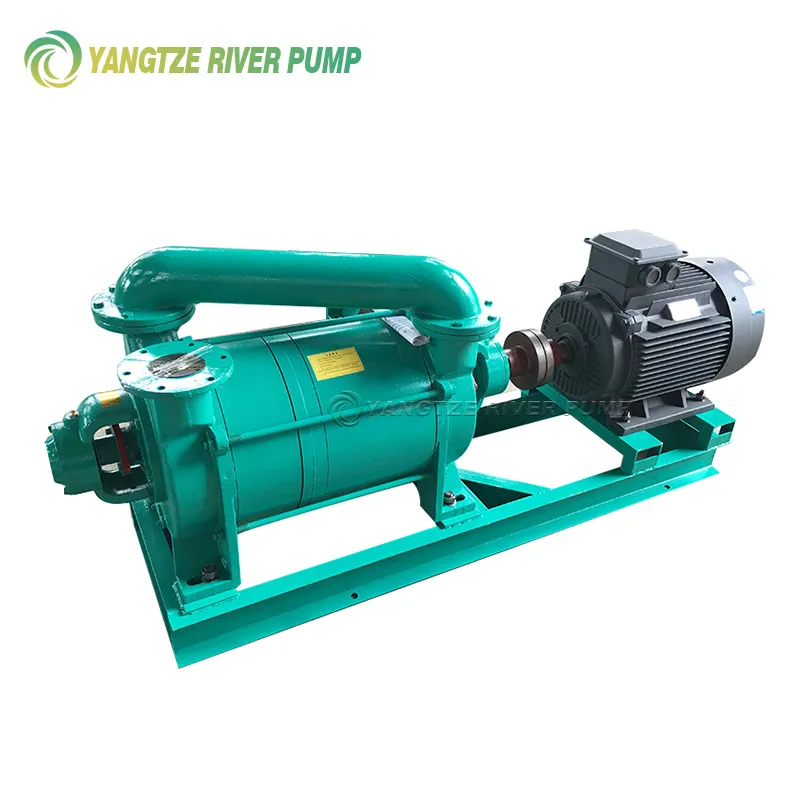 Liquid ring vacuum pumps type 2SK
-
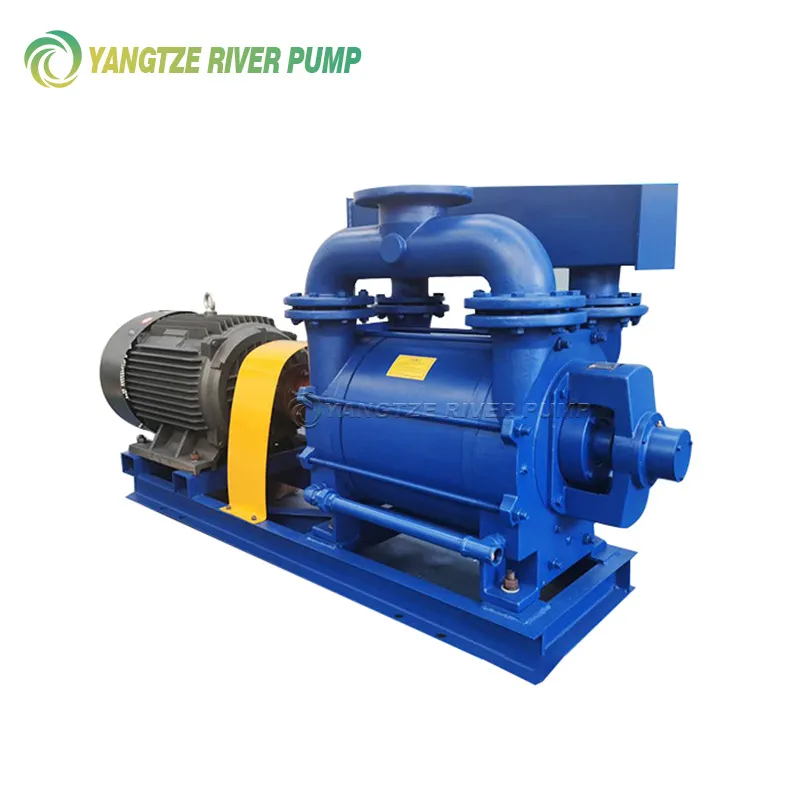 Liquid ring vacuum pumps type 2EB
-
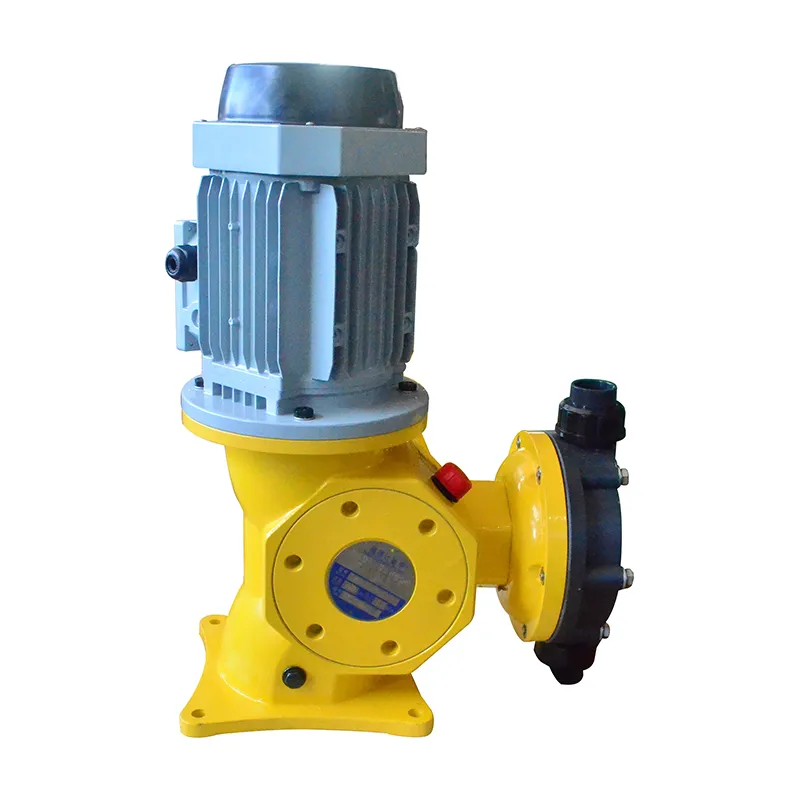 Mechanical diaphragm dosing pumps DJ-Z
-
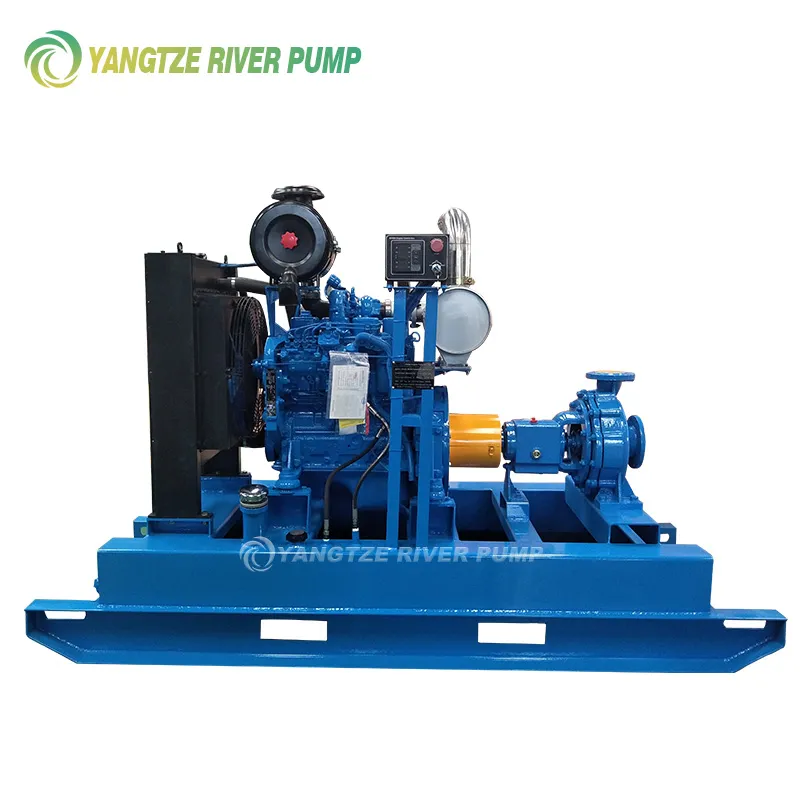 YZIS Diesel Single Stage Centrifugal Pumps
-
 QJ type borehole pumps
-
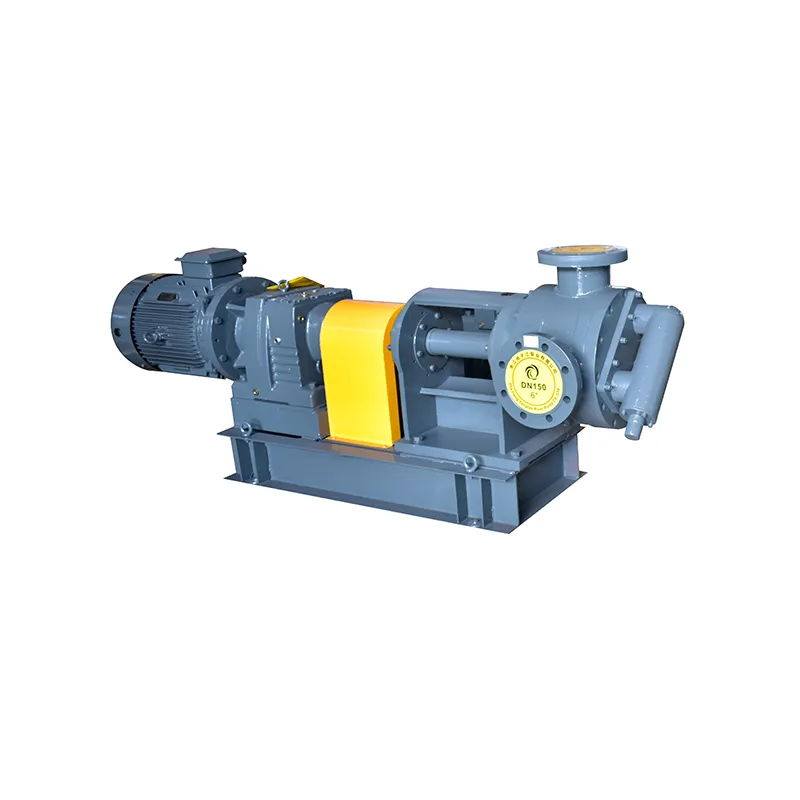 NYP High Viscosity Internal Gear Pumps
-
 Mechanical diaphragm dosing pumps DJ-D
-
 Geared screw pumps type G
-
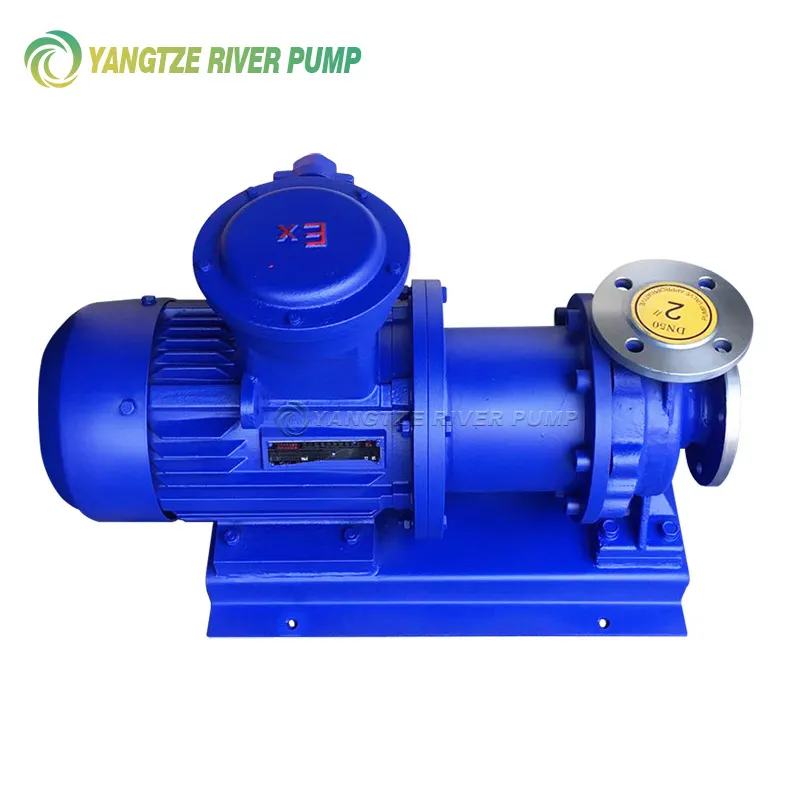 CQB Stainless Steel Magnetic Pumps
-
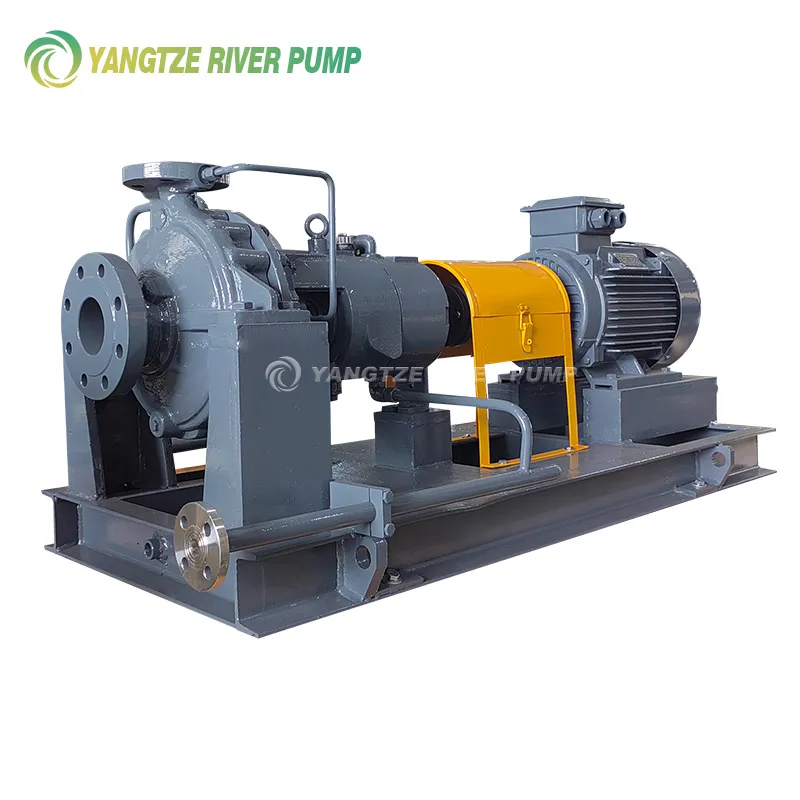 Petrochemical Process Pumps API 610 YZE
-
 Metal pneumatic diaphragm pumps QBK
-
 Non-clogging self-priming wastewater pumps ZW