







deep well pump 3 kW
When you hear “3 kW deep well pump”, the first thing that comes to mind is, of course, performance. Many people immediately begin to count how many cubes he will lift from what depth, and become fixated on this. But the fact that there is a whole story behind these kilowatts - the material of the impeller, the resistance of the seals to abrasive, the configuration of the chambers - is often forgotten. I myself have encountered more than once when a client chooses according to his passport data, and then it turns out that in his water with sand, an ordinary stainless steel turns into a sieve over the course of a season. Therefore, 3 kilowatts is not just a number on a nameplate, but rather a starting point for talking about what the pump will do in real conditions, and not in ideal tables.
Power and its pitfalls
Look, let's take the conditionaldeep well pumpat 3 kW. According to papers, it should work reliably at depths of up to 80-100 meters. But this is in theory, with clean water. But in practice? If the well has a small flow rate, the pump may begin to “pick up” water with sand or silt, especially if installed incorrectly or if the sump is small. The engine will pull its 3 kilowatts, but all the energy will go into friction and heating due to the suspension. I have seen cases where, after six months of such work, not only the hydraulics wore out, but also the windings suffered due to overheating - the protection did not always work on time.
Therefore, in our production practice, for example, when assembling models for difficult conditions, we immediately reserve the material for the flow part. Not just stainless steel, but specific grades that are more resistant to cavitation and abrasive. This is not always immediately obvious to the customer, but it is these details that determine whether the pump will work for one season or five. By the way, on our websiteyangtzeriverpump.ruin the submersible models section you can see exactly how these nuances are described - not bare characteristics, but recommendations on the environment.
And one more thing - this 3 kW can be consumed in different ways. There are pumps where, due to the optimization of hydraulics and the use of frequency control (if we are talking about complexes), it is possible to reduce peak loads and pump the same volume of water with less energy consumption. But this is already the next level, and for most standard tasks in the private sector or in agriculture, the key remains the reliability of the design. It is often easier to install a slightly more powerful engine with a reserve, but at the same time provide it with the right operating conditions - good cooling and clean water at the inlet.
Design: what is hidden behind the body
If you look specificallysubmersible pumpssuch power, then here we are usually talking about multi-stage models. Each stage has its own pressure. And here lies a common mistake: trying to save money by choosing a pump with fewer stages, but with a more “strong” one. engine. It seems that the power is the same - 3 kW, but the pressure will be achieved due to high speeds and increased wear. This is not beneficial in the long run. More correctly, there is a balance between the number of stages and motor power, so that each stage operates in a comfortable mode.
In our production at Zhejiang Yangzijiang Pumping Industry Co., Ltd., this principle is one of the basic ones. When engineers design a line, they do not consider how to fit into the market price, but from ensuring that the service life of the components is comparable. It makes no sense to make an engine for 10,000 hours if the impellers fail after 3,000. Therefore, all stages - from R&D to testing on benches - are tied to the coordination of the resource. Tests, by the way, are carried out not only on clean water, but also on emulsions with sand of a certain fraction. This gives an understanding of the real limits of application.
This is where the logic of the assortment comes from. In addition to standard multistage pumps, we have, for example, linear centrifugal or screw models. For 3 kW, these are rather specialized solutions - for viscous liquids or media with solid inclusions. But if we return to the classicdeep well pump 3 kWfor water, then his ?heart? - these are precisely calculated gaps between the impellers and diffusers, the quality of shaft balancing and, of course, the type of seal. Mechanical mechanical seals are a must-have for such capacities; stuffing box packings simply cannot cope with the pressure and will quickly leak.
Installation and operation: where the problems lie
The most reliable pump can be ruined by improper installation. This is especially true for deep models. A story from practice: they installed a pump for a client, checked everything, and a month later they called and said the pressure had dropped. We arrived and picked it up. It turned out that the installers did not maintain the recommended gap between the pump and the casing wall, plus they did not secure the cable properly. As a result, the pump worked with vibration, the cable rubbed against the pipe, and then it completely shorted. It’s good that the dry-running protection worked, otherwise the engine would have burned out. This is to the question that 3 kilowatts is also a serious electrical load, requiring the correct selection of cable cross-section and its proper installation.
Another subtle point is the start-up protection equipment. Simple starters are absolutely not suitable for an engine of this power. It is necessary to take into account starting currents and possible voltage drops in the network (especially in rural areas). We always recommend installing stabilizers or at least voltage control relays. Yes, this increases the initial costs, but significantly extends the life of the pump. On our website in the support section there are typical wiring diagrams for different capacities, which were compiled based on feedback from service centers.
And, of course, service. A deep-well pump is not a unit that can be “set and forgotten”. Even if there is no sand in the water, it is recommended to lift it once every 2-3 years for a preventive inspection: check the wear of the seals, the condition of the bearings, and clean the filter. Many people neglect this, and then wonder why the pump suddenly stopped producing the stated pressure. Most often, the reason is the overgrowing of the working chambers with deposits (iron, salts), which changes the hydraulic characteristics. A simple wash in an acidic solution (if the housing materials allow) could prevent this.
Comparison and selection: what to look for besides price
The market is flooded with offers. How to distinguish qualitydeep well pump 3 kWfrom ?disposable?? The first is weight. A heavier pump usually means more metal in the flow path and a larger motor stator. This is an indirect sign of safety margin. The second is information about the material of the impellers and diffusers. If the specification simply states “stainless steel?” - this is a reason to be wary. A good manufacturer will indicate the steel grade, for example, AISI 304 or AISI 316. Third, the availability of a complete set of documentation, including detailed installation instructions and pressure-flow characteristics curves (not just maximum points, but a whole curve).
Here I can refer to our company’s approach. For us, as a manufacturer with a full cycle - from our own R&D to service - the predictability of product operation in the field is critically important. Therefore, in the documentation for our submersible pumps, we try to provide not only dry numbers, but also explanations: for example, how the performance will change with increasing depth or when working with water of increased hardness. This is not advertising, but a necessity to reduce the number of incorrect applications and, as a result, warranty claims.
And the last thing is service availability. The pump may be the best in the world, but if you have to wait two months for parts from overseas to replace a seal or bearing, that's a problem. One of the advantages of in-house production, like ours at Zhejiang Yangtzejiang Pumping Industry LLC, is control over the warehouse of components. Standard wear parts (O-rings, seals, bearings) for popular models, including three-kilowatt models, are usually in stock. This allows you to quickly respond to requests from repair services.
Summary: the bottom line idea
So what's the bottom line?Deep well pump3 kW power is a working tool that must be selected for a specific task and specific conditions. Its power is not a guarantee of trouble-free operation, but only one of the parameters that must be linked to the depth, flow rate of the well, water quality and, no less important, the qualifications of the installers. The ideal pump for all occasions? does not exist, there are more or less suitable ones.
Our own experience and observations of the operation of hundreds of units in the field lead to a simple conclusion: durability is determined by the little things. The quality of the shaft processing, the type of rubber in the seals, the correct settings of the protection. And here everything depends on the conscience and competence of the manufacturer. When a company has its own test benches and a full production cycle, as in our case, it is easier to track these little things. and bear responsibility for them.
Therefore, returning to the beginning: the next time you hear or look for “3 kW deep well pump?”, look not at a pretty picture, but at the design details, at the transparency of technical information and at the brand’s reputation in a professional environment. This will save both money and nerves in the future. And the pump itself, if it is chosen and installed wisely, will do its job properly for years - lifting water from the depths, which, in fact, is what is required of it.
Correspondingproducts
Related Products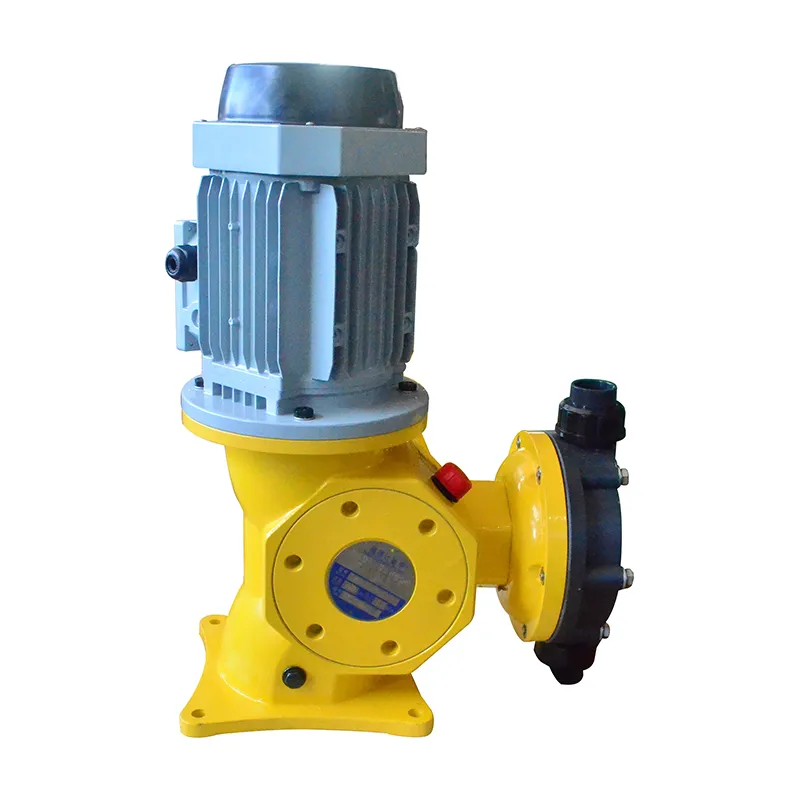
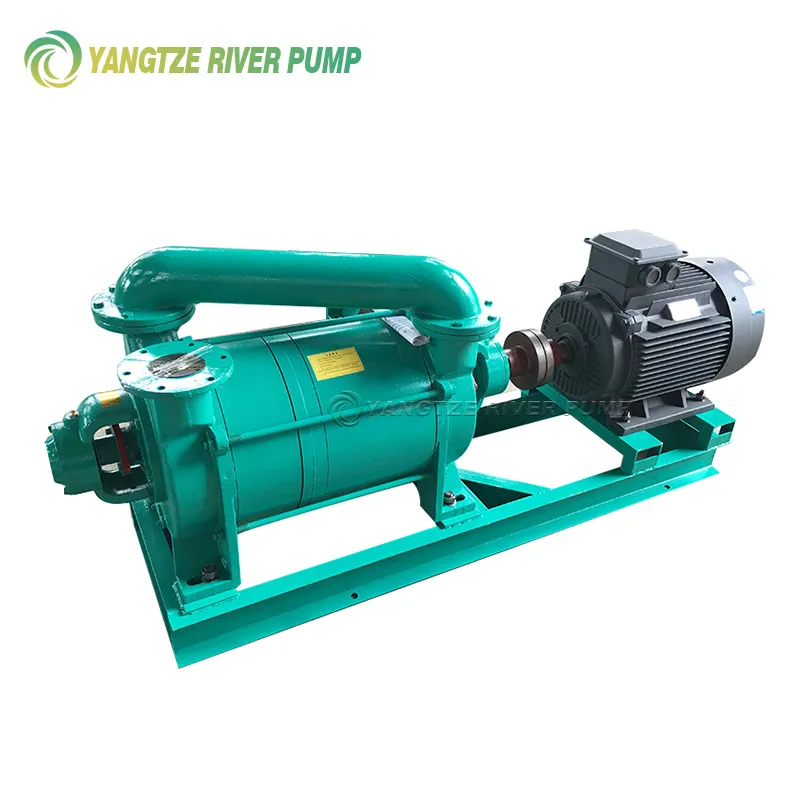

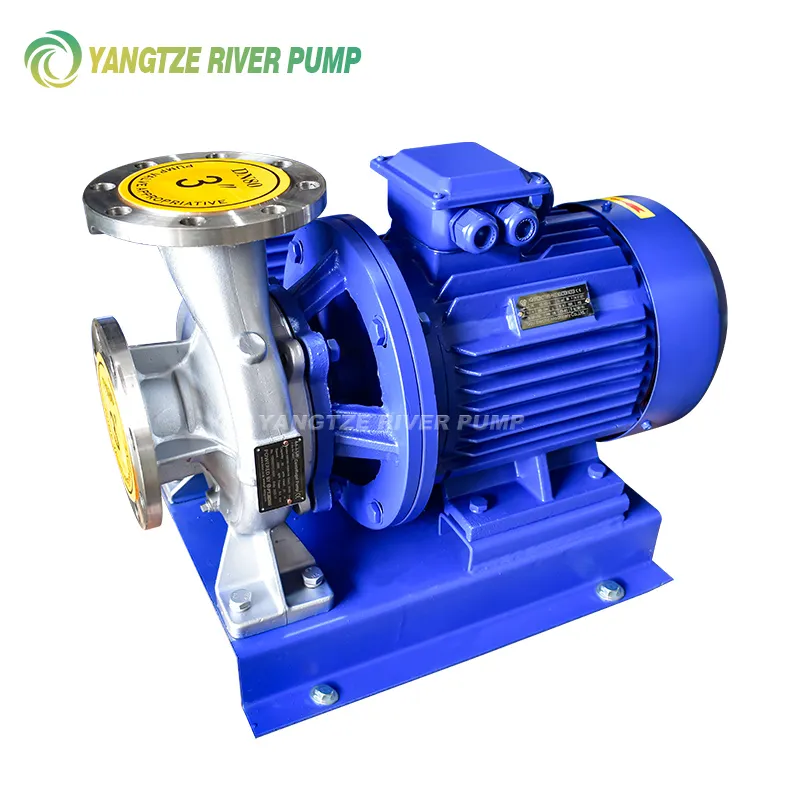
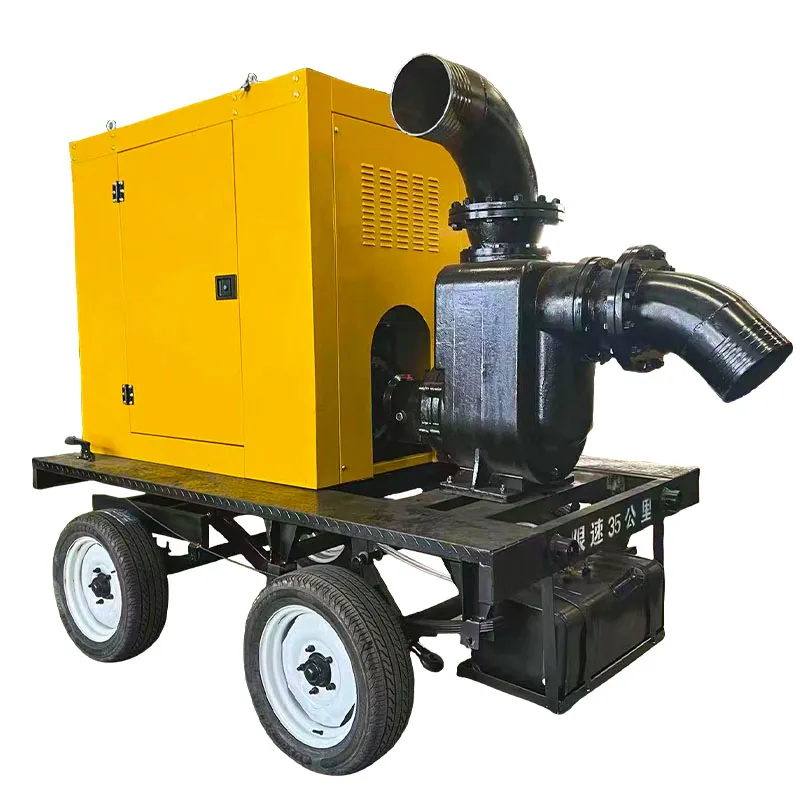

Best Sellingproducts
Best Selling Products-
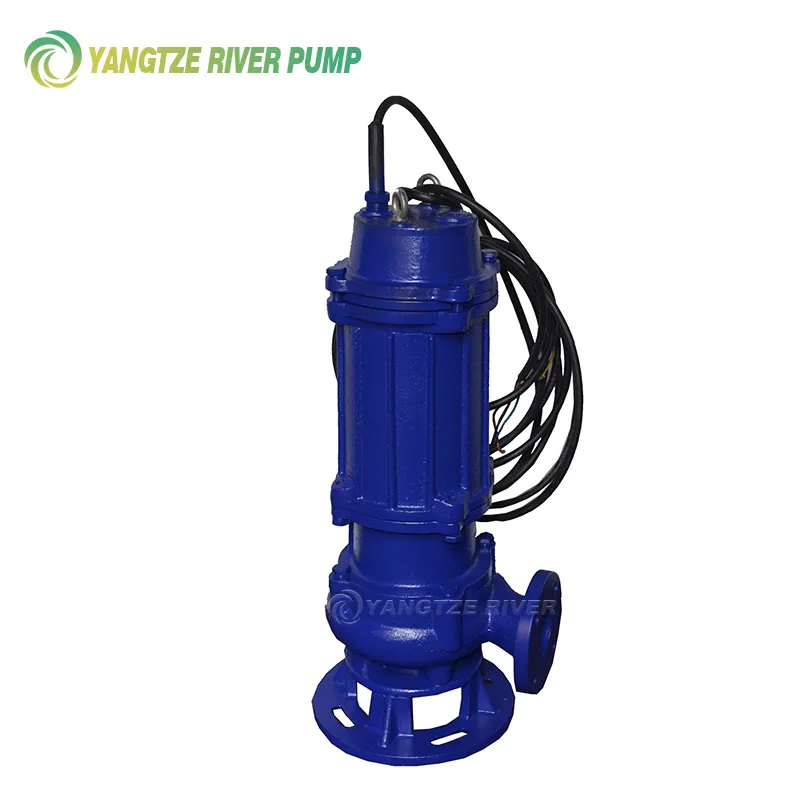 QW Non-clogging Submersible Sewage Pumps
-
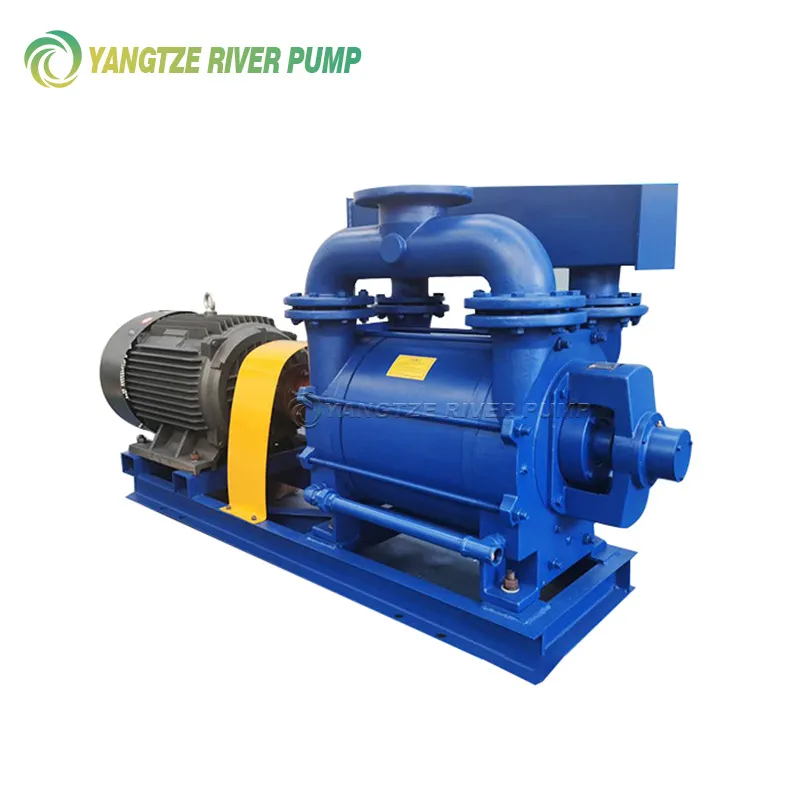 Liquid ring vacuum pumps type 2EB
-
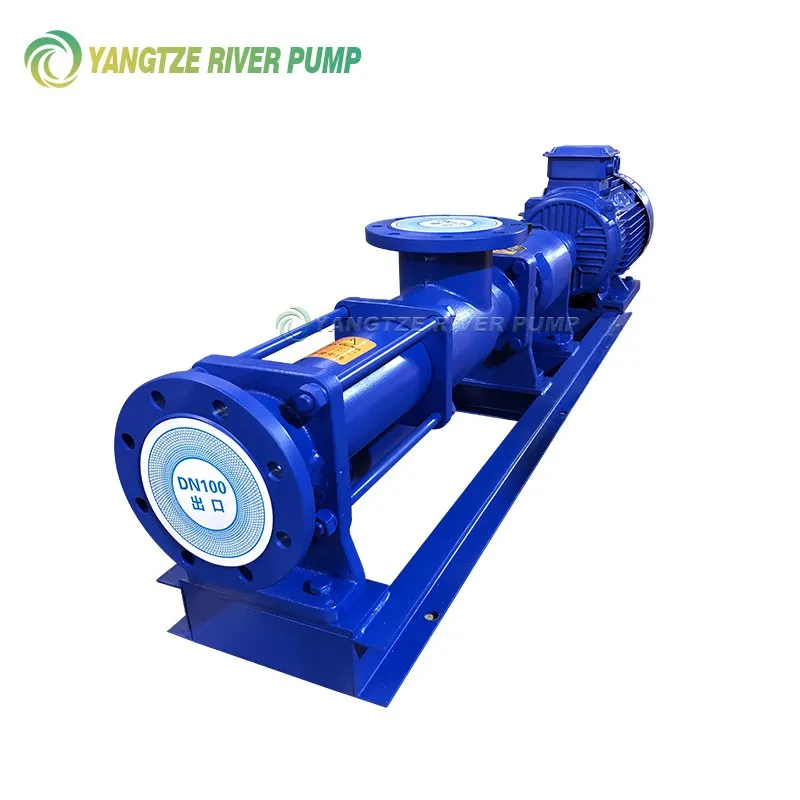 Single screw pumps type G
-
 Metal electric diaphragm pumps DBY
-
 Geared screw pumps type G
-
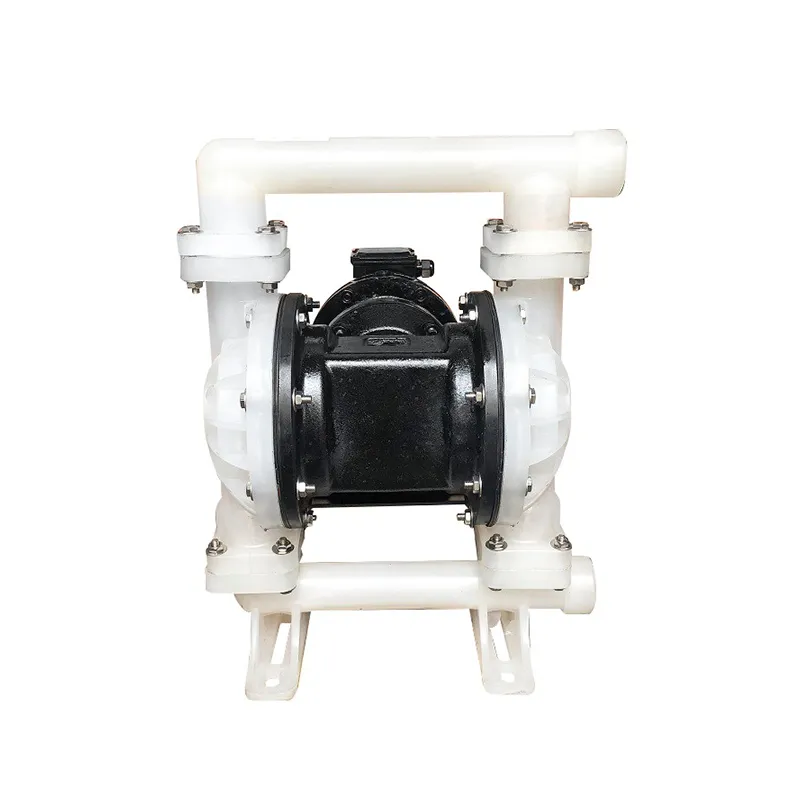 DBY Non-Metallic Electric Diaphragm Pumps
-
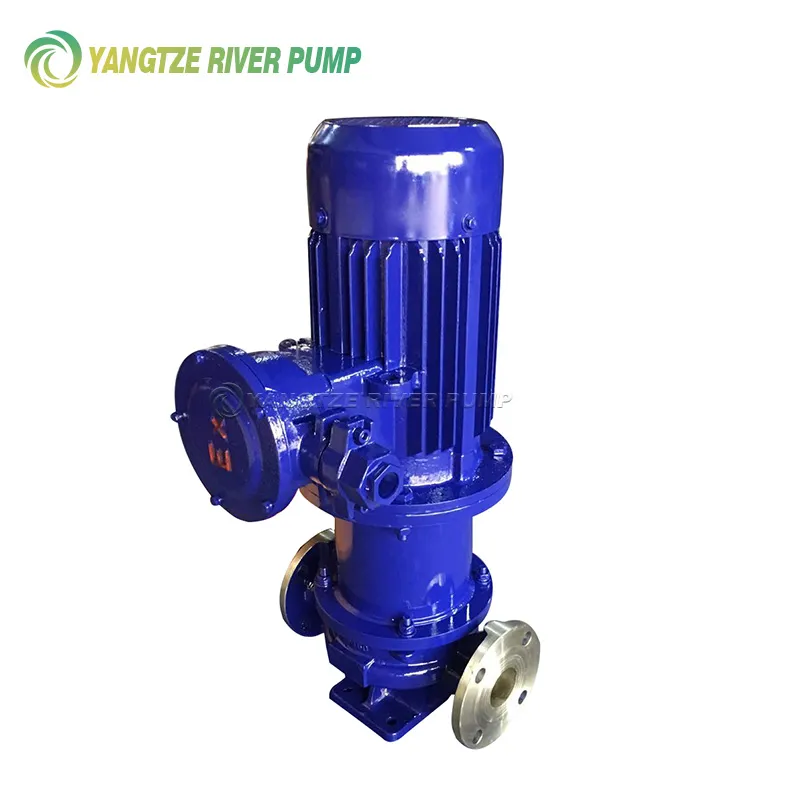 Vertical magnetic pumps CQB-L
-
 Sanitary screw pumps type GF
-
 YCB Type Circular Gear Pumps
-
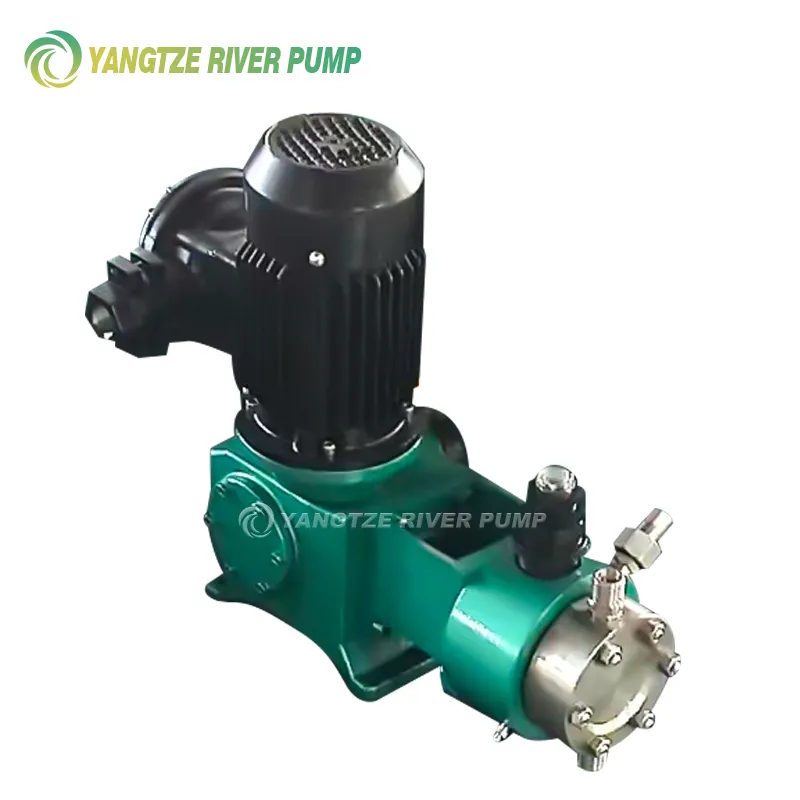 Plunger dosing pumps type DZ-X
-
 Plastic self-priming centrifugal pumps FP and FS
-
 IHF PTFE Chemical Centrifugal Pumps
Relatedsearch
Related Search- submersible deep well pump
- Complete frequency control units with constant pressure
- vacuum pump from compressor
- Plunger dosing pumps
- submersible sewage pump with cutting mechanism
- screw vacuum pump
- centrifugal pump 50 160 5 5
- best deep water pumps
- centrifugal pumps for water supply
- submersible pump for sewage pumping station