







deep pump 30 m
When they say “30 m deep pump”, many immediately imagine just a unit that was lowered to this depth - and it works. In practice, this figure is rather a starting point for a whole bunch of questions. What type of well? Static or dynamic level? Debit? And most importantly, what kind of pump is it? Because both an inexpensive vibration generator and a multi-stage centrifugal apparatus fall under this description, and the difference in service life, performance and suitability for drinking water is colossal. I’ll say right away: for a permanent water supply to a house with a 30-meter well for limestone or sand, I wouldn’t even consider a vibration pump - only a multi-stage onesubmersible pump. Why? I'll explain further.
Why 30 meters is a special category
This is the very depth where the zone of household shallow pumps ends and serious equipment begins. Often this is the depth of artesian wells “for sand”, but often also the level of intake in deeper wells. The key here is pressure. The pump must not only lift water from 30 meters, but also overcome the hydraulic resistance of the horizontal section of the pipeline into the house, creating a pressure in the system of 2.5-3 atmospheres. Therefore, a nominal pressure of 50-60 meters for such a case is not a luxury, but a necessity. If you take the device end-to-end, it will work at the limit, overheat and quickly fail.
One of the common mistakes is choosing a pump only based on the maximum immersion depth. We had a case in practice: we supplied a clientdeep well pumpwith a declared depth of 40 m for a well of 32 meters. But the well’s flow rate was small, and water consumption in the house was peak. The pump switched on/off frequently, the well did not have time to fill, and eventually it began to “suffer?” sand and air. Six months later, the impeller breaks down. Conclusion: it’s not enough to look at depth; you need to consider productivity relative to flow rate and take into account automation.
It is important here that the manufacturer understands these nuances. For example, at our production inZhejiang Yangzijiang Pumping Industry Co.,Ltdwhen designing multi-stagesubmersible pumpsFor such depths, we immediately build in a headroom and use materials that are resistant to abrasive particles - after all, even in a cased well there can be fine sand. These are not just words, this is a miscalculation based on tests on stands that simulate different operating conditions.
Types of pumps for 30 meters: what really works
As I already hinted, vibrating pumps are a thing of the past for continuous water supply. They are cheap, but their vibration destroys the walls of the well into sand, raises turbidity, cannot create stable pressure and is afraid of “dry running”. To water the garden from a well - please. For home - no.
The workhorse here is the multi-stage centrifugaldeep well pump. Each stage is a wheel and a diffuser that consistently increase the pressure. The more steps, the higher the pressure with the same body diameter. For 30 meters, taking into account horizontal wiring, 5-8 steps are usually enough, depending on the model. Such pumps operate quietly, do not vibrate, can pump clean water without sand and maintain stable pressure in the automatic system.
Our assortment includesyangtzeriverpump.ruFor such tasks, a series of multi-stagesubmersible pumpsin stainless steel. Stainless steel is not a fad, but protection against corrosion, because there may be dissolved salts in the water. There have been experiments with composite materials, but for constant load and possible water hammer, a metal body is still more reliable. This is especially true for the shaft - it must be made of stainless steel, otherwise runout and wear are guaranteed.
Installation and operation: where the pitfalls lie
It would seem that he lowered the pump, connected the pipe and cable - and that’s it. But no. The first is fastening. You cannot simply hang the pump on the HDPE supply pipe. You need a safety cable made of stainless steel or nylon, and it needs to be attached to special eyes on the pump body, and not to a cable or pipe. The second is protection. A check valve is required immediately after the pump so that water does not flow back when turned off and does not cause the wheels to spin back. And thirdly, protection against “dry running”. The best option is a pressure switch with a protection function, or a separate level sensor.
A very important point is the diameter. Standard casing pipes are 110-130 mm. The pump should fit freely, with clearance. We have rulers in production for both 4 inches (about 100 mm) and for wider holes. If the pump is pressed against each other, it may get stuck or overheat due to poor heat dissipation. Warmth indeep well pumpis removed by the flow of pumped water, so the clearance is critical.
From personal experience: we once remade the system after the “woeful installers” installed a pump without a check valve and on a weak cable. When the pressure surged, the pipe ruptured, the pump fell to the bottom and sucked in sludge. We had to call drillers to clean and lift it. The losses were many times greater than the savings on professional installation. Now we always insist on a complete set: pump, cable, stainless clamps, check valve, pipe, heat-shrinkable cable.
Connection with other products and integrated approach
Worksubmersible pumpat 30 meters is not an isolated story. It's part of the system. Therefore inZhejiang Yangzijiang Pumping Industry Co.,Ltdwe look at it more broadly. For example, to protect against water hammer and maintain stable pressure in the house, you need a membrane pressure station or a hydraulic accumulator. For control there is an automation unit. For clean water without impurities, coarse filters may be needed.
Our facility, which integrates R&D, production and testing, allows us to test how ourdeep well pumpworks in conjunction with other equipment. We can test different modes, including frequent starts and stops, in order to select the optimal accumulator capacity. This is important because a tank that is too small will cause wear on the pump, and a tank that is too large will cause water to stagnate.
By the way, about water quality. If the well is new or there is a risk of sand, it is sometimes logical to place a simple strainer in front of the pump. But this must be done carefully so as not to create unnecessary resistance to suction. In some of our models for difficult conditions, we immediately use more wear-resistant materials for the impellers - for example, glass fiber reinforced polymers. They perform well in the presence of small abrasive particles.
Bottom line: what to look for when choosing
So, to summarize the experience. If you needdeep pump 30 mfor constant water supply, look towards multi-stage centrifugalsubmersible pumpsmade of stainless steel. Pay attention not to the maximum depth, but to the characteristic curve: pressure at the performance you need (cubic meters per hour). Consider the flow rate of your well.
Choose a manufacturer that provides a full cycle - from development to testing. Like, for example, our company, where eight production lines allow us to control quality at every stage. This is not a guarantee of forever work, but it is a serious risk reduction. Check for protection against dry running and overheating.
And don’t skimp on installation and related equipment. A good pump hung on a bad cable and without a check valve is an accident waiting to happen. Ultimately, reliable water in a home is a system where every element, fromdeep well pump, selected and installed with an understanding of how it performs under real, not ideal, conditions.
Correspondingproducts
Related Products



Best Sellingproducts
Best Selling Products-
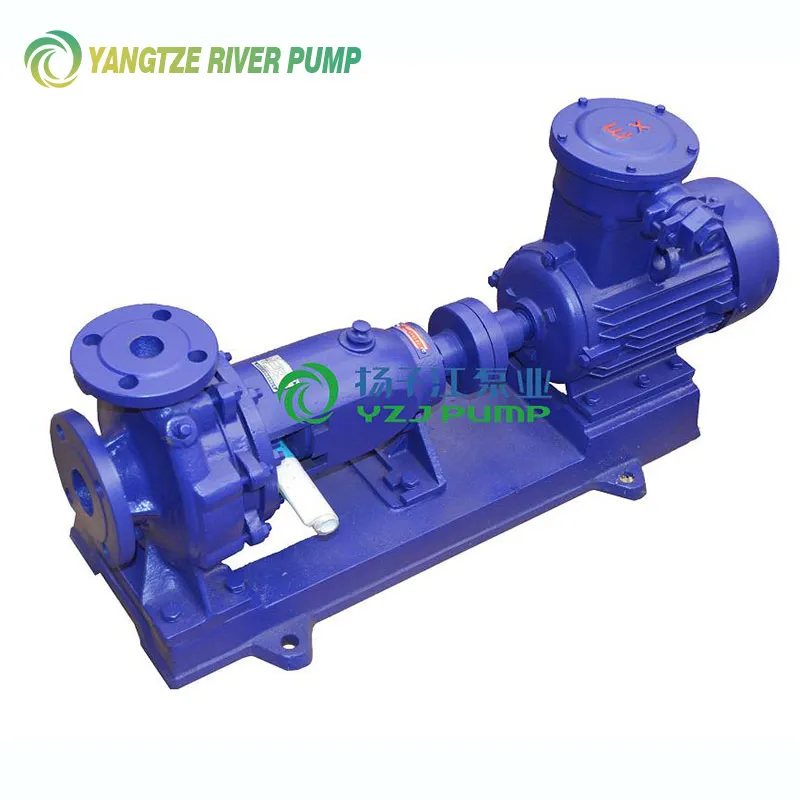 Horizontal chemical centrifugal pumps types IS and IR
-
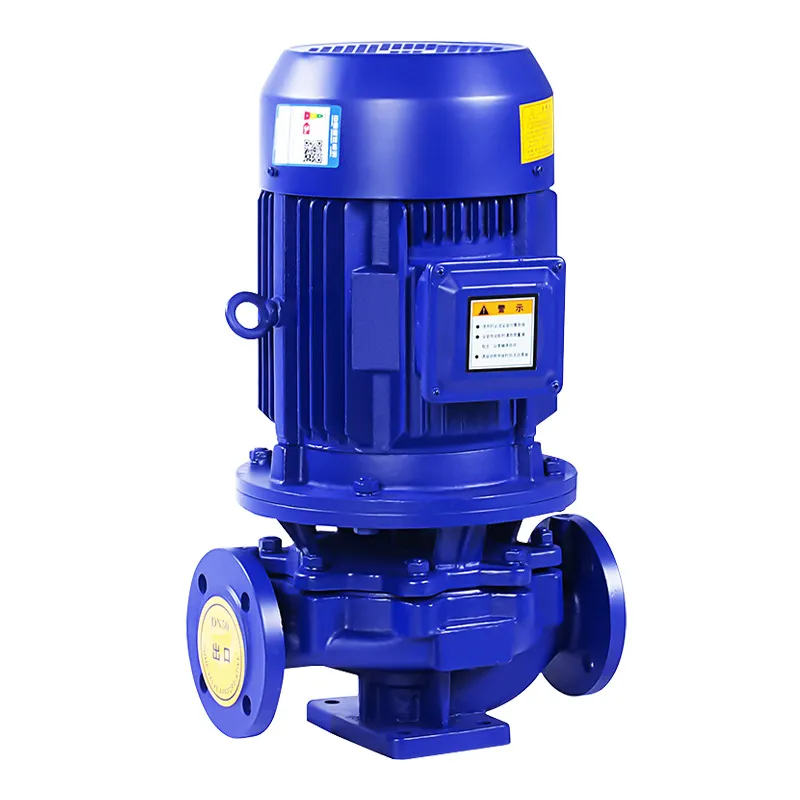 Vertical single-stage pipeline centrifugal pumps ISG and IHG
-
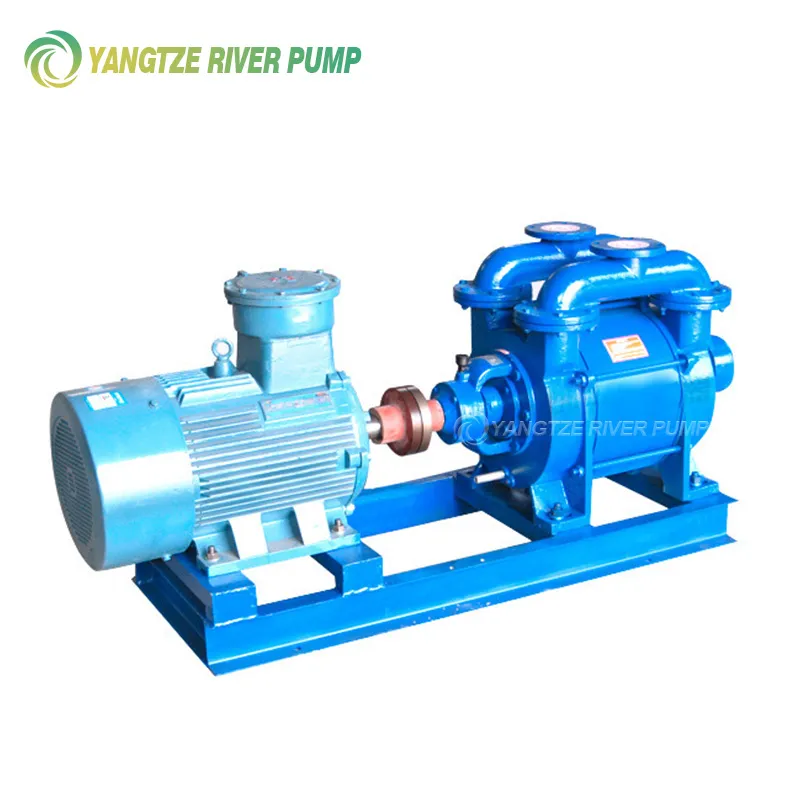 Liquid ring vacuum pumps type SK
-
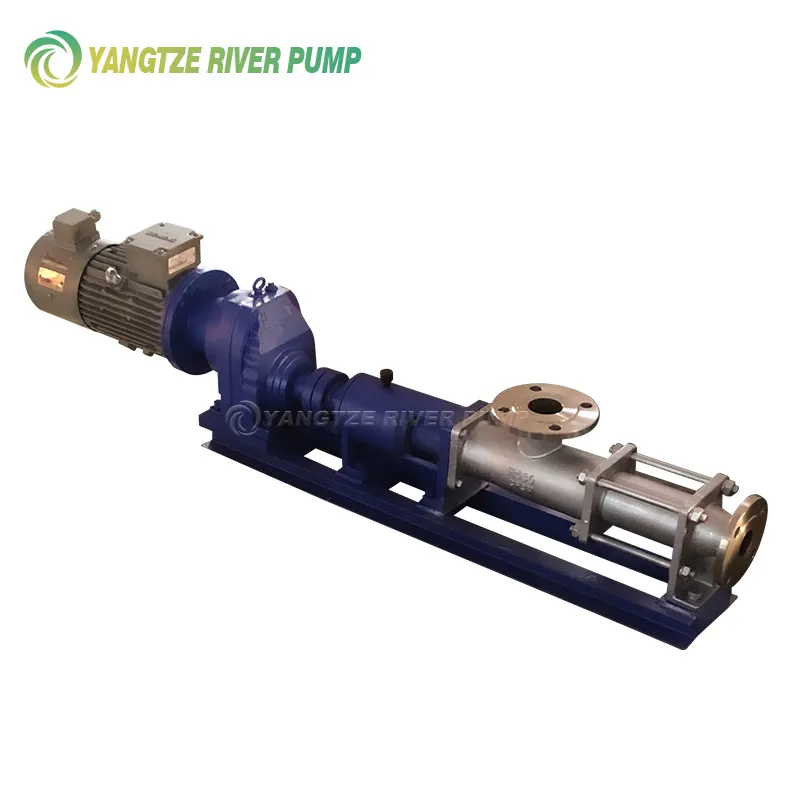 Geared screw pumps type G
-
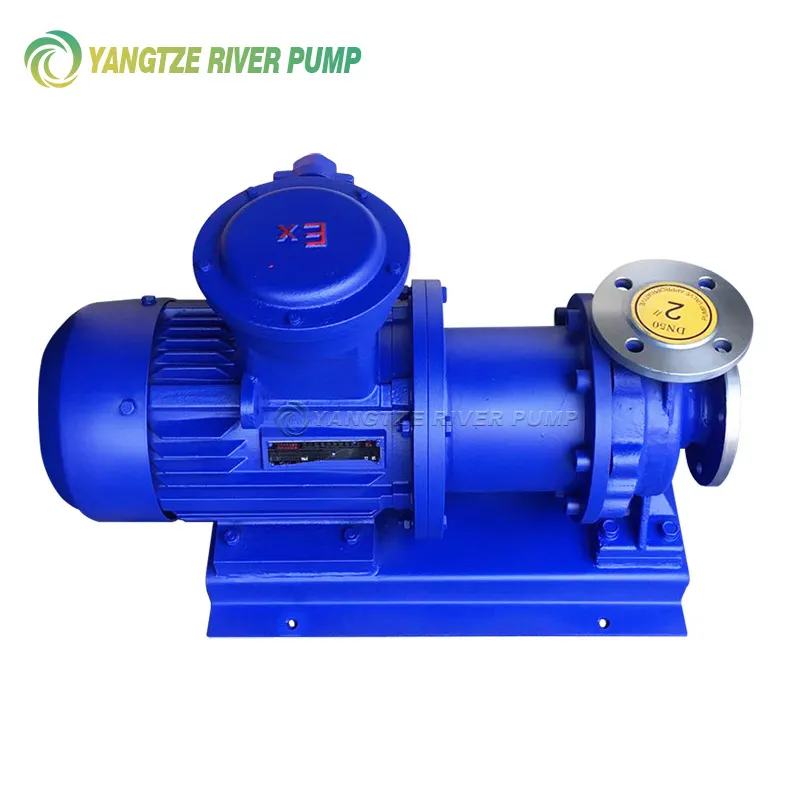 CQB Stainless Steel Magnetic Pumps
-
 Mechanical diaphragm dosing pumps DJ-D
-
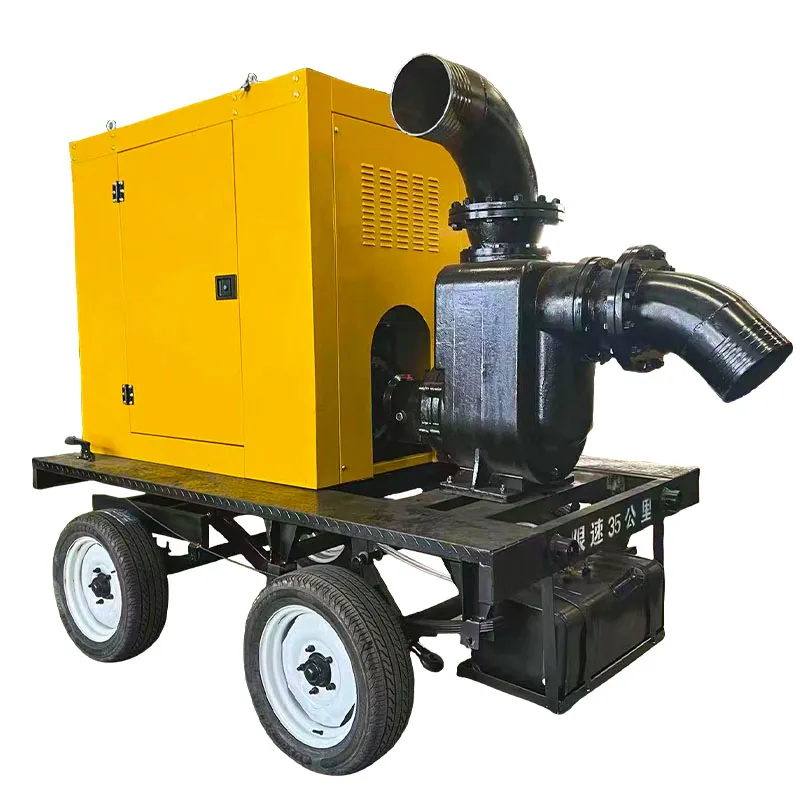 YZZW Diesel self-priming pumps
-
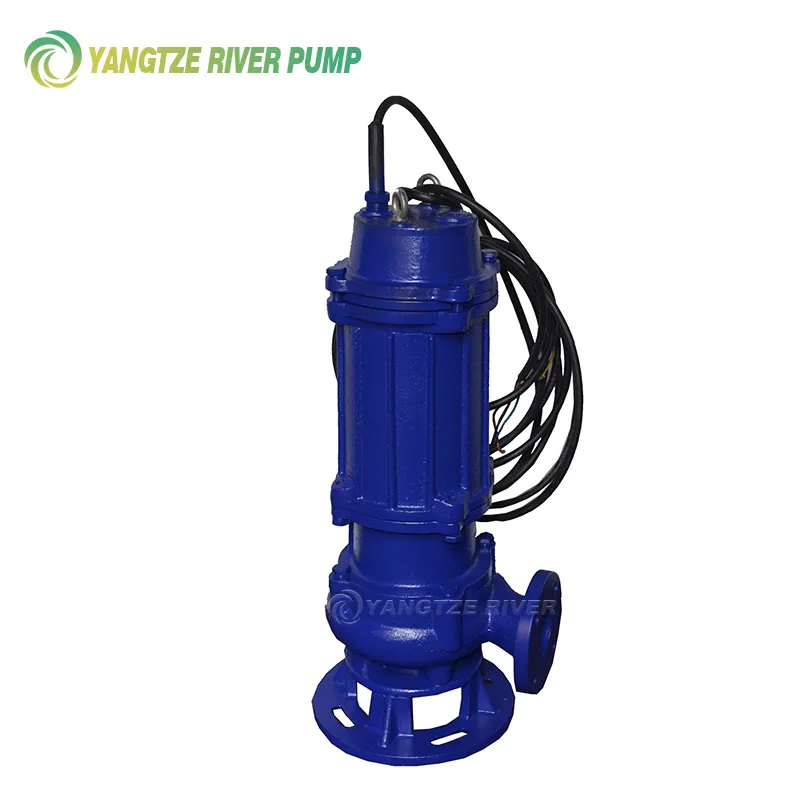 QW Non-clogging Submersible Sewage Pumps
-
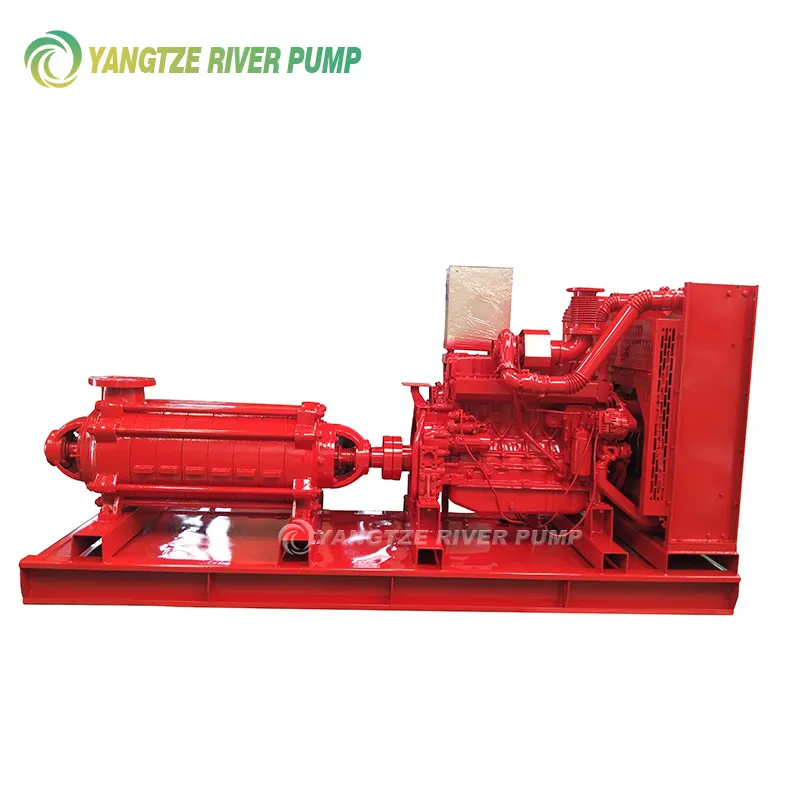 XBC Diesel Intelligent Fire Pumps
-
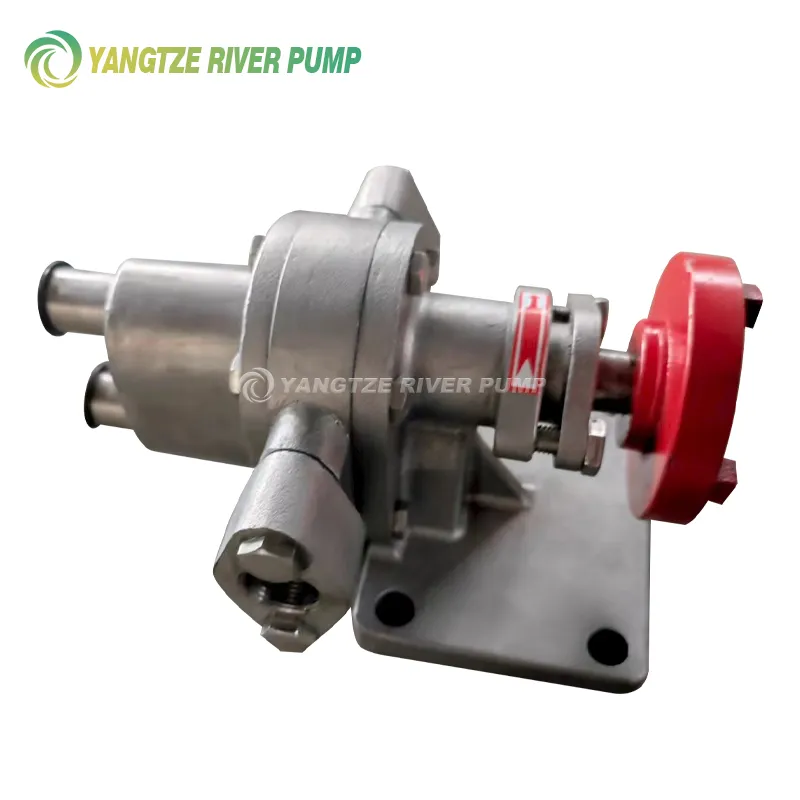 Gear oil pumps type KCB
-
 Horizontal multistage centrifugal pumps (light series) CHL and CHLF
-
 Non-clogging self-priming wastewater pumps ZW