







stationary centrifugal pumps
When they say “stationary centrifugal pumps,” many people immediately imagine just a bulky unit bolted to the floor in the machine room. But this is just a picture from the surface. The point is how it fits into the technological thread, how it behaves under real, not rated load, and how much resource remains after the first five years of operation. A common mistake is to choose solely according to the Q-H curve, forgetting about the cavitation reserve, the material of the flow part for a specific medium, and even the method of supplying communications. I've encountered this more than once.
From drawing to foundation: where the first problems lie
Here, for example, is the story of one of our multistage sectional boiler pumps. The customer sent a wiring diagram, where the suction pipe was rigidly connected to the supply pipeline without compensators. On paper, everything is smooth. In practice, installers, trying to 'tighten' the flanges, created serious stresses on the pump body. The very first starts - vibration is higher than permissible. I had to stop it, cut the pipe, and install a bellows compensator. My opinion: the technical services of the manufacturer should get more involved in this stage and demand approval of the installation diagram. We are inZhejiang Yangzijiang Pumping Industry Co.,LtdNow we do this without fail, especially forstationary centrifugal pumpshigh pressure.
And also the foundation... It would seem like a concrete slab. But I saw a case where the pump was installed on a common foundation with an electric motor, but the anchor bolts were filled with deviations. Alignment during assembly was set with great difficulty; the keys were driven in with a sledgehammer. The service life of bearing units on such a unit, of course, turned out to be several times less. Now we always emphasize: the foundation drawing is not a formality, but part of the product passport. On our websiteyangtzeriverpump.ruin the documentation section forcentrifugal pumpsWe lay out not only the dimensions, but also the recommended anchoring schemes with tolerances.
Factory testing is one thing. They are carried out on water under standard conditions. And here’s how the same one will behavecentrifugal pumpon hot condensate with impurities? Or on a viscous solution? This is where the area of materials begins. For chemical media we often offer versions with thermoplastic or lined flow parts. But it is important not just to choose “plastic”, but to understand its behavior at operating temperature and the coefficient of linear expansion. There was a failure with one order for acid: the pump pumped perfectly, but after stopping and cooling, due to the difference in the expansion of metal and plastic, a leak appeared in the mechanical seal. It was necessary to modify the design of the seal assembly. The experience that is now embedded in ourplastic chemical pumps.
Multistage sectional pumps: safety margin and its price
Cmultistage centrifugal pumpsthe work is special. Their main advantage is high pressure with compact dimensions. But each stage is an additional connector, a pair of seals, and its own tolerances. They need to be assembled in a perfectly clean room, with control of shaft beating after installing each housing part. In our workshop, a separate area with forced ventilation is allocated for this purpose. Dust or a grain of sand caught between the sections guarantees leakage and erosion.
The key point is balancing the rotor assembly. Dynamic, of course. We balance it after final assembly, with the coupling half. And not at 'working' speed, but on two planes, with a margin of accuracy class. Yes, this makes the process more expensive. But when you see how such a pump has been working for years to supply water to the village without opening it, you understand that this is not an excess. On our company’s website, in the product description, we do not simply write “stationary centrifugal pump,” but indicate that the rotor is dynamically balanced, and this is a standard procedure.
Another nuance is the unloading of axial force. In sectional pumps it is huge. The use of hydraulic relief discs or thrust bearings is a must. But there are pitfalls here too. For example, wear of the unloading disk. We switched to a carbide-ceramic pair for aggressive environments, which increased the overhaul interval. This is not an advertisement, but simply a statement that we had to look for a solution after several cases of premature failure of pumps using abrasive water.
Self-priming and linear models: for those who value maintenance time
Oftenstationary pumpsare associated only with powerful units. But there is a whole layer of equipment that is also permanently mounted, but solves other problems. For example,self-priming pumpsfor fire extinguishing stations or drainage systems. Their beauty is that you don’t need to fill the housing with water every time before starting. But there is a subtlety here: the check valve at the lowest point of the suction line must be absolutely tight. The slightest 'leakage' - and the pump will 'lose prime' after a long period of inactivity. We equip our models with double seal valves and always emphasize this in negotiations.
Linear centrifugal pumps- a special love of installers. They can be cut directly into the pipeline, like a section of pipe. The space savings are colossal. But many people forget that they also carry their weight on this very pipeline. If the line vibrates or has residual stress, this is all transmitted to the pump housing. Therefore, in the technical requirements we always indicate the need to install supports before and after the pump, even if it is a linear model. This is not a whim, but a concern for the resource. By the way, on our production lines there is a separate section for testing linear models at different load angles on the flanges.
But withsubmersible pumps, which are also often used in stationary installations (wells, caissons), the story is the opposite. There the pump hangs on a pipe, and its alignment with the motor shaft is critical. The slightest misalignment results in wear of the bushings and current overload. We supply such units assembled, balanced, with a calibrated set of mounting rods. So that all you have to do on site is lower it and connect it.
Tests as a final argument
All eight of our production lines converge in one place - the test bench. It's not just 'spill with water'. For high-pressure pumps, we build a complete Q-H characteristic, take vibration data on all bearing units, and measure leaks through the mechanical seals. For chemical pumps - leak test under pressure with inert gas. It happens that a pump passes quality control inspection, but during testing it produces a small but stable vibration at a certain frequency. We open it up and look for the reason. Sometimes it is a micron inaccuracy in the casting of the impeller. Not always a waste, but we will no longer ship such a unit to critical facilities.
That is why in the company descriptionZhejiang Yangzijiang Pumping Industry Co.,LtdThe testing area is on a par with R&D and production. This is not a nice word. Without full testing, any, even the most technologically advancedcentrifugal pumpis a lottery for the customer. We are trying to eliminate this lottery. By the way, the website contains photos and videos of our stands - not for pathos, but to show what it looks like in reality.
After testing comes packaging. It would seem like a small thing. But I saw how pumps shipped 'in stretch film' by sea arrived with pockets of corrosion due to the salty humid air. Now for sea deliveries - mandatory preservation with oil and vacuum packaging in film with corrosion inhibitors. A little thing that saves reputation.
Instead of a conclusion: what catalogs usually keep silent about
So, what's the bottom line aboutstationary centrifugal pumps? The catalogs write about efficiency, materials, dimensions. But they rarely write about how the stuffing box will behave after a year of operation if there are small suspensions in the environment. Or how working at a lower, relative to nominal, productivity affects the resource. And this is a common story when a pump is chosen 'with a reserve'.
Our position, as a manufacturer that integrates the entire cycle from development to service, is not just to sell hardware. And sell a solution that will work. Therefore, in a dialogue with the client, we try to find out the details: work schedule (constant/cyclical), composition of the pumped medium (even if it is “water” - what kind of water? artesian with sand? circulating with inhibitors?), possibility of maintenance. Sometimes after such a conversation the recommendation changes from a multi-stage pump to a pair of single-stage pumps operating in parallel. Or is it offered not a standard, but a special version?magnetic pumpfor absolute leakage.
So when you look atstationary centrifugal pumps, think beyond the price per kilowatt. Think about what will happen to it after three thousand hours. Who will serve it and how. And does the manufacturer have not only an assembly shop, but also its own laboratory, its own testing and, most importantly, its own warehouse of spare parts for the very models it produces? We have it all. And this is, perhaps, the main thing that distinguishes a simple product from a reliable technological unit.
Correspondingproducts
Related Products

Best Sellingproducts
Best Selling Products-
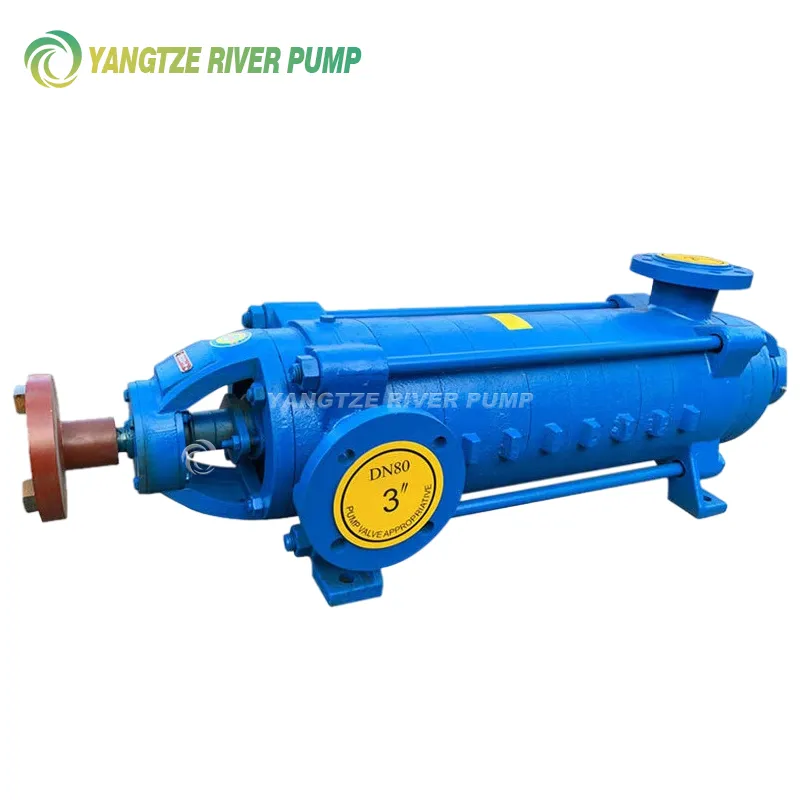 Horizontal multistage pumps for feeding DC boilers
-
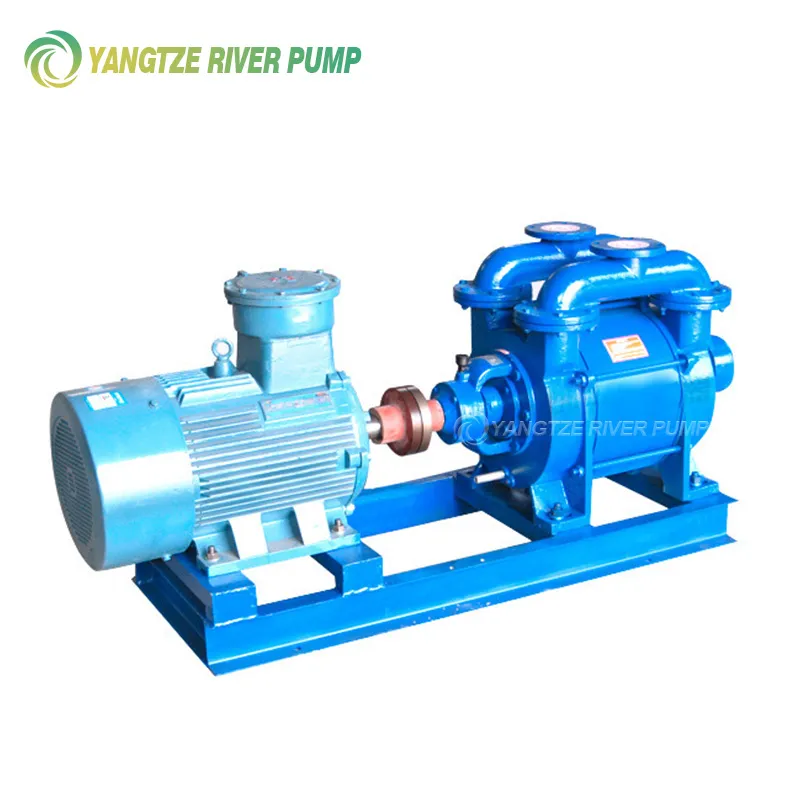 Liquid ring vacuum pumps type SK
-
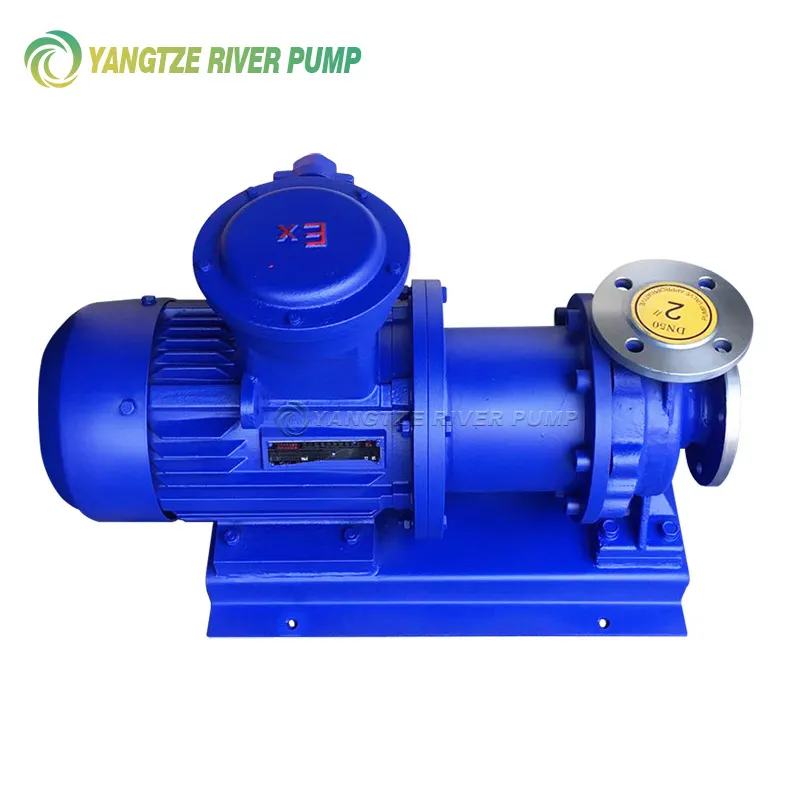 CQB Stainless Steel Magnetic Pumps
-
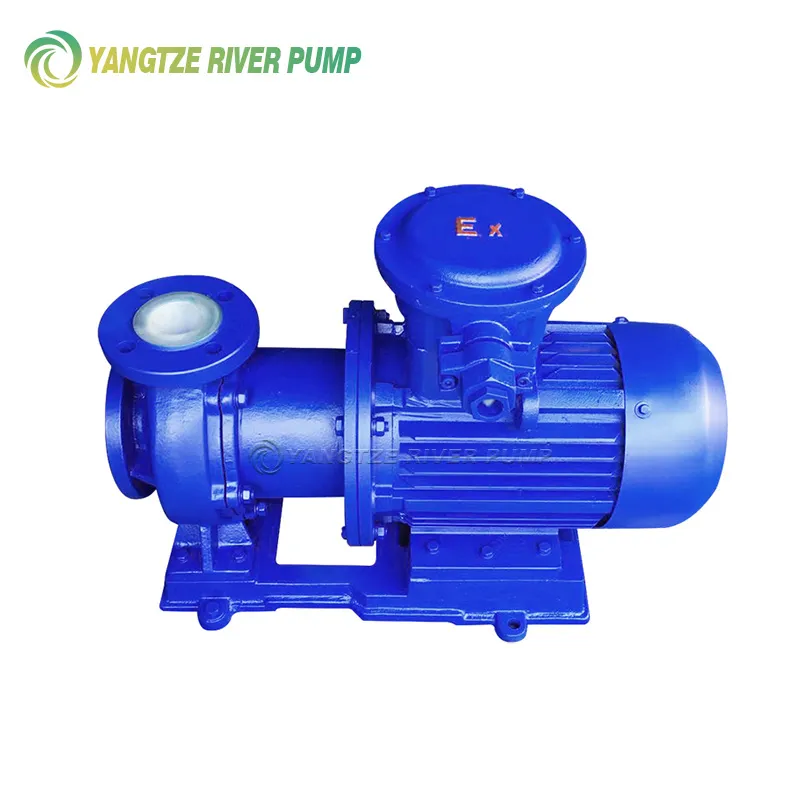 Magnetic pumps with fluoroplastic lining CQB-F
-
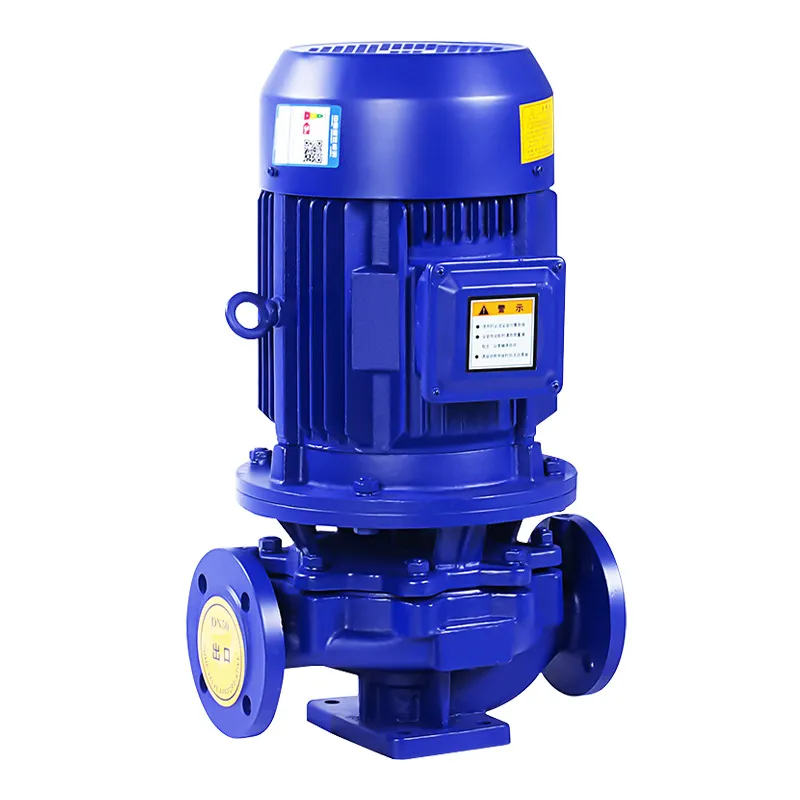 Vertical single-stage pipeline centrifugal pumps ISG and IHG
-
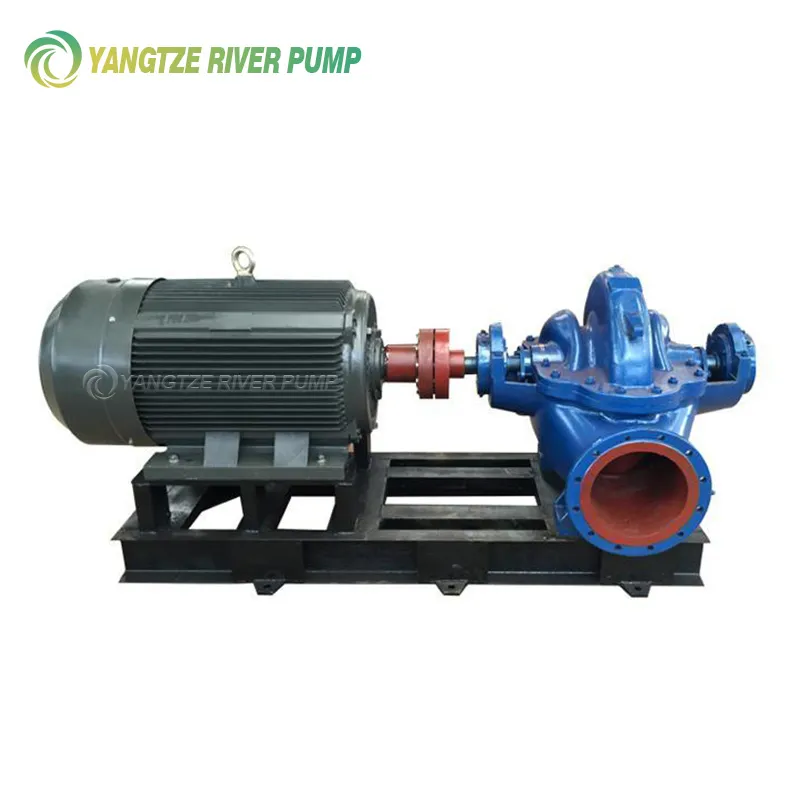 Single Stage Double Entry Centrifugal Pumps Type S
-
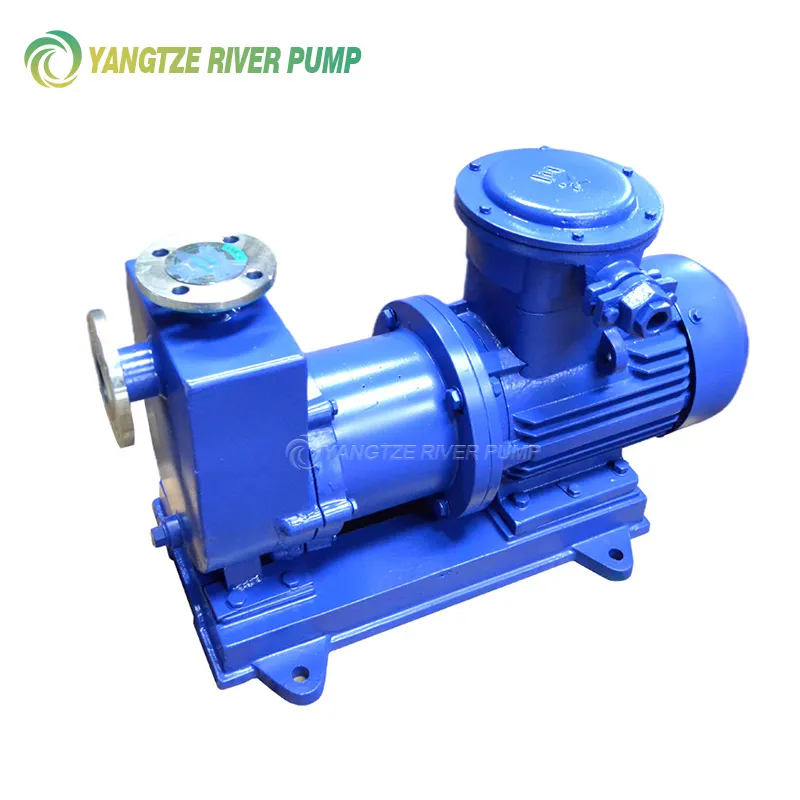 ZCQ Stainless Steel Self-Priming Magnetic Pumps
-
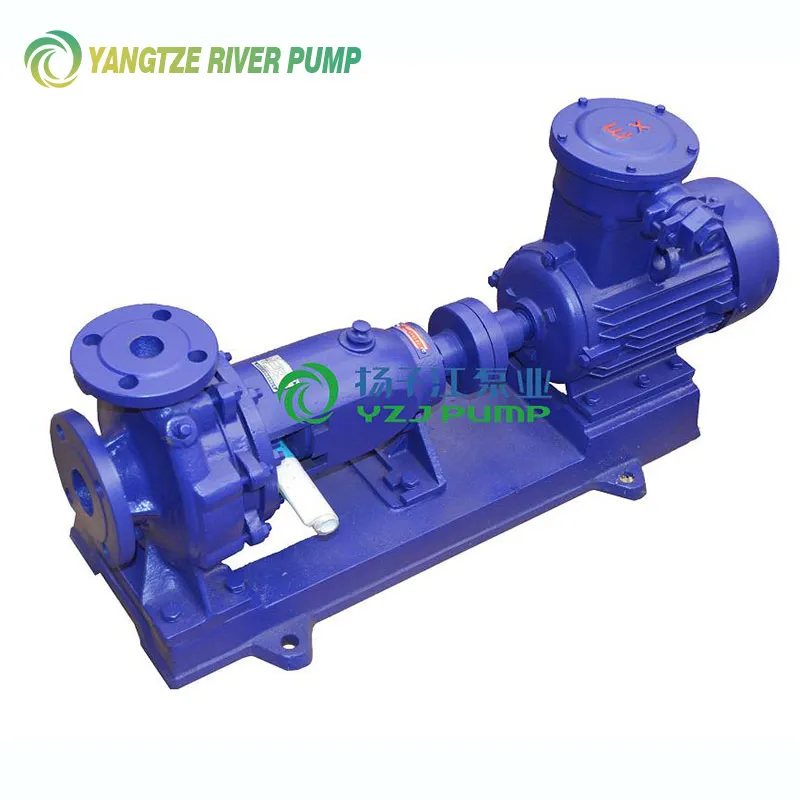 Horizontal chemical centrifugal pumps types IS and IR
-
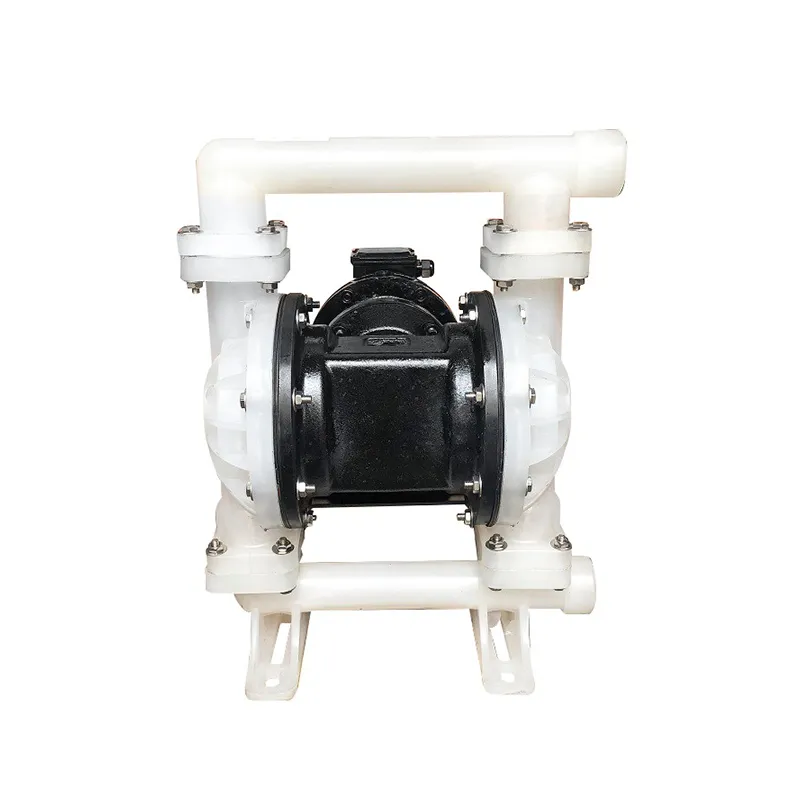 DBY Non-Metallic Electric Diaphragm Pumps
-
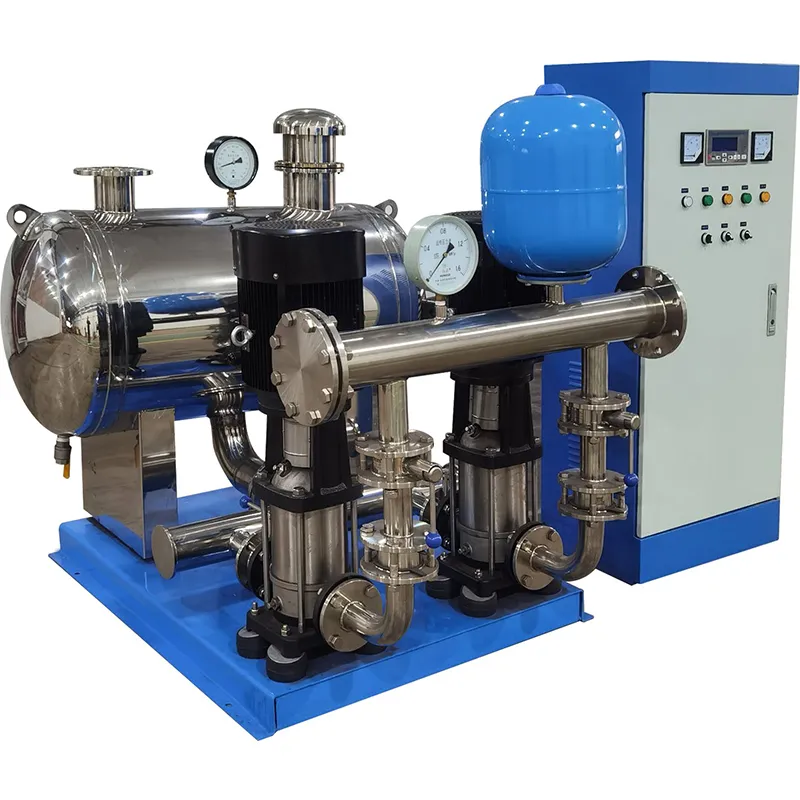 Complete water supply installations with frequency regulation and constant pressure CDLF
-
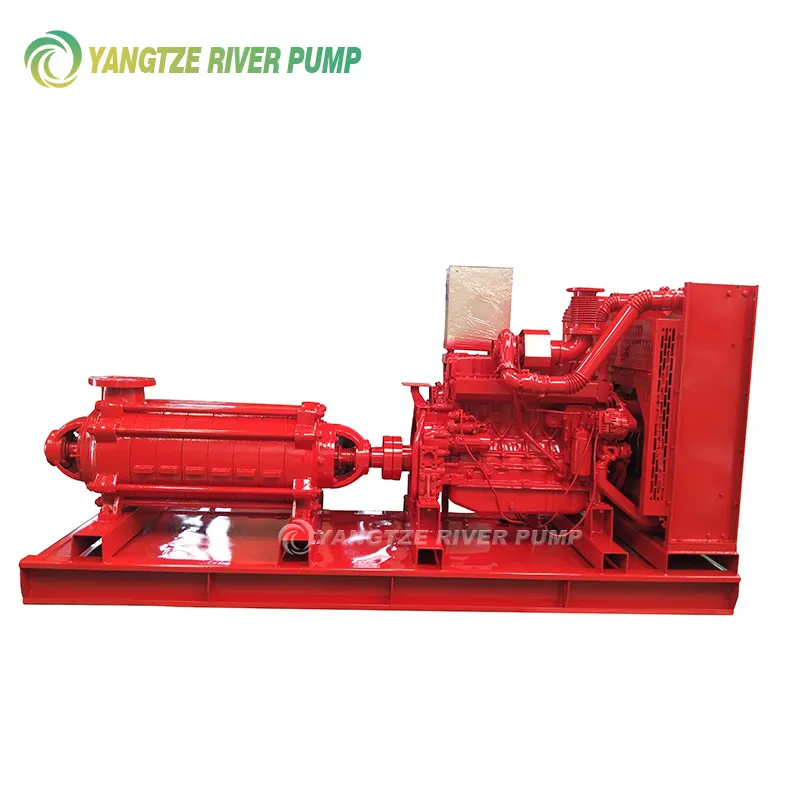 XBC Diesel Intelligent Fire Pumps
-
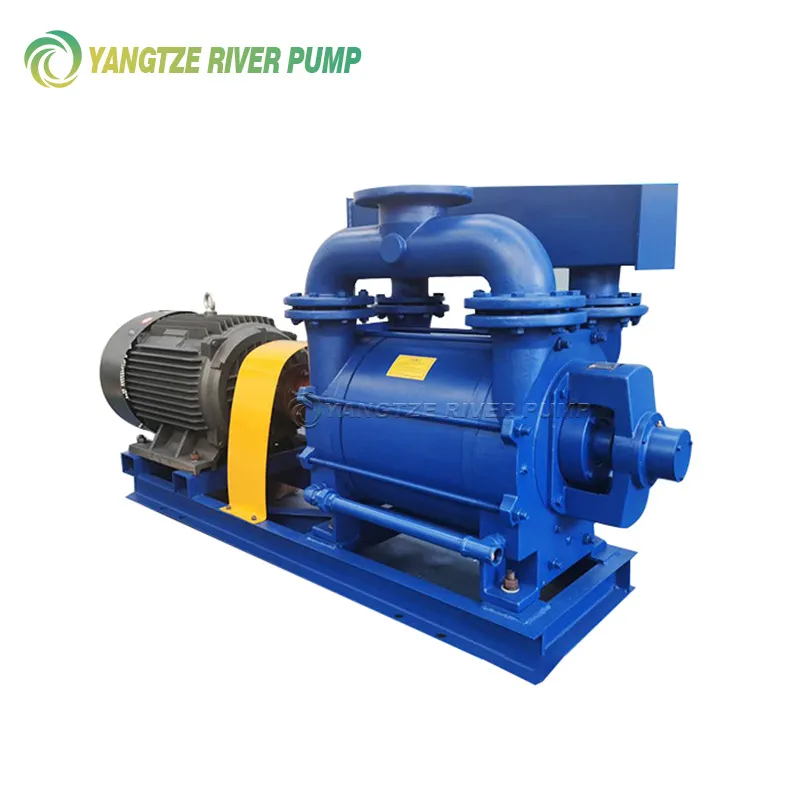 Liquid ring vacuum pumps type 2EB