







Vertical multistage centrifugal pumps
When you hear “vertical multistage centrifugal pumps,” the first thing that comes to mind for many is simply a compact pump for a well or pressure booster. But in fact, if you dig deeper, it is a whole philosophy of layout, balancing and adaptation to real, often imperfect, conditions. Too often, customers, and some colleagues, focus only on the final parameters - pressure and feed - forgetting that the reliability of such a machine is 90% determined by the details: how exactly the shaft line is assembled, how the problem of axial forces is solved, what material is chosen for the guide vanes in a particular environment. In ourZhejiang Yangzijiang Pumping Industry Co.,LtdThe assembly line for vertical multistage pumps is not a conveyor, but rather a precision mechanics area, where each stage requires manual adjustment and control. And this is not for beauty, but because otherwise there will be vibration, wear, and failure. I myself saw how a pump, assembled “according to a textbook”, but without taking into account the real distortions of the foundation at the site, began to “sing”. after just two hundred hours of work. So my view of them is through the prism of adjusting and eliminating “childhood diseases?” new units.
Design: where the main trade-offs lie
The main advantage of a vertical layout is space saving. This is an axiom. But the price for this is increased requirements for the design of the shaft and bearing units. A long shaft always carries the risk of increased deflections and critical speeds. In our pumps, which we make athttps://www.yangtzeriverpump.ru, for serial models up to 10 stages we often go the way of solid stainless steel structures, but when it comes to special orders, say, for the chemical industry with 15 or more stages, we already consider composite shafts with precision couplings. It's more expensive, but more reliable.
But bearings are a different story. The radial loads seem to be small, but the axial ones... The axial forces from each impeller are summed up. And if you do not balance them hydraulically (say, with reverse vanes on the wheels) or install a thrust bearing with sufficient load-carrying capacity, then such a pump will not last long. I had a case at one of the sites: a pump from another manufacturer “ate” thrust bearing in a month. When opened, it turned out that the calculation of the axial force was made for clean water, and they pumped a solution with abrasive, which is why the gaps in the wheel seals increased and the balancing was disrupted. I had to recalculate and install a chamber bearing with forced lubrication.
And also in terms of design: body parts. Cast iron is the standard for water, but many of the media customers now require require stainless steel, duplex, even Hastelloy. Our production allows us to work with this entire spectrum, but every time it is a headache for technologists. Welding duplex steel and then heat treating it to relieve stress is not the same as casting a section of cast iron. And the price is correspondingly different. But such a pump in a chemical dosing installation works for years without complaints.
Assembly and balancing: what cannot be seen in the catalog
You can have the best cast parts, but if the assembly is shoddy, the pump will be a coffin. At our plant we have a whole stand dedicated to the dynamic balancing of rotor assemblies. Not each wheel individually, but rather the entire rotor package - with wheels, spacer bushings, half-coupling. Why? Because even individually perfectly balanced wheels strung on a shaft can create an overall imbalance due to minute deviations in the seats. We balance in two planes. The required residual imbalance is according to GOST, but often, for high-speed models (under 3000 rpm), we tighten the requirements with an internal standard.
The process of assembling sections is like assembling a precision mechanism. Spacers between steps, tightening torque of tie rods... All this matters. If you overtighten it, the body may begin to weaken; if you don’t tighten it enough, it will leak. Our operators with extensive experience do this work almost by touch, with a calibrated torque wrench, of course. And after assembling the entire pump, there is a mandatory hydrotest on a test bench. Not just pressure, but operating parameters: we take a characteristic, measure vibration on bearing units, temperature.
It is during testing that “jambs” that are invisible to the eye often come out. For example, a slight misalignment of the flanges when mounted on a stand can simulate misalignment on site. If the vibration exceeds the permissible limit, the pump is not shipped, but is disassembled and the cause is searched for. Most often, this is either the same imbalance, or a mismatch between the axes of the pump shaft and the drive motor when mounted on a common plate. Therefore, we always emphasize to our clients: the foundation slab must be level and the alignment must be ideal.
Areas of application and common mistakes when choosing
Classics - water supply, increasing pressure in high-rise buildings, irrigation. But more and more often they take from usvertical multistage centrifugal pumpsfor technological processes: washing of equipment in the food industry, supply of feed water to boiler rooms, circulation of solutions in galvanic lines. This is where the nuances begin. For the food industry, for example, sanitation is critical. This means that the design must allow for quick disassembly and washing, and the materials must be compatible with detergents. We offer versions with polished surfaces and quick-release clamps instead of pins - this is more expensive, but ultimately more profitable for the customer.
The most common mistake when choosing is ignoring the characteristics of the environment. Not just “water”, but what kind of water: with sand, with bleach, heated? For hot water, say, a different calculation of thermal expansion and different sealing materials are needed. Or another story: a pump for a reverse osmosis system. There you need high pressure with a relatively low supply, and the medium is demineralized water, which is aggressive to carbon steels. We use stainless steel grade 316 or bronze. And the smoothness of the characteristics is also important there, so that there are no pulsations that are detrimental to the membranes. It is necessary to optimize the design of impellers and guide vanes.
Another point is part-load operation. Pumps are often chosen “with a reserve”. And if for network water supply this is still tolerable, then for a production line where the pump is constantly running, this means excessive energy consumption and possible cavitation. We always advise customers: give a detailed description of the work cycle. Maybe it's better to consider the option with a frequency converter? Yes, this will increase the cost, but it will pay off in a couple of years. On our websiteZhejiang Yangzijiang Pumping Industry Co.,LtdThere are technical request forms where you just need to indicate all these details - but many fill them out superficially, and then problems arise at the site.
Service and durability: what actually breaks
With proper selection and installation, the main enemyvertical multistage centrifugal pump- this is wear and tear. Not a catastrophic failure, but a gradual degradation of parameters. The first ones to wear out are usually the O-rings between the impellers and the casing. As the gap increases, the pressure drops and power consumption increases. In our designs, we try to make these rings replaceable, from wear-resistant materials - for example, from graphite-filled polyamide for water or from ceramics for abrasive media. This allows you to replace only them during repairs, and not the entire wheel or section.
The second most common problem is the shaft seal. Gland packings are still in demand due to their low cost, but require maintenance. Mechanical mechanical seals are more reliable, but more sensitive to the purity of the pumped liquid. One or two solid particles - and the friction pair may be damaged. We always discuss this point. For severe conditions we offer double mechanical seals with barrier liquid. Yes, this complicates and increases the cost of the design, but for a pump that pumps, say, suspension in the mining industry, this is the only option.
And, of course, bearings. Their condition is best diagnosed by vibration and temperature. Monitoring systems are now being installed at large facilities. But many old installations work “to death”. Proper lubrication is the key to their long life. For vertical pumps, it is especially important that lubricant does not leak from the top bearing. The designs of lubrication units vary - from simple oilers to circulating lubrication systems. The choice depends on the operating mode and responsibility of the unit.
A look from inside production: from drawing to stand
When I walk through the workshop where our vertical multistage pumps are assembled, I see more than just an assembly. I see how theory collides with practice. For example, a batch of cast stage casings arrived from a supplier. The geometry seems to be within the tolerances, but when trying on the shaft with the wheels, a slight jamming is felt in one place. Defect? Not necessarily. It is possible that internal stresses remained after casting, which appeared during machining. We send such parts for additional annealing. This slows down the plan, but it's better than getting a complaint.
Our design bureau constantly makes minor changes to designs without changing the standard size. Not for the sake of innovation, but for the sake of manufacturability and reliability. Let's say we changed the shape of the gating system on the body casting to reduce the likelihood of cavities in the critical section. Or they switched to a different type of o-ring because the old supplier began to supply material of unstable quality. These changes don't make it into the catalogues, but they are the lifeblood of actual production.
The test bench is the final judge. There the pump should not just be “checked”. We are ?racing? it in different modes, including a closed valve (for a short time, of course) to check the strength and heating. We take the full characteristics: pressure, flow, efficiency, power consumption. This data then goes into the passport. Sometimes, if the customer is particularly demanding, we make a video recording of the tests and send it to him. This adds confidence. After all, when buying a pump, especially a complex multi-stage one, people are not buying hardware, but guaranteed parameters and reliability. And our task as a manufacturer is to provide this guarantee not on paper, but in metal.
Correspondingproducts
Related Products
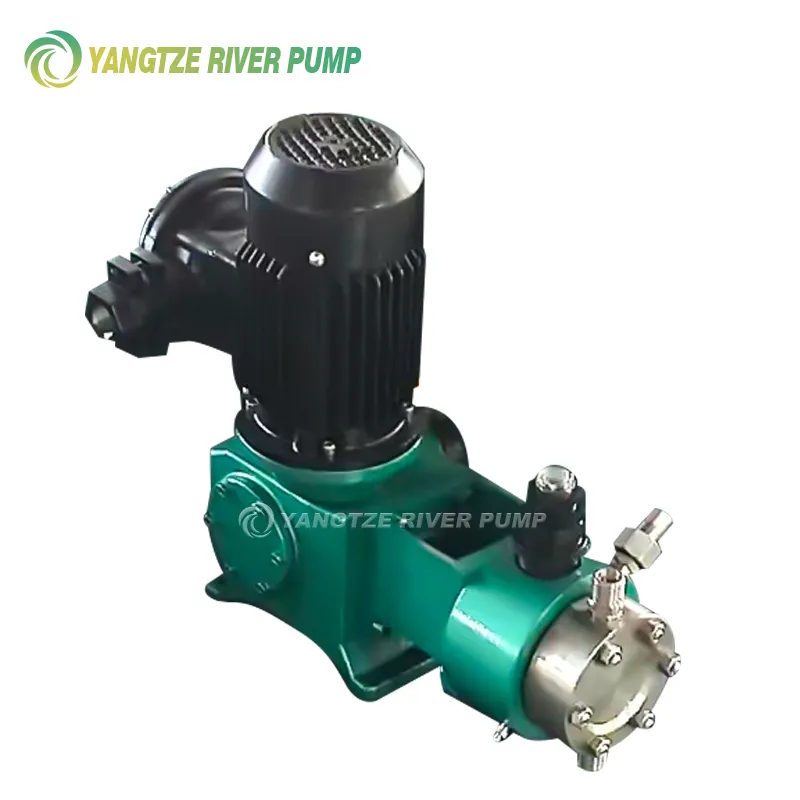

Best Sellingproducts
Best Selling Products-
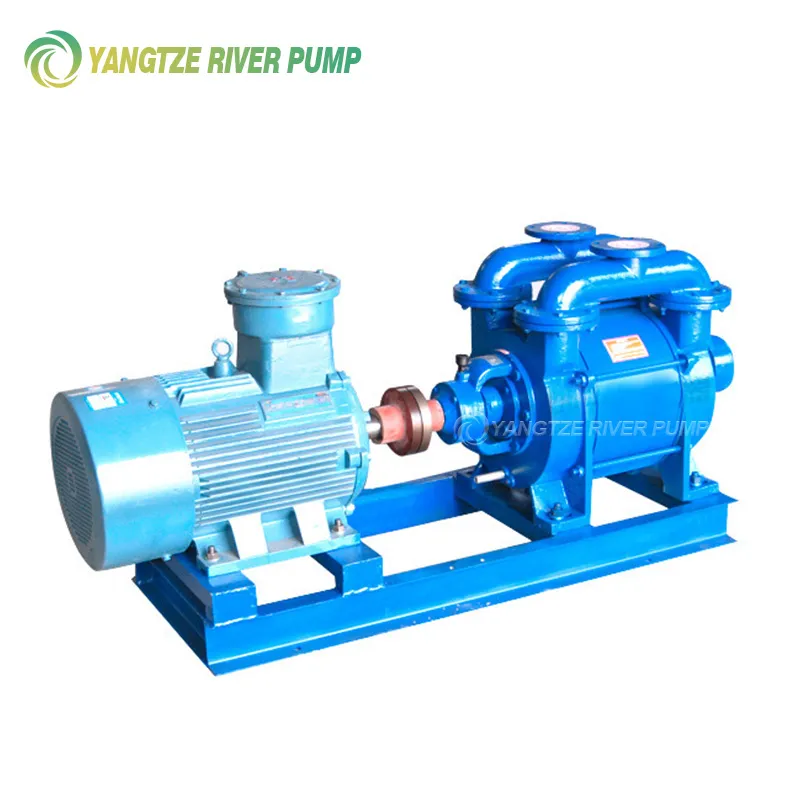 Liquid ring vacuum pumps type SK
-
 Non-clogging self-priming wastewater pumps ZW
-
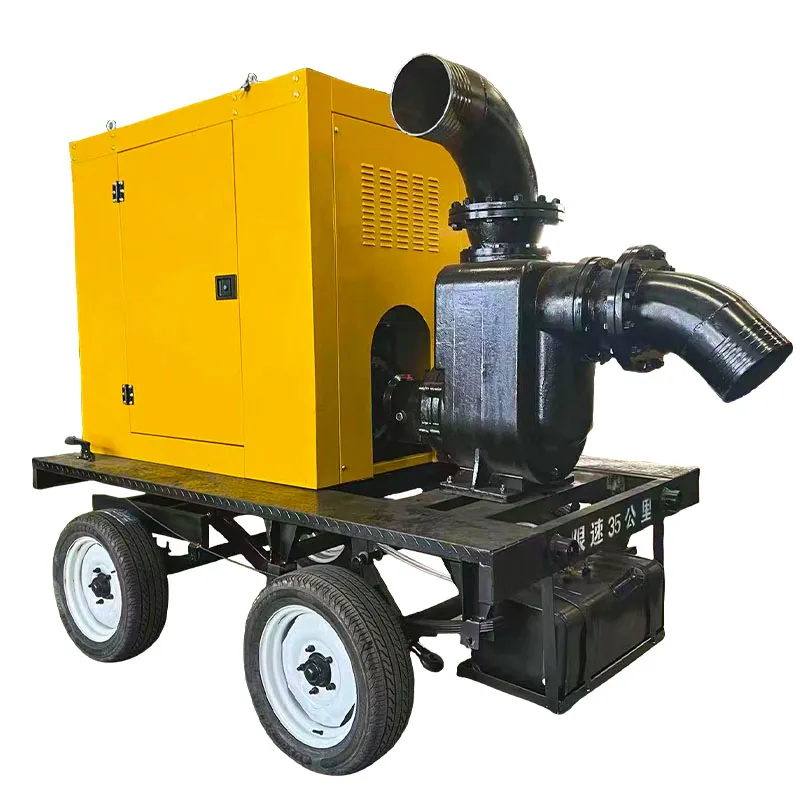 YZZW Diesel self-priming pumps
-
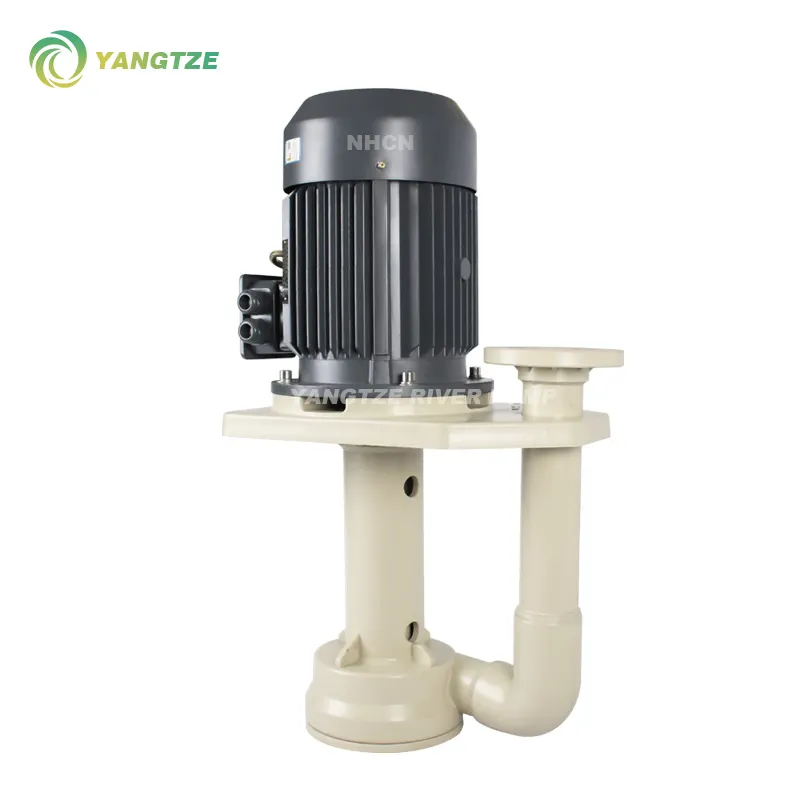 Vertical pumps for installation inside/outside tanks YZCN and YZCW
-
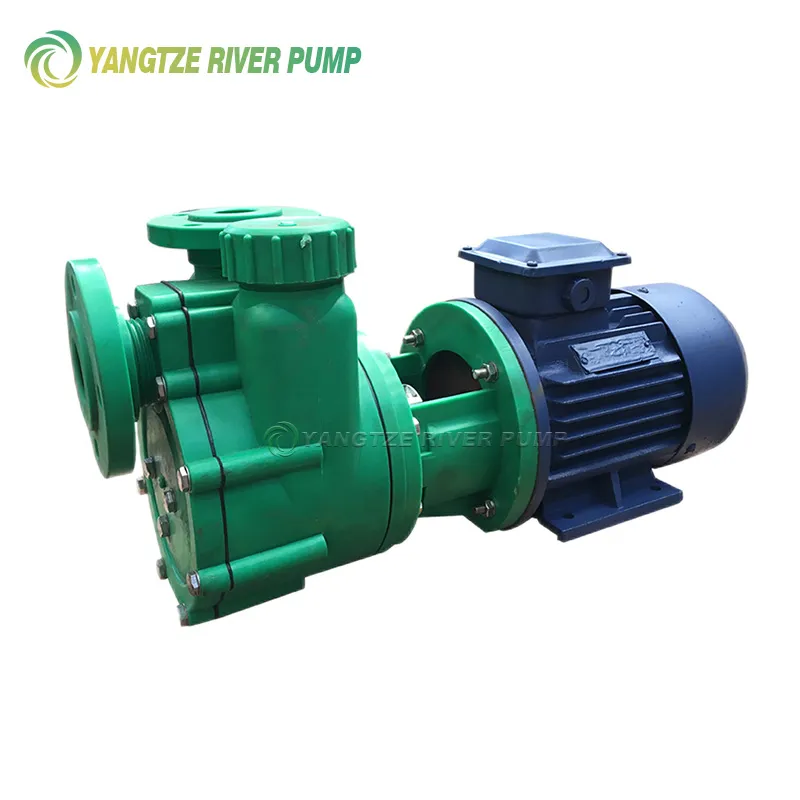 Plastic self-priming centrifugal pumps FP and FS
-
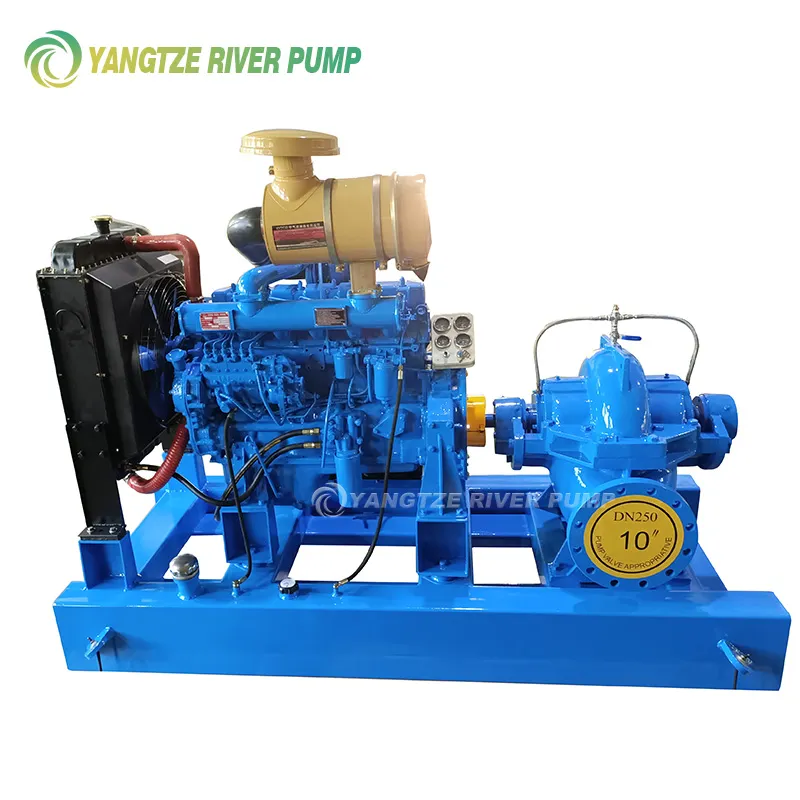 Diesel pumps with horizontal connector YZS and YZSH
-
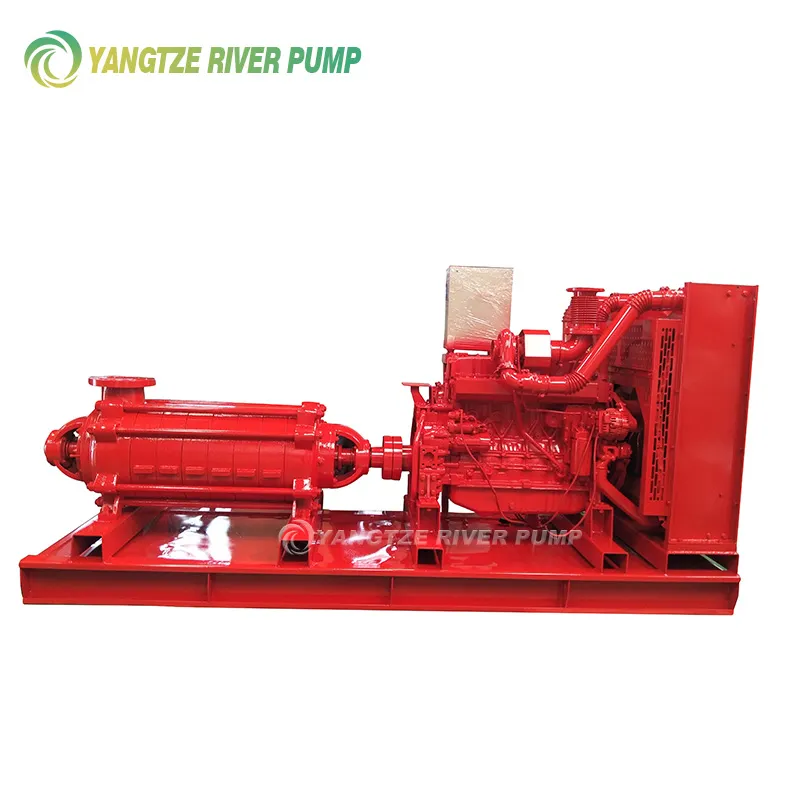 YZD Series Diesel Multistage Centrifugal Pumps
-
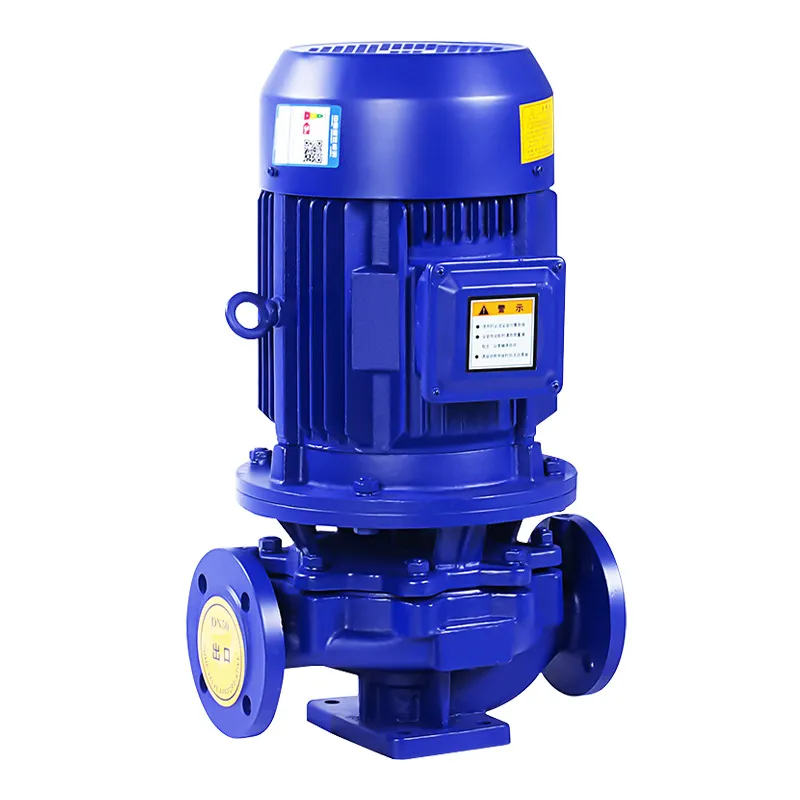 Vertical single-stage pipeline centrifugal pumps ISG and IHG
-
 Horizontal multistage pumps for feeding DC boilers
-
 IH Stainless Steel Chemical Centrifugal Pumps
-
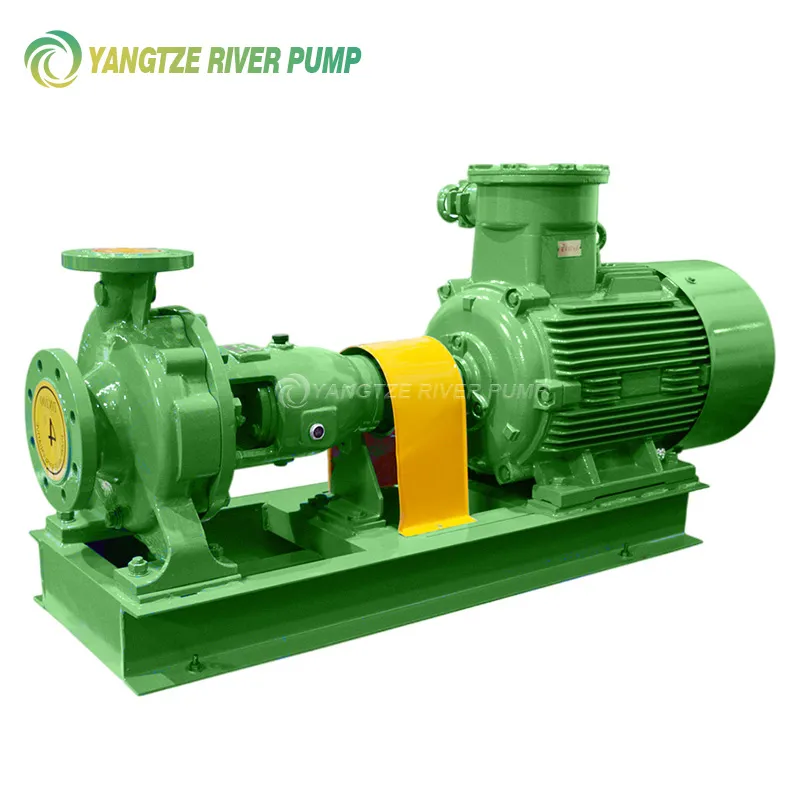 YCZ Chemical Process Pumps
-
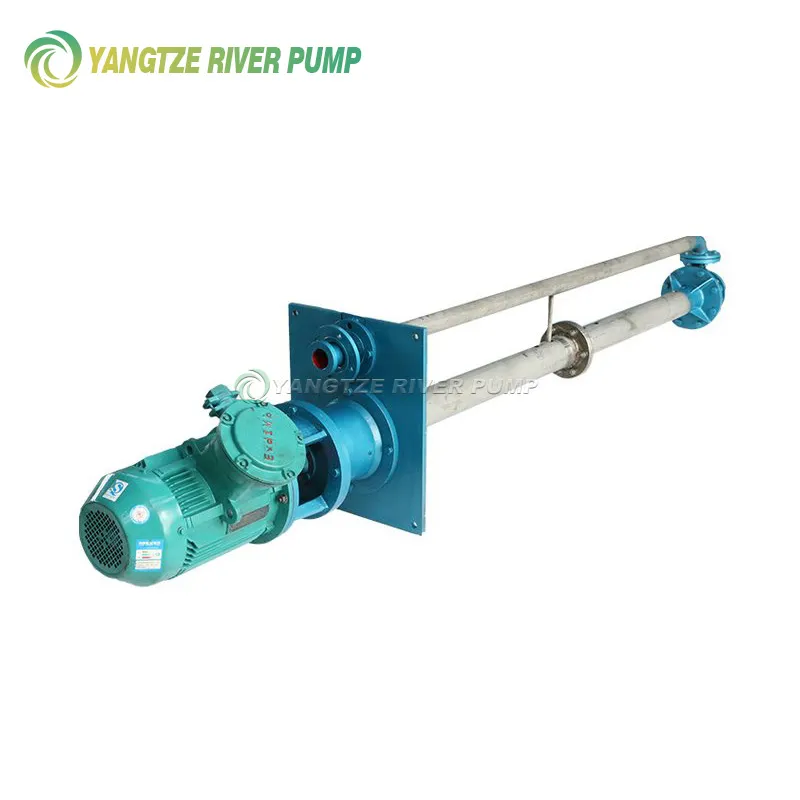 FY Submersible Chemical Pumps