







industrial centrifugal water pumps
When you hear “industrial centrifugal water pumps,” many immediately imagine just a powerful unit that pumps water. But in practice, especially in chemical production or water treatment systems, everything comes down to details: material of the flow part, type of seal, characteristic curve. A common mistake is to select a pump based only on pressure and flow, and then worry about cavitation or corrosion. We at Zhejiang Yangzijiang Pumping Industry LLC have encountered this more than once when customers sent requests without specifying the composition of the medium.
From drawing to test bench: why R&D is not just a department
We have eight complete lines on site, and the first one is research and development. They say that everythingcentrifugal pumpssimilar, but try to adapt the standard model for pumping hot condensate with impurities. We have to play with materials: AISI 316 stainless steel is often used, but for more aggressive environments we consider duplex steel or even Inconel. This is not from a textbook, but from real failures, when the client saved on material and six months later received a leak along the shaft.
Tests are a different story. We test each pump on the stand not for show, but to get a real characteristic. It happened that the curve from the catalog “floated” a little. due to tolerances in the casting of the impeller. I had to improve it. Now onlineyangtzeriverpump.ruWe try to post data from our tests, and not idealized graphs. Being honest with the numbers saves everyone time.
By the way, about multi-stage models. They are often ordered to increase pressure in water supply systems. But the key point is the axial forces. Previously, there were problems with bearings on vertical multistage pumps until the rotor balancing was revised. This is now a required assembly step.
Magnetic drive or mechanical seal? Choice without fanaticism
We have in production both magnetic pumps and classic centrifugal pumps with mechanical seals. Many people think that a magnetic drive is a panacea for leaks. Yes, for toxic or expensive environments this is often optimal. But there is a nuance: their efficiency may be slightly lower due to losses in the magnetic coupling, and you need to be more careful with solid inclusions. Once we put a magnetic pump in suspension with abrasive - the coupling overheated.
Therefore, now when selecting, we always ask about the presence of solid particles. If there is, but not much, sometimes it turns out to be more reliablecentrifugal pumpwith double mechanical seal and flushing. By the way, we don’t produce seals ourselves, but we have found suppliers whose products can withstand the blow. We install them on our units.
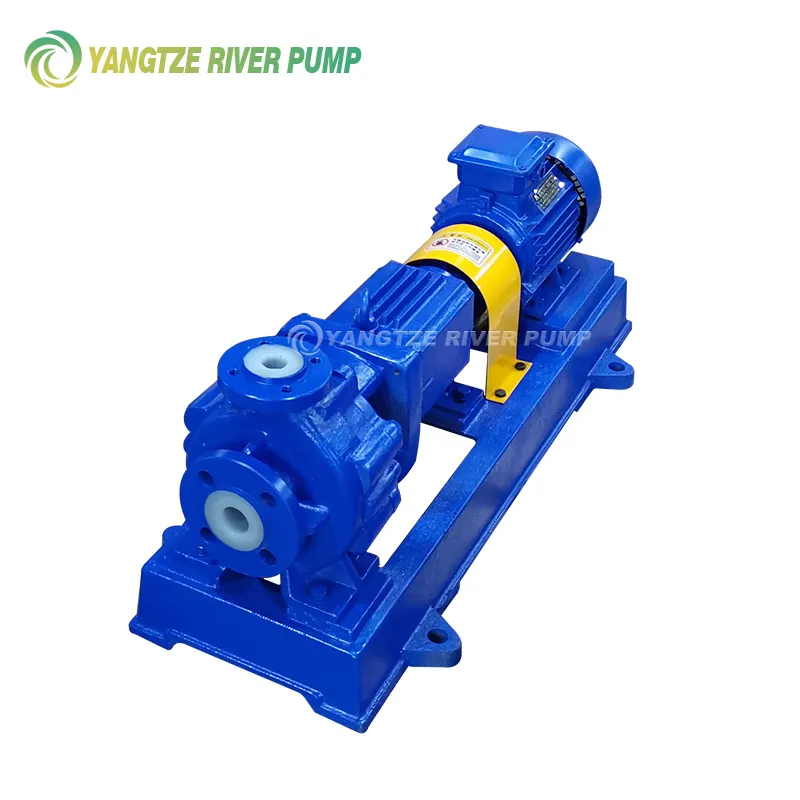
But plastic chemical pumps are a completely separate niche. Made from PP, PVDF. The main thing here is not hydraulics, but chemical resistance. There was a story when a customer sent a medium with a certain new solvent. I had to request a sample of the material from the plastic supplier and make cutouts for durability. It turned out that standard PP was not suitable, so I had to use PVDF. A trifle, but without it the pump would literally dissolve.
Self-priming models: convenience that pays for attention
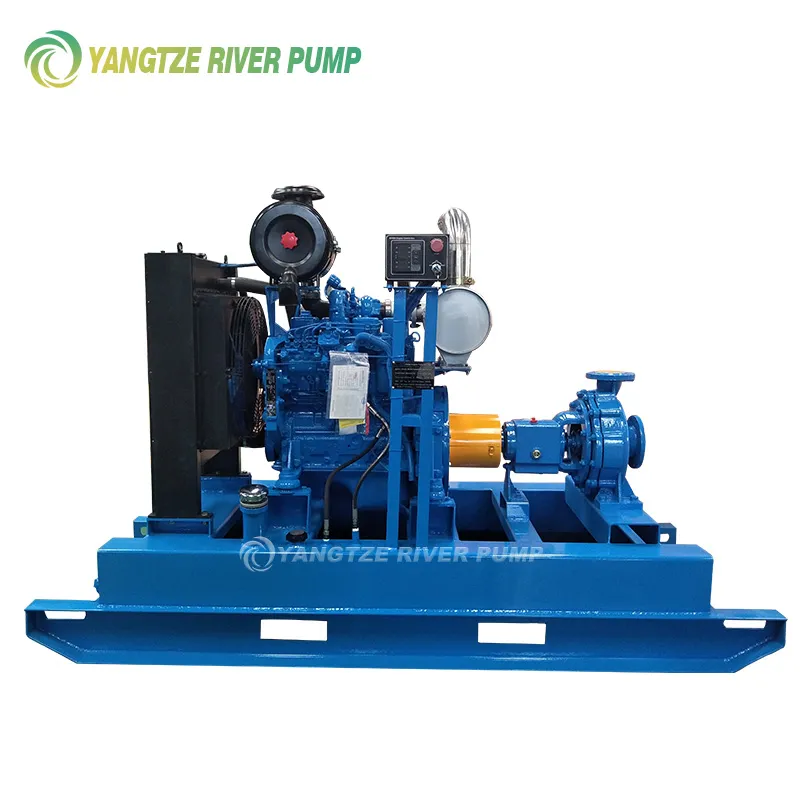
Self-priming pumps are convenient for mobile installations or when you need a quick start. But many people forget that “self-priming” - this is not magic. There are restrictions on suction height, and it strongly depends on the temperature of the liquid. They may not be able to handle hot water. We have several models in our assortment, and for each we clearly state in the documentation the conditions for normal self-completion.
One of the common problems on sites is the airing of the suction line. The customer criticizes the pump, but in fact the problem is a leaky flange or incorrect pipeline slope. Sometimes you have to go to the site just to look at the harness. After such cases, technical support created a checklist for remote clarification of the circumstances.
By the way, some of our self-priming pumps are close in design toindustrial centrifugalpumps, but with a vortex chamber. This gives good resistance to small amounts of air in the flow, but slightly reduces the maximum efficiency. A compromise without which you can’t go anywhere.
Submersible and linear: where form factor matters
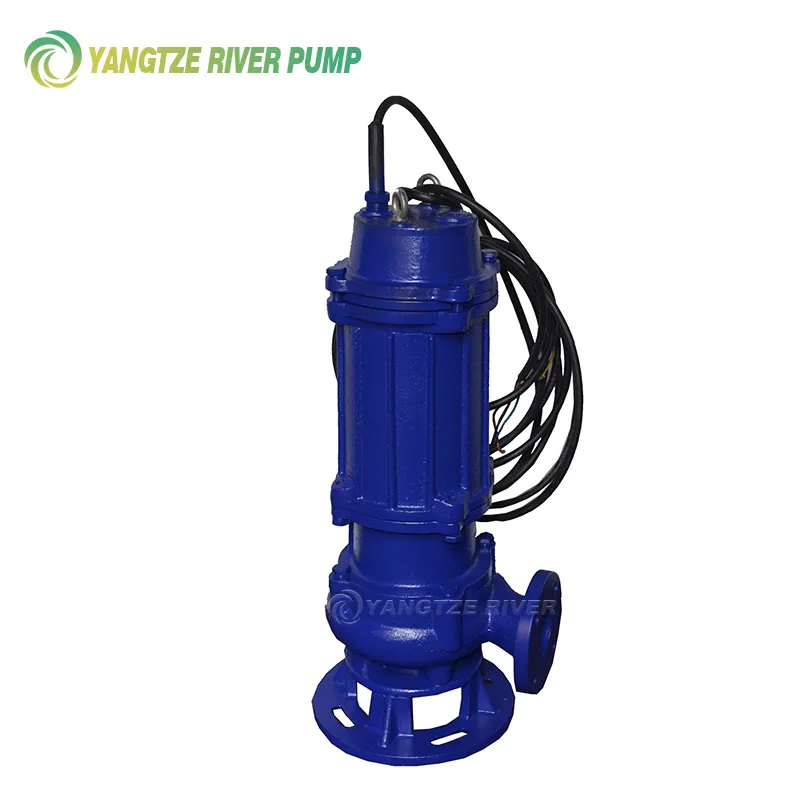
Submersible pumps are often the solution for wells or tank pumping. The main problem here is the quality of engine cooling. If the pump is not fully submerged, the motor may overheat. We install temperature sensors in our models, but we still write in large numbers in the instructions about the need to control the level. Once there was an incident at a construction site: the pump pumped out water and continued to “thresh?” dry until it burns. Now we are thinking about a more “oaky” one. protection.
Linear centrifugal pumps (in-line) are the favorites of designers. They are easy to cut into straight pipe. But their installation requires care: the pipeline should not create a load on the pump flanges, otherwise shaft distortions and vibration are possible. We have even developed a simple wiring diagram that we send with each such unit. It would seem like a trifle, but the number of complaints has decreased.
And yes, correct flow direction is critical for linear pumps. There is an arrow on the case, but it is sometimes ignored. I had to get a photo from a site where the pump was standing backwards. Now we also draw a large arrow on the side of the packaging.
Auger and diaphragm: when the centrifugal fails to cope
Although we at Zhejiang Yangzijiang Pump Industry Co., Ltd. focus onindustrial centrifugal water pumps, the line includes both single-screw and diaphragm. Because there are tasks where centrifugal force is not an assistant. For example, viscous liquids such as slurries or pastes. For them, a single-screw (progressive cavity) pump is better suited - it provides a more stable flow without shearing.
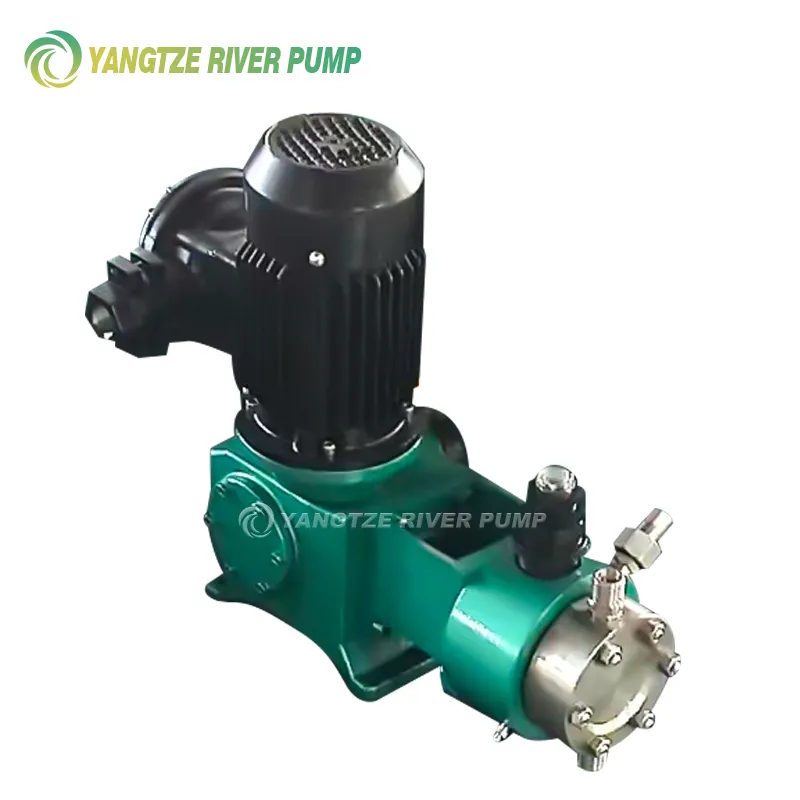
Diaphragm pumps are often about dosing or very aggressive chemicals. Their medium is in contact only with the diaphragm and the body. But there are pitfalls here too: aperture life. Depends on pressure and chemistry. We usually recommend that customers purchase replacement membranes in bulk. Experience has shown that when a diaphragm ruptures, shutting down production is more costly than several replacement sets.
It's interesting that sometimes you have to combine systems. We place a centrifugal pump on the main line, and a small diaphragm dispenser to add the reagent to the flow. The result is a hybrid system that is efficient and reliable.
Instead of a conclusion: the pump is part of the system
So, to summarize my experience, the choiceindustrial centrifugal water pump— it’s always a story about the system. The pump may be ideal, but if the pipeline is chosen incorrectly, or the suction valve has a smaller diameter valve, then expect problems. We are on our websiteyangtzeriverpump.ruWe are gradually posting not only catalogs, but also technical notes on piping and typical installation errors. Hopefully this will help engineers in the field make better decisions.
And production... It never stands still. We receive feedback from objects, sometimes we see our shortcomings, sometimes we see unobvious opportunities. Now, for example, we are looking at remote vibration and flow monitoring systems for our larger units. It seems like this could be the next step from just selling a pump to selling reliable performance.
In general, this is a living matter. And no matter how important the numbers from the catalog are, the last word often remains with experience – both ours and the customer’s. The main thing is to conduct a dialogue, and not just ship hardware.
Correspondingproducts
Related Products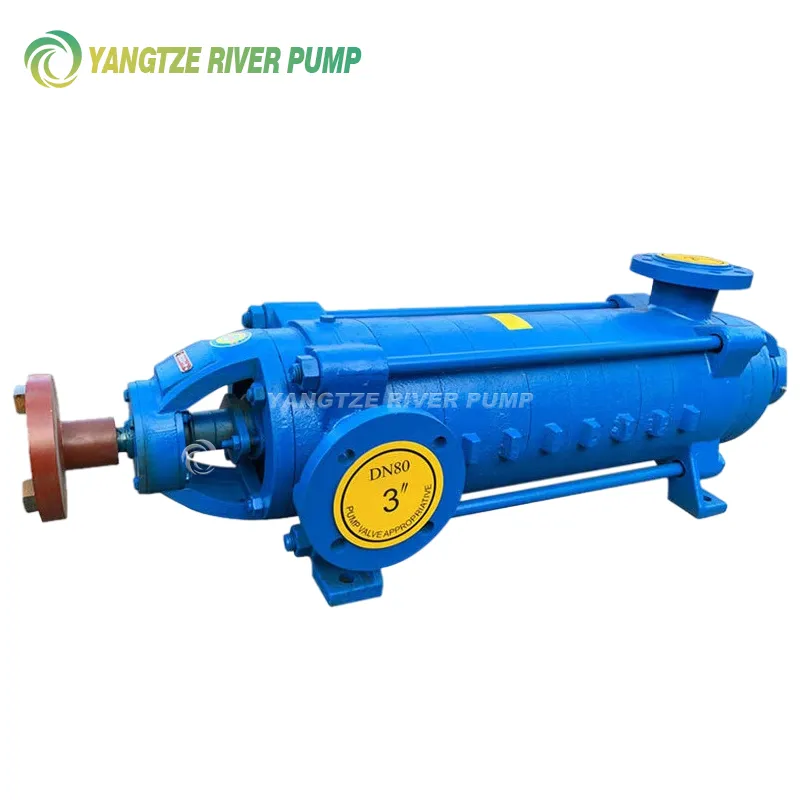

Best Sellingproducts
Best Selling Products-
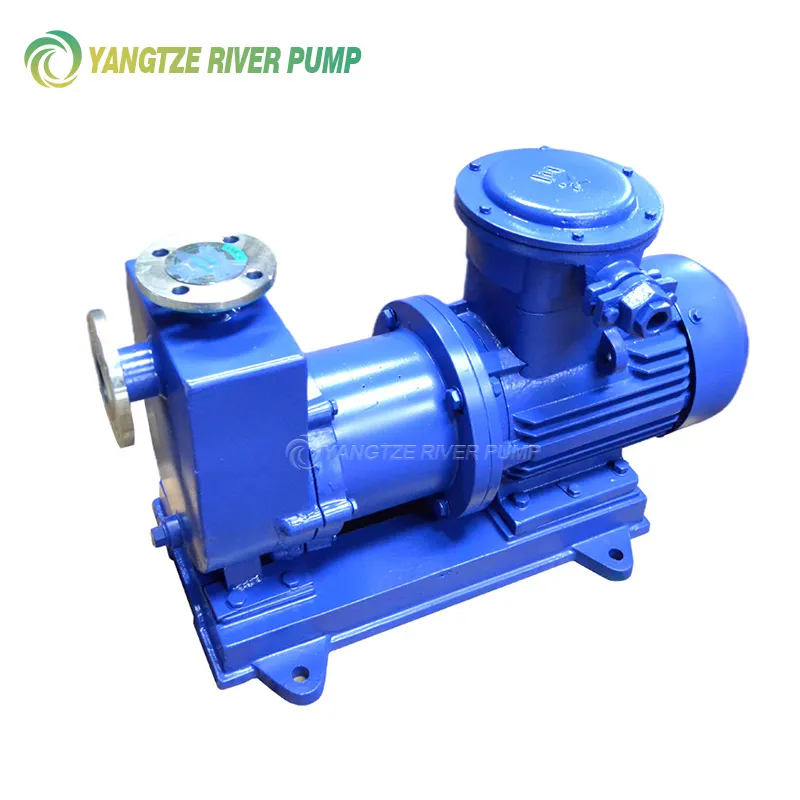 ZCQ Stainless Steel Self-Priming Magnetic Pumps
-
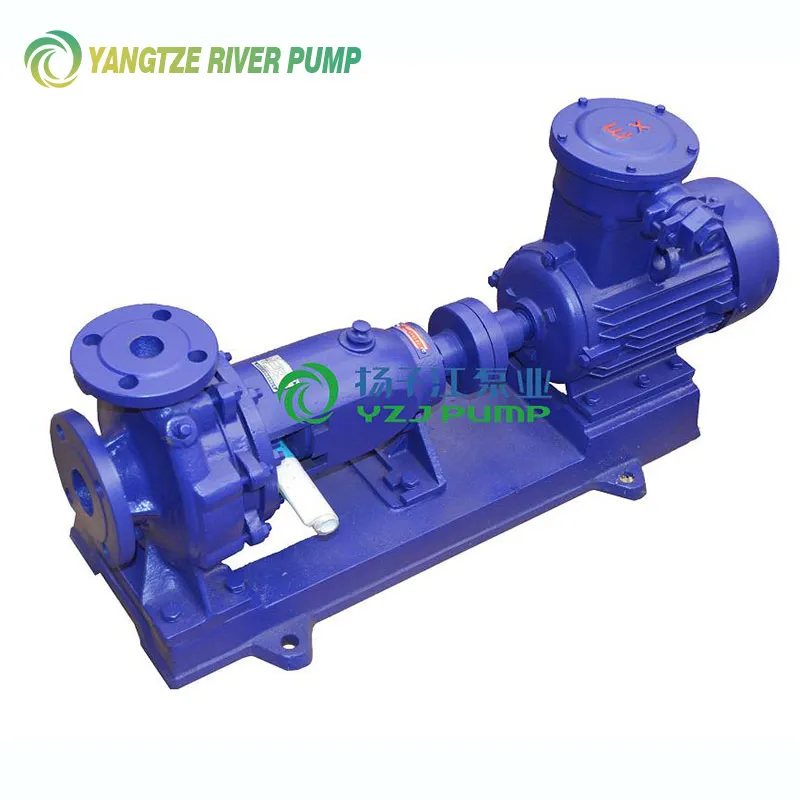 Horizontal chemical centrifugal pumps types IS and IR
-
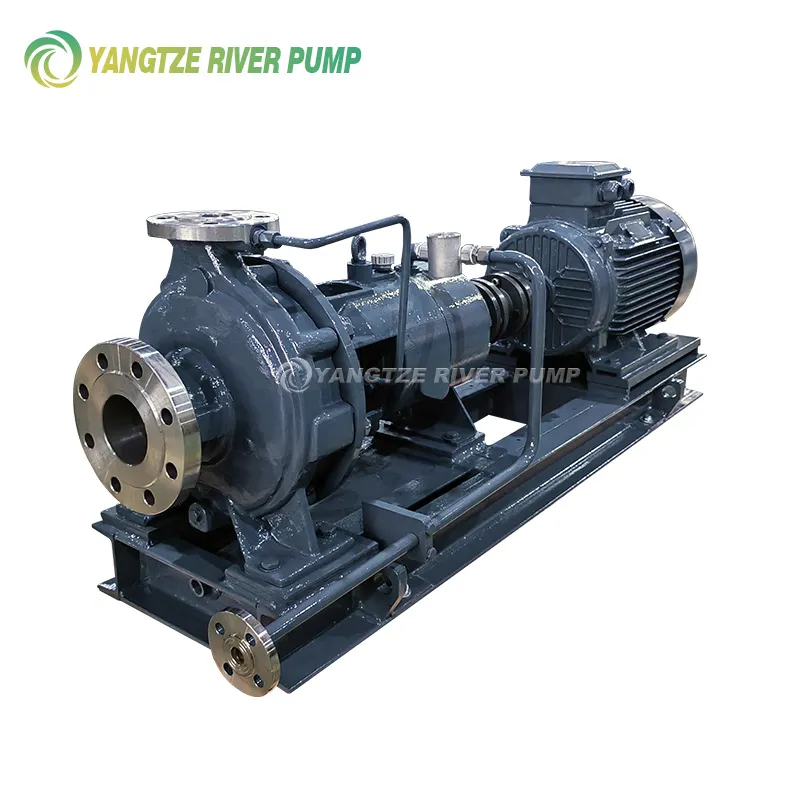 Petrochemical Process Pumps API 610 YZA
-
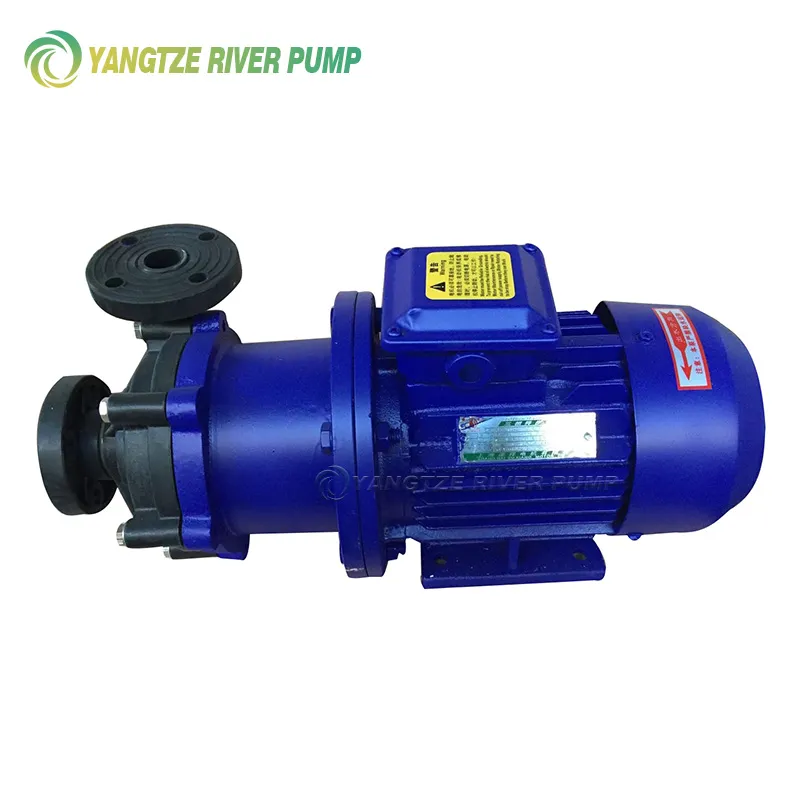 CQF Plastic Magnetic Pumps
-
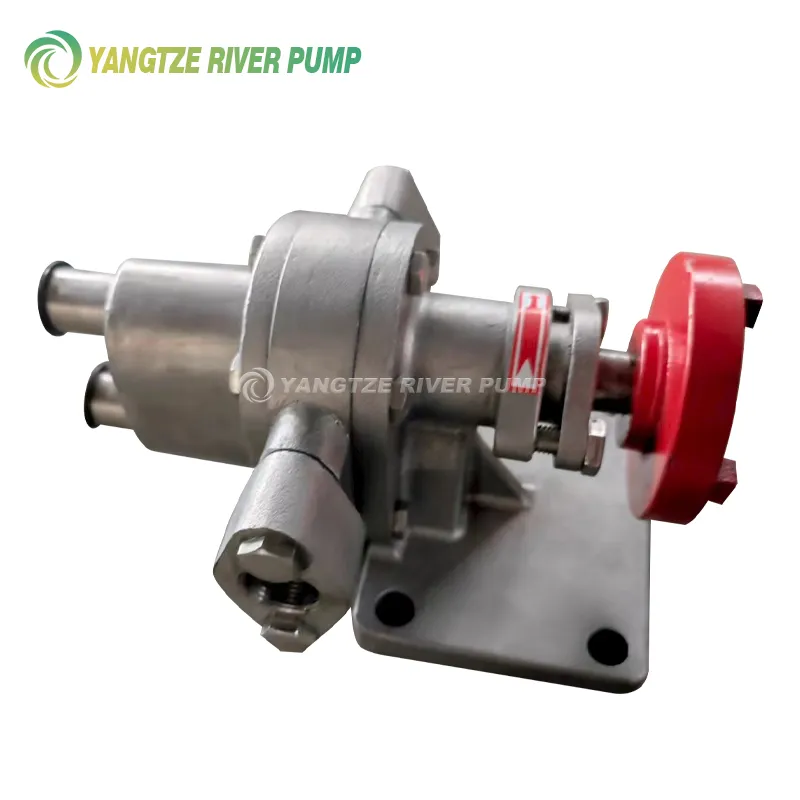 Gear oil pumps type KCB
-
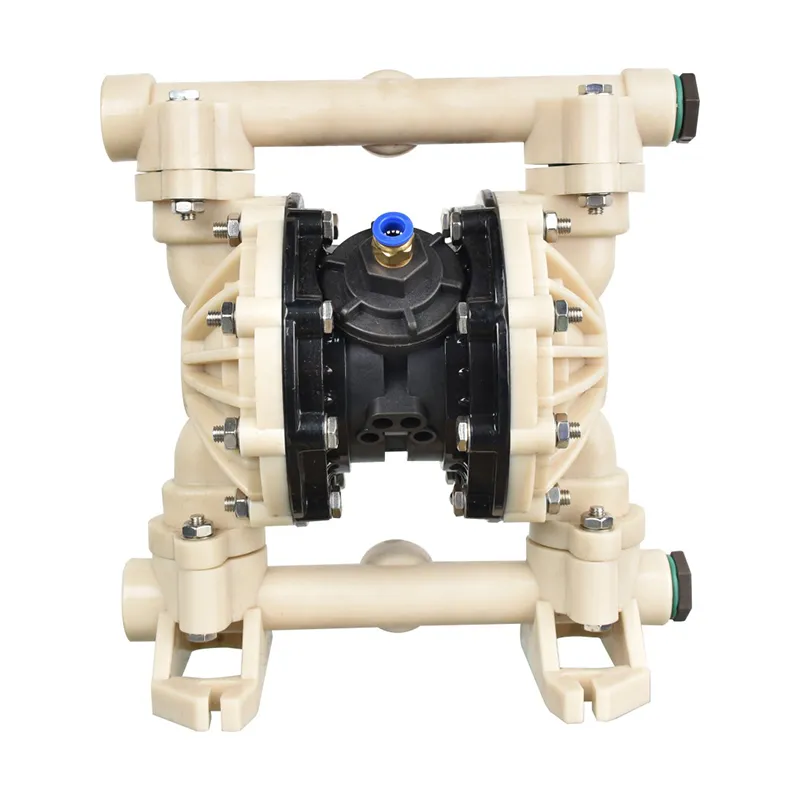 QBK Non-Metallic Air Operated Diaphragm Pumps
-
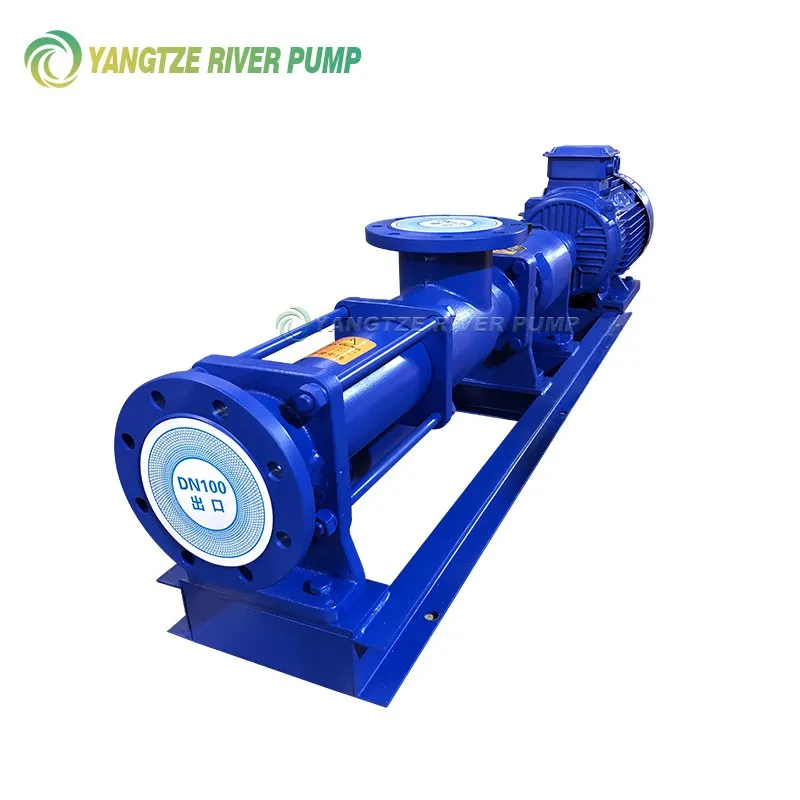 Single screw pumps type G
-
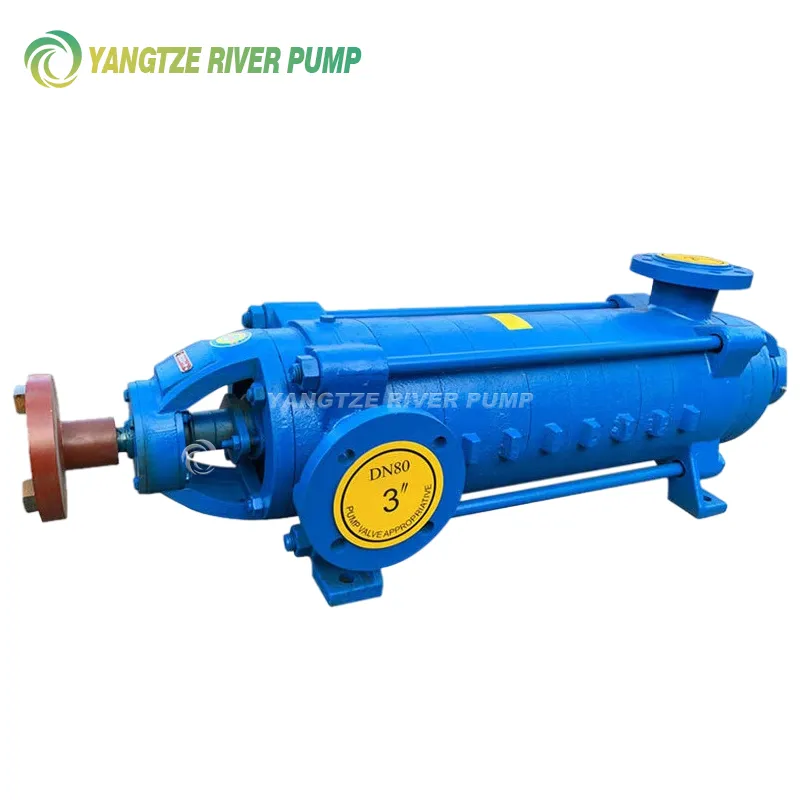 Horizontal multistage centrifugal pumps type D
-
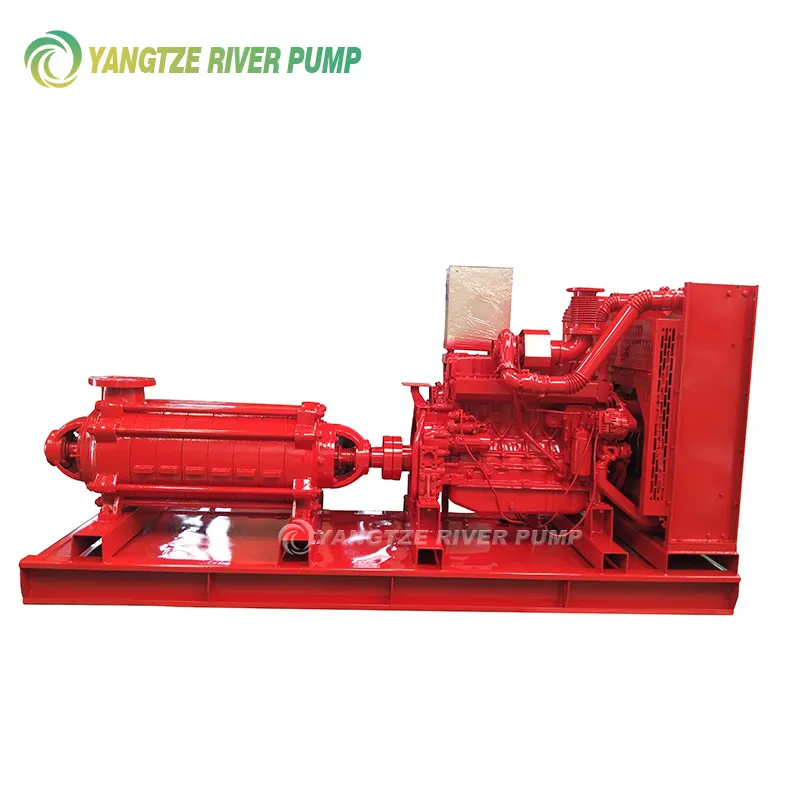 XBC Diesel Intelligent Fire Pumps
-
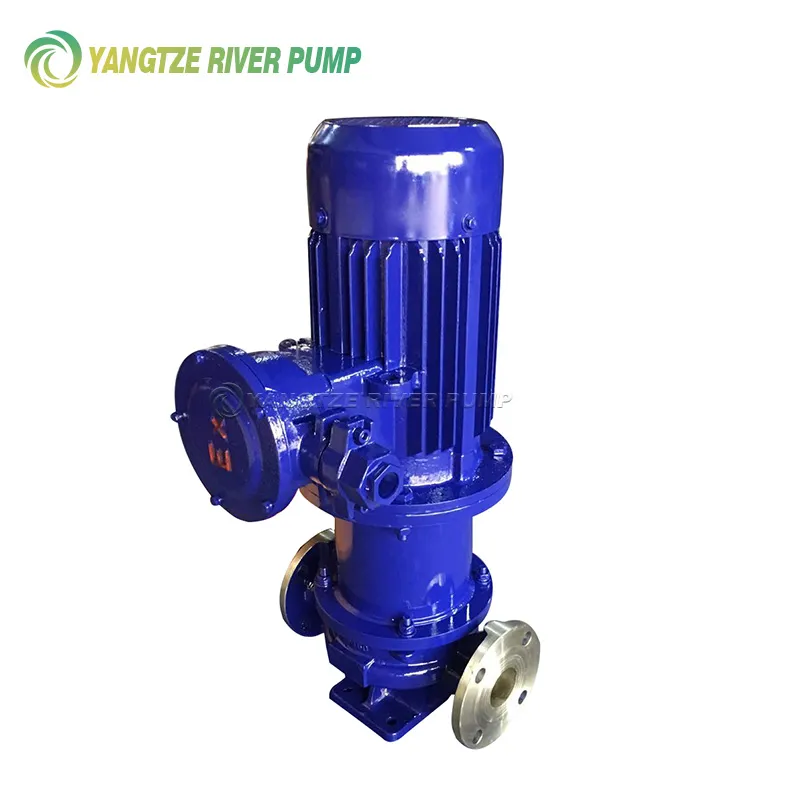 Vertical magnetic pumps CQB-L
-
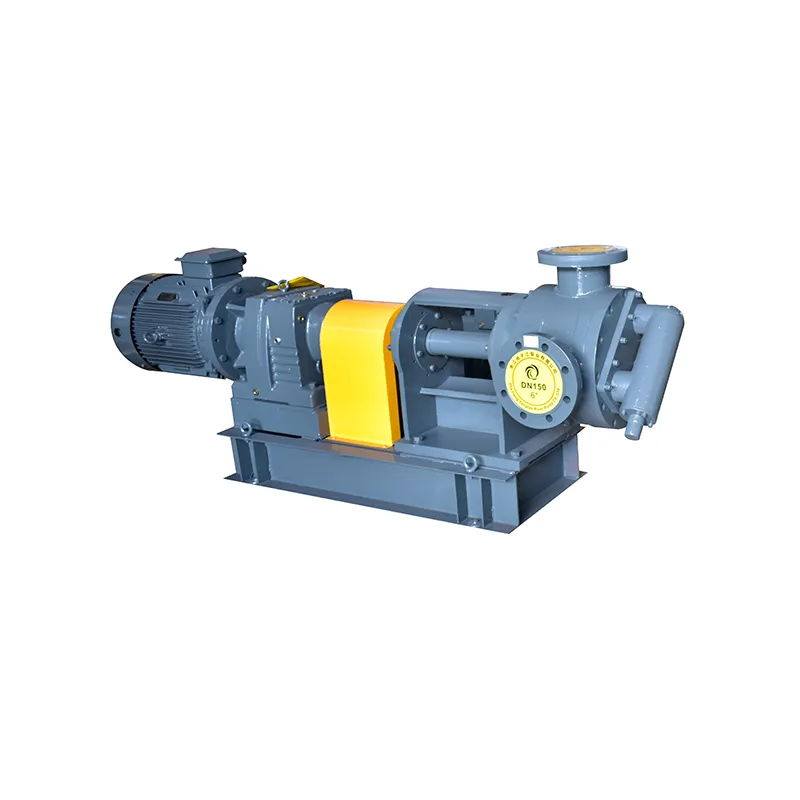 NYP High Viscosity Internal Gear Pumps
-
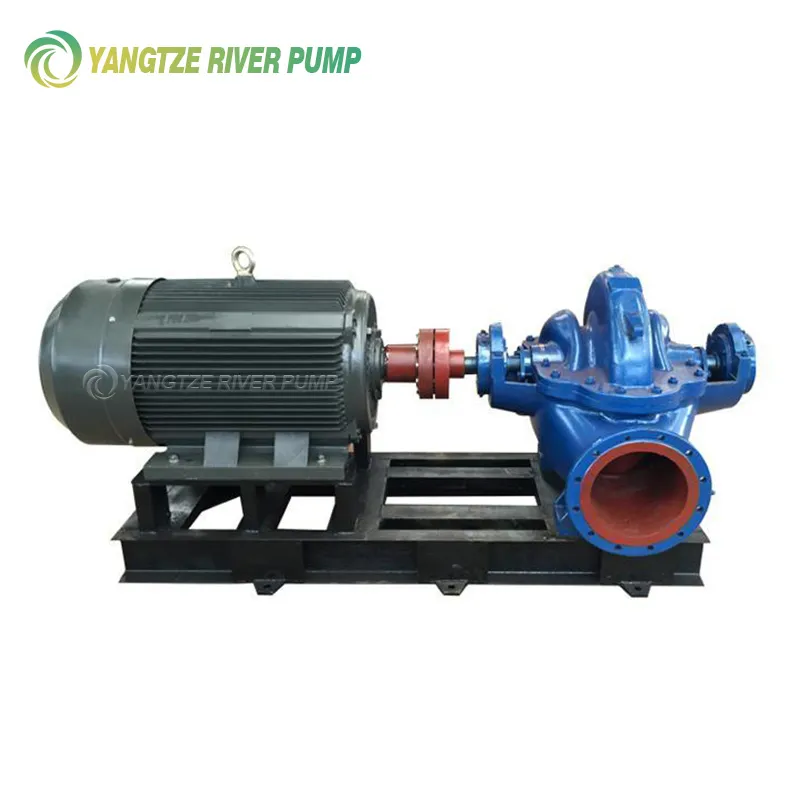 Single Stage Double Entry Centrifugal Pumps Type S