







centrifugal pump 100 cubic meters
When you hear the request “centrifugal pump 100 cubic meters?”, the first thing that comes to mind is probably a unit for pumping water somewhere in irrigation or industrial water supply. But here’s the catch: this parameter itself – 100 m3/h – says little about whether a particular machine is suitable for your task. Many times I have encountered situations where a customer, focusing only on productivity, purchased expensive equipment, which then either did not reach the required parameters or worked with overload and low efficiency. A key point that is often overlooked is push. Without the right combination of ?hundreds of cubes? and the required pressure (say, the same 32 meters), the pump may turn out to be a useless piece of hardware. It's like buying a powerful engine without knowing which gearbox to put it in.
What really hides behind the “hundred”?
So, we take our conditional centrifugal pump with a flow of 100 m3/h. In catalogues, for example, the sameZhejiang Yangzijiang Pumping Industry Co.,Ltd, you will find several rulers for this number. These can be either K-type cantilever pumps or more compact linear monoblocks. The choice depends not on a beautiful picture, but on what you are going to download and under what conditions. I remember one project to supply water to a small village. This figure appeared there - 100 cubic meters per hour. At first they considered a conventional cantilever pump, but then it turned out that there was simply not enough space in the machine room for its foundation and alignment of the shafts. We had to switch to a linear centrifugal pump - we installed it directly on the pipeline, saving a lot of space and installation time. Here's the first practical lesson: performance is only the starting point for dialogue.
Another nuance is the material of the flow part. If we are talking about clean water, then cast iron is suitable. But I once participated in the launch of a system at a livestock complex, where it was necessary to pump process water with suspended matter. The customer initially took a standard cast iron pump for the required 100 cubic meters. After six months, the impeller looked as if it had been pierced with sand. I had to change it to a model with a wear-resistant alloy wheel. Now, looking at the rangeyangtzeriverpump.ru, I see that they just offer solutions with different materials - from plastic for chemical environments to stainless steel. This is an important point, which in pursuit of the number ?100? often forget to clarify.
And the third aspect is energy consumption. A 100 m3/h pump with an efficiency of 65% and an efficiency of 78% are two big differences in electricity bills. We had a case at a factory where there was an old Soviet unit. We replaced it with a modern model with optimized hydraulics and the same performance rating. The energy savings paid for the replacement in less than two years. So when you look at proposals, you need to dig into the Q-H charts and see where your operating point is. Ideally, it falls within the zone of maximum efficiency of the curve.
Implementation experience and typical installation errors
Let's say the pump is selected. It would seem that it’s a small matter – install and turn it on. But here lies a whole layer of problems. One of the most common is improper piping and preparation of the suction line. For stable operation of a 100 cc centrifugal pump, it is critical to ensure uniform fluid pressure without cavitation. Once, during the installation of a water intake unit, the team saved on a straight section of pipe in front of the pump, making it less than five diameters. As a result, turbulence arose at the input, the unit operated with increased vibration and noise, and a month later the first cavitation shells appeared on the wheel blades. I had to stop the system and redo piping. The rule is simple: at the suction there is a minimum of hydraulic resistance, reliable shut-off valves and a filter (required!), which must be cleaned regularly.
The second mistake is ignoring the “dry running” mode. A centrifugal pump, unlike some self-priming models, is not designed to operate without liquid. The incident at the drainage station is fresh in my memory. The pump pumped water out of the pit, the automation did not work, and it ran “dry”. about ten minutes. The result is overheating, deformation of the mechanical seals, and scuffing on the shaft. The cost of repairs was close to half the price of a new unit. Now I always insist on installing level or flow sensors with start blocking. By the way, in some modern designs, like linear pumps, they try to solve this problem at the design level, but you cannot rely on this alone.
And third is service. Many people think that they installed the pump and forgot. But even the most reliable unit is the samecentrifugal pump 100 cubic metersfrom a trusted manufacturer, requires attention. Regularly checking vibration, the condition of oil seals or mechanical seals, and tightening foundation bolts (especially in the first months after startup) is a mandatory minimum. We had a service contract with a boiler room where two of these pumps were on standby. One of them stood motionless for almost a year. When it was urgently necessary to turn it on, it turned out that the shaft was “stuck” due to deposits. I had to take it apart and clean it. Now the regulations include monthly manual rotation of the shaft of backup units. A trifle, but it avoids major downtime.
Why is the full production cycle important, and not just an assembly shop?
At one time I visited a lot of supplying factories. And the difference between those that have their own R&D and test benches, and those that simply assemble components from purchased components, is colossal. When the manufacturer, howZhejiang Yangzijiang Pumping Industry Co.,Ltd, declares a full cycle from development to testing, these are not just words for the site. This means that the hydraulic part of the pump is designed and cast to specific specifications, rather than taking the first wheel that comes along off the shelf. For a 100cc pump, this is critically important, because it is the shape of the blades, channels and diffuser that determines its efficiency and the shape of the pressure curve.
I saw their test bench on the website - a serious setup. This gives confidence that each unit is actually “run through” before reaching the customer. in conditions close to real ones. They take actual parameters and build passport curves. In my practice, there was a precedent when we needed a pump to pump liquid with a temperature of 90°C. Standard models were not suitable due to the risk of deformation and cavitation. We turned to the manufacturer with a full cycle. Their engineers, drawing on their testing capabilities, modified the seal design and selected a housing material that could withstand thermal expansion. As a result, we got a workable solution, and not a pig in a poke.
It is this approach – from casting and machining to the final test – that allows us to offer not just an abstract “hundred cubic meters”, but concrete, predictable equipment. When you know that the pump for your facility has been hydraulically tested on a stand that can simulate different modes, you can sleep easier. Especially if the facility is critical and downtime due to a pump breakdown will cost a lot of money.
Case from practice: when? 100 cubic meters? - this is not water
I would like to share one non-standard case that well illustrates why it is important to look at the problem more broadly. At a chemical plant, it was necessary to pump an alkaline solution with a capacity of just about 100 m3/h. The pressure needed to be low. My first thought is a standard stainless steel chemical centrifugal pump. But a detailed study revealed that the solution contains abrasive particles, albeit small ones. Stainless steel would wear out quickly. We began to look for an alternative.
In the end, we settled on a plastic chemical pump with a reinforced impeller design. The material of the flow part - polypropylene or something similar - turned out to be resistant to both alkali and abrasive wear. But there was a catch: for a plastic pump, such performance is often at the upper limit or even beyond the standard range. I had to work closely with the plant’s technical department. They, using their experience in the field of plastic pumps, proposed a custom solution - a reinforced shaft, a modified wheel taking into account hydraulics for 100 cubic meters. This was not a product from a warehouse, but a custom solution for a task.
Installed and launched. It has been in operation for three years now; we periodically change the mechanical seal - this is a planned procedure. But the hydraulic part holds. This example shows that even under a seemingly standard performance parameter there can be hidden a whole set of requirements for chemical resistance and wear resistance, which force us to move away from standard metal solutions and dig towards specialized materials and structures.
Instead of a conclusion: a few short theses for an engineer on site
So, to summarize my experience of communicating withcentrifugal pumpsdifferent productivity, including those same 100 cubic meters per hour, I want to formulate a few points that I always keep in mind. Firstly, ?100 m3/h? – this is not a model of the pump, but one of the coordinates of its operating point. The second coordinate is pressure. Without it, choice is impossible. Secondly, always clarify the environment. Water, alkali, suspension - each case entails a choice of material, type of seal, and sometimes the principle of operation (maybe it’s better not centrifugal, but auger?).
Third, look at the manufacturer not as a store, but as an engineering partner. Having a full cycle, like the mentioned company from the banks of the Yangtze, is an opportunity to get not just a product, but a technically sound solution that has been tested. And fourthly, do not skimp on harnesses and protective automation. A good pump can be ruined by a bad pipe in front of it or lack of protection against dry running.
In general, working with such units is a constant balance between hydraulic theory, installation practice and a sober assessment of operating conditions. And when all these elements come together, the samecentrifugal pump 100 cubic metersbecomes not just an expense item, but a reliable and effective component of the system, which does not remind of itself for years. And this, perhaps, is the best assessment for any equipment.
Correspondingproducts
Related Products


Best Sellingproducts
Best Selling Products-
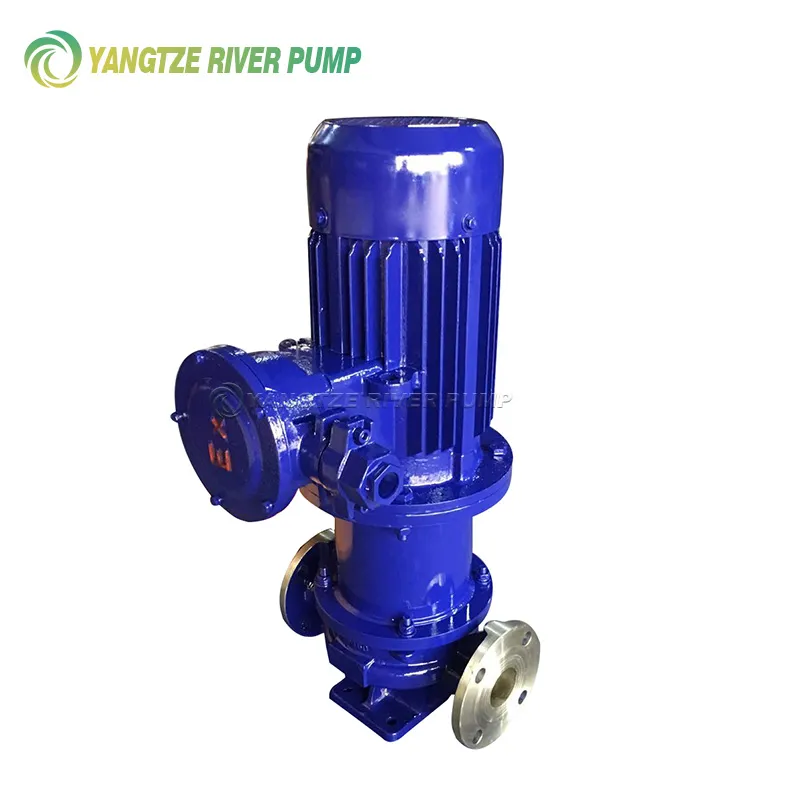 Vertical magnetic pumps CQB-L
-
 Plastic self-priming centrifugal pumps FP and FS
-
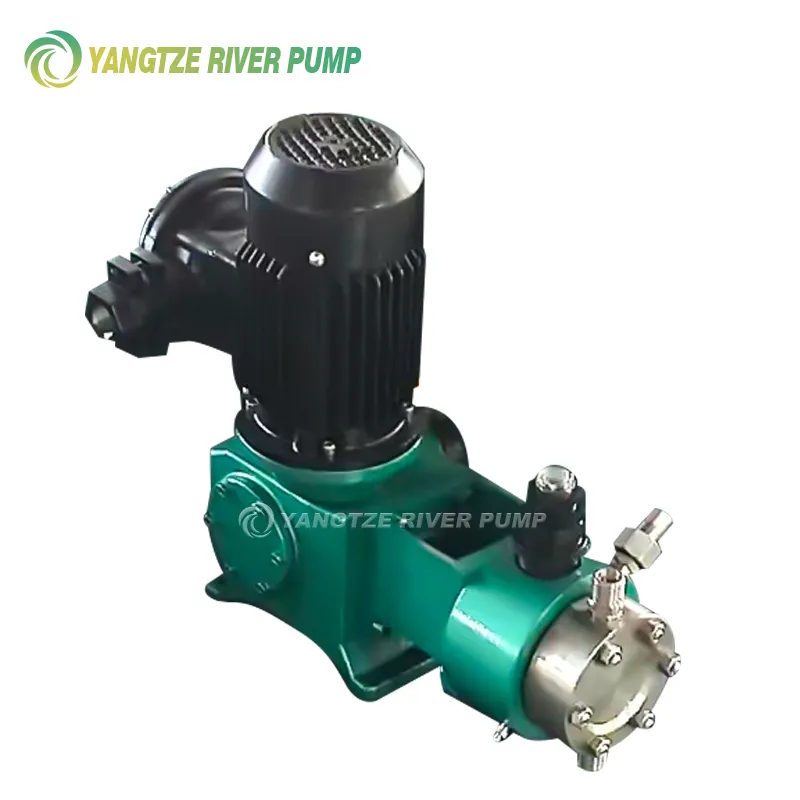
 Mechanical diaphragm dosing pumps DJ-D
-
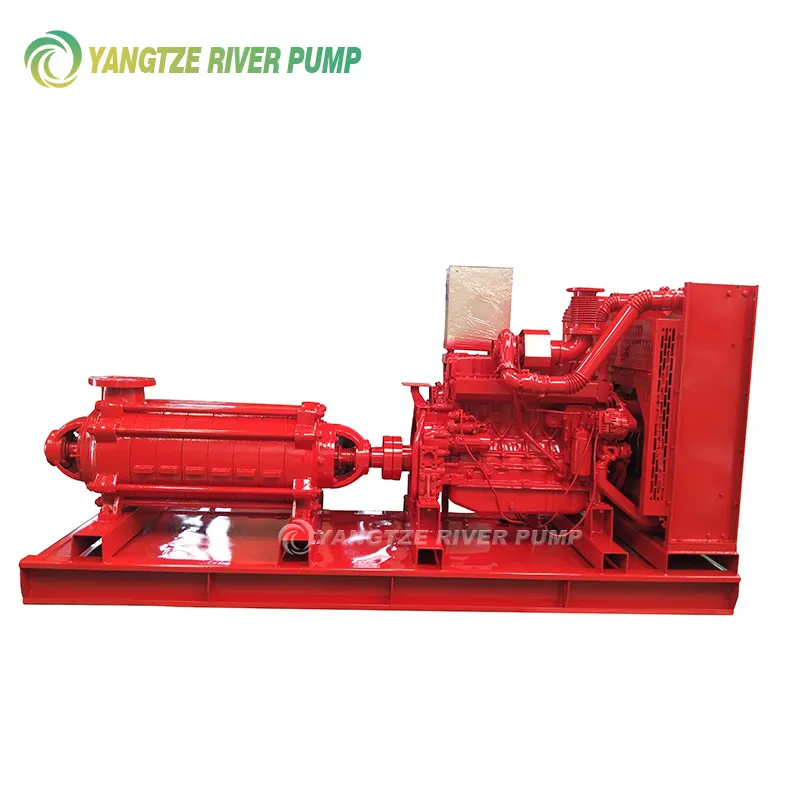 XBC Diesel Intelligent Fire Pumps
-
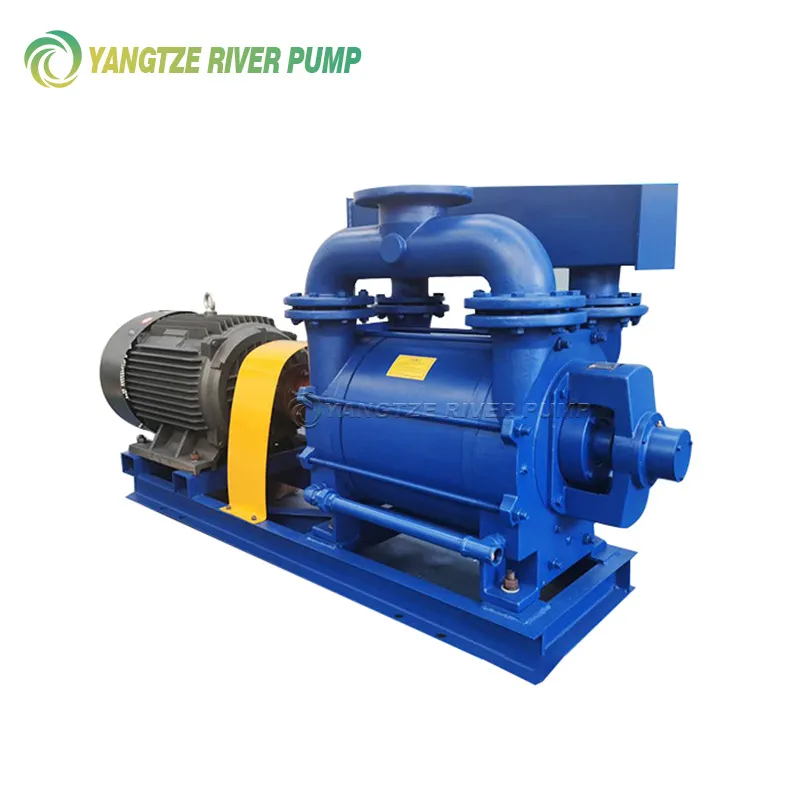
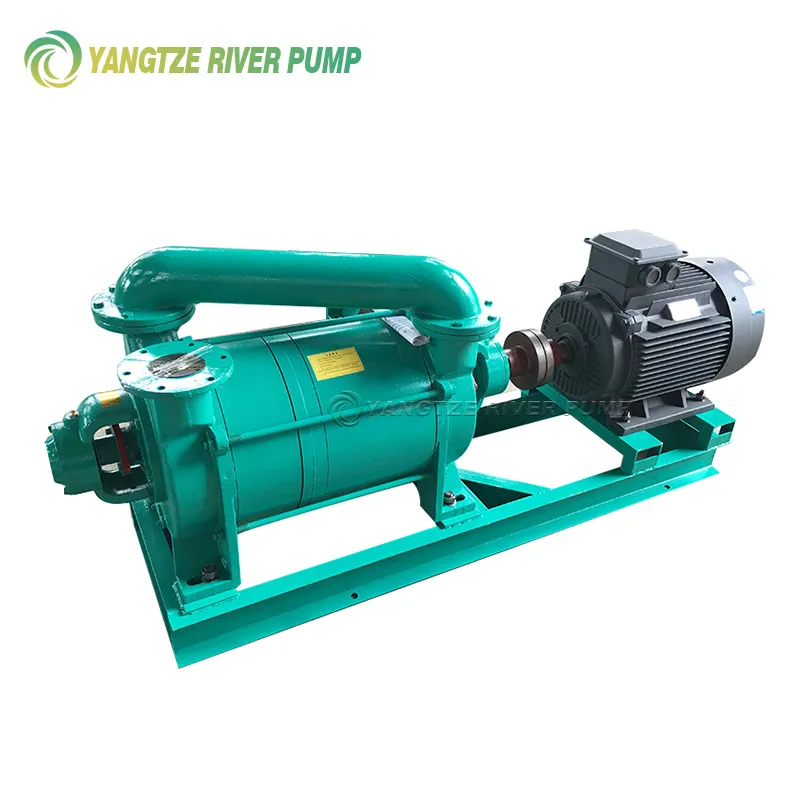 Liquid ring vacuum pumps type 2SK
-
 Non-clogging self-priming wastewater pumps ZW
-
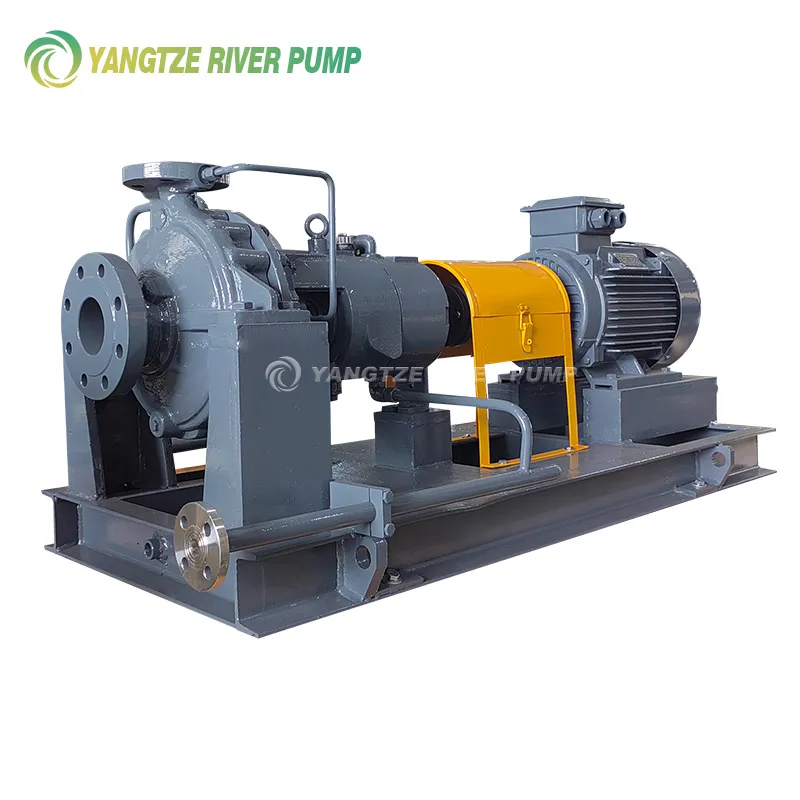 Petrochemical Process Pumps API 610 YZE
-
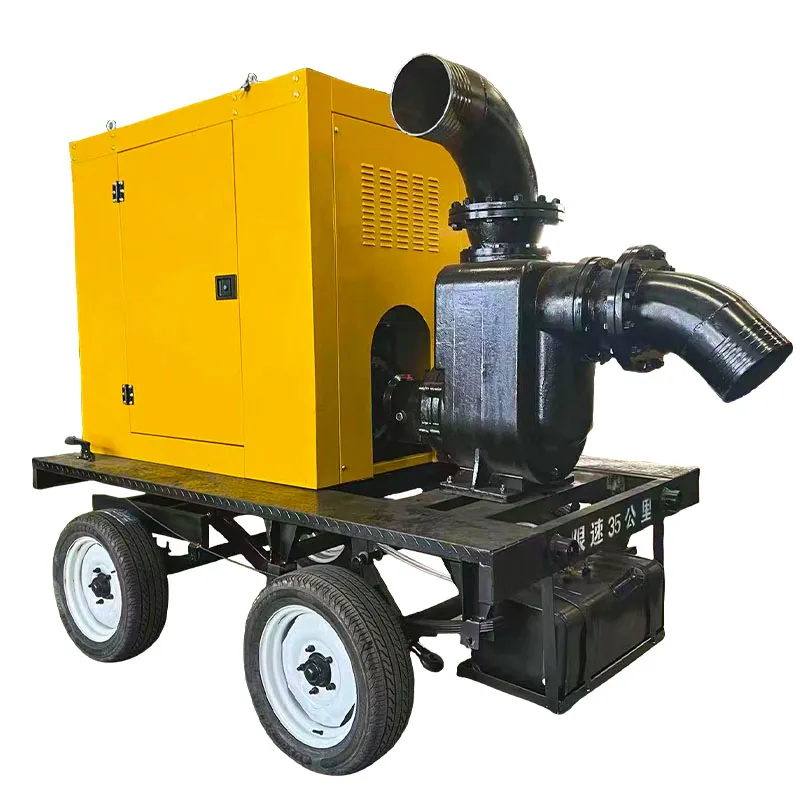 YZZW Diesel self-priming pumps
-
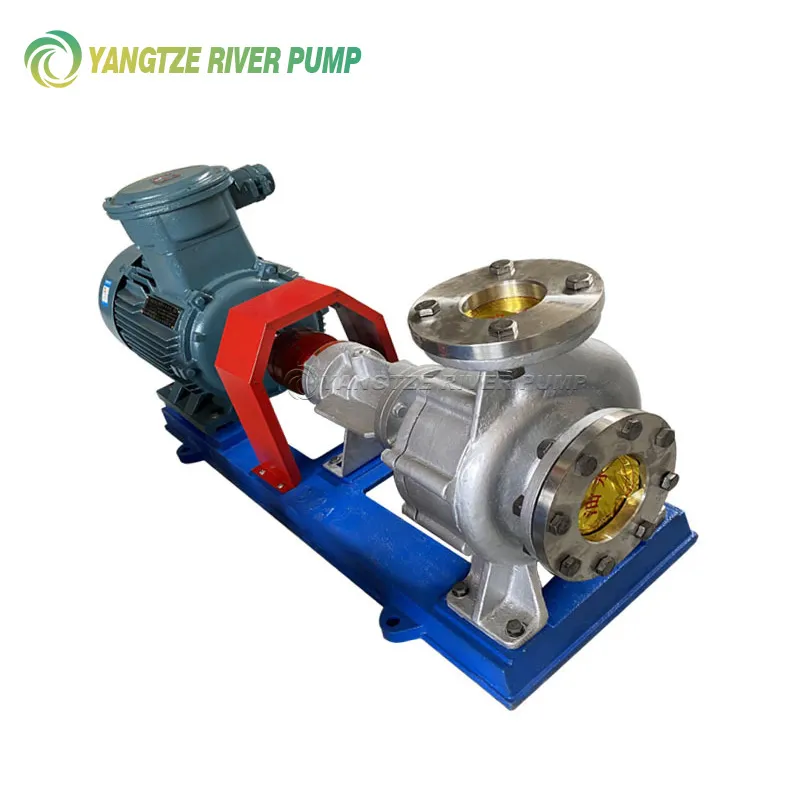 RY thermal oil pumps
-
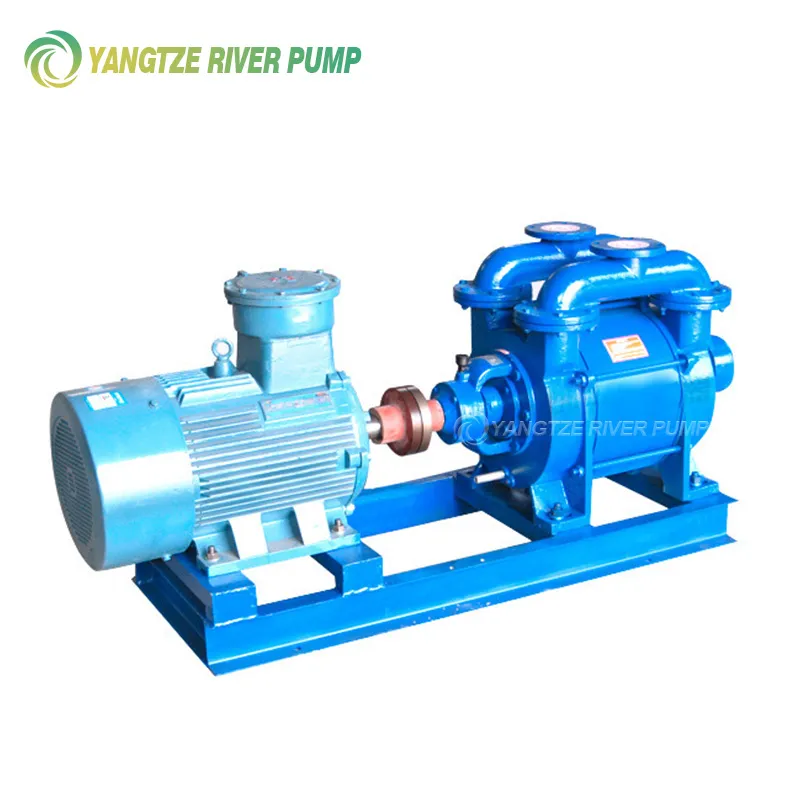 Liquid ring vacuum pumps type SK
-
 Infinitely variable screw pumps type G
-
 QJ type borehole pumps