







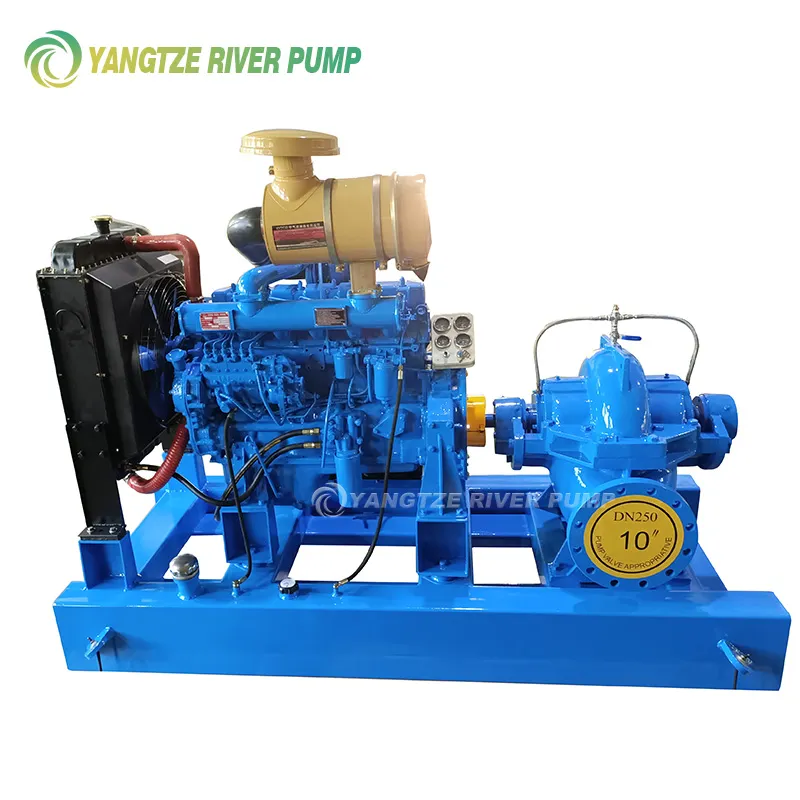
centrifugal disc pump
When they talk aboutcentrifugal disc pump, many immediately imagine a standard single-stage design - housing, impeller, shaft. But if you dig deeper, especially in the context of pumping complex media, a lot of nuances are revealed that are often silent about in textbooks. For me personally, the key issue has always been not just creating pressure, but managing water hammer and cavitation under conditions of variable flow. This is something that you constantly encounter in practice, and not in ideal bench testing conditions.
From drawing to the real world: where theory lags behind
Take, for example, the classic task of pumping suspensions with abrasive inclusions. Constructioncentrifugal disc pumpwith a closed impeller here quickly shows its vulnerability. The gaps become clogged, the balancing is thrown off, and after a couple of hundred engine hours the vibration goes beyond all permissible limits. We at Zhejiang Yangzijiang Pumping Industry LLC have gone through this more than once when we adapted standard lines to meet requests from mining and processing plants.
We had to experiment with the materials of the flow part. Cast iron of the HF-50 grade is good, but it was not enough for constant work with sand. We switched to wear-resistant alloys with the addition of chromium, but were immediately faced with rising costs and the complexity of machining. It's a typical trade-off: durability versus price. On our website https://www.yangtzeriverpump.ru in the product section, this is reflected in different modifications of single-stage pumps - for clean water and for media with impurities, different brands of materials are used, although the units may be similar in appearance.
There was also a case of pumping a viscous liquid similar to molasses. Theoretically, the centrifugal pump should cope, but in practice, when starting, the engine simply went into overload. It turned out that the moment of inertia of the rotor and the viscosity of the medium created such resistance that a standard start-up was not enough. We had to discuss with the customer the option of a frequency converter for soft starting, which, naturally, affected the total cost of the solution. This refers to the fact that a pump is often not just a unit, but part of a system, and its choice cannot be considered in isolation.
Tests as a source of truth, not tick marks in a report
We have eight complete production lines, including a testing line. And I will say that the stand is the place where everyone “almost” is eliminated. suitable solutions. You can perfectly calculate the hydraulics, but get an unstable output characteristic due to turbulence at the inlet. This is especially critical forcentrifugal disc pumpswith one-sided supply.
I remember one incident with a pump for a circulating water supply system. In tests with clean water, all parameters - pressure, efficiency, power consumption - were normal. But when the unit was installed on site and launched into a real system with water containing air bubbles and small fibers, problems with cavitation and sudden pressure surges began. The reason is the design of the suction pipe and chamber, which were not optimal for the heterogeneous environment. After that, we tightened our internal testing regulations by adding tests in simulated environments close to the customer’s real conditions.
This experience directly influenced our approach to development. Now, when we design, for example, linear centrifugal pumps or self-priming models, we necessarily include a test stage not on water, but on liquids with the properties provided by the potential client. Yes, it takes longer and is more expensive at the R&D stage, but it sharply reduces the number of complaints after delivery.
Neighborhood in a line: why the context of choice is important
Our company produces a wide range - from magnetic pumps to plastic chemical ones. And often people come to us with a request specifically forcentrifugal disc pump, when the essence of the task is more suitable for another type. The task of a sales engineer is not just to sell, but to figure it out.
There was a request from a small chemical shop to pump hydrochloric acid. The client initially wanted a stainless steel centrifugal pump. But, having delved into the details - low productivity, the need to completely empty the line, frequent starts / stops - we suggested considering a diaphragm pump or a plastic chemical pump with an electromagnetic drive. For their conditions, this turned out to be more reliable and economical to maintain, despite the fact that the original request was formulated differently.
Conversely, for a consistent, high-volume supply of clean water in a cooling or irrigation system, a single-stage or multi-stage centrifugal pump is the ideal and most energy-efficient choice. The trick is to not try to solve all problems with one tool. On the website https://www.yangtzeriverpump.ru we try to structure the information so that a specialist can navigate the context of the application, and not just look at a table with technical characteristics.
Installation and maintenance: what decides the fate of the pump
You can make a device that is ideal from an engineering point of view, but it will be killed by incorrect installation. For centrifugal pumps, especially those with a rigid connection to the engine, alignment is critical. I saw situations where installers, in a hurry, did not install it properly, using crude methods. The result is increased wear of seals and bearings, vibration, and six months later the client scolds the “unreliable manufacturer”.
Therefore, we gradually came to the point that we began to create more detailed installation and commissioning instructions, with an emphasis on common errors. For more critical facilities, we sometimes insist on our service engineer visiting for control or installation supervision. This is not a whim, but a way to ensure that the pump will work out its life.
It's the same story with service. For example, for pumps with a gland seal, it is important to select the correct packing and tighten it in time. And for models with a mechanical seal, ensure the cleanliness of the liquid used for its cooling and lubrication. It would seem like little things, but they are the ones that determine the turnaround period. In our service recommendations, we try to talk about this as specifically as possible, without water.
Looking Ahead: Efficiency and Adaptability
Now the trend is not just to pump, but to do it as efficiently as possible in terms of energy consumption. This also appliescentrifugal disc pumps. Optimizing the shape of the flow path, using 3D modeling to calculate hydraulics, selecting impellers for a specific operating point - all this is no longer exotic, but standard tools in our R&D work.
Another vector is adaptability. Increasingly, requests are being made for pumping units assembled with frequency control and automation systems, which can adjust the operation to changes in network or technological process parameters. Simply selling a pump is no longer enough; you need to offer a solution. This, by the way, is clearly visible in the development of our product line - we are increasingly supplying not just pumps, but ready-made pumping stations or skids.
Ultimately, the value of any equipment, be it a submersible pump or a complex multi-stage unit, is determined not by the data in the passport, but by its trouble-free operation in real, far from ideal, conditions at the customer’s site. And every new project, even unsuccessful ones, brings us closer to understanding how to make the next one more reliable. This is the main result of practice, and not of reading catalogs.
Correspondingproducts
Related Products



Best Sellingproducts
Best Selling Products-
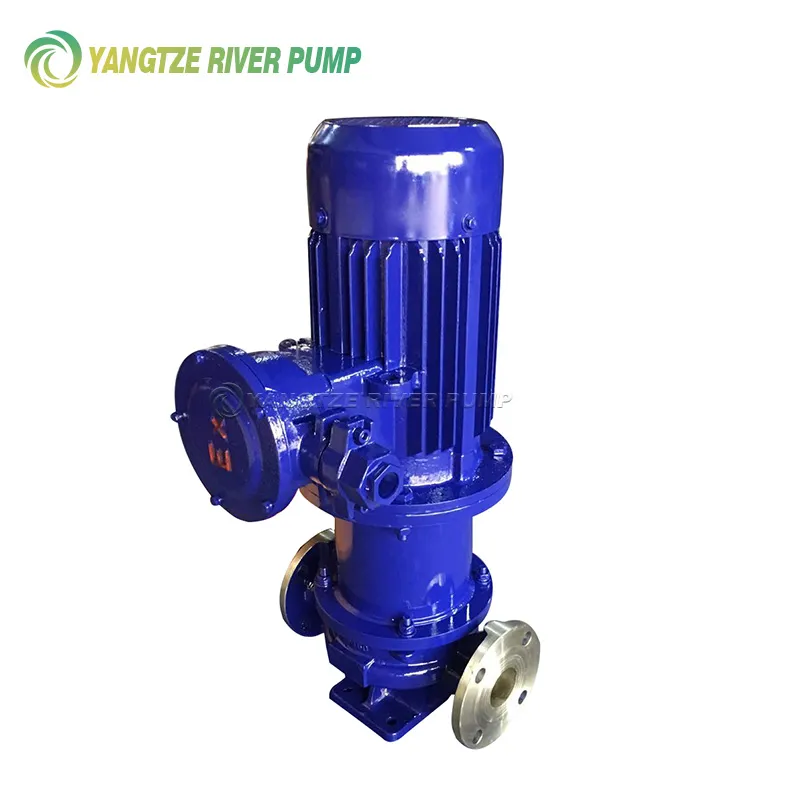 Vertical magnetic pumps CQB-L
-
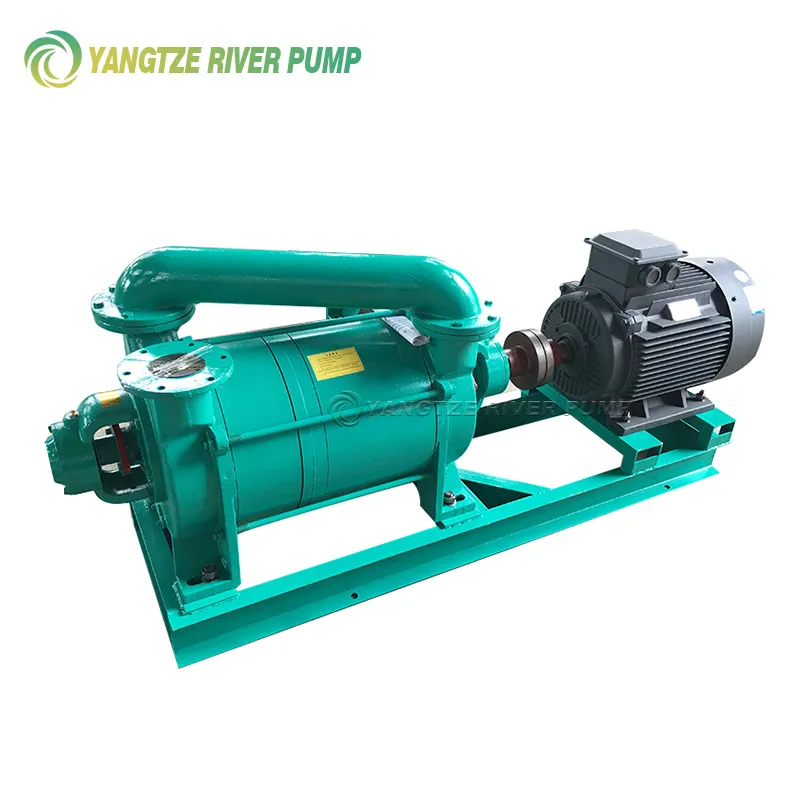 Liquid ring vacuum pumps type 2SK
-
 YW Vertical Submersible Sewage Pumps
-
 IH Stainless Steel Chemical Centrifugal Pumps
-
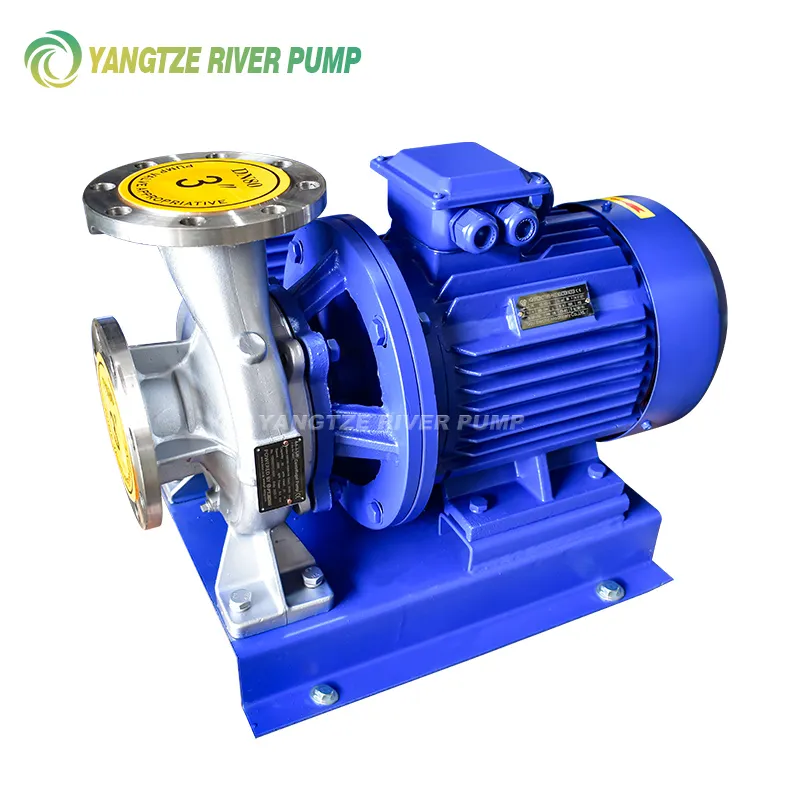 ISW and ISWH Single Stage Horizontal Pipeline Centrifugal Pumps
-
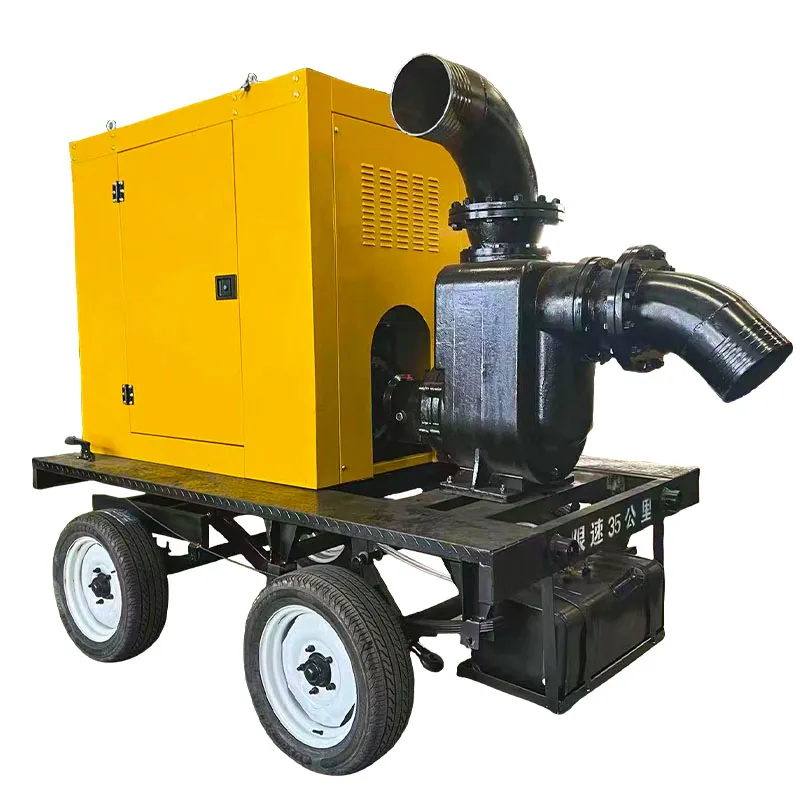 YZZW Diesel self-priming pumps
-
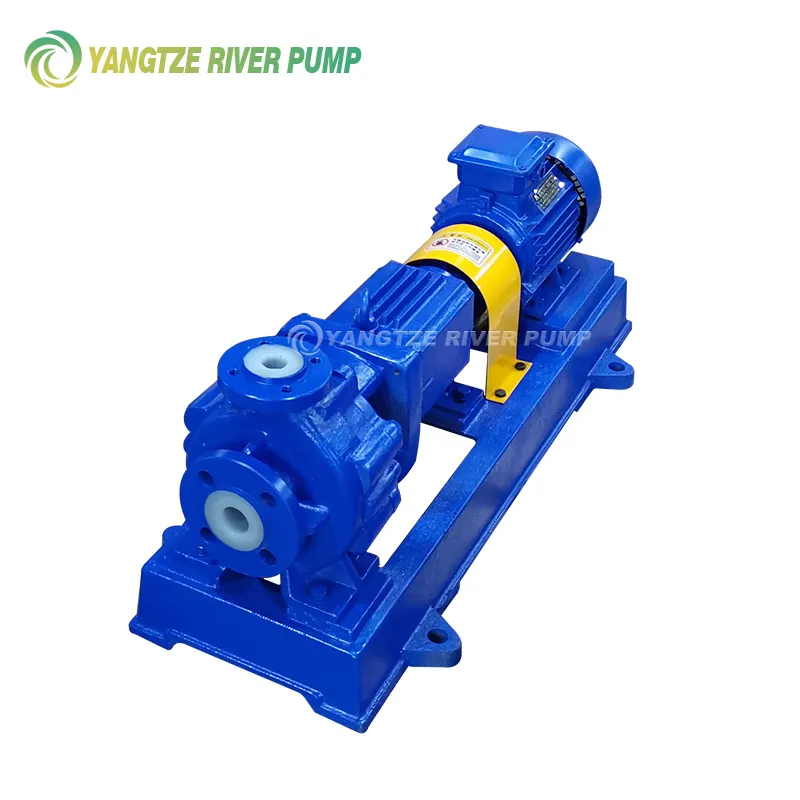 IHF PTFE Chemical Centrifugal Pumps
-
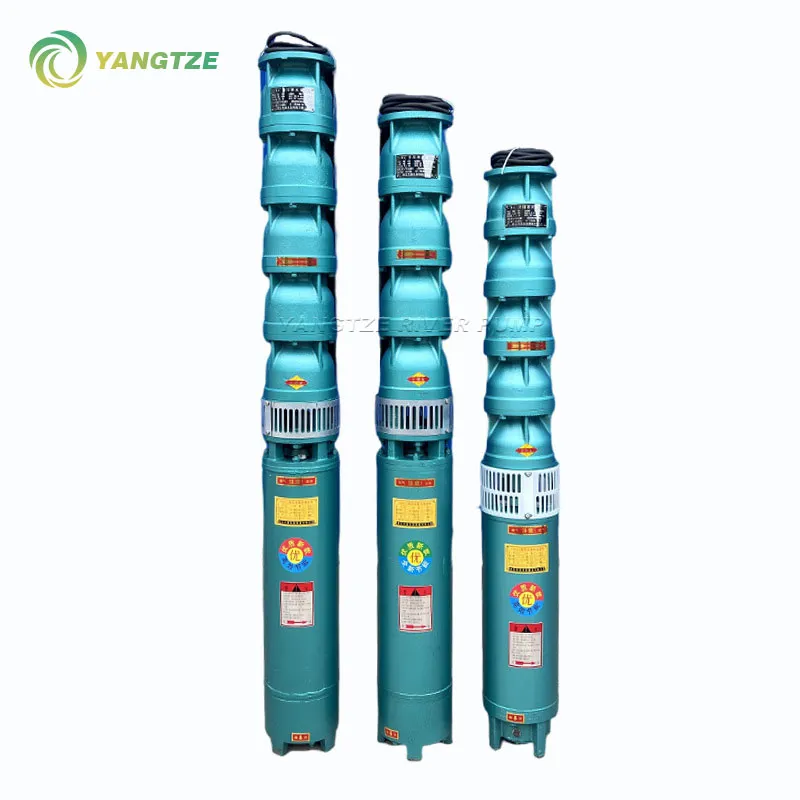 QJ type borehole pumps
-
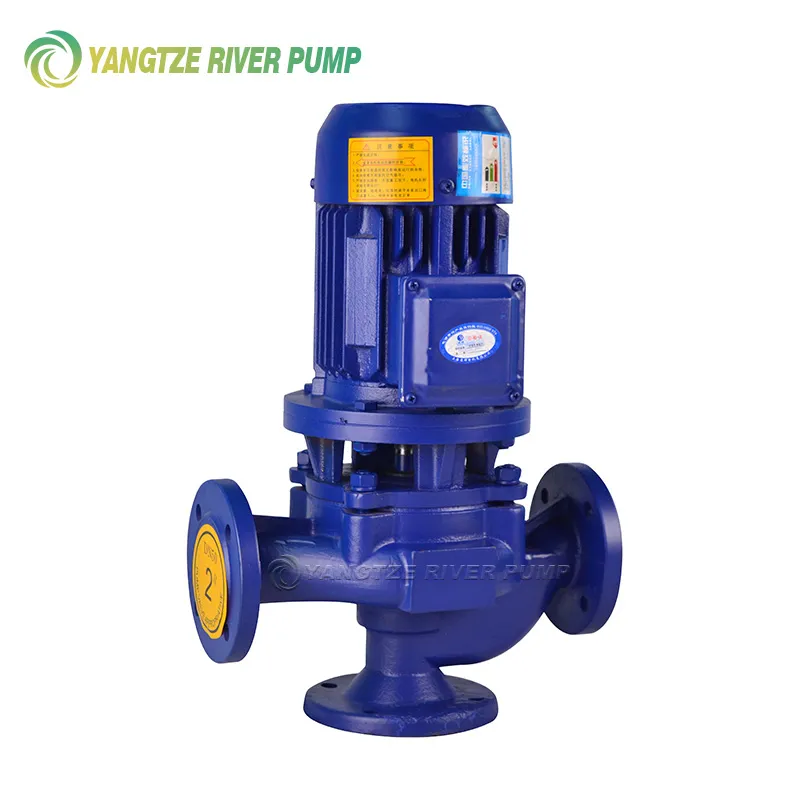 Pipeline wastewater pumps GW
-
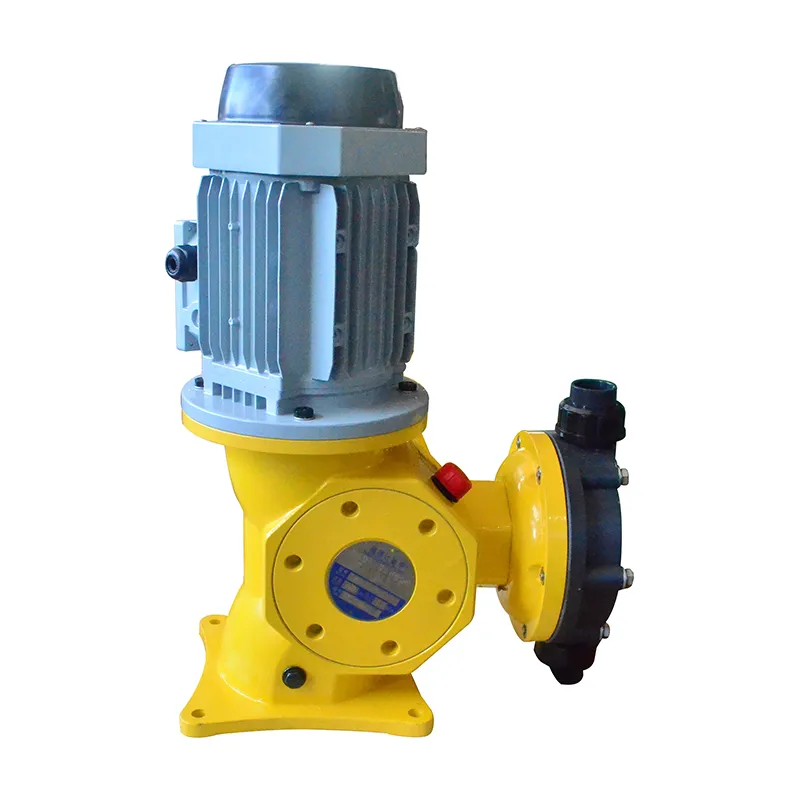 Mechanical diaphragm dosing pumps DJ-Z
-
 Horizontal multistage pumps for feeding DC boilers
-
 Diesel pumps with horizontal connector YZS and YZSH