







centrifugal pump 12 m3 h
When you see the request “centrifugal pump 12 m3 h?”, the first thought is that a person is looking for specifics. But here’s the catch: this figure contains a lot of nuances that are often kept silent on websites. Many people think that they take a unit with the required flow and the system will work like clockwork. In practice, the samecentrifugal pump 12 m3 hIt can be single-stage or multi-stage, both for clean water and for chemically active media. And if you make the wrong choice, you will not get a solution to the problem, but a headache with constant breakdowns or lack of pressure. In ourZhejiang Yangzijiang Pumping Industry Co.,LtdHundreds of such models have passed through test benches, and I have seen more than once how clients sent “unsuccessful” ones for analysis. pumps purchased only for the flow parameter.
Why? 12 cubes? - is this not a point, but a range?
Let's take, for example, a typical task - pumping water in an irrigation system. The customer says: we need 12 cubic meters per hour, the pressure is 15 meters. It seems we are taking the standard onecentrifugal pump- and the trick is in the bag. But if there are small abrasive particles (sand, silt) in the water, a regular impeller made of cast iron or stainless steel will shrink within a season. In such cases, we often test options with wear-resistant coatings on the production line or recommend looking towards plastic chemical pumps if the chemical resistance of the material allows. The supply will remain the same 12 m3/h, but the resource will be many times higher.
Another point is the stability of the parameters. During testing, we run pumps in different modes. And it is clear that for some models the feed curve “fails?” even with a slight increase in back pressure. That is, the passport says 12 m3/h at optimal pressure, but in a real system, taking into account hydraulic losses in the pipeline, you consistently get only 10 or even 9. This is critical for technological processes where the exact volume is important. Therefore on our websiteyangtzeriverpump.ruIn product descriptions, we try to give not just a point on a curve, but graphs of characteristics - so that a specialist can estimate the operation of the unit in his specific case.
And, of course, the electric motor. Forpump 12 m3 hOften they install 1.1 or 1.5 kW motors. But if the operating mode involves frequent starts and stops or pumping liquids with a density higher than that of water (the same brine), a standard motor may not be enough. There was a story when, in order to supply a glycerin mixture, it was necessary to recalculate and select an engine with a power reserve, otherwise overheating was inevitable. This is about an integrated approach: our R&D department deals with such non-standard calculations for the customer’s tasks.
Single stage or multi stage? Choice for real conditions
If you just need to pour water from a container into a container with minimal pressure, then a single-stagecentrifugal pump- the ideal and most economical option. The design is simpler, fewer seals, lower price. But when it comes to pressure, multi-stage models come into play. The flow is the same - 12 cubic meters per hour, and the pressure can be obtained at 30, 50, and 100 meters due to successive steps.
We produce both. And often, customers in the food or pharmaceutical industries choose multistage pumps not only for high heads, but also for smoother, less turbulent flow. This is important when the product cannot be shaken. However, the downside is more chambers, more potential wear points. When servicing, you need to more carefully monitor the condition of each stage. On our production lines, the assembly of such units is carried out using precision balancing of the rotor - so that vibrations are minimal, otherwise the service life drops sharply.
I remember an incident with a filter washing system at a factory. Initially, a powerful single-stage pump was installed, but its operation was too “hard” and water hammer occurred. We replaced it with a multi-stage centrifugal one with a similar flow of 12 m3/h - the problem went away. This is an example of how the passport data is the same, but the behavior in the system is different. And you understand such subtleties only after shipping and analyzing feedback from dozens of objects.
Materials of execution: from water to aggressive media
Discussingcentrifugal pump 12 m3 h, one cannot speak abstractly. For water, cast iron or stainless steel AISI 304 is suitable. For sea water - AISI 316 or duplex steel. And for acids, alkalis, and organic solvents, often the only sure way is plastic chemical pumps made of PP or PVDF. We also have these in our assortment.
There was a demonstration project at a chemical plant where it was necessary to pump hydrochloric acid of low concentration, about 10%, with a temperature of up to 40°C. The flow was just around 10-12 m3/h. The client first tried a stainless steel pump, but it didn’t work and corrosion started. Then they contacted us. After analyzing the environment, sales and service team suggested a plastic chemical centrifugal pump with PTFE seal. The key issue was cavitation - if the input was selected incorrectly, the pressure would drop, and the plastic could not withstand it. We calculated NPSH and selected a model with a margin. It has worked for several years without any complaints.
This is about the full cycle. CompanyZhejiang Yangzijiang Pumping Industry Co.,Ltd- This is not just an assembly shop. From R&D and testing at our stands to installation supervision and service - all links in one chain. And when the engineer at the selection stage knows how this pump will then be tested and serviced, he asks more clarifying questions. This prevents errors.
Self-priming and other modifications: when you need to do more than just pump
Classiccentrifugal pumpmust be filled before starting. But in many scenarios this is inconvenient or impossible - pumping water from a pit, drainage, working with tanks. Then they look for a self-priming model. Important: a self-priming pump with a flow of 12 m3/h is not just a centrifugal unit with an added volute. The hydraulics are different there, and the efficiency is usually slightly lower due to the design features.
We produce such pumps and often encounter requests from agricultural enterprises for irrigation from open reservoirs. The main problem there is polluted water. Therefore, we supplement the standard self-priming design with reinforced impellers capable of passing solids of a certain size. And again - the nominal flow is 12 m3/h, but the actual performance on water with sand will gradually drop due to wear. We definitely warn customers about this; we recommend providing a coarse filter, if this is permissible according to the technology.
Another interesting option is linear centrifugal pumps. They are compact and often built directly into the pipeline. For the same flow rate of 12 m3/h they can be an excellent solution when there is little space in the machine room. But their maintainability is lower than that of console models. It's always a compromise. During testing, we test them for long-term run-in to ensure the reliability of the bearing units and standard seals.
Tests and feedback: what is not written in catalogs
Everything we produce is tested on test benches. And for a pump with parameters of 12 m3/h, this is not just “plug and play”. We take full characteristics: flow, pressure, power consumption, noise level, bearing temperature. Sometimes during the process, minor defects in the casting of the body or imbalance are identified, which are immediately corrected. This avoids claims after shipment.
However, the most valuable data comes from objects. For example, from a client who bought a multi-stagepump 12 m3 hfor water treatment system. A year later, he reported that he noticed a slight drop in pressure. After diagnostics, it turned out that the problem was not in the pump, but in the pipeline being overgrown with hardness salts. But at his request, we carried out scheduled maintenance - replaced worn rings and checked the gaps. The unit was returned to service. Such feedback is invaluable; it is then taken into account both during consultations and during design.
That's why on the siteyangtzeriverpump.ruWe are gradually trying to add not only dry technical specifications, but also recommendations for use and typical piping schemes. So that the person who typed into the search?centrifugal pump 12 m3 h?, could find not just a product, but a solution to his specific technological problem. After all, what is ultimately important is not the cubic meters per hour themselves, but the stable and long-term operation of the entire system in which this pump is built. And this is the result of the work of the entire team - from the designer to the service engineer.
Correspondingproducts
Related Products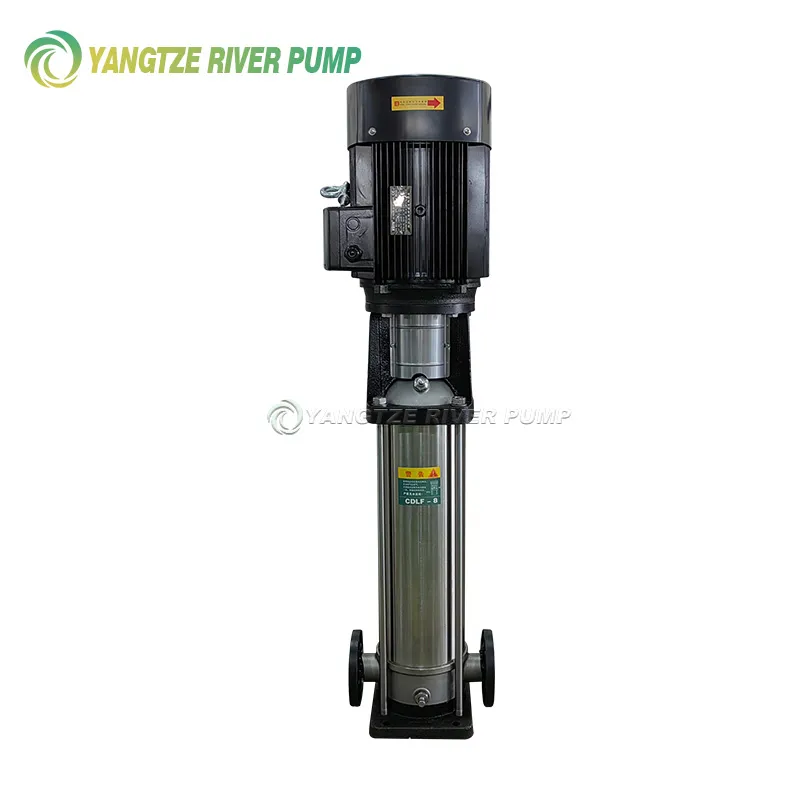
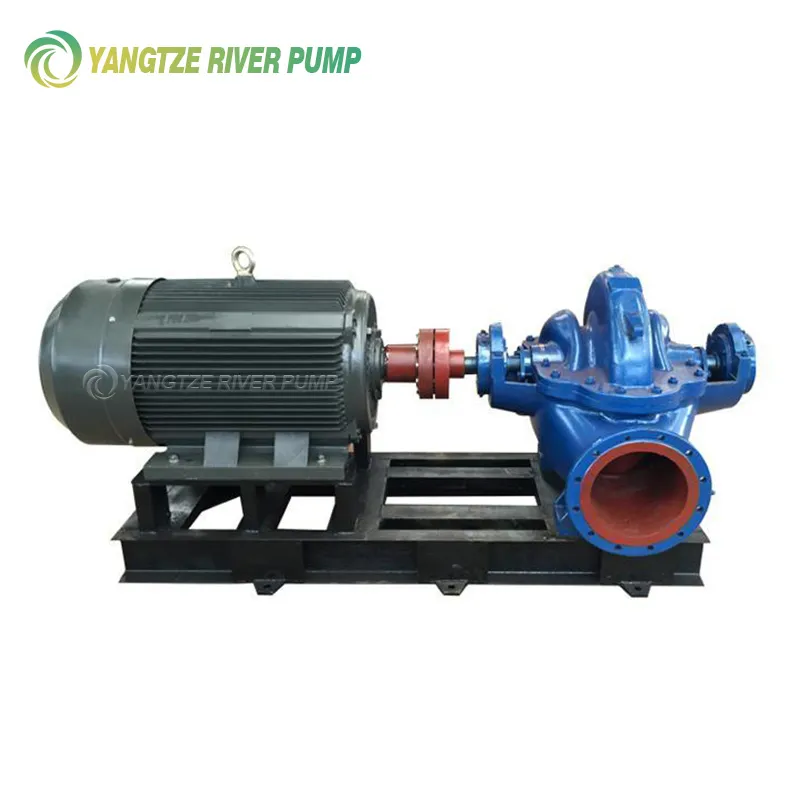
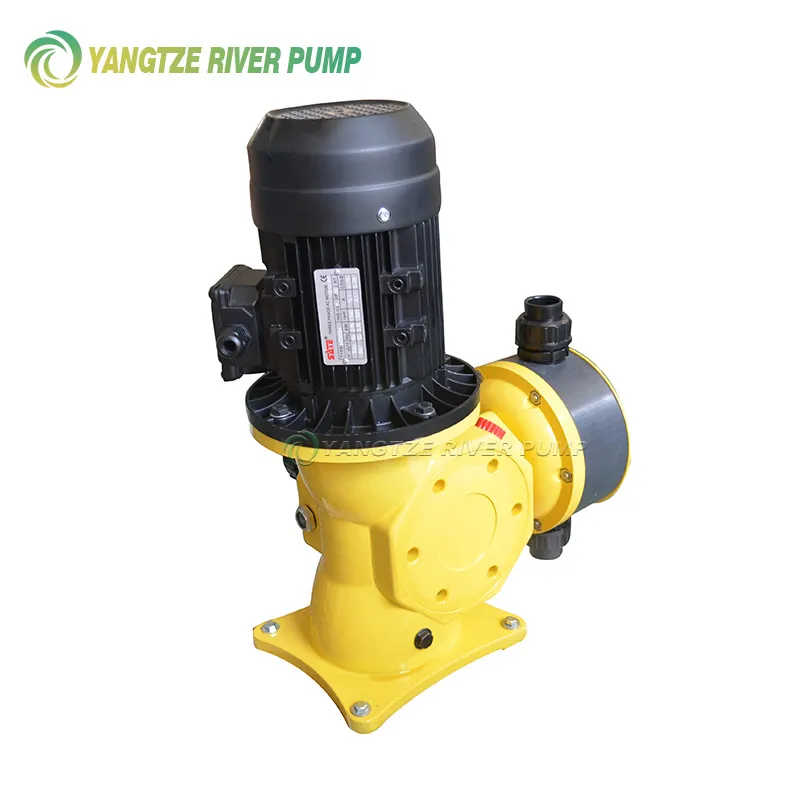
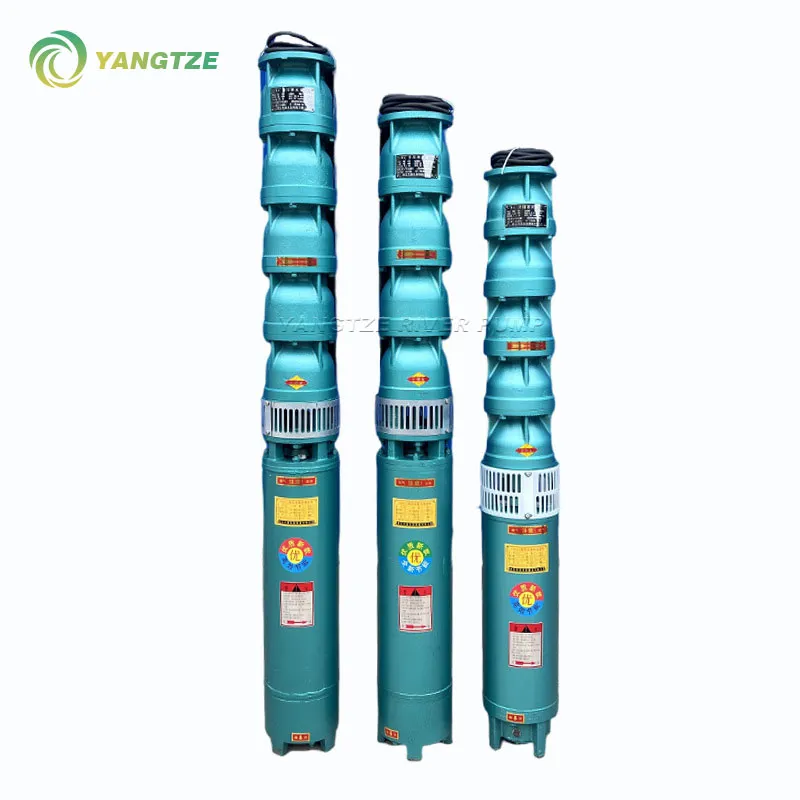

Best Sellingproducts
Best Selling Products-
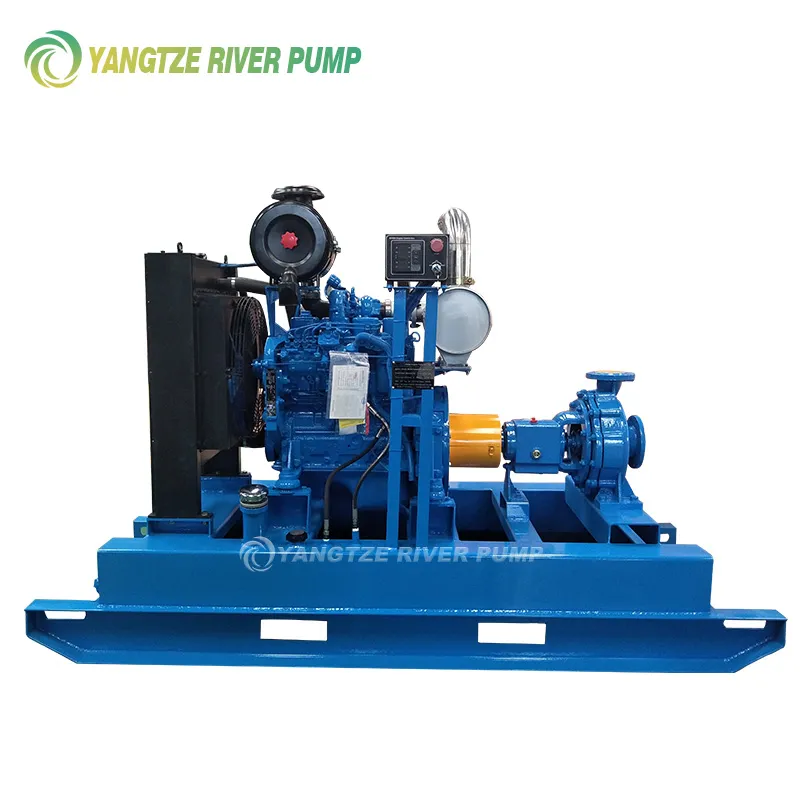 YZIS Diesel Single Stage Centrifugal Pumps
-
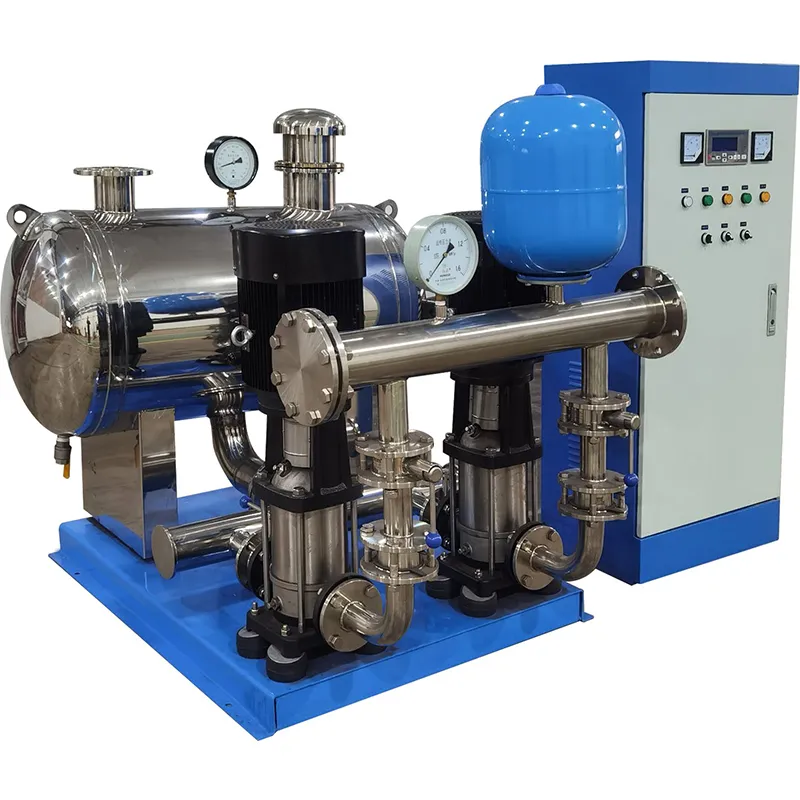 Complete water supply installations with frequency regulation and constant pressure CDLF
-
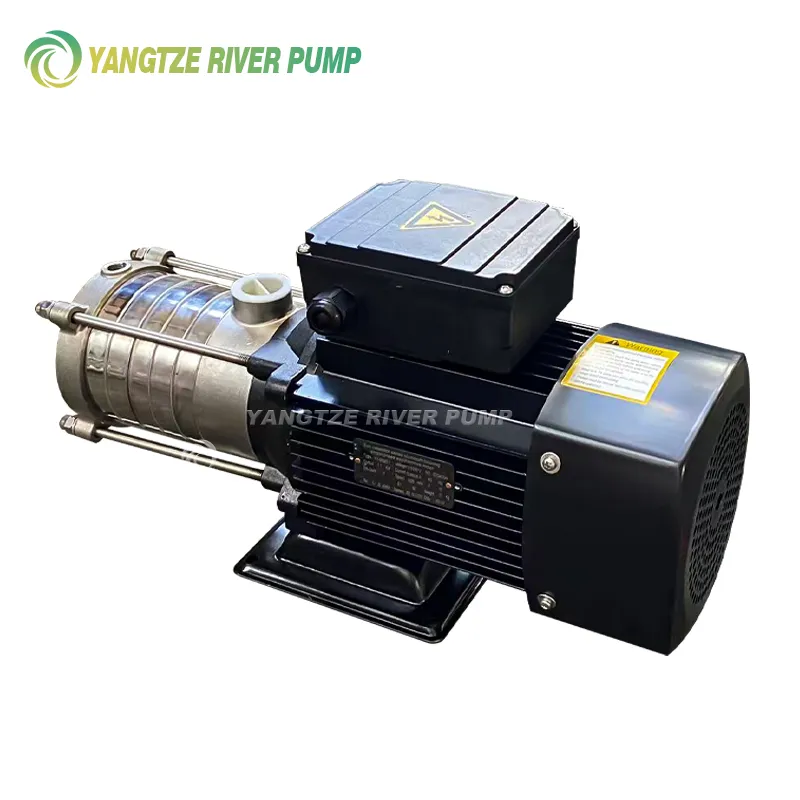 Horizontal multistage centrifugal pumps (light series) CHL and CHLF
-
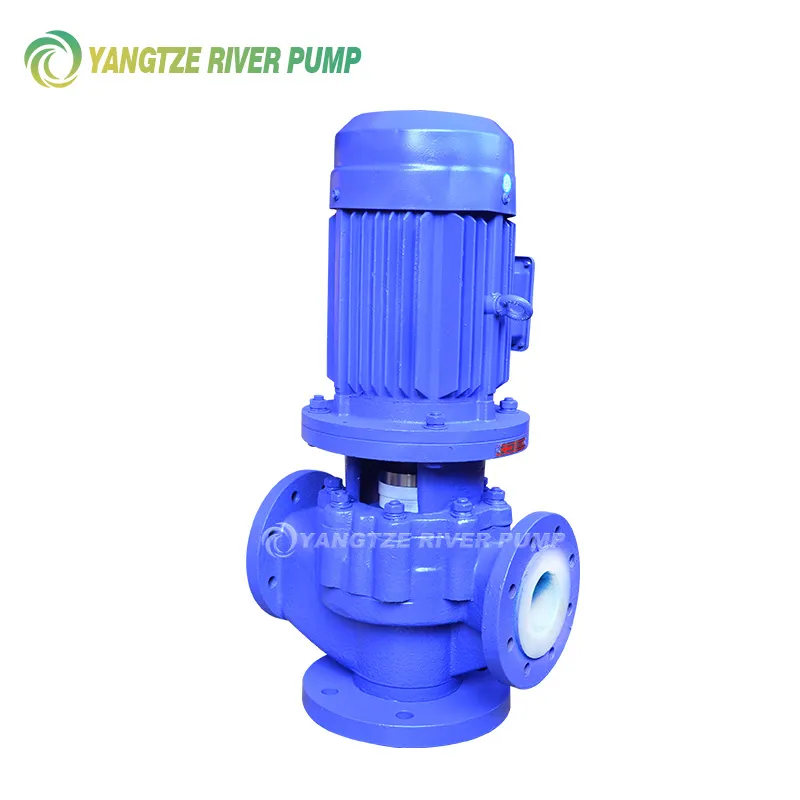 Vertical pumps with PTFE lining YQF
-
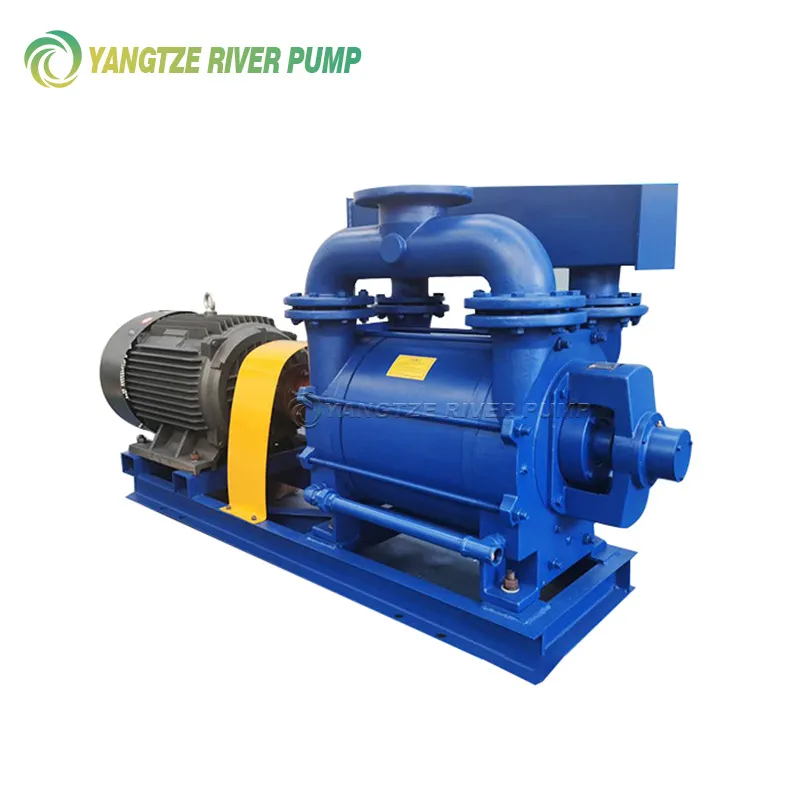 Liquid ring vacuum pumps type 2EB
-
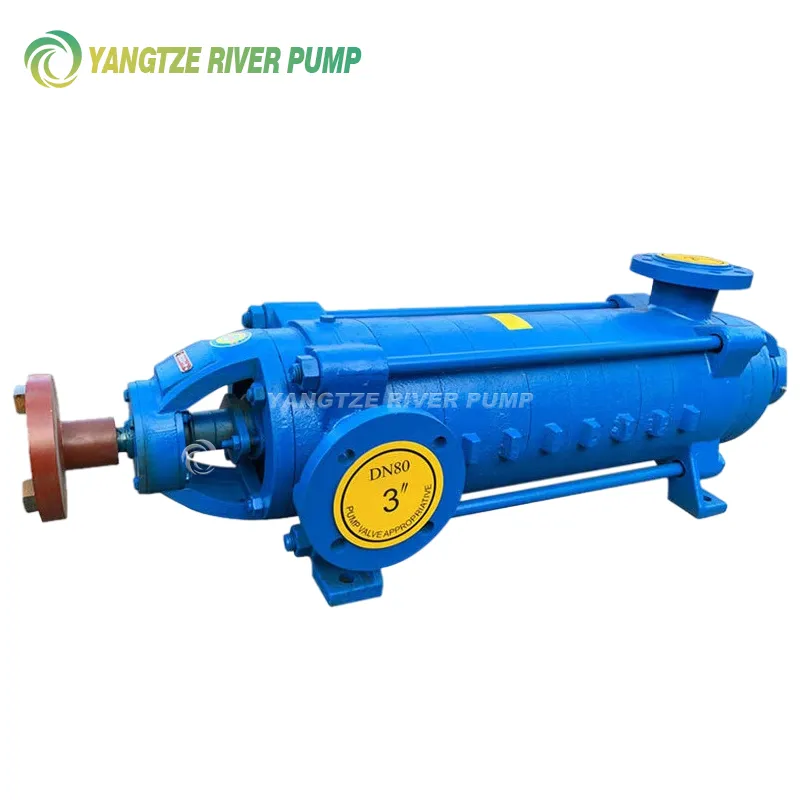 Horizontal multistage pumps for feeding DC boilers
-
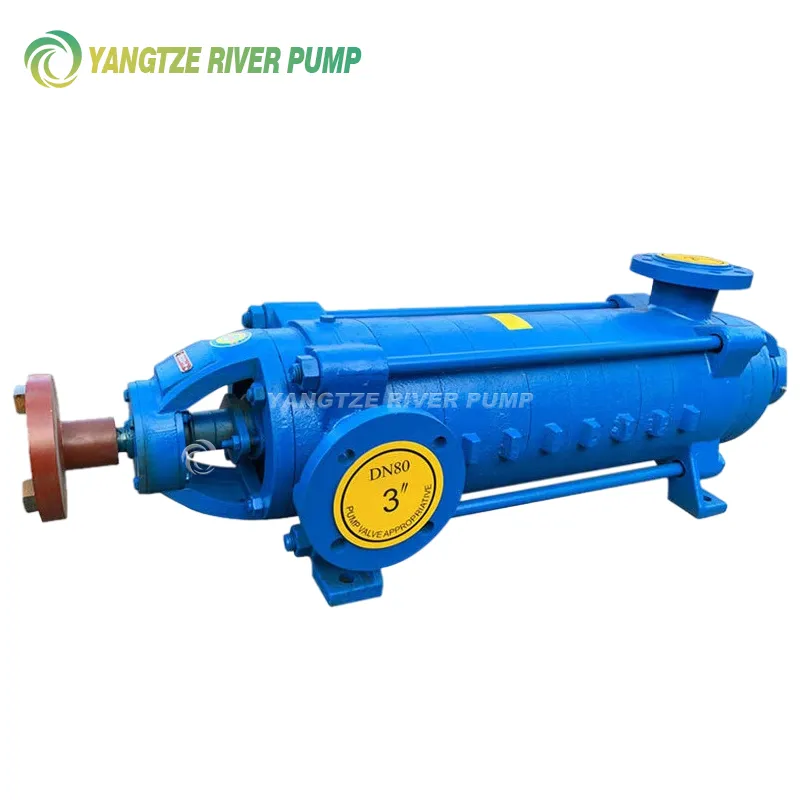 Horizontal multistage centrifugal pumps type D
-
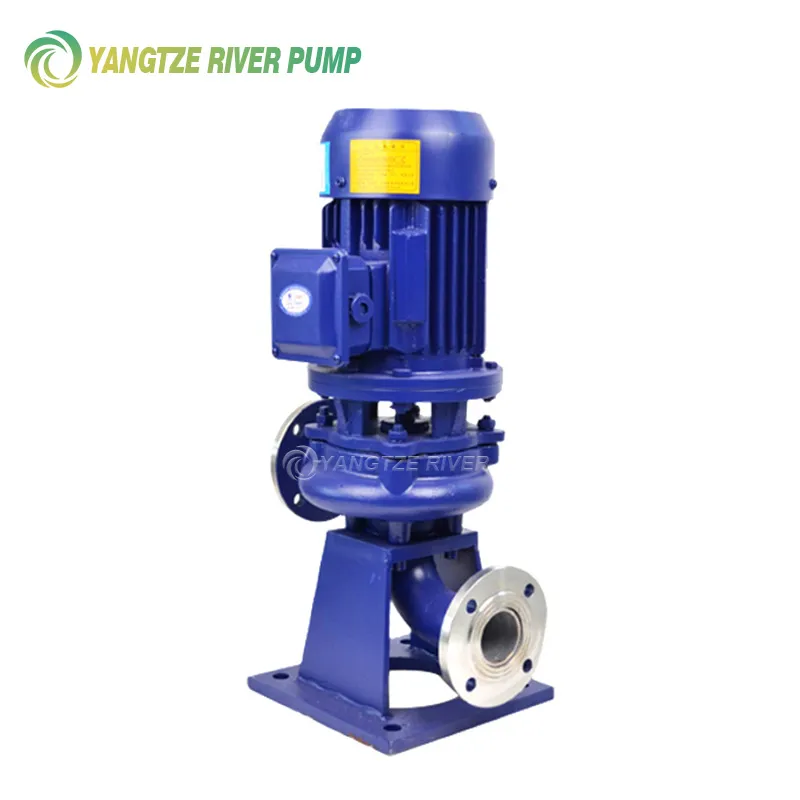 Non-clogging vertical wastewater pumps LW
-
 YCB Type Circular Gear Pumps
-
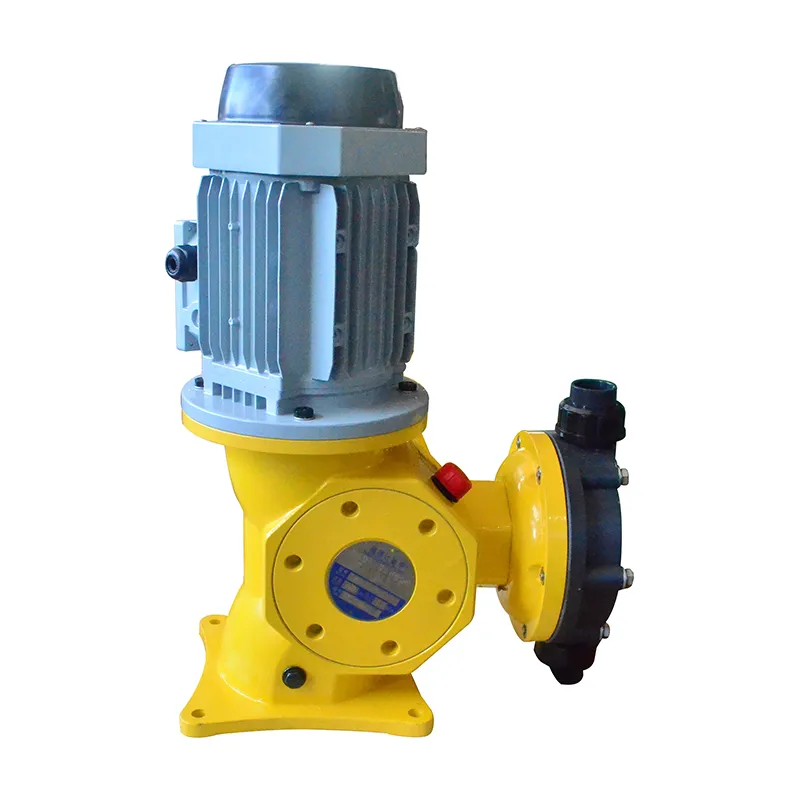 Mechanical diaphragm dosing pumps DJ-Z
-
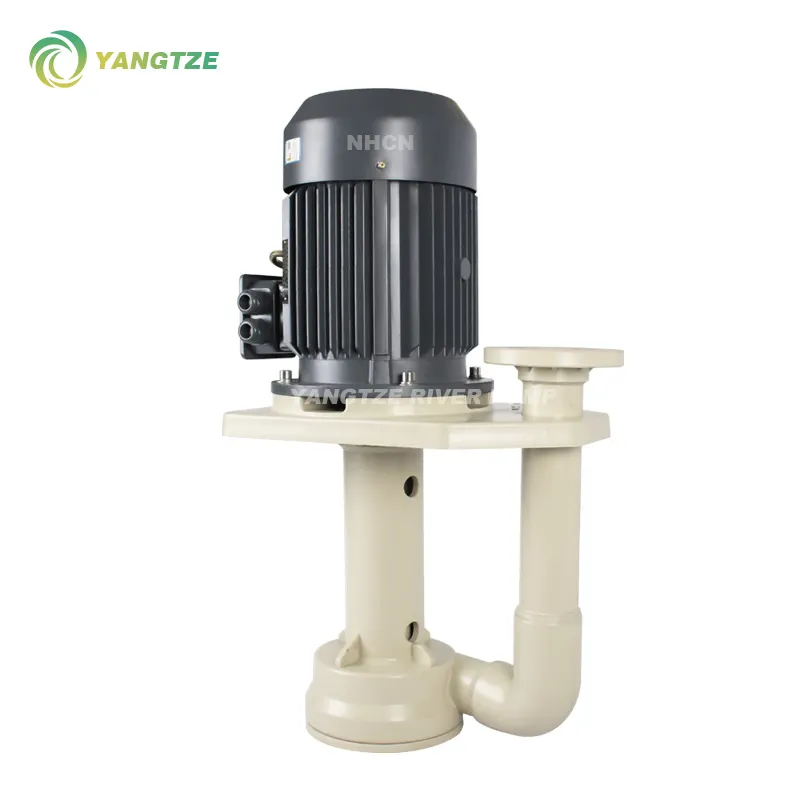 Vertical pumps for installation inside/outside tanks YZCN and YZCW
-
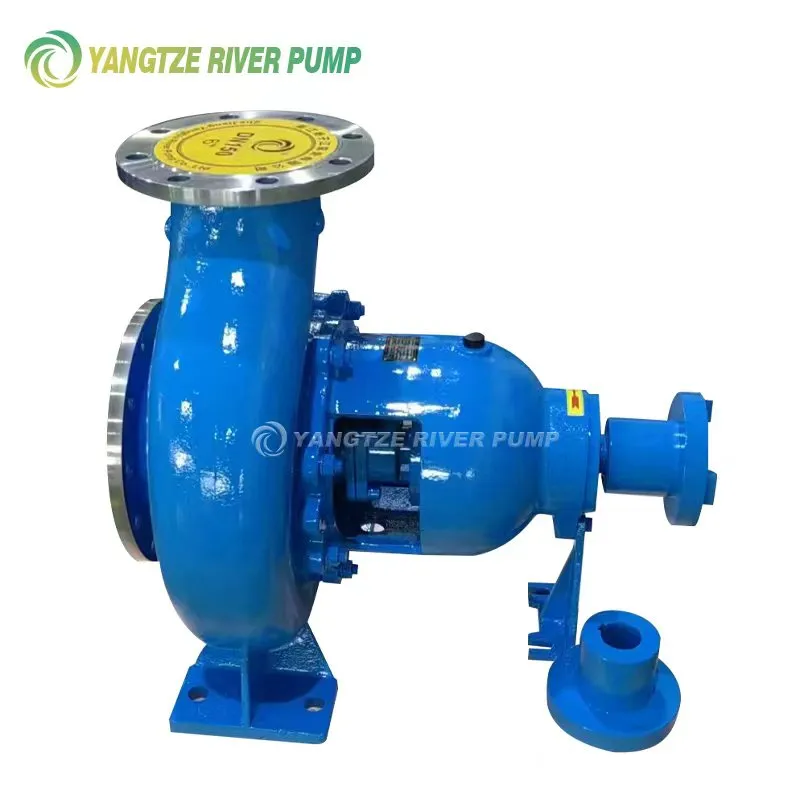 IH Stainless Steel Chemical Centrifugal Pumps
Relatedsearch
Related Search- Corrosion resistant stainless steel centrifugal pumps
- deep water pump
- centrifugal pump 250 kW
- Vertical magnetic pumps
- cantilever type centrifugal pump
- centrifugal pump 20 m3 h
- ISW Single Stage Horizontal Pipeline Centrifugal Pumps
- SFBX Corrosion Resistant Stainless Steel Centrifugal Pumps
- CQB-F Magnetic pumps with PTFE lining
- submersible pump for sewage water