







centrifugal pump for pumping stations
When they talk aboutcentrifugal pumpforpumping stations, they often imagine just a unit on a foundation, forgetting that a station is a system where the pump is only one, albeit a key, element. Many customers, and even some designers, make the mistake of choosing equipment exclusively from catalogues, chasing maximum pressure and flow parameters, and then wonder why the system is noisy, cavitates or fails ahead of schedule. The whole point here is not in the passport data, but in how the pump behaves in a specific circuit, with specific water (or other medium), under real, and not ideal, load fluctuations.
Design errors that have to be corrected 'in the field'
One of the most common mistakes is incorrect calculation of the characteristics of the pipeline network. There was a story at one of the water treatment plants: they installed a powerful multi-stage unit, but it did not produce even half of its designed capacity. Everyone blamed the pump until they checked the actual resistance. It turned out that the project laid new pipes with ideal roughness, but in reality they installed old, used ones, and even with a couple of extra elbows “in place.” The pump operated at the extreme left of its characteristic curve and overheated. It was not the equipment that had to be changed, but the operating mode had to be recalculated and an impeller with different parameters had to be selected.
Another point is the power reserve. He is loved, but often taken over. Too powerfulcentrifugal pumpat a water supply station operating at half capacity does not mean reliability, but problems with efficiency, increased wear and the risk of water hammer during startup. I saw how at the second lift station, due to constant operation in the low-performance zone, the pumps began to undergo intensive destruction of the impeller due to recirculation. The solution was not to replace it with an “even more powerful” one, but to install a frequency converter and properly configure cascade control of several units.
And, of course, materials. For standard water everything went well, but for industrialpumping stationsWith chemically active media, a mistake in choosing the steel grade or seal type is fatal. At our production site inZhejiang Yangzijiang Pumping Industry Co.,Ltdspecial attention is paid to this. The line of plastic chemical pumps, for example, was born precisely from the requests of practitioners who were tired of fighting corrosion in aggressive environments at reagent pumping stations.
What does a 'complete production line' mean to the end user?
On the company websiteyangtzeriverpump.ruIt is indicated that we have eight complete lines from R&D to service. In practice, for a station engineer this is not marketing, but specific advantages. For example, the possibility of modifying the design to accommodate a non-standard connection size or special operating conditions. A standard pump off the shelf is fine, but real-life applications are rarely standard.
Own tests are a separate issue. We run pumps not only on water, but also on viscous liquids and suspensions. This allows you to build real, rather than extrapolated, characteristics. I remember that for a sludge pumping station, the client just lacked data on how a linear centrifugal pump would behave when the pulp density increased. We made a test run on a stand with a similar environment, received graphs, adjusted the material of the flow part - and only then shipped the equipment. It still works.
And the service line... This is when they don’t tell you “the warranty is over, buy a new one.” It happens that at a station that is 5-7 years old, a bearing assembly of an outdated model fails. If you have your own production, there is always a chance to find equipment or drawings and make a spare part, rather than stopping the facility for weeks in search of an analogue.
Self-priming and submersible: where is their place in the station?
There is often confusion regarding the use of pump types within a station. Self-priming models are a lifesaver for stations with variable levels in the receiving chamber or where there is a risk of airing. They are often installed on auxiliary lines, for example, for pumping drainage from the turbine room. But trying to use them as the main pump for constant pumping of large volumes is irrational; the efficiency is usually lower.
Submersible pumps are a classic for well stations or pumping stations from deep reservoirs. Their main advantage is that they do not require complicated installation with shaft alignment, and there is no problem with filling. But the downside is that for maintenance or repair you need to lift the entire unit. At one of the sewage pumping stations, they switched from cantilever to submersible ones to free up space in the machine room. We won in space, but we had to think through a system of cranes and winches for quick lifting.
The choice between them is always a compromise between installation cost, ease of maintenance, required reliability and characteristics. There is no universal answer. Our assortment includes both of them precisely because the designer’s task is to assemble an optimal system, and not to squeeze one type of equipment everywhere.
Magnetic and plastic pumps: a niche but critical solution
This is the same 'narrow specialization', without which modernpumping stationin chemical or pharmaceutical production is simply impossible. Magnetic drive (MAG type pumps) means a complete absence of mechanical seal, which means zero leakage. For plants pumping expensive, toxic or volatile media, this is a matter of safety and economics.
Plastic chemical pumps made of polypropylene, PVDF are a solution for aggressive acids and alkalis, where even the most resistant stainless steel does not last long. An important nuance that is known only from experience: for such pumps, correct installation of pipelines is critical. Rigid piping that is not compensated for thermal expansion, or vibration from adjacent equipment can lead to cracks in the housing. We always emphasize this in installation instructions.
Integration of such equipment into the overall automated process control system of the station also has its own peculiarities. For example, a 'dry running' sensor for a magnetic pump is a must-have, since operation without a medium leads to instant overheating and failure of the coupling. These are the details that come to light already during operation, and having our own development service allows you to quickly make such improvements to the design.
Bottom line: a pumping station as a living organism
So, back to the beginning.Centrifugal pumpforpumping stations- this is not just a piece of iron. This is an element that must be born and selected for the specific 'physiology' of the system. The experience that we have accumulated in our own production, from casting cases to final load tests, allows us not just to sell a product, but to offer a solution that will work for a long time and without surprises.
Often the most important improvements come from feedback from operators. Either they ask you to make the flange thicker in a specific place where vibration is most often seen, or they ask you to move the control lamp to a more visible place. This is normal practice. This is why the full cycle, from idea to service, is so important. Everything that is done inZhejiang Yangzijiang Pumping Industry Co.,Ltd, as a result, it is tested not under the ideal conditions of the catalog, but on real objects, with all their 'imperfections'. And this is, perhaps, the main criterion for any equipment that ends up at a responsible station.
Correspondingproducts
Related Products



Best Sellingproducts
Best Selling Products-
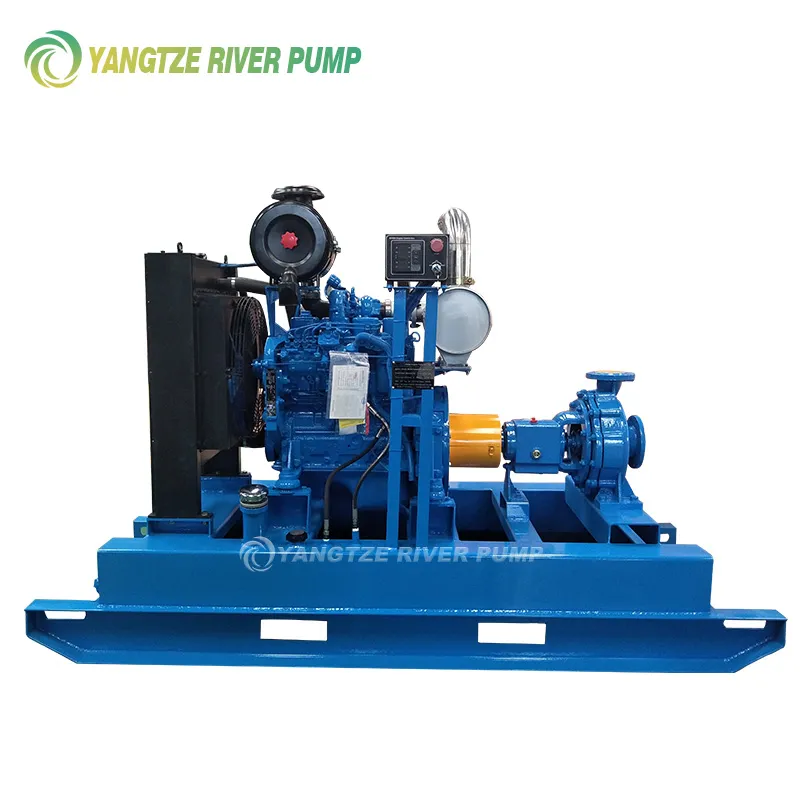 YZIS Diesel Single Stage Centrifugal Pumps
-
 Metal pneumatic diaphragm pumps QBK
-
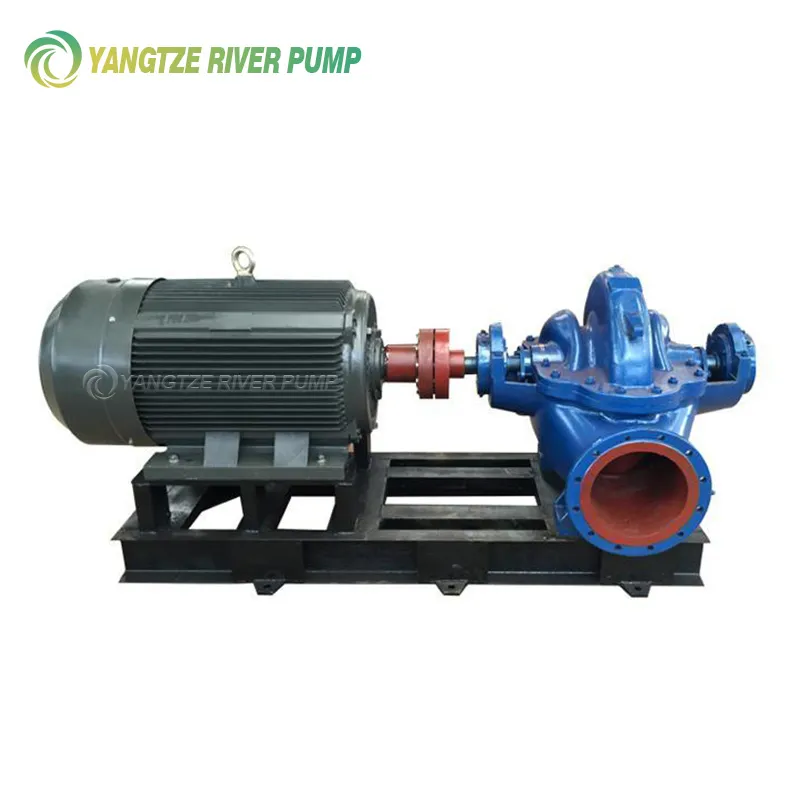 Single Stage Double Entry Centrifugal Pumps Type S
-
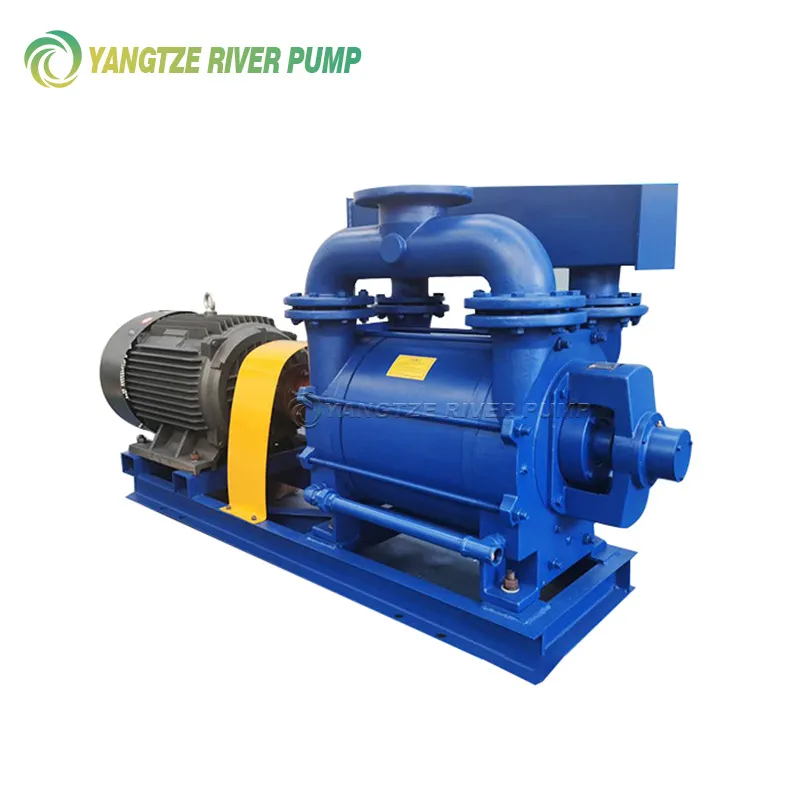 Liquid ring vacuum pumps type 2EB
-
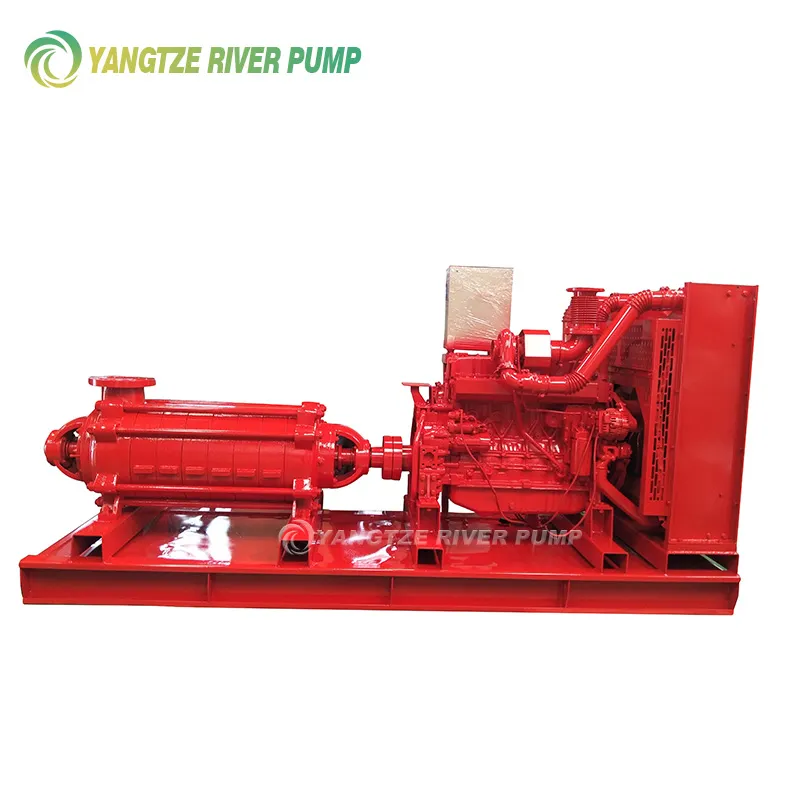 YZD Series Diesel Multistage Centrifugal Pumps
-
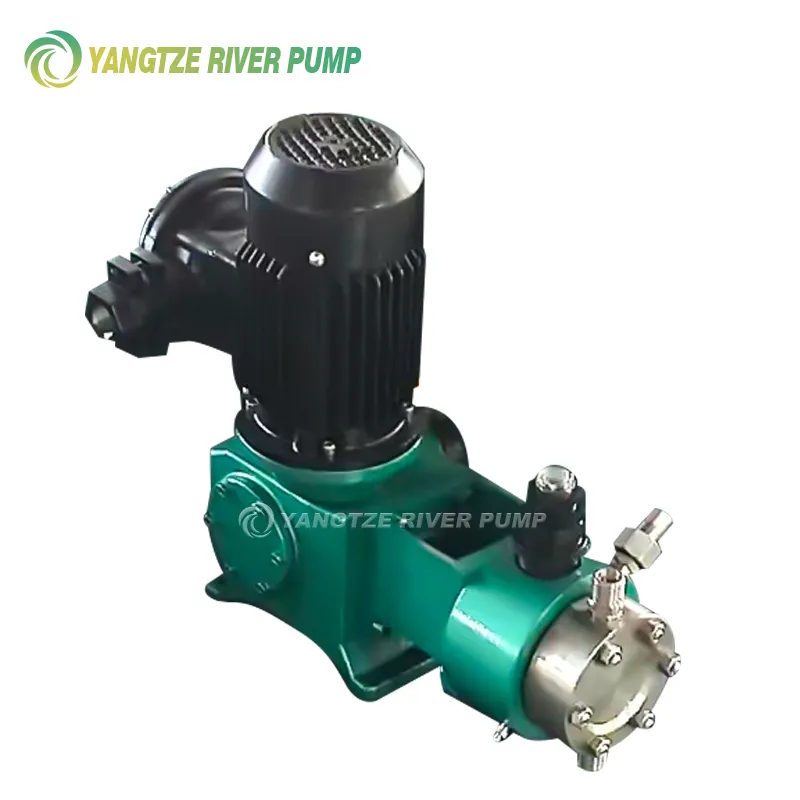 Plunger dosing pumps type DZ-X
-
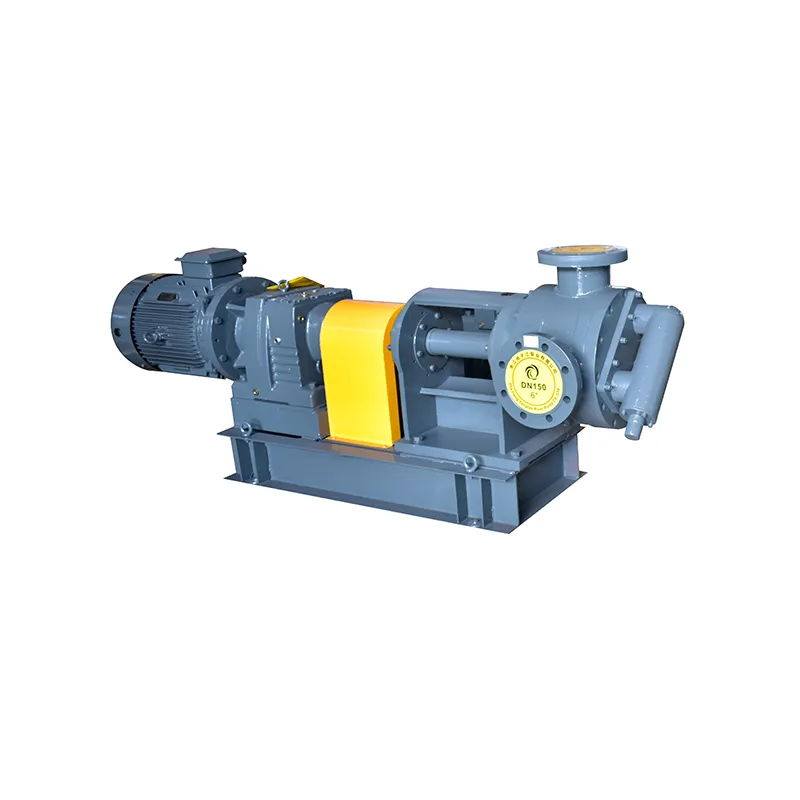 NYP High Viscosity Internal Gear Pumps
-
 Geared screw pumps type G
-
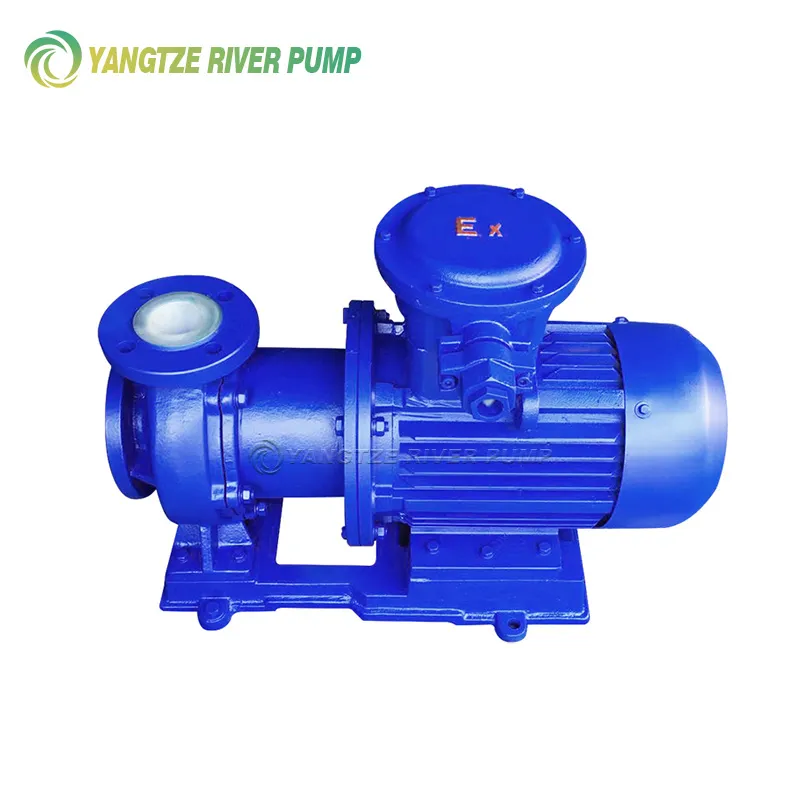 Magnetic pumps with fluoroplastic lining CQB-F
-
 Non-clogging self-priming wastewater pumps ZW
-
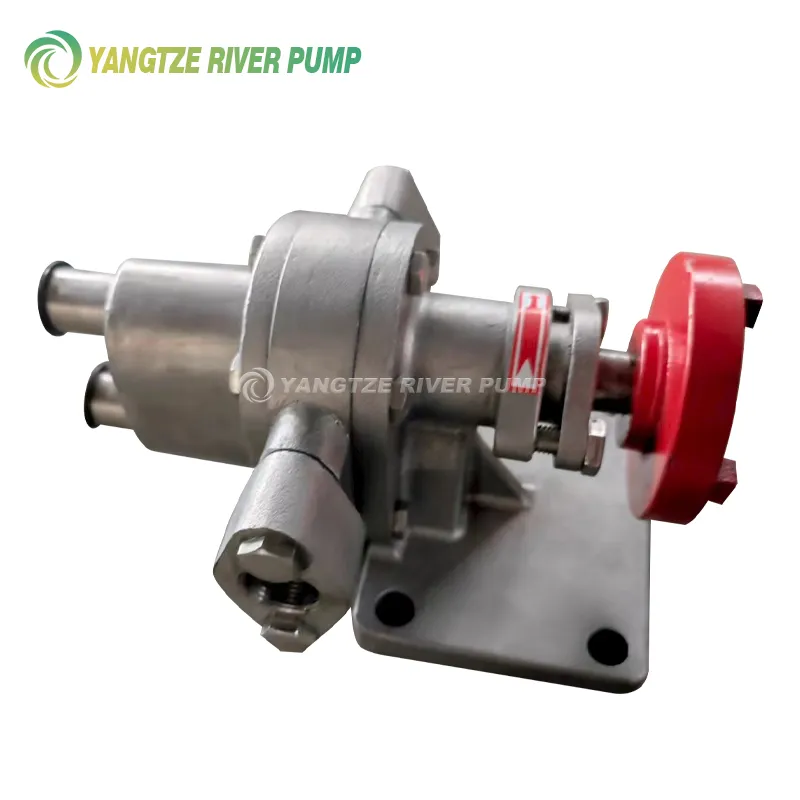 Gear oil pumps type KCB
-
 IHF PTFE Chemical Centrifugal Pumps