







centrifugal pump 1500 W
When they say “centrifugal pump 1500 W”, many immediately imagine just a powerful unit capable of “pushing?” any system. But in fact, this figure is only the starting point for a whole chain of professional issues. What type of centrifugal pump exactly? For what environment? What are the actual pressure and flow rates for this power consumption? It is a mistake to take watts as the main and only criterion. In my practice, there were several cases when a client, fixated on a figure of 1500 watts, received a pump that either created excess pressure, threatening to rupture the pipes, or, conversely, could not cope with the hydraulic resistance of a long line, because all the power was wasted. performance without the required pressure. It is these nuances that you cannot read in dry catalogues, and I would like to speculate.
What's really behind the 1500 W number?
Electric motor power is, roughly speaking, “appetite?” pumpCentrifugal pump 1500 Wconsumes approximately this amount of energy from the network. But efficiency is a tricky thing. It consists of the engine efficiency and the efficiency of the hydraulic part itself. As a result, the useful hydraulic power output will always be less. For a good unit this can be 1.1-1.3 kW, for a bad unit it can be all 900 W. Therefore, the first thing I look at in the specification after power is the Q-H graph (flow versus pressure) for this particular model. It is he who will show whether the pump, for example, can lift water from a 30-meter depth (this is already 3 bars to overcome the height) and also provide a pressure of 2 bars in the wiring of the house. At 1500W this is usually achievable for single stage models, but with drawbacks.
The second point is the type of engine. Asynchronous, with a squirrel cage rotor - a classic for such power. But the design is important here: for dry rooms or with splash protection? Pumps of this design are often used for drainage or water supply from a well, but if a drop of water gets on the terminal box, it’s a big deal. I always recommend paying attention to the IP rating. For wet conditions minimum IP44.
And the third, often overlooked factor is inrush currents.Pump 1500 Wat the moment of switching on, it can briefly consume 3-5 times more. If the supply line is weak (long cable from the panel, thin wire cross-section), this can lead to voltage sags, frequent activation of the protective automatics and, as a result, failure of the motor winding. I had to deal with situations where the problem was solved not by replacing the pump, but by laying a separate cable of the required cross-section.
Selection experience: from well to production line
I remember one project to supply water to a small farm. It was necessary to ensure stable pressure in the drinking and washing system from the river. The flow rate of the source was good, but the rise from 8 meters and horizontal supply by another 50. The client wanted “with a margin” - here it is, ourscentrifugal pump 1500 W. It was calculated that, according to the schedule, a suitable model just gave the required 40-50 cubic meters per hour at a pressure of about 20 meters. But the key issue was the material. Water from the river is suspended matter, sand. The standard cast iron impeller and casing wear out within a season. We persuaded the customer to opt for an option with a stainless steel wheel. More expensive, but the service life in such conditions increases significantly.
Using a pump of this power as a booster in the heating system of a large cottage is a completely different story. What was important there was not so much performance as the ability to accurately regulate pressure so that there was no noise in the radiators and the system worked evenly. We used a model with a frequency converter - the same 1500 W motor, but controlled. This provided both energy savings and precise adjustment to the system’s hydraulics. Without such a solution, it would be necessary to install a bypass and a bypass valve, driving water in a circle and wasting the same watts uselessly.
But the unsuccessful experience was associated with an attempt to use the standardcentrifugal pumpfor pumping liquids with high viscosity - waste oil. Even when heated, it is much “heavier” water. A 1500 W pump, which easily pumped 10 cubic meters of water per hour, with oil barely produced 2. The motor overheated, since the load on the shaft was completely different. I had to urgently change it to a special gear pump. Conclusion: watts are not universal, environment is everything.
Manufacturing view: from drawing to testing
When you look at this issue not from the user’s side, but from the manufacturer’s side, the picture becomes more voluminous. Take our enterprise, Zhejiang Yangzijiang Pumping Industry Co., Ltd. for example. We have eight complete lines on site, from R&D to final testing. And creating a reliablecentrifugal pump1.5 kW power is always a compromise and search for the optimal solution.
At the development stage, engineers do not simply select a 1500 W motor. They calculate the hydraulic part - the shape of the impeller blades, the configuration of the spiral outlet (scroll) - so that the efficiency of the unit is maximum for the target parameters. For example, for a pump oriented at high pressure at medium flow (say, for well versions), the impeller will have narrow channels. And for a drainage pump, where a large flow is needed, but a small pressure, the blades and the shape of the outlet will be completely different. At the same time, the ?heart? - engine - can be one and the same.
The test bench is where theory meets reality. Everyonepump 1500 WBefore shipment, they are driven under load, taking actual characteristics and checking them with the passport data. Here they check for overload, for dry operation. (for models without appropriate protection), vibration and noise levels. It is during testing that sometimes minor defects in the casting of the housing or wheel balancing are revealed, which can lead to premature wear of the bearings after a couple of years of operation. Without this stage it is simply impossible to talk about reliability.
Product line: where does our “one and a half kilowatt” live?
The range includes YangtzeRiverPump (https://www.yangtzeriverpump.ru) power of 1500 W is not uncommon. It logically fits into several families, each for its own tasks.
First of all, thissingle stage centrifugal pumpsconsole type. The workhorse for clean water is irrigation, water supply from reservoirs, increasing pressure. The design is simple and repairable. Often these are the models that are meant when they talk about the general phrase “centrifugal pump”.
Next,linear centrifugal pumps(in-line). Their advantage is their compactness and the ability to cut directly into the pipeline without additional elbows or foundations. The power of 1.5 kW here allows such pumps to operate in heating and air conditioning systems of medium-sized commercial buildings, providing coolant circulation.
And of coursemultistage centrifugal pumps. This is where 1500W comes into its own. Due to the sequential arrangement of several impellers on one shaft, such a pump creates significantly more pressure than a single-stage pump with the same power consumption. This is an ideal solution for deep wells or systems where high pressure is needed (high pressure washers, desalination plants). One such unit can replace a cascade of weaker pumps.
Tips from practice: installation, operation, errors
Let's say the pump is selected. The most common mistake at the start is incorrect tying. Beforecentrifugal pump, especially suction ones, you definitely need a check valve with a mesh on the suction so that the pipe remains filled with liquid. Otherwise, it simply will not start or will work with cavitation, destroying the wheel. After the pump there are shut-off valves and again a check valve to prevent water hammer.
In operation, the main enemy is dry work. Even a few seconds without liquid lead to overheating of the mechanical seal (oil seal) and its failure. For critical systems, it is worth considering flow sensors or pressure switches with a dry-running protection function. For the samepump 1500 WThis is not such a big additional investment, but it saves you from expensive repairs.
Another point is vibration. If the pump begins to vibrate and make more noise over time, this almost always indicates wear of the bearings or abrasive entering the impeller with its subsequent imbalance. This cannot be ignored. It's better to stop, open and look. It often happens that dirt has stuck to the wheel or fibers have become wound - cleaning returns all parameters to normal. If the blades are worn out, it means that the environment was abrasive, and next time you need to choose a model with wear-resistant materials, which are offered in our assortment, including plastic chemical pumps for aggressive media.
Instead of a conclusion: power as a tool, not a goal
So what's the bottom line?Centrifugal pump 1500 Wis not a magic wand, but a specific tool with a wide but limited range of application. Its efficiency is 90% determined by the correct selection of the hydraulic circuit and the properties of the pumped medium. Chasing "big watts" reserves are often ineffective and expensive - both at the time of purchase and in electricity bills.
It is much more productive to spend time analyzing the problem: measure the required pressure and flow, understand the chemical composition and temperature of the liquid, think through the switching and protection circuit. And only then, with this data, go to the specifications, be it our Yangtzeriverpump website or catalogs of other manufacturers. There, among the graphs and parameters, you will find the very same model where 1500 W is not just a number on a nameplate, but a balanced basis for long and trouble-free operation. It is this approach, and not a blind choice according to the loudest? characteristics, and distinguishes an experienced specialist from an amateur.
Correspondingproducts
Related Products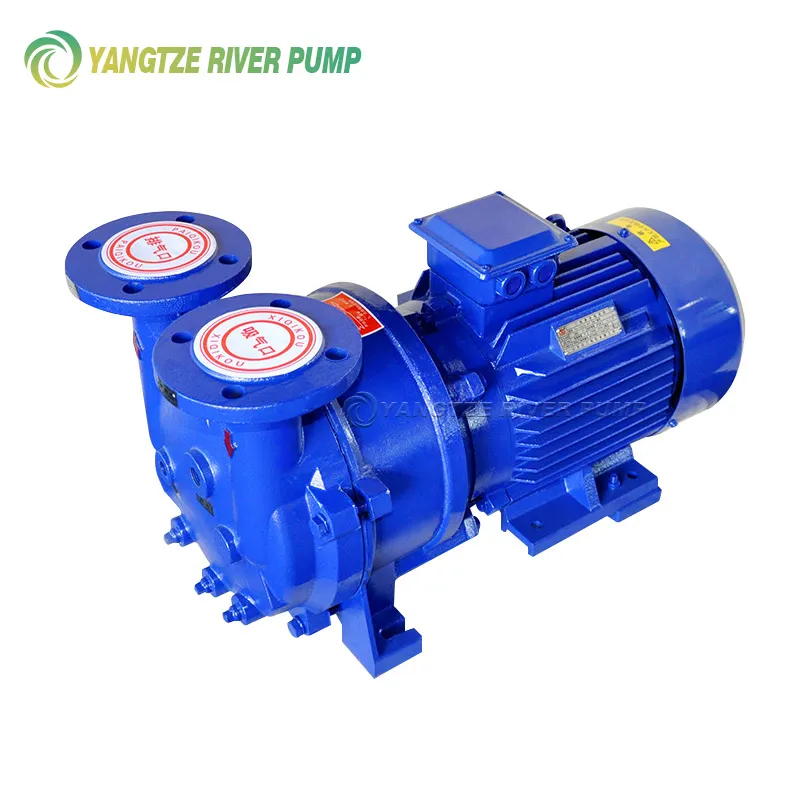
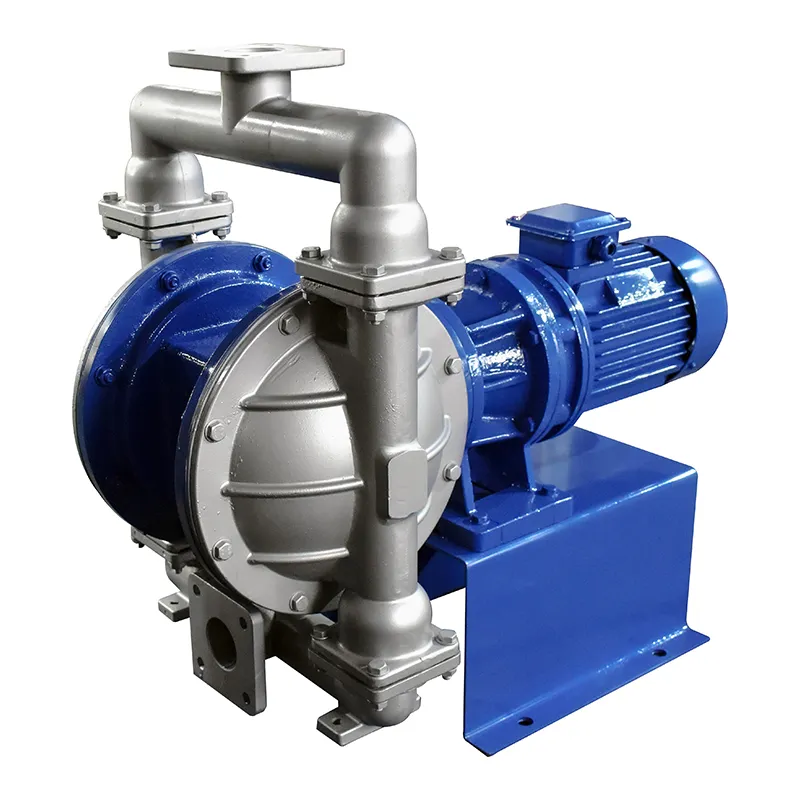
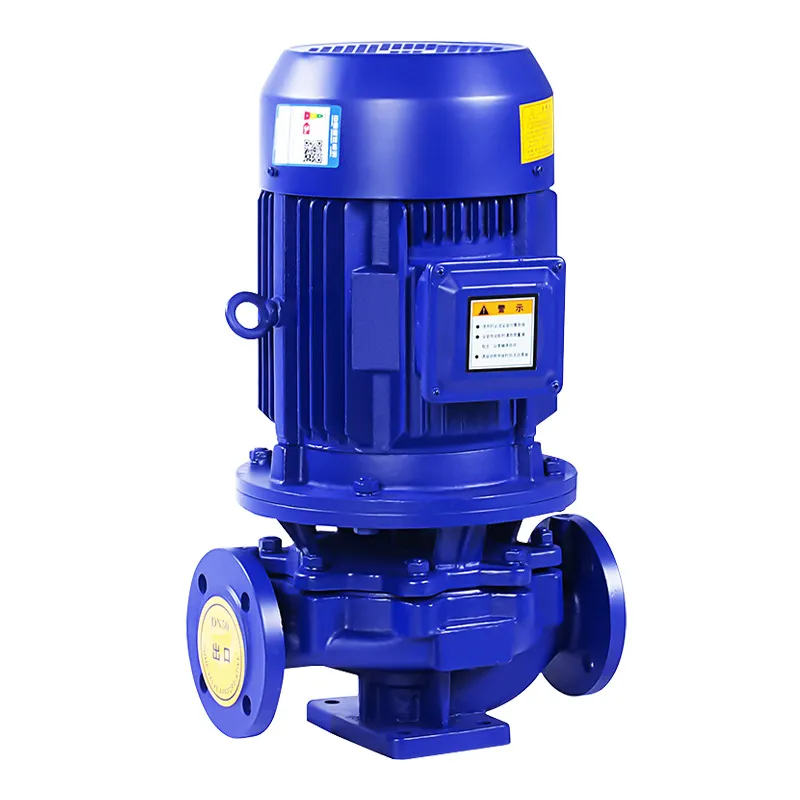
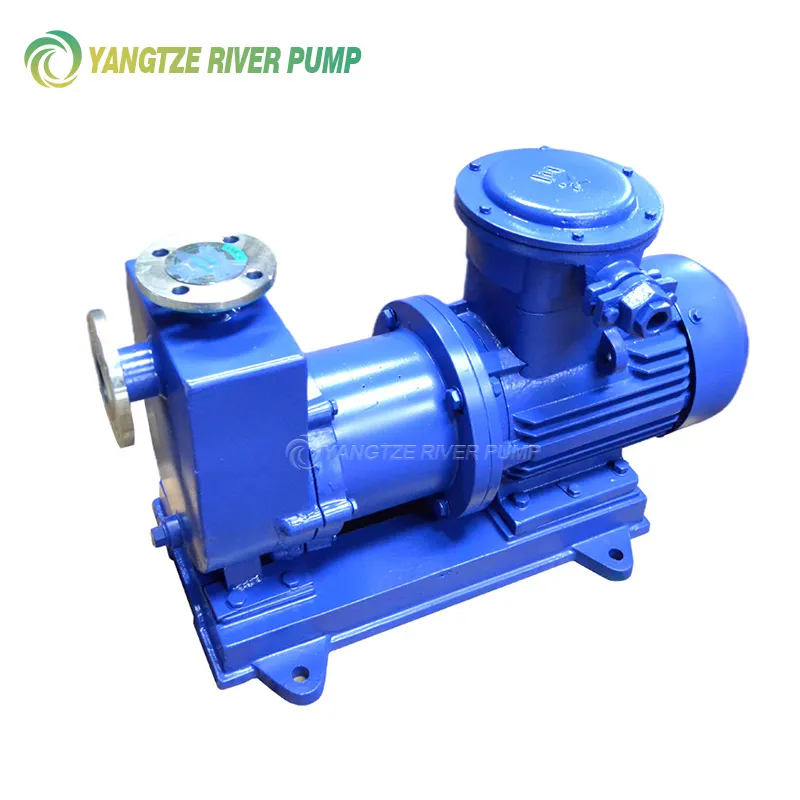


Best Sellingproducts
Best Selling Products-
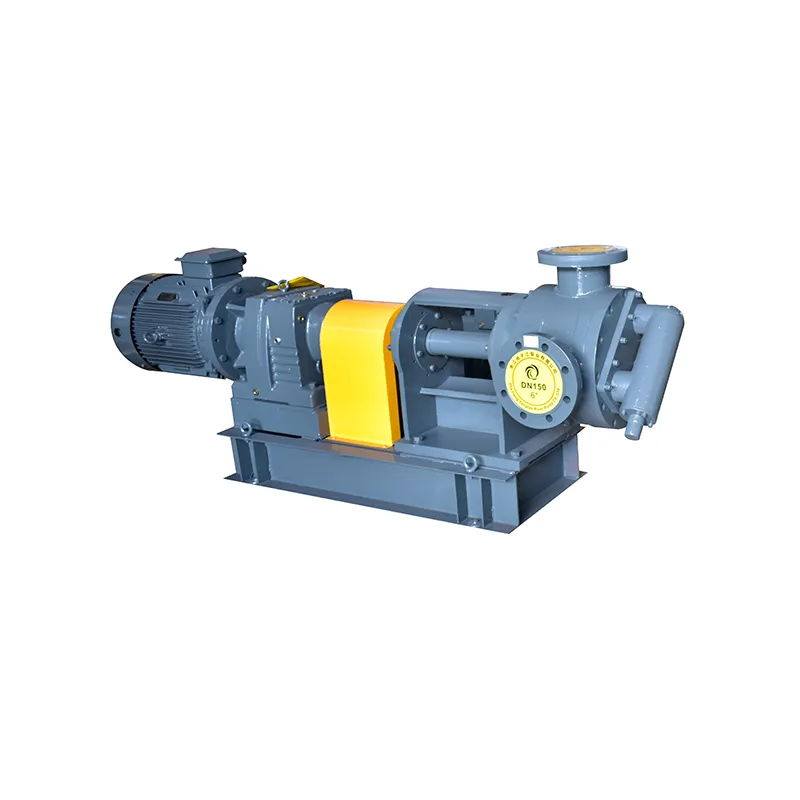 NYP High Viscosity Internal Gear Pumps
-
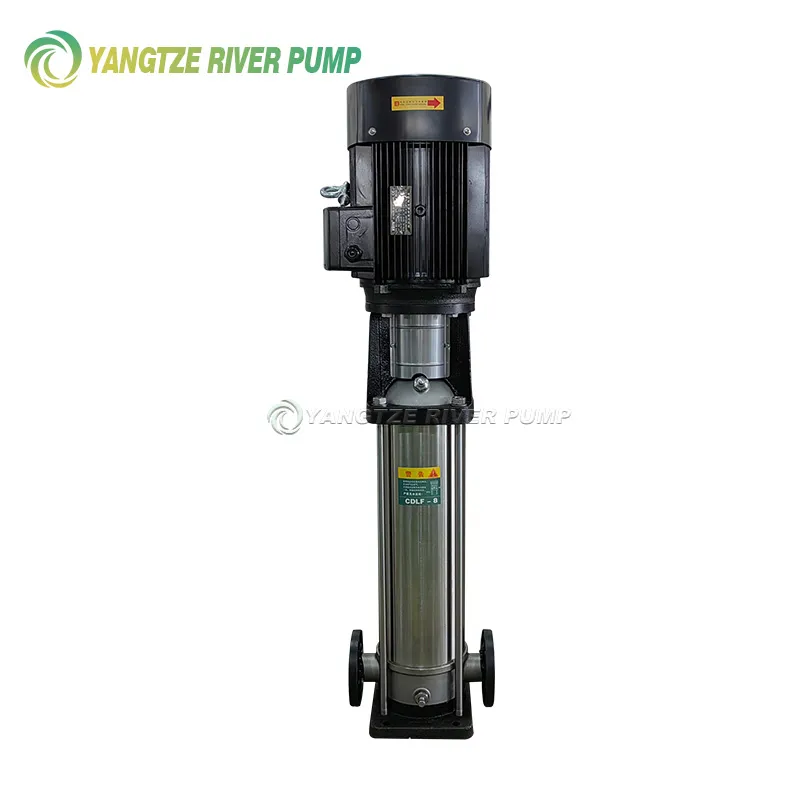 Vertical multistage centrifugal pumps made of stainless steel (light series) CDL and CDLF
-
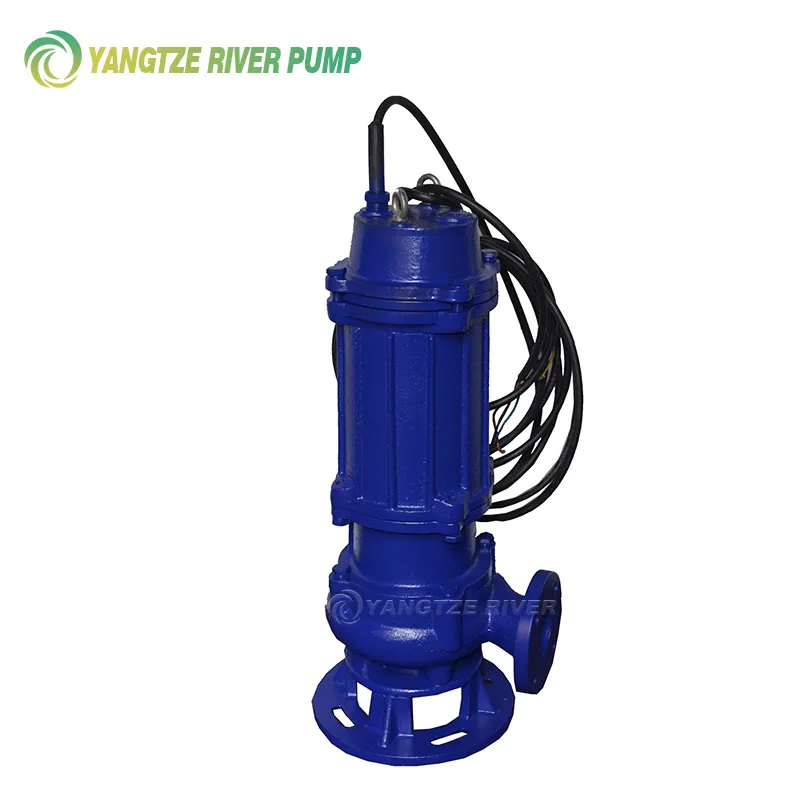 QW Non-clogging Submersible Sewage Pumps
-
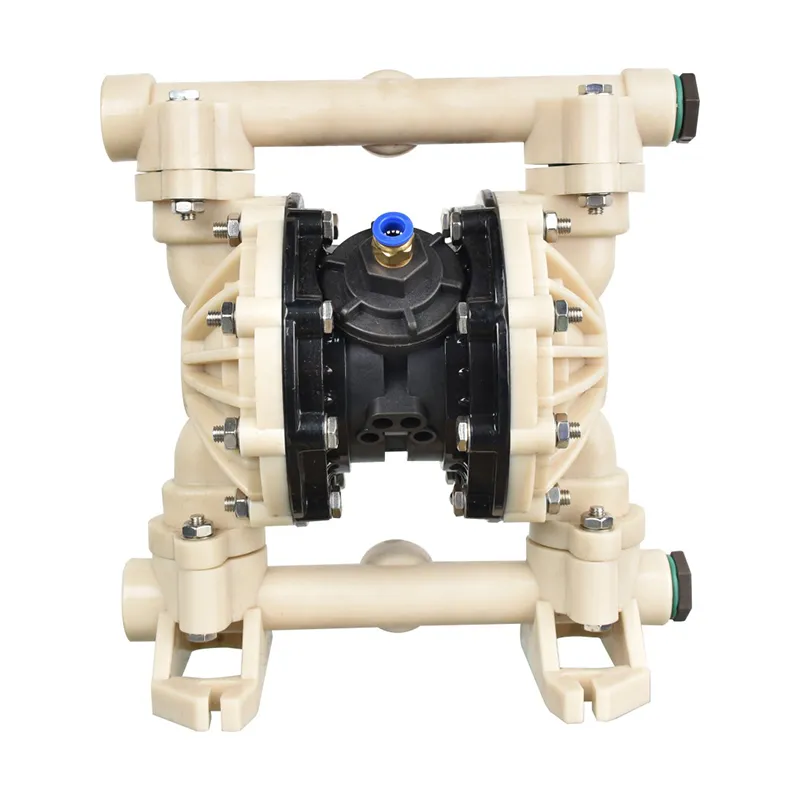 QBK Non-Metallic Air Operated Diaphragm Pumps
-
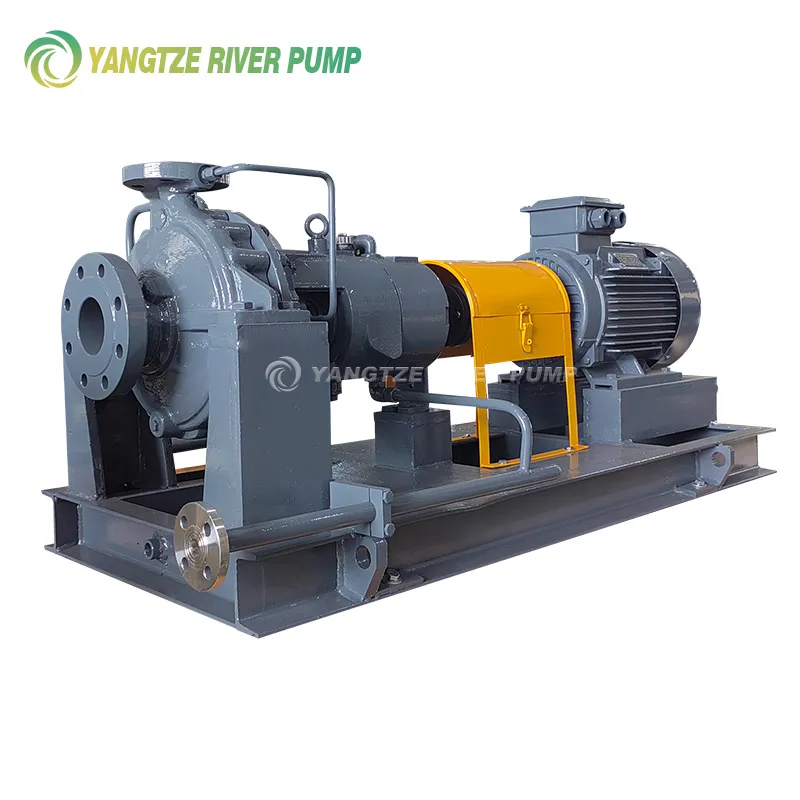 Petrochemical Process Pumps API 610 YZE
-
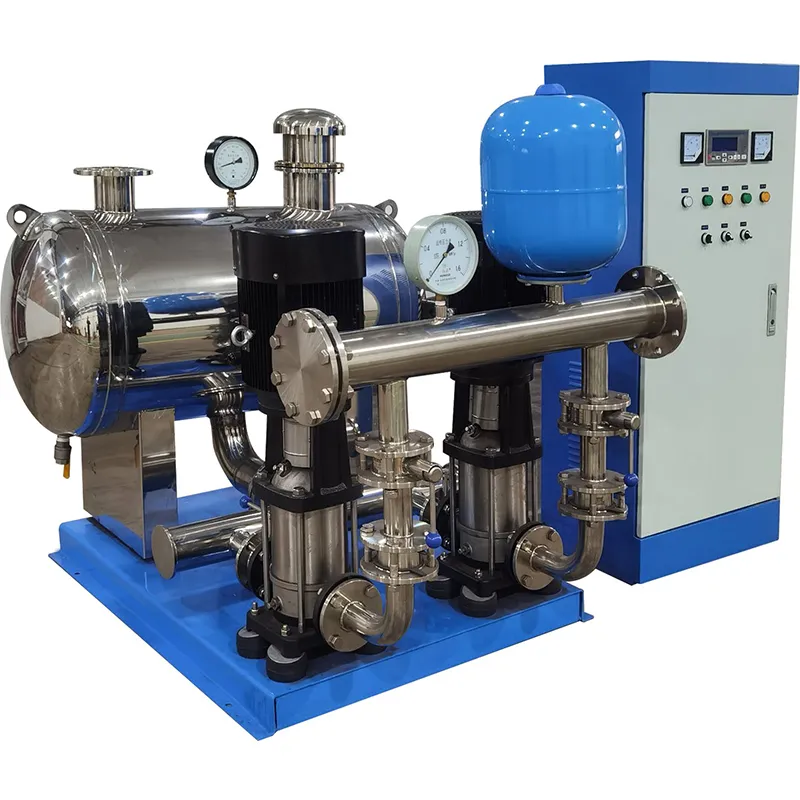 Complete water supply installations with frequency regulation and constant pressure CDLF
-
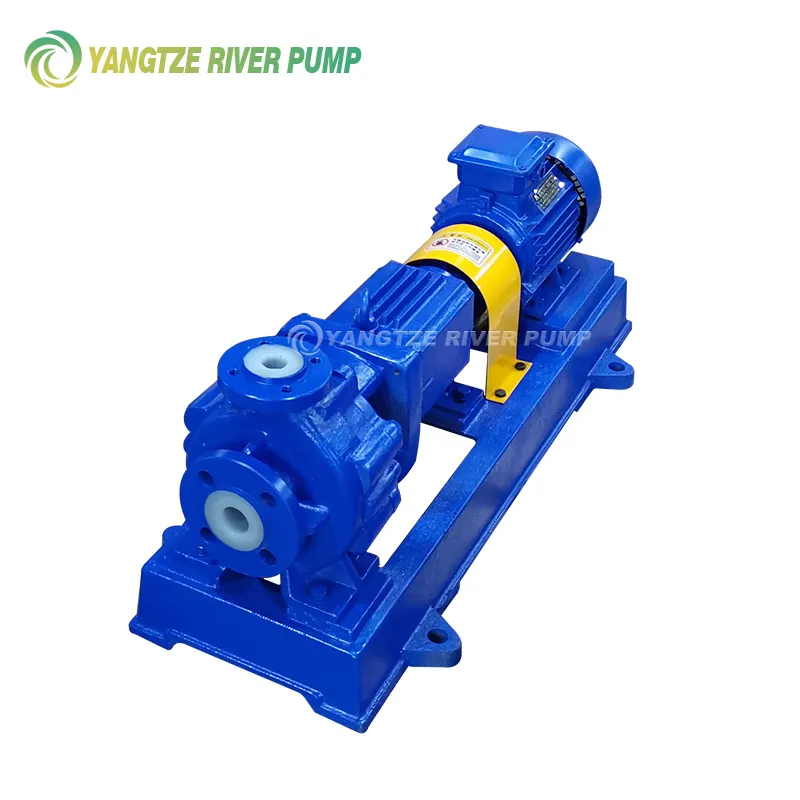 IHF PTFE Chemical Centrifugal Pumps
-
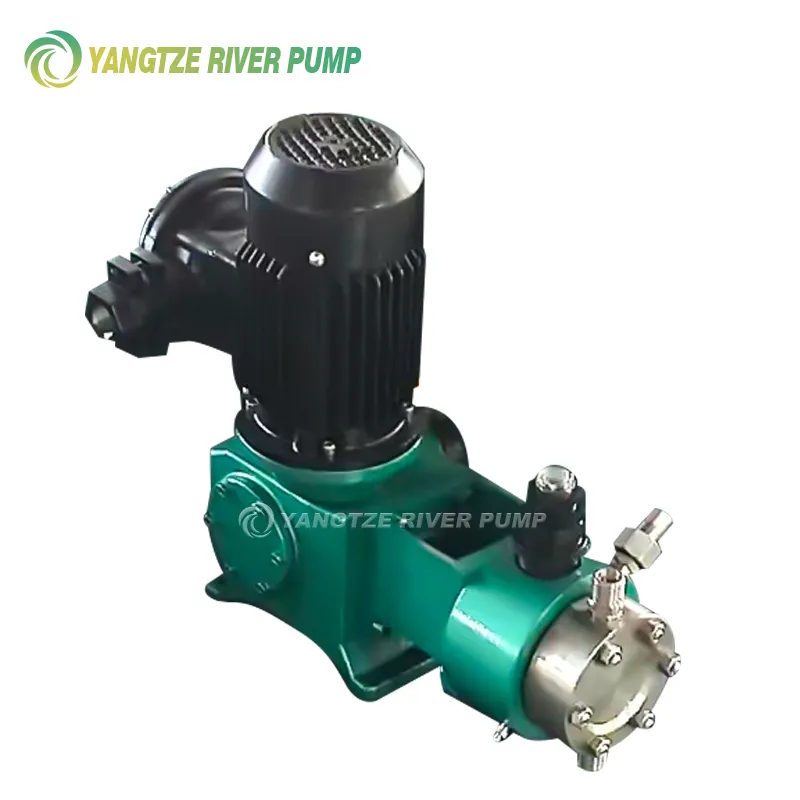 Plunger dosing pumps type DZ-X
-
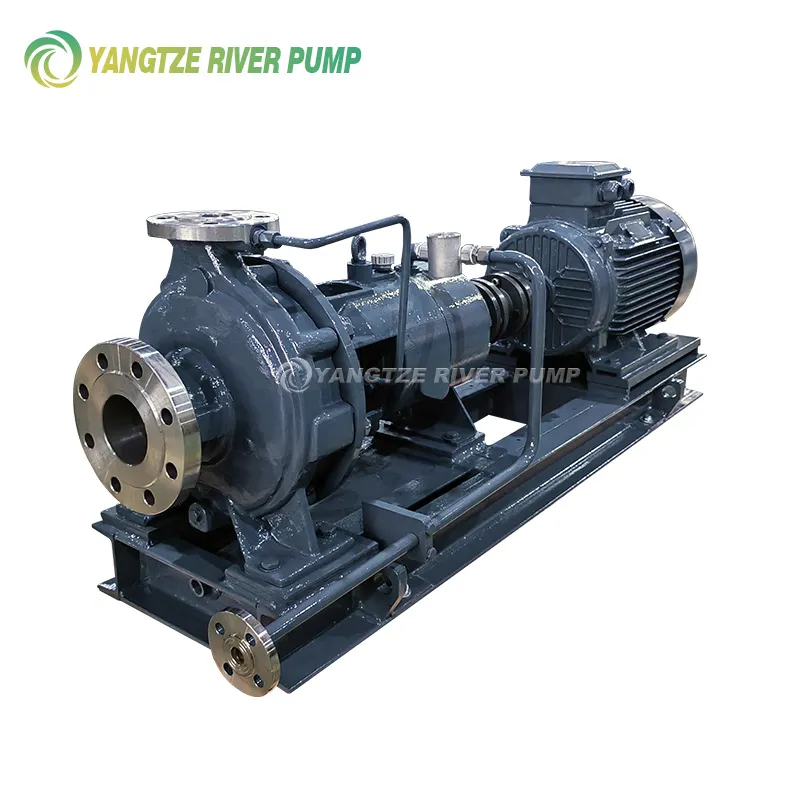 Petrochemical Process Pumps API 610 YZA
-
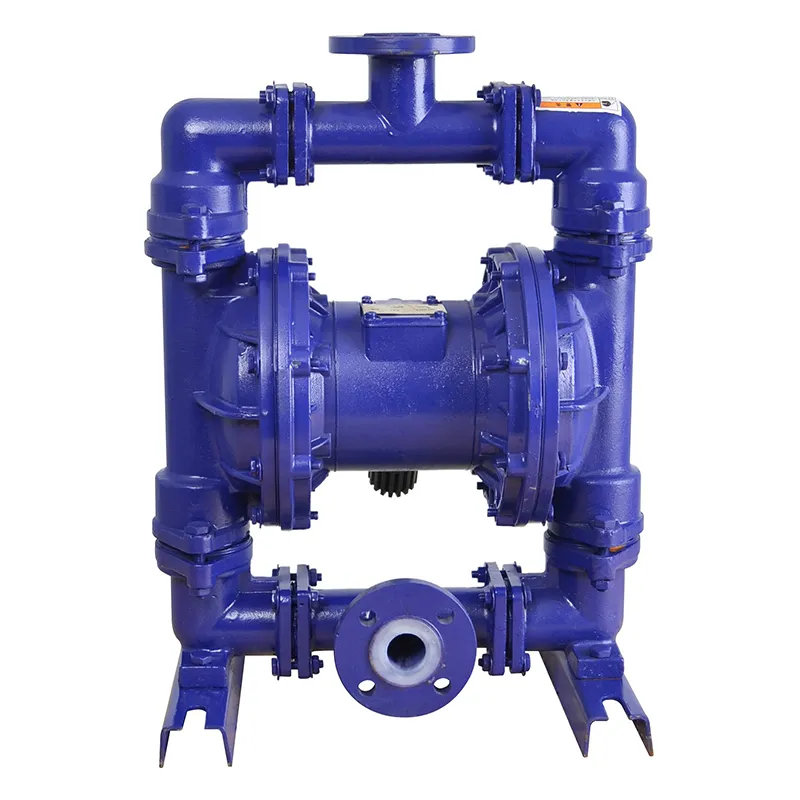 Metal pneumatic diaphragm pumps QBK
-
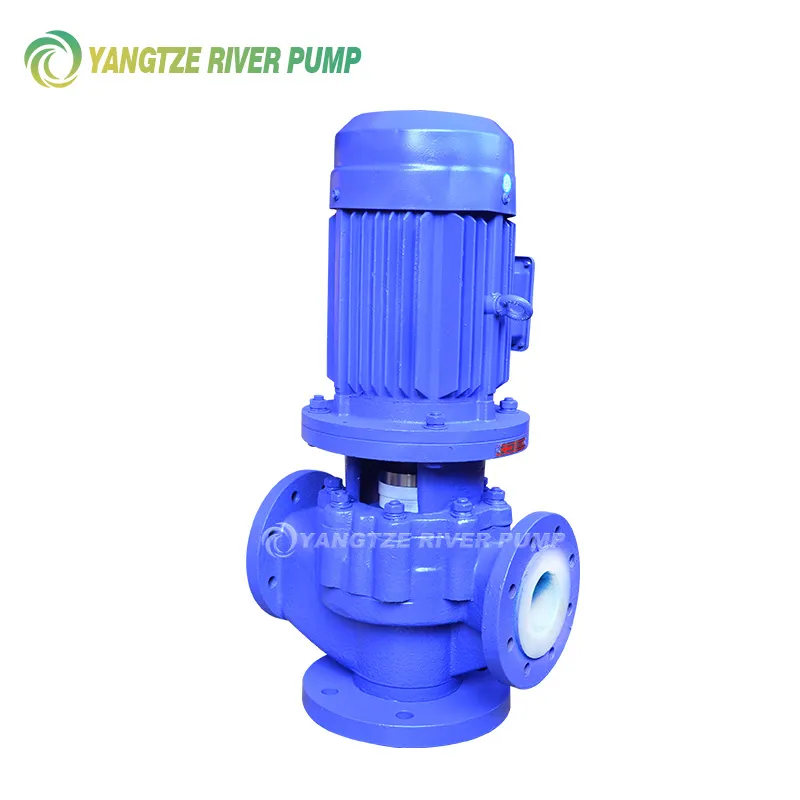 Vertical pumps with PTFE lining YQF
-
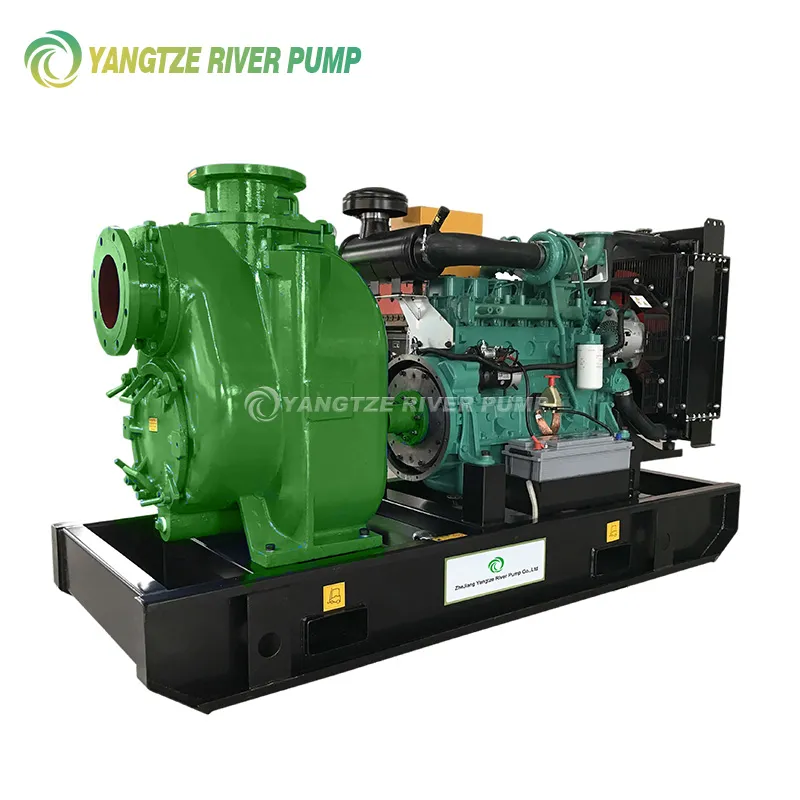 YZSP Diesel Self-Priming Pumps