







manufacturing of centrifugal pumps
When they talk aboutmanufacturing of centrifugal pumps, many immediately imagine simply assembling parts according to the diagram. In fact, it is a constant balance between theory, practice and... sometimes quite unexpected failures in materials. Let's say, the same balancing of the rotor - in textbooks everything is smooth, but in practice, even after the machine, there may be a vibration that you literally feel with your hands, and you have to look for exactly which segment of the impeller there is an imbalance. Or the selection of seals for aggressive environments - no GOST will give a ready-made answer here, only trial and sometimes error experience.
From project to metal: where do people most often stumble?
I'll start with design. It would seem that now everything is simple with CAD systems. But here’s the point: calculating cavitation. You can make a formally correct flow path, but if you do not take into account the real pressure difference at a specific customer site, the pump will begin to “knock” during operation. and will quickly fail. We at Zhejiang Yangzijiang Pump Industry Co.,Ltd have for every type of pump - be itmultistage centrifugal pumpsfor high pressure orplastic chemical pumpsfor acids - first they carry out modeling, and then they make a prototype. And the first iteration is not always successful.
We move on to casting the housings and impellers. The key here is the quality of the alloy and the accuracy of the shape. For ordinary water, cast iron castings will do, but for sea water you need bronze or stainless steel, otherwise corrosion will eat away within a season. There was a story with the partyself-priming pumps— the material seemed to comply with the certificate, but when tested in salt water, shells appeared on the internal surfaces. I had to change the casting supplier and tighten incoming control. Now on our websiteyangtzeriverpump.ruyou can see that testing is a separate serious stage in production.
Machining. Precision boring of housings for seals and bearing shields is the basis for long-term operation. If there is a misalignment of even a couple of tenths of a millimeter, the shaft will work with overload, overheat, and as a result the oil seal or mechanical seal will leak. We are on our lines forlinear centrifugal pumpsWe do finishing on CNC machines, but the operator still has to “feel” it. process, notice the beating of the workpiece in time.
Assembly: not just tighten the bolts
Assembly is exactly the stage where theory meets reality. For example, you collectsubmersible pump. All details seem to be within tolerances. But when pressing the bearing, unexpected stress occurs, or the gasket under the flange moves slightly. The result is a leak on the test bench. We have to take it apart and look for the reason. Often it is petty: a burr on a seat that was not removed after processing.
A special topic is the assembly of the shaft and rotor assembly. After fitting the impellers and coupling halves, the shaft must be balanced as an assembly. We do this on dynamic stands. But it happens that after balancing the assembly with the body, vibration appears again. This means that the matter is already in the alignment of the body parts. This is a painstaking job of fitting.
And, of course, installing seals. There are different solutions for different environments. For clean water, a gland packing is often sufficient, but for volatile or hazardous liquids, only mechanical seals, often double ones, with leakage control. When assembling magnetic pumps, where there is no sealing unit at all, the absolute tightness of the chamber is important so that the magnetic coupling works without interference. The slightest misalignment of the driving and driven magnets - and the efficiency drops catastrophically.
Tests as the last frontier
The testing shop is the place where all the flaws come out. We have eight lines, and each product undergoes mandatory hydraulic tests. We assemble the stand, connect the pump, apply a load - and take a look. Not only on parameters (pressure, flow, power consumption), but also on “health?” unit: noise, vibration, heating of bearing units.
Forchemical pumpsmade of plastic or lined, tests are carried out on real media (or their safe analogues). It is important to check not only the work, but also the durability of the material after contact. It happened that the sample could withstand the pressure, but after several hours of cycling a microcrack appeared in the stress zone. This meant returning to the stage of selecting materials or changing the design of the body.
Testing of multistage vertical pumps is especially difficult. High pressure, long shaft - the entire kinematic scheme is critical here. The stand simulates various modes, including start and stop. Sometimes the problem only appears when the load is suddenly dropped. Without full testing, such a defect would go to the customer.
Mistakes that teach
I admit, not everything always went smoothly. There was an order forsingle screw pumpsfor viscous sludge. They made it according to the standard scheme for such conditions, but the customer complained about rapid wear of the rotor and stator. It turned out that the sludge contained an abrasive fraction, which he did not indicate in the technical specifications. We had to urgently switch to wear-resistant polymers for the rotor-stator pair. and change the gaps. Now we always clarify the detailed composition of the pumped medium, even if they initially say “ordinary sludge”.
Another case is with a magnetic pump for the laboratory. We did it, tested it on the water - everything was perfect. And the client had ethylene glycol in the system. After a month of operation there is a loss of power. We took it apart: it turned out that the viscosity of the medium was higher, and when heated from operation, the magnetic coupling began to slip. The temperature change in the properties of the liquid was not taken into account. Now we include a wider range of parameters in the calculations.
These mistakes, although unpleasant, are priceless. They force us to delve deeper into operating conditions, and not just sell a unit from a catalog. Our company, having a full cycle from R&D to service, can quickly make such changes to the design and warn customers about the nuances.
Instead of a conclusion: what does it actually mean to “make a pump?”
So, back to the beginning.Manufacturing of centrifugal pumpsis not just the physical creation of a device from drawings. This is a process where engineering ideas are constantly tested by practice, where a technologist on the production line must understand how a part will behave in operation, and a tester must catch the slightest hint of a future problem.
When you see how the pump you made has been pumping water on a farm or chemicals in a factory for years without failure, you understand that all these subtleties - balancing, selection of materials, testing - were not in vain. And even such seemingly highly specialized products asdiaphragm pumpsorsingle stage centrifugal pumps, require this same attention to detail. Without it, any, even the most advanced, production line is just a set of machines.
Therefore, at Zhejiang Yangzijiang Pumping Industry LLC, we keep the entire cycle under one control: from idea to installation at the client’s site. So that you can trace every operation and be sure of the result. And this is perhaps the main principle in our business.
Correspondingproducts
Related Products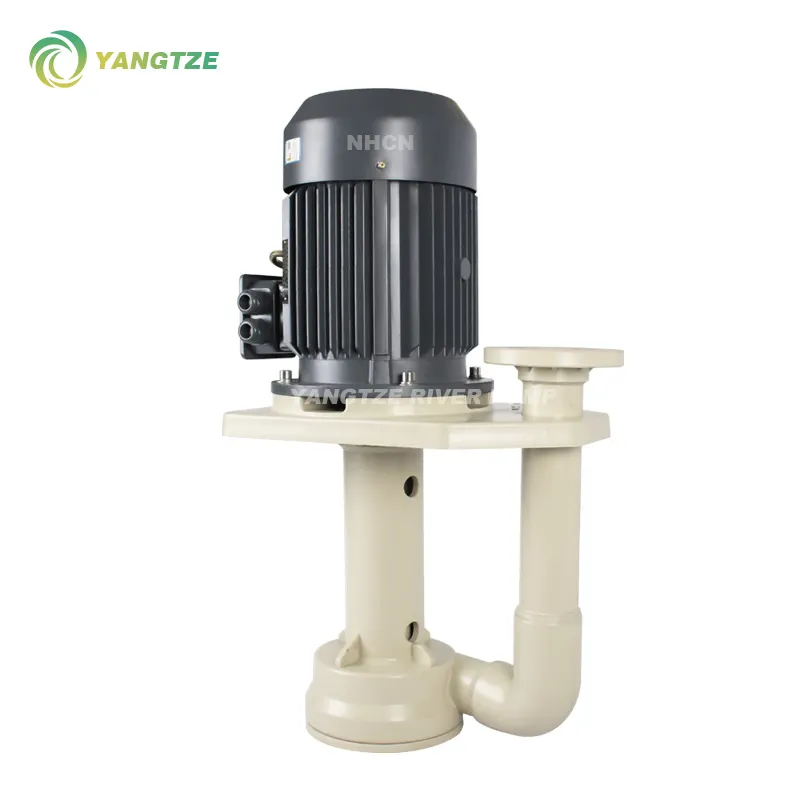
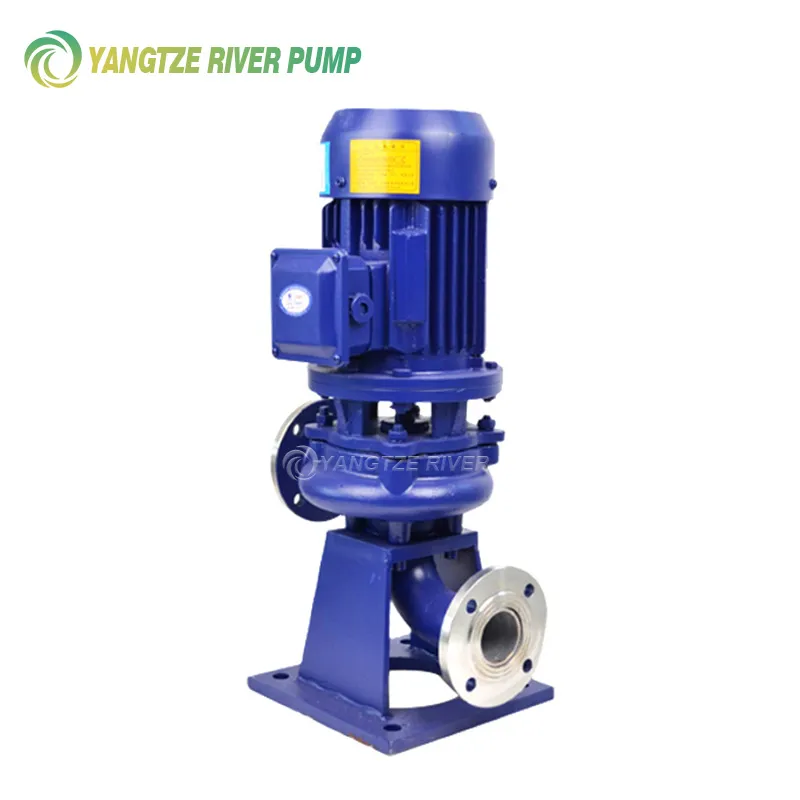
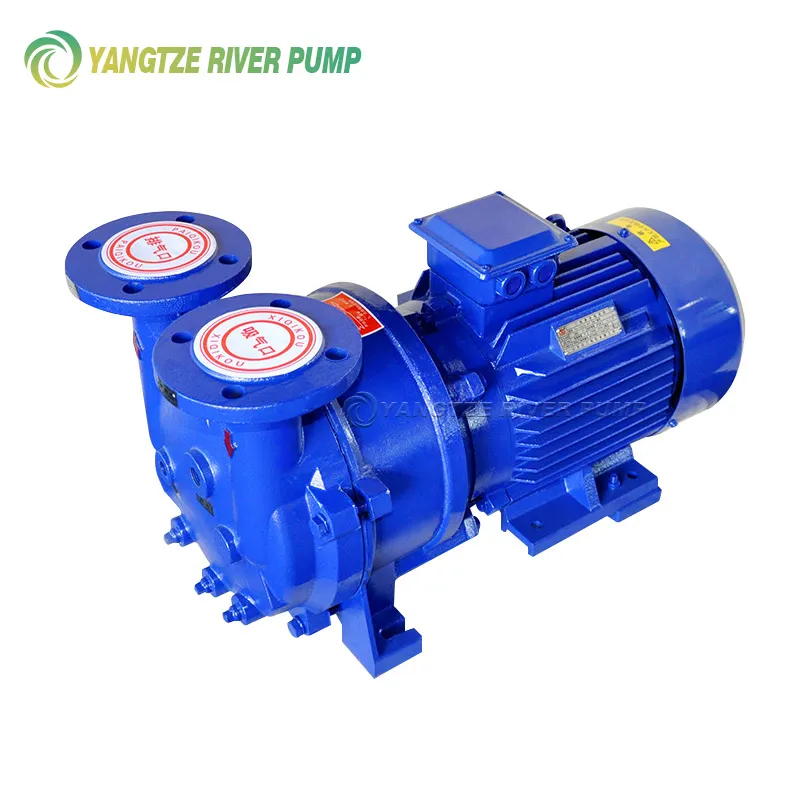
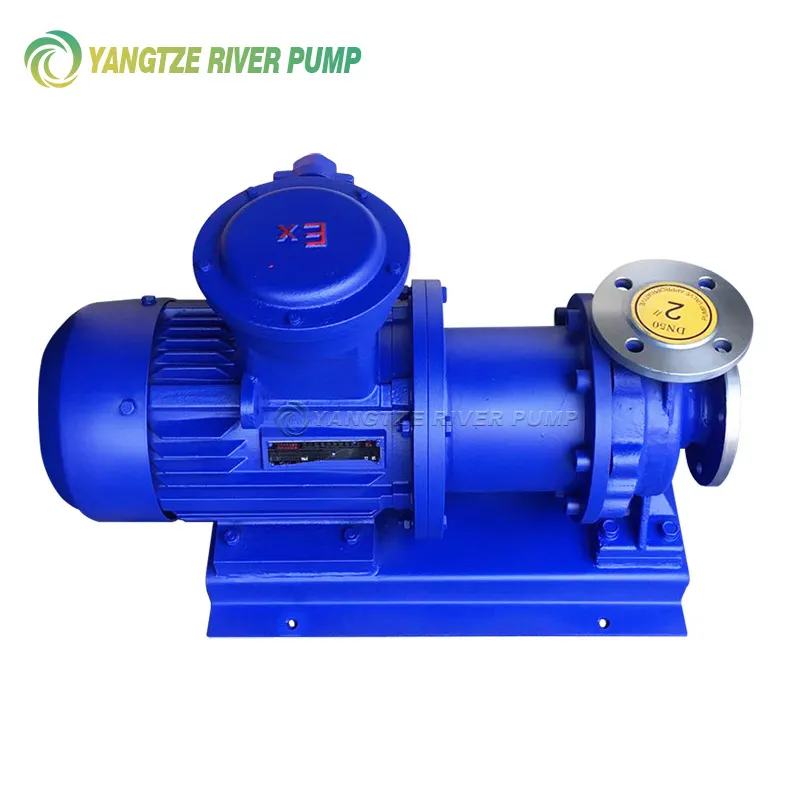



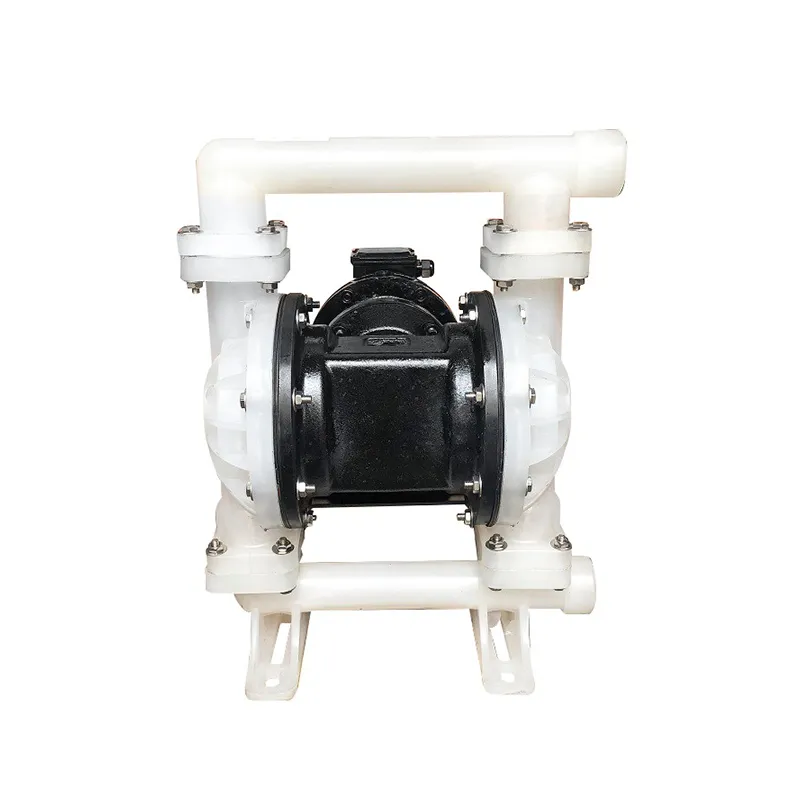

Best Sellingproducts
Best Selling Products-
 Horizontal multistage pumps for feeding DG boilers
-
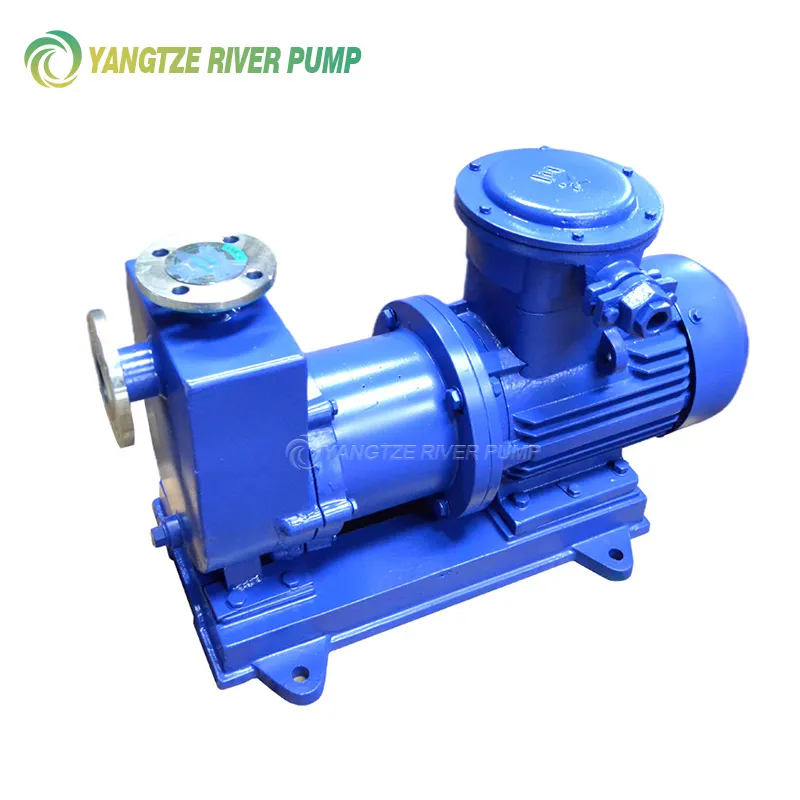 ZCQ Stainless Steel Self-Priming Magnetic Pumps
-
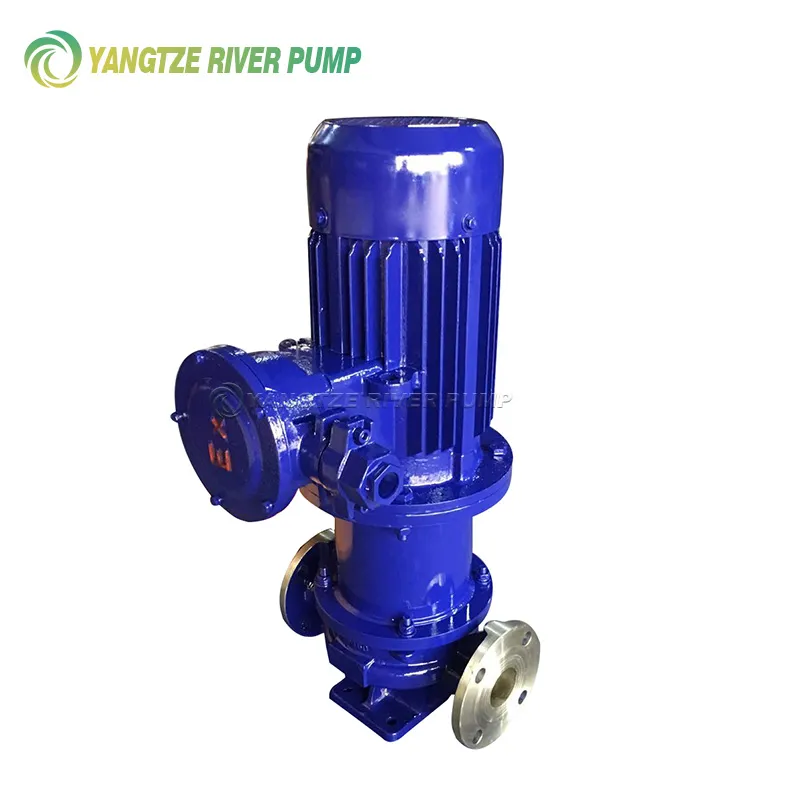 Vertical magnetic pumps CQB-L
-
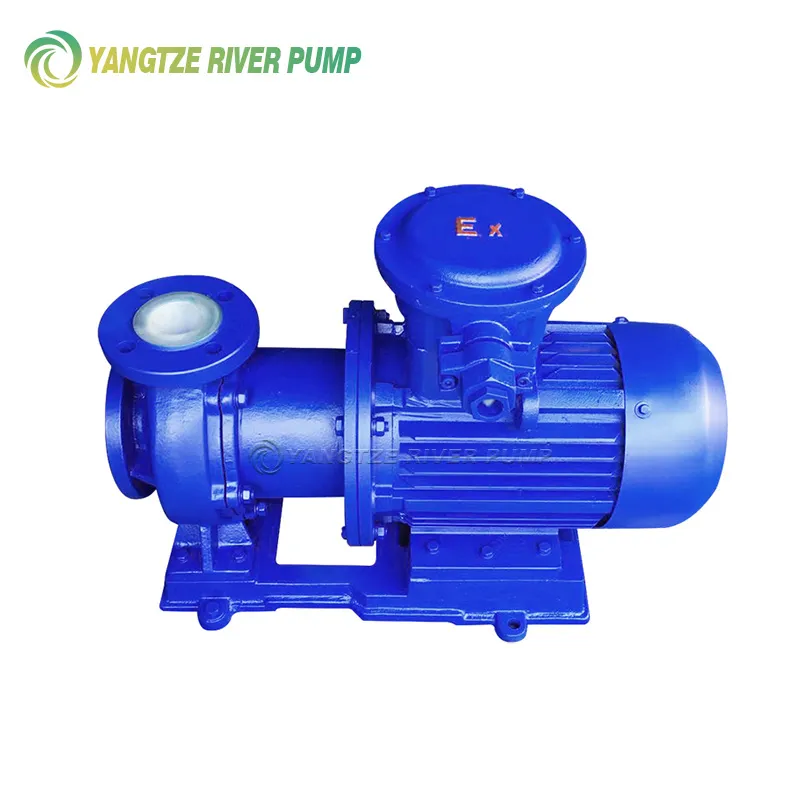 Magnetic pumps with fluoroplastic lining CQB-F
-
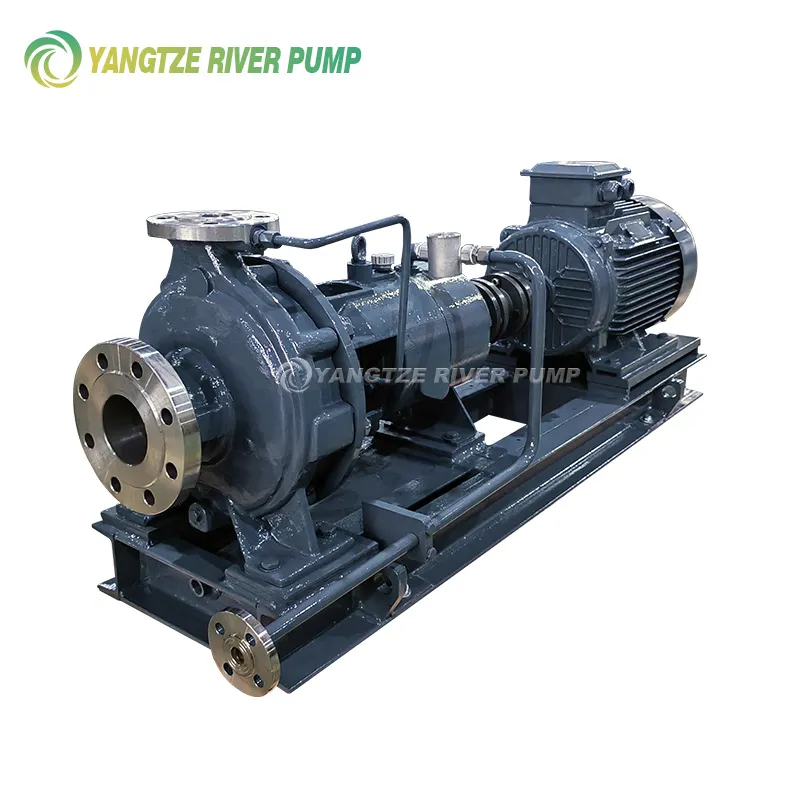 Petrochemical Process Pumps API 610 YZA
-
 CQF Plastic Magnetic Pumps
-
 Horizontal multistage centrifugal pumps type D
-
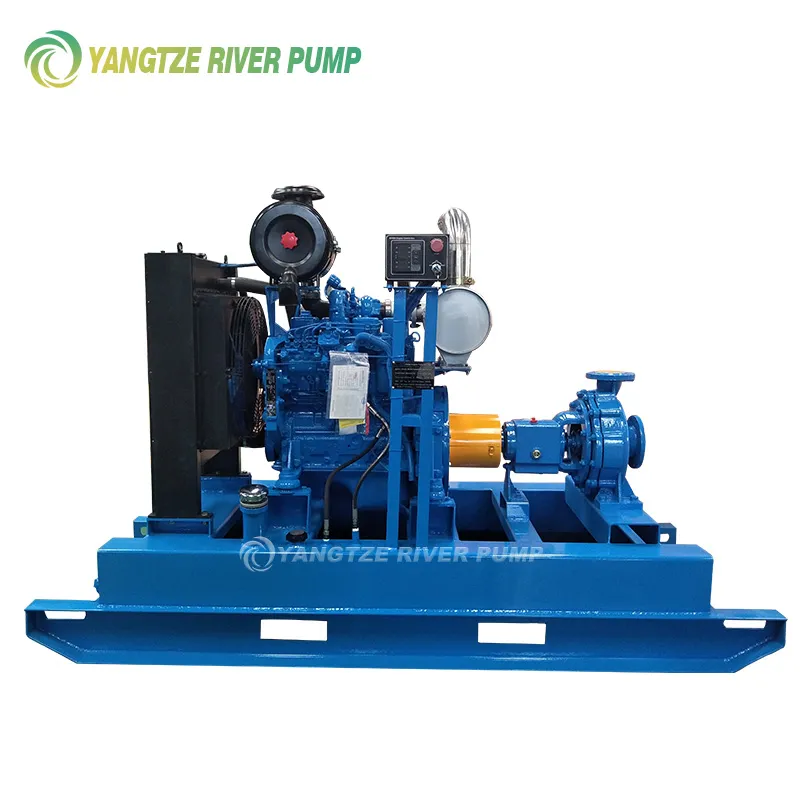 YZIS Diesel Single Stage Centrifugal Pumps
-
 Geared screw pumps type G
-
 YCZ Chemical Process Pumps
-
 Metal pneumatic diaphragm pumps QBK
-
 Plastic self-priming centrifugal pumps FP and FS