







internal centrifugal pump
When they talk aboutinternal centrifugal pump, many people immediately imagine a standard “snail?” with an electric motor. But in practice, especially in specific industries such as chemical processing or precise dosing, this concept is much broader. A common mistake is to assume that the main thing is flow and pressure, and the material of the flow part or the type of seal is a secondary matter. At Zhejiang Yangzijiang Pump Industry LLC, we have gone through hundreds of configurations through the test bench, and I can say: it is the internal design, that very “inside” that is not visible at first glance, that often determines whether a pump will work for a year or a month in an aggressive environment.
From drawing to stand: where does the “devil” lie?
Take for example our line of plastic chemical pumps. The idea of using PP or PVDF instead of stainless steel is not new. But when you start designing exactlyinternal centrifugal pumpfor pumping, say, hot hydrochloric acid, the question arises not just about chemical resistance. The thermal expansion of plastic and metal shafts is different. The clearances on the impeller, calculated at 20°C, on the stand at 80°C can go negative or, worse, positive, with a loss of efficiency. Once we had to remake a whole batch of rotors - in a hurry, average coefficients were put in, and the client’s specification had a clear temperature range of 5-85°C with a cyclic mode. The pumps worked, but vibration at high temperatures was higher than normal. It was necessary to make adjustments to the injection molds - to increase the thermal gap precisely in the operating range.
This is about the question of “complete production lines” that we have announced. This is not for beauty in the description on the website https://www.yangtzeriverpump.ru. It is our own plastic molding and machining that allows us to carry out iteration like this, quickly. If we had been waiting for components from a third-party supplier, the project would have been delayed for a month. And so it took two weeks from idea to testing of a new sample.
Tests are a different matter. We don't just drive water to parameters. We create buffer solutions at the stand that imitate the customer’s environment. It is important to catch the moment when, for example, vibration or cavitation in a plastic caseinternal centrifugal pumpmicrofractures begin. It may not lead to a leak immediately, but after six months of continuous operation it will easily. That's why our test reports sometimes look like a list of "don'ts": you can't exceed such and such a temperature at such and such a concentration, you can't allow the valve to be operated for more than 30 seconds. This is more important than passport pressure.
Magnetic drive vs mechanical seal: not an obvious choice
Often a client comes with a request: “need a centrifugal pump for solvent, without leaks?”. The first thing that is offered everywhere is magnetic pumps (CIP). And they're really good for toxic or expensive environments. But we have both in our assortment. And sometimes after a conversation it turns out that the best solution would be justinternal centrifugal pumpwith double mechanical seal and flushing. Why? Let's say the medium is a suspension of abrasive particles. In a magnetic coupling, the gap between the inner and outer rotor is minimal. Even fine sand getting in there leads to jamming or wear of the insulating shell. Repair - replacement of the entire clutch block.
And in the case of a pump with a seal, you can install silicon carbide seals, organize flushing with a clean solvent from the stuffing box - and the pump will work for years with abrasive. Yes, there is a risk of shaft leakage, but with proper maintenance it is minimal. On our website in the product section we differentiate between magnetic and centrifugal for a reason. A real consultation begins with questions about the composition of the medium, the size of solid particles, and the cyclicity of work. Ready answer: take this model? often not.
There was a case at one paint and varnish production. We placed a magnetic pump on paint with a pigment filler. After three months - a drop in performance, overheating. Disassembled - the gap in the coupling is clogged with dense sediment. We switched to a linear centrifugal pump with a mechanical seal and a flushing system. It worked for two years before the scheduled replacement of seals. This is the same practical experience that you will not find in the general catalogue.
Multi-stage: not only for high pressure
Multistage centrifugal pumps at Zhejiang Yangzijiang LLC are associated primarily with the supply of water under high pressure. But there are also more subtle applications. For example, a highly viscous fluid is required, but with a very stable, pulsating flow. A single-stage pump may pulsate due to cavitation or flow patterns around the blades. And if you divide the required pressure into several stages in oneinternal centrifugal pump, the pressure increases gradually, flow stall is less likely, and at the outlet we get an almost laminar flow. This is critical for some processes in the food industry or pharmaceuticals.
But here, too, the pitfall is efficiency. Each additional stage means friction losses in the guide vanes, shaft extension, and balancing issues. Sometimes a customer asks for a ?multi-stage pump? for a conventional 100 meters of pressure. And according to calculations, it turns out that two single-stage pumps in series will give the same result with less energy consumption and greater maintainability. The engineer’s task is not to sell what is in the catalog, but to offer the optimal solution. Sometimes it is a combination of equipment.
Our production allows you to play with these parameters. You can assemble a multistage pump with a different number of stages, select the diameters of the impellers for a specific operating point on the curve, and not take the “nearest standard” one. option. This is the advantage of a full cycle from R&D to assembly.
Self-Suction: Magic with Limits
Self-priming pumps are a special category. They are often seen as a panacea for all situations where the water source is below pump level. But the principle of self-suction ininternal centrifugal pumpis based on creating a vacuum in the housing to lift liquid. And vacuum is a risk of cavitation. If the liquid is volatile (say, some types of solvents), then under vacuum it begins to boil right in the suction line, and the pump “airs up.” and stops working.
Therefore, for chemical media, we often recommend not a classic self-priming pump, but a circuit with a pit and a conventional submersible or centrifugal pump, or with an external ejector system. Yes, it is more difficult and expensive to install, but it is more reliable in operation. In the description on the website, we honestly indicate the scope of application: for water, aqueous solutions, liquids with low vapor pressure.
There was a memorable failure early on. We supplied a standard self-priming pump to the client to pump an alcohol mixture. When the temperature in the workshop was about 30°C, the pump lost its charge after stopping and could not start - the alcohol evaporated. We had to quickly change the scheme to an installation with a remote receiver tank and a booster pump. Since then, we have included in the selection questionnaire a mandatory question about the boiling point of the medium and the temperature in the room.
Maintainability as part of the design
Any, even the most reliable pump will someday require maintenance. And here is the design philosophyinternal centrifugal pumpplays a key role. You can make a monoblock design with perfect balance that will work for 10 years. But if to replace a seal or bearing you need to send the entire unit to the factory and use a hydraulic press to disassemble it, this is a failure for the client.
We are trying to follow the path of modularity in our model range. Housing, cover, rotor assembly, seal assembly - all must be disassembled on site using standard tools. Yes, this may make the design a little more expensive (flanges, centering collars), but in the long run it saves the customer money and time. On the website in the service section we post not just general manuals, but actual disassembly diagrams for popular models, indicating tightening torques and recommended lubricants.
This approach was born from feedback. After several years ago we received an angry letter from a mechanic at an oil depot who spent a whole day trying to “get to the gasket?” on one of our first pumps. Since then, each new prototype has been tested not only by an engineer, but also by a service technician. If he says “it’s not comfortable here?” or ?does this require a special key? — the design is being finalized.
Final Thoughts: The Pump as a System
So, back to the beginning.Internal centrifugal pump- this is not just a unit from a catalog with flow and pressure figures. This is a system that must fit into the customer’s technological process, with its environments, temperatures, cycles, reliability and repair requirements. The experience of Zhejiang Yangzijiang Pumping Industry LLC, built on eight of its own lines from development to service, allows us to approach the issue systematically. Do not sell a “pump”, but offer a “pumping solution”, where the pump itself is only one, albeit key, part. And the main advice that I always give to my sales colleagues: ask more questions to the client. Often it is in the answers to the fifth or sixth clarifying question that the key to choosing the right “inside” lies. for the pump.
Correspondingproducts
Related Products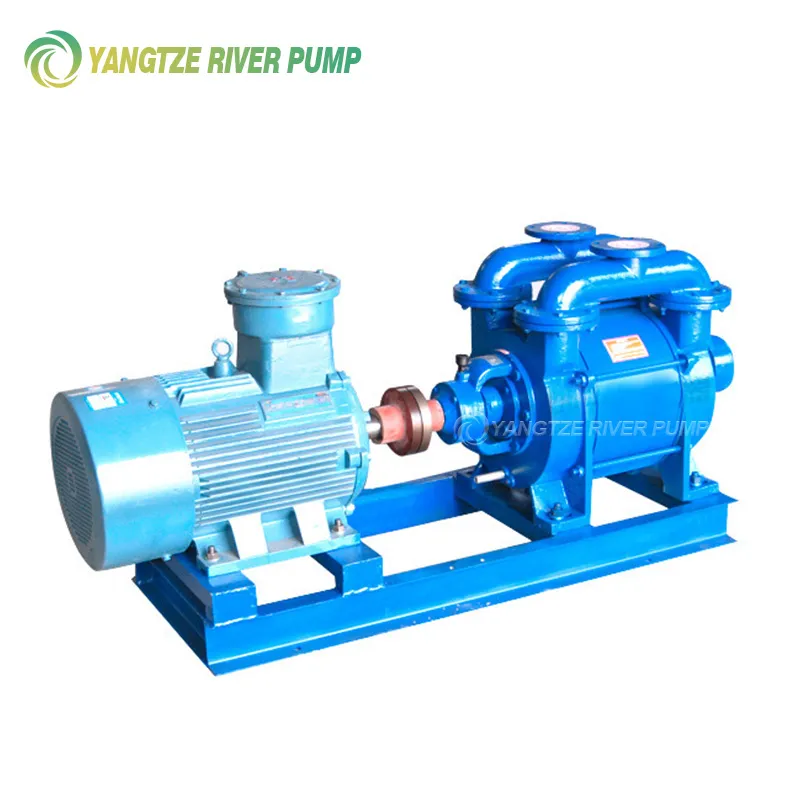
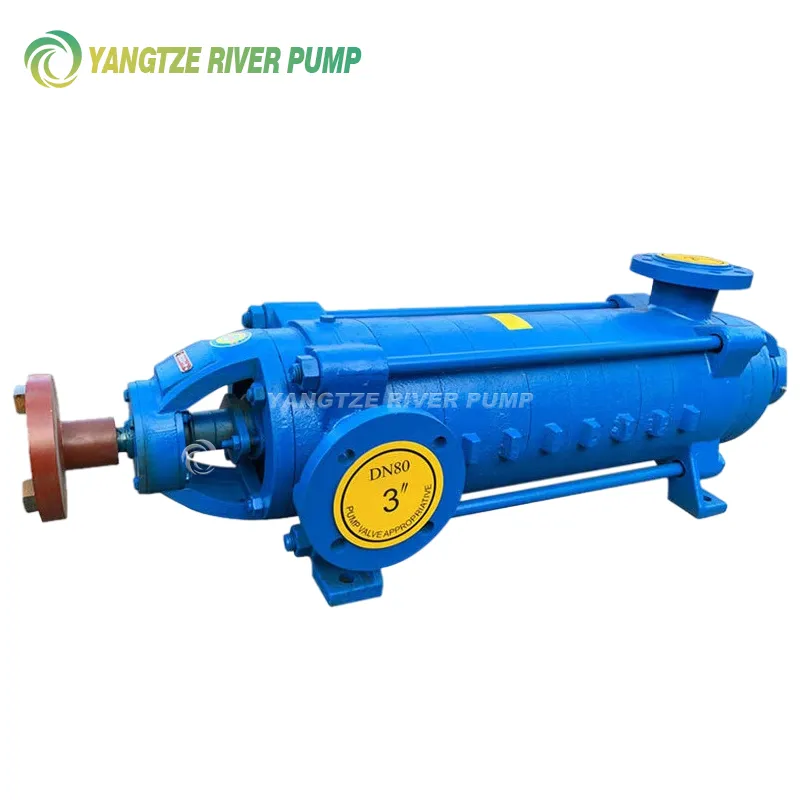
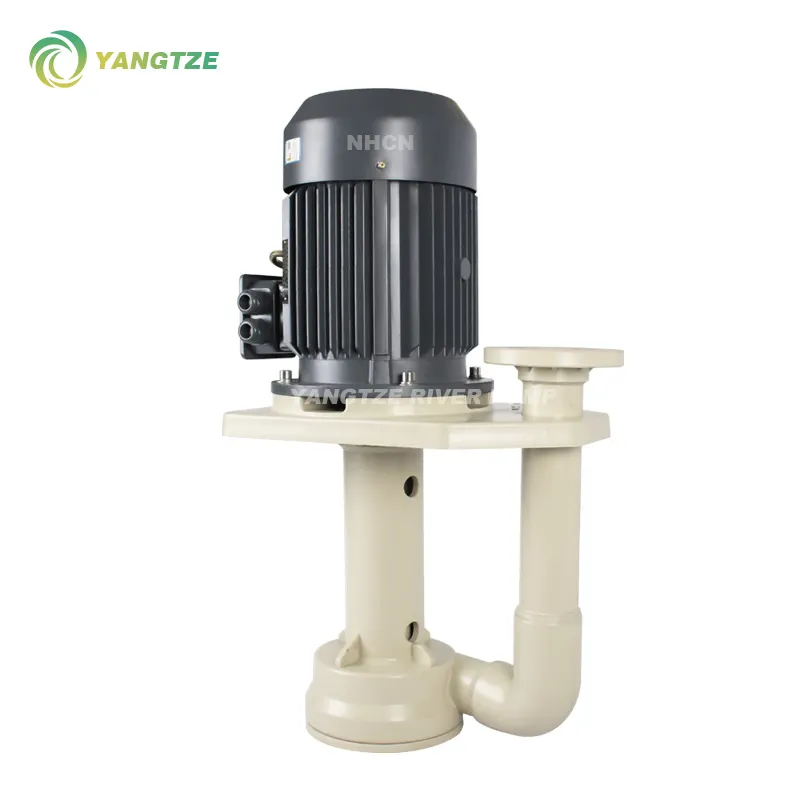

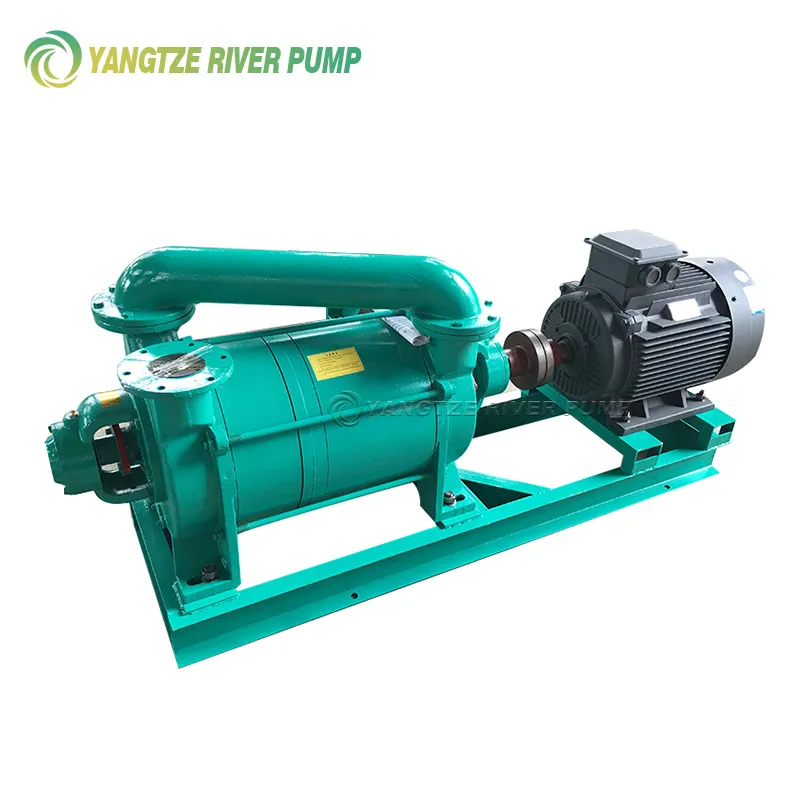


Best Sellingproducts
Best Selling Products-
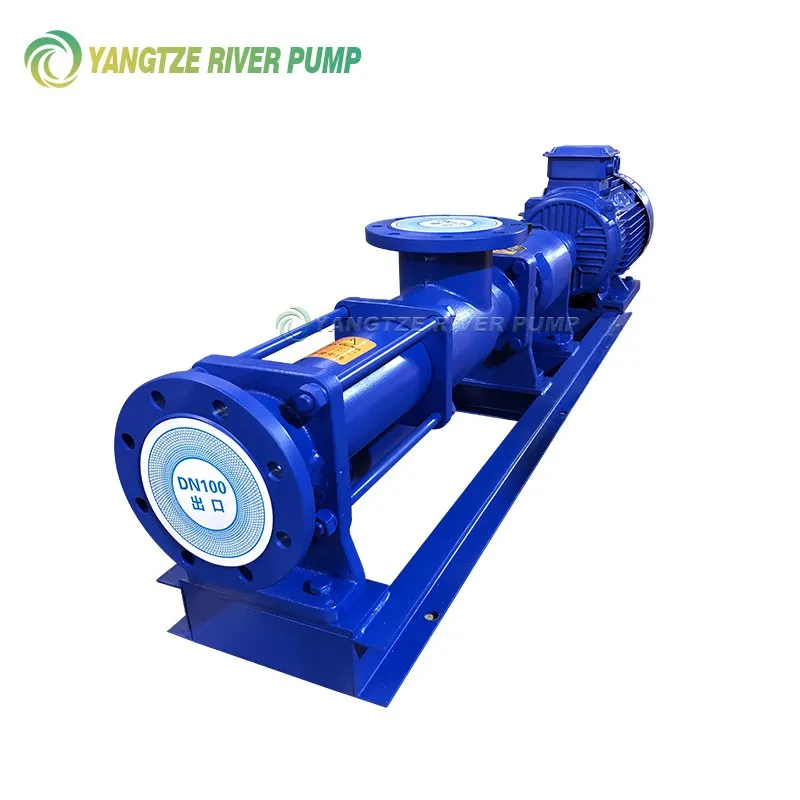 Single screw pumps type G
-
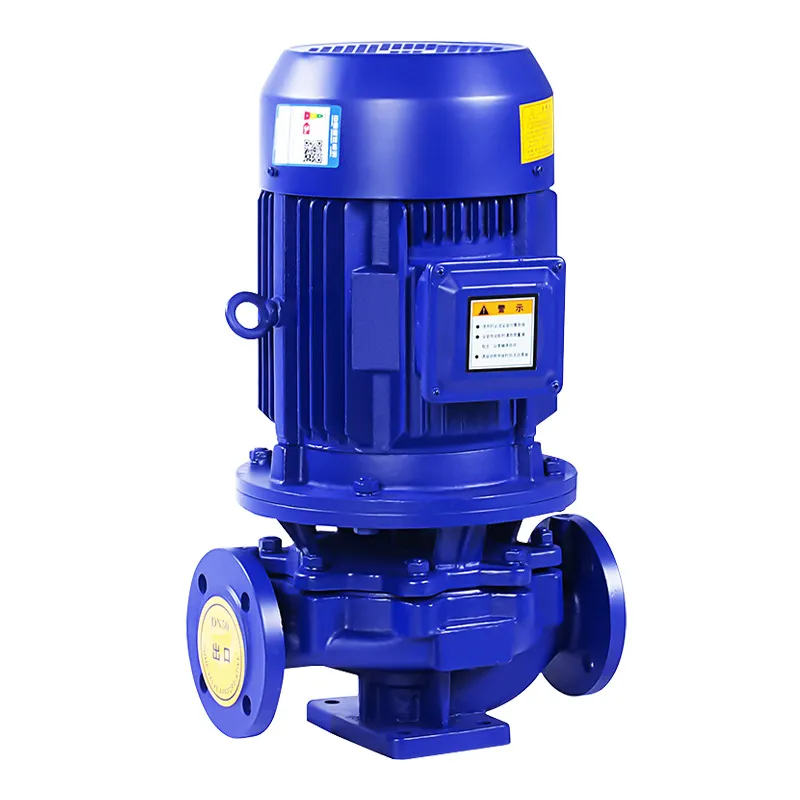 Vertical single-stage pipeline centrifugal pumps ISG and IHG
-
 Vertical multistage centrifugal pumps made of stainless steel (light series) CDL and CDLF
-
 QJ type borehole pumps
-
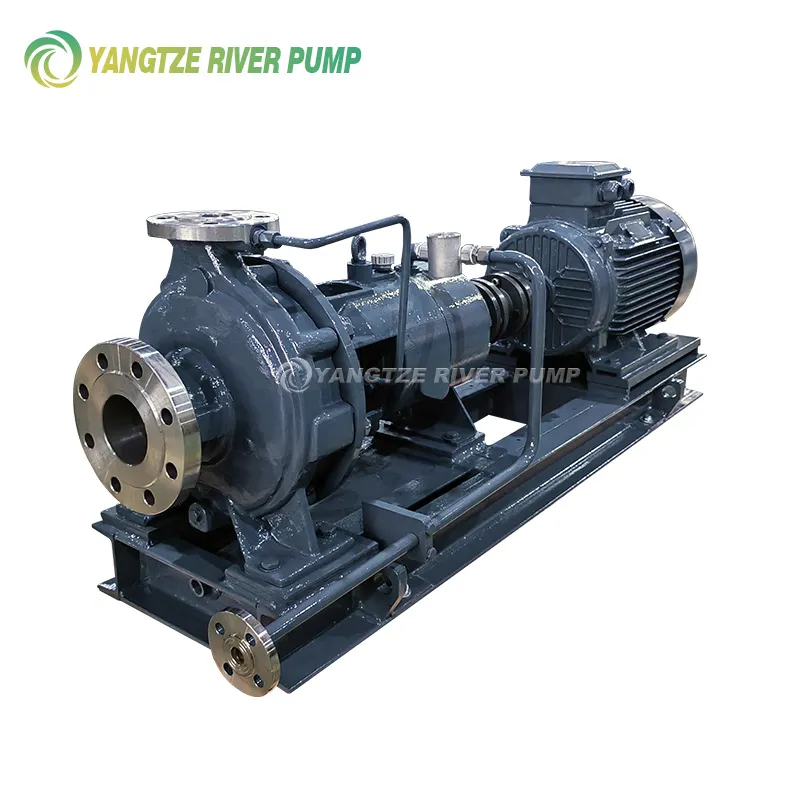 Petrochemical Process Pumps API 610 YZA
-
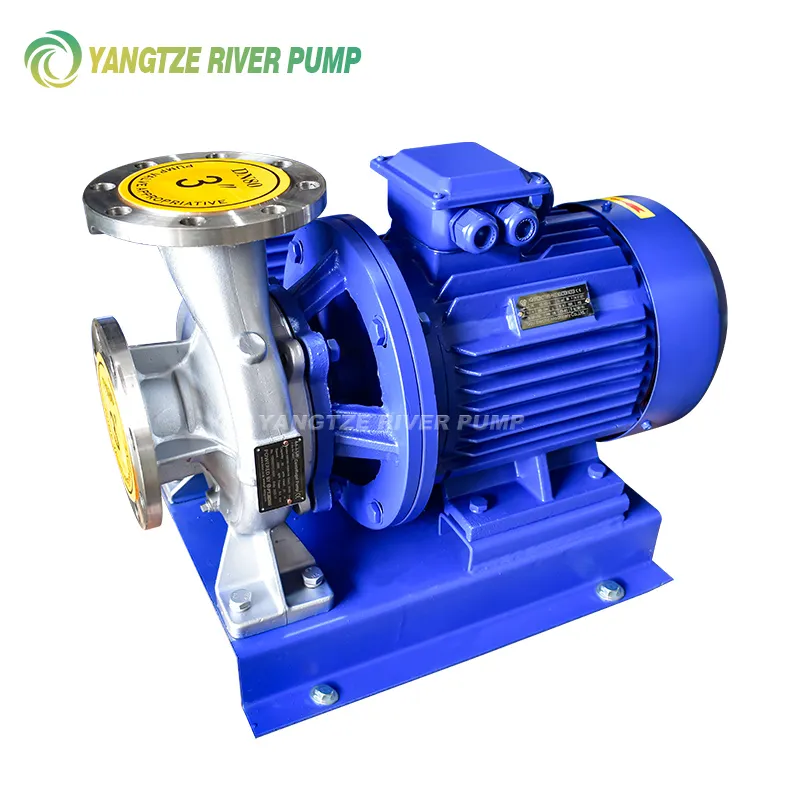 ISW and ISWH Single Stage Horizontal Pipeline Centrifugal Pumps
-
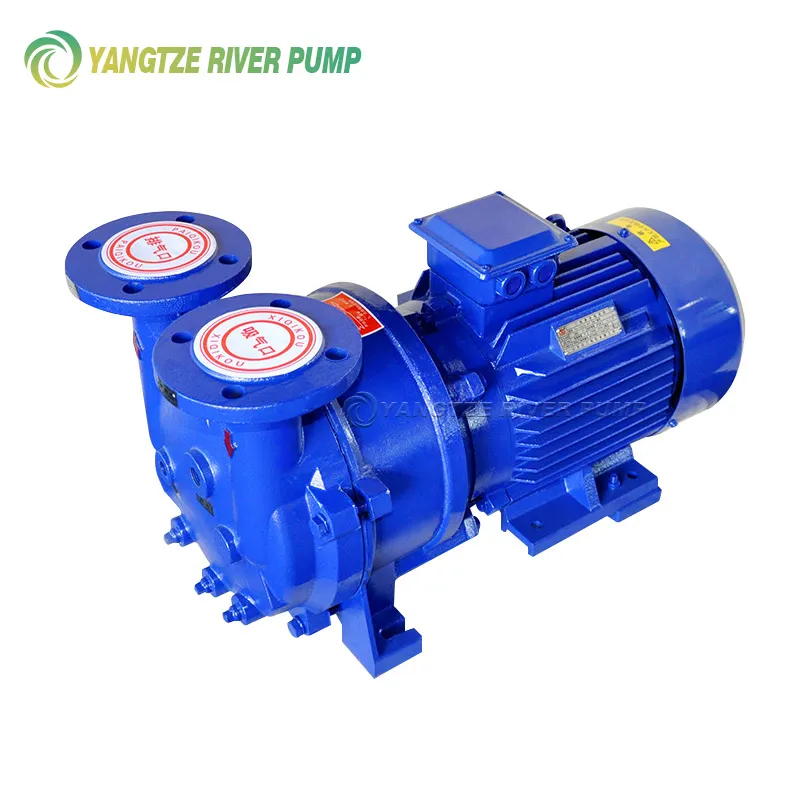 Liquid ring vacuum pumps type SKA and 2BV
-
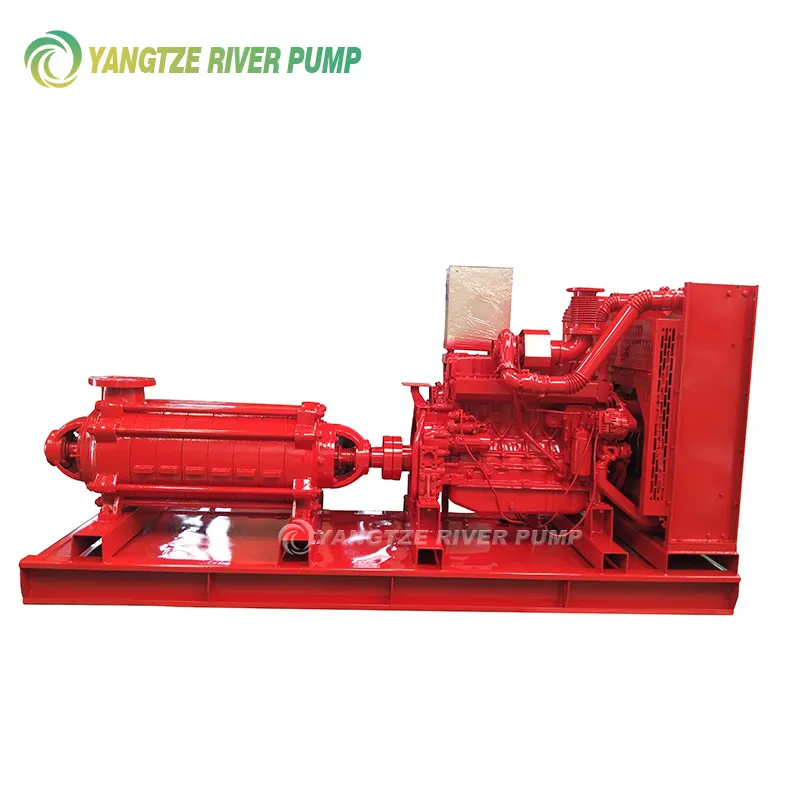 XBC Diesel Intelligent Fire Pumps
-
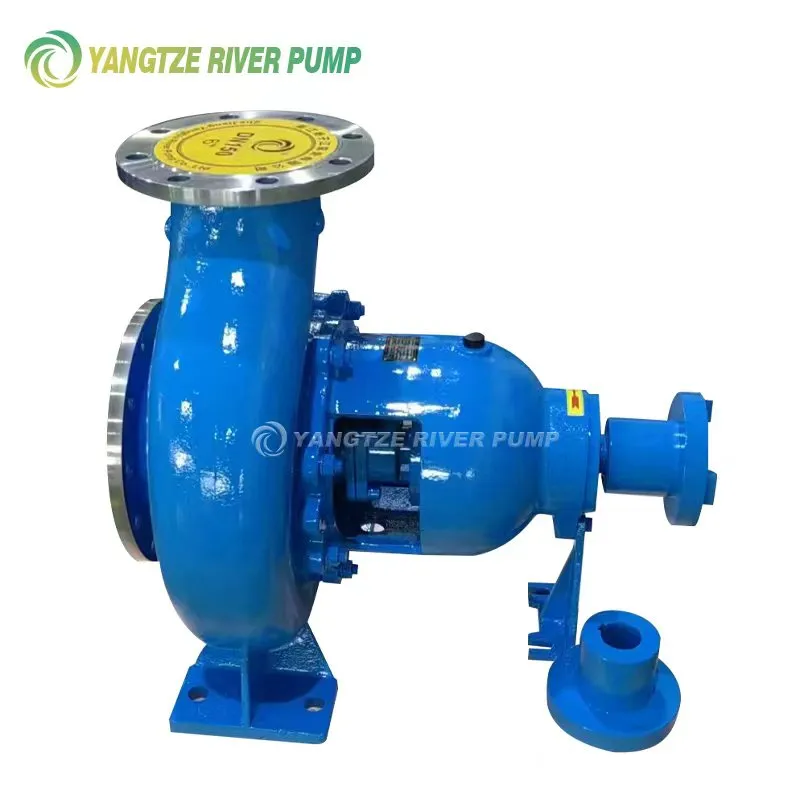 IH Stainless Steel Chemical Centrifugal Pumps
-
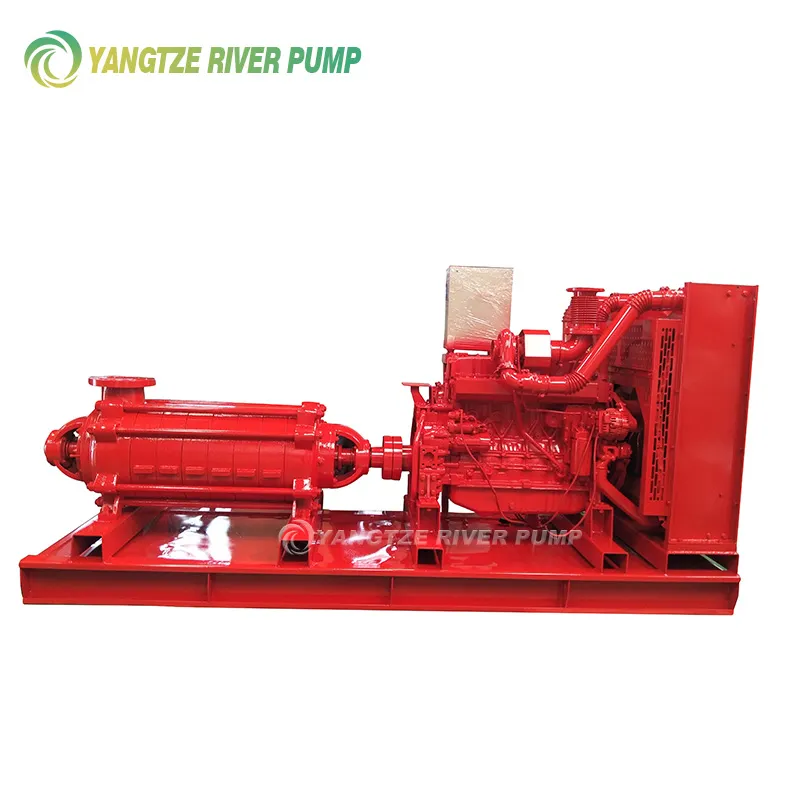 YZD Series Diesel Multistage Centrifugal Pumps
-
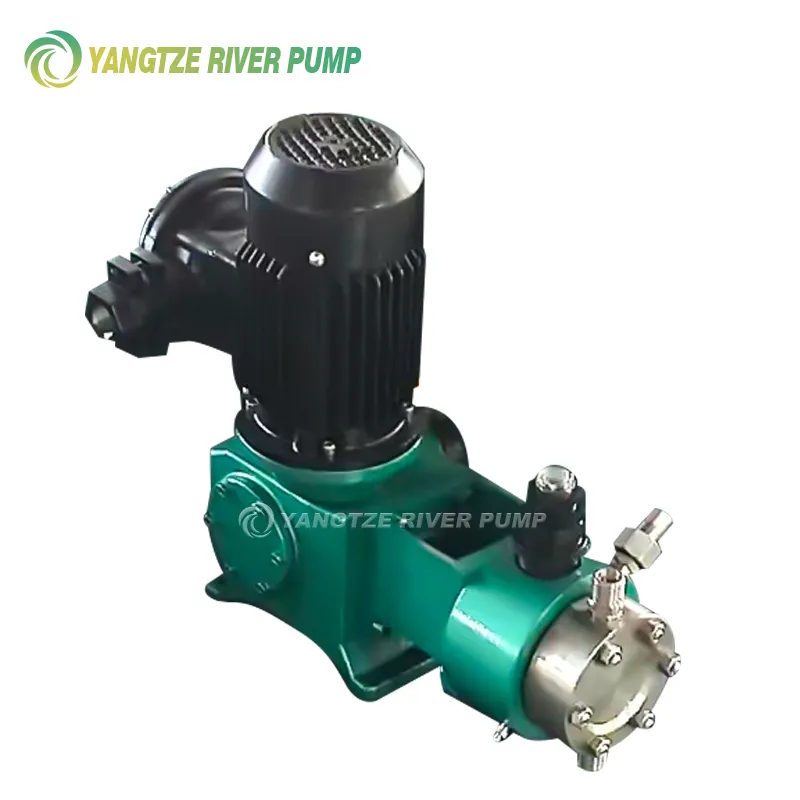 Plunger dosing pumps type DZ-X
-
 Vertical pumps with PTFE lining YQF