







Long-distance deep well pumps
When they talk aboutlong shaft deep well pumps, many immediately imagine just a very long shaft going into the well. In fact, this is a whole system where every detail - from the material of the shaft to the method of fixing it in intermediate bearings - decides whether the unit will work for a season or ten years. A common mistake is to think that the main thing is the engine power on the surface. But if the shaft at a depth of 50 meters begins to vibrate due to incorrect alignment or the wrong rotation speed, it will simply break, and lifting it for repairs will cost a pretty penny. At Zhejiang Yangzijiang Pumping Industry LLC, we have a special approach to these pumps, because we make them not as a standard product, but for a specific well and task.
Design: where the main problems lie
The main thing you encounter in practice is ensuring the rigidity and alignment of the shaft. The shaft, several tens of meters long, is not a monolith; it is assembled from sections. This is where spline connections are critical. Cheap options with loose splines quickly break, play and runout appear, and the pump fails. We tried several types of connections until we settled on a version with reinforced splines and precise calibration on our own equipment. These are not just words - after the introduction of this technology, the number of warranty claims on shafts dropped to almost zero.
The second point is the intermediate plain bearings. They must withstand work in water, often with abrasive impurities. Installing conventional rubber bushings means dooming the client to frequent stops. We use composite materials based on graphite and ceramics, which are more expensive in themselves, but their service life is many times higher. Yes, the cost of the pump is increasing, but for the client who considers not the purchase price, but the cost of ownership over 5-10 years, this is an obvious benefit.
And third is the protection of the shaft itself from corrosion. AISI 304 stainless steel is the standard, but it is not enough for aggressive environments or sea water. There is already an individual selection: 316 steel, sometimes with additional chrome plating. I remember a case for a water intake at a chemical plant, where there were chlorides in the water. We installed a standard 304 shaft - after six months there was pitting corrosion. We had to redo it, now for such orders we have a separate specification and mandatory tests in a salt chamber.
Selection and calculations: why you can’t trust ‘standard solutions’
Many sellers like to select a pump based on two parameters: depth and desired flow rate. This is a road to nowhere. Without data on the well's flow rate, static and dynamic levels, the particle size distribution of water (that same sand) - all calculations will be erroneous. On our website yangtzeriverpump.ru we have put out an application form where we require all this data. This is not bureaucracy, this is a necessity. Sometimes a request comes in: “We need 100 cubic meters per hour from 70 meters.” You begin to find out that the dynamic level with such selection drops to 60 meters, and the water contains fine sand. So it’s not just necessarylong shaft pump70 m, and with a headroom and with special seals and bearings for abrasive media.
Calculating the critical shaft speed is a different story. If the operating speed is close to resonant, vibration is guaranteed. In our R&D department we have our own program for this, which takes into account not only the length and diameter of the shaft, but also the support points (bearings), and the density of the pumped medium. Previously, about ten years ago, they did it according to standard formulas, and there were complaints. Now, after introducing our own modeling software, such problems practically do not arise.
And of course, the engine. Here they often save money and put in something cheaper. But for long-shaft pumps, not only kW is important, but also the starting moment. The shaft is long, the inertia is large. A weak engine will take a long time to reach rated speed, which is harmful both for it and for the starting equipment. We always offer motors with power reserves and recommend frequency converters for smooth starting. This extends the life of the entire system.
Installation and operation: where theory diverges from practice
The most common installation error is incorrect alignment of the motor shaft with the pump shaft. The tolerance here is a fraction of a millimeter. If installers are in a hurry or use handicraft methods (using a ruler, by eye), then even a perfectly made pump will hum and break the bearings. For each complex unit, we attach not only a passport, but also a brief instruction on alignment, and for critical facilities we are ready to travel there ourselves or train the customer’s personnel.
Operation is about regularity. You can't start the pump and forget it. Monitoring of current (overload will indicate problems), vibration, and flow rate is required. One of our clients, an agricultural enterprise, pumped water for irrigation. The pump worked, but the flow rate gradually dropped. It turned out that due to the high iron content in the water, deposits grew on the impellers and guide vanes, reducing the flow path. They began to recommend that they do preventive washing with a weak acid solution once a season. The problem is gone.
Another practical point is lifting the pump for maintenance. The design must be such that this can be done using standard equipment that the customer has. We always check what kind of mast or crane they have in stock, and we design fastenings and slinging points accordingly. There were precedents when the pump was good, but to lift it you needed a crane with a lifting capacity of 5 tons, and the client had a maximum of 2. We had to quickly change the design to a lighter one, but maintaining strength.
Case study: reconstruction of a water intake
A good example is work for one of the mines in the Urals. There stood an old, still Sovietdeep well pumpwith a long shaft. It no longer provided the required flow rate and often broke down. The goal was to increase flow rate and improve reliability. We carried out a full diagnostic of the well and made a video inspection of the trunk. It turned out that there are areas with a slight curvature. This imposed restrictions on the rigidity of the shaft - it had to be flexible enough to go through these areas without snagging, but at the same time maintain stability during operation.
They made a pump with larger diameter shafts from 316 steel, but with lightweight sections in critical areas. We selected special wear-resistant bearings, since there was fine sludge in the water. Installed and centered using laser equipment. The pump has worked for three years without serious complaints, with only scheduled inspections once a year. For us, this project became a reference project, confirming that an individual engineering approach always wins over standard solutions.
Interestingly, after this incident we improved our order form by adding a clause about possible bending of the wellbore. Now we always ask for caliper data, if available. This is a small thing, but it saves you from big problems at the installation stage.
A look into the future and results
Where is the industry heading? Definitely towards greater intellectualization. Already now we optionally install sensors for vibration, bearing temperature, and leaks in cable glands on our pumps. Data can be displayed on the control panel or even remotely via a GSM channel. This is not a tribute to fashion, but real savings. Preventing a breakdown is cheaper than repairing its consequences, especially when the pump is located at a depth of one hundred meters.
Another trend is materials. We are constantly experimenting with new composites and coatings in our eight-line production system. We are currently testing one of the polymer coatings for shafts, which should reduce the adhesion of salts and deposits. If the tests are successful, this will give another plus to the service interval.
In conclusion, what is modernlong shaft deep well pumpfor us at Zhejiang Yangzijiang Co.,Ltd? This is not just a product from a catalogue. This is an engineering product that is born at the intersection of precise calculations, knowledge of hydrogeology, practical installation experience and understanding of real operating conditions. This is when, from the first consultation with the client to starting the pump in the well, a whole chain of decisions takes place, each of which affects the final result - reliable and long-term operation without unnecessary hassle for the owner. And this is exactly what our entire structure is designed for - from R&D and testing to service.
Correspondingproducts
Related Products
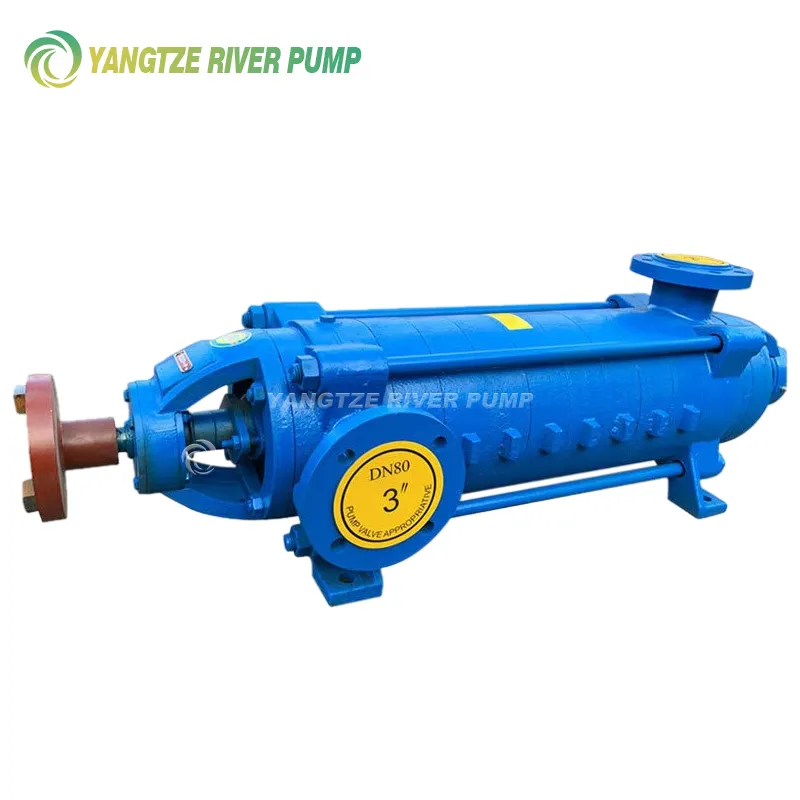
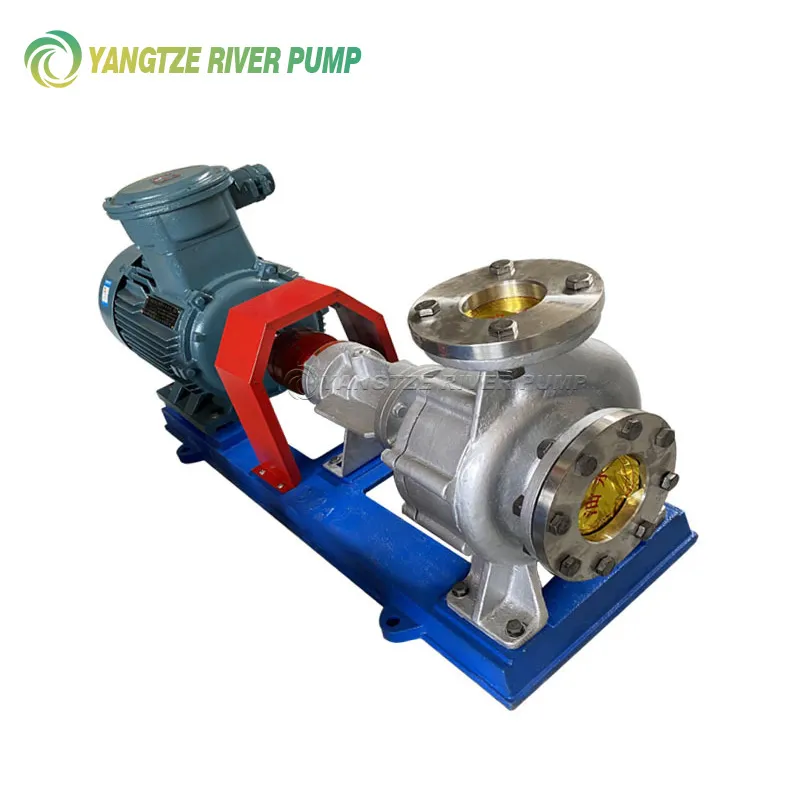

Best Sellingproducts
Best Selling Products-
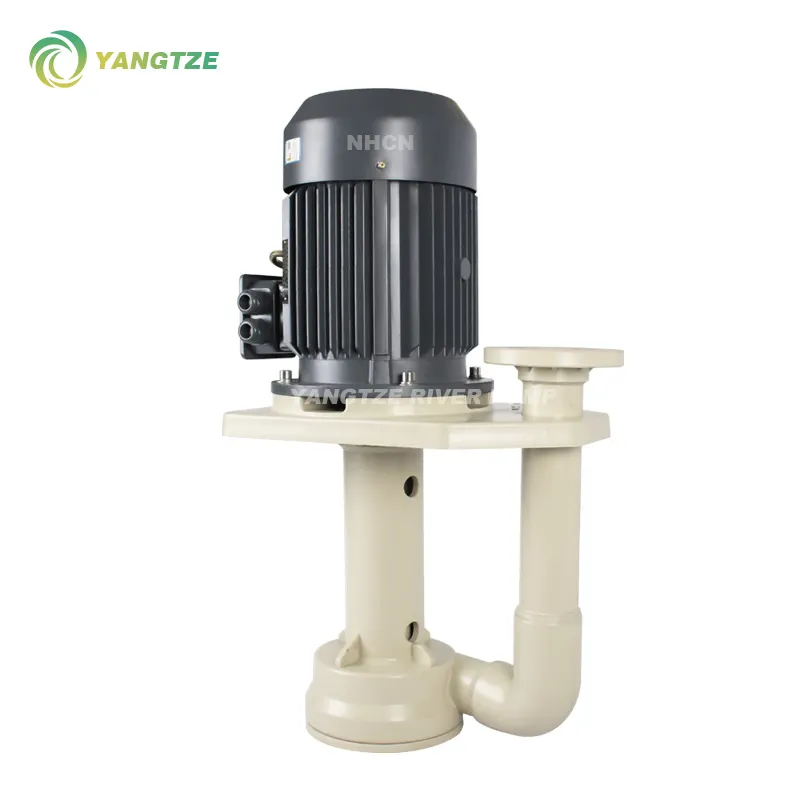 Vertical pumps for installation inside/outside tanks YZCN and YZCW
-
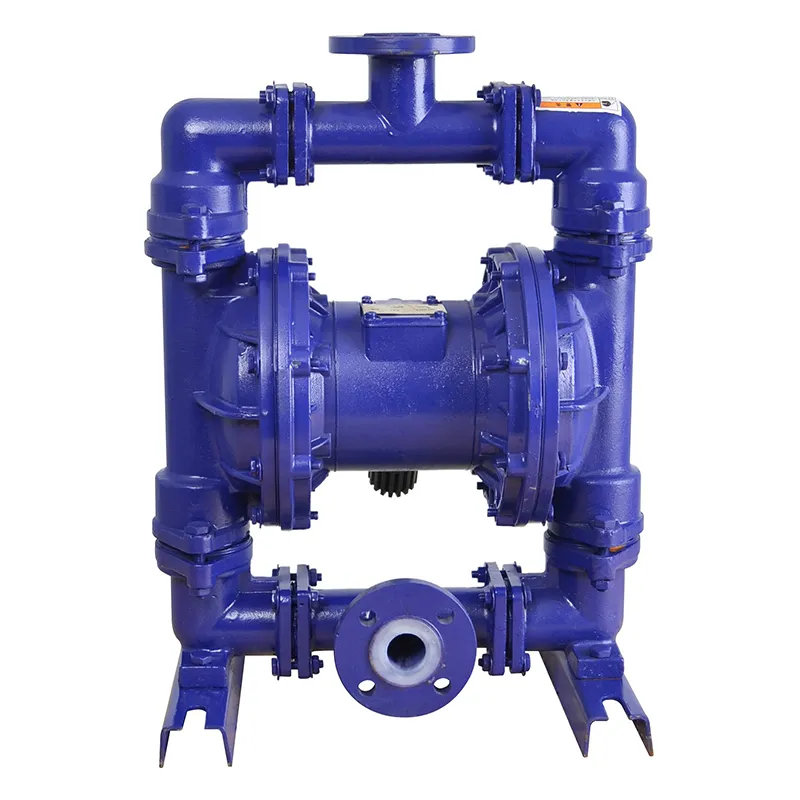 Metal pneumatic diaphragm pumps QBK
-
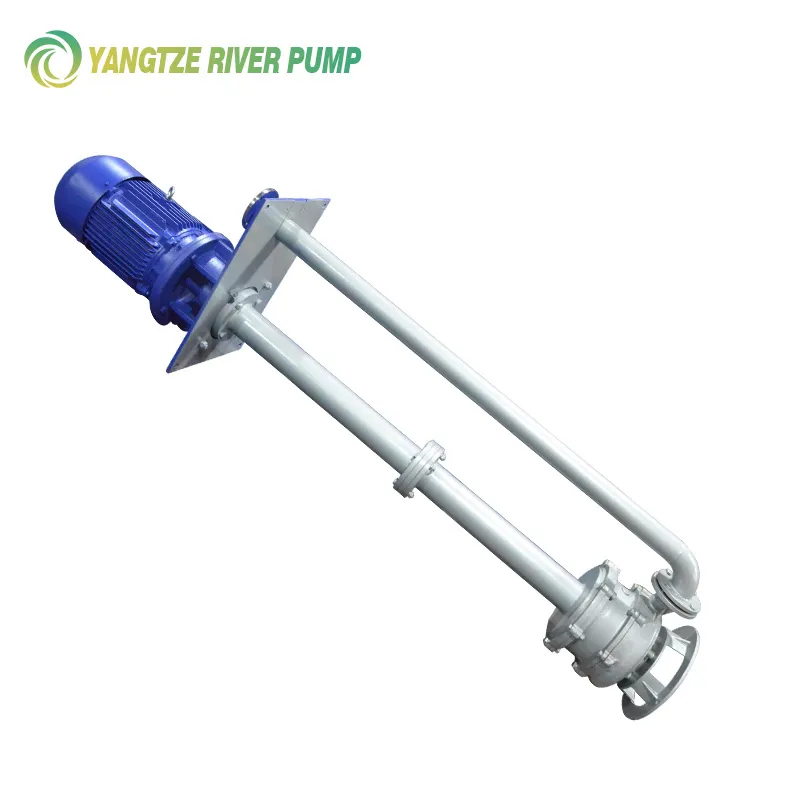 YW Vertical Submersible Sewage Pumps
-
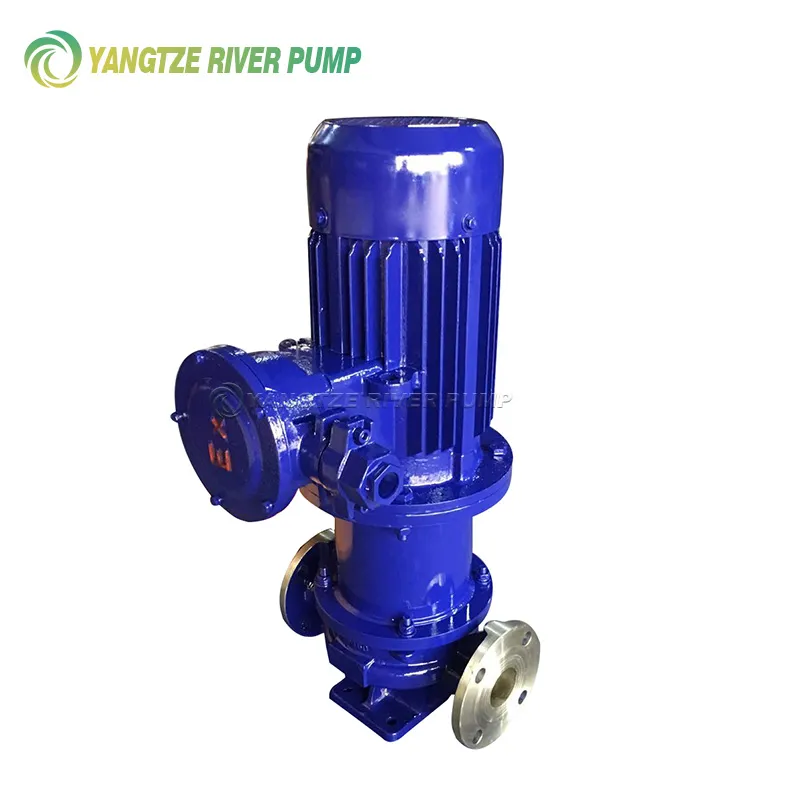 Vertical magnetic pumps CQB-L
-
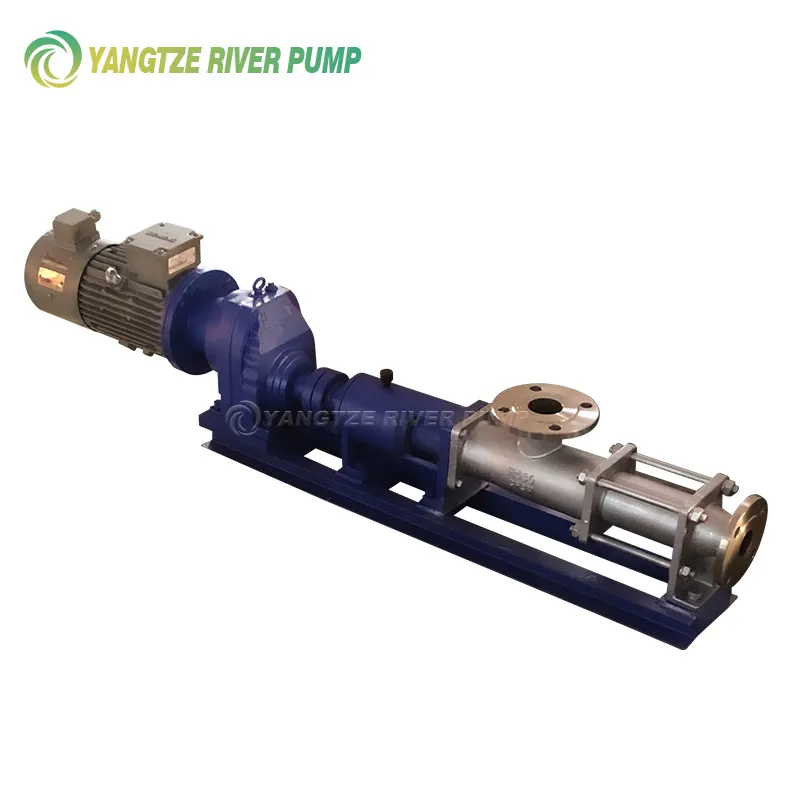 Geared screw pumps type G
-
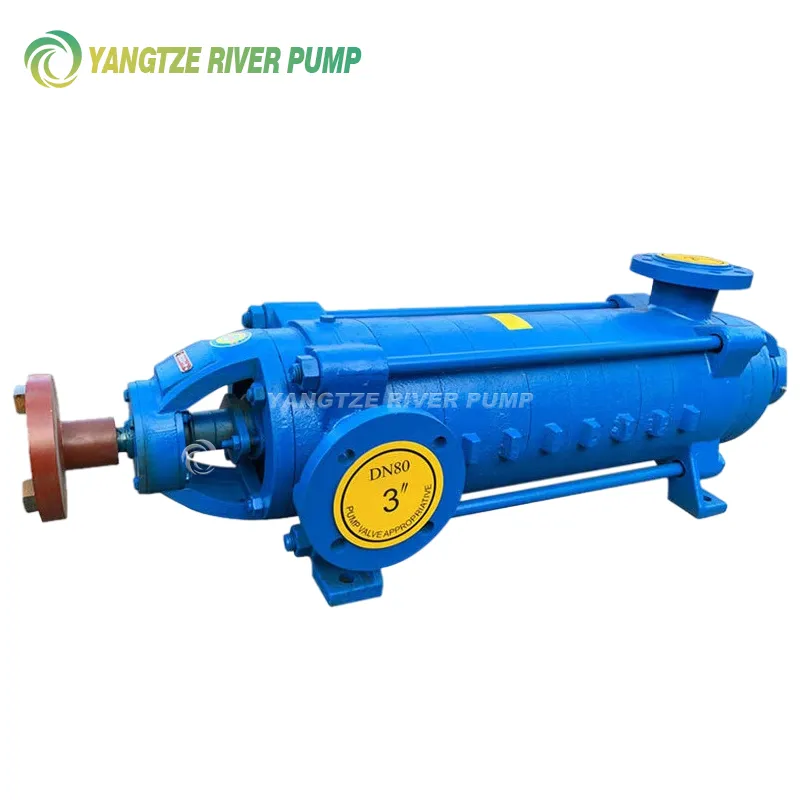 Horizontal multistage pumps for feeding DC boilers
-
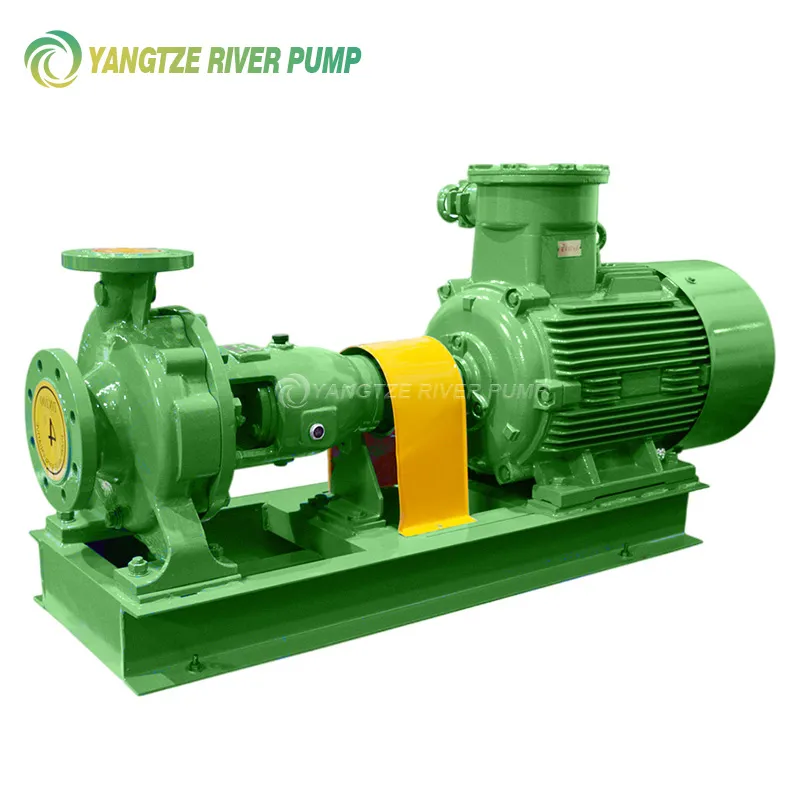 YCZ Chemical Process Pumps
-
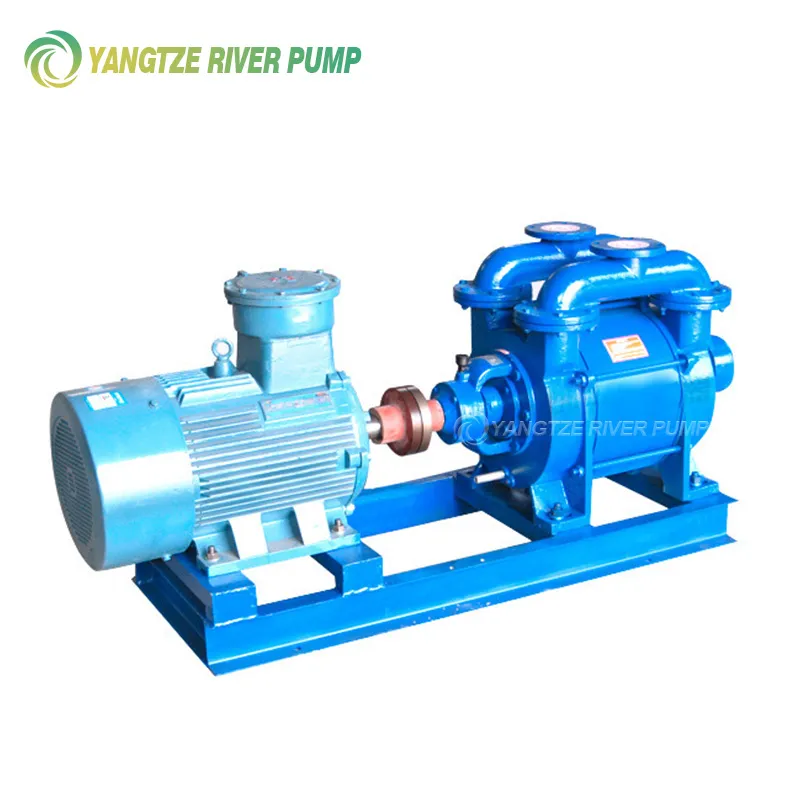 Liquid ring vacuum pumps type SK
-
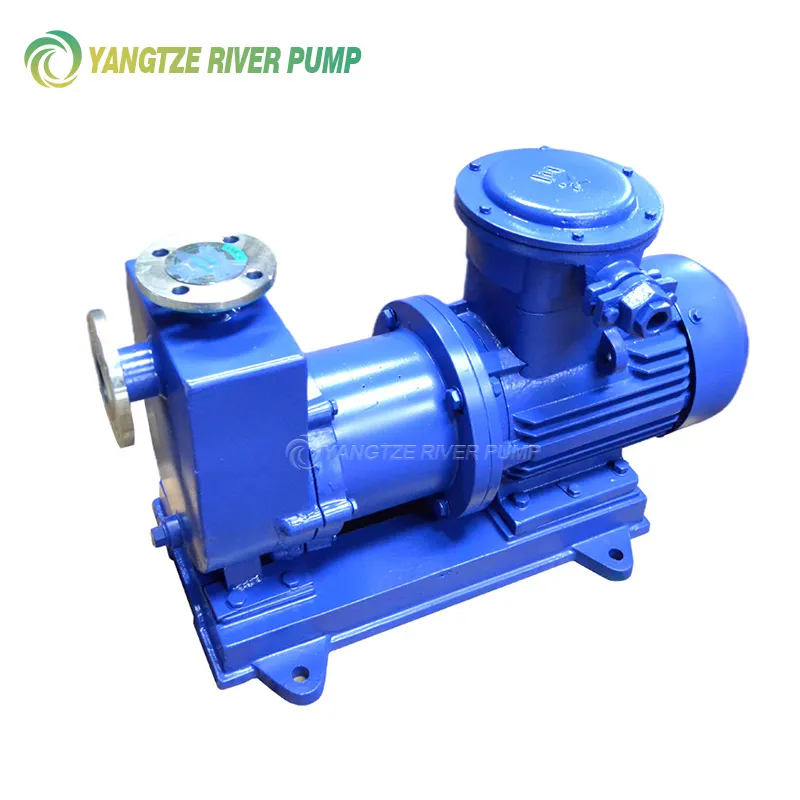 ZCQ Stainless Steel Self-Priming Magnetic Pumps
-
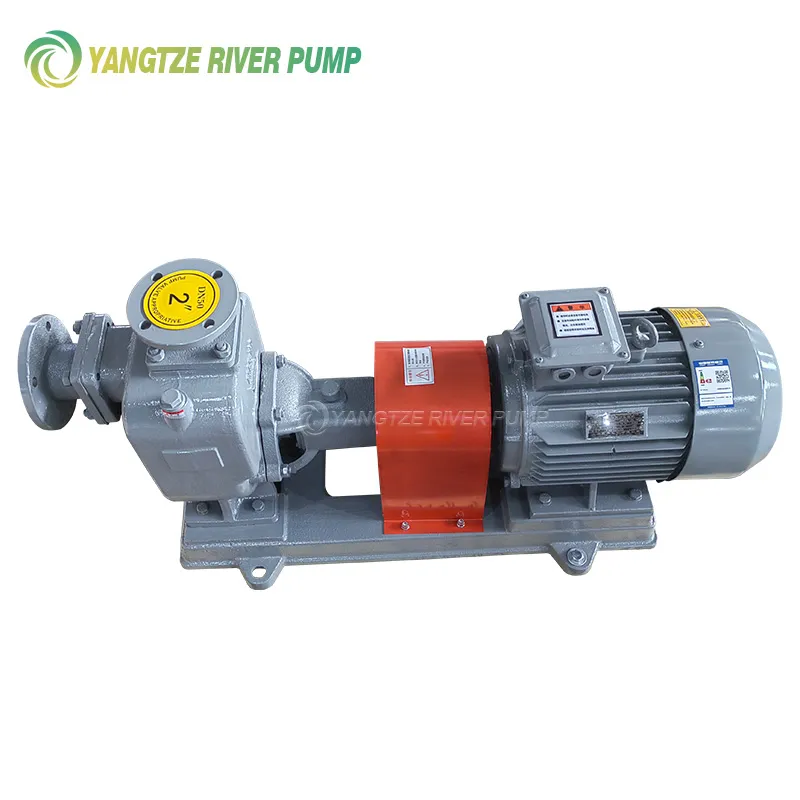 Non-clogging self-priming wastewater pumps ZW
-
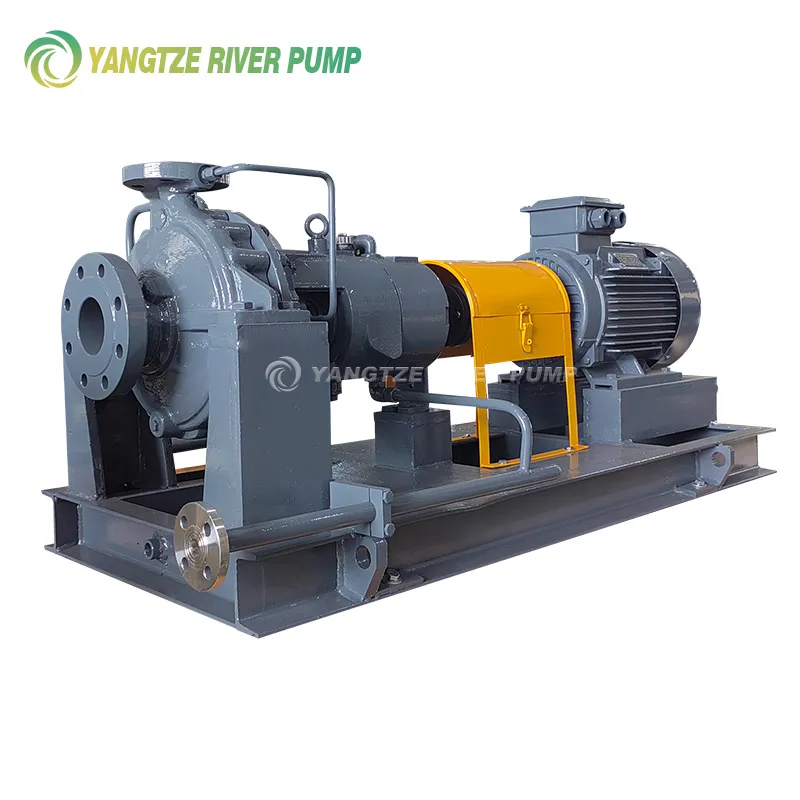 Petrochemical Process Pumps API 610 YZE
-
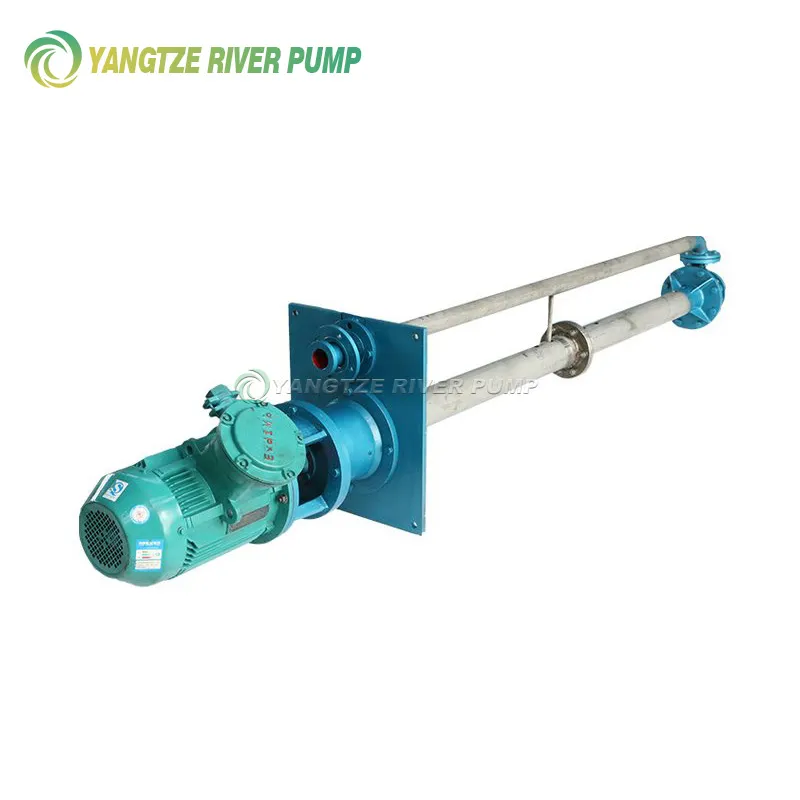 FY Submersible Chemical Pumps