







centrifugal pump 550W
When you hear “centrifugal pump 550W”, the first thing that comes to mind is a universal workhorse for pumping water. But this is where the main pitfall lies: many people think that such power is enough for everything, from watering the garden to maintaining pressure in a three-story building. In fact, 550 watts is not a magic number, but just a starting point. It all depends on the pressure and flow that a particular model can produce at these watts. I have seen many cases where people, chasing power, completely lost sight of the performance curves and ended up with a pump that either “strangles” them. system, or can barely handle the required volume.
Power is not the main indicator
Let's take, for example, the ruler fromZhejiang Yangzijiang Pumping Industry Co.,Ltd. They have a range of single-stage and multi-stage centrifugal pumps with approximately the same power. So, the difference is colossal. A single-stage 550 W will give you good flow, but relatively low pressure. Ideal for pumping large volumes of water from one container to another at low heights. But a multi-stage one with the same 550 watts is already a story about high pressure at moderate flow. It can already be considered for booster water supply systems. If you don’t understand this, it’s easy to make a mistake in your choice.
On their websiteyangtzeriverpump.ruit is clear that the company focuses on the full cycle - from R&D to testing. This is an important point. Because a pump that is simply assembled and a pump that has passed bench tests for the parameters stated in the passport are two big differences. For us who work at sites, passport data is sacred. The entire hydraulic system of the system is built on them. And when you see that the manufacturer checks everything himself, there is more trust.
I remember one incident with basement drainage. The client bought a ?powerful? pump for 550 W, but did not take into account that it needed not only to pump out the water, but also to supply it through a hose up to a slope, 5 meters high and a hose length of 30 meters. The pump worked at the limit, overheated and eventually failed. And all because they looked only at watts, and not at the H-Q graph. After this, I always first calculate the required pressure with a margin for losses in the pipeline, and then I look at the engine power.
Where are such units actually used?
From practice,centrifugal pump 550w- This is often the golden mean for private homes and small commercial properties. For example, for automatic water supply from a well or well with a small flow rate. Or for circulation in heating systems of medium-sized cottages. The key word is “average”. For a mansion on three floors with five bathrooms, this may not be enough.
Interestingly, Yangtzejiang also has linear centrifugal pumps in its product range. Structurally, they are more compact and are often mounted directly on the pipeline. For the same 0.55 kW motor, this can be an interesting solution when there is little space in the boiler room or technical room. But there is a noise factor here - you need to look at the build quality and rotor balancing. I personally encountered the fact that cheap linear pumps at such speeds begin to hum unpleasantly, especially at threaded connections with a pipe.
Another application is irrigation. For watering a large area from a pond or storage pool. But here it is important that the pump has a reliable seal or, better yet, a mechanical seal protected from sand and sediment. Otherwise, the abrasive will quickly kill the mechanics. In the description of their products I see plastic chemical pumps - this, of course, is for other environments, but the principle of the importance of protection from the working environment is universal.
Installation and operation errors that “eat up” power
Even a perfectly selected pump can be ruined during commissioning. The most common mistake is incorrect strapping. Installation without a check valve on the suction line if the pump is not self-priming. Or the use of pipes that are obviously smaller in diameter than the pump pipes. A 550-watt motor will try to produce the required parameters, working with overload, which leads to overheating of the windings and premature failure.
The second problem is “dry running”. For centrifugal pumps not designed for this purpose, running without water is a death sentence. The mechanical seal overheats and cracks, and the slip rings fail. Good manufacturers who are engaged in R&D, as stated in the company description, often include safety features in the design or at least give clear warnings in the instructions. But, alas, only a few read it.
I noticed that in the latest models from serious manufacturers, engines of this power are increasingly equipped with built-in thermal protection. This is a small but critical advantage. It can save the engine during a power surge or partial jam. When choosing, it is worth clarifying this point.
Comparison with other types in the same range
When you lookcentrifugal pump 550W, it’s logical to look at what else is on the market in this class. For example, vortex pumps. They can provide more head with the same power, but their efficiency is usually lower, and they are very sensitive to the purity of the pumped medium. For clean water it’s an option, for technical water it’s already a risk.
Or take submersible pumps, which the mentioned company also has. For a well, a submersible pump with similar power will often be more efficient, since it does not need to waste energy on suction. But this is a completely different story regarding installation and maintenance. A centrifugal surface pump is easier to maintain and repair, which is a decisive factor for many.
Self-priming models are a separate issue. They are useful when you need to frequently run a system that may contain air. But part of their power is always spent on maintaining the possibility of self-priming, therefore, other things being equal, their pressure and flow characteristics will be slightly more modest than those of a conventional centrifugal pump with the same engine. This must be clearly understood when designing the system.
Thoughts about reliability and resource
The reliability of a 550 W unit consists of three things: the quality of the hydraulic part, the quality of the electric motor and the quality of the assembly. Hydraulics is the material of the impeller and housing. For water with a neutral pH, cast iron is often sufficient, but if you have questions about the chemical composition, it is better to look towards stainless steel or those same plastic chemical pumps that the company produces.
The engine is better if it has an aluminum casing rather than a plastic casing; heat dissipation is better. Insulation class - not lower than F. Bearings - preferably with grease lubrication and protection from moisture. All these are little things that may not be indicated in the passport, but which determine whether the pump will work for 3 years or 10.
That is why the presence of a full production cycle, including testing, likeZhejiang Yangzijiang Pumping Industry Co.,Ltd, is not just a line in the company description. This is potentially a more predictable quality. When all stages are under one control, it is easier to track defects and refine the design. As a result, choosingcentrifugal pumpsuch power, now I always try to find out not only passport details, but also “biography” manufacturer: does he do everything himself or simply assemble it from ready-made components. This explains a lot in the final price and, more importantly, in the behavior of the equipment on site after a couple of years of active operation.
Correspondingproducts
Related Products

Best Sellingproducts
Best Selling Products-
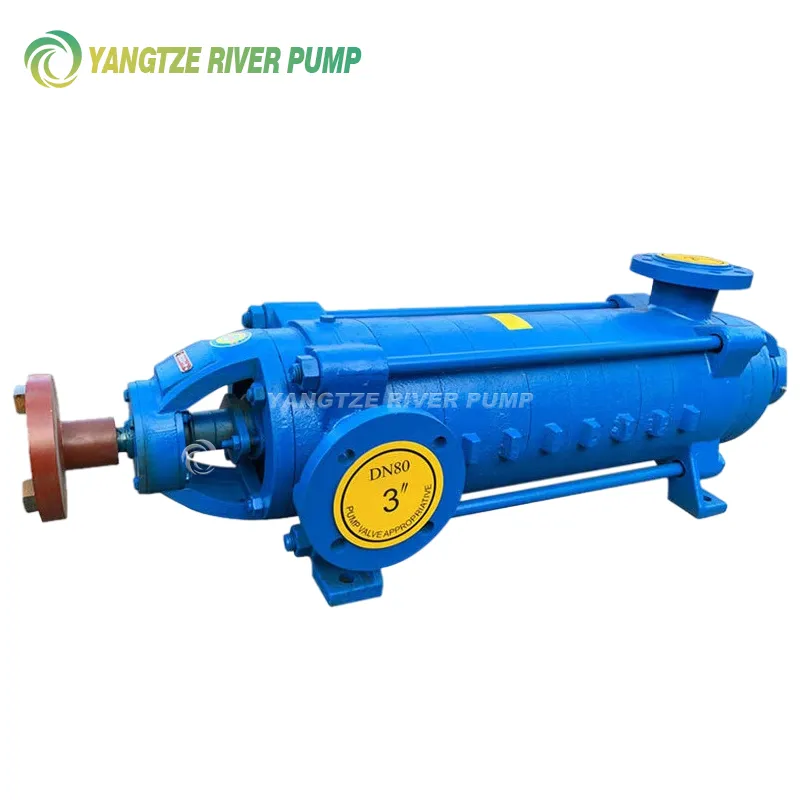 Horizontal multistage pumps for feeding DC boilers
-
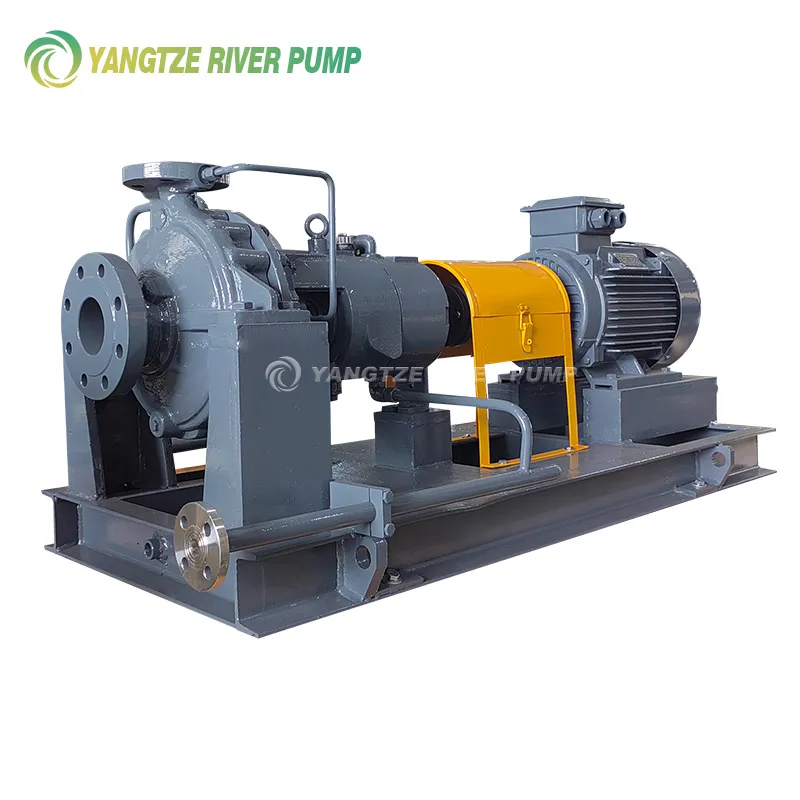 Petrochemical Process Pumps API 610 YZE
-
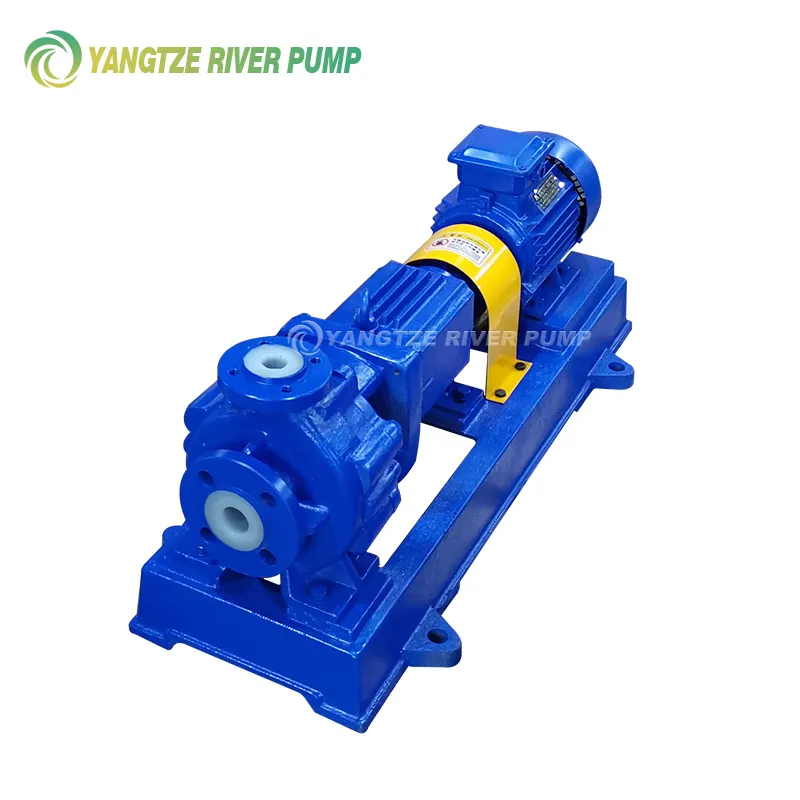 IHF PTFE Chemical Centrifugal Pumps
-
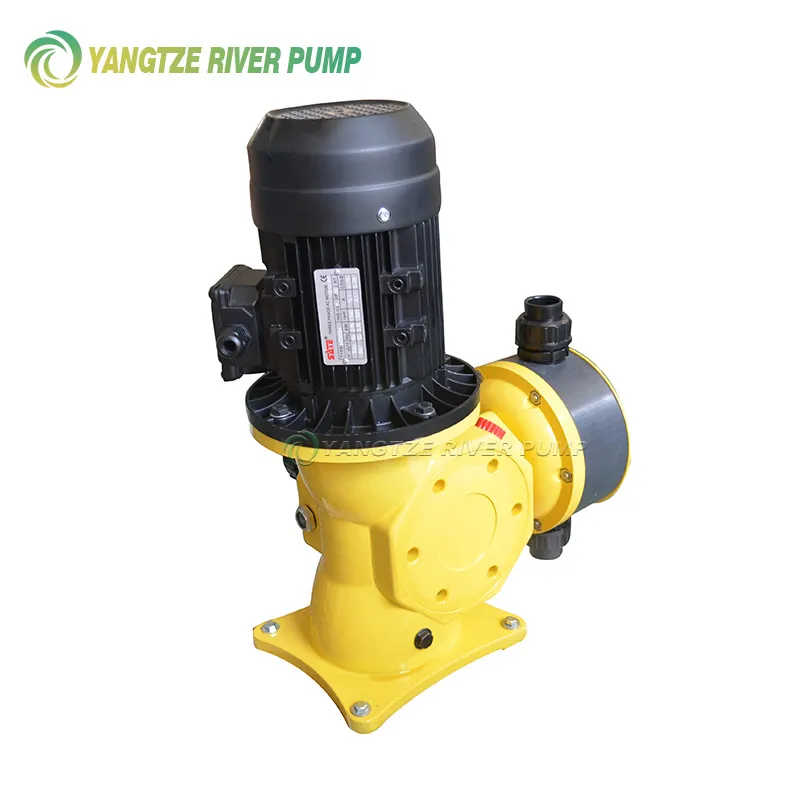 Mechanical diaphragm dosing pumps DJ-D
-
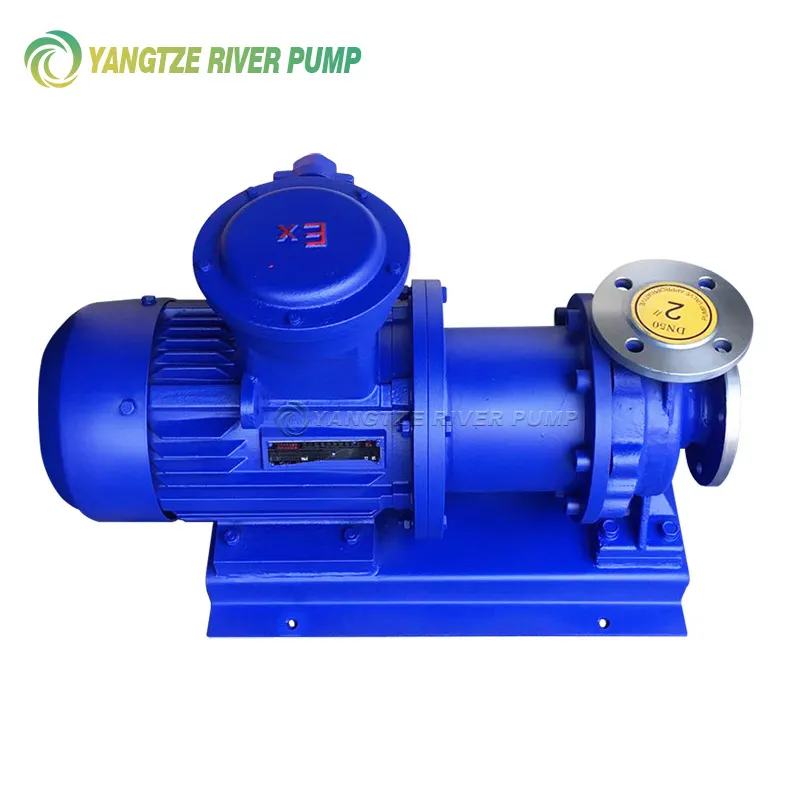 CQB Stainless Steel Magnetic Pumps
-
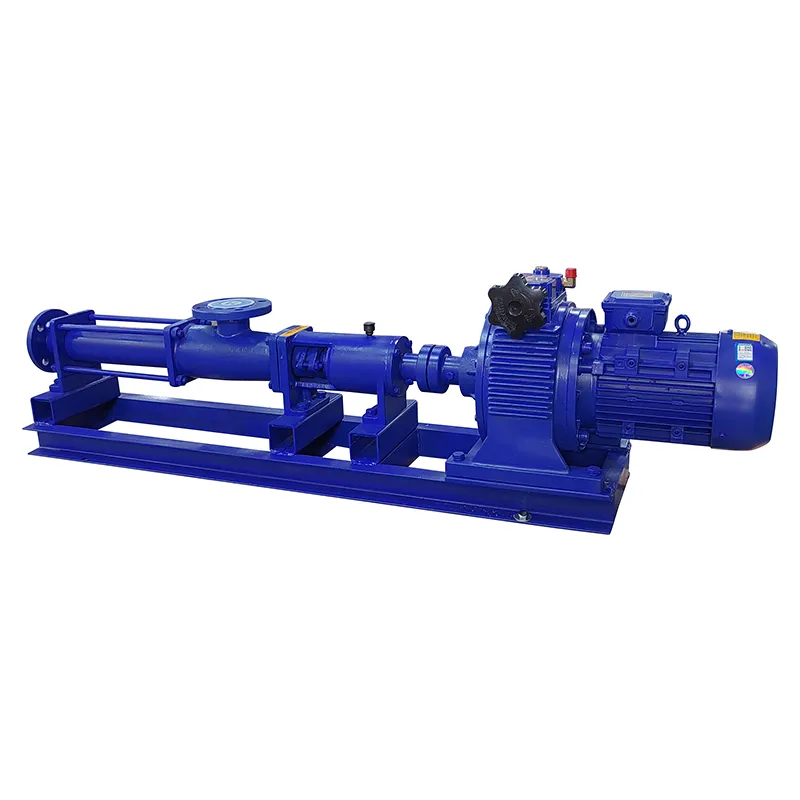 Infinitely variable screw pumps type G
-
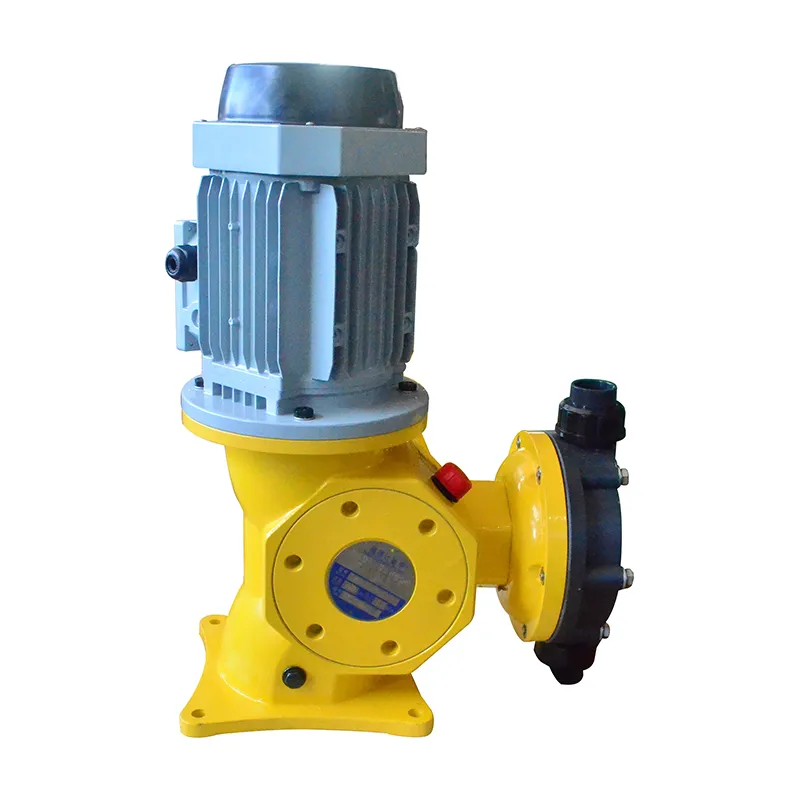 Mechanical diaphragm dosing pumps DJ-Z
-
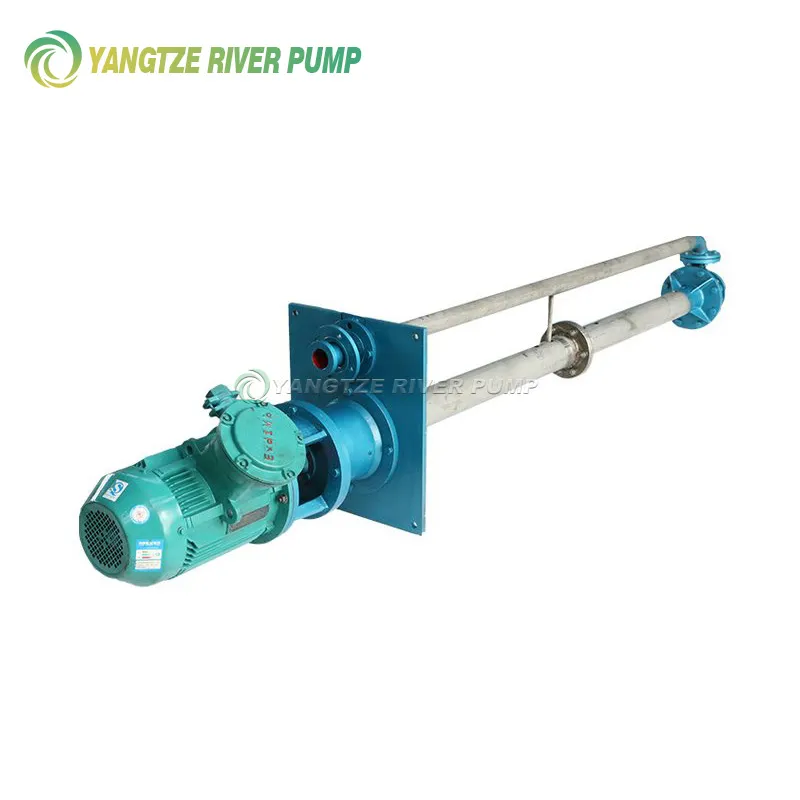 FY Submersible Chemical Pumps
-
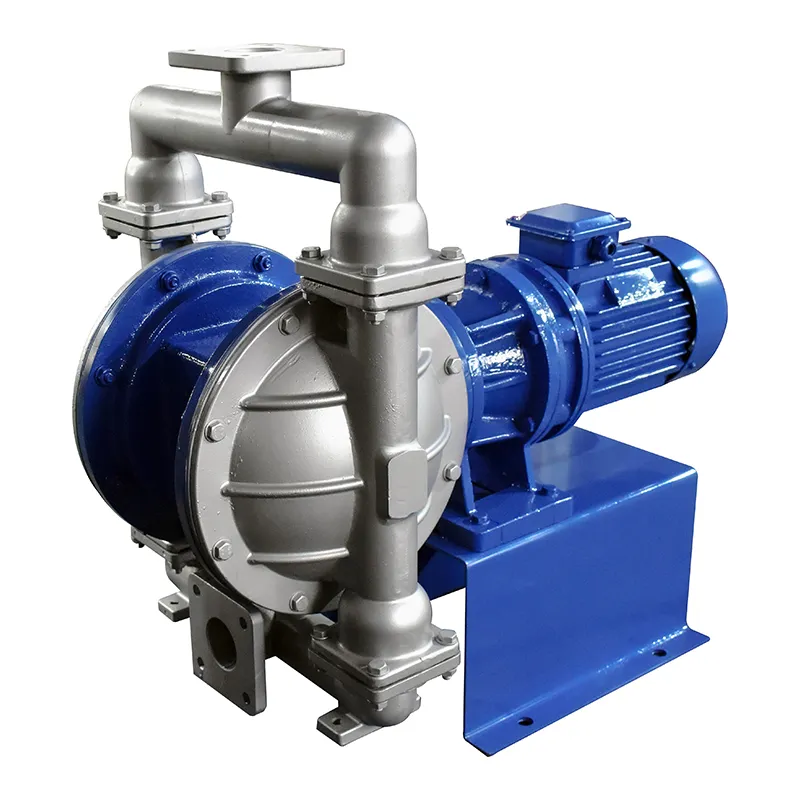 Metal electric diaphragm pumps DBY
-
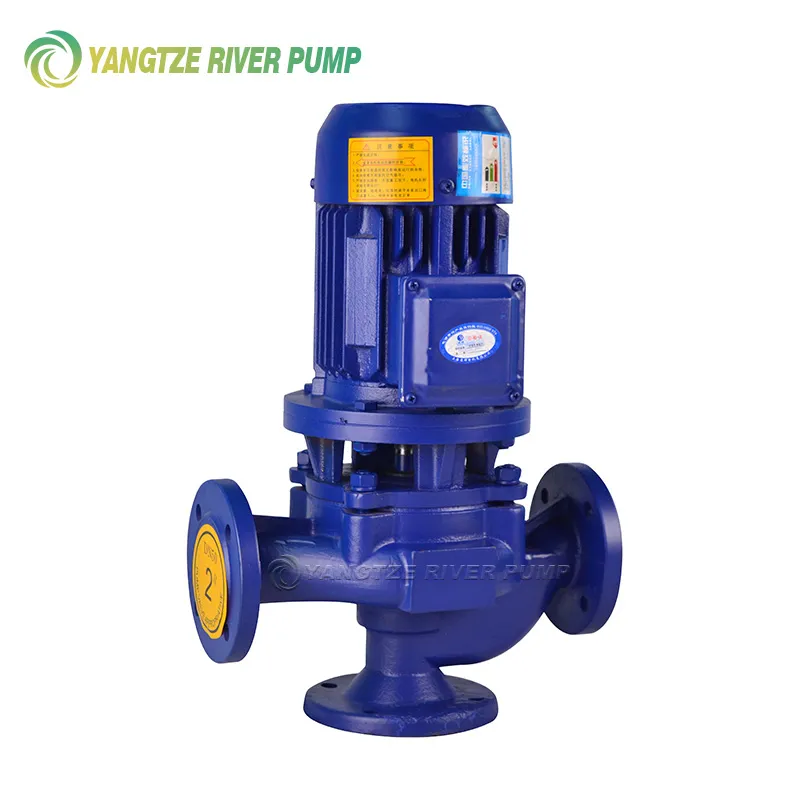 Pipeline wastewater pumps GW
-
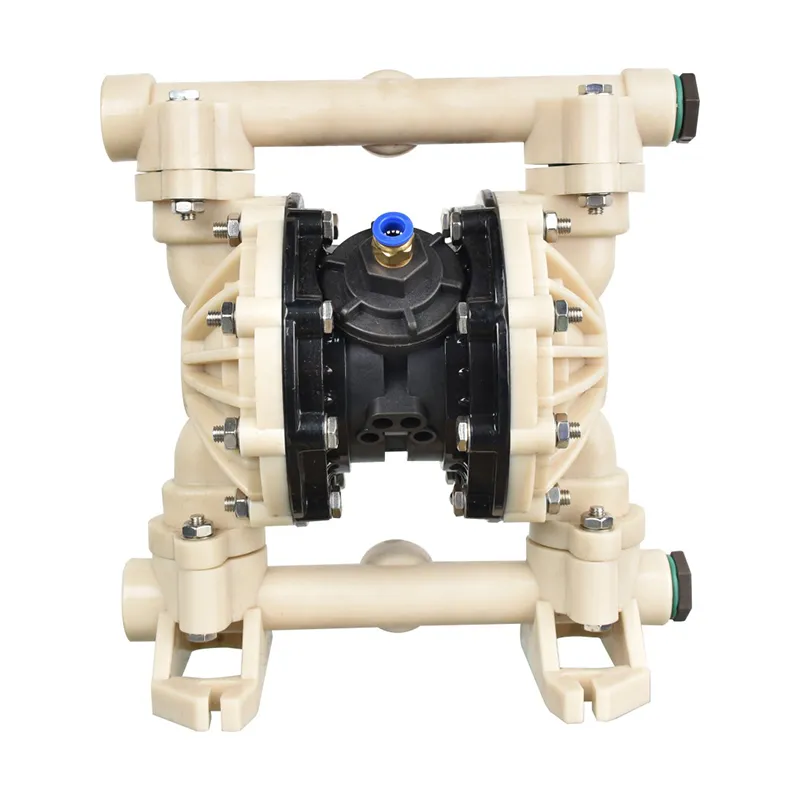 QBK Non-Metallic Air Operated Diaphragm Pumps
-
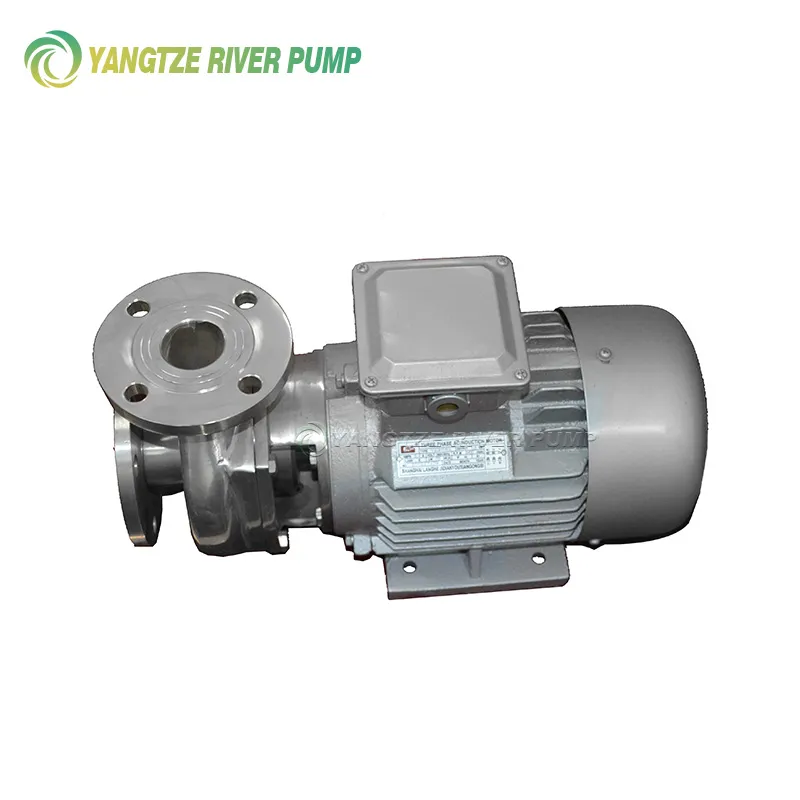 Corrosion-resistant stainless steel centrifugal pumps SFB and SFBX