







frequency-controlled booster pump
When they talk aboutfrequency-controlled booster pump, many immediately imagine some kind of panacea, a magic box that solves all problems with pressure. But in reality, they often put him in places where he is not needed, or expect from him what he cannot give. The main confusion is between stable maintenance of a given pressure and a simple increase in pressure. The frequency generator is precisely for maintenance, for smoothness, for saving when consumption changes. If you simply have a weak input pressure and need to constantly “tighten it up?” - sometimes a regular booster pump with a relay is enough. But if the loads fluctuate, then you can’t do without a frequency converter. At our production facility at Zhejiang Yangtzejiang Pumping Industry LLC, we went through this in practice, assembling and testing units at our own stands.
Where does frequency regulation really work, and where is it a waste of money?
The most striking example is the water supply system of a multi-storey building or hotel. At night the consumption is minimal, in the morning and evening there are peaks. A conventional pump with a hydraulic accumulator will constantly turn on and off at low flow rates, wearing out and creating pressure surges. Avariable speed pumpIt will simply reduce the speed and quietly maintain the required pressure in the system, without water hammer. Energy savings here can reach up to 30-40%; these are not advertising figures, but data from our test benches for pumping stations based on multistage centrifugal pumps.
But here is a case when it is not worth installing: a small store or office with one or two bathrooms. Water consumption is sporadic, the system is not branched. The frequency drive will run idle; its cost will never be recouped through energy savings. Most often, clients do not understand this; they want “the most modern?”. We have to explain that sometimes a reliable pressure switch is the best and most durable solution. As a manufacturer, we in Yangtzejiang are interested in selling more complex and expensive equipment, but honesty is more important in the long run - otherwise our reputation will be lost.
We had a story at one of the facilities - we installed a frequency-controlled station for watering a large park. It would seem logical: many sprinklers, different zones. But they did not take into account that the water was taken from an open pond, with a large amount of suspended matter. The frequency generator, lowering the speed, also reduced the ability of the centrifugal pump impeller to “grind?” small garbage. The result is frequent blockages. I had to redo the circuit, install an additional coarse filter and revise the operating algorithm so that the pump would not operate at minimum speed for long. This is the very case when theory collided with Russian reality.
Pump selection: why?with a margin? - this is bad
The most common mistake installers make is to use a pump that is more powerful than necessary. They say that it will definitely be enough. For a variable speed pump this is killer. If the operating point (the required pressure and flow rate) is in the left, far from optimal, part of the pump characteristic, the efficiency drops catastrophically. The frequency driver will be forced to “strangle” pump, reducing the speed to 20-30% of the nominal value. In this case, the engine may overheat, and the expected savings will not occur. When selecting for clients, we always request a consumption schedule, at least approximate.
In our production, we often recommend linear centrifugal pumps for such purposes. Their characteristic is flatter and they behave better over a wide range of regulation. Especially when it comes to clean water without abrasive. For technological lines where it is necessary to accurately dose the pressure, sometimes a multi-stage option is better suited - it gives high pressure with smooth adjustment. In the catalog on our website yangtzeriverpump.ru you can see both types, but without understanding the task it is difficult to choose the right one.
One of the key points that is often overlooked is tuning the PID controller in the frequency converter. Factory settings are average. If they are not adjusted to the inertia of a particular system (the length of the pipes, the volume of the accumulator), then the pressure will “float”: the pump will react jerkily to the opening of the tap. We had to go to sites where clients complained about instability, and the problem was two coefficients in the menu that needed to be changed from 0.5 to 1.2. This is no longer pump engineering, but fine tuning, but without it the whole point is lost.
What you have to face in real operation
In addition to selection, there are a lot of installation nuances. A pressure sensor, for example, cannot be installed immediately after the pump, where the flow is turbulent. You need to carry it several meters along a straight pipe, otherwise the readings will jump and the frequency operator will go crazy. Another story is electromagnetic interference. A cheap frequency converter can "clog" radio signals in the area, which in a residential building will immediately cause complaints. We try to use drives with EMC filters in our stations, but this makes the kit more expensive.
Winter operation is a separate issue. If the system is installed in an unheated room, you need to think not only about heating the pump itself, but also the electrical cabinet with the converter. Condensation damages boards. There was an incident in a boiler room where the cabinet was in a damp corner. Six months later the frequency switch failed. Disassembly showed corrosion on the terminals. Now we always negotiate the terms of placement.
And of course, service. Many people think that they put it “smartly”.frequency-controlled booster pumpand forgot. No. Bearings, seals or mechanical seals wear out, like any pump. The frequency converter only reduces the number of starts, which prolongs the life of the mechanical part, but does not eliminate its wear. In our company, the service department deals with such routine inspections so that the equipment, be it a magnetic pump for chemistry or a powerful submersible pump, works out its full service life.
Integration into modern systems and looking forward
Nowadays, people are increasingly requesting the ability to remotely manage and monitor. The frequency converter is a ready-made unit for such integration. Through it you can transmit data on energy consumption, operating time, and current pressure. For industrial facilities where accounting is important, this is invaluable. We at Yangzijiang Pumping Industry have started to offer optional installation of communication modules for the main models of our stations. This is no longer just a pump, but a “smart” element. systems.
An interesting direction is the use of such pumps in conjunction with solar panels for autonomous water supply. Frequency control allows you to flexibly adjust the pump's operation to changing power from solar panels, avoiding their overload or inefficient use. Our self-priming pumps with frequency control for wells have performed well here.
Looking to the future, I think the meaningfrequency regulationwill only grow. But not as an end in itself, but as a tool for precise, economical and gentle flow control. The main thing is not to chase fashion, but to clearly understand the task. As a manufacturer that controls the full cycle from R&D to testing, we see that reliability and adequate selection are always more important than the most advanced features. Ultimately, the pump should do its job simply and for a long time, and not be admired because of a fancy control unit.
Final Thoughts: Simplicity vs. Complexity
To sum it up, I would like to say that a variable speed pump is an excellent tool. But a tool for specific tasks. Its magic is its adaptability. It does not create water or create pressure out of nowhere, it only optimally distributes the energy spent on their movement. Our company's arsenal includes simple single-stage centrifugal pumps and complex multi-stage units with frequency control. And the choice always depends on the technical specifications, and not on the desire to sell something more expensive.
Experience filled with bumps at various sites, from chemical plants (where plastic chemical pumps were produced) to high-rise residential complexes, teaches one thing: there are no universal solutions. There is competent engineering. And if they promise you that one specificpressure booster pumpwill solve all problems - you should be wary. More often than not, the solution lies in a comprehensive system analysis rather than in a magic box with a display.
Therefore, our approach at yangtzeriverpump.ru is not just to sell equipment, but to help you select it. Yes, sometimes at the expense of immediate benefit, when we discourage excessive complexity. But in the long run it builds trust. And in our business, where equipment works for years, trust is the main asset. After all, a quietly and stably operating pumping station somewhere in a boiler room is a better advertisement than any loud words about technology.
Correspondingproducts
Related Products



Best Sellingproducts
Best Selling Products-
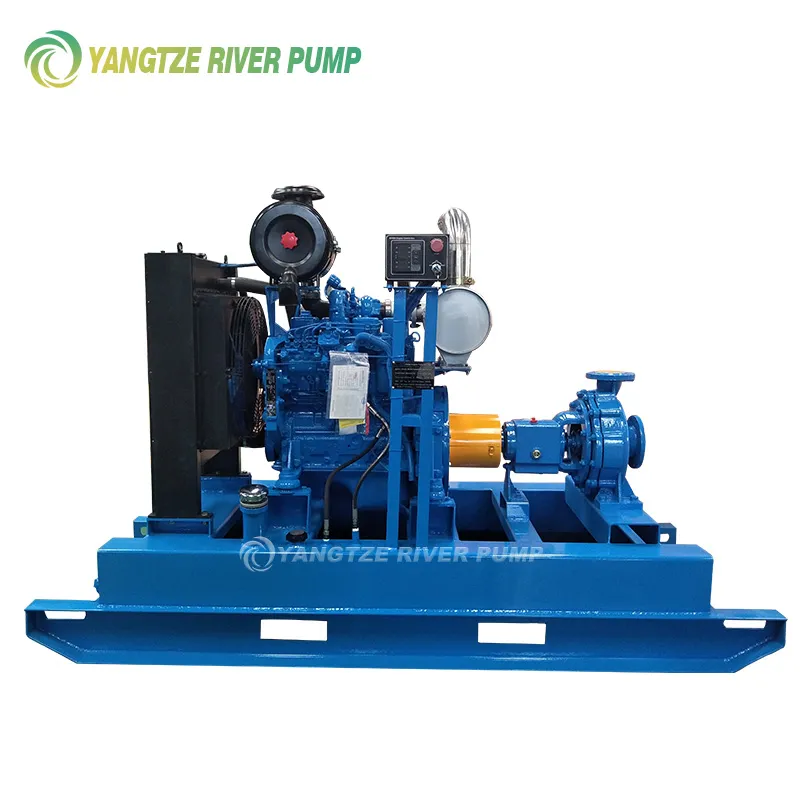 YZIS Diesel Single Stage Centrifugal Pumps
-
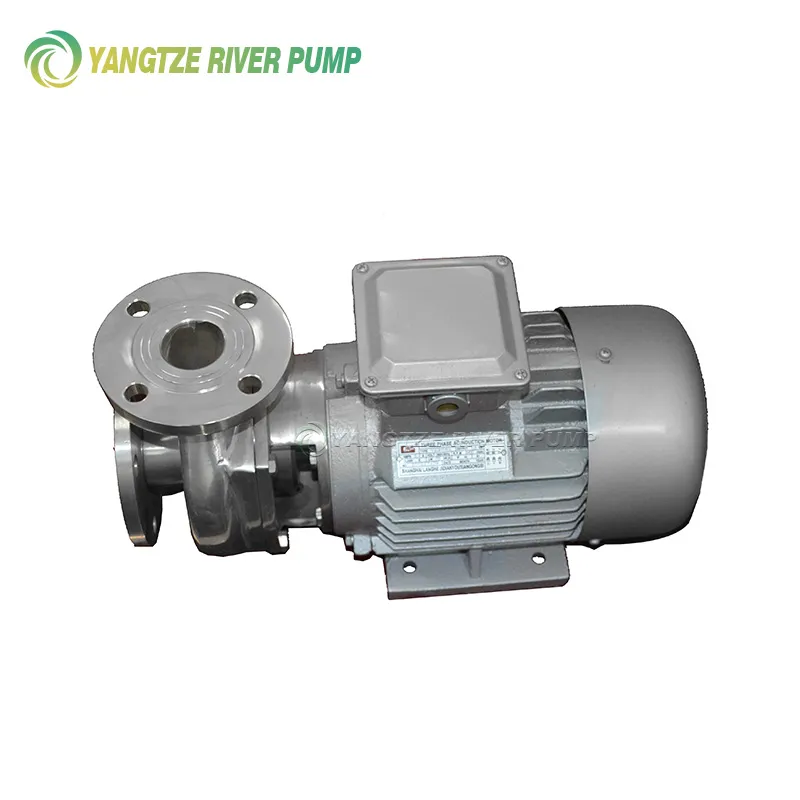 Corrosion-resistant stainless steel centrifugal pumps SFB and SFBX
-
 Metal pneumatic diaphragm pumps QBK
-
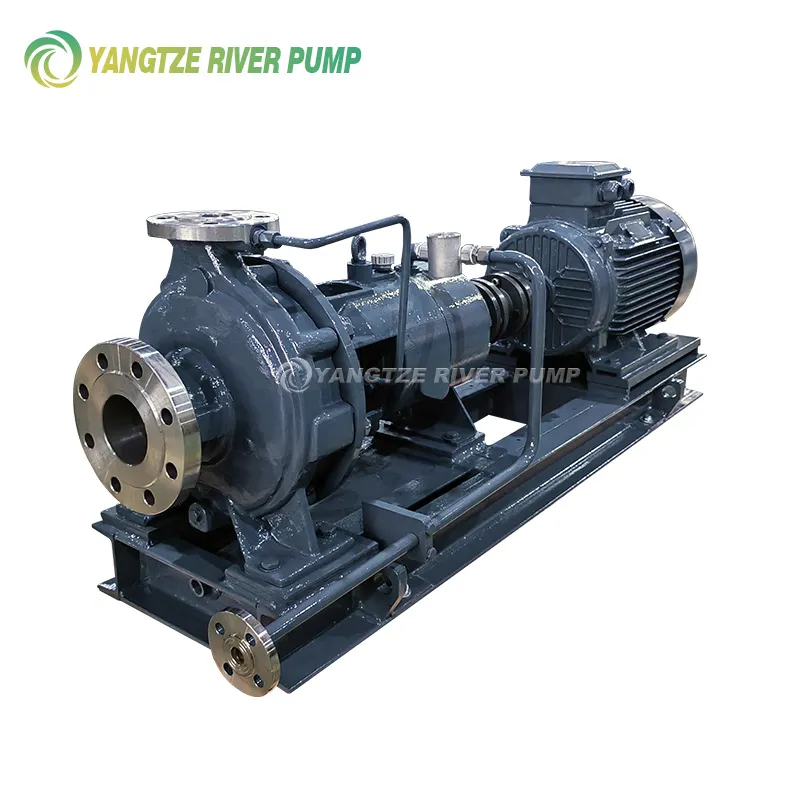 Petrochemical Process Pumps API 610 YZA
-
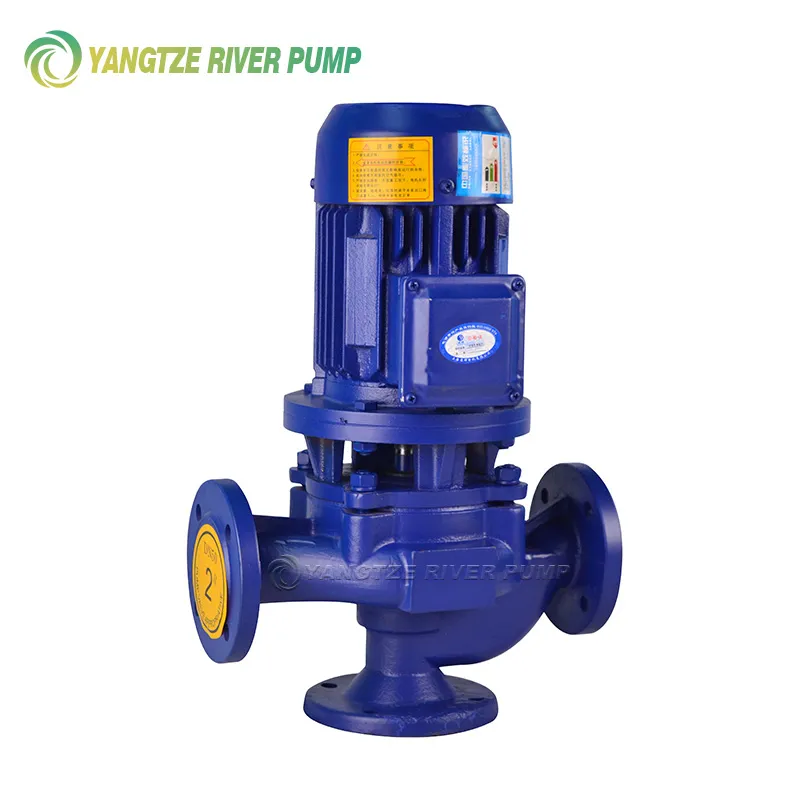 Pipeline wastewater pumps GW
-
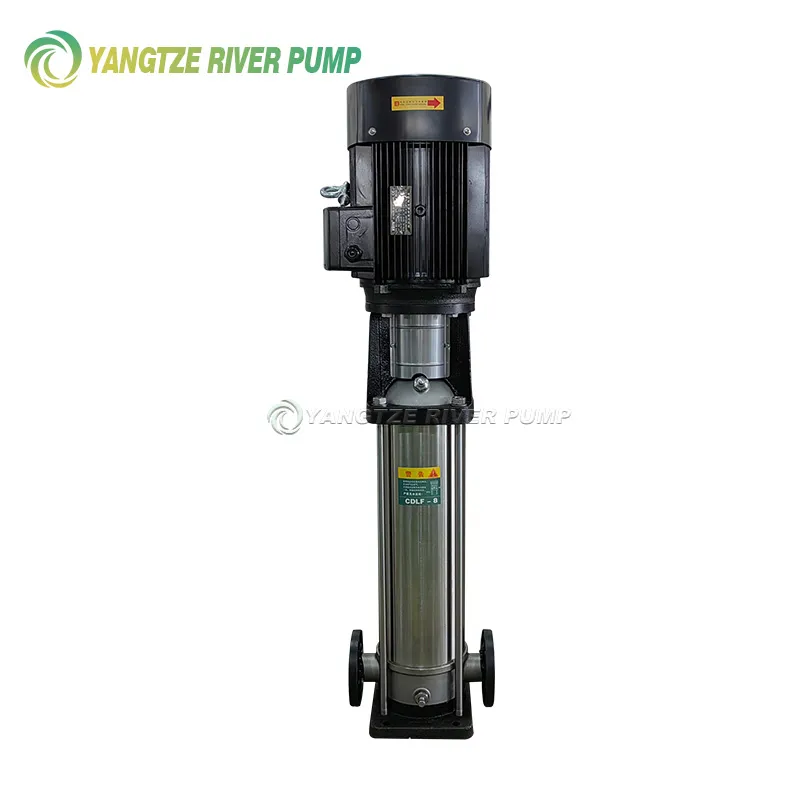 Vertical multistage centrifugal pumps made of stainless steel (light series) CDL and CDLF
-
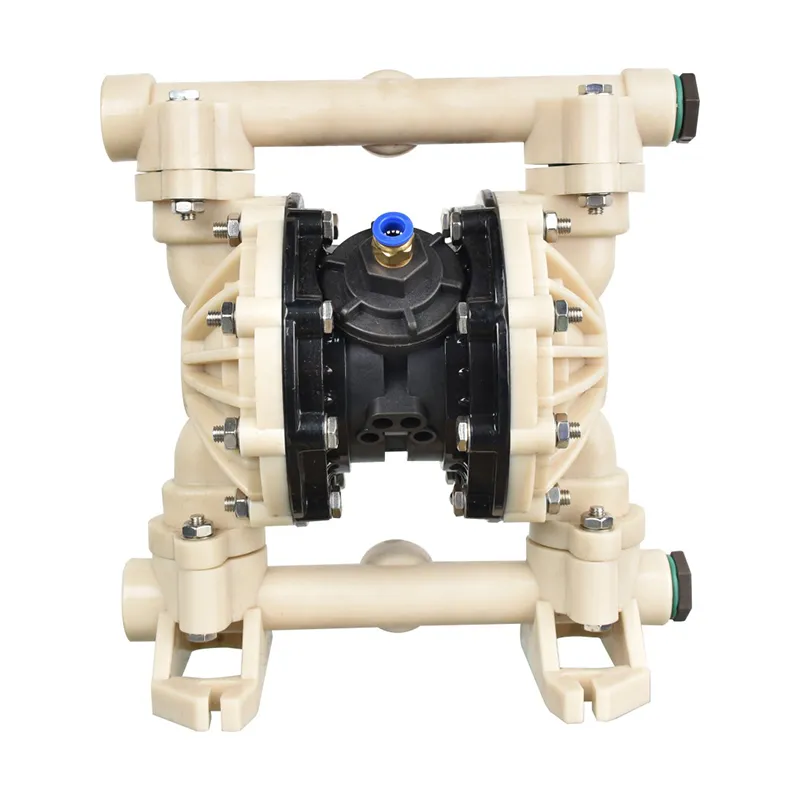 QBK Non-Metallic Air Operated Diaphragm Pumps
-
 IH Stainless Steel Chemical Centrifugal Pumps
-
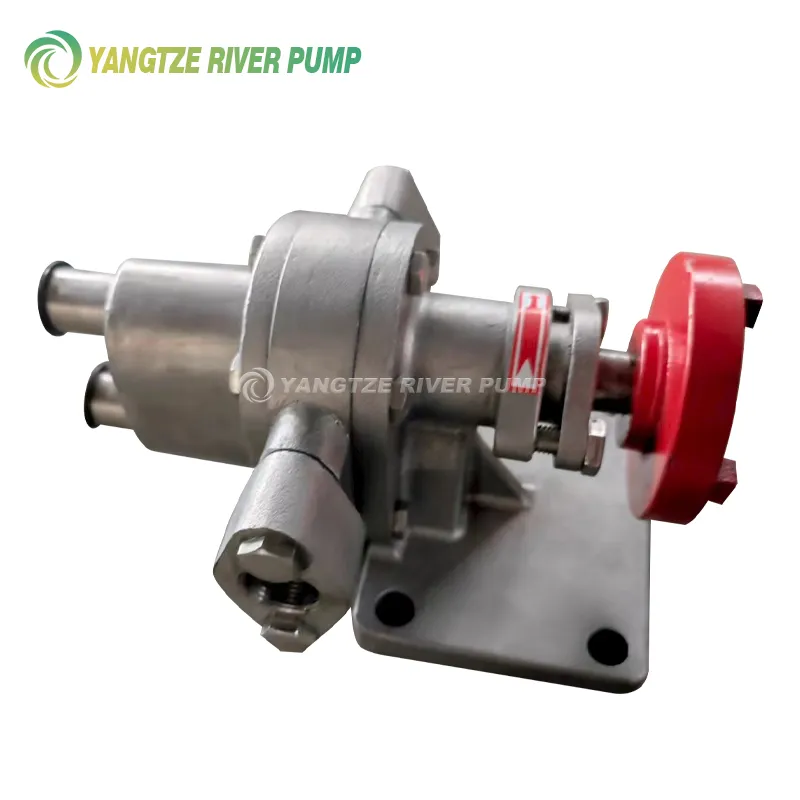 Gear oil pumps type KCB
-
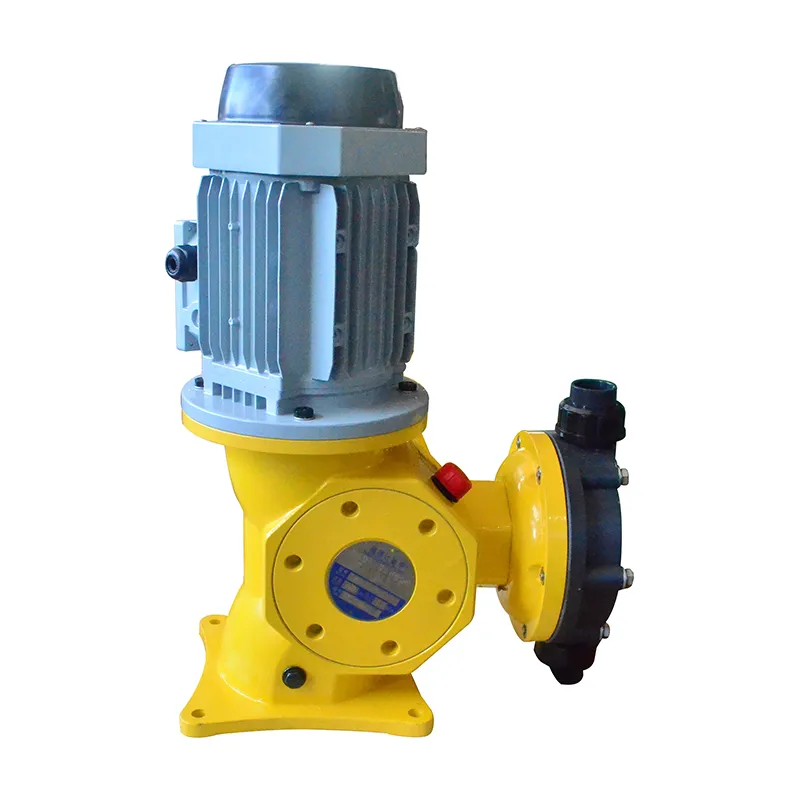 Mechanical diaphragm dosing pumps DJ-Z
-
 Non-clogging self-priming wastewater pumps ZW
-
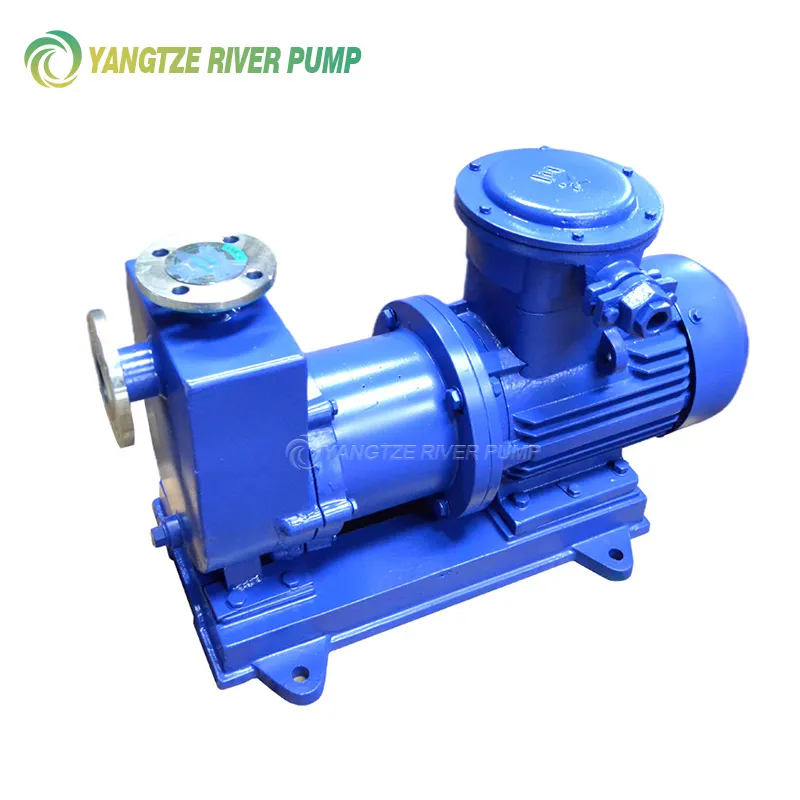 ZCQ Stainless Steel Self-Priming Magnetic Pumps
Relatedsearch
Related Search- centrifugal pumps 4 kW
- vacuum pumps 2 stage
- semi-submersible pump for petroleum products
- oil supply vacuum pump
- CDL Vertical multistage centrifugal pumps made of stainless steel (light series)
- deep-well pumps with a diameter of 50
- screw water pump
- buy a centrifugal water pump
- IH Stainless Steel Chemical Centrifugal Pumps
- waste water drainage pump