







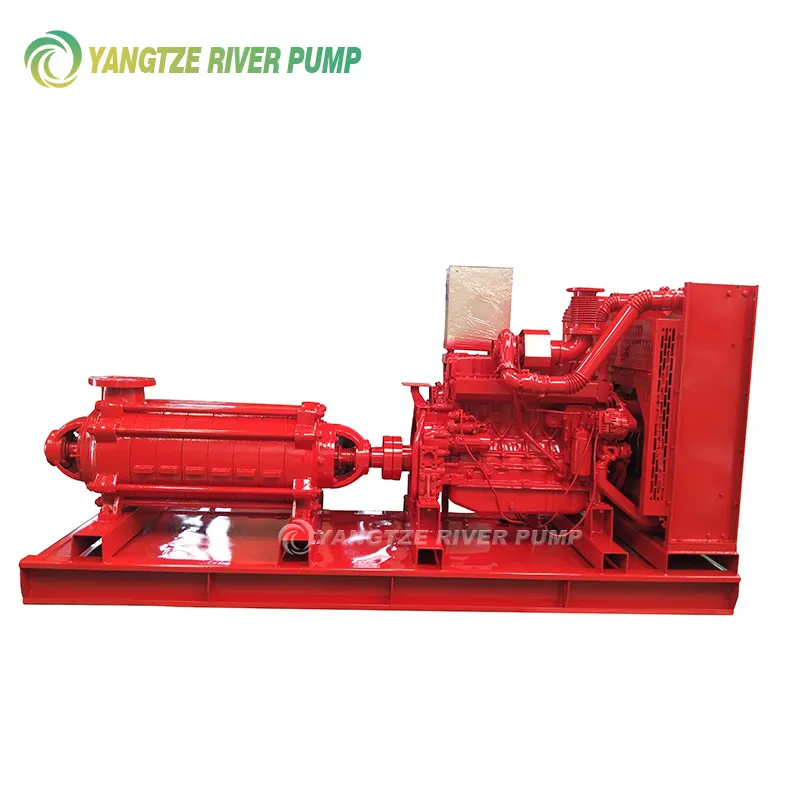
multistage surface centrifugal pump
This is what they often argue about at sites when it comes tomultistage surface centrifugal pump. Many people immediately imagine just a “powerful pump,” but the point is not in the power itself, but in how it is achieved. Each stage is not just an increase in pressure, it is also a story about balance, about cavitation, about how the shaft seal will behave after six months of working with water that contains suspension. In ourZhejiang Yangzijiang Pumping Industry Co.,LtdWe have our own view on this topic, developed along eight complete lines - from R&D to service.
Design: where is the ?but?
When you collectmultistage surface centrifugal pump, it seems that the main thing is the accuracy of fit of the impellers on the shaft. And this is true, but only half the truth. The second half is thermal gaps. I remember one batch for an irrigation system in the Krasnodar region... Summer, the temperature on the surface was below 40, the metal expanded differently than we expected in the laboratory at 20 degrees. The result is light mashing at the last stage under load. The client did not complain about a drop in pressure, but about increasing noise. Here it is, the moment of truth: the design should take into account not the passport data, but the real place of work.
That's why on our websiteyangtzeriverpump.ruIn the product section, we don’t just list the models, but emphasize that tests are carried out on stands that are as close as possible to the customer’s conditions. This is not marketing, this is a necessity. Because the difference in behavior between, say, pumping clean water from a well and supplying process water with sand is colossal, and a multi-stage design is most vulnerable here.
By the way, about the steps. They often think: the more there are, the better. But after the 8th stage, the increase in efficiency is already negligible, and the complexity of assembly, shaft length and vibration risks grow exponentially. For most water supply tasks or increasing pressure in high-rise buildings, 4-6 stages are optimal. This is the golden mean that we have learned from dozens of projects.
Materials and real environments
304 stainless steel is the standard, but it is not universal. For aggressive environments encountered, for example, chemical pumps, 316L or even alloys with a high molybdenum content are needed. But in the case ofmultistage surface centrifugal pumpFor utilities, it often makes no sense to overpay for expensive alloys for all parts. The principle of reasonable sufficiency works here: the shaft and impellers are made of stainless steel, and the body parts are made of high-quality cast iron with a reinforced coating.
We had experience in supplying pumps for a cottage community near Moscow. The water from the artesian well was, according to analyses, ideal. Six months later - a call: a drop in productivity. One copy was dismantled on site. Inside there are deposits of hardness salts, and not evenly, namely on the blades of the impellers of the first stages, where the flow speed and pressure change most dramatically. We had to develop a protocol for washing with citric acid right on site, without dismantling. Now this case is part of the instruction manual for such conditions.
Therefore, now in production, for multi-stage models going to regions with hard water, we immediately offer an option - wheels with a polished surface. This slightly increases the cost of the product, but radically reduces the likelihood of salt deposits in the first year of operation.
Assembly and ?curse? alignment
The most critical stage. You can have perfect parts, but if the assembly in the workshop is done by eye? or on outdated stands, the full potential of the design comes to naught. A multistage pump is a long line of shaft with several discs mounted on it. A misalignment of even half a hundred fractions of a millimeter at the second stage towards the end of the shaft will turn into a runout that will eat up both the mechanical seal and the bearings.
We have a German laser alignment center on our production line. But technology is technology, and the human factor does not go away. Our senior assembly master can tell by his eyes whether he is “singing”? Is the assembled rotor being tested or is it just “working?” This only comes with experience assembling hundreds of units. We even once tried to fully automate this section, but we refused. The machine does not feel the wheel seating on the key, nor does it hear a slight grinding noise when pressed.
That is why the companyZhejiang Yangzijiang Pumping Industry Co.,LtdThe multistage pump assembly line is a separate workshop with the most experienced personnel. And the final load test for 2 hours is not a formality. We take data on vibration at three points, on bearing temperature, and these graphs go into the product passport. The client can then compare them with measurements at his site.
What the client encounters on site
A common story is poor selection. The customer wants high pressure, and is offered a multi-stage pump with maximum pressure. But at the same time they forget to ask about the expense. And the pump reaches operating mode at a certain point in the characteristics. If it is forced to operate at low flow but with high pressure (for example, with the outlet valve almost closed), it will begin to overheat. The energy does not go into the flow, but remains inside, heating the body and liquid. In the case of water, this can lead to cavitation even in the last stages.
One of our installers told how he was called to a bakery. There was our own 5-stage pump for supplying water to the washing drums. Complained about noise. It turned out that the technologists changed, the flow rate dropped by half, but the pressure was left the same by tightening the valve. The pump was “choking?”. The solution was not to repair the pump, but to change the operating mode of the system - installing a frequency converter. After this, the noise went away and energy consumption decreased by 30%.
Hence the conclusion: selling is not shipping the box. This is a consultation. On our website in the description for eachmultistage surface centrifugal pumpNow there is not just a schedule, but a recommendation area of work, highlighted in green. And we always ask the client’s technologists to send us a daily consumption schedule.
Service: what actually breaks
If the pump is selected and installed correctly, then the main wear item is the mechanical shaft seal. In multi-stage models, the pressure on it is higher, therefore the requirements for the quality of the seal and the cleanliness of the pumped medium are stricter. In 80% of cases, premature failure is associated precisely with the entry of abrasive particles into the seal friction pair.
We have tried a bunch of suppliers of these nodes. We settled on a German manufacturer, but with one caveat: for media with possible impurities, we install seals with a self-cleaning ceramic pair and an additional flushing chamber. This increases the cost, but significantly extends the life of the pump between maintenance.
Another point is the bearings. Their overheating is often a consequence not of their quality, but of distortions when installing the pump on the foundation slab. It would seem banal. But how many times have I seen how installers, in a hurry, tighten the mounting bolts without a torque wrench, distorting the frame... Then the client pays for replacing the bearings, although the fault is not in the production. Now in the delivery set we include a diagram with the order and tightening torque of the foundation bolts. It's a small thing, but it works.
In general, if we summarize the experience, thenmultistage surface centrifugal pumpis a precision tool. It is not suitable for all tasks. But where stable high pressure is needed with relatively compact dimensions, there are no alternatives. And the success of his work is always the synergy between competent production, honest selection and careful editing. Everything else is a path to unnecessary spending and disappointment. And our task as a manufacturer is to ensure that the client does not go through this path.
Correspondingproducts
Related Products

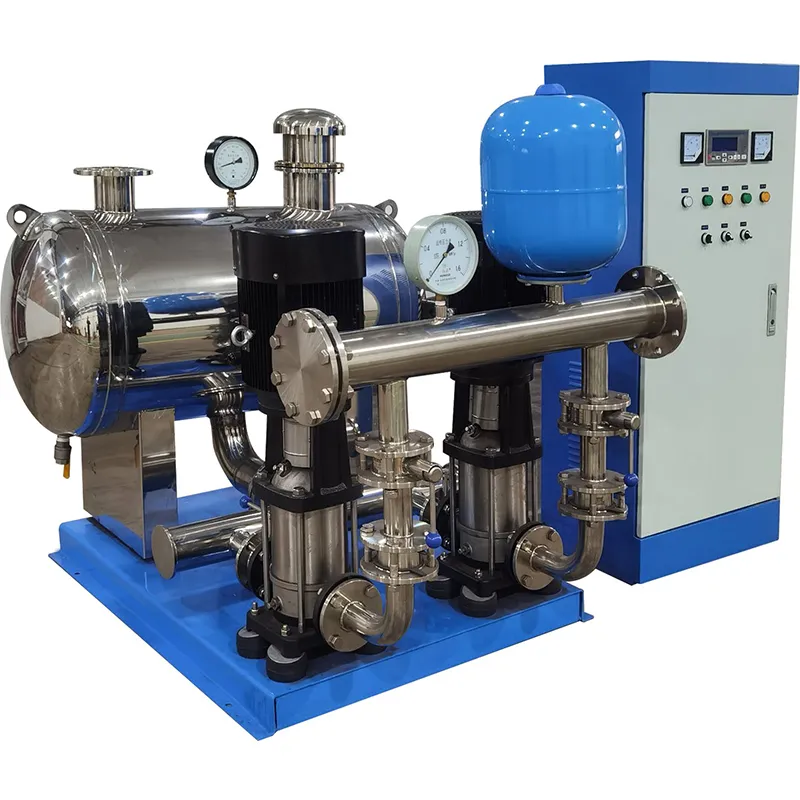

Best Sellingproducts
Best Selling Products-
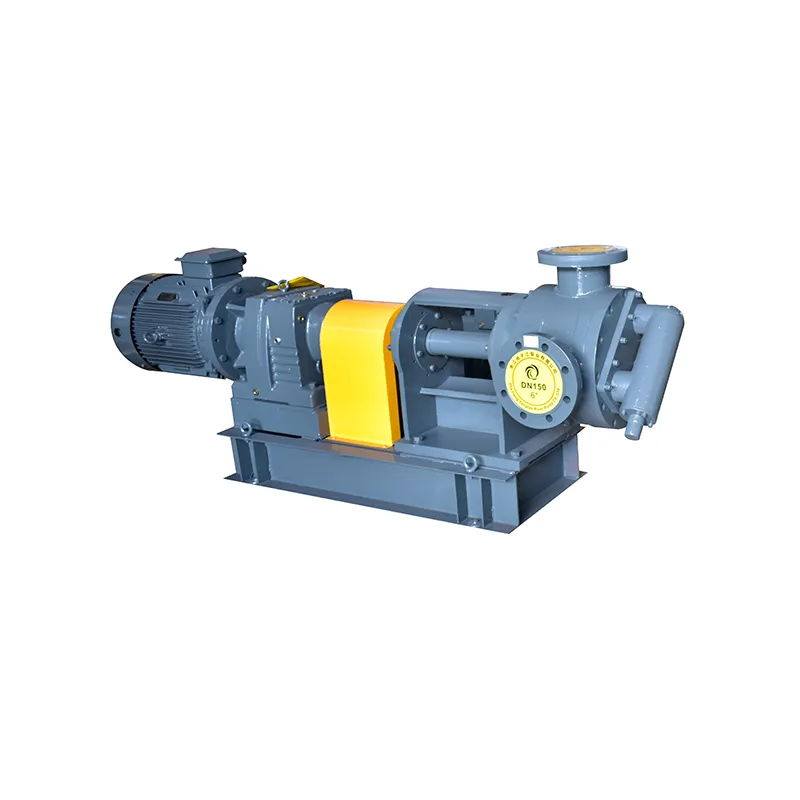 NYP High Viscosity Internal Gear Pumps
-
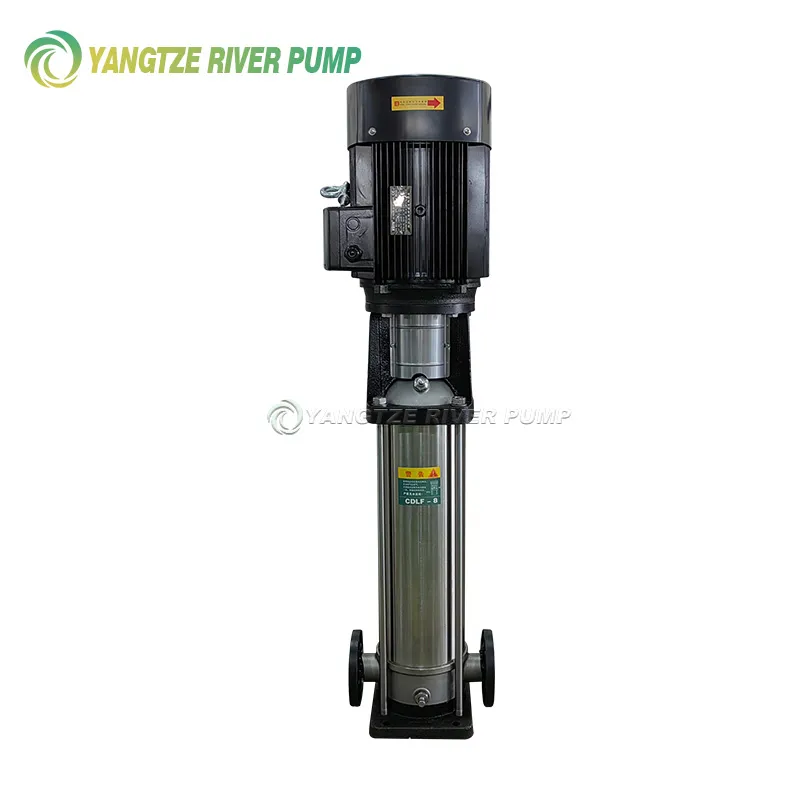 Vertical multistage centrifugal pumps made of stainless steel (light series) CDL and CDLF
-
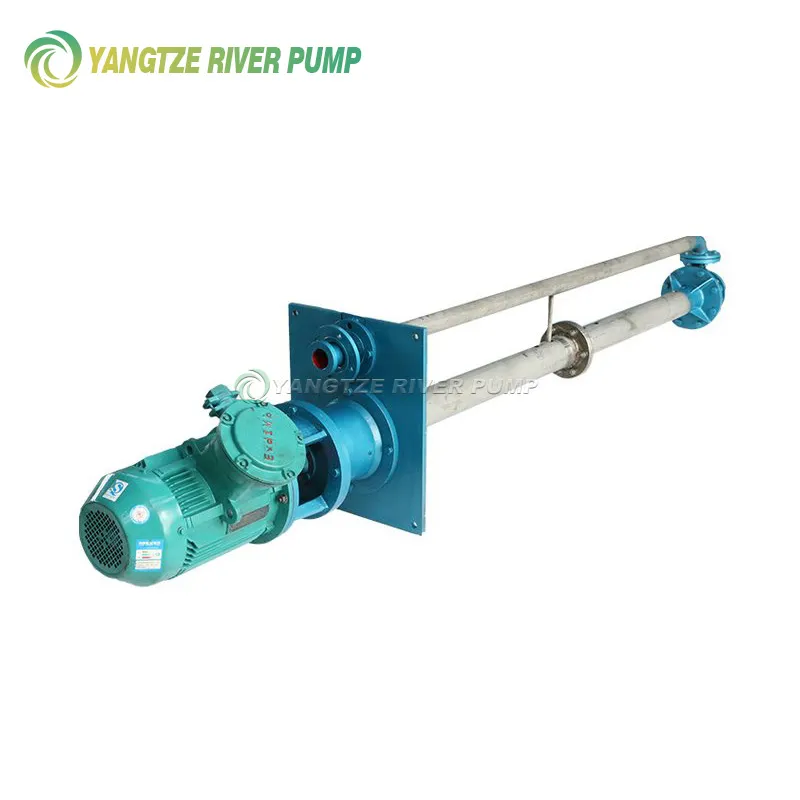 FY Submersible Chemical Pumps
-
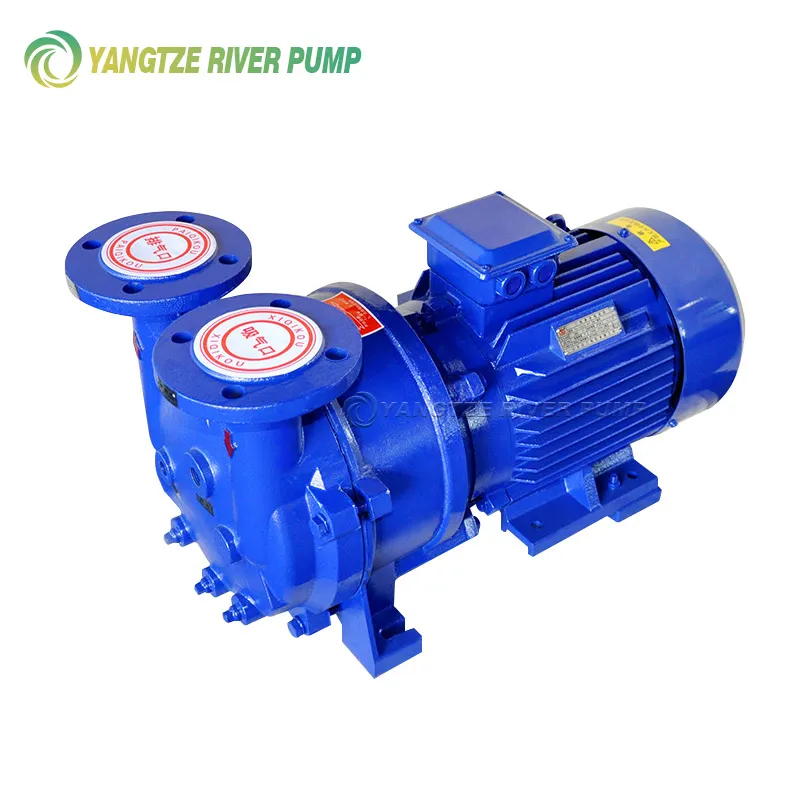 Liquid ring vacuum pumps type SKA and 2BV
-
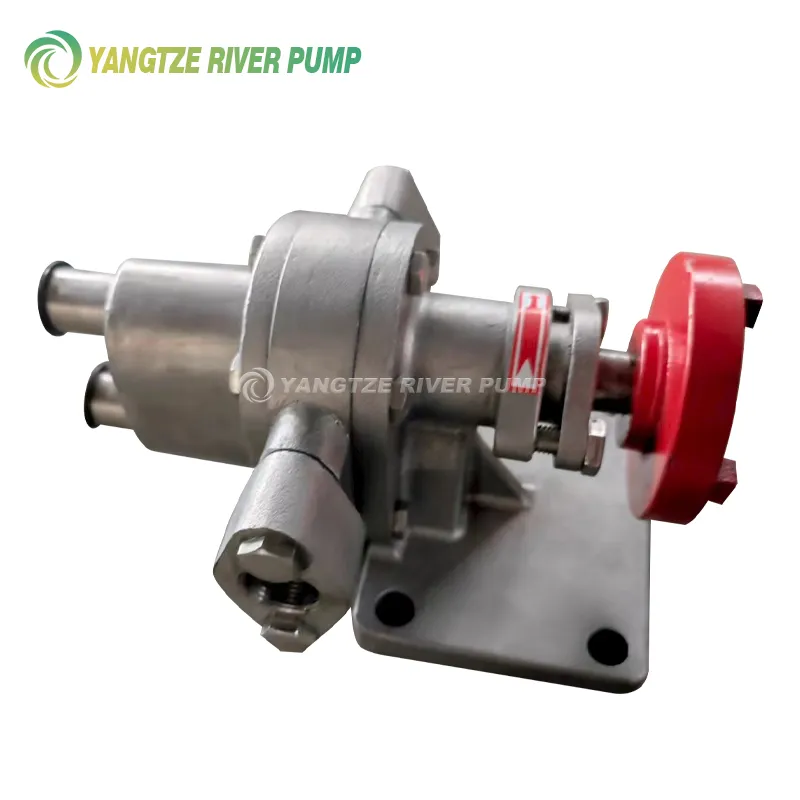 Gear oil pumps type KCB
-
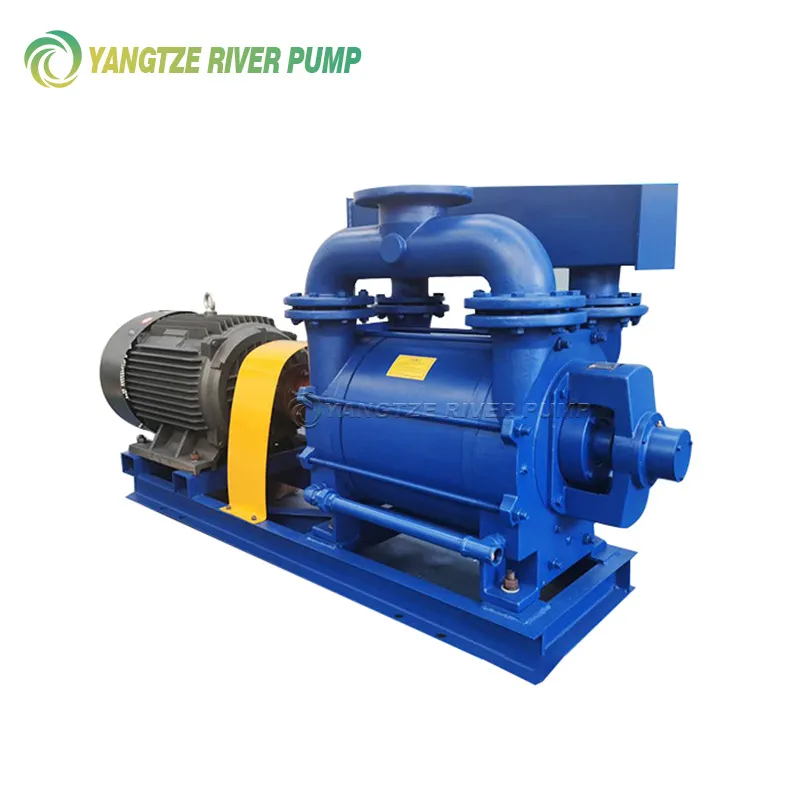 Liquid ring vacuum pumps type 2EB
-
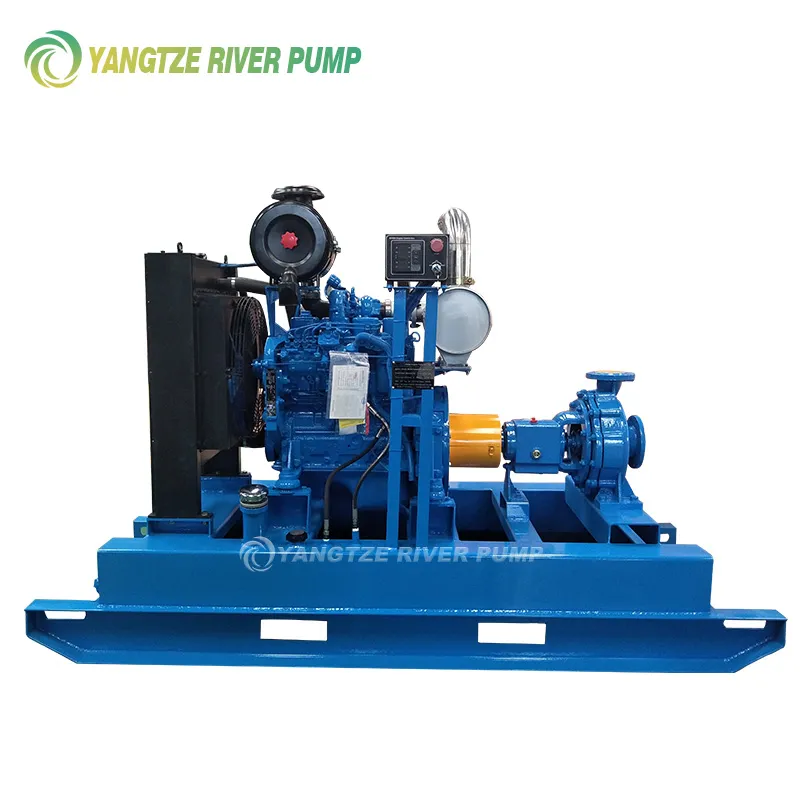 YZIS Diesel Single Stage Centrifugal Pumps
-
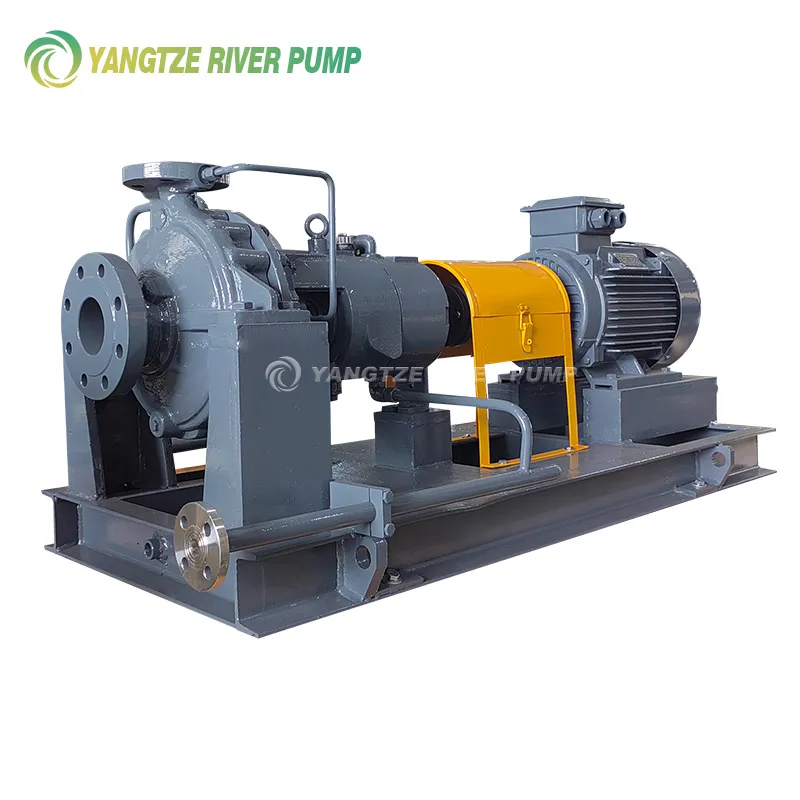 Petrochemical Process Pumps API 610 YZE
-
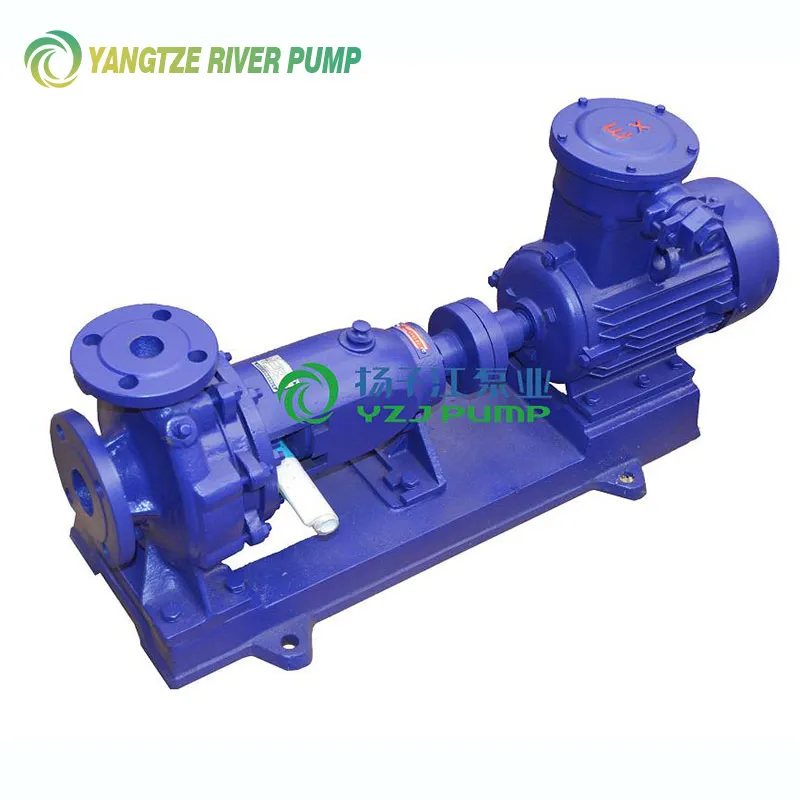 Horizontal chemical centrifugal pumps types IS and IR
-
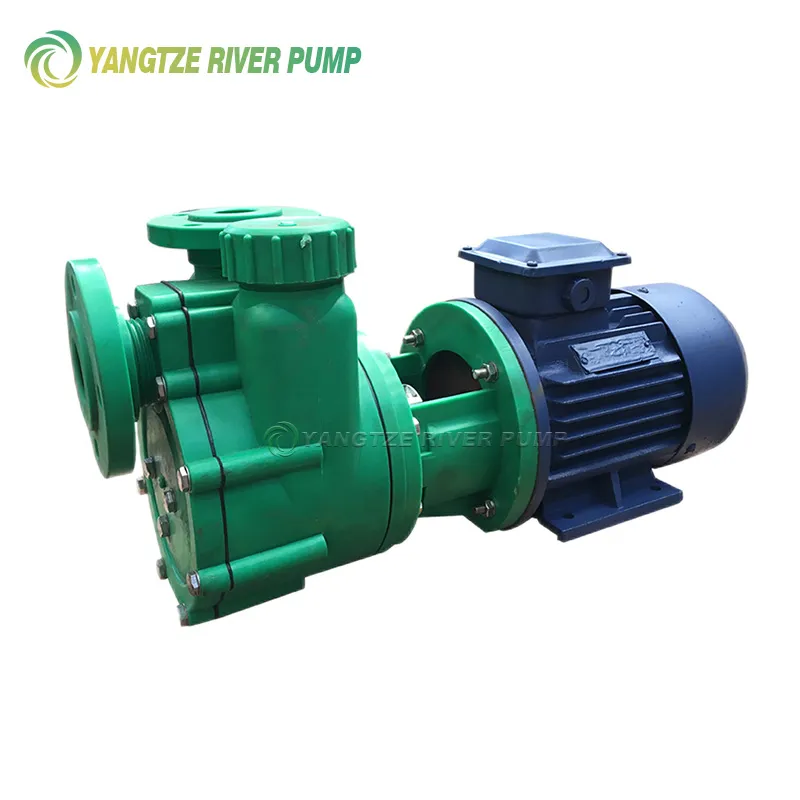 Plastic self-priming centrifugal pumps FP and FS
-
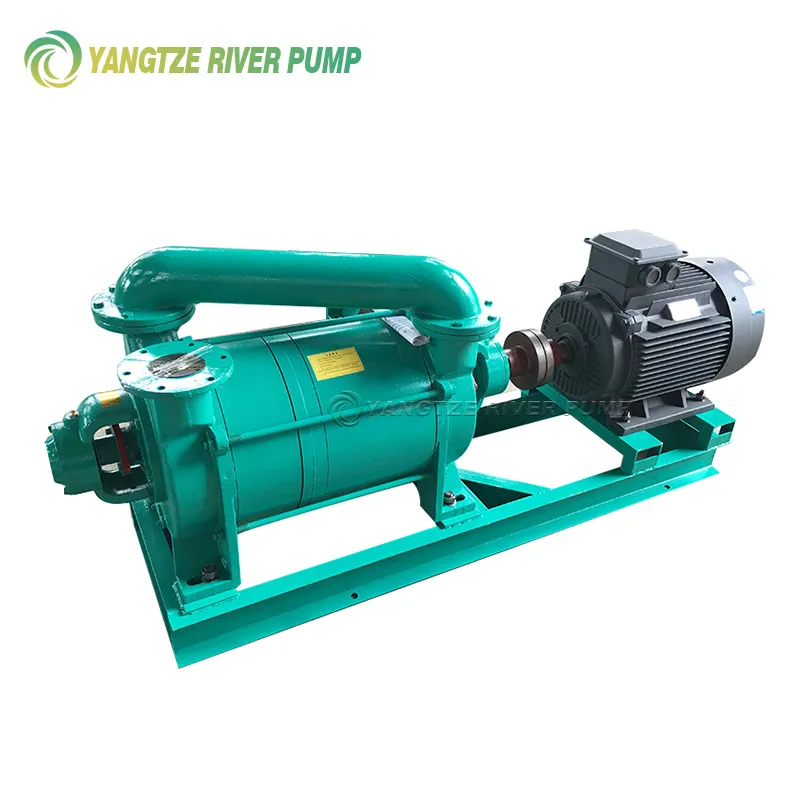 Liquid ring vacuum pumps type 2SK
-
 XBC Diesel Intelligent Fire Pumps
Relatedsearch
Related Search- Type DG Horizontal multistage boiler feed pumps
- Mechanical Diaphragm Dosing Pumps
- liquid ring vacuum pump 5 5 kW
- YZIS Diesel Single Stage Centrifugal Pumps
- vacuum pump 250
- Type YCB Circular tooth gear pumps
- submersible centrifugal pump 25
- deep well pump 50 meters
- flanged centrifugal pump
- slurry horizontal centrifugal pump