







single stage centrifugal water pump
When you hear “single-stage centrifugal water pump?”, many people imagine something elementary, almost a basic “blank”. in the world of pumps. In fact, this is a whole layer of nuances on which the facility determines whether the system will work like a clock or turn into a headache. In our production practice at Zhejiang Yangzijiang Pumping Industry LLC, you often come across the fact that clients underestimate the importance of correct selection based on parameters, and not on the principle “you need a pump, this one is similar?”. And this is the first mistake.
Where lies the catch in apparent simplicity?
The design seems to be simple: impeller, volute, shaft. But here's the thing with cavitation. For water, especially with temperature changes or possible suspended matter, the NPSH reserve is not just a number in a catalog. I remember an incident when pumping process water from a reservoir. The pump was ideal in terms of pressure and flow, but upon startup there was a characteristic crackling sound and a drop in pressure. It turned out that the water temperature was higher than calculated, plus the suction hose was too long with a pair of elbows. I had to revise the suction line diagram, although I myselfsingle stage centrifugal pumpwas chosen correctly. It’s a small thing, but I stopped work for half a day.
Another nuance is the material. For clean water, cast iron is often used, and this is standard. But if we are talking about water with minimal additions of reagents or simply aggressive in composition (hardness, chlorine), then the cast iron version may begin to “bloom”. or corrode at stress points. We have test benches on the line where we test pumps in different environments. For conditionally clean, but imperfect water, we are already looking at AISI 304 stainless steel or, less commonly, at polypropylene bodies. This is not always specified in the technical specifications, but an experienced sales engineer always clarifies the composition of the environment. On the website https://www.yangtzeriverpump.ru we try to include these recommendations in the descriptions, but live dialogue is still irreplaceable.
The execution of the seal is a separate issue. The stuffing box is cheaper, but requires maintenance and drops. A mechanical seal is more reliable, but more sensitive to dry running and sediments. I saw how to irrigate from an open reservoir they installed a pump with a pair of mechanical seals using clean water. Everything worked until sand got sucked into the system. The mechanical seals failed within a couple of hours. We switched to the option with a seal and regular maintenance - the problem went away. Conclusion: there is no universal solution; you need to look at the conditions as a whole.
From the workshop to the site: why testing is not a formality
Our production is based on a full cycle: from R&D to testing. And forcentrifugal pumpswater test bench is not just “drive and see”. We take full characteristics: Q-H, efficiency, power consumption, vibration and noise levels. It happens that a pump from the conveyor is ideal according to the passport, but on the stand we see a slight dip in the characteristic at the nominal point. This may indicate impeller micromolding or imbalance. This is rare in mass production, but it does happen. Therefore, each unit, especially from the batch for critical facilities, undergoes control. This is the same “grinding in” that later saves the client’s nerves.
One of our standard tests is operating close to cavitation. We artificially create conditions at the suction to see when the breakdown begins. This gives us a real, not theoretical reserve. Then we can transfer this data to the customer for system design. For example, for water supply systems in cottage communities, where the pump is installed in a caisson, it is important to know not only the pressure, but also at what suction limit it operates stably in the event of a possible drop in the water level.
Interesting thing about vibration. A new pump may work quietly, but after six months of operation a hum appears. Often the cause is not the bearings, but impeller wear due to erosion or cavitation. Therefore, during testing we also record the vibration spectrum in different modes. Reference "fingerprint" then it helps with diagnostics already on site. More than once we came to the site where they complained about noise, checked the current vibrations with our factory data and quickly found the reason: either the foundation was weak, or the pipeline was not secured.
Case from practice: when is ?standard? didn't work
There was a project - a hot water recycling system (DHW) in a small hotel. The customer requested a reliablesingle stage water pumpwith cast iron body. We installed the standard model. Three months later - a call: there is a leak on the shaft. Dismantled. It turned out that the water in the hot water system was very overheated (above 85°C), plus a glycol-based inhibitor was used. For cast iron and a standard EPDM seal this is too much. The solution was not to replace the pump with a more powerful one, but to change the material. We selected a model with a stainless steel body and Viton seals. The system has been working for more than four years without any complaints. We now have this case as a case at internal meetings: it is important to find out not just “for water?”, but the exact temperature range and chemical composition.
This example clearly shows why our company has eight lines that combine production, R&D, and service. The problem with the hotel was solved not simply by replacing the unit, but by analyzing the environment. Our product development engineers then even adjusted the selection recommendations for domestic hot water systems in the commercial sector, adding temperature limits for standard materials.
Another lesson is editing. It would seem that it’s complicated: installed, tied, connected. But how often do you see that the pump is stuck? on pipelines, without supports! Vibration is transmitted to the entire system, accelerating wear. Or on the suction line - the check valve is located far from the pump, and when it is turned off, a water hammer occurs. We began to include in the basic package for critical deliveries not only a pump, but also a recommended piping diagram, and sometimes an installation kit (supports, flexible inserts). This slightly increases the cost, but sharply reduces the number of warranty claims.
Product line and evolution: from simple to complex
Zhejiang Yangzijiang Pumping Industry Co., Ltd.'s product range includessingle stage, and multistage models. People often ask: why single-stage, if multi-stage gives more pressure? It all comes down to economic and operational feasibility. For systems where high pressure is needed with a relatively small supply (for example, water supply to a high-rise building), yes, multi-stage is better. But for pumping large volumes to low heights (irrigation, drainage, circulation in cooling systems), a single-stage pump will be simpler, cheaper to manufacture and maintain, and often with higher efficiency at its operating point.
Our production allows you to flexibly vary designs. The same hydraulic part (wheel, volute) can be enclosed in different types of housings (cantilever, inline monoblock) and with different types of connections (DIN flanges, GOST). This is important for integration into existing systems, especially when modernizing. There is no need to redo the entire piping - you can select the pump to fit the existing flanges and dimensions.
Development is also moving towards energy efficiency. We design new models to work with frequency converters. This allows you to accurately hit the operating point of the system and save energy. But there are also pitfalls here: as the rotation speed decreases, the cooling efficiency of the engine also drops (if it is not separated). Therefore, for long-term operation at low speeds, we offer either special versions with enhanced cooling, or we recommend selecting a pump of lower power, but operating at nominal. This is something that only comes with experience building and testing different configurations.
Instead of a conclusion: a thought afterward
Working withsingle stage centrifugal water pumpsis a constant balance between reliability, cost and suitability for specific conditions. No most advanced catalog or website (like ours https://www.yangtzeriverpump.ru) can replace a dialogue with a technologist or engineer who knows how the pump behaves not on a bench, but in a real system, after a year or two of operation.
Often the most expensive solutions are not the most correct ones. Sometimes simply replacing the seal material or adjusting the suction circuit solves the problem that they were trying to “squash” out. installation of a more powerful and expensive unit. Our advantage as a full-cycle manufacturer is the ability to quickly test a hypothesis and offer not just a product, but a working solution, tested at our own stands.
So the next time you choose a pump, look beyond the head and flow numbers. Think about temperature, water composition, possible impurities, operating mode (constant/cyclical), noise requirements. And you better call. Because behind the dry lines of a specification there is always experience gained from such objects, where something went wrong and had to be corrected. We put this experience into each subsequent batch of pumps that leave our lines.
Correspondingproducts
Related Products



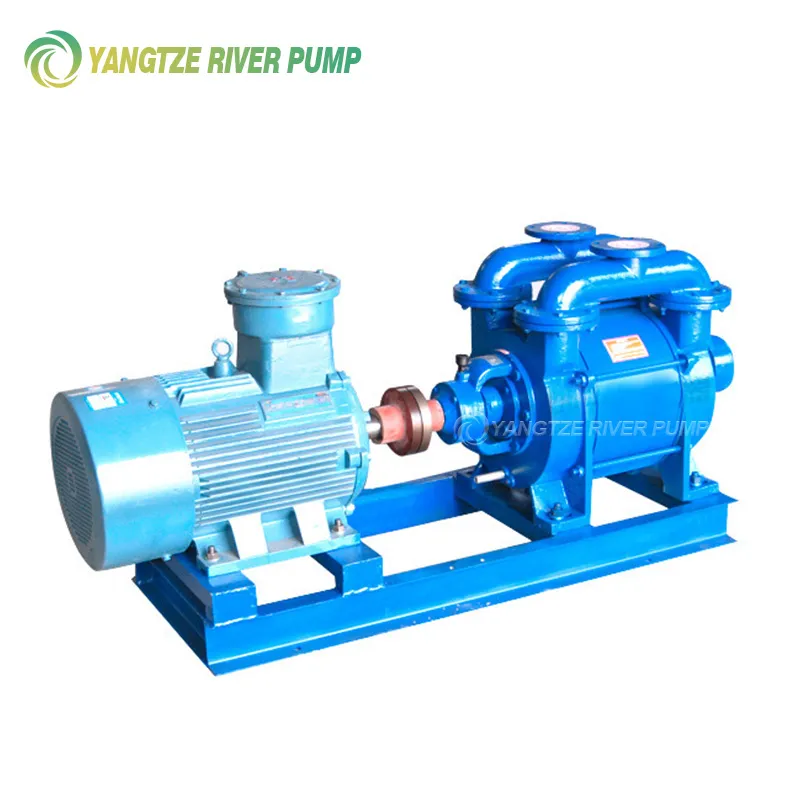

Best Sellingproducts
Best Selling Products-
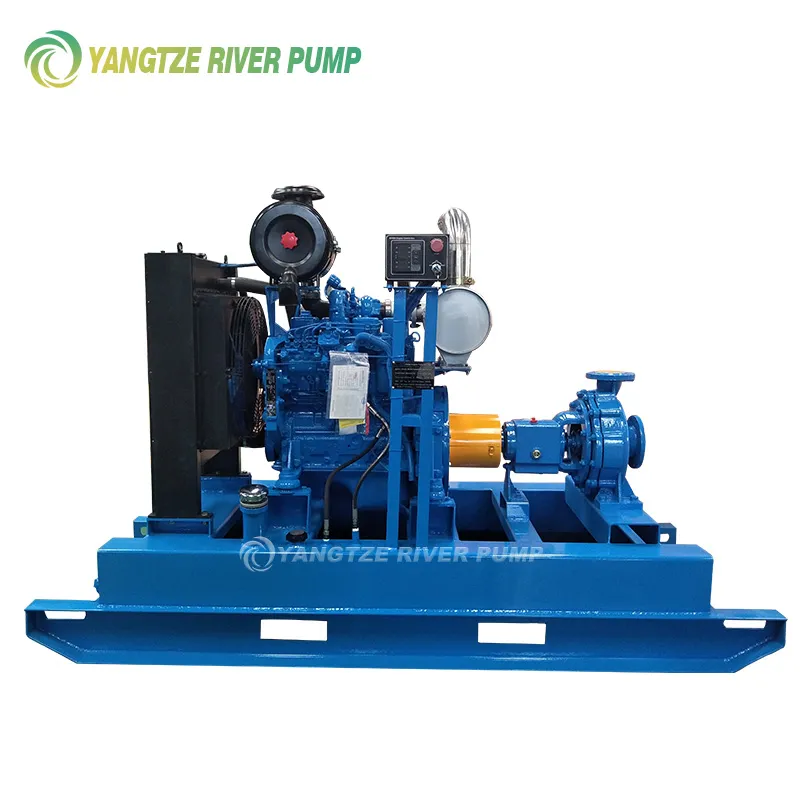 YZIS Diesel Single Stage Centrifugal Pumps
-
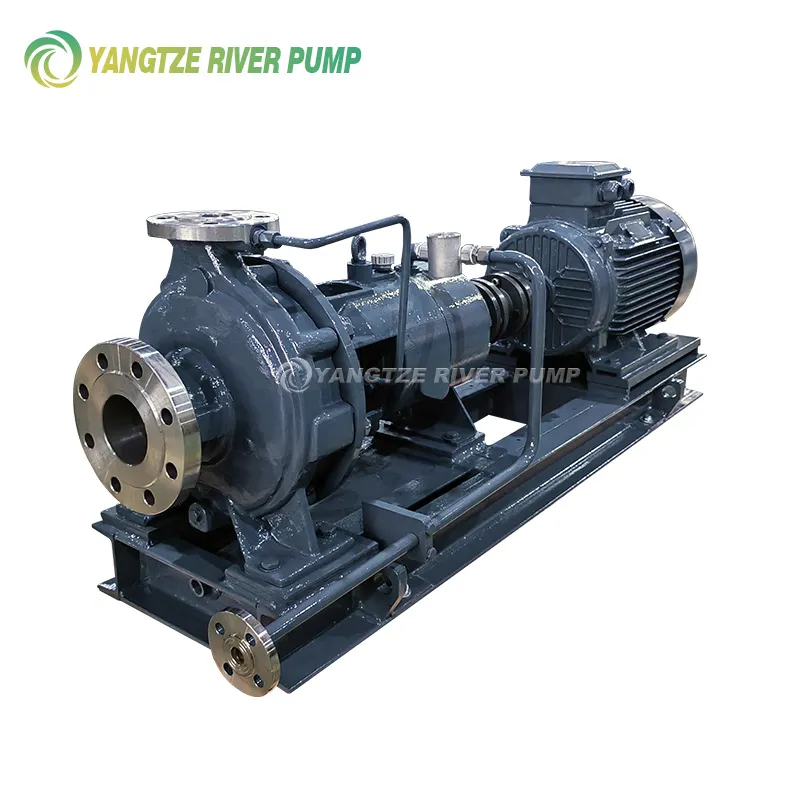 Petrochemical Process Pumps API 610 YZA
-
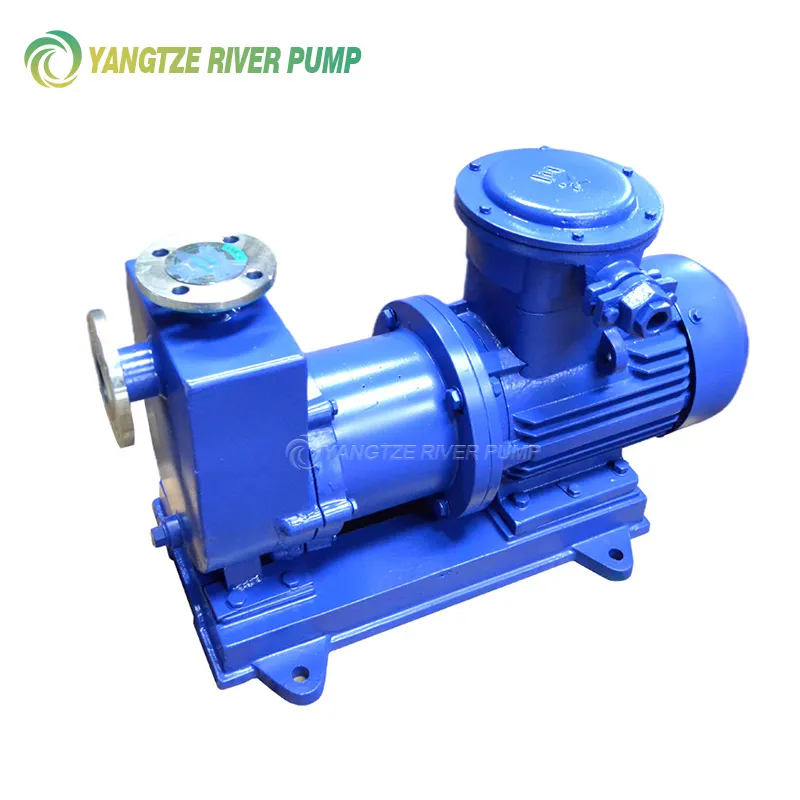 ZCQ Stainless Steel Self-Priming Magnetic Pumps
-
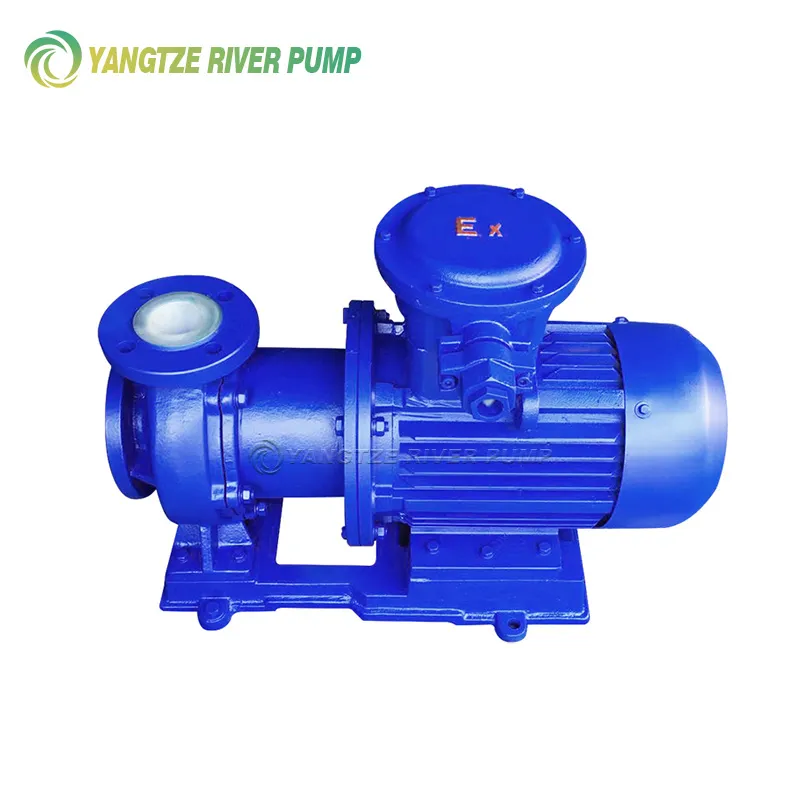 Magnetic pumps with fluoroplastic lining CQB-F
-
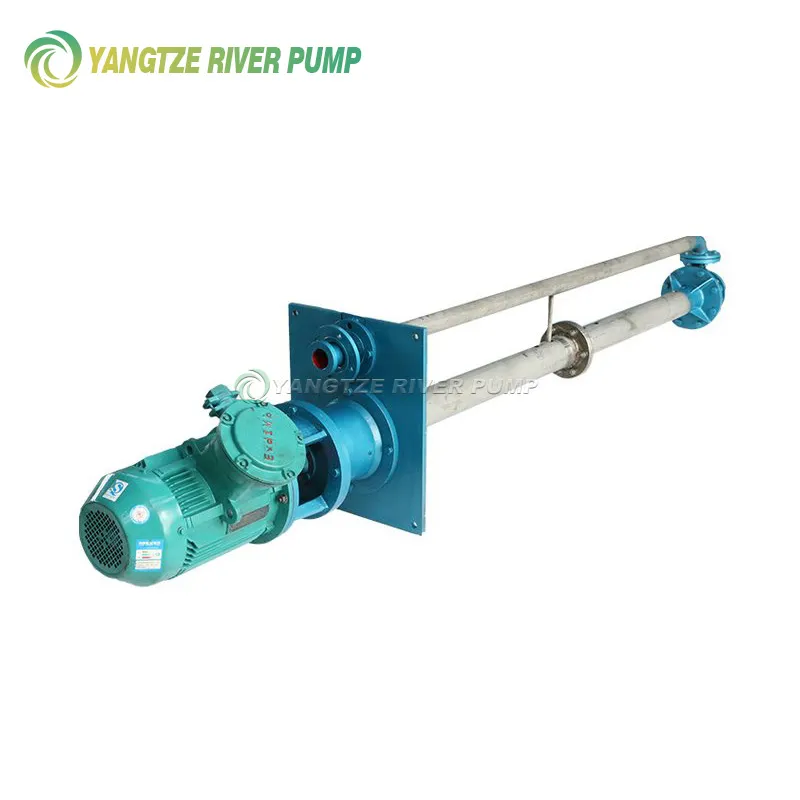 FY Submersible Chemical Pumps
-
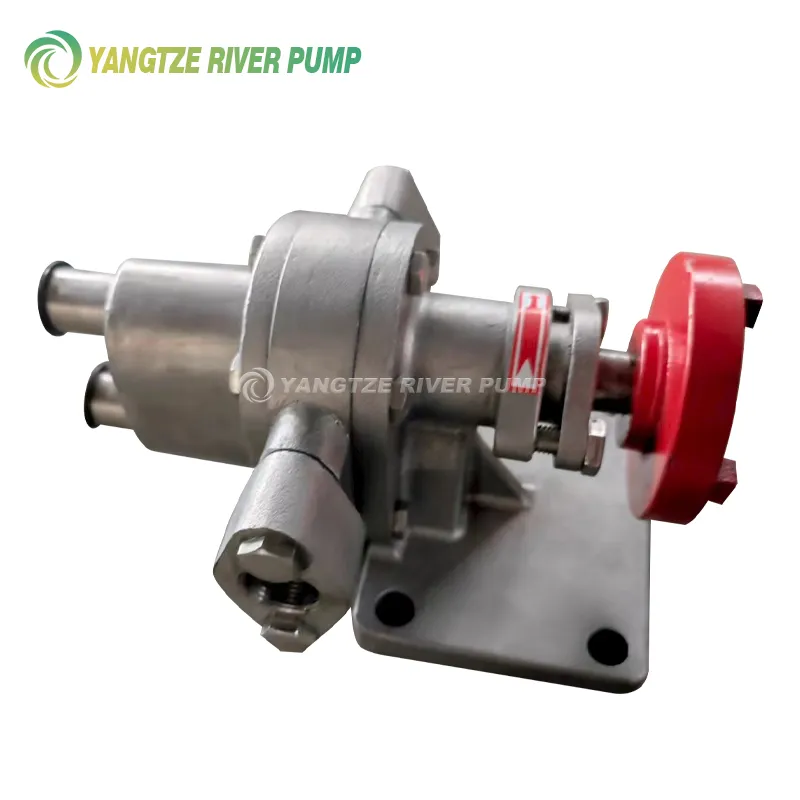 Gear oil pumps type KCB
-
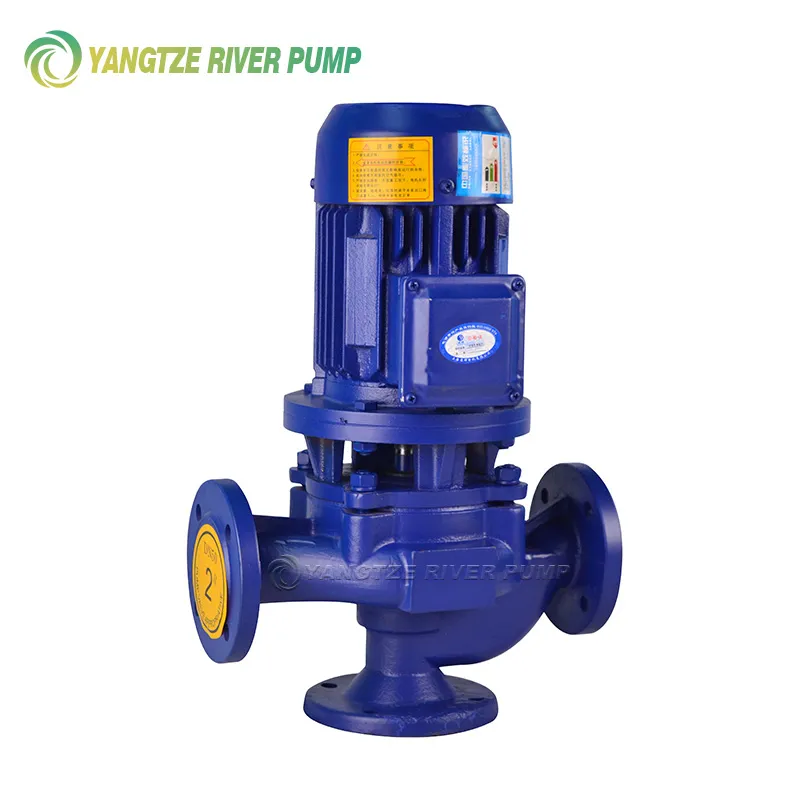 Pipeline wastewater pumps GW
-
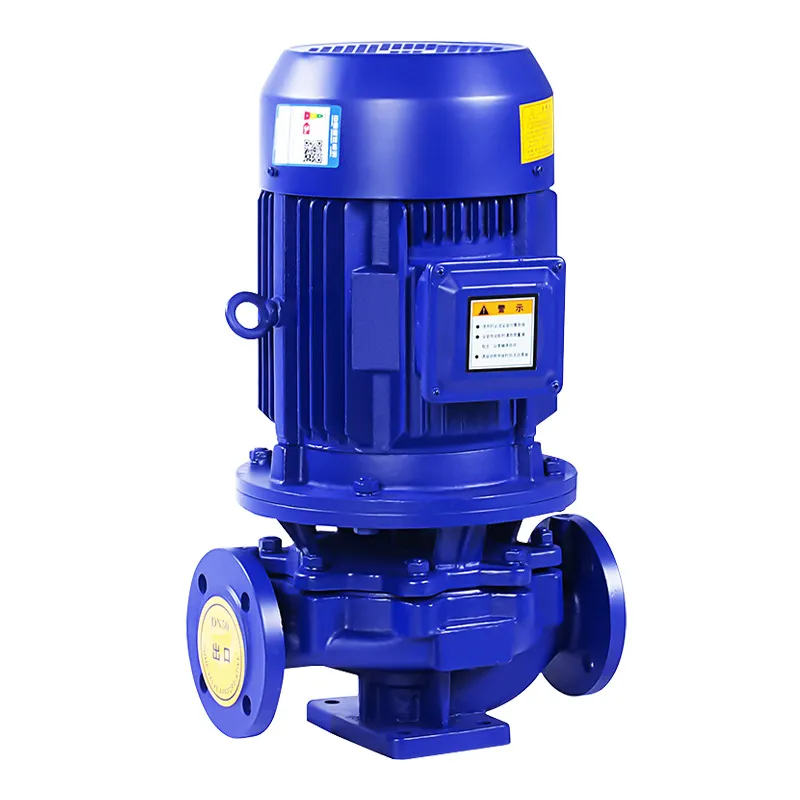 Vertical single-stage pipeline centrifugal pumps ISG and IHG
-
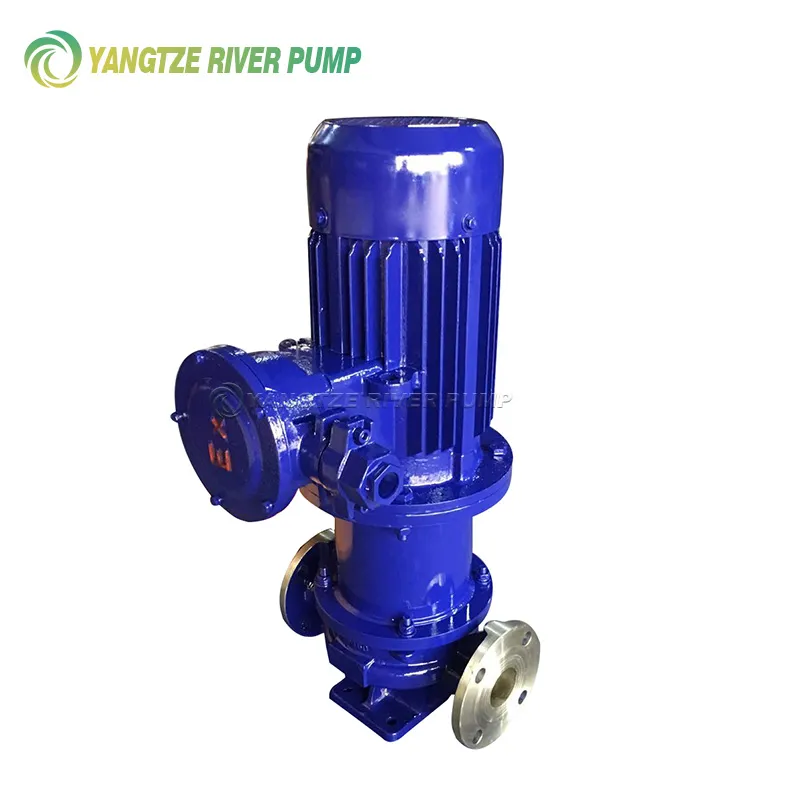 Vertical magnetic pumps CQB-L
-
 YCZ Chemical Process Pumps
-
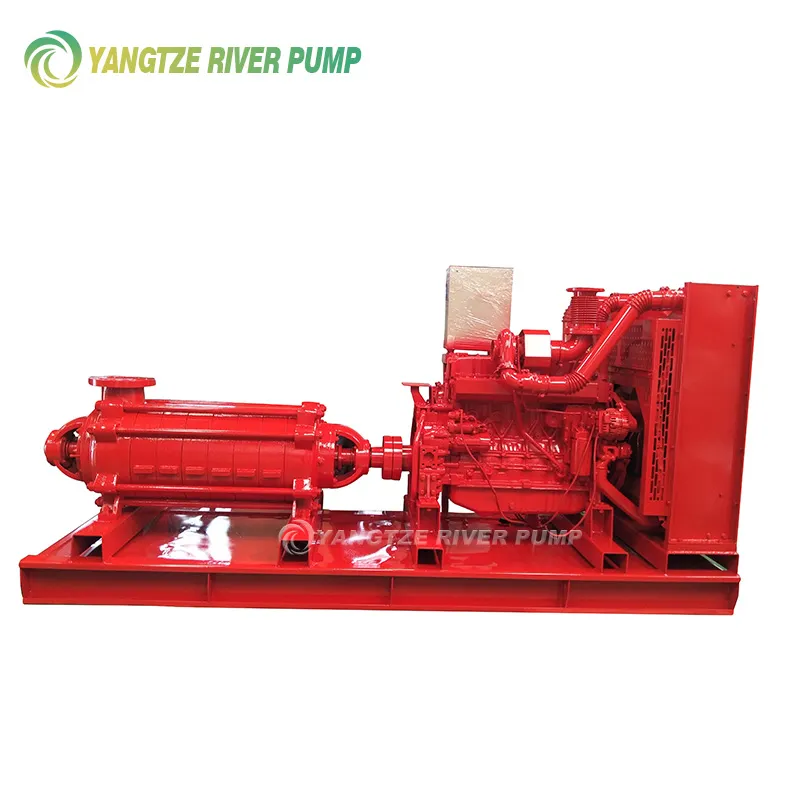 YZD Series Diesel Multistage Centrifugal Pumps
-
 YW Vertical Submersible Sewage Pumps