







deep pump 20 meters
When they say “20-meter deep pump?”, many people immediately imagine just a well and a unit that pumps it. But in fact, there is a nuance here that is often missed: 20 meters is not always a static level plus a dynamic one, sometimes it is simply the installation depth, and the flow rate may be such that the pump will work at its limit. In general, not everything is so simple.
Why exactly 20 meters is not magic, but physics
The figure of 20 meters often comes up in queries because this is the typical depth for many sand wells or shallow artesian springs in holiday villages. But here's what's important: if you takedeep well pumpfor such conditions, you need to look not only at the maximum immersion depth indicated in the passport (say, 30 m), but at the pressure. Because in addition to the depth itself, there are also horizontal sections, hydraulic resistance, and the required pressure in the system. A pump with a pressure of 30 meters at a 20-meter depth can produce only a weak stream at the outlet of the tap if losses are not taken into account.
In our production, at Zhejiang Yangzijiang Pumping Industry LLC, when testing on stands, we constantly encounter the fact that customers confuse these parameters. They come with a request: “Give me a pump for 20 meters?”. And after asking questions, it turns out that the distance from the well to the house is 15 meters horizontally, plus it needs to be raised to the second floor. The total required pressure is already about 40 meters. That's why our technical support department always starts by asking about the plumbing diagram.
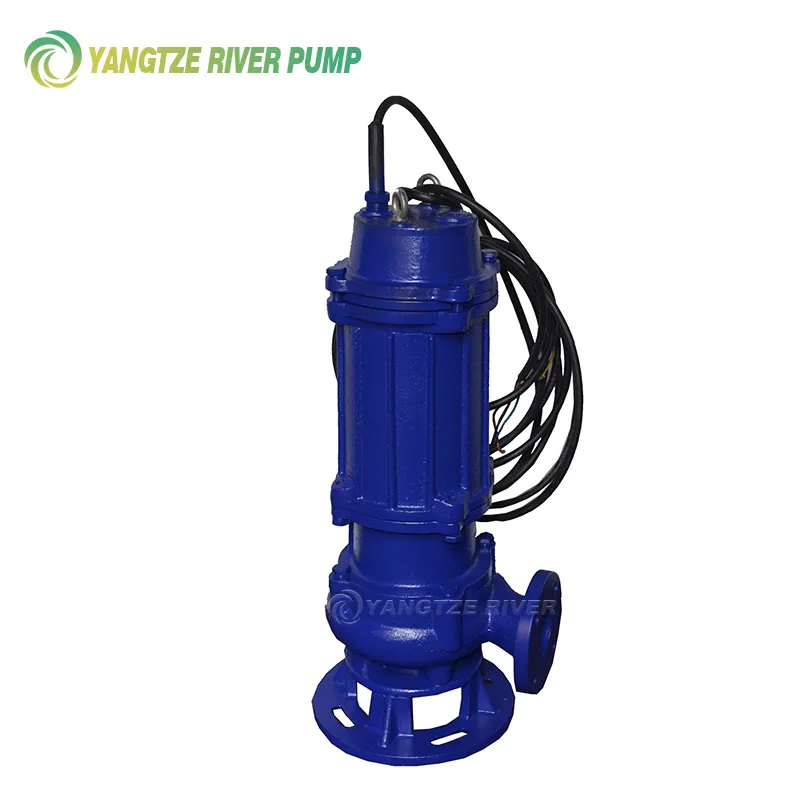
By the way, about materials. For such depths, inexpensive pumps in a plastic case are often used, but if the water is even slightly aggressive (iron, increased mineralization), then it’s a matter of time. In such cases we are from the linesubmersible pumpsWe recommend models with a stainless impeller and shaft, albeit 15-20% more expensive. Otherwise, after a couple of seasons, cavitation, noise, and a drop in performance may begin. I've seen this more than once.
Installation errors that “eat up” resource
The most common story is incorrect suspension. It would seem that it would be so complicated: I lowered the pump and secured it with a cable. But if the cable is taut and the power cable hangs freely, then the entire load goes to the cable. Over time, the insulation at the entrance to the pump may fray. It is better to use a stainless steel cable and special clamps that secure both the cable and the cable at intervals of 1.5–2 meters. This is trivial, but people often save money on it.
Another point is the check valve. They place it immediately after the pump, but sometimes they forget that at a depth of 20 meters, the column of water creates significant pressure at the start. Without a valve, the pump will “pick up” every time you turn it on. column of water, which leads to increased starting currents and wear. And if the valve is in place, but unreliable (cheap plastic valve), then it may leak and the pump will turn on more often than necessary. In ourdeep-well pumpsWe usually equip series for wells with brass valves - fewer problems in the field.
And about the sand. At 20 meters there is often a fine sandy suspension. Even a good strainer on the pump does not always help. One of our customers complained about rapid wear on the impeller. It turned out that the well was under-pumped, and with intensive sampling, silt rose from the bottom. The solution was not to replace the pump with a more powerful one, but to properly pump the well and install the pump not at the bottom, but at a height of 1–1.5 meters from the bottom, using a simple level sensor. Sometimes you don’t need to change the equipment, but rather position it correctly.
Model selection: don’t chase “power?”
There are many offers on the market where the description says “depth up to 25 m.” and “productivity 3 m3/hour?”. But if the well has a flow rate of 1 m3/hour, then such a pump will constantly work with frequent on-off switching, which for anysubmersible pumpdestructive. The hydraulic accumulator does not always help here. It is better to choose a model whose performance is closer to the real flow rate of the well, even if it is a little more expensive.
In our range, for example, multi-stage centrifugal pumps in the series are well suited for such conditions. They provide smooth pressure and are better able to withstand working in less-than-ideal conditions. But there is a nuance: if there are mechanical impurities in the water, even a multi-stage design can become clogged. Therefore, we always look first at a water analysis, if available. If not, we recommend installing an additional coarse filter at the entrance to the house system.
There was a case when our pump was installed at a dacha near Moscow. The well is 22 meters long, the water feels clean. Six months later, the client called - the pressure had dropped. They took it apart and found lime deposits in the chambers between the steps. It turned out that the water was hard. I had to clean it and recommend installing a softener. Now, when selling, we always ask about hardness if a person plans to use water not only for irrigation.
Maintenance and typical breakdowns
A deep-well pump for 20 meters is not “set and forget”. Once a season, it is advisable to check the pressure in the accumulator and monitor the current consumption (a sharp increase is a sign of wear or blockage). A frequent breakdown that we encounter is winding burnout due to “dry” operation. Even at this depth, if the flow rate is low, the pump can pump out water and continue to run idle. Modern models have built-in dry-running protection, but older or budget models often do not have it. We at Zhejiang Yangzijiang Pumping Industry LLC now include this option by default in almost all models for wells - fewer returns.
Another point is the electrical part. A long cable immersed in water may eventually leak at the connections. Sealed couplings are a must. But even they do not last forever, especially if they were crimped incorrectly during installation. We had to remove pumps that had water in the coupling. Now in the instructions we separately highlight a section on installing electrical connections, with photographs.
And about maintainability. Some pumps are assembled in such a way that if a bearing or seal breaks, it is easier to buy a new one. We try to design ourdeep well pumpswith the expectation that key components (motor, impellers, seals) can be replaced at a service center. This is not always cheaper, but often more reliable than buying an unknown analogue.
Practical conclusion and what we offer
So, to summarize: choicedeep well pumpfor 20 meters - this is not just a purchase based on the “depth” parameter. You need to look at the pressure, flow rate of the well, water quality, and wiring diagram. And, of course, on the reliability of the manufacturer.
Our company, Zhejiang Yangzijiang Pump Industry Co., Ltd. has been producing submersible pumps for more than ten years. We have a full cycle: from R&D to testing at our own stands. For conditions of about 20 meters, we have several series - from standard centrifugal to multi-stage, which provide stable pressure even with voltage fluctuations in the network. We check all data on performance and pressure in real conditions, and do not simply copy them from catalogs.
If you need advice, go to the website https://www.yangtzeriverpump.ru, there are technical specifications and contacts of engineers. We can help you choose a model, taking into account your specific conditions. And remember: choosing the right pump is not only about water here and now, but also about ensuring that the equipment operates without problems for several seasons in a row. There are no trifles in this matter.
Correspondingproducts
Related Products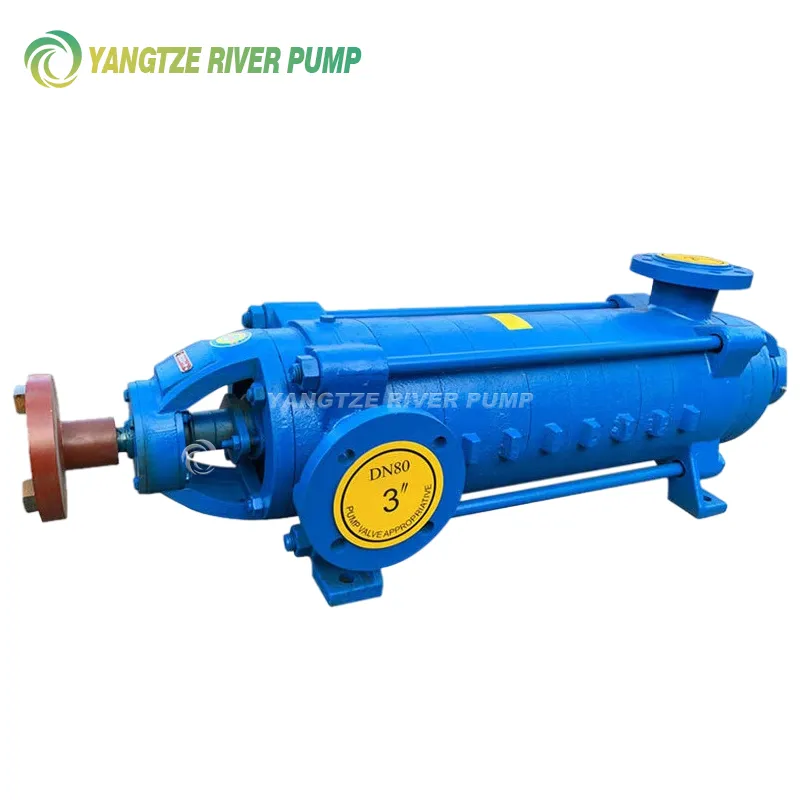
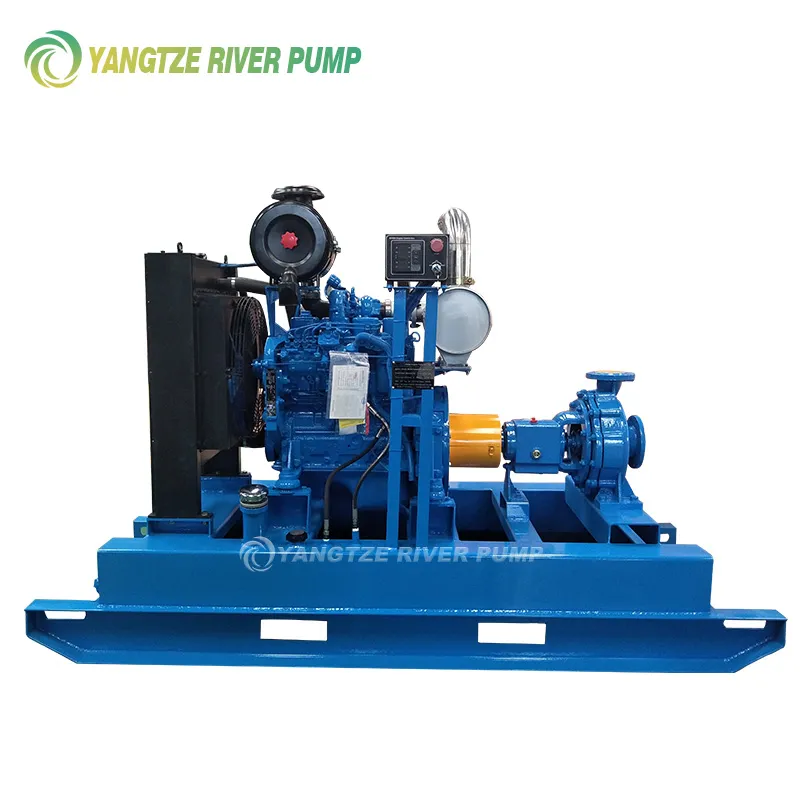
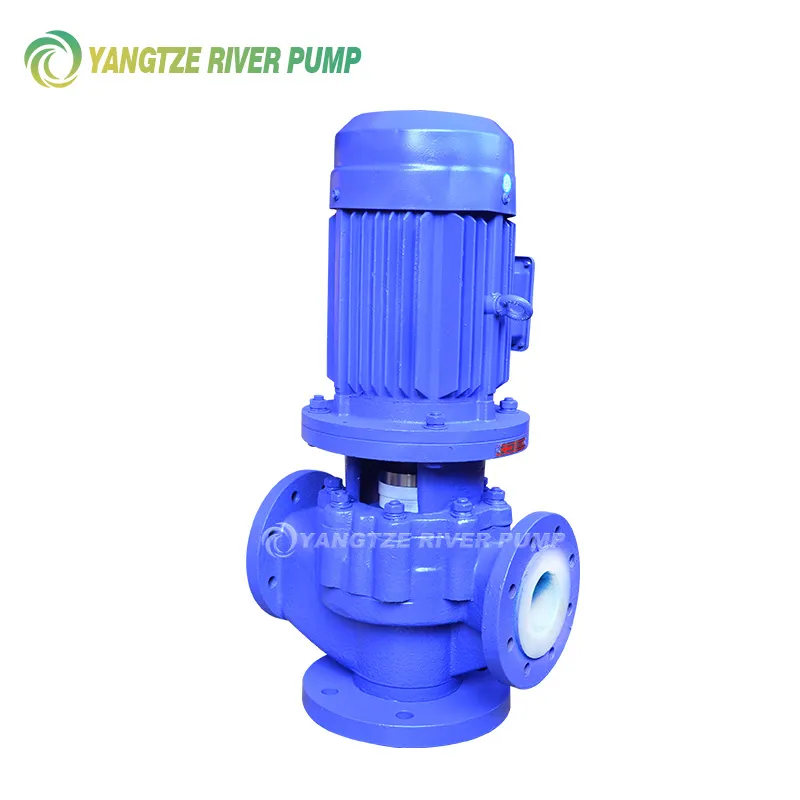

Best Sellingproducts
Best Selling Products-
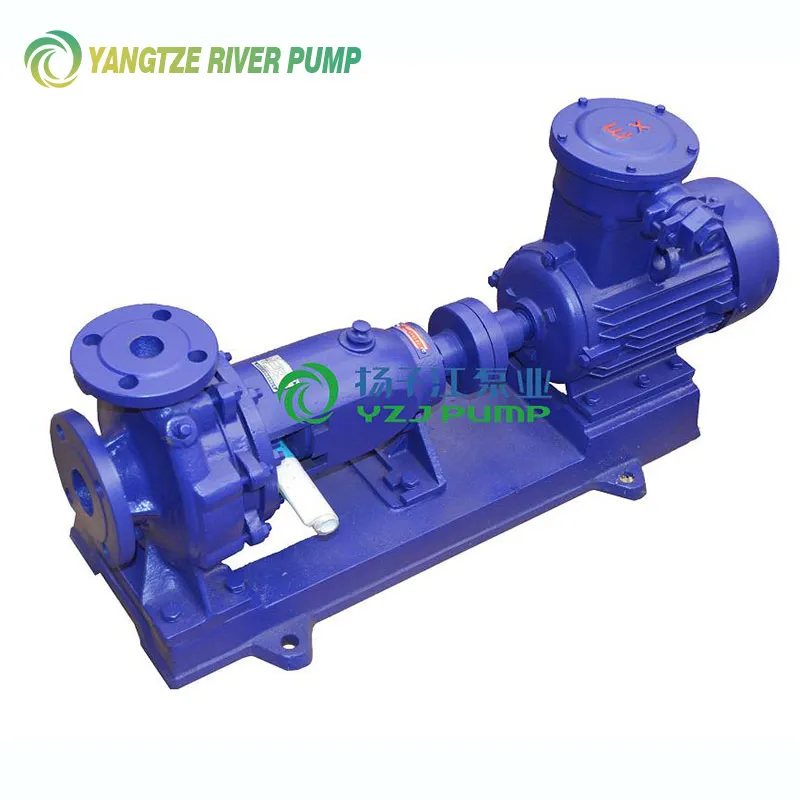 Horizontal chemical centrifugal pumps types IS and IR
-
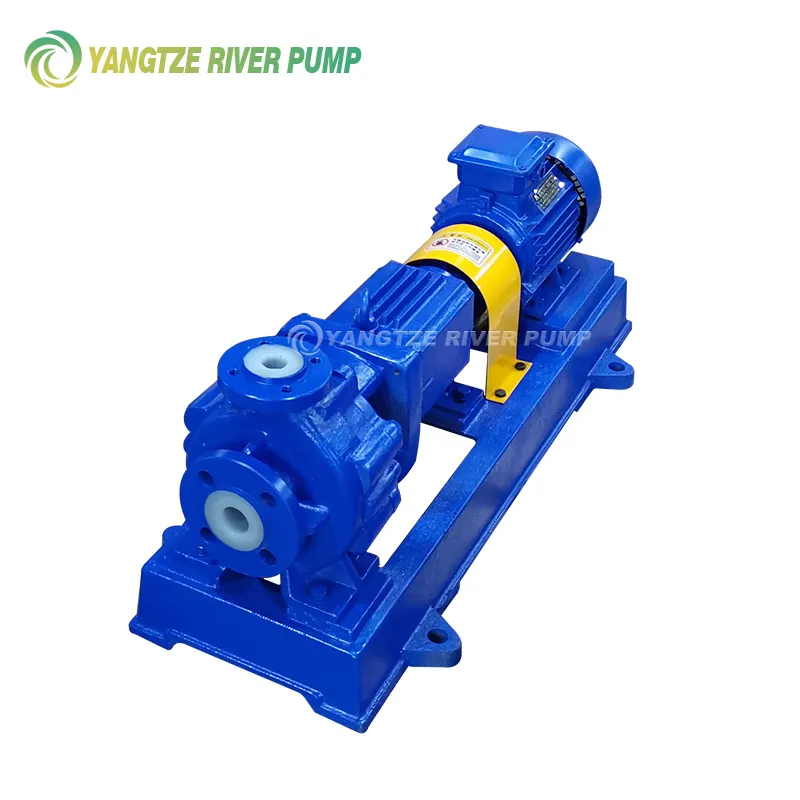 IHF PTFE Chemical Centrifugal Pumps
-
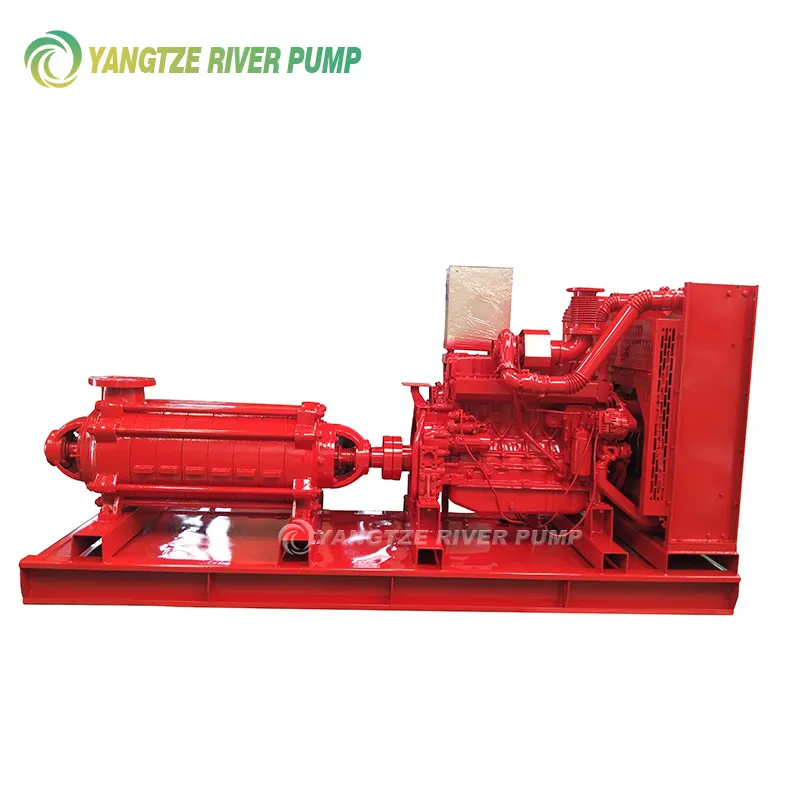 XBC Diesel Intelligent Fire Pumps
-
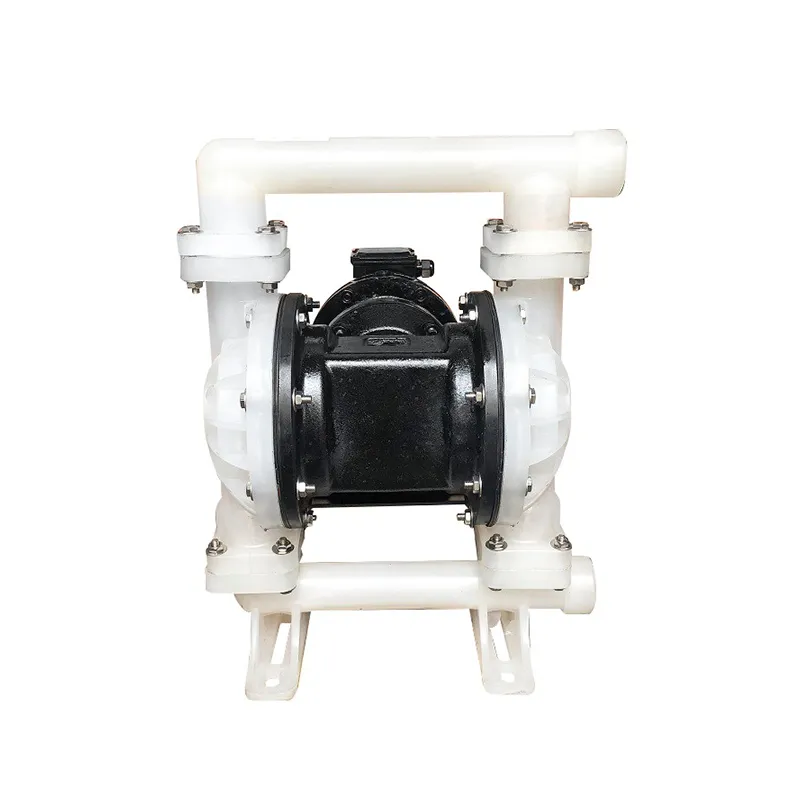 DBY Non-Metallic Electric Diaphragm Pumps
-
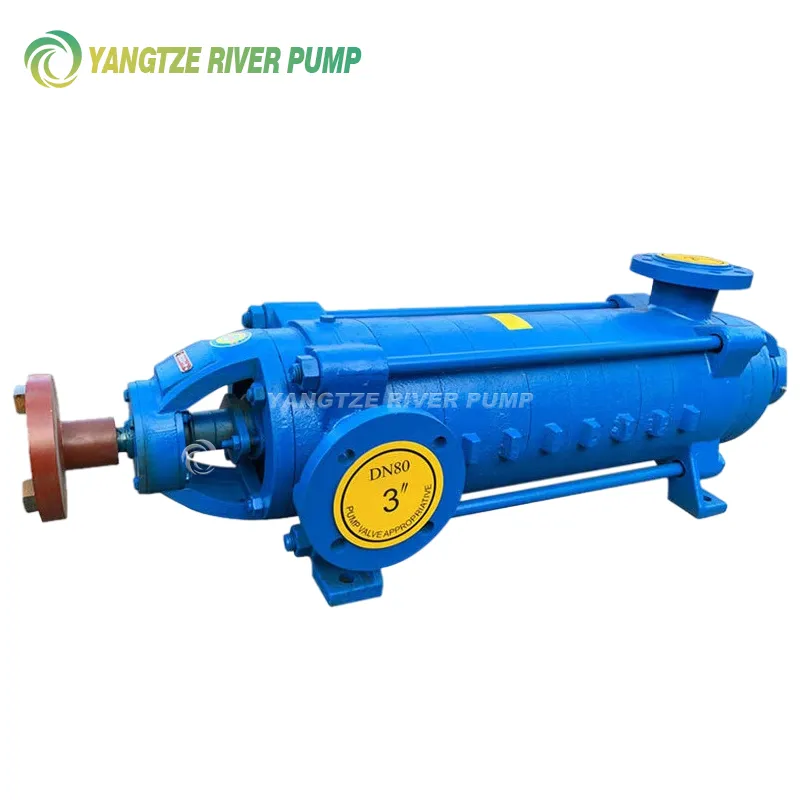 Horizontal multistage pumps for feeding DC boilers
-
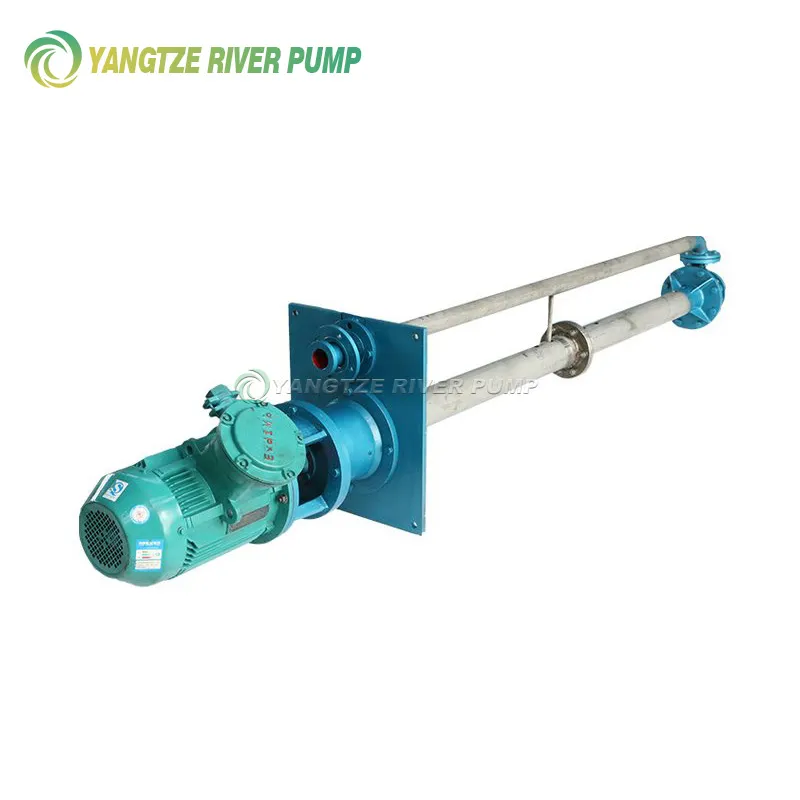 FY Submersible Chemical Pumps
-
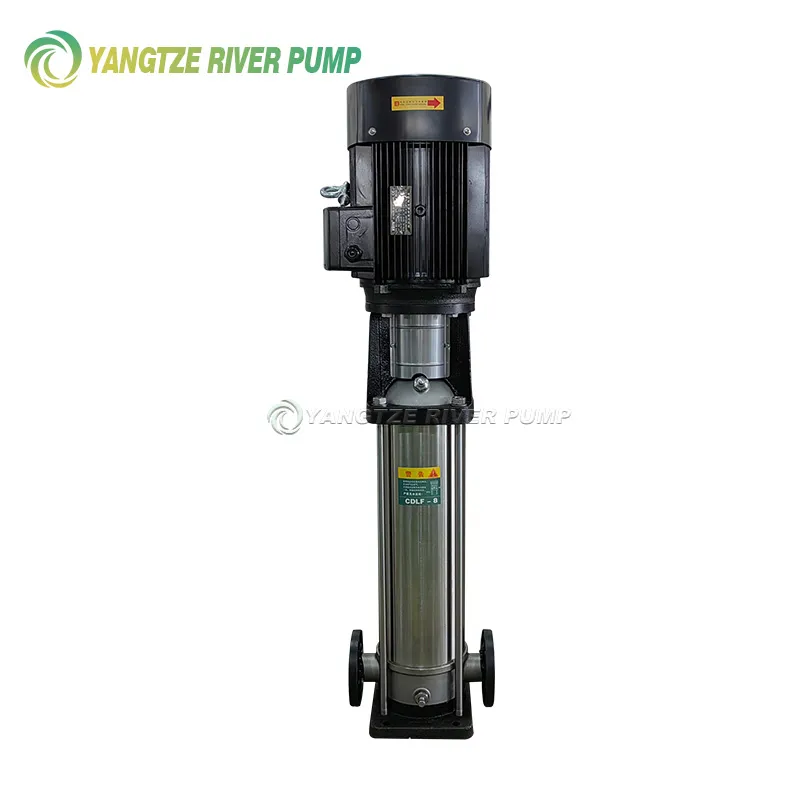 Vertical multistage centrifugal pumps made of stainless steel (light series) CDL and CDLF
-
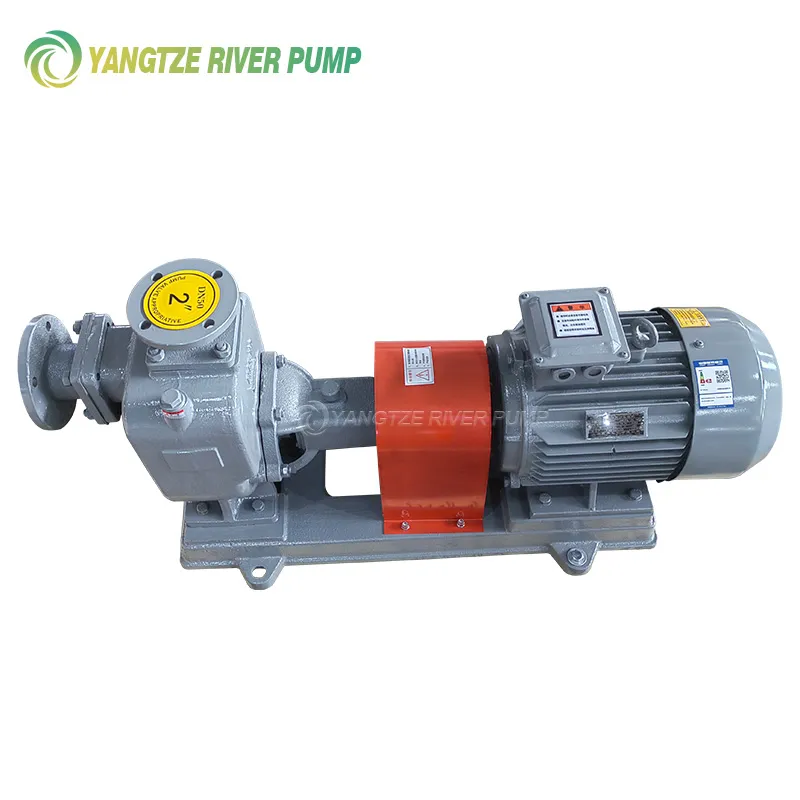 Non-clogging self-priming wastewater pumps ZW
-
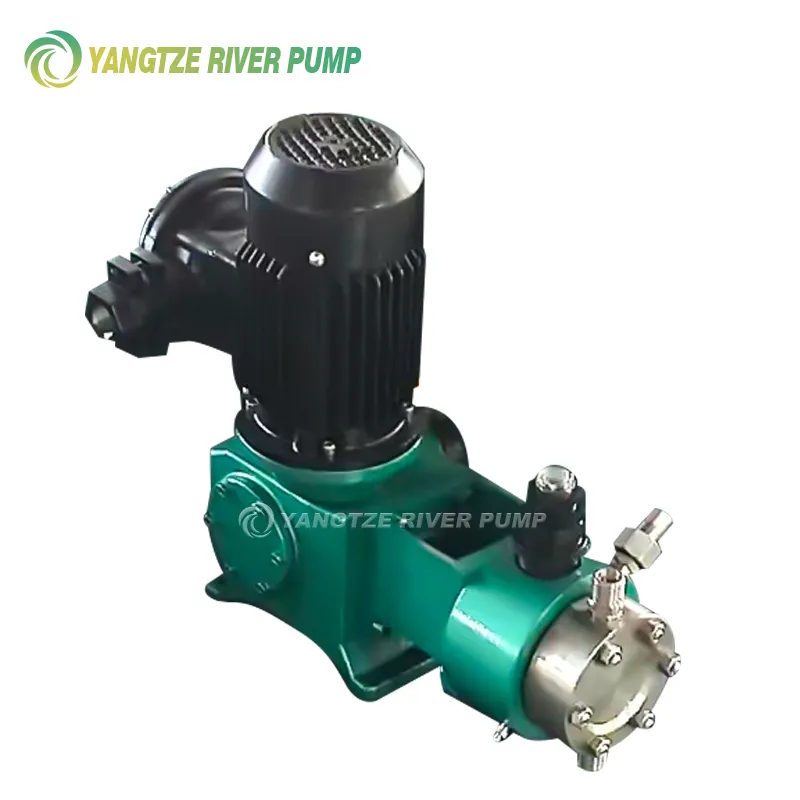 Plunger dosing pumps type DZ-X
-
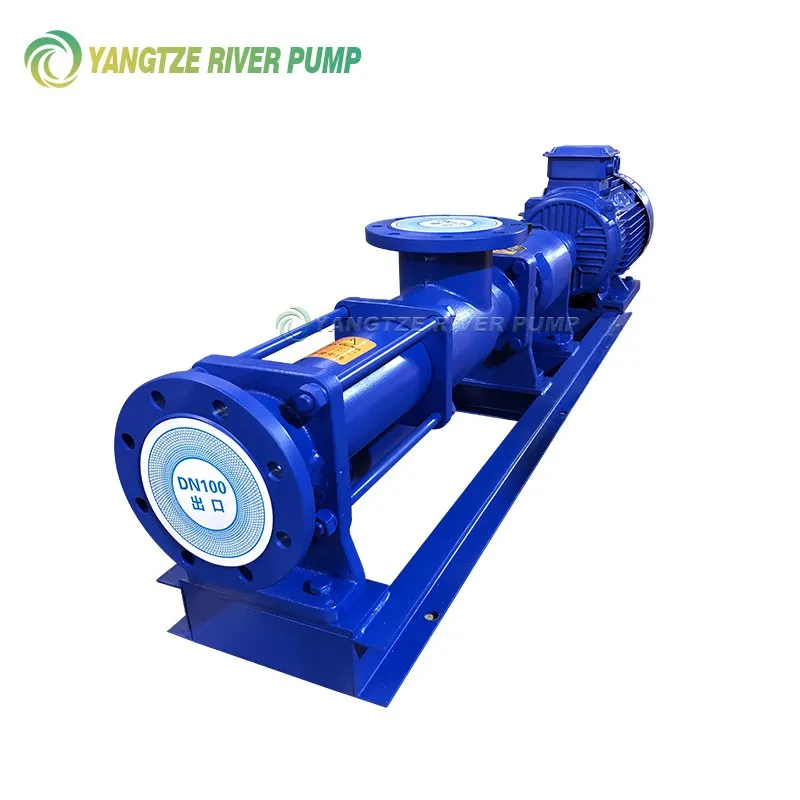 Single screw pumps type G
-
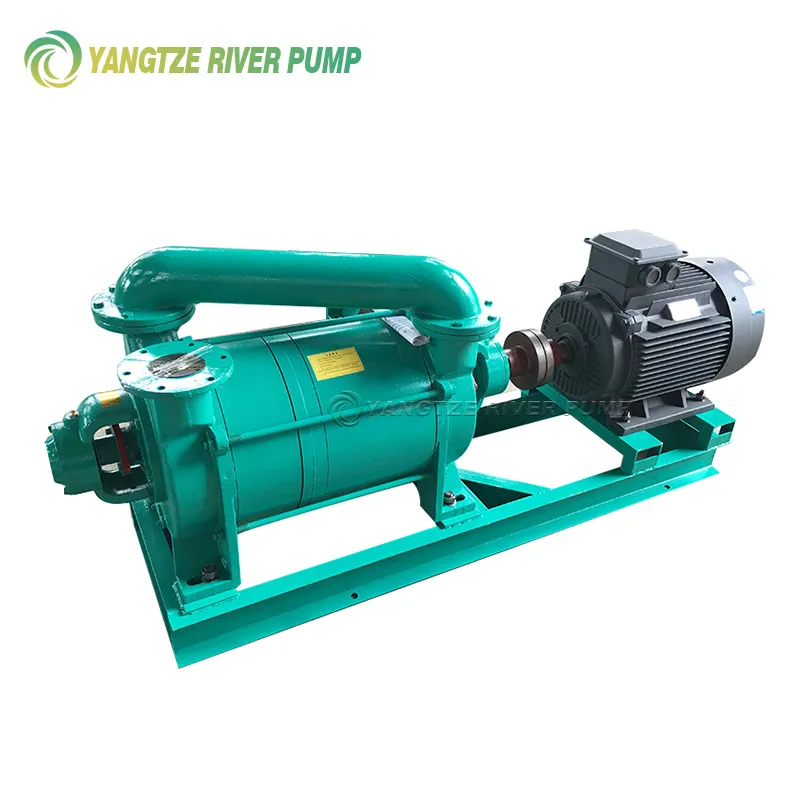 Liquid ring vacuum pumps type 2SK
-
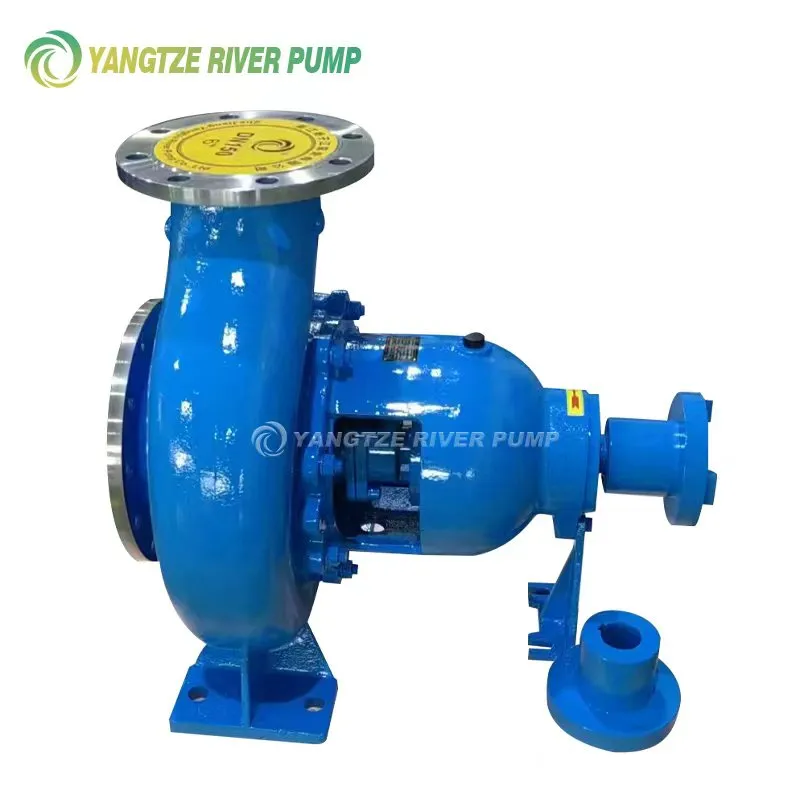 IH Stainless Steel Chemical Centrifugal Pumps