







centrifugal pump rating
When you see the query 'centrifugal pump rating', you immediately imagine those tables with numbers and stars that newcomers to the industry try to compare, like smartphones. This is the main mistake - thinking that there is some kind of universal rating that will put everything in its place. In fact, if you have worked with equipment at sites, you understand: the rating is not a “top 10” list, but a set of parameters that “play” in specific conditions. Sometimes a pump with the best efficiency according to the passport in practice loses to a simpler model due to pressure drops or the composition of the pumped medium. Now I’ll explain how I came to this.
Why 'paper' specs are misleading
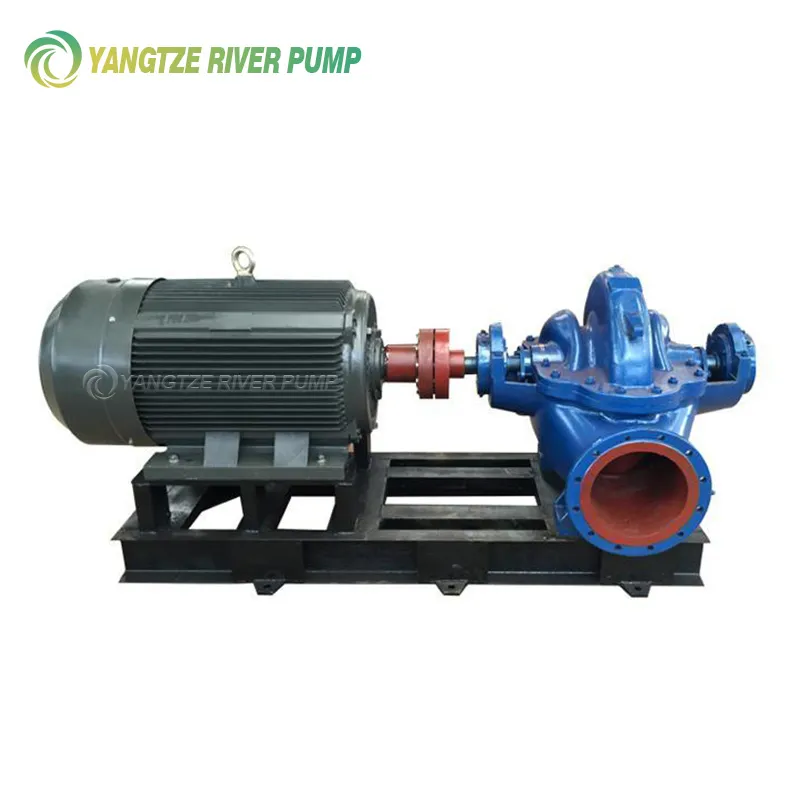
I remember about seven years ago we purchased a batchsingle stage centrifugal pumpsfor a water recycling system. We chose a model with the highest declared efficiency in its class according to one well-known catalog. It would seem that the rating is obvious. But after three months, problems with vibration began in certain areas of the characteristics. It turned out that for stable operation at partial loads (and in a real cycle the load is rarely constant), that model had too narrow an operating range. The passport 'rating' was taken under ideal bench conditions. Conclusion: look not at one number, but at the graph of the operating curve.
Another point is materials. I have seen many cases where ratings compare performance, but are silent about the material of the flow part. For water with abrasive inclusions, the cast iron wheel can be “eaten up” over the course of a season, which means that the entire high initial efficiency of the pump will be irrelevant by the end of the season. Therefore, in our company,Zhejiang Yangzijiang Pumping Industry Co.,Ltd, when testing on eight full lines, we always focus on long-term tests under conditions close to 'field'. This gives a more honest picture.
That's why on our websiteyangtzeriverpump.ruWe try to publish not only catalogs, but also reports on long-term tests. This is not a rating in the classical sense, but rather practical data for engineers.
Key parameters for internal 'rating'
So what do I look at when I need to evaluate a pump? The first is, of course, the pressure-flow characteristic (H-Q curve). But I’m not looking at one point (the face value), but at the entire chart. It is important that the curve be flat or, conversely, steep, depending on the task. For systems with variable flow, a flat curve is needed so that changes in flow have little effect on the pressure. This is basic knowledge, but how many times have I seen it ignored!
The second parameter is NPSH (NPSH). This is where the most costly mistakes lie. You can take a pump with excellent efficiency, but if you do not provide the required NPSHr, it will work with cavitation, destroying the wheel and losing performance. In my projects, I always provide a margin of at least 0.5 meters according to NPSH, and better yet, more. This is especially critical formultistage centrifugal pumps, where cavitation in the first stage disables the entire unit.
The third point is design. For example, for chemical media we often suggestplastic chemical pumps. Their 'rating' in conventional tables for pressure and performance may be average, but their main advantage - corrosion resistance to specific reagents - is not reflected in the general ratings. Therefore, our R&D department always requests the complete chemical composition of the medium from the customer.
Case study: when an 'unrated' pump saved a project
I want to give an example. We had an order for a pumping station to supply a suspension with small solid particles. In terms of the main parameters (flow rate, pressure), several models were suitable, including more “promoted” brands with better positions in conditional ratings. However, analyzing the experience, we offered ourlinear centrifugal pumpwith reinforced shaft and special seal.
The key argument was not the nameplate number, but the design of the flow part, which is less prone to clogging, and the possibility of quick maintenance without dismantling the pipeline. Competitors offered higher efficiency, but when stopping for cleaning every two weeks, this efficiency became fiction. The client listened. The station has been operating for four years now, with scheduled maintenance every six months. This is the real rating - reliability in specific conditions.
We have transferred this experience to our production philosophy. Yes, we strive for high performance on test benches, but the final test is work at the customer’s site. Therefore, our scope of activity includes not only production, but also the full cycle: from R&D and testing to sales and, importantly, service.
How to evaluate reliability and service life
Reliability rating is a completely separate topic. It can't be found in catalogs. It comes down to little things. For example, the quality of impeller balancing. An unbalanced wheel causes vibration, wear of bearings and seals, and ultimately failure. On our lines, balancing is a mandatory multi-stage process with control at each stage.
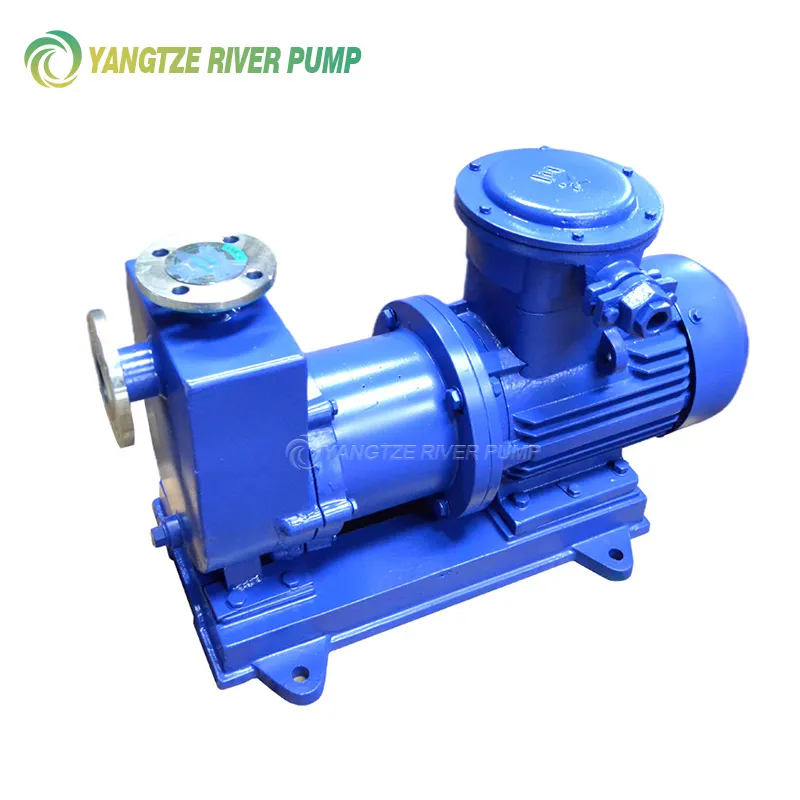
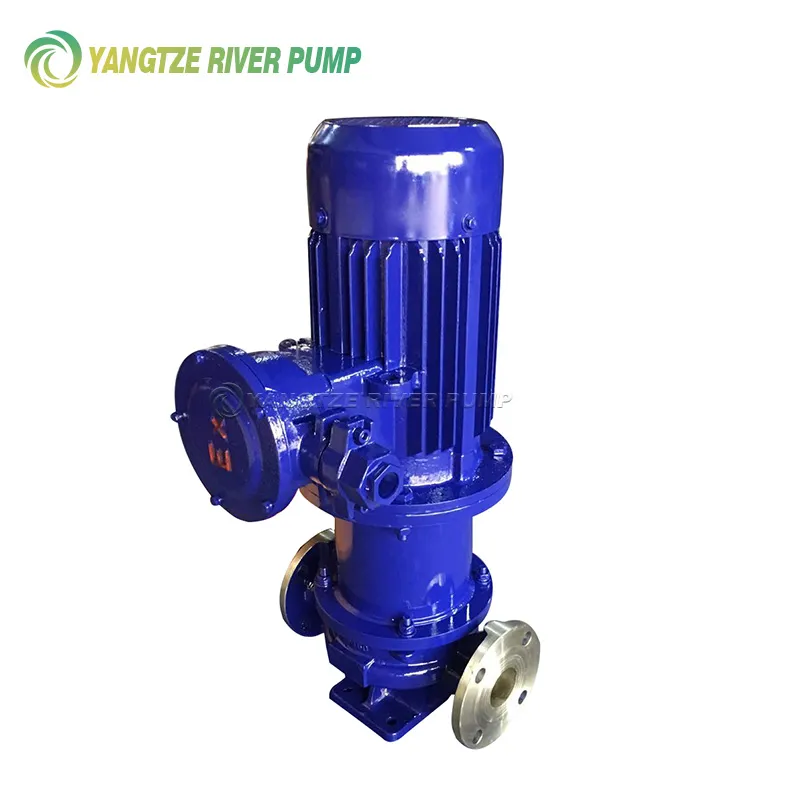
Another indicator is the approach to the sealing system. Does the manufacturer offer only a gland seal, or are there options with mechanical seals (single/double) for different media? For example, for ourmagnetic pumpsthe issue of tightness is resolved at a fundamentally different level (without a shaft seal), which immediately puts them in the 'top rating' for toxic or expensive environments.
Service life often depends on safety margins in the design. You take the catalog and look at the weight of the unit with similar parameters. A heavier pump often means a more massive shaft, a reinforced casing - that is, reserve for long and possibly difficult work. This is a subjective, but very workable method of preliminary assessment.
Result: making your rating
So what should a person do if they search for “centrifugal pump rating”? My advice is to use this as an entry point, but not as the ultimate truth. Collect a list of models that are formally suitable. And then begin to 'unwind' each according to the specific criteria of your task: environment, operating mode (constant/variable), maintenance requirements, availability of spare parts.
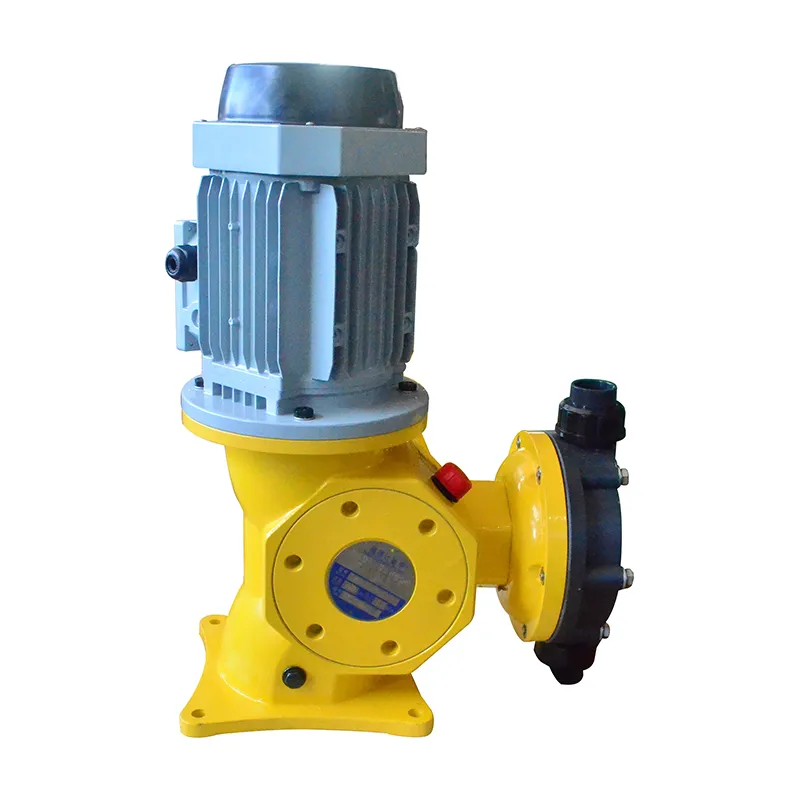
Do not hesitate to request from manufacturers not only beautiful booklets, but also detailed drawings, test reports on abrasive media (if relevant), and recommendations for use. A real manufacturer who is confident in his equipment, like our company, will always provide such information. All our products are fromself-priming pumpsup todiaphragm pumps- goes through the technical support department, which helps customers make such a 'deep' comparison.
Ultimately, the best rating for a centrifugal pump is not written in glossy magazines, but in the site operation log. When, after years of operation, except for the scheduled replacement of seals, nothing happens to the unit - this is the highest score. This is what we strive for in every product that comes off our production lines.
Correspondingproducts
Related Products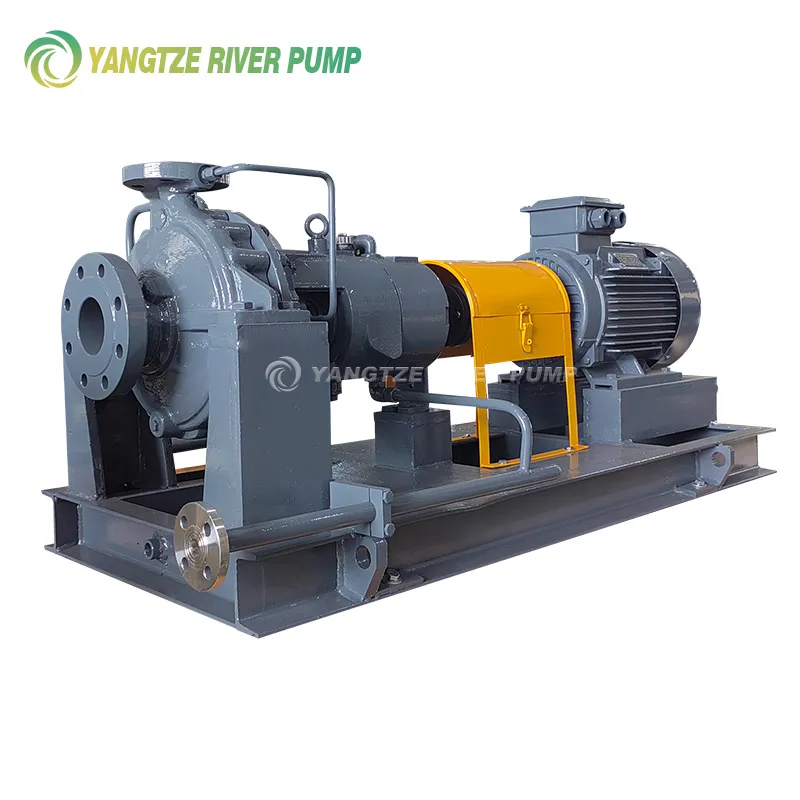

Best Sellingproducts
Best Selling Products-
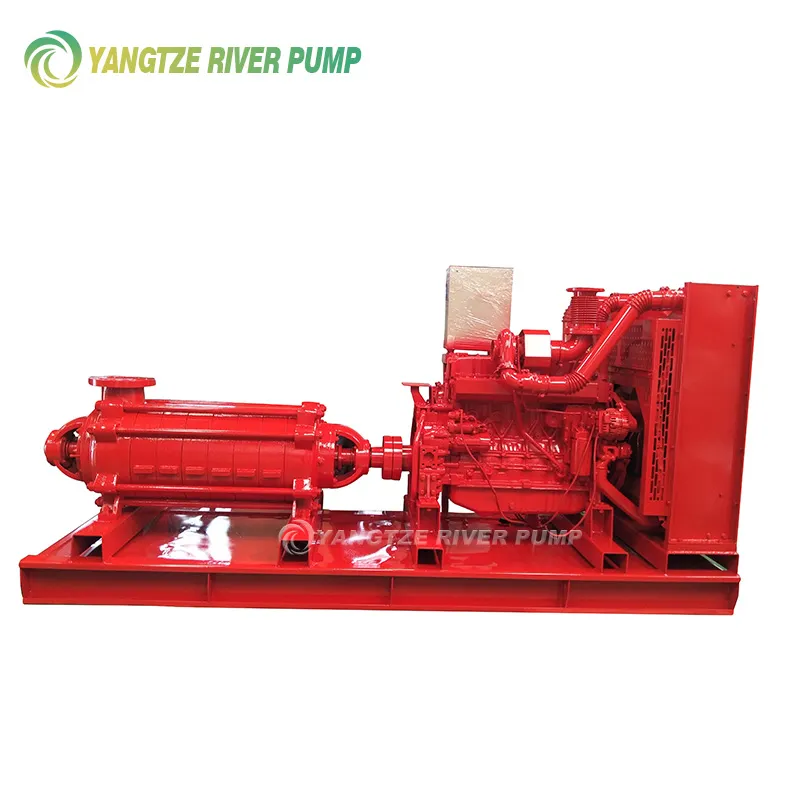 YZD Series Diesel Multistage Centrifugal Pumps
-
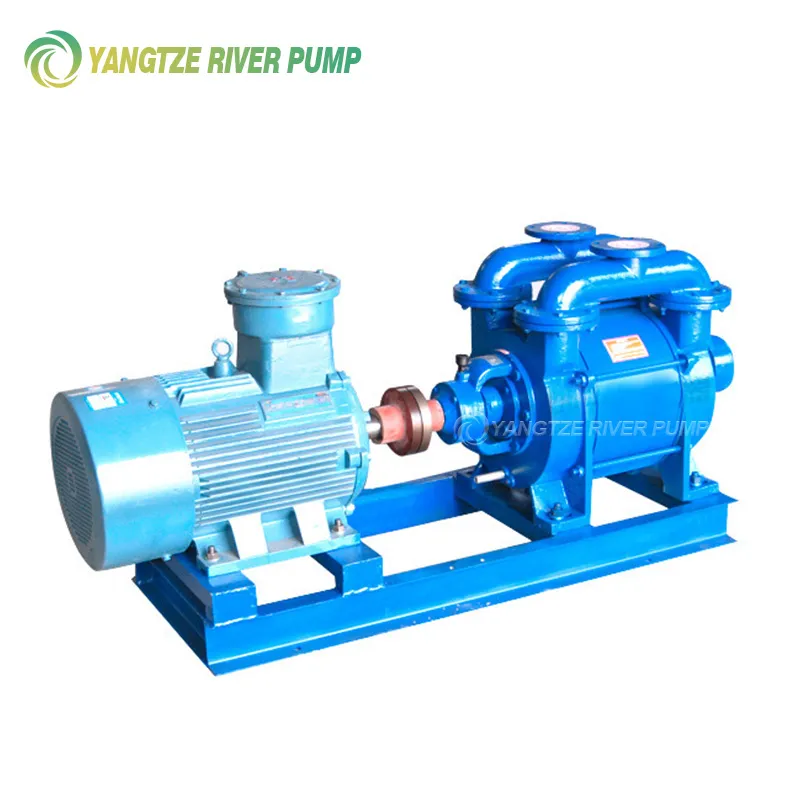 Liquid ring vacuum pumps type SK
-
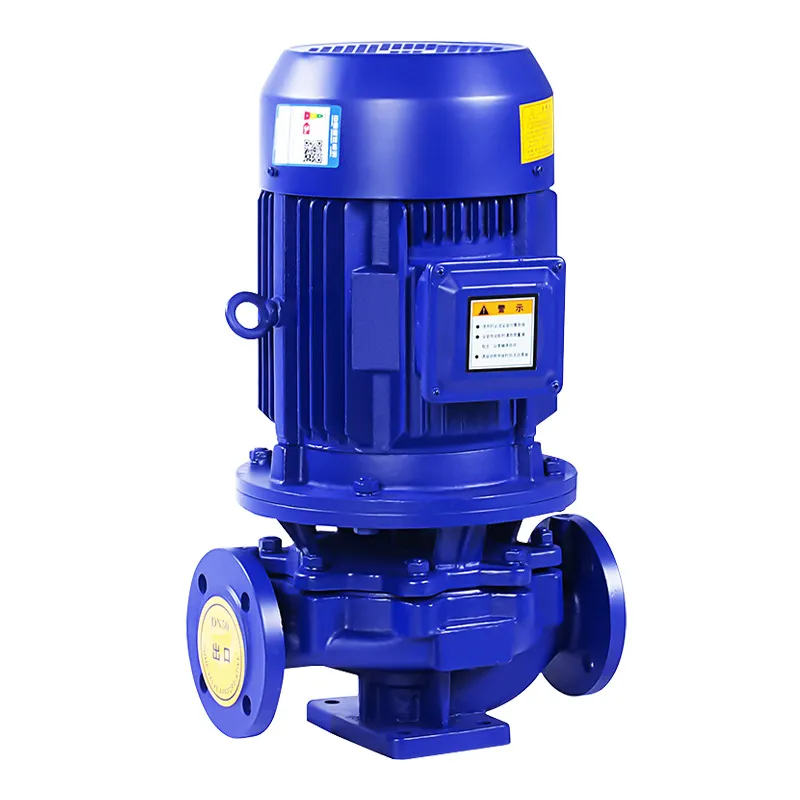 Vertical single-stage pipeline centrifugal pumps ISG and IHG
-
 YW Vertical Submersible Sewage Pumps
-
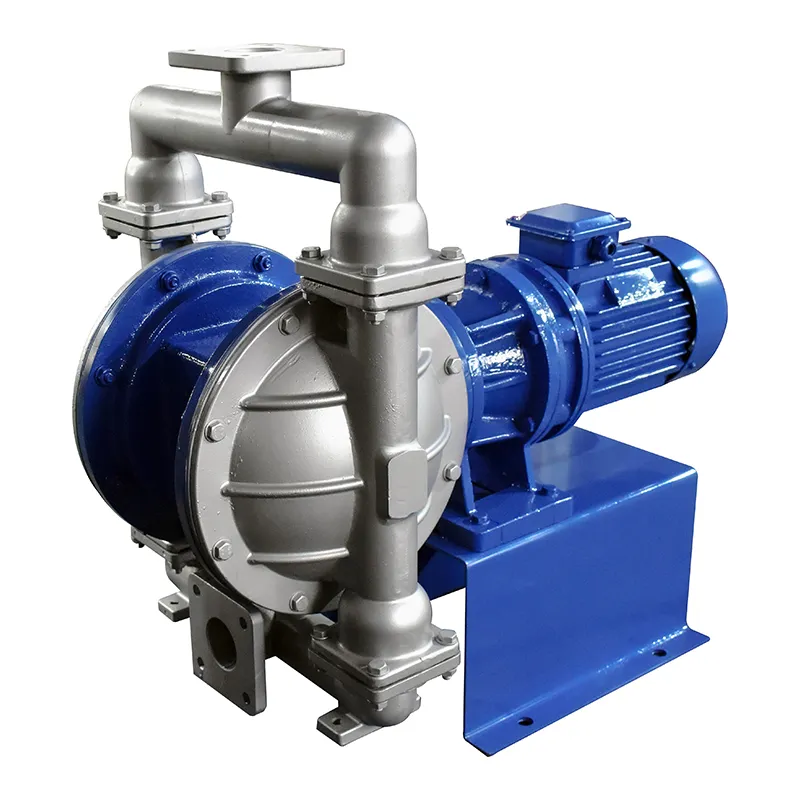 Metal electric diaphragm pumps DBY
-
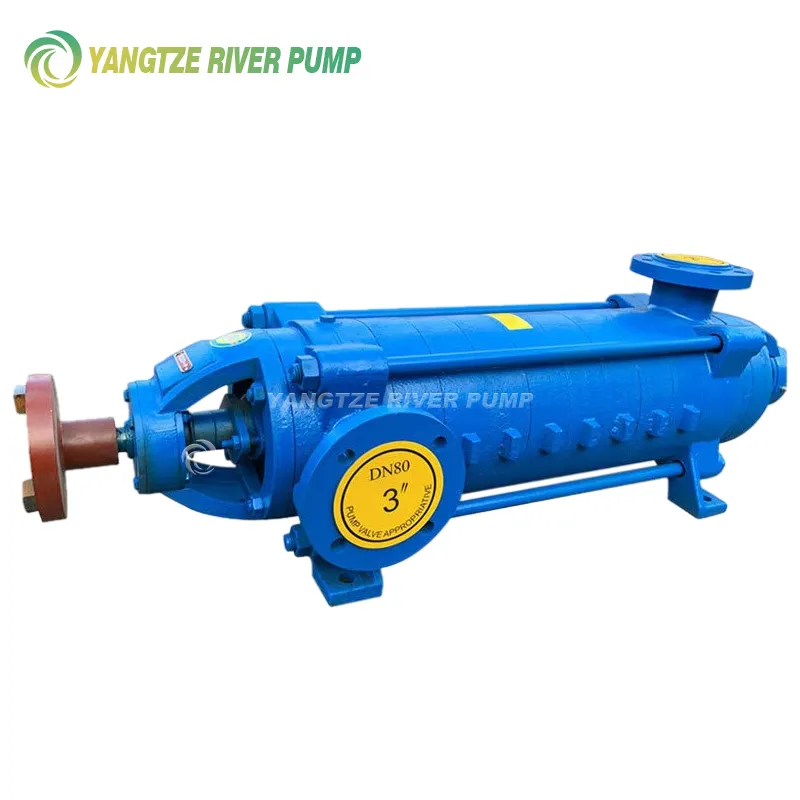 Horizontal multistage pumps for feeding DG boilers
-
 YCB Type Circular Gear Pumps
-
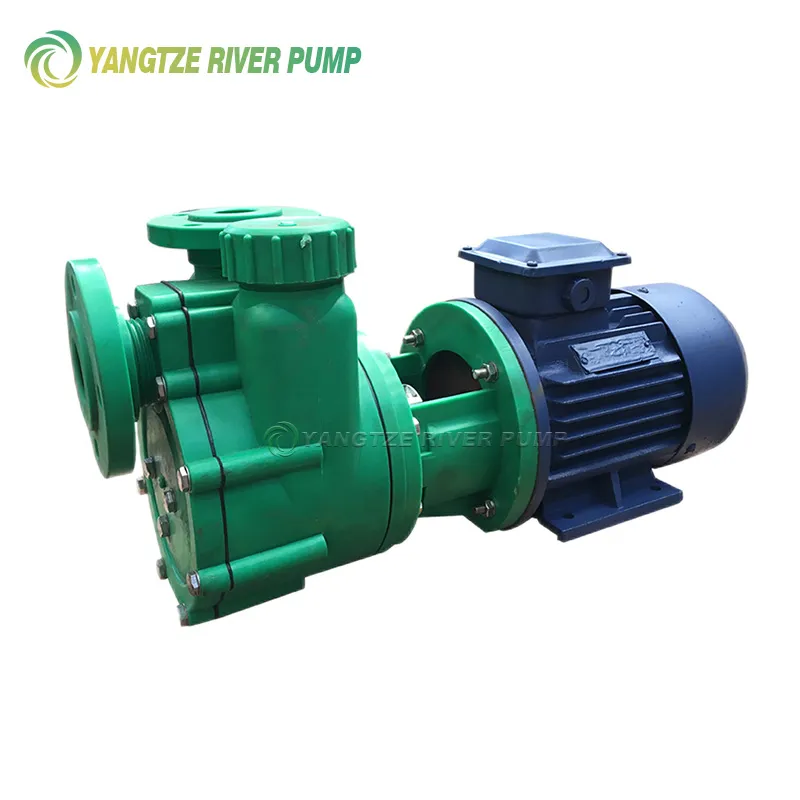 Plastic self-priming centrifugal pumps FP and FS
-
 Metal pneumatic diaphragm pumps QBK
-
 Horizontal multistage pumps for feeding DC boilers
-
 Sanitary screw pumps type GF
-
 Liquid ring vacuum pumps type 2EB