







centrifugal screw pumps
I'm looking at the request: centrifugal screw pumps? and I immediately catch myself thinking that someone is most likely looking for something specific, but is a little confused about the terms. This is a common story in the industry - they mix up operating principles. Centrifugal pumps operate due to the centrifugal force created by the impeller, and screw (or screw) pumps operate due to the displacement of the medium by a rotating screw in the stator. These are fundamentally different cars. But it is interesting that such a request exists, and it is not entirely groundless. Sometimes at facilities, especially when it comes to pumping viscous media or media with inclusions, a dilemma really arises: what to choose - a centrifugal pump with certain modifications or a screw one? And this is where the area of practical compromises and engineering solutions begins, where our company, Zhejiang Yangzijiang Pumping Industry Co., Ltd., with its eight complete lines from R&D to service, constantly operates.
Why ?centrifugal screw? - this is an oxymoron, but the problem is real
Let's start with the basics. In our catalog atyangtzeriverpump.rucategories are clearly divided: herecentrifugal pumps(single-stage, multi-stage, linear), but -single screw pumps. It's not just marketing, it's physics. The centrifugal is good for large volumes and relatively clean liquids with low viscosity. Try to pump thick sludge or, say, paste into it - the efficiency will drop catastrophically, cavitation may occur, and the engine will simply burn out from overload.
And now a practical case. We had a customer from the food industry - they needed to pump fruit puree with pieces. At first he insisted on a centrifugal pump, citing the fact that “everyone has it like this?” But viscosity, and even abrasive inclusions... We insisted on testing. The process was simulated on our test line. The centrifugal one, even of a special design, did a poor job - the puree was heated, the pieces were crushed, which was unacceptable according to the customer’s specifications. Butsingle screw pumpcoped perfectly: soft displacement, minimal shift, preserving the structure of the product. The client was surprised, he thought the auger was only for very thick things.
This is probably where this hybrid request comes from. People are faced with a problem where a standard centrifugal pump cannot cope, they hear about auger solutions, and a certain “universal” idea arises in their minds. picture. But versatility is the enemy of efficiency. It is necessary to clearly diagnose the medium: viscosity, presence of solid particles, required pressure, need for dosing.
Where Yangtzejiang centrifugal pumps hold up and where they give up
Our production relies on a wide range to cover various tasks. Let's take oursmultistage centrifugal pumps. The ideal area is water supply, pressure boosting, irrigation systems. High pressure, stable flow. We worked with one agricultural holding - it was necessary to supply water from a deep well to a field with a large elevation difference. We installed a cascade of multistage pumps. They work for years, minimal maintenance - replacement of oil seals and bearings on schedule.
But there was also the opposite case, almost a failure, to be honest. They proposed the same type of pumps for pumping used oil with mechanical suspension at a small service station. The logic was: the oil is liquid, low pressure is needed. They didn’t take into account that the suspension is small metal shavings. Within six months, the impellers and seals were trashed. The client is, of course, unhappy. I had to disassemble and analyze the error. The solution turned out to be in another line - for such media with abrasive we have special chemical pumps with wear-resistant materials for the flow part or the same screw pumps, but with a reinforced design.
This experience fits well into our philosophy atyangtzeriverpump.ru: don’t just sell a pump, but choose a solution that will work for a long time. Sometimes this means refusing to sell a more expensive centrifugal in favor of a proper auger, even if it is cheaper. Reputation is more valuable.
Screw pumps: not just for “thick”, but for “capricious”?
Let's return to the augers. In our assortment it issingle screw pumps. Their main advantage is gentle handling of the product and self-priming ability. They are often considered only in the context of very viscous liquids, such as honey or gels. But the spectrum is wider.
One of the most interesting projects is pumping activated sludge at wastewater treatment plants. The medium is abrasive, contains long fibers, and is prone to delamination. Centrifugal pumps constantly clogged and tore fibers. We switched to a trial delivery of our screw pump with increased clearance and a special rotor coating. Yes, its productivity in terms of volume is lower than that of a centrifugal of similar power, but the reliability of operation without downtime turned out to be many times higher. Savings on maintenance and unplanned stops covered the difference in price.
Another nuance that is often overlooked is pulsation. A centrifugal pump produces a relatively smooth flow. The screw, depending on the design, can produce pulsation. But for many dosing or reactor feeding processes this is not critical, and sometimes even useful. We had to modify the inlet pipes and add dampers to smooth out this effect for a particular conveyor in a paint plant. Such fine adjustments are already after-sales work, which is provided by our service line.
Compare or combine? Equipment selection strategy
So what?centrifugal pumpsand augers are competitors? No, these are tools for different tasks. The right strategy is not about searching for the “best?” pump in general, but choosing the optimal one for a specific technological map.
At our production, we sometimes see clients come with a ready-made technical specification, where the type of pump is already indicated. And it’s good if the technical specifications were written by a competent technologist. More often than not, this is a copy-paste from an old project. Our job as a manufacturer combining R&D and testing is to ask questions. What is the exact viscosity at operating temperature? What is the size of the solids? Is shearing on the product acceptable? From the answers we dance.
Sometimes the optimal solution was a combination. For example, at the same treatment facility: first, a screw pump delivers a thick mass from a settling tank, and then a centrifugal pump pumps a more liquid fraction to a further stage. We help calculate such schemes based on test data with real environments at our test benches.
Conclusion: from request to dialogue
Therefore, when I see the request “centrifugal screw pumps?”, I read it not as an error, but as a signal. A signal that there is a practical problem at the intersection of application areas. A person may have already encountered the limitations of centrifugal technology and is looking for an alternative, but does not yet know the correct names.
For us at Zhejiang Yangzijiang Pumping Industry Co., Ltd. this is the starting point for dialogue. We don't just sell equipment from the siteyangtzeriverpump.ru, we offer engineering. Eight complete lines provide the ability to not only manufacture, but also test, adapt, and in the case of screw pumps, select the optimal clearances and materials for your specific, unique environment.
The bottom line is simple: forget about hybrids. Clearly define the task, environment and conditions. And then look either towards reliablecentrifugal pumpsfor water and low-viscosity liquids, or towards gentle and unpretentioussingle screw pumpsfor everything complex. And it’s better to make this choice together with technologists who have not only a catalog, but also a test bench with real examples of failures and successes behind them.
Correspondingproducts
Related Products





Best Sellingproducts
Best Selling Products-
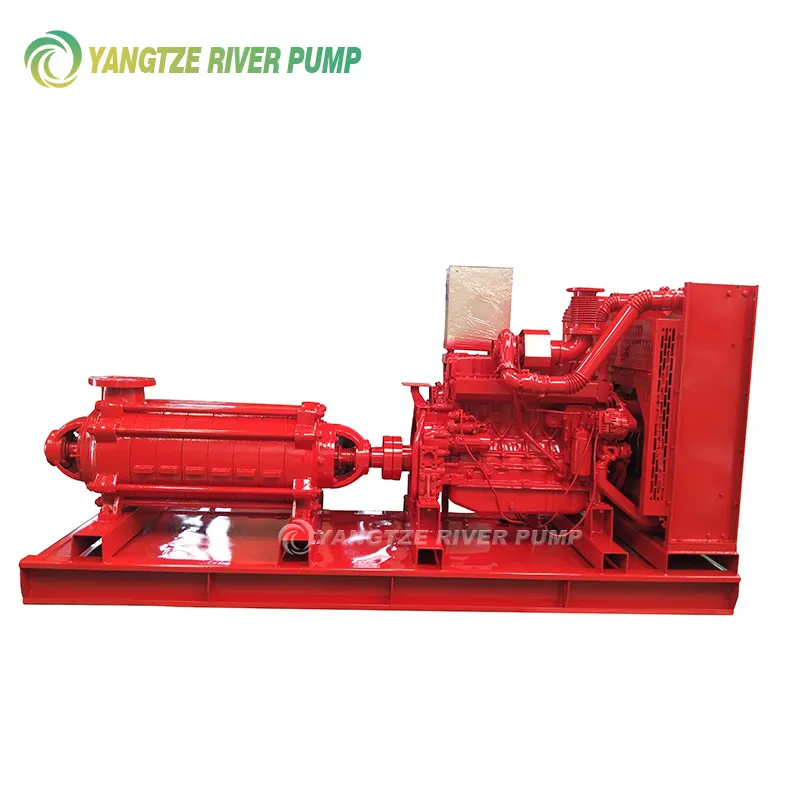 XBC Diesel Intelligent Fire Pumps
-
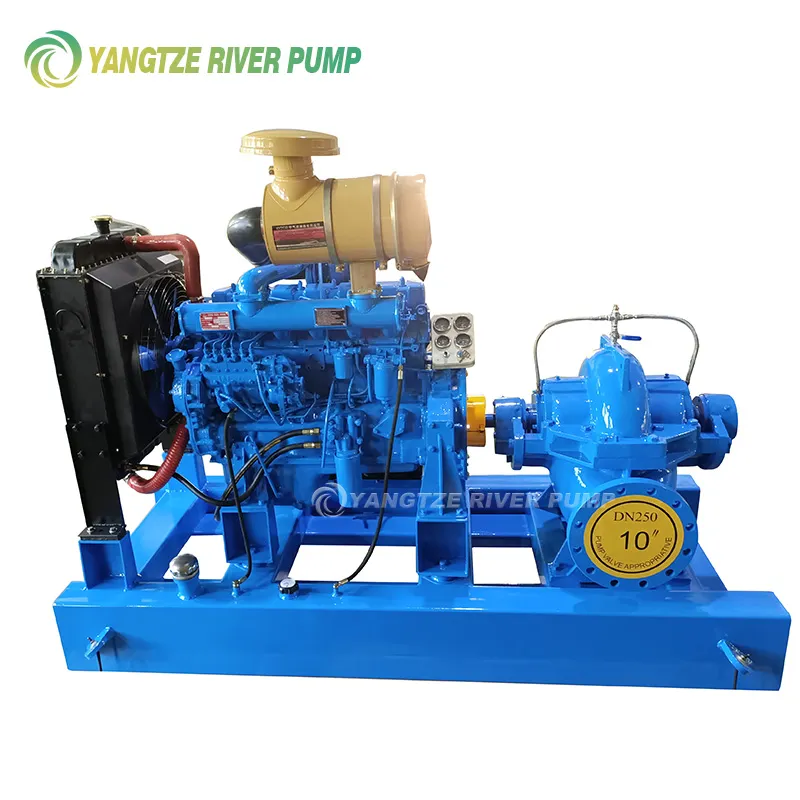 Diesel pumps with horizontal connector YZS and YZSH
-
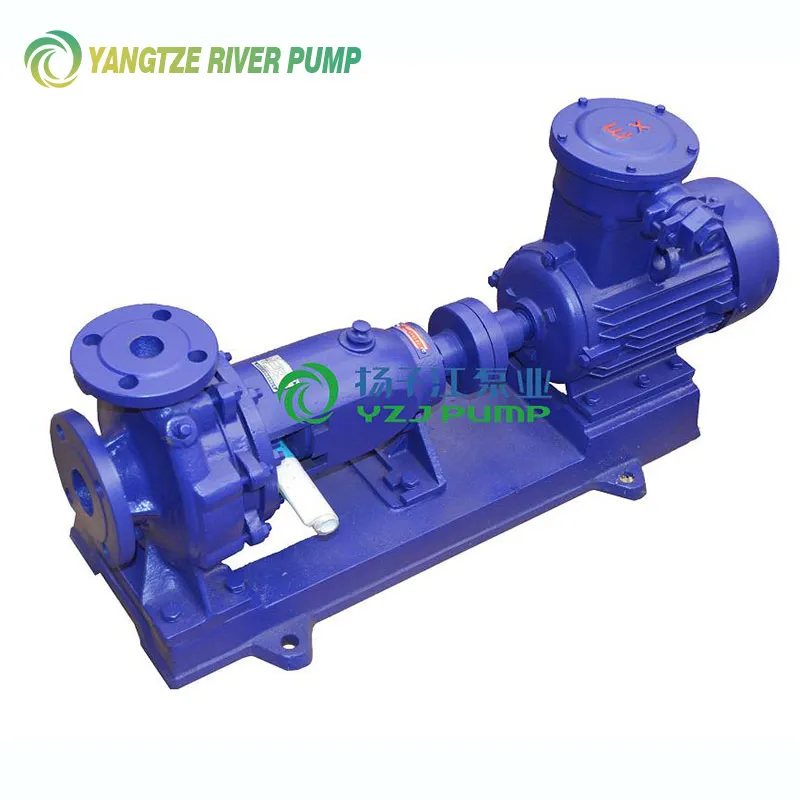 Horizontal chemical centrifugal pumps types IS and IR
-
 YCZ Chemical Process Pumps
-
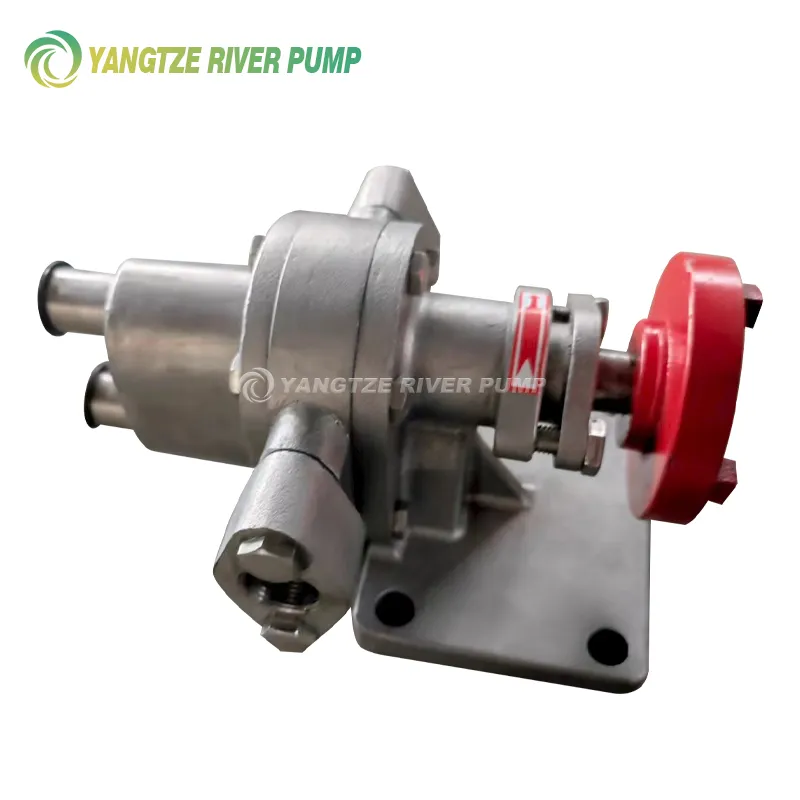 Gear oil pumps type KCB
-
 Mechanical diaphragm dosing pumps DJ-D
-
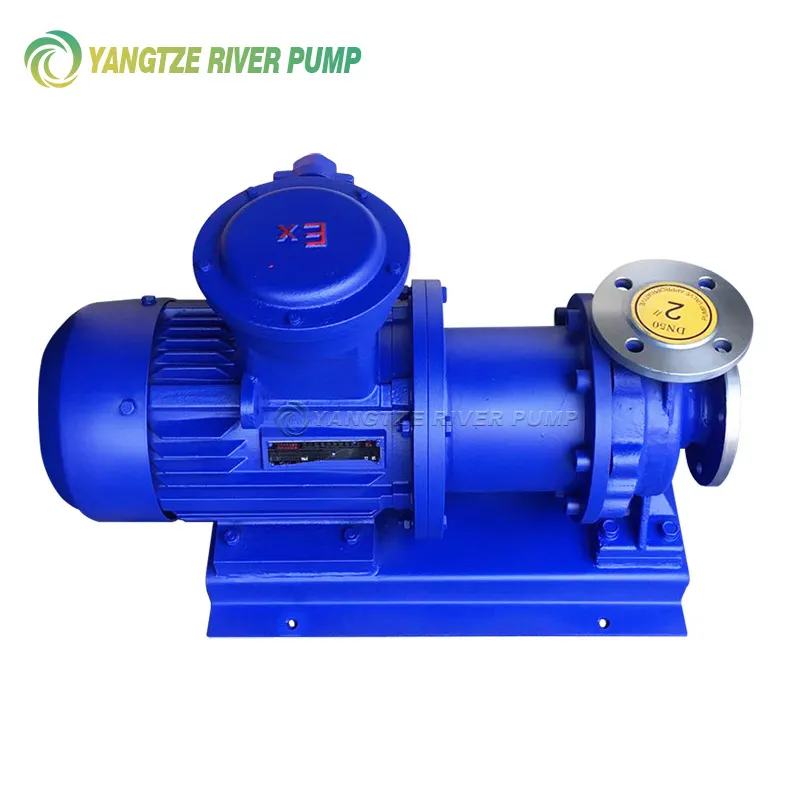 CQB Stainless Steel Magnetic Pumps
-
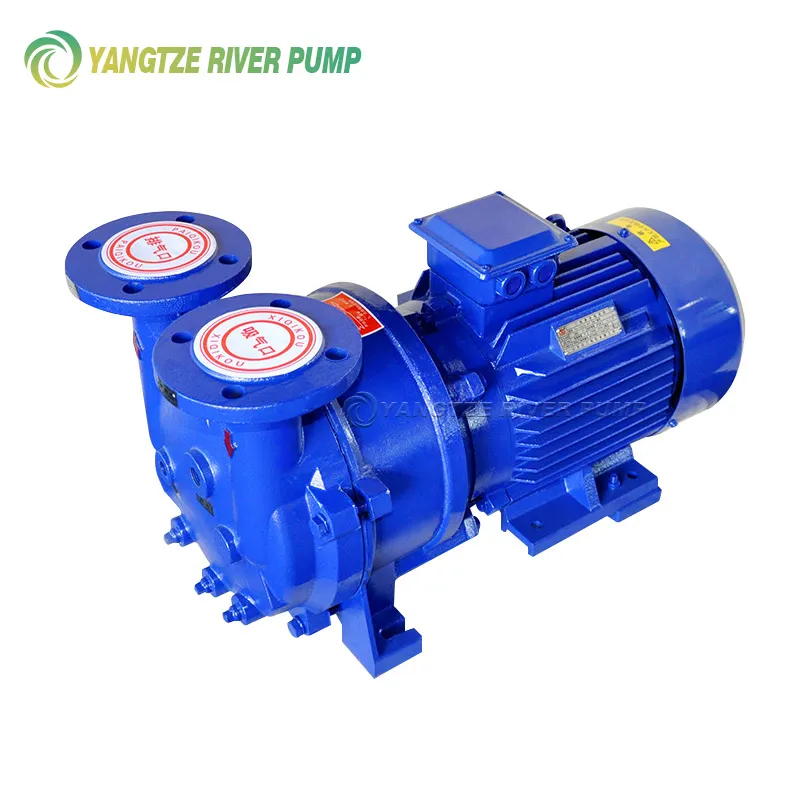 Liquid ring vacuum pumps type SKA and 2BV
-
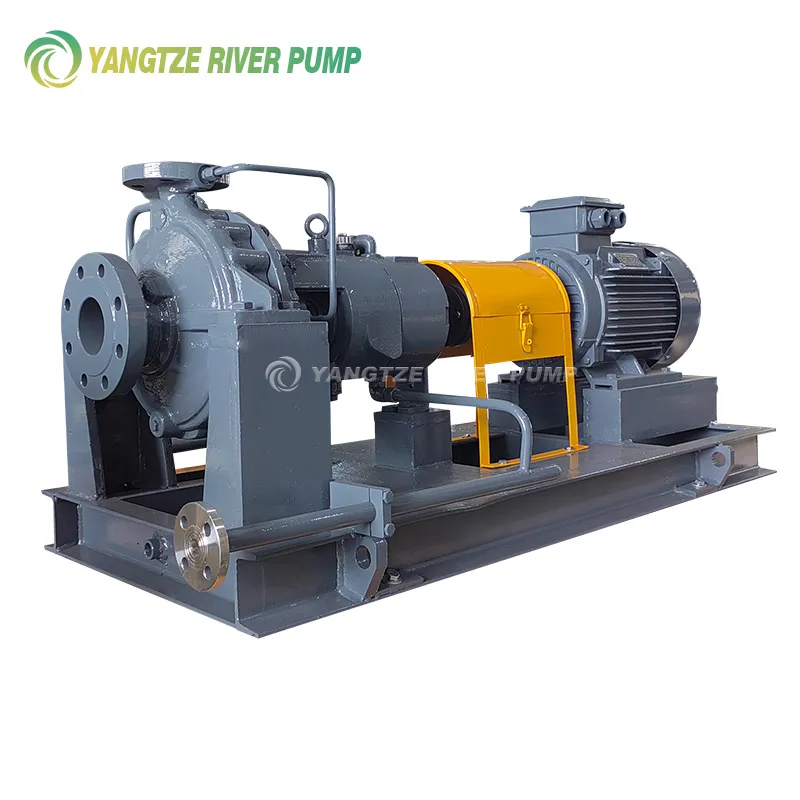 Petrochemical Process Pumps API 610 YZE
-
 Horizontal multistage centrifugal pumps type D
-
 Sanitary screw pumps type GF
-
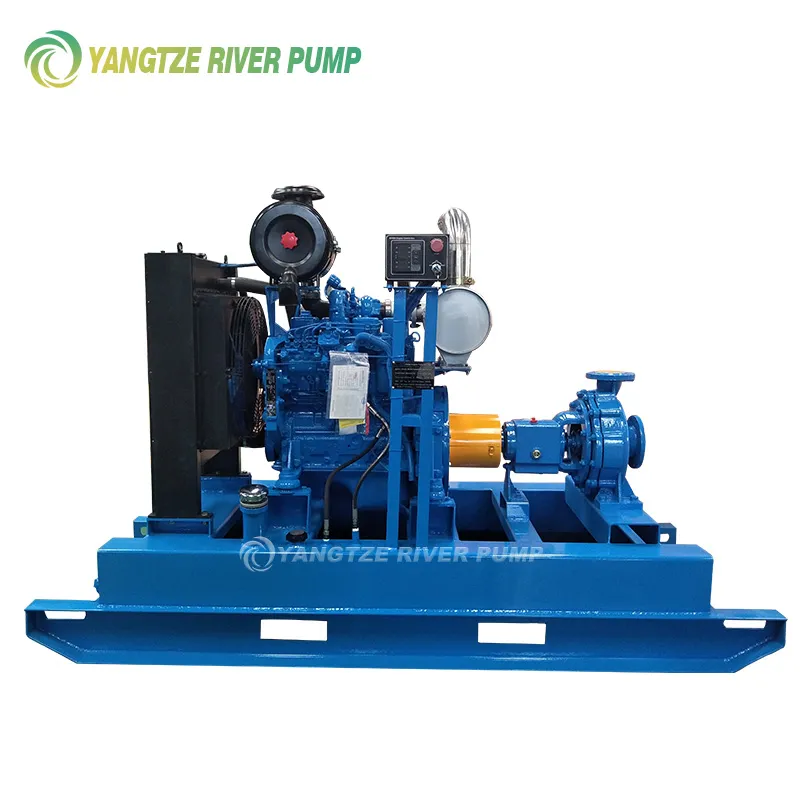 YZIS Diesel Single Stage Centrifugal Pumps
Relatedsearch
Related Search- cantilever type centrifugal pump
- Vertical wastewater pumps
- YZCN Vertical pumps for installation inside/outside tanks
- diesel pump unit
- vacuum pump optima
- YZIS Diesel Single Stage Centrifugal Pumps
- centrifugal pump online
- centrifugal pump 550W
- ZW Non-clogging self-priming wastewater pumps
- Type DG Horizontal multistage boiler feed pumps