







centrifugal pump 380 volt
When they say “centrifugal pump 380 volts?”, many people immediately think only about power. But tension is only an entry point. Much more important is how this motor will behave under load, how it is assembled and for what specific environment. A common mistake is to take the first 380V unit that comes along, without looking at the characteristics curves, the material of the flow part and the type of seal. In our production I saw how people installed a standard cast iron pump to pump aggressive liquids, simply because it had the required voltage. The result is predictable - corrosion within six months.
Not just an engine: why the harness makes all the difference
The 380-volt electric motor itself is a reliable and common thing. Problems start at the interface. For example, if we take our multi-stage vertical well pump. The engine seems to fit, but during installation they did not take into account the vibration from the rotor imbalance or the flexible insert was selected incorrectly. The result is constant wear of the stuffing box, leaks, and downtime. We had to redo the foundation slab and install vibration supports, although initially it was possible to choose a model with a magnetic coupling that decouples the engine and hydraulics. In ourZhejiang Yangzijiang Pumping Industry Co.,LtdThere is just a line of magnetic pumps that often solve this problem in chemical industries, but for some reason they are the last thing remembered.
Another point is the starter. It would seem like a small thing. But if for a powerfulcentrifugal pump 380 voltinstall a weak contactor, it will burn out every time you start. Especially with frequent on-off switching, as in water supply systems with a hydraulic accumulator. I myself saw how they “save money” at the facility. on the control panel, and then changed the contactors every two months until the winding burned out. The losses were many times higher than the cost of a normal starting kit with protection against dry running and phase imbalance.
Or here's the story with the cable. During one of the installations, the customer insisted on his own cable, the cross-section seemed to be suitable. But they didn’t take into account the length of the line - from the switchboard to the pump it was 80 meters. The voltage drop during startup turned out to be critical, the engine did not reach rated speed and overheated. I had to draw a new line with a larger section. Now I always advise you to look not only at the rated 380V, but also at the actual voltage at the terminals at startup.
Materials: from water to alkali
This is generally an unplowed field for mistakes. Classiccentrifugal pump380 volts is often associated with water. But if you pump, say, a solution of sodium chloride or a weak acid, cast iron will not last long. We tested a batch of pumps with a flow part made of AISI 304 stainless steel. We pumped water with a small abrasive content. Everything is fine. But then the same pump was installed to circulate hot brine in the workshop - and after three months, pitting corrosion appeared. It turned out that there were chlorides in the environment, and this requires 316L steel or even titanium-based alloys.
Therefore now inZhejiang Yangzijiang Pumping Industry Co.,LtdFor chemical media we immediately offer plastic chemical pumps made of PP or PVDF. They, of course, have limitations in terms of pressure and temperature, but they are absolutely inert to many aggressive environments. And the engine is still the same, 380 volts, but the housing itself and the impeller are plastic. It is important not to confuse them with conventional drainage pumps, which only have a plastic body and a metal impeller.
But for sewage or sludge, single-screw (screw) pumps are better suited. They have a completely different operating principle, not centrifugal, but the power supply is also 380V. They cope well with viscous media and those containing solids. But there is a nuance here: if there are long fibrous inclusions in the medium, they can wrap around the auger. You have to install a shredder or cutting mechanism at the entrance.
Self-Suction: Magic That Has Limits
Self-priming models are a separate issue. Many people think that thispump 380 voltyou can place it anywhere, and it will always raise water from the depths. In practice, everything depends on whether it is filled correctly before the first start-up, and on the condition of the seals. If the suction line is leaky and there is air leakage, the pump will work, but the performance will drop significantly. I saw a case on a farm: the pump was standing indoors, and the suction pipe went into the well through the wall. Where it passed through the foundation, the pipe had worn out, and the pump was pumping air instead of water. The engine hummed and did not gain pressure. Until we found this leak, we replaced a bunch of gaskets on the pump itself.
Another practical point is the suction height. The passport says 7-8 meters. But this is under ideal conditions, with a new membrane in the valve and at +20°C. In hot weather or if the water is warm, this height is noticeably reduced due to cavitation. Therefore, for deep wells or wells it is still more reliable to use submersible pumps. We also have these in our assortment, also for 380V, but with a sealed motor filled with oil or water for cooling.
Testing and feedback from the field
Our production consists of eight complete lines, from R&D to service. And the most valuable thing is feedback from installers and operators. They are the ones who send photos of broken impellers, corroded casings, burnt windings. Thanks to this, we have, for example, improved the design of the mechanical seal on our linear centrifugal pumps. Previously, when working with suspensions with fine abrasives, the seal failed quickly. We added the ability to supply clean flushing water to the seal cavity - the service life increased several times.
All new models, before being included in the catalog onhttps://www.yangtzeriverpump.ru, undergo long tests on stands. We don’t just check flow and pressure, but simulate real conditions: starts and stops, operation at the characteristic boundary, pumping of different media. Sometimes in the process it turns out that some assembly designed on paper behaves differently in metal. Then it’s back to the workshop for revision.
For example, there was a story with a diaphragm pump for dosing reagents. According to calculations, everything was fine, but during long-cycle tests it turned out that the connecting rod mechanism that drives the diaphragm wears out faster than the diaphragm itself. We revised the bushing material and lubrication method. Now this pump works without problems.
Instead of a conclusion: look at the system as a whole
So, back to the beginning.Centrifugal pump 380 volts- This is not a display unit. This is a node in the system. And his choice is always a compromise between cost, reliability, environment and operating conditions. You can buy the cheapest unit, but spend three times as much on its maintenance and replacement. Or you can choose the right one once, install it and forget it for years.
Our task as a manufacturer is not just to sell a product with the “380V” nameplate. And help you choose exactly the solution that will solve the customer’s specific problem. Whether it's pumping clean water from a river, circulating hot fluid through a heating system, or dispensing a caustic chemical. Each case has its own material, type of seal, and method of power supply.
Therefore, when people come to me with the question “can I recommend a 380 volt pump?”, I always ask the same question: “What should I pump?” From what depth? What temperature? Is there an abrasive? How often will it turn on??. The answers to these questions are more important than just the voltage and power numbers in the passport. This is the very difference between just equipment and a workable technological solution.
Correspondingproducts
Related Products



Best Sellingproducts
Best Selling Products-
 Infinitely variable screw pumps type G
-
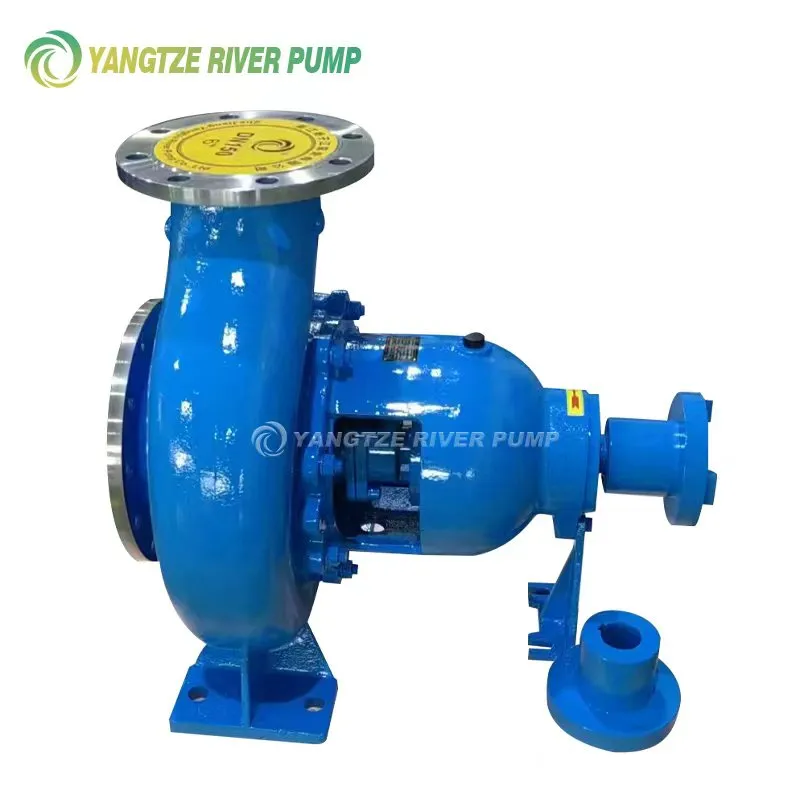 IH Stainless Steel Chemical Centrifugal Pumps
-
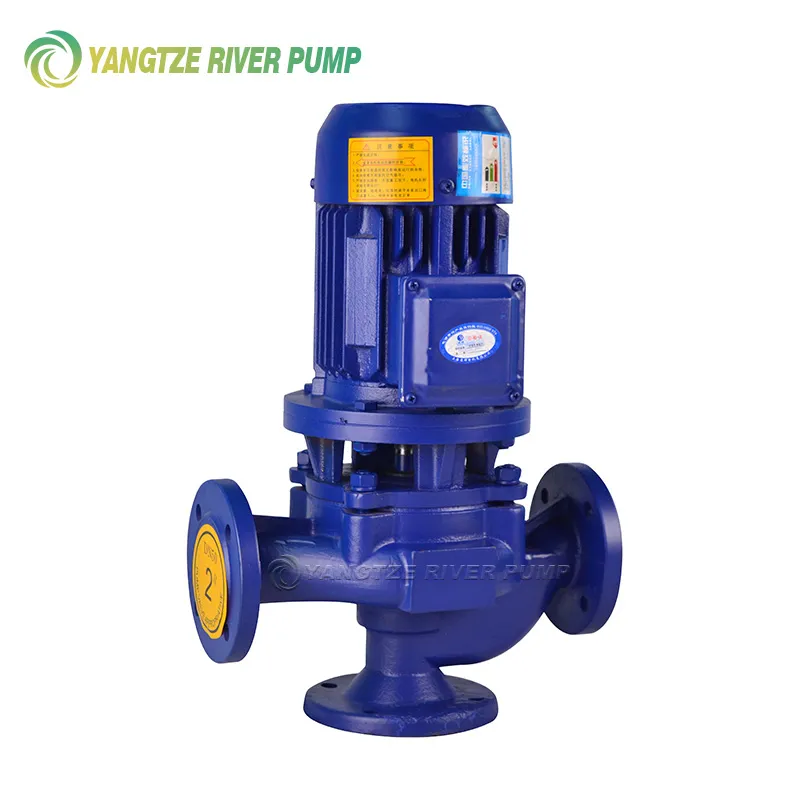 Pipeline wastewater pumps GW
-
 Corrosion-resistant stainless steel centrifugal pumps SFB and SFBX
-
 Vertical multistage centrifugal pumps made of stainless steel (light series) CDL and CDLF
-
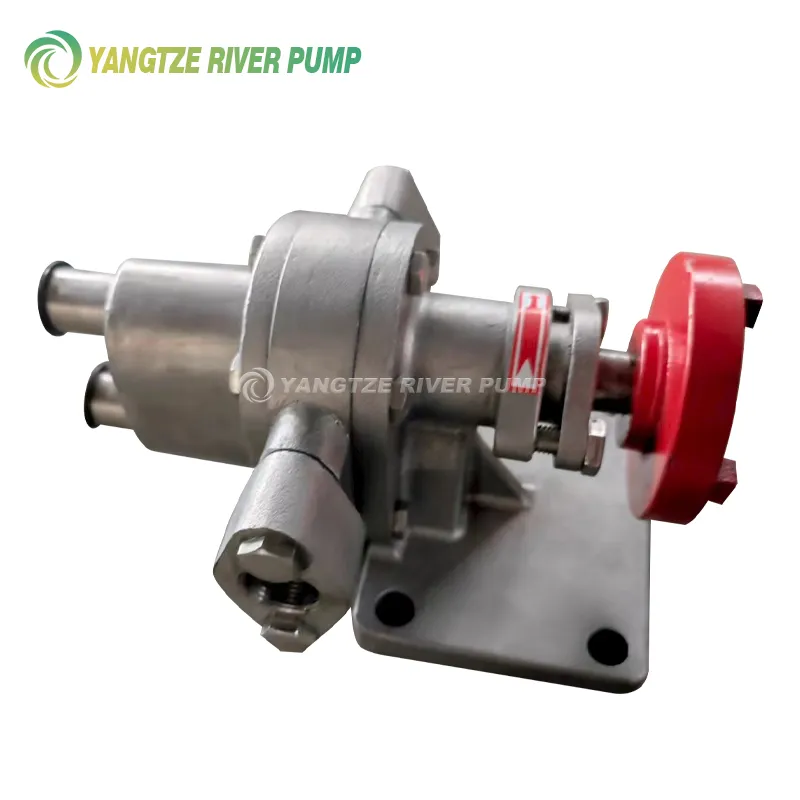 Gear oil pumps type KCB
-
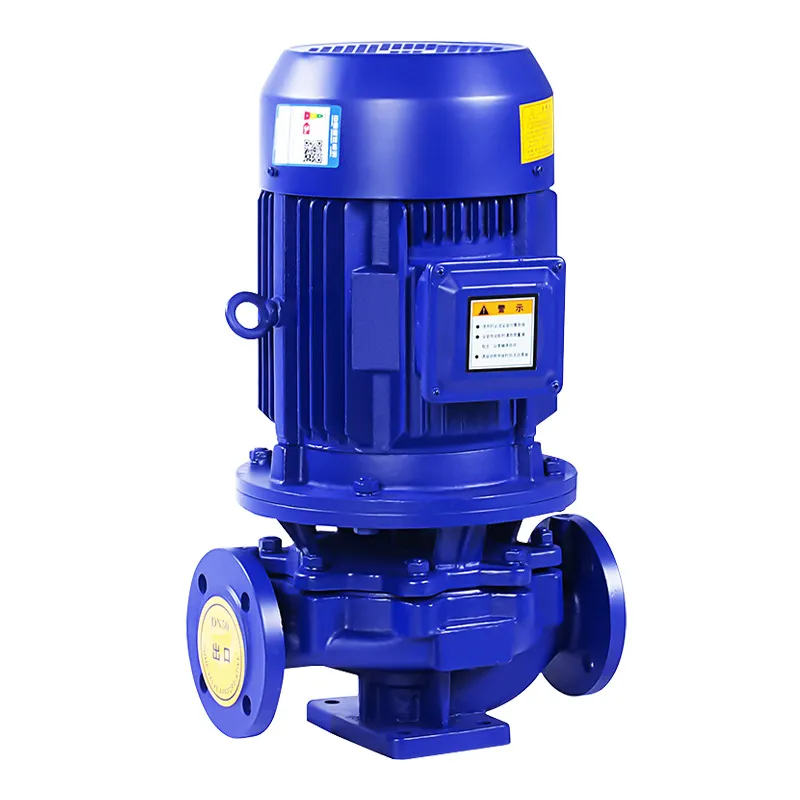 Vertical single-stage pipeline centrifugal pumps ISG and IHG
-
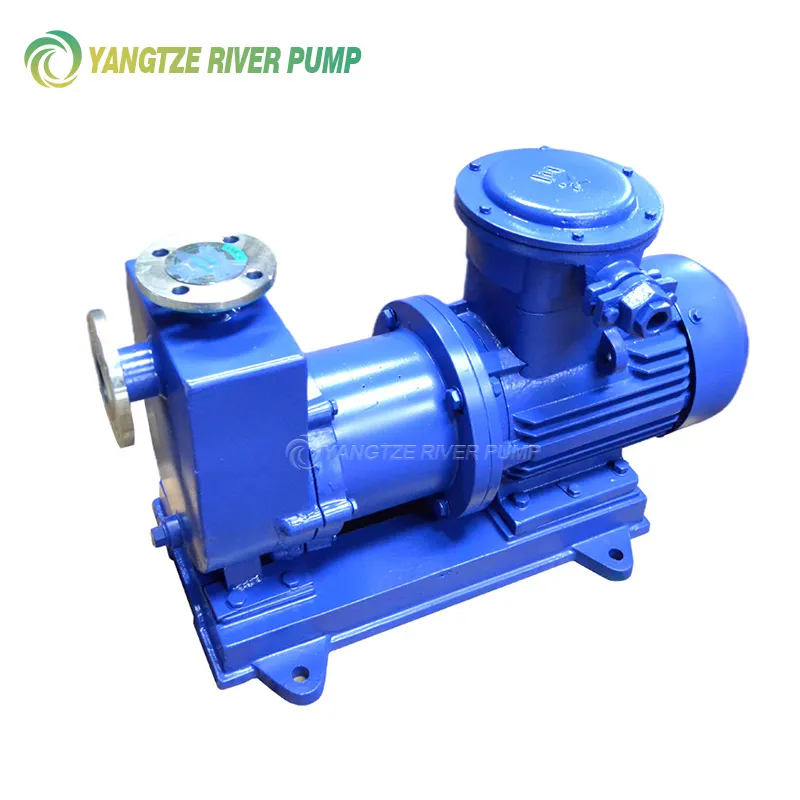 ZCQ Stainless Steel Self-Priming Magnetic Pumps
-
 Geared screw pumps type G
-
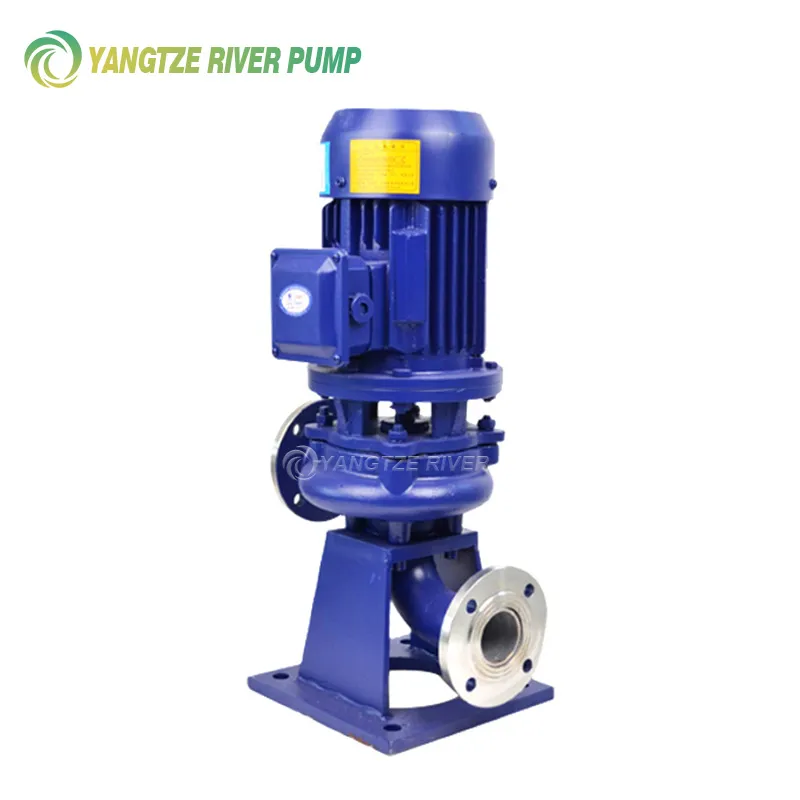 Non-clogging vertical wastewater pumps LW
-
 Horizontal multistage centrifugal pumps type D
-
 YW Vertical Submersible Sewage Pumps