







centrifugal pumps for water supply
When they talk about centrifugal pumps for water supply, many immediately imagine something simple and universal, they say, install it and it works. In fact, if you take exactly water supply systems, and not just pumping liquid from point A to point B, nuances begin that are often silent about in catalogues. The most common mistake is to assume that any centrifugal pump with suitable pressure and flow will cope. They forget about pressure surges, about sand in the well, about the fact that the pump can work for years in a partially closed valve, and that not only the electric motor suffers from this, but also the entire hydraulics of the system. We at Zhejiang Yangzijiang Pumping Industry LLC have encountered this more than once, when clients sent units for repair that seemed to be perfectly matched based on the numbers, but failed due to conditions that are not reflected in those same numbers.
Why ?water supply? - that's a different story
Water supply is more than just water. This can be water with dissolved air, with abrasive particles, with variable flow throughout the day. This is where the classic single-stage centrifugal pump can show its character. At one time we experimented a lot with materials for the flow part for such cases. Standard cast iron for clean water - yes, but if we are talking about a well with sand, even fine sand, the resource rapidly decreases. We switched to wear-resistant alloys, even considered ceramic coatings, but this is for very difficult conditions, and is not always economically justified for the typical water supply of a private home.
I remember one project, it seems, near Vladimir. The customer supplied a conventional centrifugal pump for water supply from a sand well. According to the passport, everything matched. Six months later - a drop in pressure, noise. Took it apart and the impellers and o-rings looked like they had been sanded. The sand did its job. It was necessary to select a model with a reinforced, closed impeller made of CD4MCu type material and with a mechanical seal designed for abrasive. After the replacement, the system has been working for more than four years, as far as I know. This is the case when the correct choice of a specific pump design is more important than just the brand or price.
And one more thing - about the noise. This is critical for the water supply of a residential building. Multistage centrifugal pumps, which are often used for high pressure applications, can be noticeably quieter than single-stage ones due to a different load distribution. But this is not without pitfalls: if there are air bubbles in the water, cavitation in a multistage pump can become more pronounced and lead to premature wear. Therefore, we always advise you to look not only at the Q-H graph, but also at the NPSH curves.
Self-priming models: convenience and price
A separate topic is self-priming centrifugal pumps for water supply. They are often used for wells or when a temporary system needs to be organized. It’s convenient that you don’t need to add water before each start. But many do not take into account that self-priming ability can degrade over time, especially if the system has even a slight leak at the suction. And their efficiency, as a rule, is lower than that of conventional centrifugal pumps. We have our assortment on the websiteyangtzeriverpump.ruWe keep several models of such pumps, but we always warn customers: this is an excellent solution for certain problems, but not a panacea. If you need a permanent, economical system, it is better to look towards submersible or linear centrifugal pumps with external installation.
We had experience in supplying a batch of self-priming pumps for water supply to a small village. The system was complex, with hydraulic accumulators and automation. The first year - everything is great. Then complaints began that the pumps “didn’t grab?” water after a power outage. It turned out that at some points the suction line was slightly longer than designed, plus the temperature rose in the summer, and vapors were formed. We had to modify the system, install additional check valves and, in some cases, switch to models with a more powerful ejector. Conclusion: self-suction is not magic, but physics, and its laws must be respected.
Now, by the way, I see a trend towards combined systems. For example, for water supply with a backup source (well + tank), it is sometimes more logical to install a conventional centrifugal pump, but with a small external self-priming pump for initial filling. This can be more reliable and cheaper in the long run than one powerful self-priming unit operating at its limit.
Multistage pumps: where you really need them
Multistage centrifugal pumps are a class of their own. They are often overestimated and used where a single-stage one can be used. Their main strength is the creation of high pressure at a relatively low flow rate. Ideal for water supply to high-rise buildings or systems with very long horizontal lines, where friction losses eat up pressure. But their weakness is sensitivity to water quality. Interstage seals, thin channels - all this can become a problem in the presence of mechanical impurities.
In our production, where there are eight complete lines from R&D to testing, we also produce such models. And the testing process is tougher for them. Each pump is run not only on water, but also on liquid with high viscosity, checking how the shaft behaves and how the bearings heat up. Because in a real water supply system, the water temperature can change, and in the summer, for example, it can stagnate in the pipes and “bloom” a little. water, which slightly changes its properties.
One of our flagships in this segment is vertical multistage pumps. They are often used in pressure boosting systems. Compactness is their advantage, but a disadvantage that is rarely talked about is the requirements for clean installation. The slightest misalignment during installation, and you can get vibration, which will eventually break the seals. We always focus attention on this in the instructions, but, as practice shows, installers do not always read them.
Submersible pumps: working in the subsurface
Submersible centrifugal pumps for water supply are perhaps the most common option for wells. It would seem that the topic is well-trodden. But there is something to think about here too. For example, about how a pump will behave in a well with an imperfect casing. If the diameter is matched closely and the pipe has slight waviness, there may be problems during installation and dismantling. We once received a pump back with a bent bottom cover - it simply jammed when trying to lift it.
Another practical point is protection against “dry running”. This is fatal for submersible pumps. Level sensors are good, but they can fail. In some of our models for water supply, we have begun to introduce built-in motor current protection, which indirectly determines operation without water. Not ideal, but it works as additional insurance. By the way, our R&D department constantly monitors such solutions, because feedback from installers and service engineers is an invaluable source of information for improvements.
And of course, the material. For standard conditions, stainless steel is sufficient. But if the water is aggressive, with increased mineralization, you have to consider options like plastic chemical pumps. Yes, we at Zhejiang Yangzijiang Pump Industry LLC also have them in our lineup. But for water supply they are used less frequently, usually in specific cases when it is necessary to pump water from deep wells with a high salt content or slightly acidic aquifers. The strength, of course, is lower than that of metal ones, but there is no corrosion at all.
Ruler, tests and final choice
When you look at our entire line - from single-stage to multi-stage, from self-priming to submersible - you understand that there is no universal recipe for water supply. Every project requires analysis. I always advise my sales colleagues to start a conversation with a client not with the model, but with the conditions: what kind of water, what well or source, what kind of wiring is in the house, is there a hydraulic accumulator, how often are power outages. These seemingly everyday details are often more important than the technical specifications printed in bold print in the catalogue.
Our eight production lines and our own test bench are not just for show. This is an opportunity to test the pump in modes close to “combat”. It happened that after such tests, minor changes were made to the design: a slightly different blade shape, a slightly different gap in the seal, a different oil seal material. It is these little things that then determine whether the water supply pump will work for ten years or fail in three.
In the end, back to the beginning. A centrifugal pump for water supply is not just a piece of hardware with a motor. It is a node in a living, dynamic system. His choice is a compromise between cost, reliability, efficiency and maintainability. And the most valuable experience is not successful launches, but precisely the analysis of those cases when something went wrong. They are what forces you to dig deeper, test assumptions, and ultimately create a product you can rely on. Which is exactly what we are trying to do atyangtzeriverpump.ru, offering not just pumps, but solutions that have also been tested under difficult real-life conditions.
Correspondingproducts
Related Products
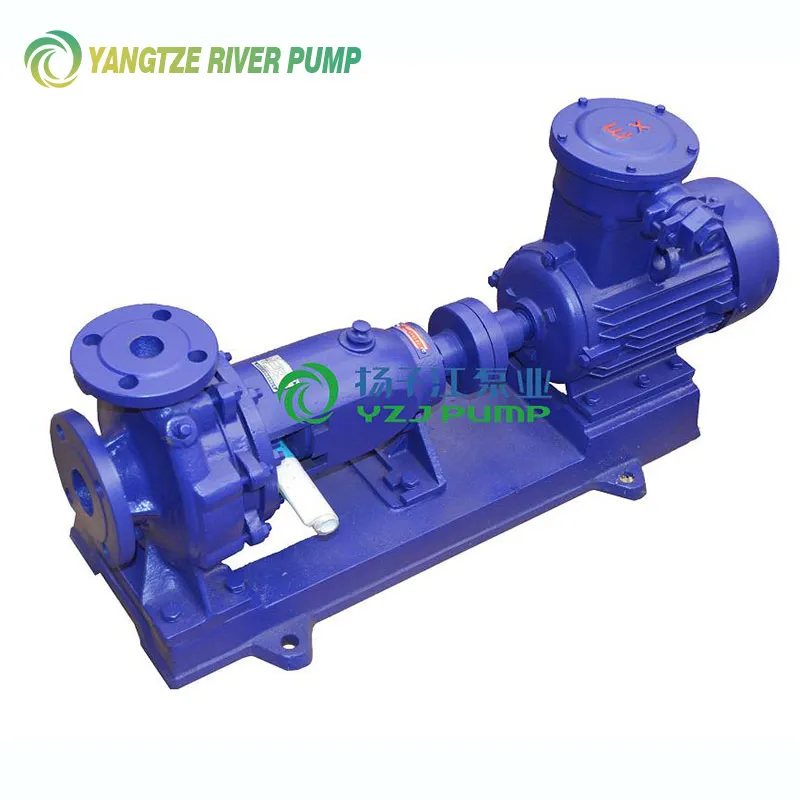
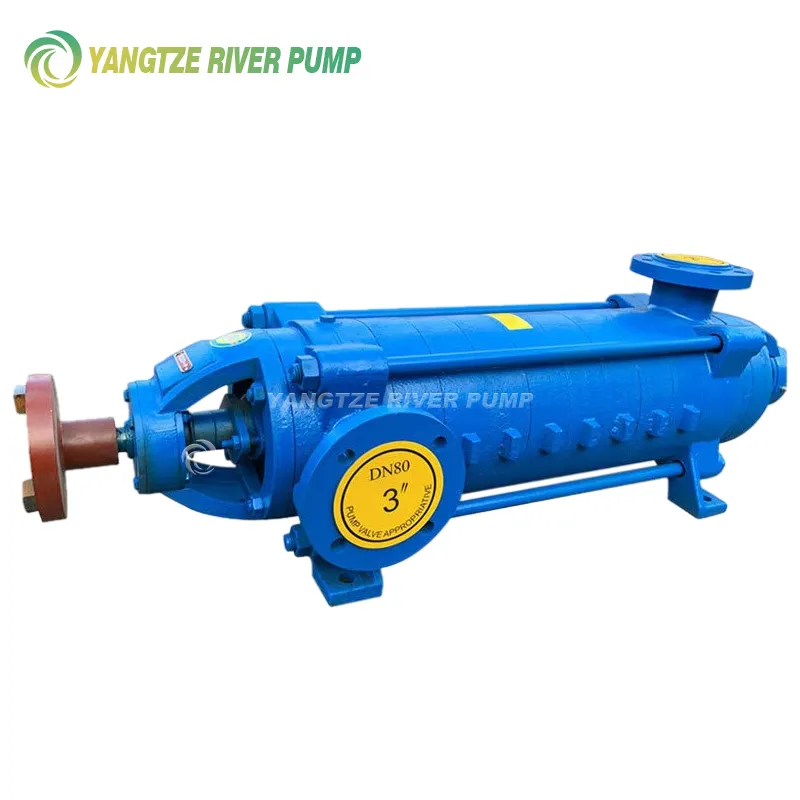

Best Sellingproducts
Best Selling Products-
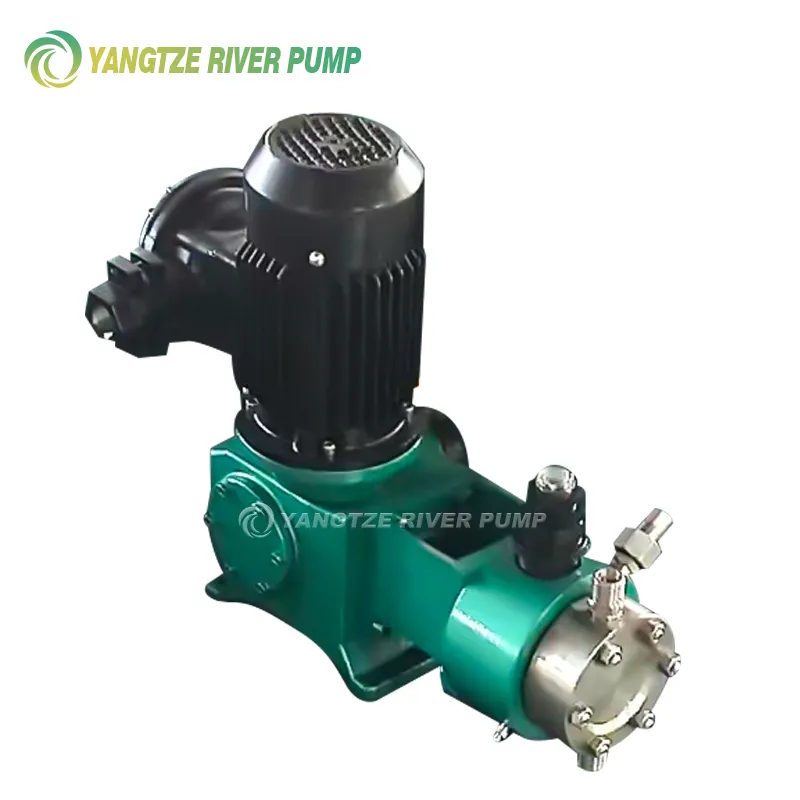 Plunger dosing pumps type DZ-X
-
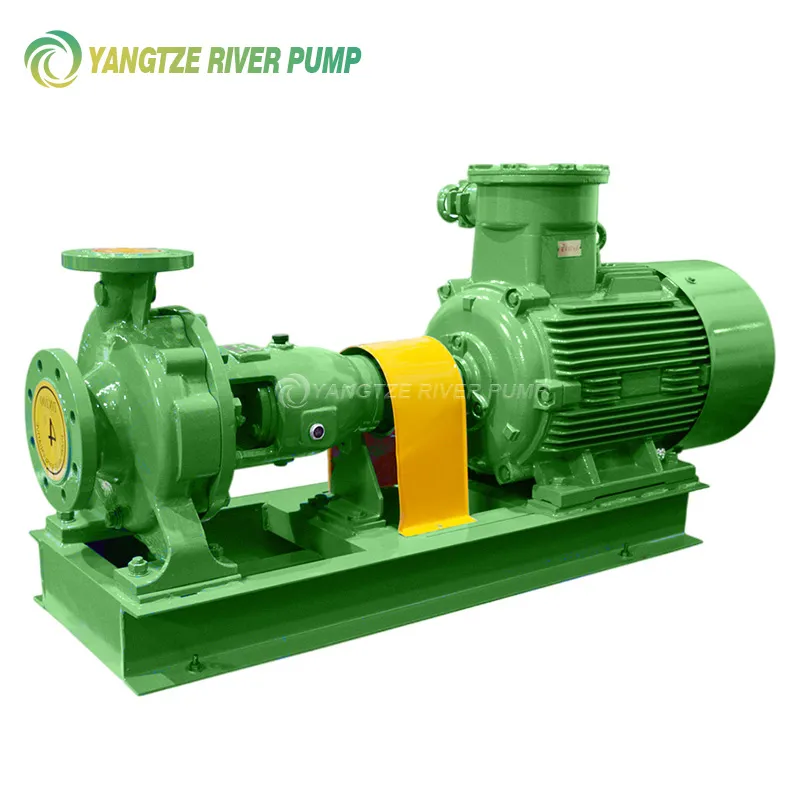 YCZ Chemical Process Pumps
-
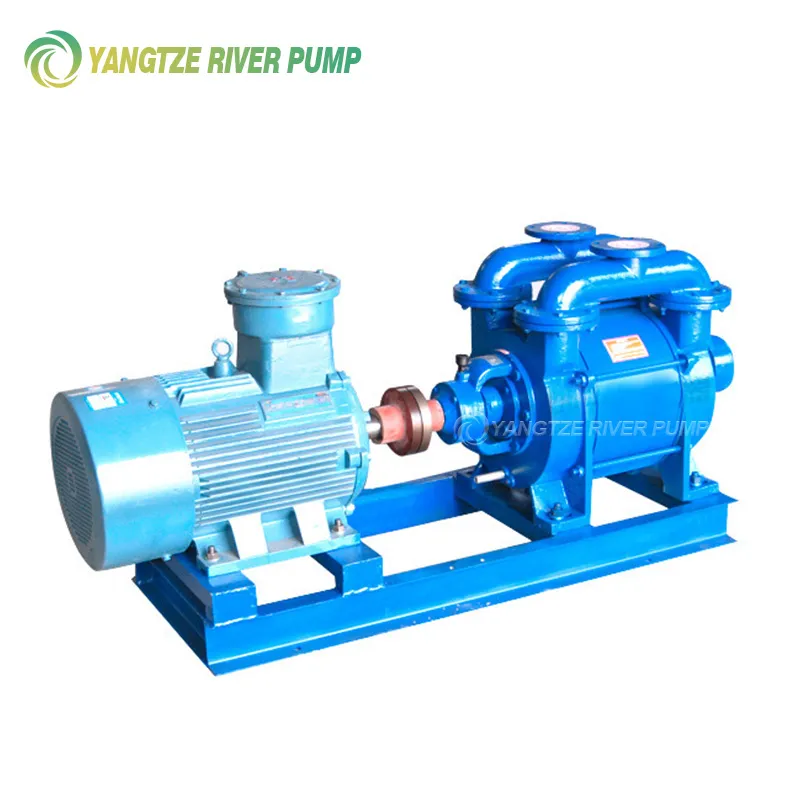 Liquid ring vacuum pumps type SK
-
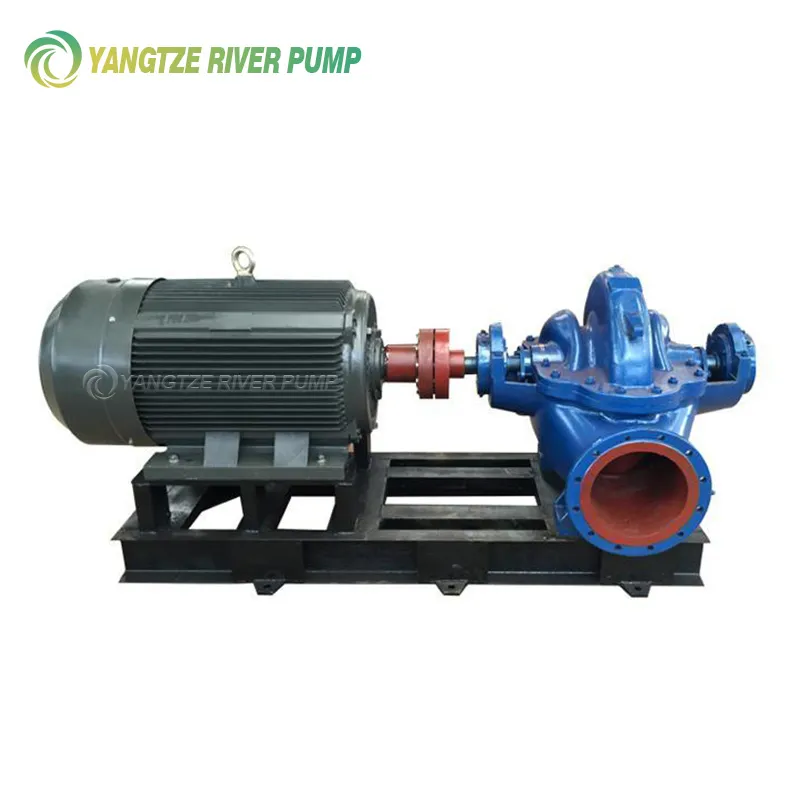 Single Stage Double Entry Centrifugal Pumps Type S
-
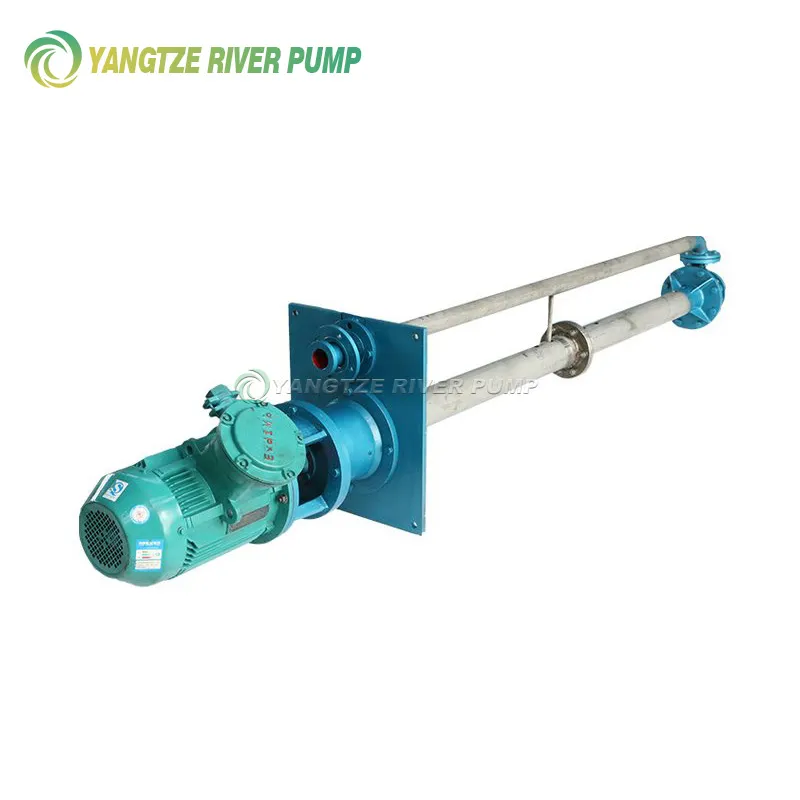 FY Submersible Chemical Pumps
-
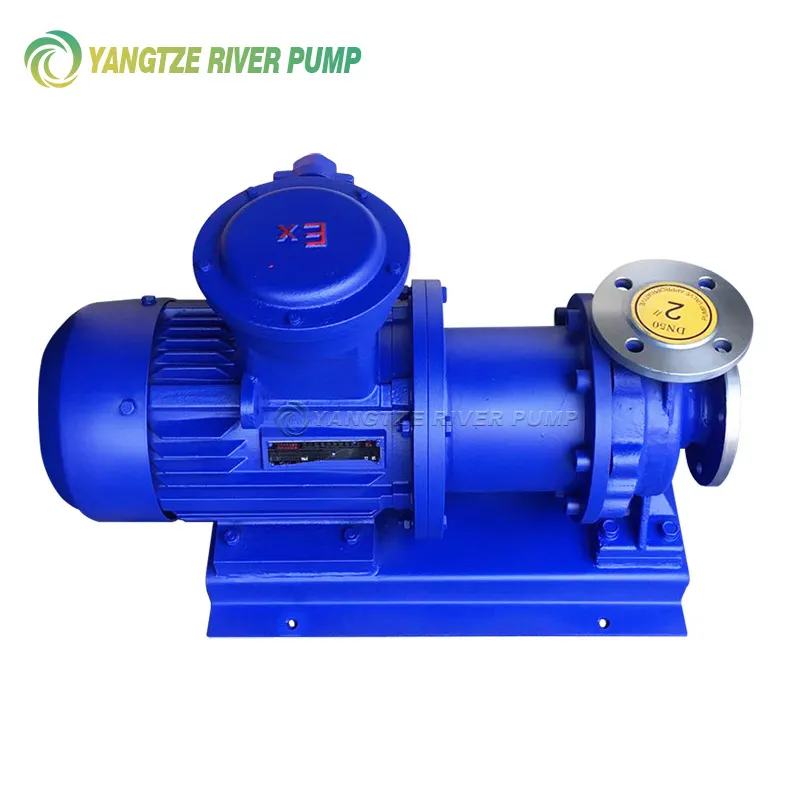 CQB Stainless Steel Magnetic Pumps
-
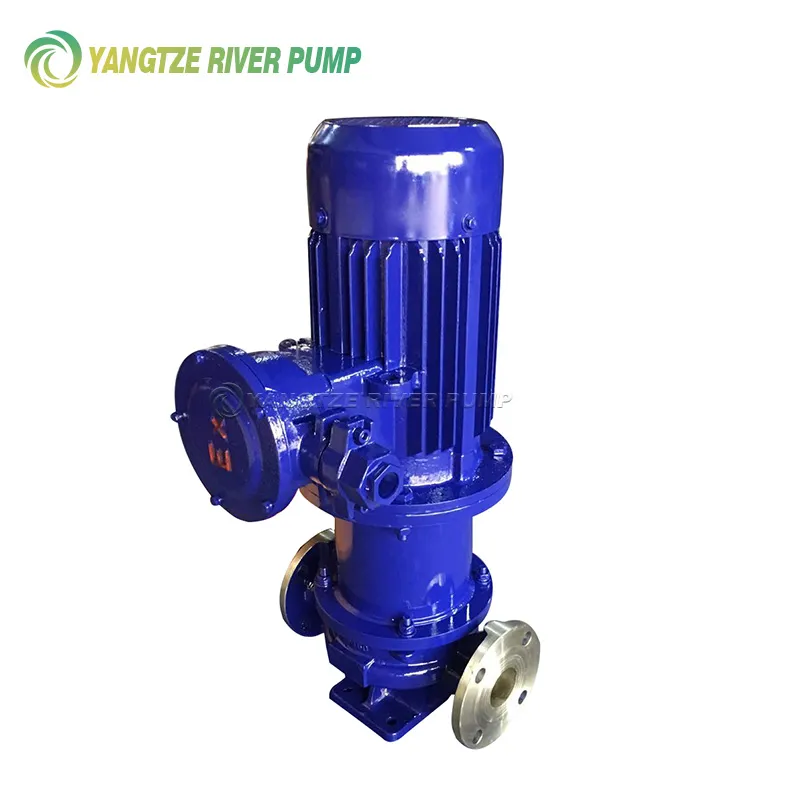 Vertical magnetic pumps CQB-L
-
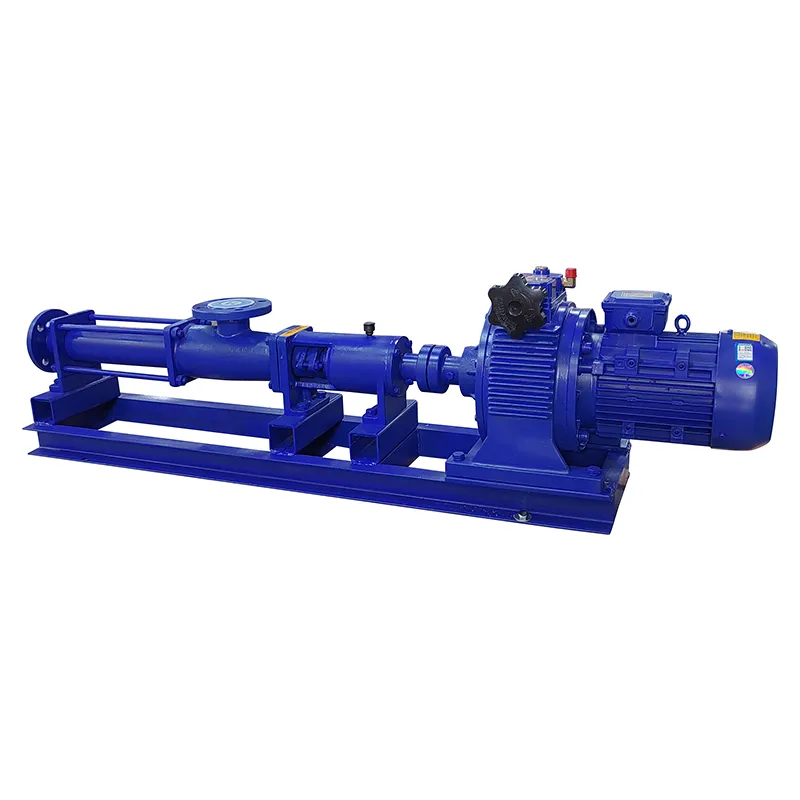 Infinitely variable screw pumps type G
-
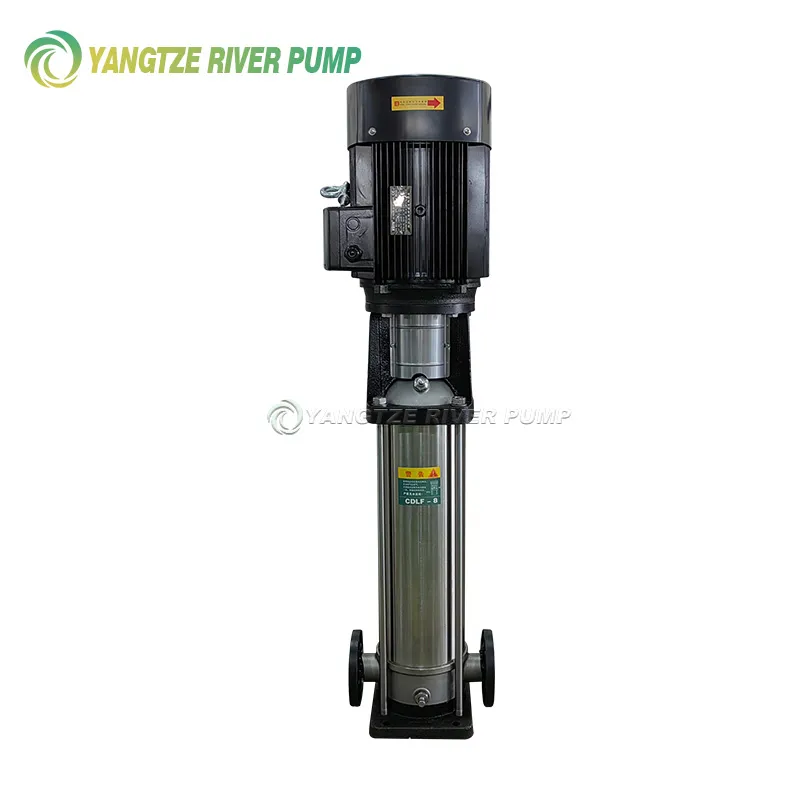 Vertical multistage centrifugal pumps made of stainless steel (light series) CDL and CDLF
-
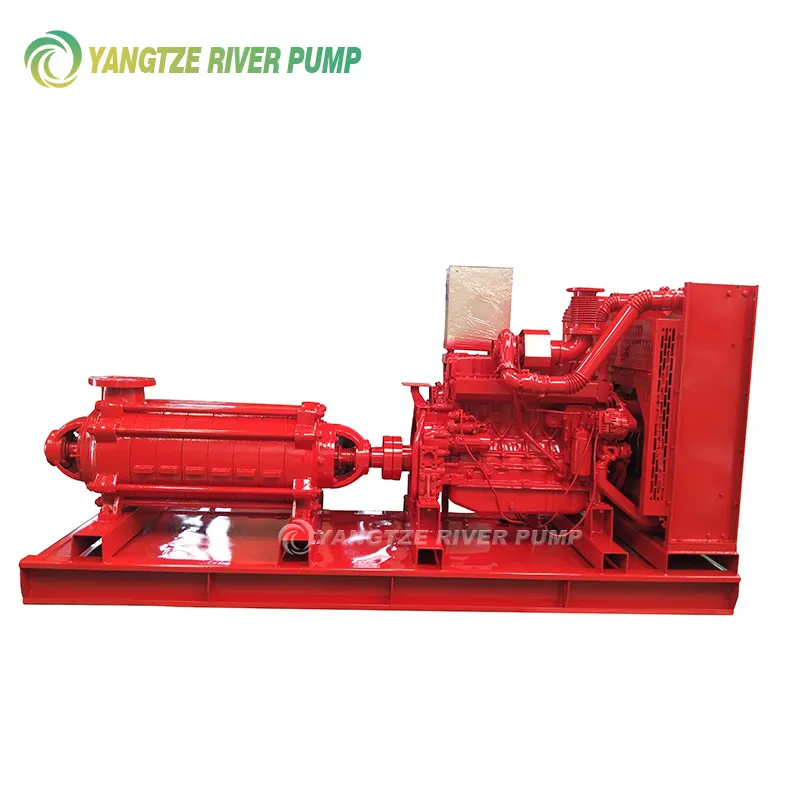 XBC Diesel Intelligent Fire Pumps
-
 Non-clogging vertical wastewater pumps LW
-
 QBK Non-Metallic Air Operated Diaphragm Pumps