







disc single stage centrifugal pump
When they say “single-stage disc centrifugal pump?”, many immediately imagine the simplest scheme: housing, shaft, impeller. But this apparent simplicity hides a lot of nuances that determine whether the unit will pump water on a farm without fail for years or will begin to vibrate and leak after six months of work in a chemical production facility. A common mistake is to assume that since the design is basic, the same approach can be applied to all cases. In fact, from impeller disk material to volute casing outlet shape, each decision requires a carefully considered choice based on the specific application.
Constructive basis: where does the “devil” lie?
Let's take, for example, the key unit - the impeller itself, that same "disc". In the mass perception, it is simply a cast or stamped part with blades. However, for aggressive environments, we at Zhejiang Yangzijiang Pump Industry LLC have long switched to manufacturing closed wheels for such pumps from stainless steel grade 304 or even 316L, and with careful mechanical processing of the flow part. Why? Because a cast surface, even a high-quality one, under conditions of prolonged contact with the same sodium chloride solution becomes a source of cavitation and corrosion. Roughness matters.
Or another point - the shaft seal. For clean water, a gland packing is often sufficient; it is cheap and easy to repair. But in our lines, especially for chemical applications, we offer mechanical seals almost as standard. Yes, they are more expensive. But when you consider the potential losses from reagent leakage or simply from constant stops to tighten seals, the choice becomes obvious. On our website https://www.yangtzeriverpump.ru in the products section this is clearly visible from the specifications - different seal designs for the same standard sizes.
The design of the spiral outlet is also often overlooked. It would seem like a standard snail body. But its geometry, especially in small diameters, directly affects efficiency and vibration generation. We have repeatedly refined the molds for casting cast iron bodies, based on data from test benches. Sometimes increasing the radius of curvature in the transition zone from the tongue of the outlet by just a few millimeters resulted in reduced noise and a more stable performance.
Materials and Environment: Unobvious Tradeoffs
One of the most difficult questions for an engineer is the selection of the pair “wheel material – pumped medium”. Technical reference books give general durability tables, but life makes adjustments. We had an incident with a deliverydisc single-stage centrifugal pumpfor pumping hot (about 85°C) solution with abrasive suspensions. The client insisted on a wheel made of wear-resistant cast iron. According to the tables, it seems to fit. But we, based on experience with similar tasks, proposed an option with a wheel made of high-chromium white cast iron (type Cr27). The argument is yes, it is more fragile to process, more expensive, but the service life under conditions of abrasive wear at elevated temperatures will be many times higher. The client agreed to a trial sample. The result is that the pump completed the planned overhaul cycle, while the standard solution, according to reviews from the parallel channel, required replacing the wheel after just six months.
For chemically active media, especially organic solvents, plastic pumps are often looked at. Our production of plastic chemical pumps is a separate large area. But it is important to understand when you really need a full-fledged chemical pump made of PP or PVDF, and when you can get bysingle stage centrifugal pumpwith flow part made of stainless steel with polymer coating. The second solution is often stronger and more durable for environments without strong abrasives, but with moderate chemical activity. And, as a rule, cheaper.
Another stumbling block is pumping liquids with fibrous inclusions. A standard closed wheel gets clogged quickly. Here sometimes you have to deviate from the “canonical” one. disk design and recommend pumps with a single-channel or even free-vortex impeller, which we also have in our line. Although formally this is a slightly different story, the task is the same - to ensure uninterrupted pumping.
Testing and setting: from bench to site
Any serial pump is run-in on our test bench. This is an axiom. But for me, as a technologist, the most valuable data comes from objects after several months, or better yet, years of work. For example, we have identified a pattern in vibration on some models. On the stand, on the water, everything is normal. At the facility, when working with a more viscous liquid (say, sugar syrup), vibration appeared at certain rotational speeds. The reason turned out to be resonance phenomena in the supporting structure and shaft when the hydraulic load and, as a consequence, the radial force on the wheel changes. The solution was not to rework the pump, but to refine the installation recommendations - we began to more clearly specify the requirements for foundation rigidity and alignment during installation for such modes.
Our company positions itself as a full cycle from R&D to service, and these are not just words for a website. The design bureau regularly receives reports from installation and service visits. This is how a modification of the standard was borndisc centrifugal pumpwith an increased shaft diameter in the bearing support area for installations with long V-belt drives. Trifle? Yes. But it solved the problem of shaft deflection and bearing wear on dozens of objects.
A separate topic is the selection of the operating point. A common mistake installers make is to install the pump “as is?” and just open the valve. And then they are surprised by excessive energy consumption or cavitation noise. We always accompany our deliveries with Q-H charts and recommendations for the optimal efficiency zone. Sometimes, to get into this zone, it is enough to simply grind the outer diameter of the impeller. A simple operation, but one that saves the client thousands of kilowatt-hours. On the pages of our website https://www.yangtzeriverpump.ru for many models these curves and zones are directly indicated - so that the customer’s engineer can estimate the parameters at the selection stage.
Service and feedback: what is visible in the field
The work of the customer service is the source of the most honest information about the product. Based on the nature of breakdowns and the frequency of calls, one can draw conclusions that no laboratory tests can provide. For example, we noticed that on some water supply systems with frequent water hammer, it was not the bearings or seals that failed, but the simplest mounting gaskets in the flange connections of the housing. The problem was not the quality of the gaskets, but the fact that the standard design was not designed for such extreme variable loads. We had to make changes to the installation instructions, recommending the installation of additional hydraulic compensators or flexible inserts on the supply pipeline.
Another point is the unification of spare parts. Within our extensive range of pumps, including multistage pumps, linear pumps and self-priming pumps, we strive for intelligent standardization. Let's say for a whole seriessingle stage centrifugal pumpsFor similar pressures, the same mechanical seals and bearing units are used. This simplifies life for both the client’s warehouse logistics and our service engineers. You don’t need to take a dozen different boxes with you—two or three standard repair kits are enough.
Feedback from companies like ours, Zhejiang Yangzijiang Pumping Industry Co., Ltd. is often built on long-term relationships. A client who bought a submersible pump for a well from us may, in a couple of years, turn to a chemical pump for a new workshop. And here it’s not just a catalogue, but trust that we understand the essence of its task and will not offer a deliberately inappropriate solution just to sell. This is a responsibility that forces us to delve deeper into the details of each delivery.
Looking forward: the evolution of a simple design
Where is the development of the seemingly conservative single-stage disc pump going? This is not only and not so much about digitalization or “smart” control. For us, as a manufacturer, one of the key trends is the expansion of the range of materials for mass production. Experiments with wear-resistant ceramic coatings for the flow path, the use of engineering polymers not only for casings, but also for impellers - all this makes it possible to more accurately and economically meet market demands.
Another aspect is energy efficiency. Here work is underway on hydraulic improvement. Three-dimensional flow modeling (CFD) analysis allows optimization of blade and outlet geometry without multiple costly iterations in the metal. We are implementing these methods, and the result is a gradual increase in efficiency even for our basic series. These are not loud statements about a breakthrough, but systematic work in fractions of a percent, which, over the life of the pump, provide significant savings.
Ultimately,disc single stage centrifugal pumpremains a working tool. Its ?simplicity? is a challenge for the engineer and manufacturer. The challenge is to make it as reliable, efficient and exactly suited to the task as possible. And what is important here is not a brilliant idea, but attention to detail, a willingness to analyze experience, including negative ones, and a systematic approach at all stages - from drawing to installation and maintenance. This is precisely what a reputation is built on, be it a small installation organization or a company with a full production cycle, like ours.
Correspondingproducts
Related Products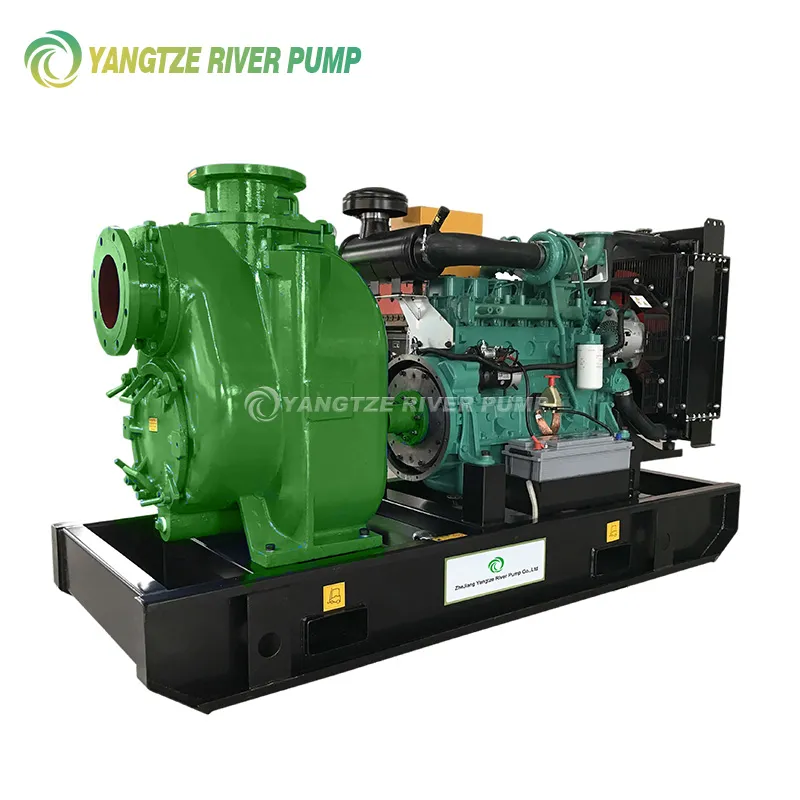
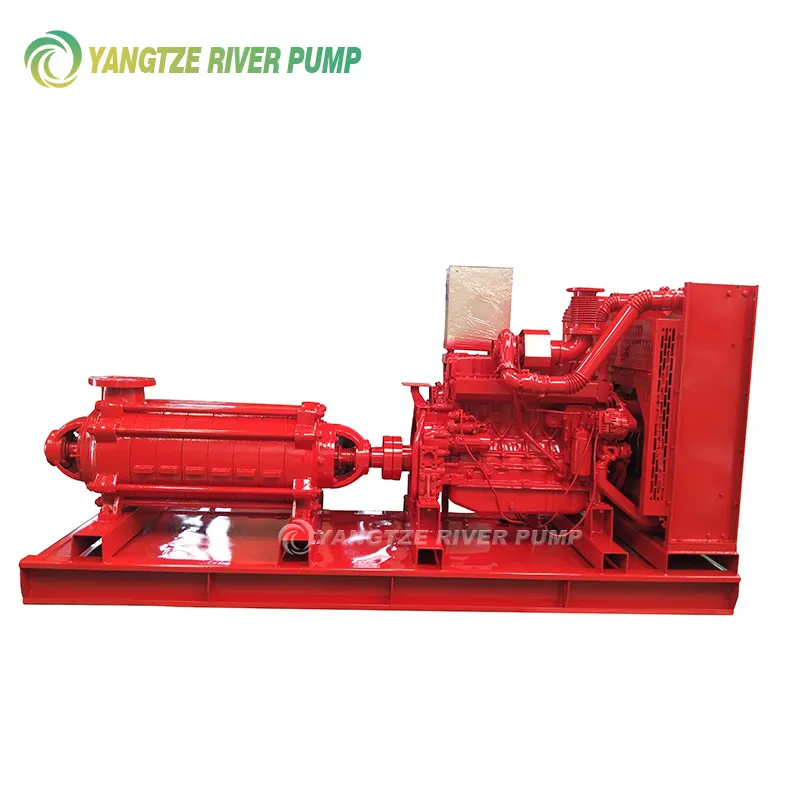

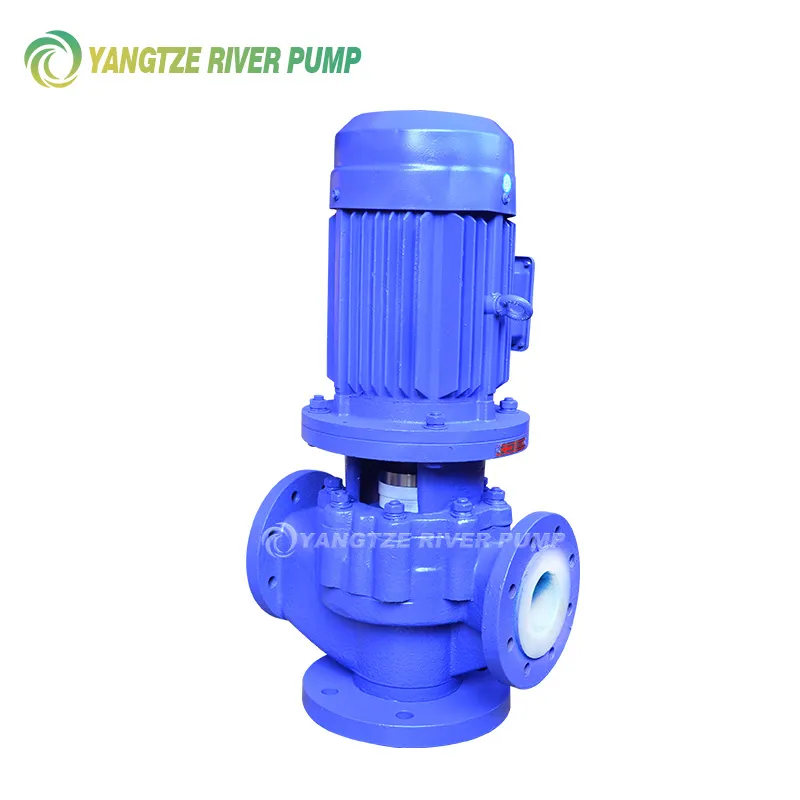
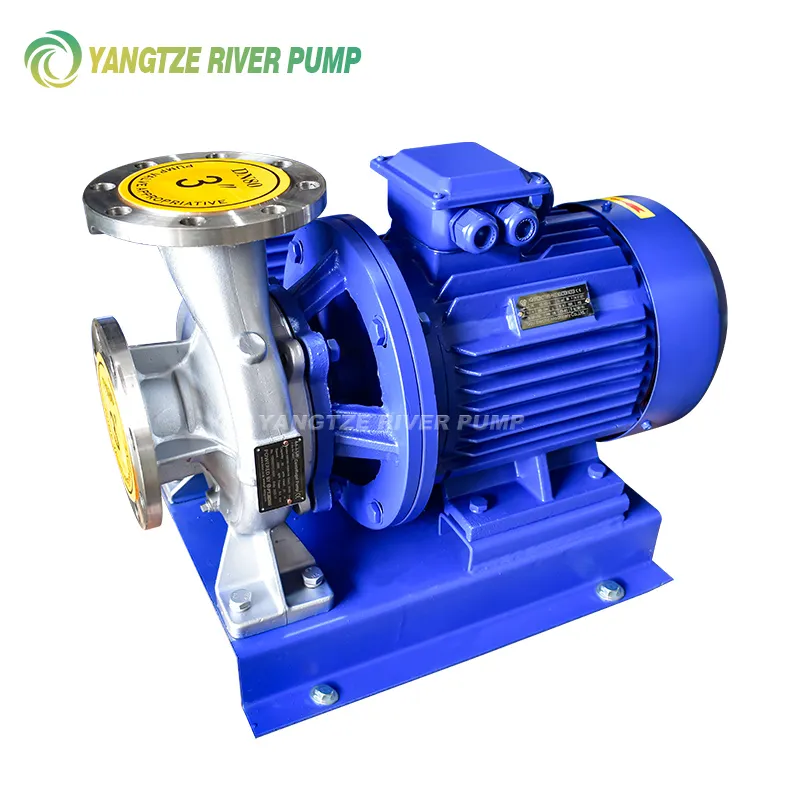
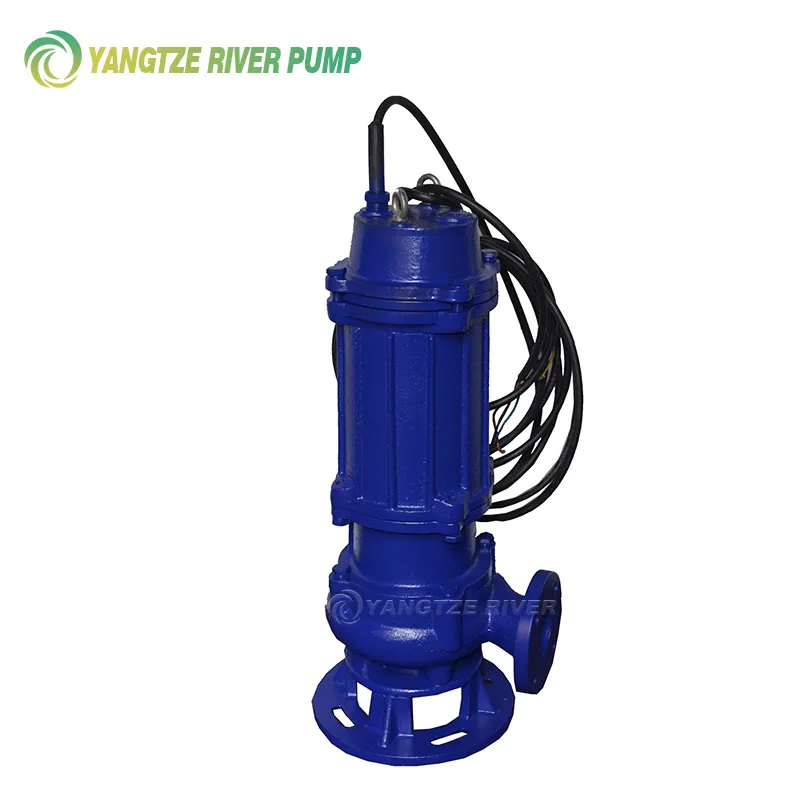

Best Sellingproducts
Best Selling Products-
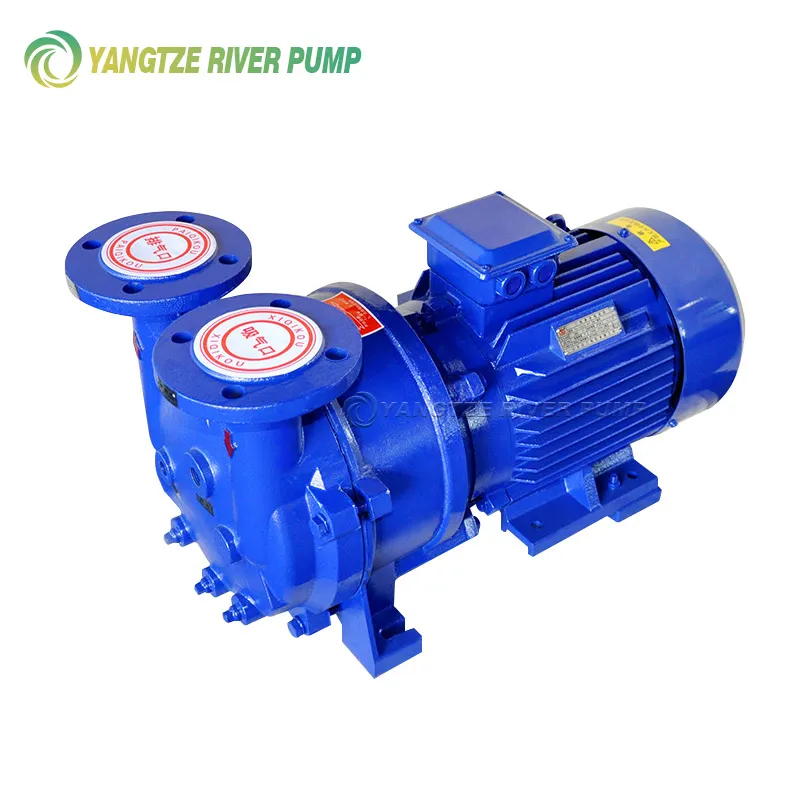 Liquid ring vacuum pumps type SKA and 2BV
-
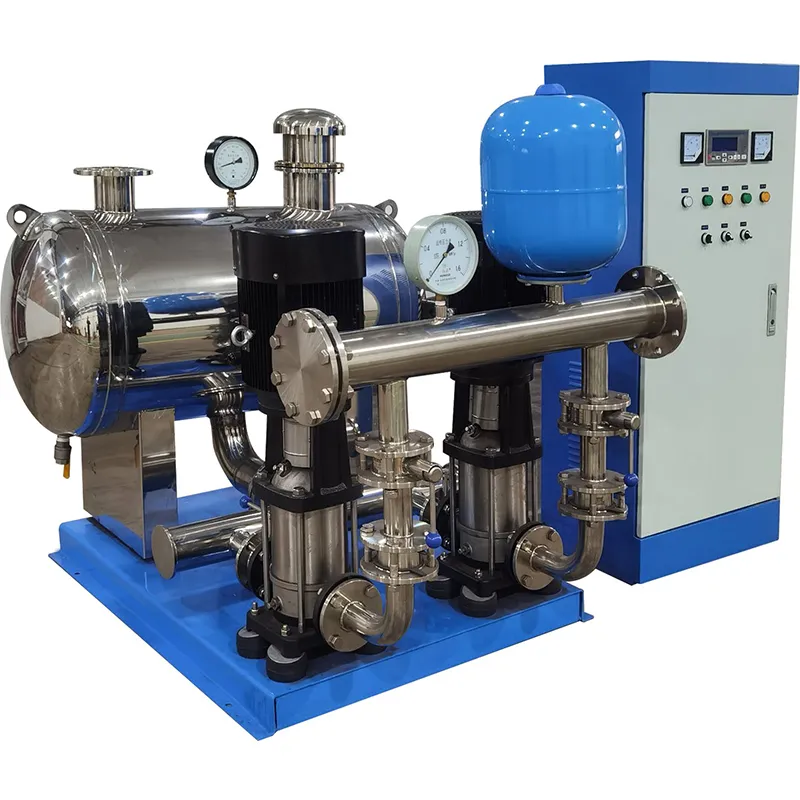 Complete water supply installations with frequency regulation and constant pressure CDLF
-
 Mechanical diaphragm dosing pumps DJ-D
-
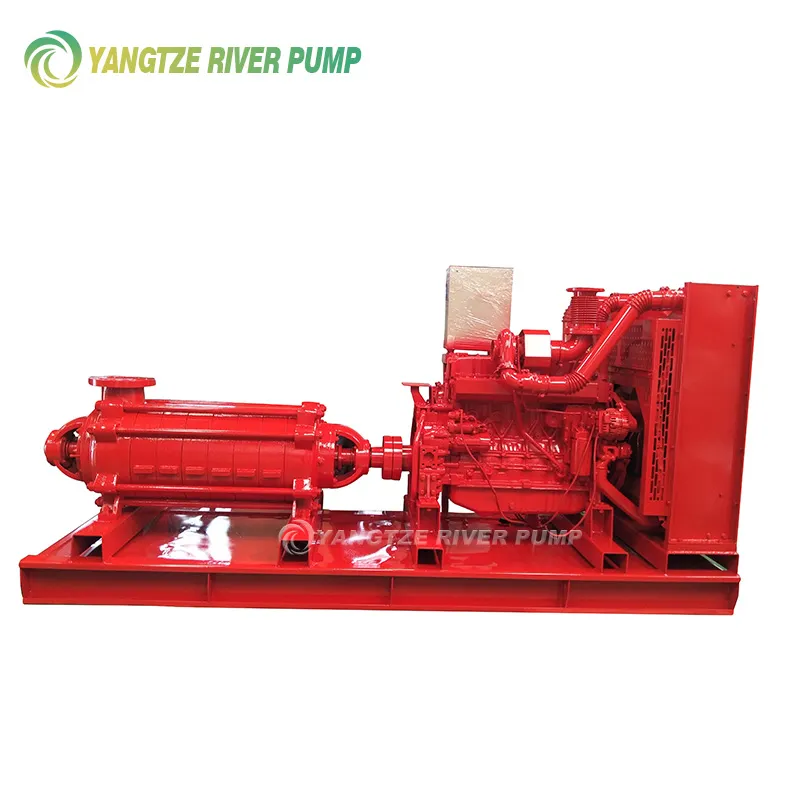 YZD Series Diesel Multistage Centrifugal Pumps
-
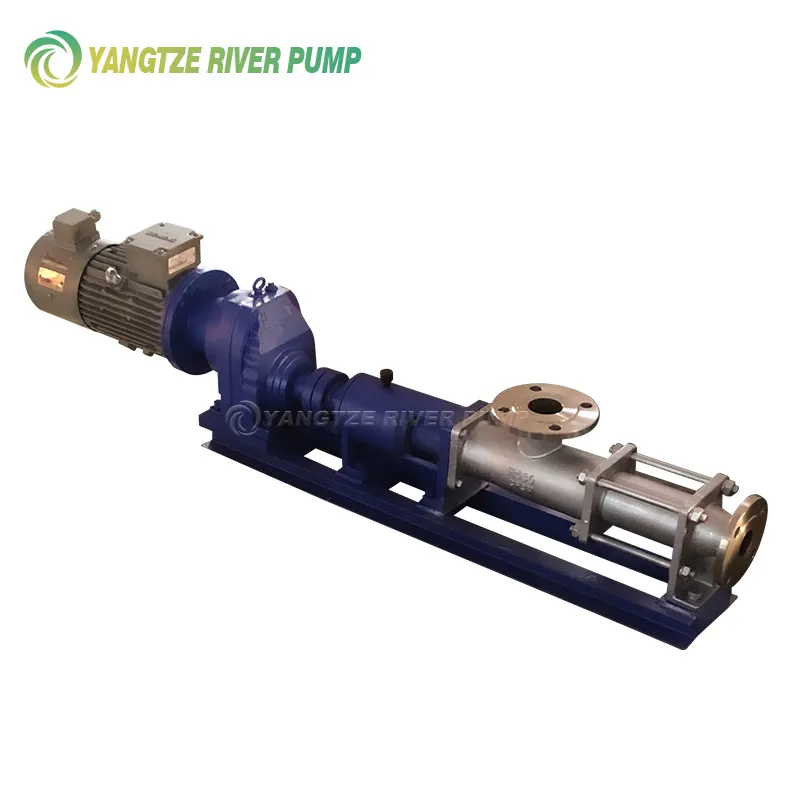 Geared screw pumps type G
-
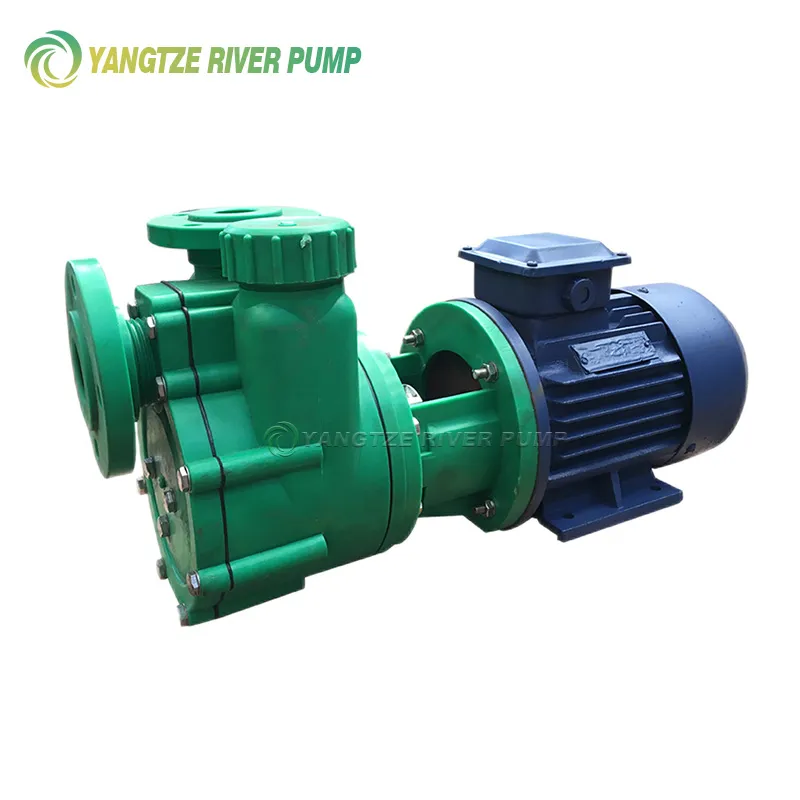 Plastic self-priming centrifugal pumps FP and FS
-
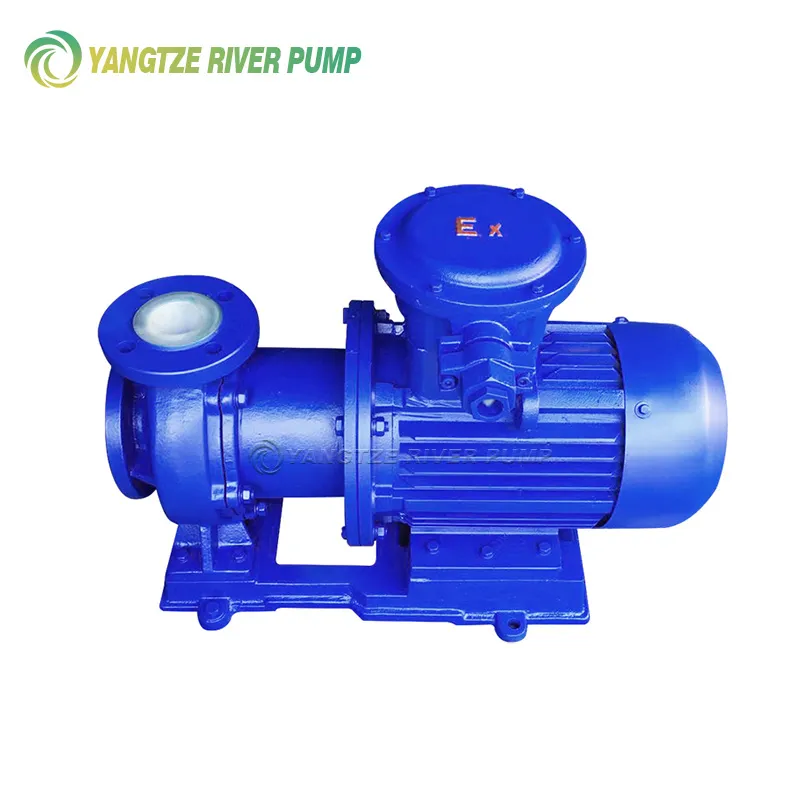 Magnetic pumps with fluoroplastic lining CQB-F
-
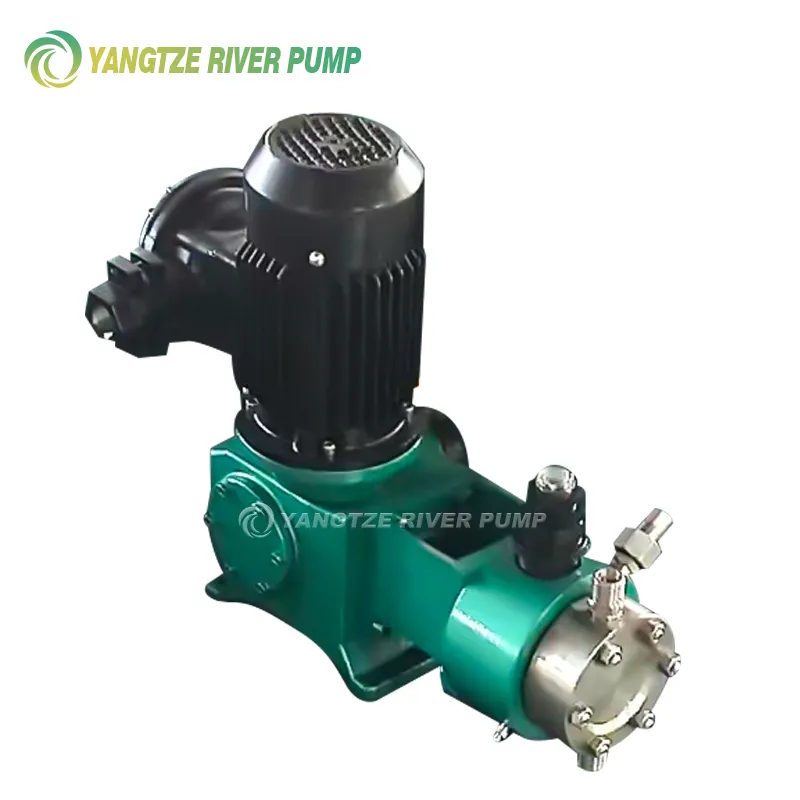 Plunger dosing pumps type DZ-X
-
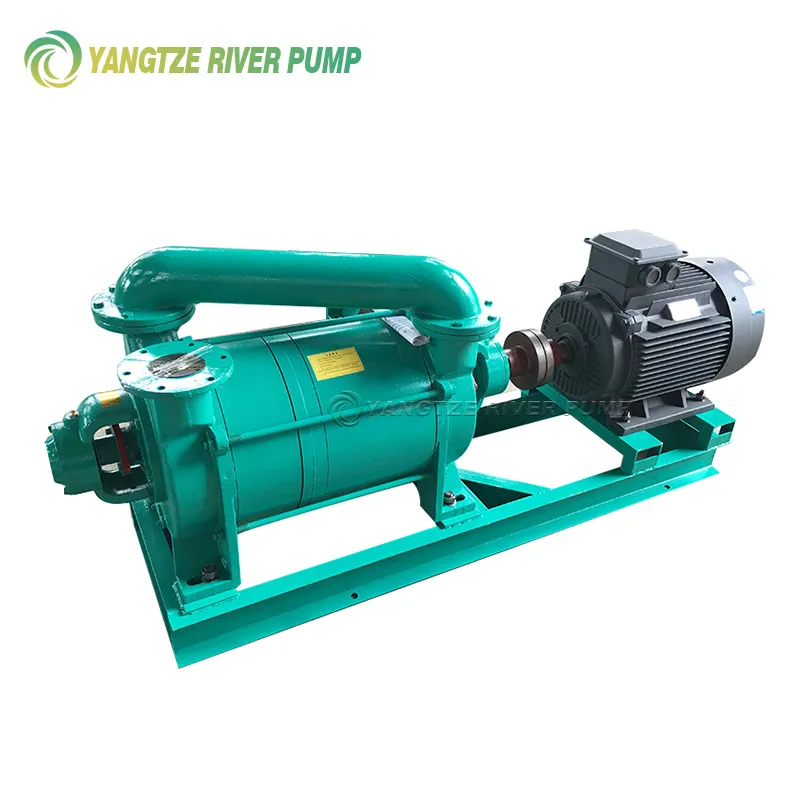 Liquid ring vacuum pumps type 2SK
-
 IH Stainless Steel Chemical Centrifugal Pumps
-
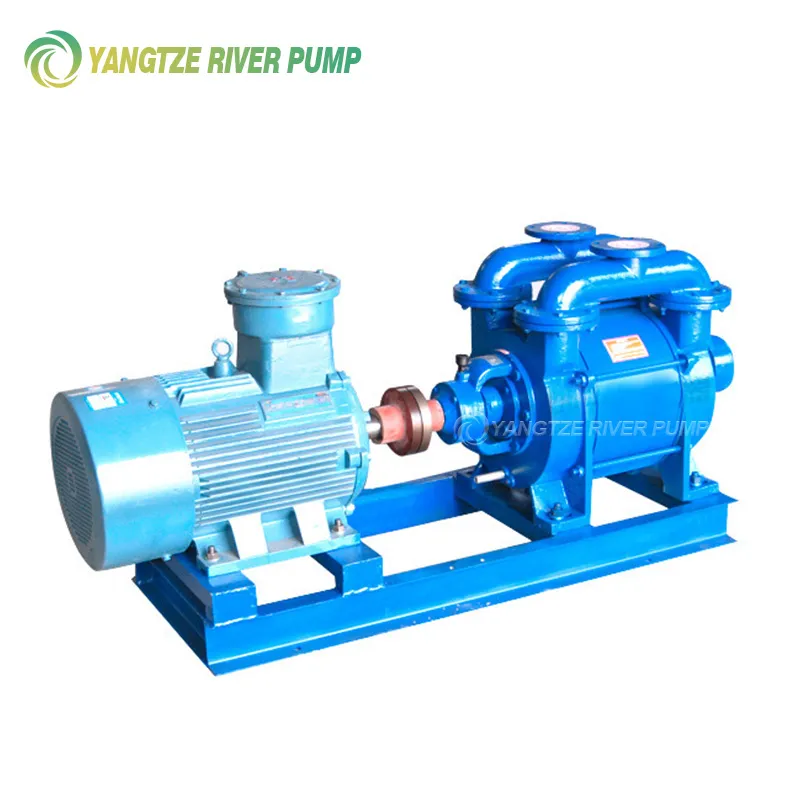 Liquid ring vacuum pumps type SK
-
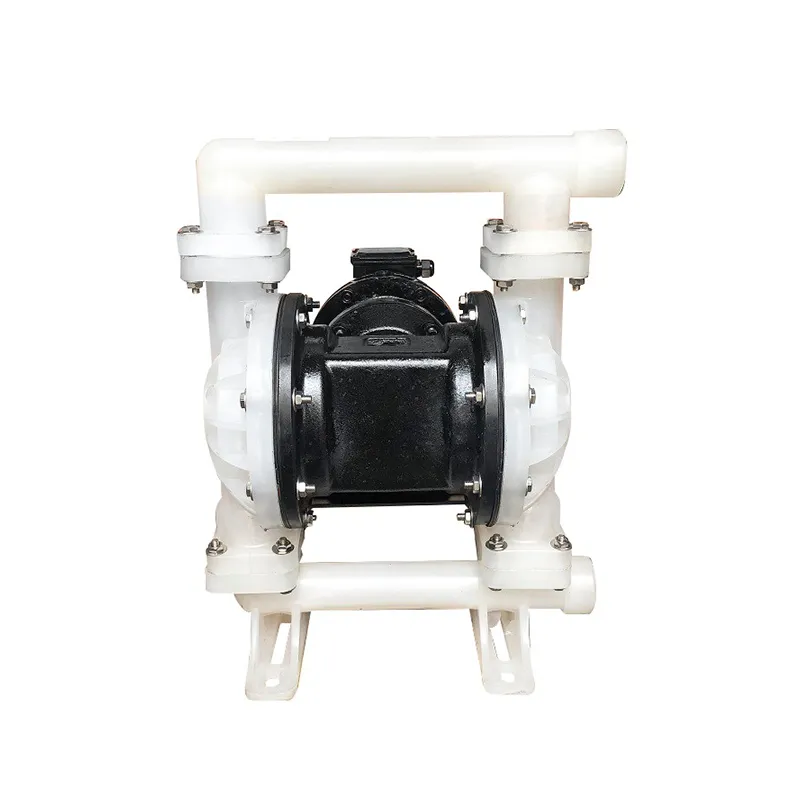 DBY Non-Metallic Electric Diaphragm Pumps