







centrifugal water pump 380
When you hear “centrifugal water pump 380”, the first thing that comes to the mind of a non-specialist is just a pump that is connected to a three-phase network. But in practice, if you have worked with installation or selection, you understand that behind these words lies a whole layer of nuances: from the actual correspondence of the characteristics to the pressure and flow rate at the site to the subtleties of starting and protecting the engine. A common mistake is to assume that since the pump is 380 volts, it is automatically powerful and suitable for everything. This is wrong. I saw how they installed a unit with a pressure reserve of two times on a simple water supply system of a dacha, and it worked at a point far from efficiency, overheated and eventually jammed the rotor due to current overload. The key is to balance the parameters and understand that the pump is part of the system.
Selection experience: why the catalog is just the beginning
When working with products from e.g.Zhejiang Yangzijiang Pumping Industry Co.,Ltd, you see their assortment is the samecentrifugal pumpssingle-stage and multi-stage. Everything in the catalog is beautiful: performance curves, pressure, engine power. But when you come to a site, say, a water intake from a well with variable flow rate, theory collides with reality. A 380V multistage pump could provide the required pressure, but if there is fine abrasive (sand) in the water, then the interstage seals and gaps will fail faster than you planned. Here you are no longer thinking about voltage, but about the material of the flow path. They also have chemical pumps made of plastic in their line - supposedly for chemistry, but for aggressive water with sand, sometimes it is better to consider an option with a wear-resistant polymer than standard cast iron. This is to the question that you can’t look only at ?380? and "centrifugal".
I remember one case: the customer required a pump for watering fields, long horizontal lines. In terms of pressure and flow, their 380V linear centrifugal pump was ideal. They delivered it and installed it. And a week later I got a call: “the engine has burned out?”. We arrived and started to figure it out. It turned out that there were frequent but short-term voltage surges in the network at the facility - not the kind that the protection turns off, but sufficient to overheat the windings during constant operation at the power limit. Of course, the pump data sheet contains permissible voltage deviations, but who reads this when purchasing? I had to install an additional stabilizer and thermal relay. Conclusion: the pump itself can be excellent, like the YangtzeRiver Pump, but its long life depends on proper integration into the facility’s electrical network. This is the same “systematic” system.
Another point is noise and vibration. It seems that a 380V centrifugal pump, being more balanced than low-power single-phase pumps, should operate quietly. But if it is placed in a rigid connection with the pipeline without vibration inserts, and the foundation slab is not made massive enough, resonance at certain speeds is guaranteed. This is especially true for powerful models. We have to explain to the installers that proper piping is not a whim, but a necessity. Sometimes it’s easier and cheaper to immediately order a pump complete with frame and shock absorbers, if the manufacturer, likeYangtzeRiver Pump, offers these options. This saves time on site.
Testing and “running in”: what is visible only in operation
Their website states that the company has a full cycle, including testing. This is important. But factory tests are a test at nominal conditions. But in real life, a pump rarely works strictly within its “nameplate” range. point. Here we once tested one of themmultistage centrifugal pumpsat 380V for a pressure boosting system in a high-rise building. We launched it - everything seems to be fine. But when the gate valve closed smoothly at the outlet (simulating an increase in network resistance), we noticed that the pressure increases with small pulsations, not critical for hydraulics, but strange. They began to look for the reason. It turned out that the problem was not in the pump, but in a slight cavitation at the inlet due to the insufficiently large diameter of the supply pipe - the pump was “starving”. After increasing the diameter at the inlet, the pulsations disappeared. Moral: even a tested unit may not behave ideally if the system does not comply with it. This is the very practice that is not written in the manuals.
Another observation: for 380V pumps, especially self-priming ones (they are also in the YangtzeRiver Pump range), phasing is critical during the first start-up. If you mix up the phases, the rotor will go in the opposite direction. The pressure will be scanty, the engine can also work, but the efficiency will drop catastrophically. I saw this at a construction site - a team of electricians connected it and checked whether it was spinning. - that’s all. And then for a month they wondered why the system was not releasing pressure. It's a small thing, but it has an impact. Therefore, now I always personally check the direction of rotation during the first start-up by unscrewing the screw on the volute and looking at the impeller. Old school, but reliable.
As for “break-in”, for new pumps with mechanical seals (rather than stuffing box packing), there is a recommendation to run the first hours in a gentle mode. This allows the seal surfaces to be ground in. If you immediately give maximum speed and pressure, there is a risk of local overheating and premature wear. This is often written about in instructions, but few people follow it. For critical facilities, we sometimes carry out commissioning ourselves using this mode, monitoring the current and temperature of the housing. The resource is then really higher.
Comparison of types: when 380V is not a panacea
In lineZhejiang Yangzijiang Pumping Industry Co.,LtdThere are not only classic centrifugal pumps, but also, for example, submersible and diaphragm pumps. And here the question arises: is it always necessary?centrifugal water pump 380volt? For constant delivery of large volumes with stable pressure - yes, this is his kingdom. But if the task is dosing reagents or pumping water with a large amount of suspended matter, the same diaphragm or screw pump may be better, even if it is 380V. Centrifugal is sensitive to viscosity and solid inclusions.
There was an irrigation project: water from a canal, a lot of silt and grass. At first we thought about a powerful centrifugal pump with a filter. But calculations showed that filter cleaning will be a continuous, simple system. We considered a submersible pump, but it did not meet the installation conditions. In the end we settled on a specialcentrifugal pumpwith an increased flow area and a cutting mechanism at the inlet. It was not a standard model, but the manufacturer, having a full R&D cycle, was able to offer a modification. This is about the advantage of working with a manufacturer, and not just a trading company.
Or another example: an emergency fire extinguishing system. There you need a pump that is guaranteed to start at any moment. For 380V motors, this means the mandatory presence of a reliable automatic transfer switch (ATS) and, often, a frequency converter for soft starting, so that there are no current surges. Sometimes a diesel drive looks cheaper and more reliable in such a situation, but if we are talking only about electrics, then the choice of a 380V centrifugal pump should be accompanied by a careful calculation of the power supply of the entire system. We once almost got caught by installing a pump without taking into account the starting currents - “knocked it out?” old automation at the substation. I had to change the starting circuit to a soft starter.
Service and feedback: what is valuable when working with a manufacturer
The mentioned company positions the service as part of a cycle. From a practical point of view, this is not just a repair. This is an opportunity to get advice on existing equipment. Let's say the pump begins to lose pressure. The standard diagnosis is wear of the impeller or seals. But by calling the manufacturer's technical department directly and describing the symptoms (adding, for example, that a specific noise has appeared), you can quickly localize the problem. Could this be cavitation erosion due to changes in inlet conditions? Or rotor imbalance? Knowing the design features of their pumps, they often give accurate advice. This saves time on diagnostics.
Another aspect is the availability of a spare parts warehouse. For 380V centrifugal pumps that operate in the industrial cycle, downtime means money. Knowing that o-rings, bearings or a shaft can be obtained in a relatively short time affects the purchasing decision. Especially when we are talking about not the most popular models. For our facilities, we try to immediately order a set of consumables for the first service interval. I recommend everyone to do this.
Feedback also works the other way. When we encountered frequent jamming of the mechanical seal on one of the pumps pumping water with high carbonate hardness, we described the problem to the manufacturer. After some time, they offered an optional seal kit with a different friction pair material that was more resistant to deposits. Such small improvements, born from practice, are priceless. This shows that the company does not just sell hardware, but delves into its operation.
Bottom line: 380V is a responsibility
In the end it's a choicecentrifugal water pump 380volt is not choosing a product from a catalog at the most attractive price per kilowatt. This is the design of a system node. The 380V voltage implies industrial or intensive commercial use, which means increased requirements for reliability, safety and suitability for the task. Experience, often bitter, teaches that you need to look more broadly: at the suction conditions, the quality of the power supply, the nature of the load, the possibility of maintenance.
Manufacturers likeZhejiang Yangzijiang Pumping Industry Co.,Ltd, with their wide range and complete cycle, provide a good basis for choice. But the final decision should always be made with an eye on a specific object, with calculations, and sometimes with a test run. And remember that even the best pump can be ruined by improper installation and operation. 380 volts is not just a number, it is a signal that the matter is serious.
For me personally, the key criterion was predictability. When you know how the pump will behave when the network or hydraulic parameters change, when you have confidence in the support from the plant, you can work more calmly. And peace of mind in our work is a luxury that cannot be bought for an extra couple of thousand discounts on a pump. Therefore, debriefing on each case, even unsuccessful ones, is the very professional baggage that distinguishes a simple installer from a specialist.
Correspondingproducts
Related Products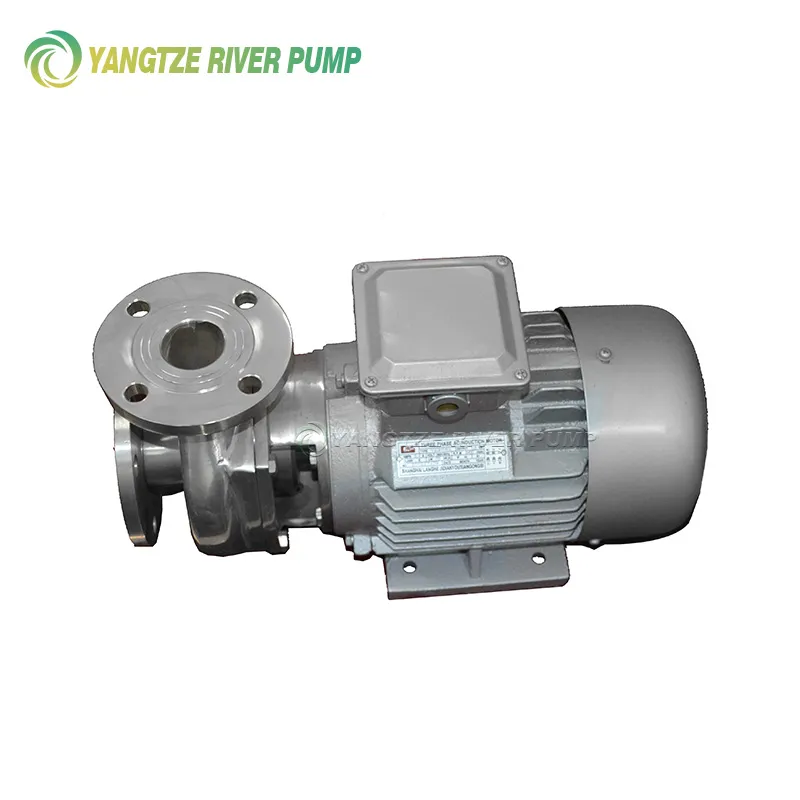
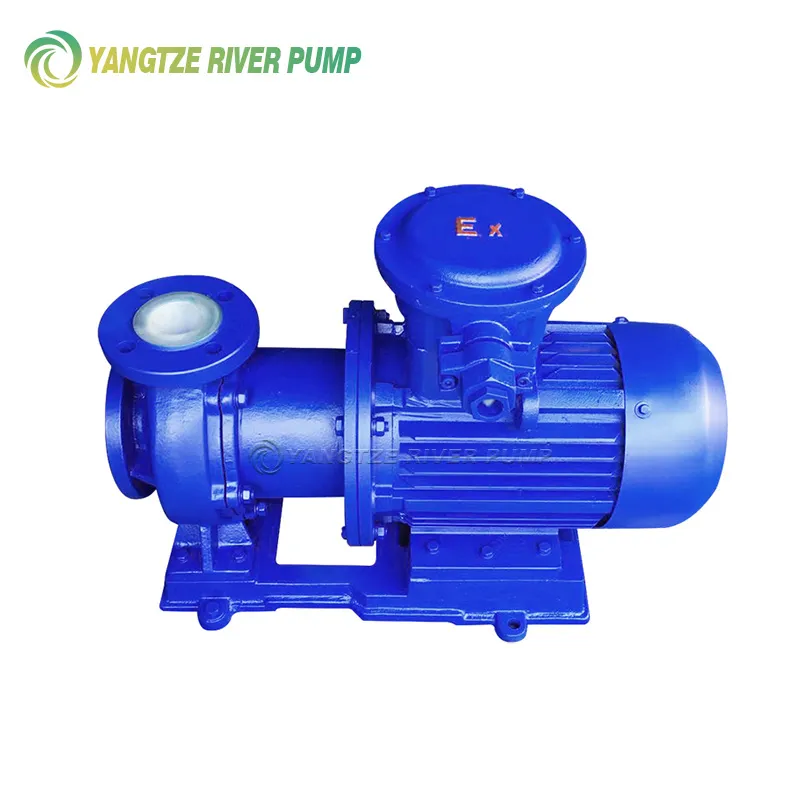

Best Sellingproducts
Best Selling Products-
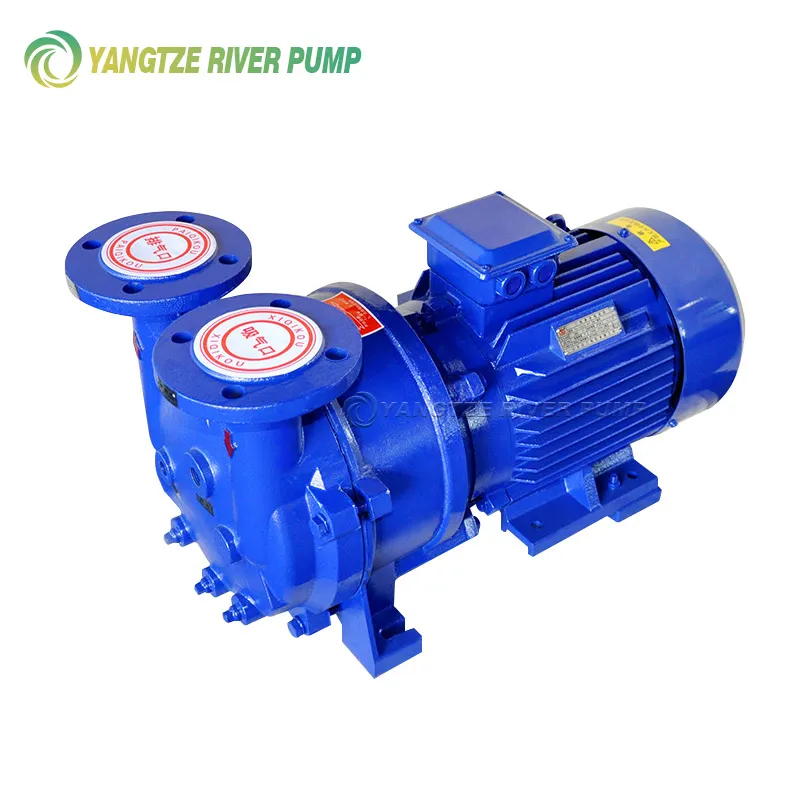 Liquid ring vacuum pumps type SKA and 2BV
-
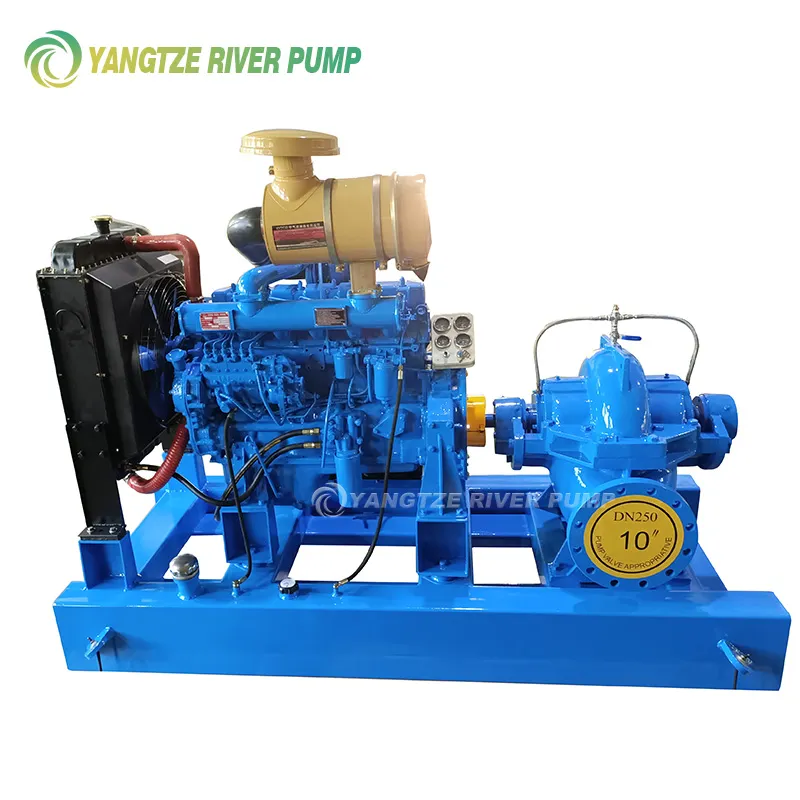 Diesel pumps with horizontal connector YZS and YZSH
-
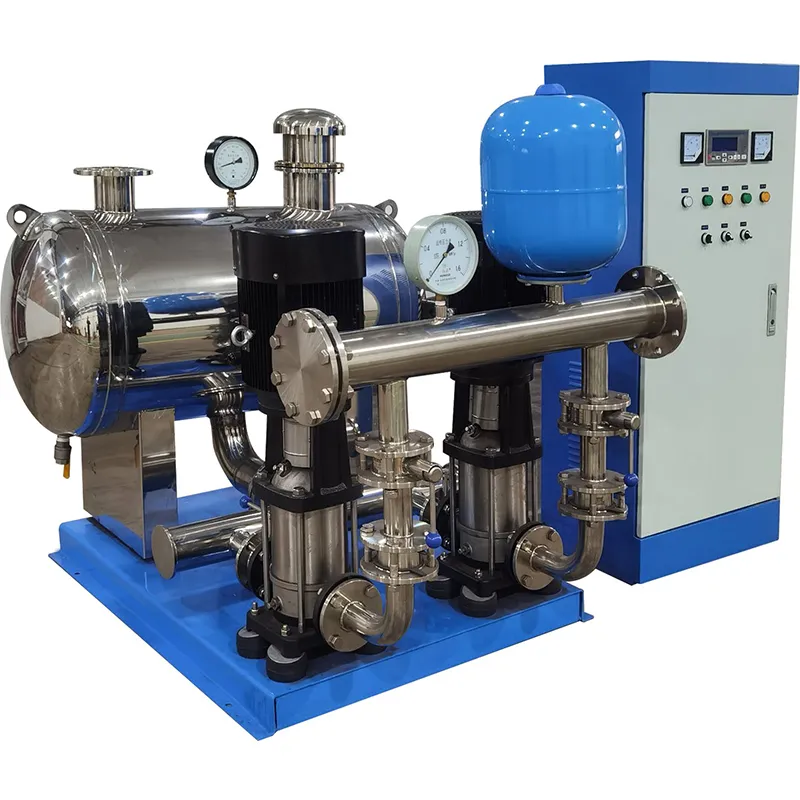 Complete water supply installations with frequency regulation and constant pressure CDLF
-
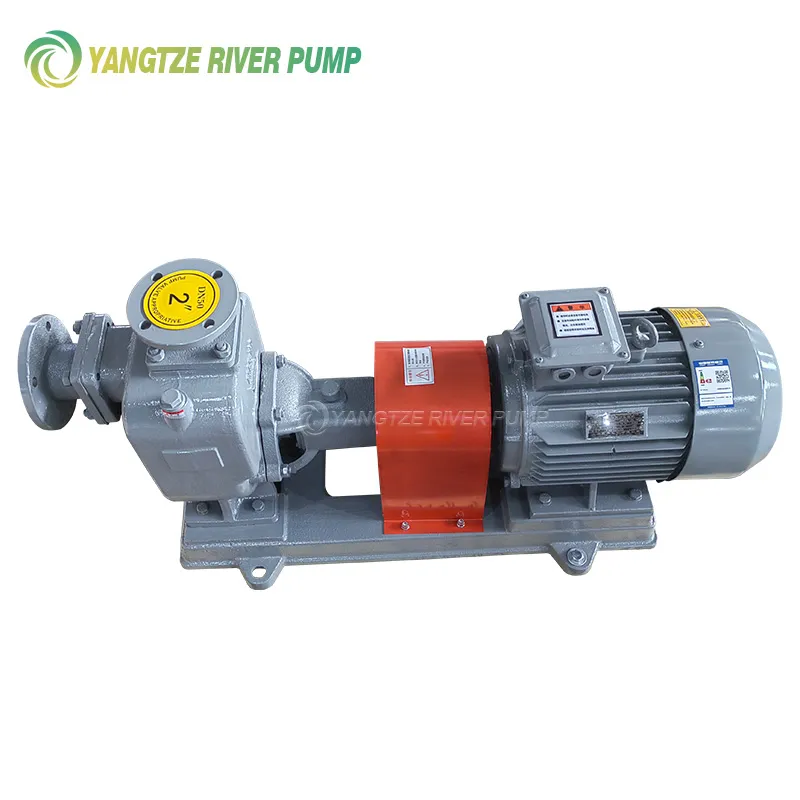 Non-clogging self-priming wastewater pumps ZW
-
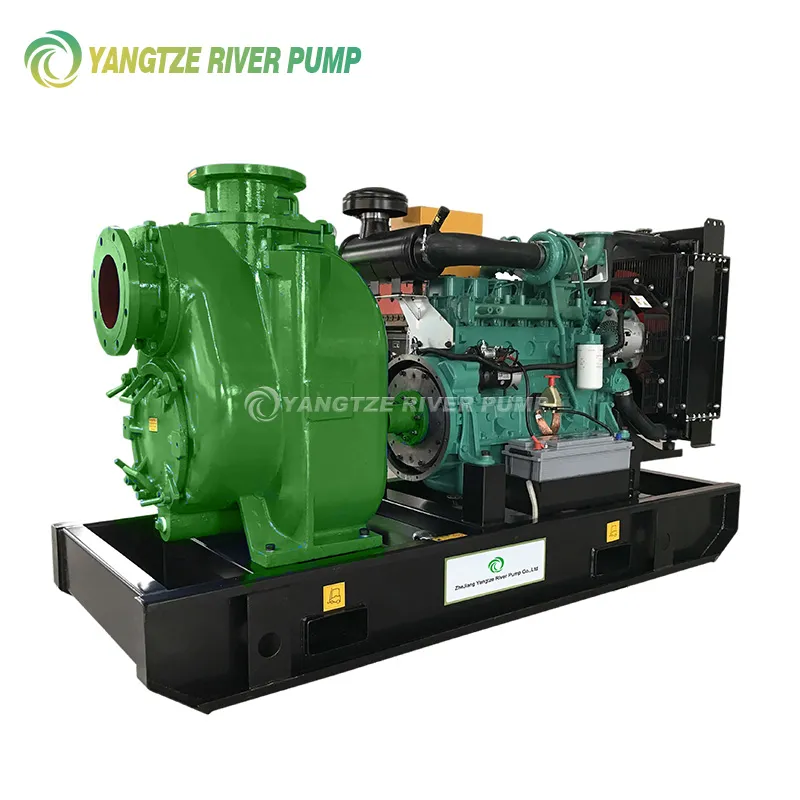 YZSP Diesel Self-Priming Pumps
-
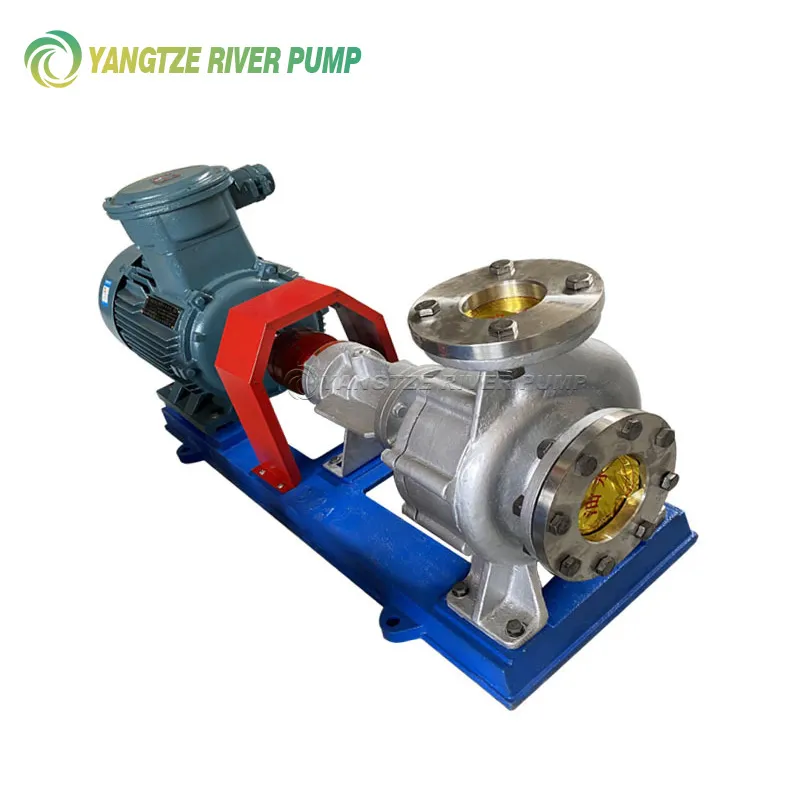 RY thermal oil pumps
-
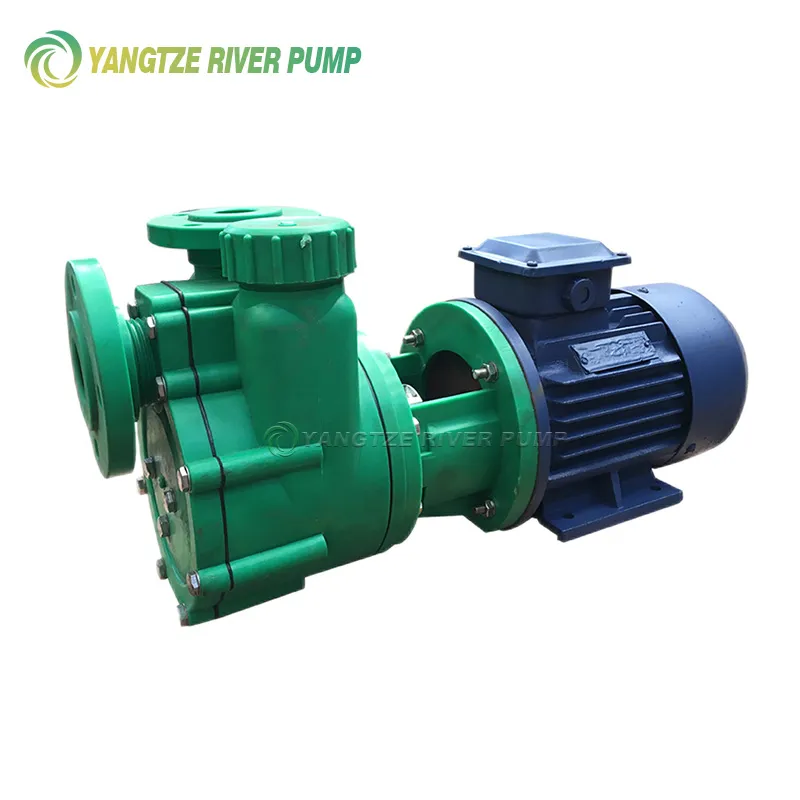 Plastic self-priming centrifugal pumps FP and FS
-
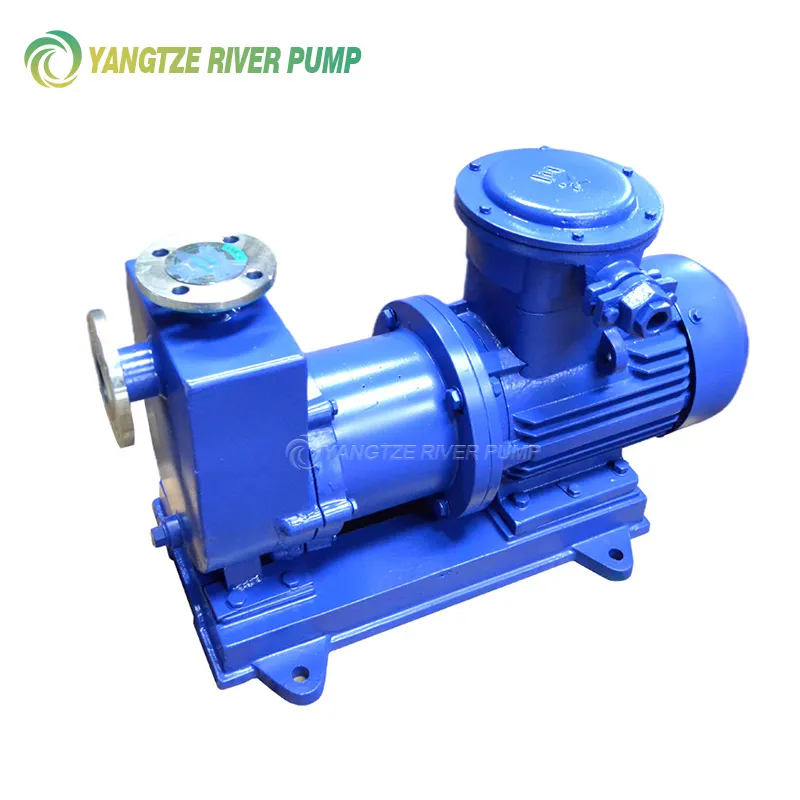 ZCQ Stainless Steel Self-Priming Magnetic Pumps
-
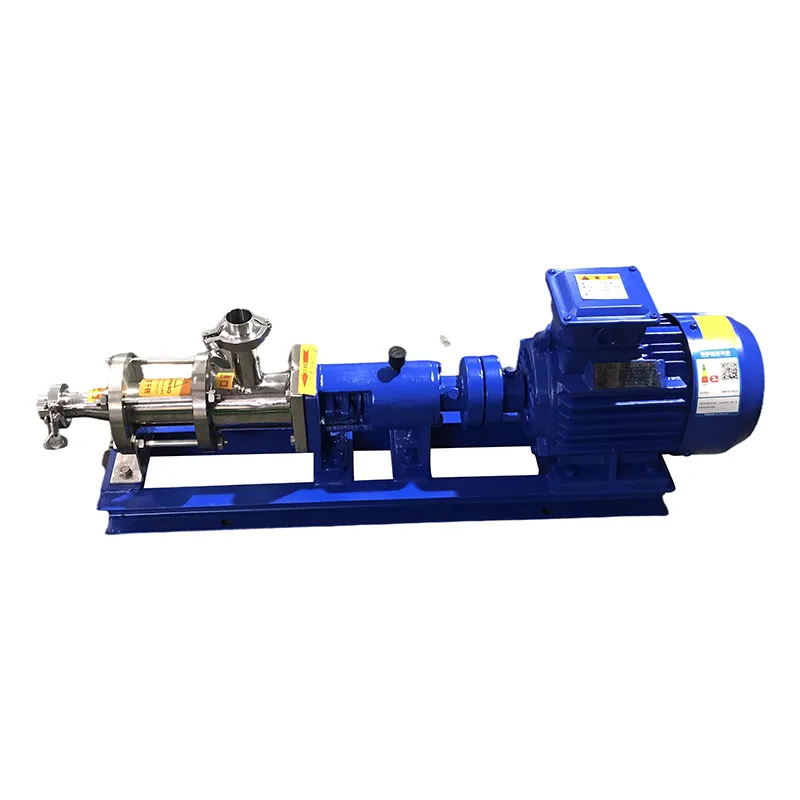 Sanitary screw pumps type GF
-
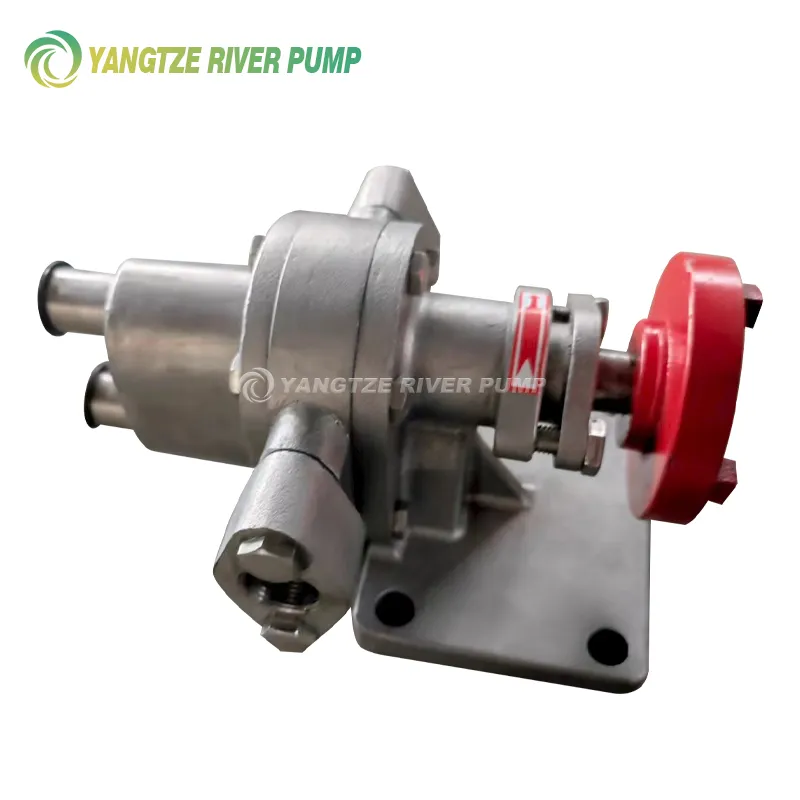 Gear oil pumps type KCB
-
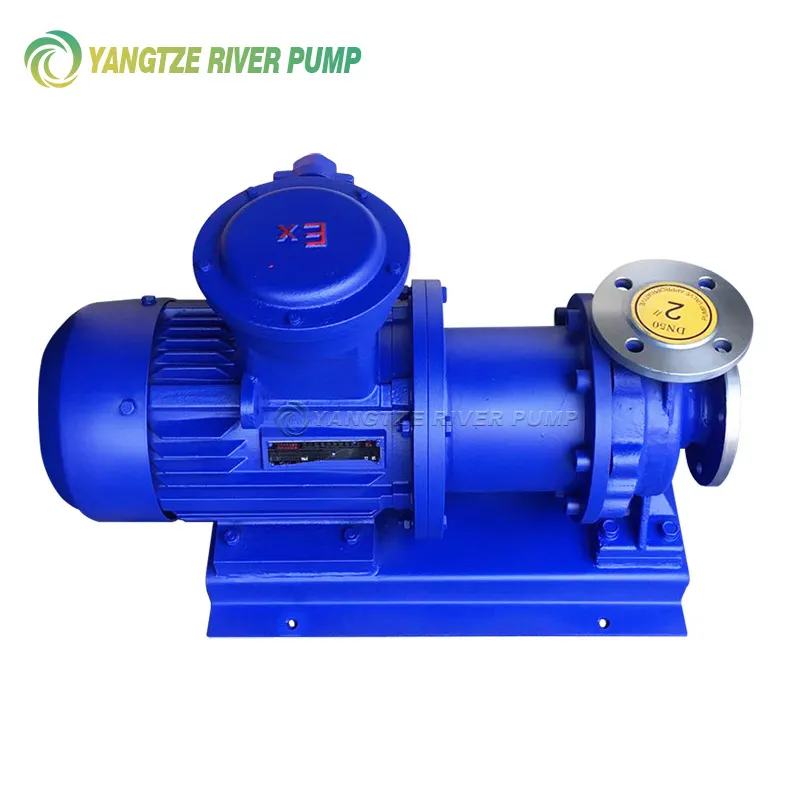 CQB Stainless Steel Magnetic Pumps
-
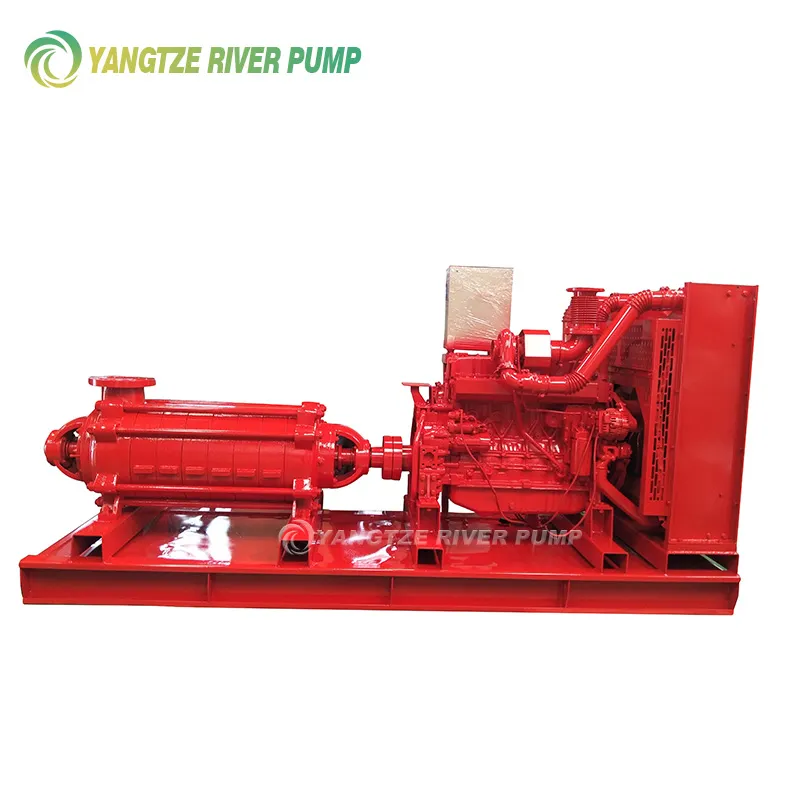 YZD Series Diesel Multistage Centrifugal Pumps