







centrifugal pump 5.5 kW
Often when they talk aboutcentrifugal pump 5.5 kW, they immediately think about productivity, pressure, numbers. But in practice, especially when you yourself are faced with selection and operation, you understand that the key point is often not in the power itself, but in how it is implemented and for what specific conditions. Many people mistakenly believe that 5.5 kW is some kind of universal “workhorse”. for everything, but this is not entirely true. Engine power is only one variable in an equation where the design of the impeller, the material of the flow path, and even the type of bearing assembly are important. For example, for pumping clean water and for working with abrasive suspensions, pumps of the same power will be fundamentally different in design. In ourZhejiang Yangzijiang Pumping Industry Co.,LtdThis is well understood, which is why the line has different solutions for the same power rating.
Where is such a pump most often in demand?
If we take typical spheres, thencentrifugal pump 5.5 kW- This is often the basis for water supply systems in small villages, irrigation installations, and circulation in cooling systems in factories. The power is enough to provide serious pressure and flow, but the connection is most often standard, three-phase 380V. At one time, we worked a lot with agricultural enterprises that used such units for irrigation. But there is a nuance here: if the water contains sand or fine suspended matter, a standard cast iron wheel can quickly fail. We had to convince customers to consider options with wear-resistant coatings or even replaceable inserts.
Another common request is pumps for pumping chemical media in small industries. Here the question of material already arises. Our company, having a full cycle from R&D to production, can offer for a power of 5.5 kW not only cast iron or stainless steel versions, but also full-flow plastic chemical pumps. This is a fundamentally different story when chemical resistance is important, and not just pressure. Sometimes clients first ask simply “a 5.5 kW pump?”, and during the discussion it turns out that they need a chemical one, but they did not know that they were available in this power class.
There was a case at one of the paint production enterprises: they installed a standard centrifugal pump for pumping finished products. A month later - a drop in productivity, noise. They disassembled it - and the impeller channels were clogged with thickened residues. The problem was not power, but that the design was not designed for viscous media. After this, they began to recommend for such tasks either special vortex designs, or, if the medium is non-aggressive but viscous, single-screw pumps. Although the latter are a slightly different category, the question was originally about “5.5 kW?”.
Design Features Worth Watching
When you choosecentrifugal pump 5.5 kW, in addition to the Q-H data sheet, you must definitely look at the design of the shaft and seal. For severe conditions or hot water applications, the packing may require constant maintenance. A more modern and reliable solution is a mechanical mechanical seal. But it also has limits of application, for example, if there are abrasive particles in the liquid, it can quickly wear out. On our production lines, we test different combinations of friction pair materials (graphite-ceramics, silicon carbide-silicon carbide) for different tasks.
Another point is the type of impeller. Closed, half-open, open. For clean water it is usually closed - the efficiency is higher. For contaminated environments where there is a risk of jamming, a semi-open or even open wheel is often preferred, although this may reduce the overall efficiency of the unit. Sometimes you have to make this compromise for the sake of reliability. Our high head 5.5kW multistage centrifugal pumps use enclosed impellers made from resistant materials because they operate in clean environments, but at high speeds.
Often forgotten about such a parameter as NPSH (NPSH). A 5.5 kW pump may have high performance, but if it is installed with insufficient support on the suction side, cavitation will begin - destructive to the wheel and housing. This value is indicated in the passport, but in practice installers sometimes neglect it. We have to explain that a long suction pipe or its small diameter can “eat”? take full advantage of the powerful engine.
Implementation experience and typical installation errors
From practice, 30 percent of service calls are not related to a breakdown of the pump itself, but to errors in the piping and installation. For example, they did not install a check valve on the pressure line, and when the power was turned off, the water hammer damaged the impeller. Or the pump and electric motor were not centered on a common plate, which led to vibrations and rapid wear of the bearings. Forcentrifugal pump 5.5 kW, which is already a fairly serious unit, correct installation is not a recommendation, but a prerequisite.
Another common story is incorrect selection based on characteristics. They take a pump with a reserve of “power”, but it operates far from the point of optimal efficiency. The result is excessive energy consumption, overheating, and increased wear. We always try to request from the client as much data as possible about the system: length of pipelines, number of turns, shut-off valves, height differences. Sometimes it is easier and cheaper to put two pumps of lower power in a cascade than one of 5.5 kW, which will operate “pull-in”.
There was a demonstration project for a water recycling system. The client wanted one powerful pump. After analyzing the load diagram, they proposed a scheme with two 3 kW units with frequency regulation. The result is energy savings of more than 20% per year and smoother operation of the system. Of course, it is more complicated and more expensive in initial cost, but the payback is quick. This is about the question of whether it’s easy to buy a 5.5 kW pump? - not always the smartest decision.
Connection with the range and approach of our company
BZhejiang Yangzijiang Pumping Industry Co.,Ltdproduction is built in such a way that it is possible to flexibly respond to such complex requests. Eight complete production lines are not just words. This means that we can not only assemble standardcentrifugal pump 5.5 kWfrom the catalog, but also modify it to suit specific needs: change the material of the housing or impeller, the type of seal, the method of fastening. For example, for the food industry, make it from AISI 304 or 316 stainless steel with polished surfaces.
Our websitehttps://www.yangtzeriverpump.ru- this is, in fact, the entry point. The main types are presented there: single-stage and multi-stage centrifugal, linear centrifugal, self-priming and others. But the real work begins when we receive a request with non-standard conditions. The R&D department and engineers can carry out calculations and propose the optimal solution, even if it is a hybrid of standard modules.
For example, there was recently an order for a pump to pump seawater in an aquaculture system. The required power was about 5.5 kW, corrosion resistance and the ability to operate in frequent start-stop mode. We took the design of a linear centrifugal pump (compact, with a through shaft) as a basis, but made the flow part from duplex stainless steel and installed a double mechanical seal with flushing. The result was a product that fit perfectly into the customer’s technological chain.
Conclusions and what is ultimately important to remember
So, to summarize.Centrifugal pump 5.5 kWis not a product item with fixed properties. This is a whole class of equipment, within which the variability is enormous. The key to successful application is a deep analysis of the problem: what environment, what mode of operation, what features of installation and operation.
The engine power of 5.5 kW gives a certain freedom of action, but it also imposes responsibility for the correct engineering selection. You can’t just “take a pump”, you need to “design a unit?” with his participation. This also applies to the selection of shut-off valves, control systems, and protection.
Therefore, when people come to me with the question “can you recommend a 5.5 kW pump?”, I always start with the questions “for what?”, “in what system?”, “what will pump?”. This is the only way to avoid costly mistakes and get a reliable, effective solution that will work for years, not months. And this is exactly the approach we practice in our company, from development to after-sales service.
Correspondingproducts
Related Products

Best Sellingproducts
Best Selling Products-
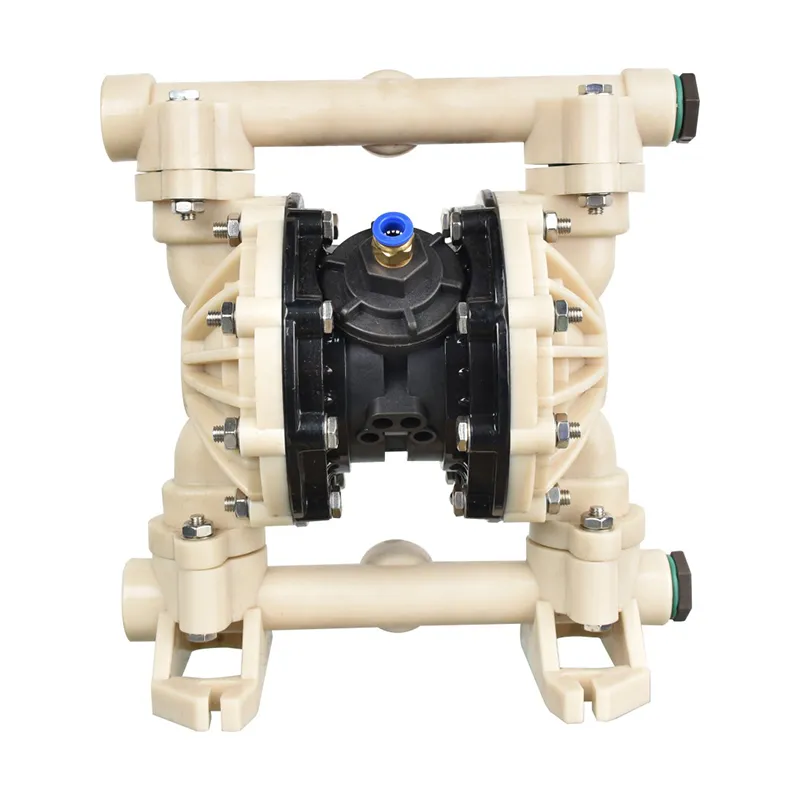 QBK Non-Metallic Air Operated Diaphragm Pumps
-
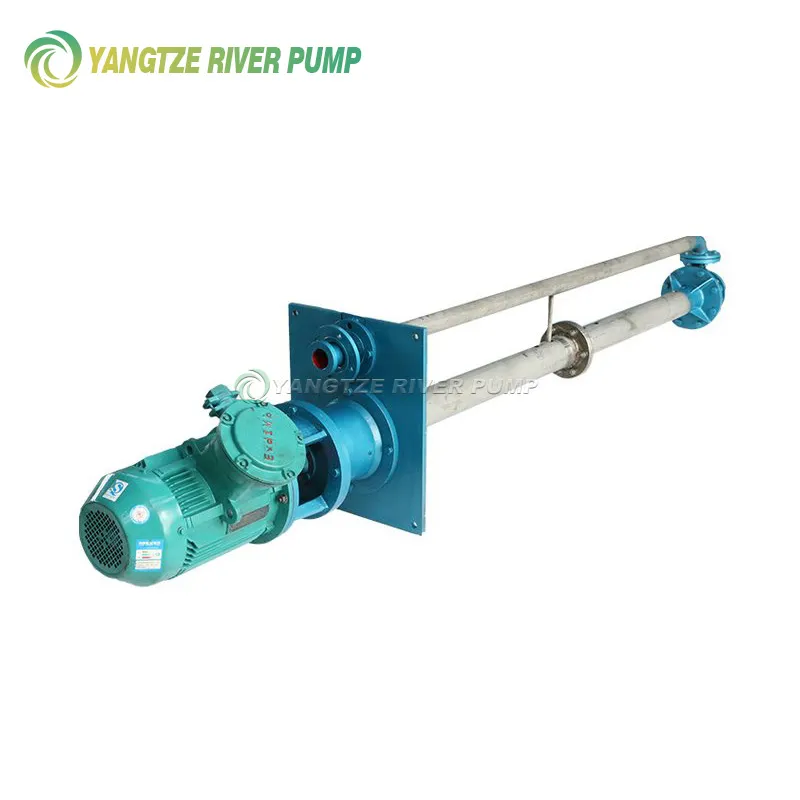 FY Submersible Chemical Pumps
-
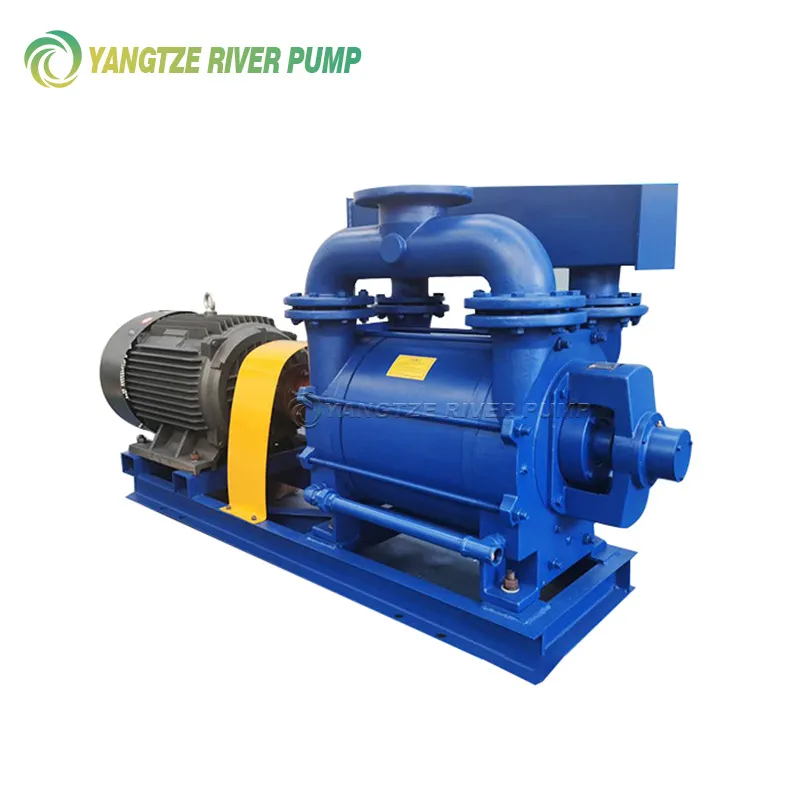 Liquid ring vacuum pumps type 2EB
-
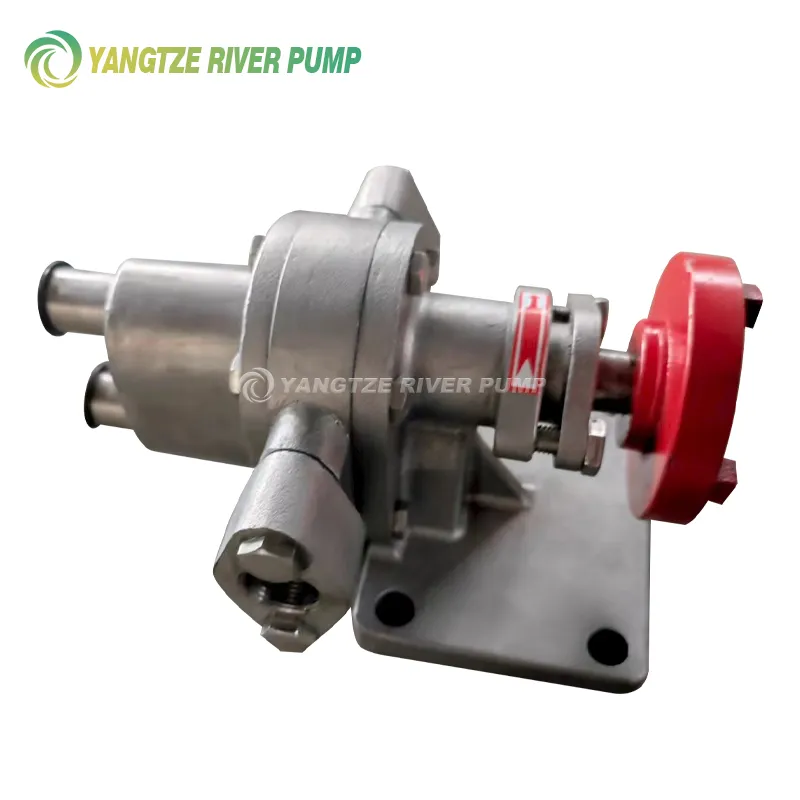 Gear oil pumps type KCB
-
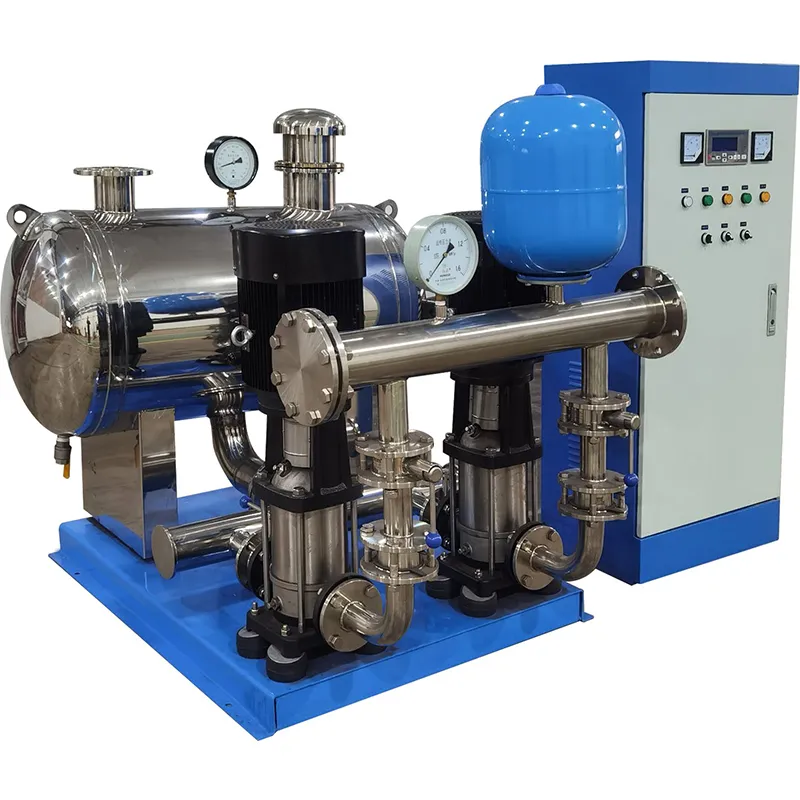 Complete water supply installations with frequency regulation and constant pressure CDLF
-
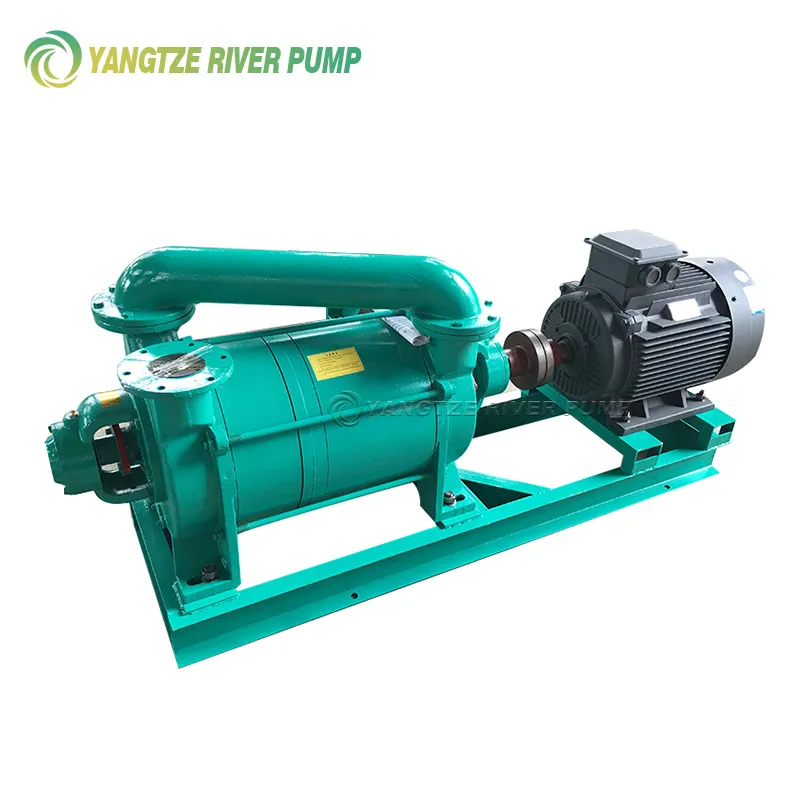 Liquid ring vacuum pumps type 2SK
-
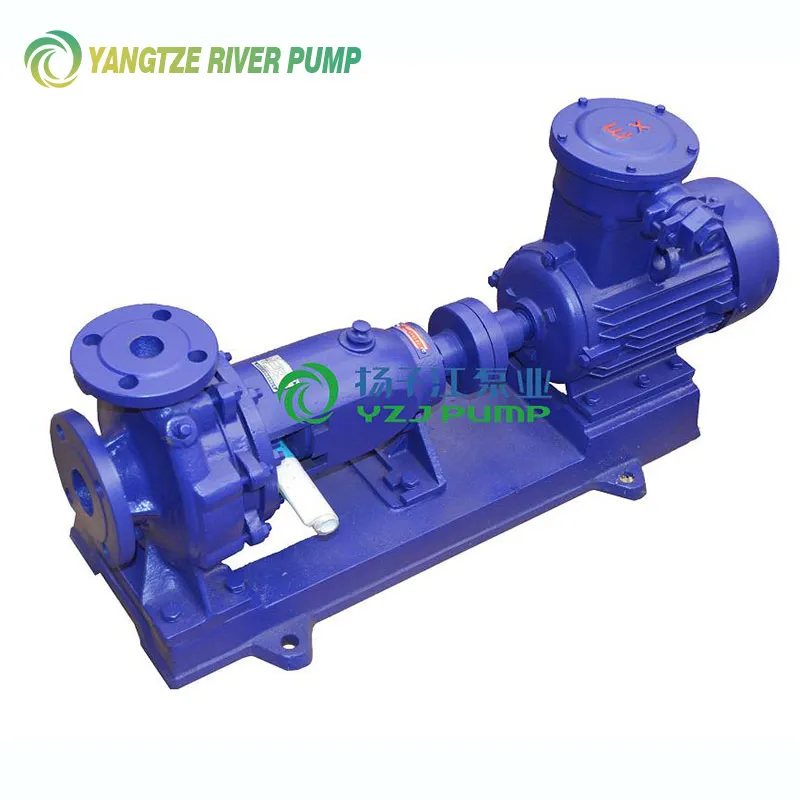 Horizontal chemical centrifugal pumps types IS and IR
-
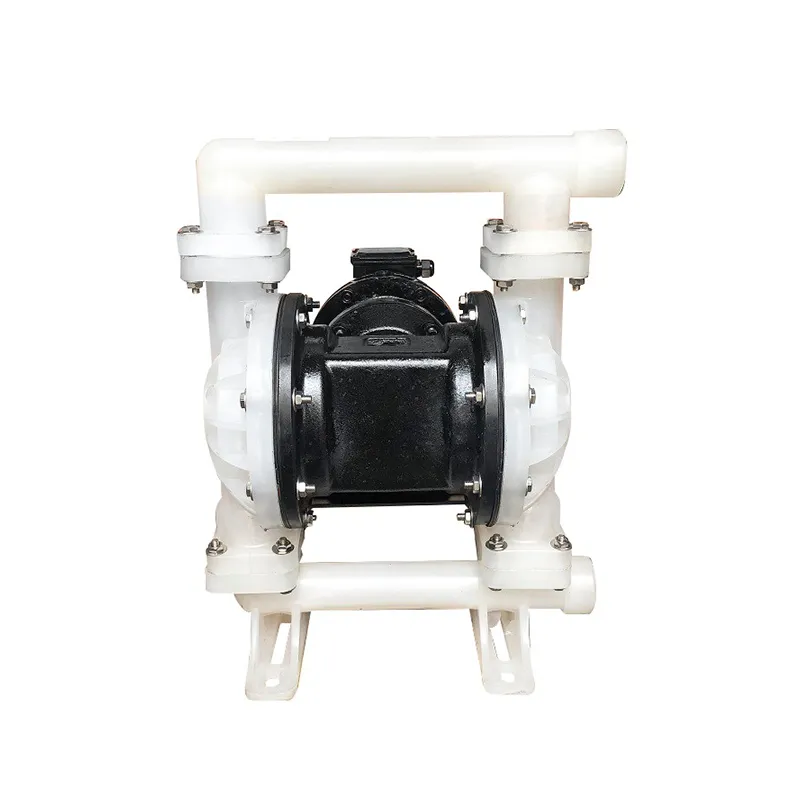 DBY Non-Metallic Electric Diaphragm Pumps
-
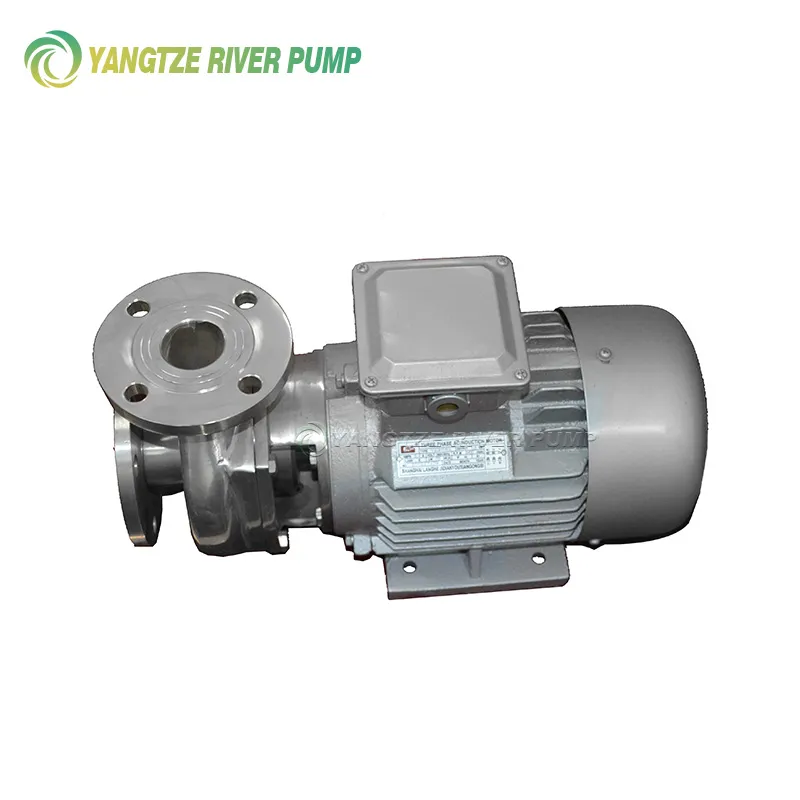 Corrosion-resistant stainless steel centrifugal pumps SFB and SFBX
-
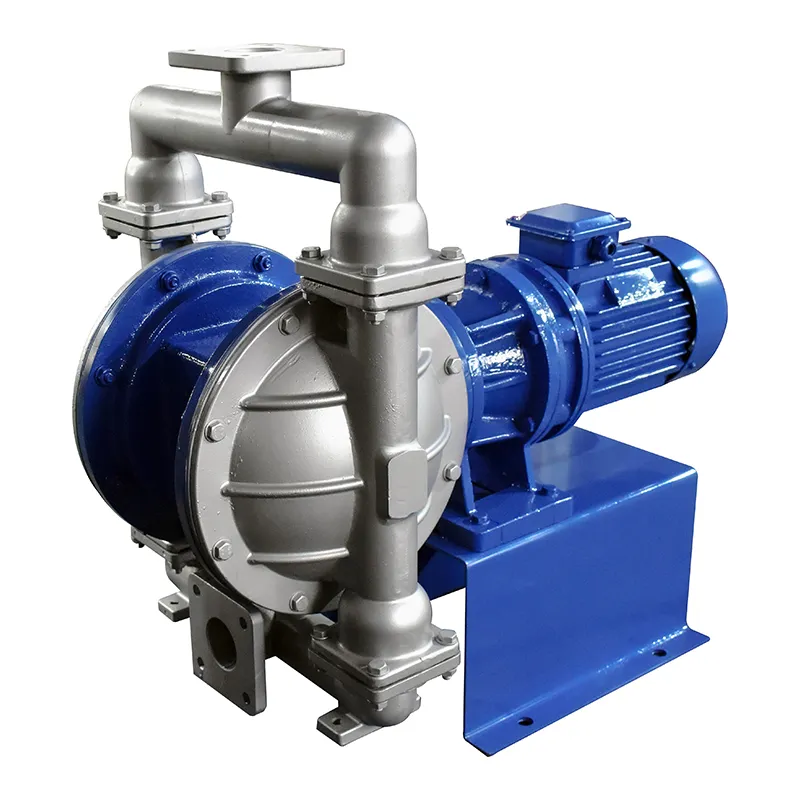 Metal electric diaphragm pumps DBY
-
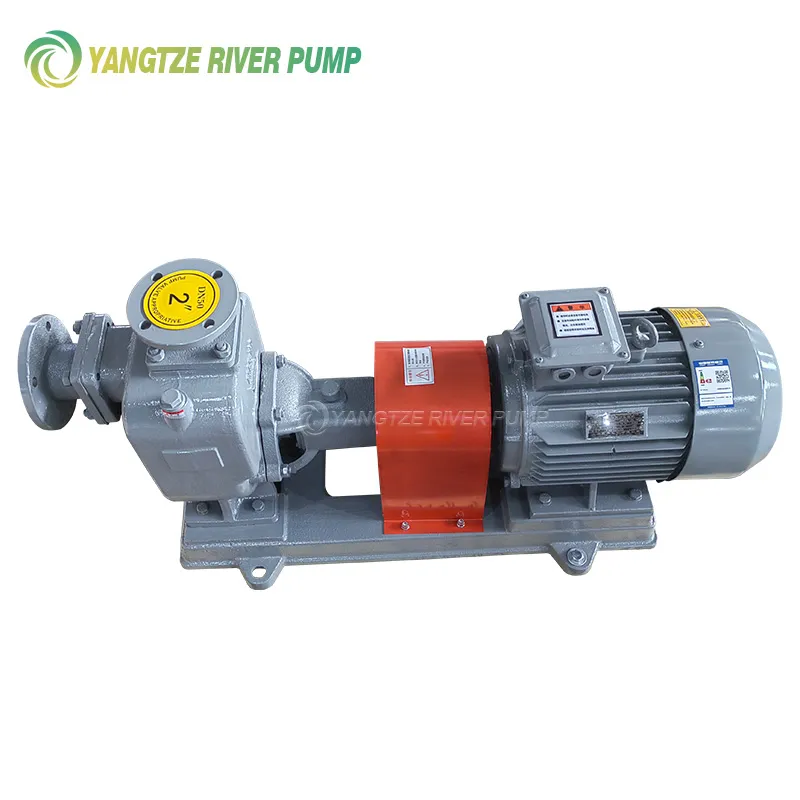 Non-clogging self-priming wastewater pumps ZW
-
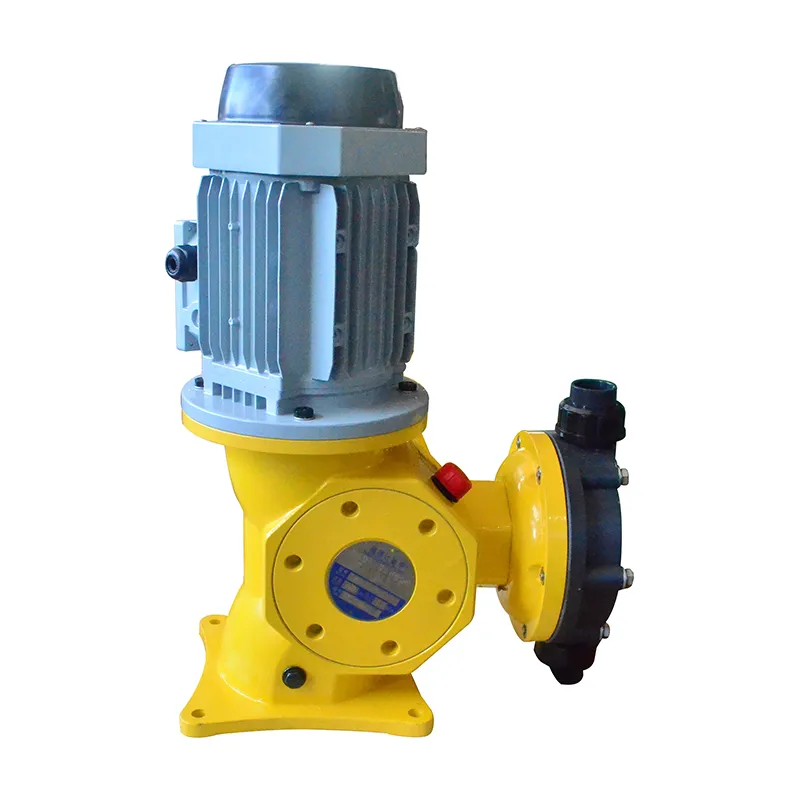 Mechanical diaphragm dosing pumps DJ-Z