







centrifugal pump groups
When people talk about groups of centrifugal pumps, many people immediately imagine rows of identical units on a common frame - a typical picture from a textbook. In practice, things are often more complicated. A group is not just a mechanical association. This is a system where the operation of one pump directly affects the mode and resource of another, especially in parallel or series circuits. A common mistake is to select pumps in a group only based on the same flow and pressure from the catalog, forgetting about the characteristics of the network and mutual influence when working together. I myself encountered when at a site two seemingly identical pumps from the same manufacturer in parallel produced different currents and vibrations. The reason turned out to be minimal differences in the impellers in terms of mass and balancing, which led to a mismatch of characteristics and cavitation on one of them.
What is really hidden behind the term 'group'
If we discard formalities, then a group can be considered two or more centrifugal pumps, united by a common technological purpose and control system. The key word is 'united'. These are not only common suction and pressure manifolds. This is the general logic: main and standby, work and 'peak', or all in parallel to increase the flow. In our practice onZhejiang Yangzijiang Pumping Industry Co.,LtdOften they request ready-made assembly units - pumping units on a common platform with piping and, sometimes, a control system in a casing. But it is important to understand that such delivery is the tip of the iceberg. It is preceded by a calculation where not just the parameters of eachcentrifugal pump, namely their joint work in a specific hydraulic system.
Let's take, for example, a scheme with three pumps, two of which are working, one is a backup, for the water supply system. It would seem standard. But if the pipeline network is old, with variable hydraulic resistance, then when the second pump is started in parallel, the overall operating point can go far from the maximum efficiency of each. They will begin to 'fight' with each other, which leads to overload of the engines. We are on our websiteyangtzeriverpump.ruWe always emphasize that group selection is a separate service, because without a hydraulic calculation of the entire system, you can get serviceable pumps, but an inoperable system as a whole.
Another nuance is the diversity in the group. It doesn't happen often, but it happens. For example, for pumping liquids with different viscosity or abrasive content within one technological cycle. Then the group may includelinear centrifugal pumpsfor clean media, and, say, single-screw pumps that are more wear-resistant. Coordinating their operation is a task for a control system with correctly configured switching algorithms. You can't just put them side by side.
Assembly experience and typical pitfalls
On production lines, and we have eight of them - from R&D to testing, group assembly is always the final, critical stage. Even if all the pumps are from the same batch, we check everything: from the alignment of the shafts of the motors and pumps on a common frame (this is critical for vibration) to the identity of the settings of the safety valves, if any. Once there was an incident during shipping: a group of two multistage centrifugal pumps for a boiler room. During testing in the workshop, everything was perfect. At the facility during startup there was strong vibration on one. It turned out that during transportation and installation on site, the common foundation frame slightly moved and the alignment was disrupted. I had to go out and do the adjustments on site. Conclusion: The group requires not only precise manufacturing, but also correct installation instructions for the customer.
Particularly sensitive to installation in a groupmagnetic pumps. They do not have a mechanical seal, but have gaps in the magnetic coupling. If pumps in a group are mounted too close, magnetic fields can create parasitic interactions, affecting transmission timing. We always recommend increasing the distance between magnetic units in a group or using magnetic shields if the layout is tight. This is not always obvious from the instructions; it comes with experience.
Tests are a different story. A group cannot be experienced alone. A joint run on a test bench that simulates real operating conditions is required. We record not only pressure and flow parameters, but also compare the current consumption of each unit, bearing temperature, and noise level. A spread of more than 5-7% in current at the same load is already a reason for detailed diagnostics. Sometimes the reason is the manufacturing tolerances of the impellers, sometimes it’s the quality of the bearings. We change, we achieve uniformity. This is the very “fine-tuning” of the group that cannot be done by simply placing pumps next to each other.
Practical examples: when a group saves and when it complicates things
A good example is a fire extinguishing system in a warehouse. There was a group of three self-priming centrifugal pumps, two in constant operation to maintain pressure in the network, one as an automatic reserve. The scheme is reliable. But one day there was a breakthrough in the network, the pressure dropped, and all three pumps started working. And here a problem emerged: the suction manifold was calculated incorrectly, the diameter was too small. A vacuum developed, leading to cavitation on all pumps simultaneously. The system did not reach the required parameters. I had to redo the suction line. Moral: the group enhances not only productivity, but also possible errors in the design of the harness.
Here is a positive case with chemical production. A group of two was used to pump the aggressive reagentplastic chemical pumps(made of PP) with frequency regulation. One pump operated in the basic mode, the second was connected when the flow rate increased. Frequency generators allowed them to smoothly enter parallel, without water hammer. Plus the material of the pumps means no problems with corrosion. This group has worked for several years without any complaints. It is important that for chemistry, the reliability of a group is often higher than that of one powerful pump, because if one fails, the second one supports the process, giving time for repairs without stopping the line.
There are also non-standard tasks. Once they asked for a group to drain a mine, where they needed both a large supply and the ability to work with contaminated water and sand. We made a combined group: the bulk of the work was done by powerfulsubmersible pumps, and to pump out sediment from the bottom they useddiaphragm pumps, which cope better with high abrasive content. The control was manual, depending on the situation. This is not a classic group with automation, but functionally it is a group that solves a common problem using different types of equipment.
Service and maintenance: the group as a single organism
Servicing a group of centrifugal pumps is a different philosophy than servicing single units. Routine work needs to be synchronized. If you change seals on one, it is logical to check on others in the same group, even if they are in reserve. Because their aging and wear regimes are similar, since they operate under the same environmental conditions and temperatures. We are inZhejiang Yangzijiang Pumping Industry Co.,LtdWe always create a single service passport for the shipped groups with a general maintenance schedule, and not a bunch of separate manuals.
Another important point is spare parts. For a group, especially if it is assembled from pumps of the same model, it is advisable to have a common set of key spare parts in the customer’s warehouse: mechanical seals, bearing units, stuffing box packings. This saves time and money. But there is a subtlety here: even identical models from different batches may have minor differences in the design of the seals or the sizes of the bearings. Therefore, in service documentation we always indicate the exact catalog numbers of parts specific to a given delivery, and not just the pump model.
Diagnostics of a fault in a group also has its own specifics. Let's say the vibration has increased. The first thing they do is turn off the pumps one at a time to find the culprit. But if the problem, for example, is a resonance caused by joint work, then when one pump is turned off, it may disappear, but this does not mean that the remaining pump is absolutely fine. It is necessary to analyze the vibration spectra for different combinations of work. This is already a level of advanced diagnostics, but it is necessary for critical systems.
Instead of a conclusion: thoughts on development
The trend now is 'intelligent' groups with IoT sensors and predictive analytics systems. Vibration, temperature, pressure sensors on each unit, the data flows into a single controller that can predict failure and propose a switching scheme to prevent it. For us, as a manufacturer, this means close integration of the R&D department with the electronics engineers. We are already taking tentative steps in this direction, equipping some groupscentrifugal pumpsan expanded set of sensors and the ability to connect to external SCADA systems.
But the foundation, as always, remains in iron. The quality of castings of housings, balancing of rotors, durability of materials of the flow part - be it stainless steel formultistage pumpsor plastic for chemical models. Without this, even the smartest management system will not make the group reliable. Our eight production lines are precisely designed to control this foundation at every stage.
As a result, centrifugal pump groups are not a topic for a dry catalogue. This is a living engineering practice, where a lot is decided not only by the correct selection, but also by an understanding of how this group will live in real, far from ideal conditions. And this experience, with its successes and mistakes, is much more valuable than any, even the most detailed, technical specification.
Correspondingproducts
Related Products
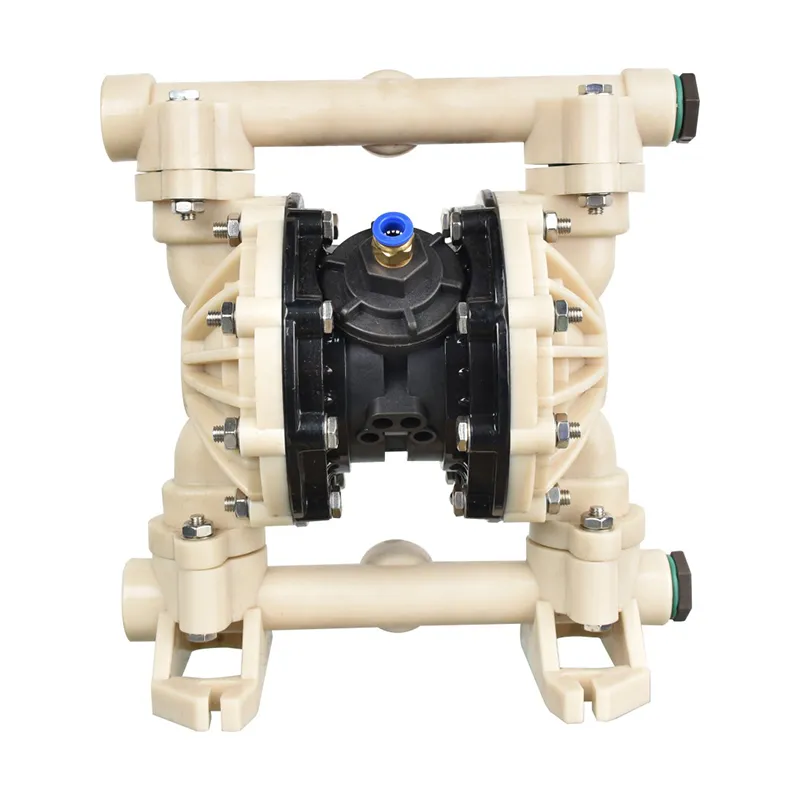


Best Sellingproducts
Best Selling Products-
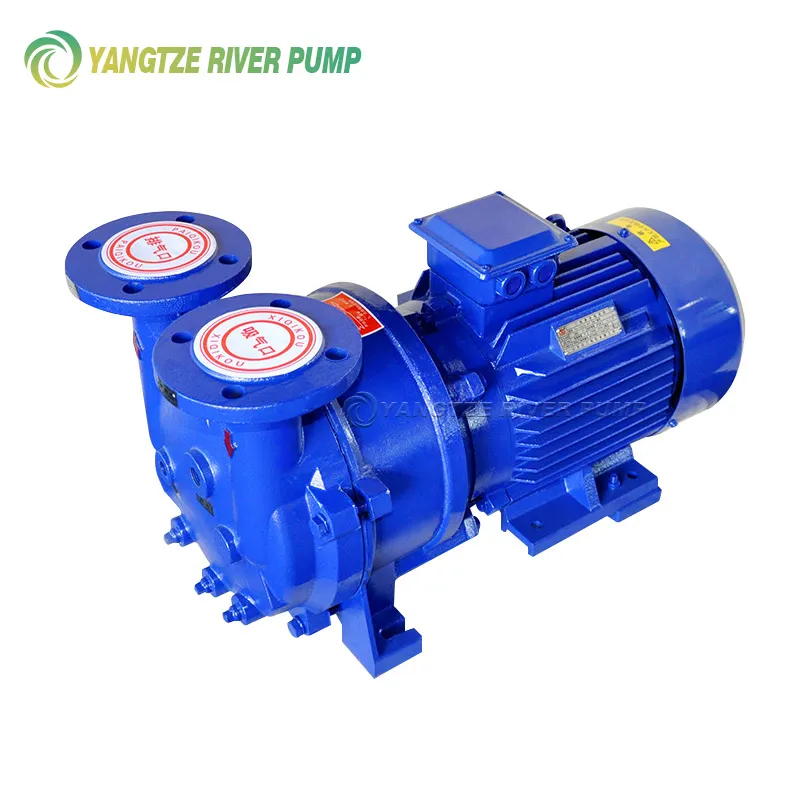 Liquid ring vacuum pumps type SKA and 2BV
-
 YZSP Diesel Self-Priming Pumps
-
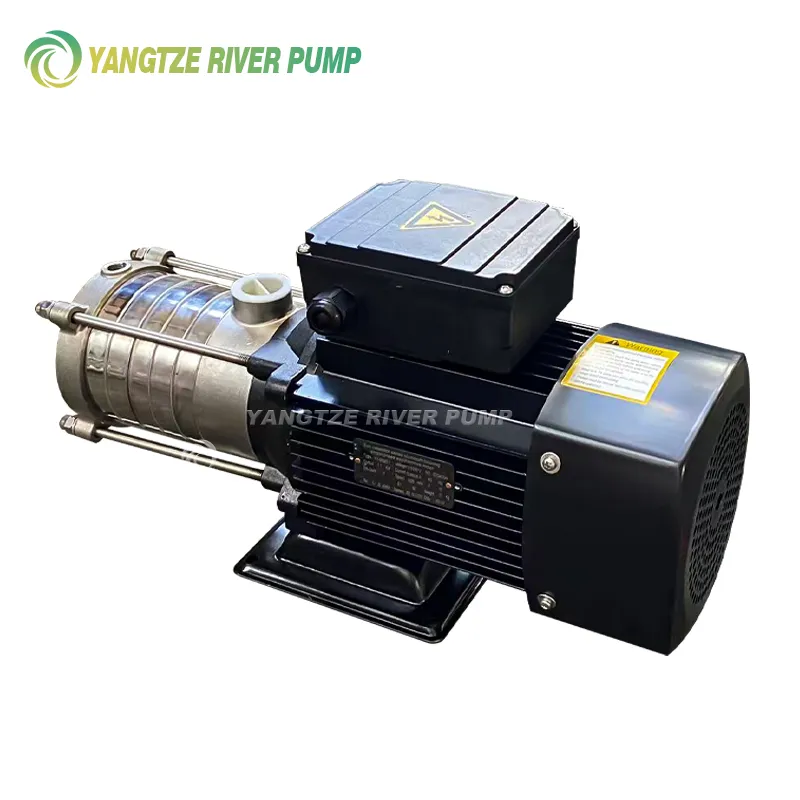 Horizontal multistage centrifugal pumps (light series) CHL and CHLF
-
 YW Vertical Submersible Sewage Pumps
-
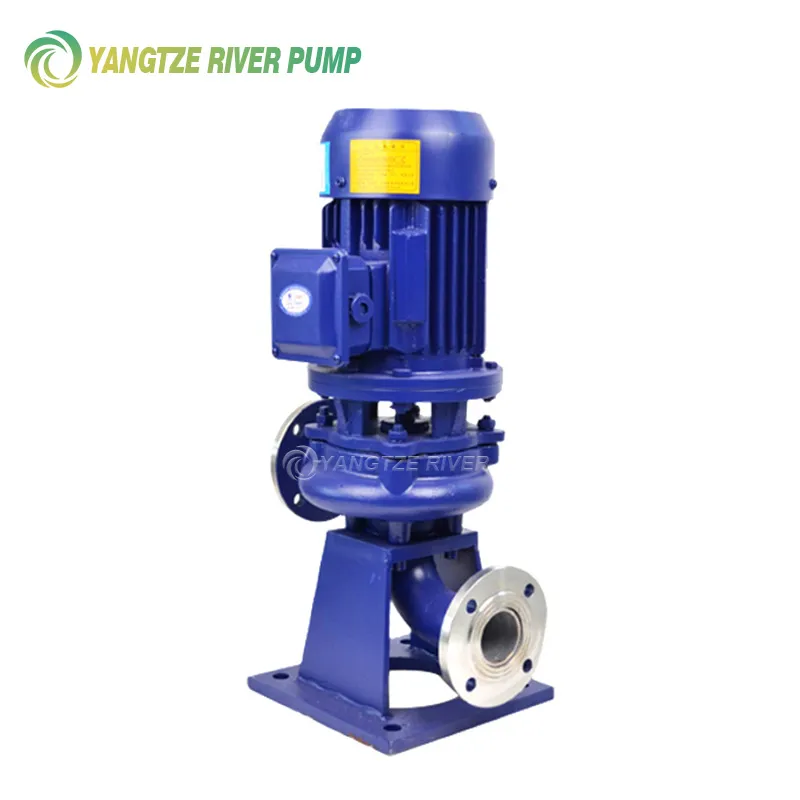 Non-clogging vertical wastewater pumps LW
-
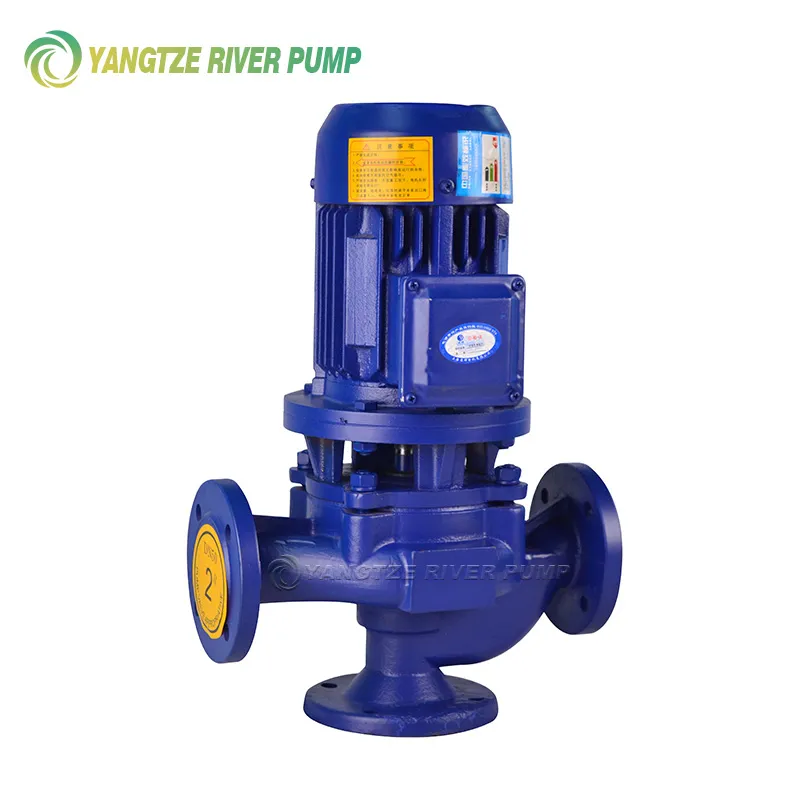 Pipeline wastewater pumps GW
-
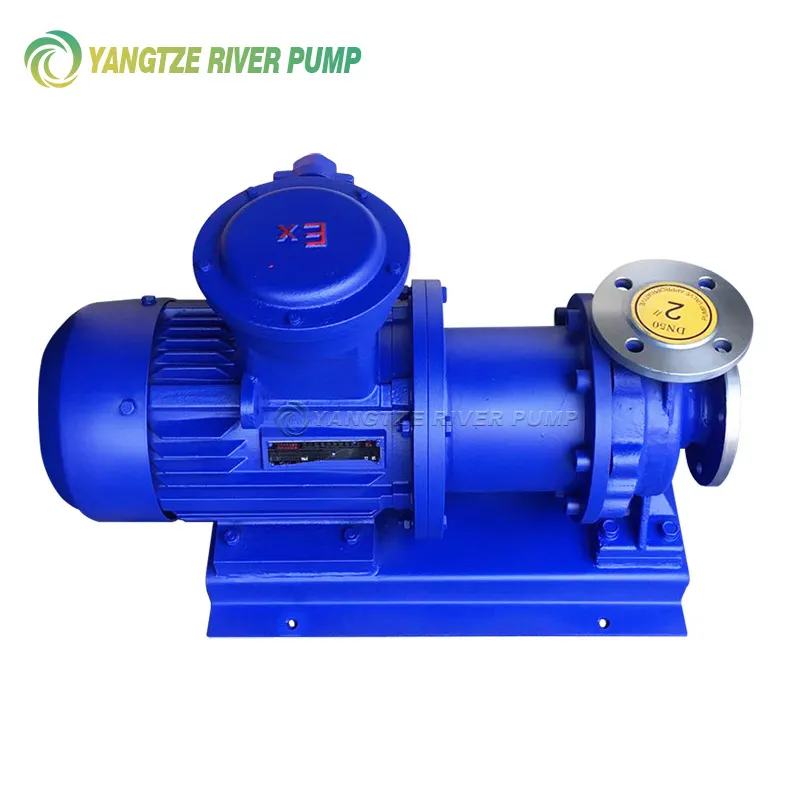 CQB Stainless Steel Magnetic Pumps
-
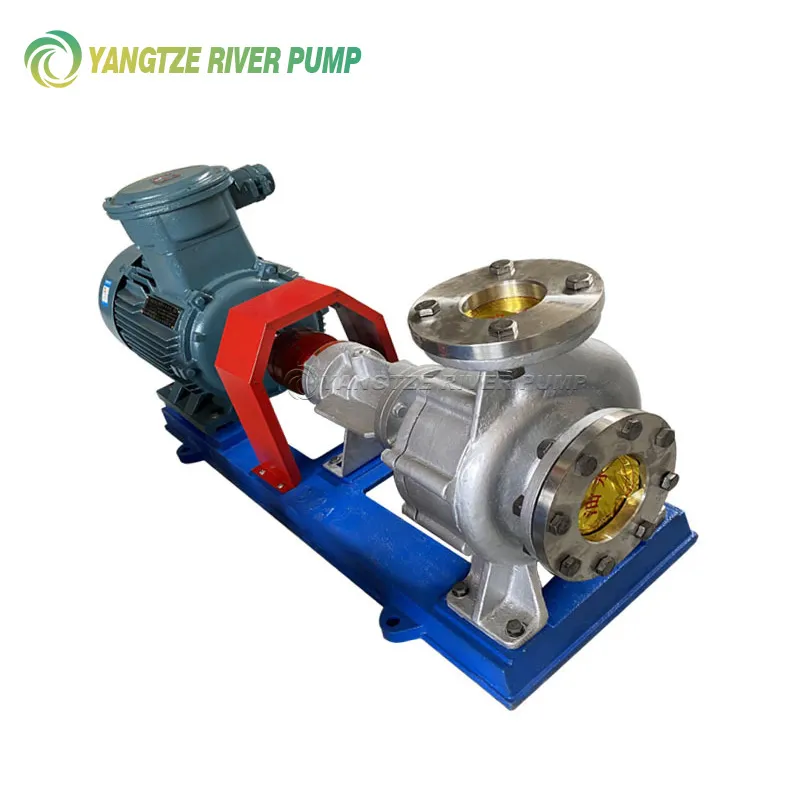 RY thermal oil pumps
-
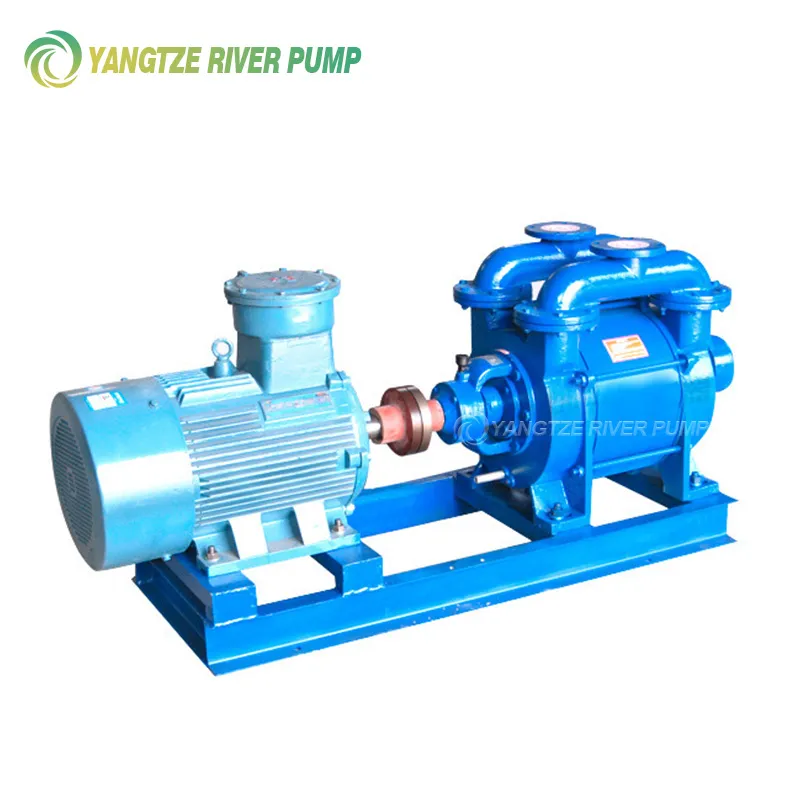 Liquid ring vacuum pumps type SK
-
 Non-clogging self-priming wastewater pumps ZW
-
 Infinitely variable screw pumps type G
-
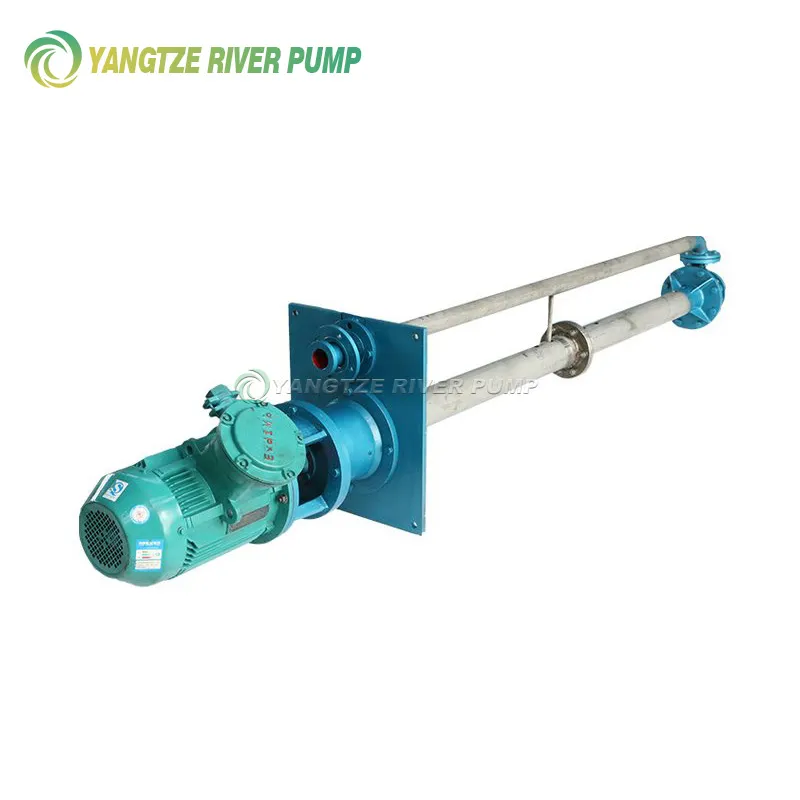 FY Submersible Chemical Pumps
Relatedsearch
Related Search- centrifugal pump for oil
- small centrifugal pump
- Horizontal multistage centrifugal pumps
- Chemical submersible pumps
- slurry horizontal centrifugal pump
- Corrosion Resistant Chemical Centrifugal Pumps
- Pneumatic Diaphragm Pumps
- production of dosing pumps
- Vertical single stage pipeline centrifugal pumps ISG
- internal gear pump