







deep well pump 80
When they say “deep pump for well 80”, many immediately think of a model that simply needs to pump from this level. But in practice, this figure is more of a starting point for calculations, rather than a ready-made answer. A common mistake is to take a pump with a maximum immersion depth of 80 meters “back to back”, without taking into account the dynamic level, well flow rate, distance to the house and the required pressure in the system. As a result, either the pump wears out or there is not enough water.
Why ?80 meters? - it's not just depth
Experience suggests that for stable operation at the stated depth, a headroom is needed. If the passport says ?max. depth is 80 m?, then for a well with a real dynamic level of 75 meters, I would already look at models designed for 90-100 meters. This protects against seasonal fluctuations in water levels and loss of productivity over time. The key parameter here is the pressure characteristic, and not just the number in the “depth” column.
I remember an incident at a site near Kazan: a 78-meter well, the client installeddeep well pumpwith a limit of just 80. In the summer, at the peak of water intake from neighbors, the dynamic level dropped, the pump began to “pick up” air, dry running protection was activated. We had to redo it - install a more powerful multi-stage apparatus. The engine was enough, but it pumped not 3 cubic meters, but 1.8, and the client was dissatisfied. Lesson: you need to count not from the mouth, but from the lowest possible water level, plus add footage to the house and to the rise inside.
Here it is important who the manufacturer is. For example, at our production inZhejiang Yangzijiang Pumping Industry Co.,Ltdduring testingsubmersible pumpsfor deep wells we?drive? them not only at nominal parameters, but also in reduced voltage mode and when simulating sand. Because in reality there are no ideal conditions. On the websiteyangtzeriverpump.ruyou can see that the line of multistage centrifugal pumps is precisely tailored for such tasks - to create reliable pressure when working at great depths, and not just to reach the mark.
Selection of pump type: centrifugal vs screw for 80 meters
For a depth of about 80 meters, there is mainly a struggle between multi-stage centrifugal and auger (screw) pumps. Centrifugal, especially from the sameZhejiang Yangzijiang Co.,Ltd, often win in terms of performance and efficiency in clean water. Their multi-stage design allows you to flexibly dial in the required pressure. But if there is a risk of fine sand or limestone in the well, then it’s worth looking awaysingle screw pumps. They are less sensitive to abrasive, although they usually have a lower flow rate and higher power consumption.
I had a sad experience with a centrifugal in a lime well. The water seems to be clean, but the constant fine suspension has been “eaten up” over the course of a year and a half. impellers. The pump began to hum and lose pressure. After disassembly, it became clear that either an auger or a pump with especially abrasive-resistant materials was needed. Now I always ask not only for the well’s passport, but also for a water sample for mineralization and suspended matter.
Our company, by the way, produces both types. And if for a clean artesian well I would without hesitation recommend our multi-stagecentrifugal pumpCR series, then for problematic ones it is worth considering the screw series. All information on the characteristics and materials of execution is on our website. This is not an advertisement, but simply a statement: without a full cycle of production and testing, which we have established, to do such things at random is to waste money.
Installation and operational nuances that are not written about in the instructions
I set the pump at 80 meters - and forgot? It won't work. One of the critical points is the suspension. You can’t just use a cable or cheap stainless steel. You need a galvanized cable in a PVC sheath, or even better, food-grade plastic to prevent corrosion and rust in the water. The cable must be submersible and waterproofed. A common mistake is extending the cable using regular twisting. Only soldering followed by multi-layer insulation and heat shrinking.
Another point is the check valve. You need to install it, but not just one, but sometimes two: one immediately above the pump, the second in the caisson in front of the hydraulic accumulator. This will save you from water hammer and reverse rotation of the impeller when stopping. For a depth of 80 meters, I would definitely install a damper pipe - it dampens vibrations during startup.
And about the service. Even the most reliabledeep well pumpshould be lifted periodically for visual inspection. At least once every 2-3 years. Check wear, seats, cable condition. In production, we always include a safety margin in bearings and shafts precisely for such long operating intervals, but this does not eliminate the need for control.
Connection with the water supply system: what else is important to consider
The pump is only part of the system. For a well of 80 meters, the correct selection of automation and hydraulic accumulator is critical. The pressure switch needs to be adjusted taking into account the real pressure, and not “as in the book?”. If the pump produces 4 atmospheres at the outlet from depth, but the house needs 2.5, then the difference is small, and frequent switching on/off will kill it. It is better to install a frequency converter or, at worst, a relay with a soft start.
Hydraulic accumulator volume. The standard 50-100 liters for such a deep pump may be too small. The greater the depth, the longer the pump starts and stops. To reduce the number of cycles, the tank should be from 100 liters, and preferably 150-200. This will extend the life of both the pump and the entire system.
Here again I’ll remember our comprehensive approach toyangtzeriverpump.ru. We don’t just sell a pump, but we can also select all the piping, because we ourselves produce different types of equipment and know how it works in pairs. For a depth of 80 meters, this is not just convenient, but necessary - so that there is no conflict of parameters between the pump, automation and fittings.
Summary: how not to make a mistake when choosing a pump for 80 meters
So to summarize my experience. First, don’t chase the “borderline” ones. models. Take a pump with a reserve of depth and pressure of at least 15-20%. Second, analyze the water. The choice of pump type depends on this: centrifugal for clean water, screw for water with impurities. Third, don’t skimp on the piping: cable, cable, pipe, valves. Fourth - set up the automation correctly and select a hydraulic tank.
If we take specific productsZhejiang Yangzijiang Pumping Industry Co.,Ltd, then for a standard well of 80 meters with good water, I would look towards multi-stagesubmersible pumpsmade of stainless steel. They showed themselves in our tests to be very hardy. And if the well is problematic, then their auger models, but with reinforced bearings.
In the enddeep well pump 80- it’s not just a piece of iron in a pipe. This is the heart of the entire water supply system. And you need to choose it not by the most attractive price or one number in the characteristics, but by the totality of parameters, the reputation of the manufacturer and, most importantly, if possible, get competent advice from people who produce and test it themselves. As, in fact, this is what is done at our enterprise, where the full cycle - from R&D to service - allows you to see the whole picture, and not just the sales stage.
Correspondingproducts
Related Products

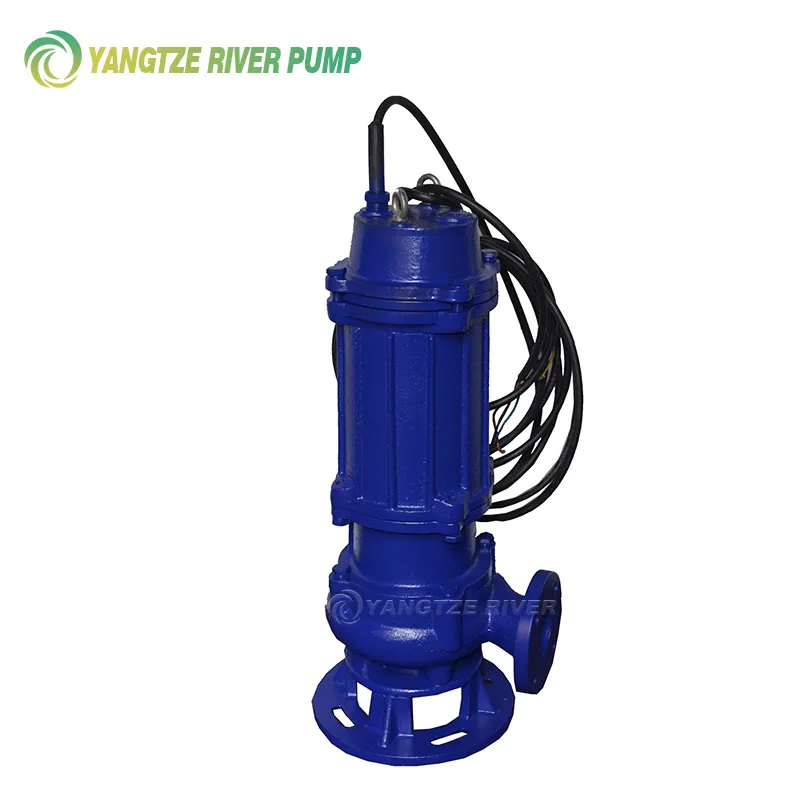

Best Sellingproducts
Best Selling Products-
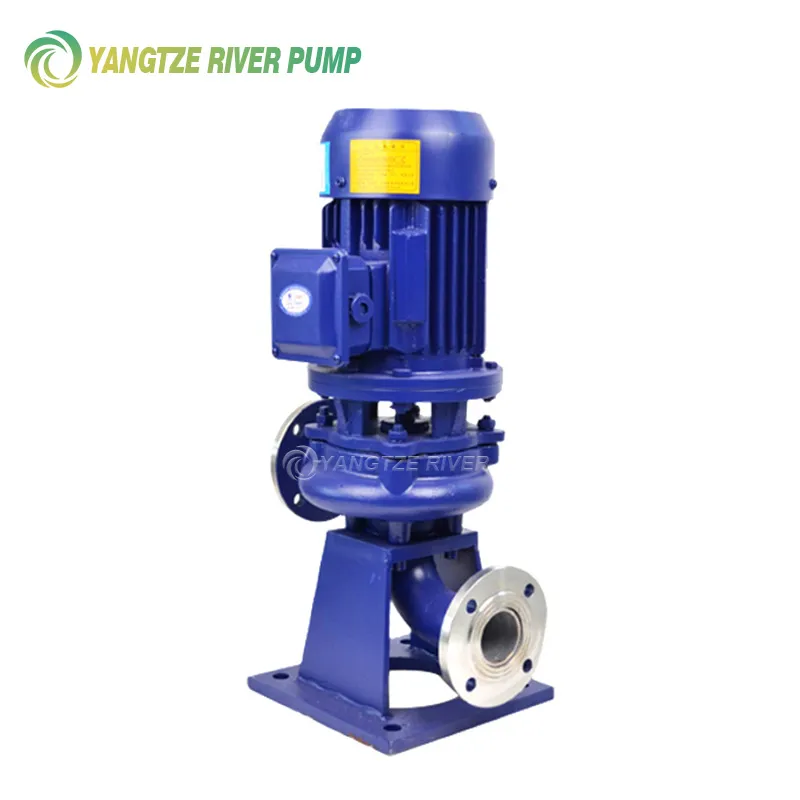 Non-clogging vertical wastewater pumps LW
-
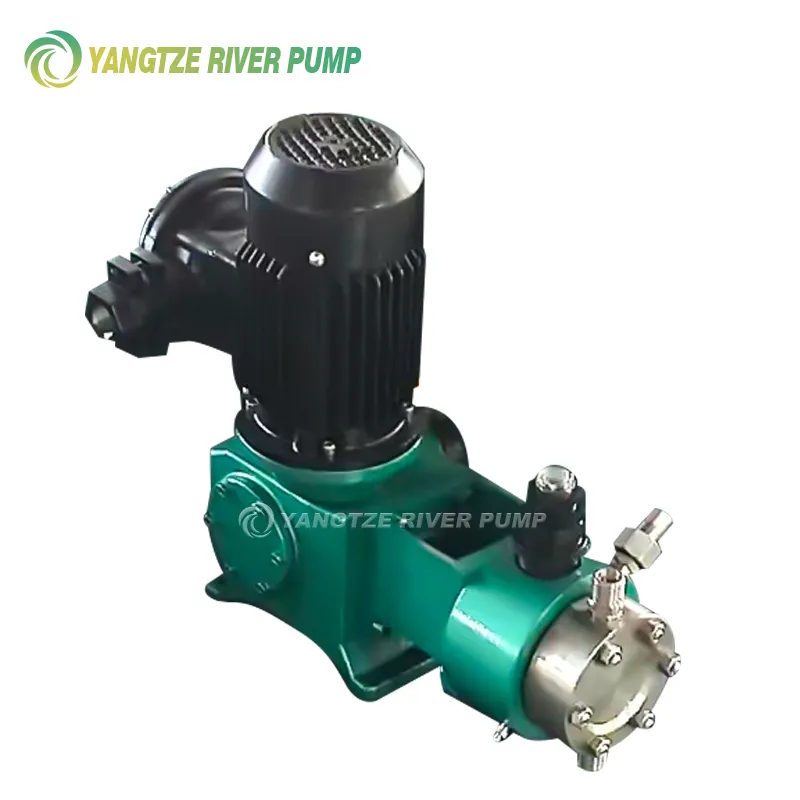 Plunger dosing pumps type DZ-X
-
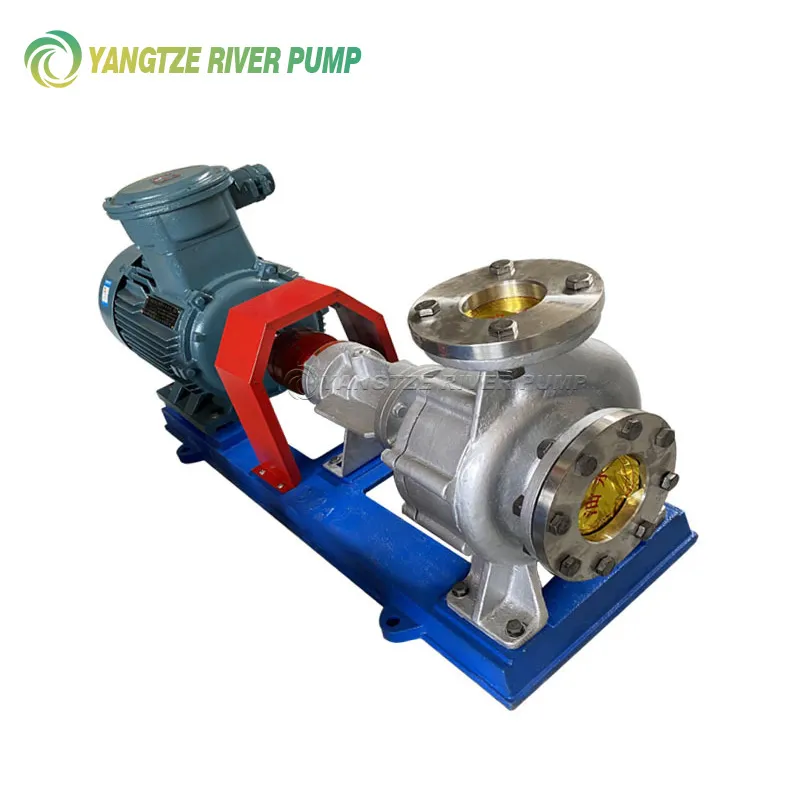 RY thermal oil pumps
-
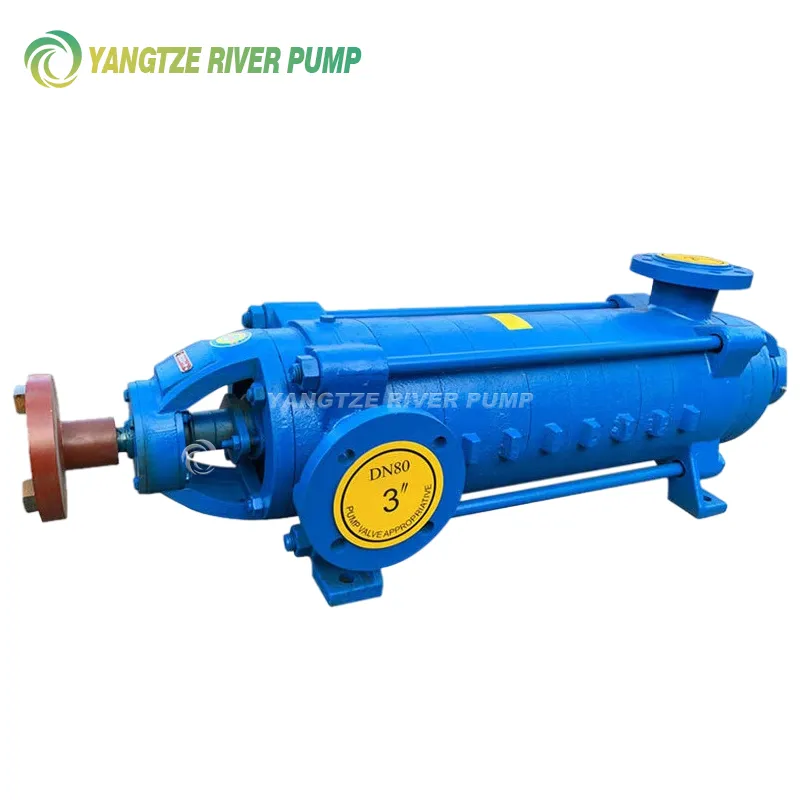 Horizontal multistage centrifugal pumps type D
-
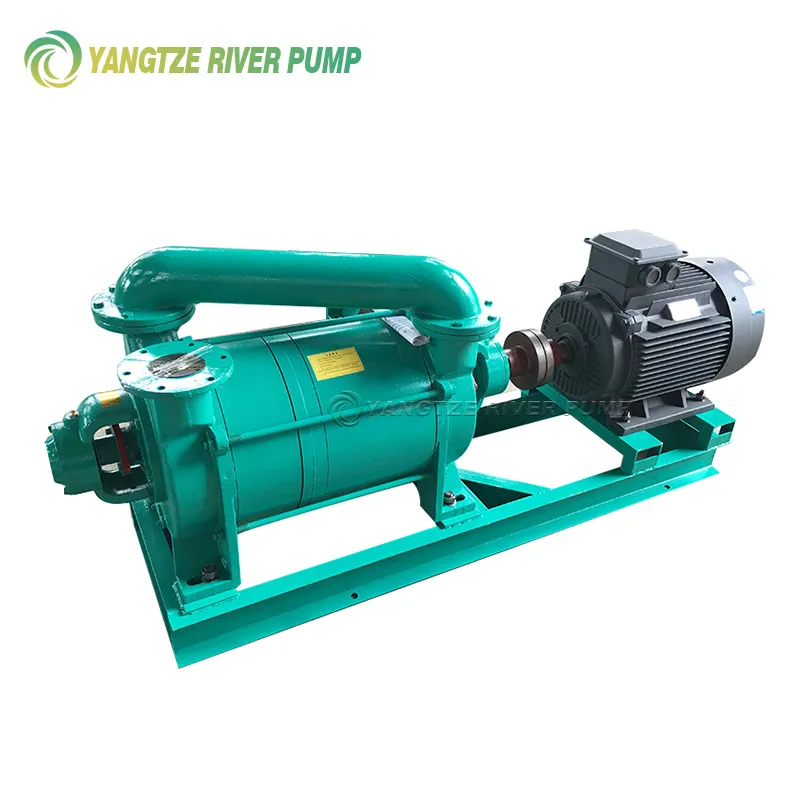 Liquid ring vacuum pumps type 2SK
-
 Horizontal multistage centrifugal pumps (light series) CHL and CHLF
-
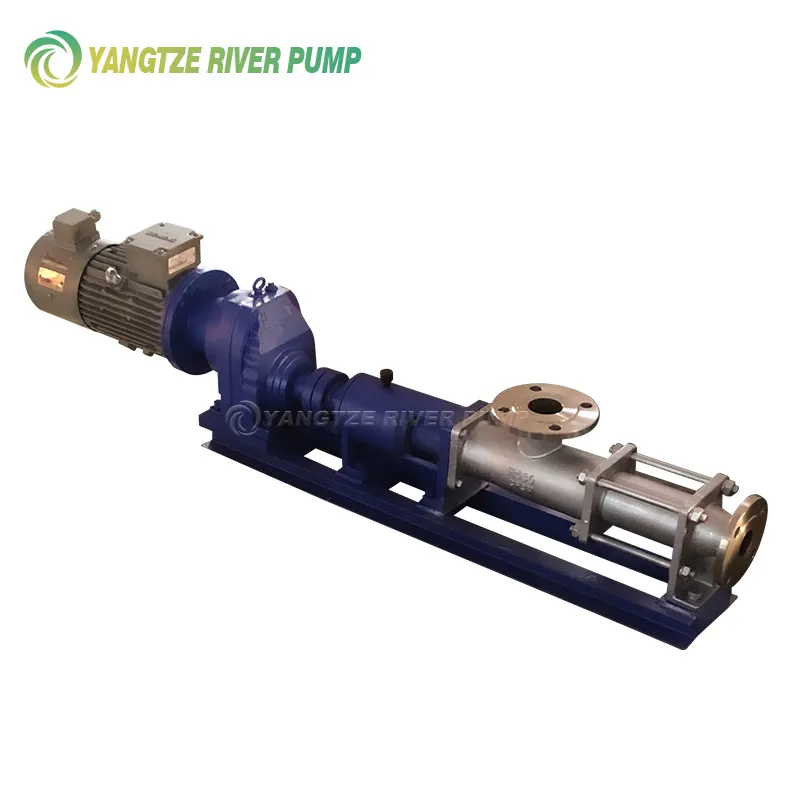 Geared screw pumps type G
-
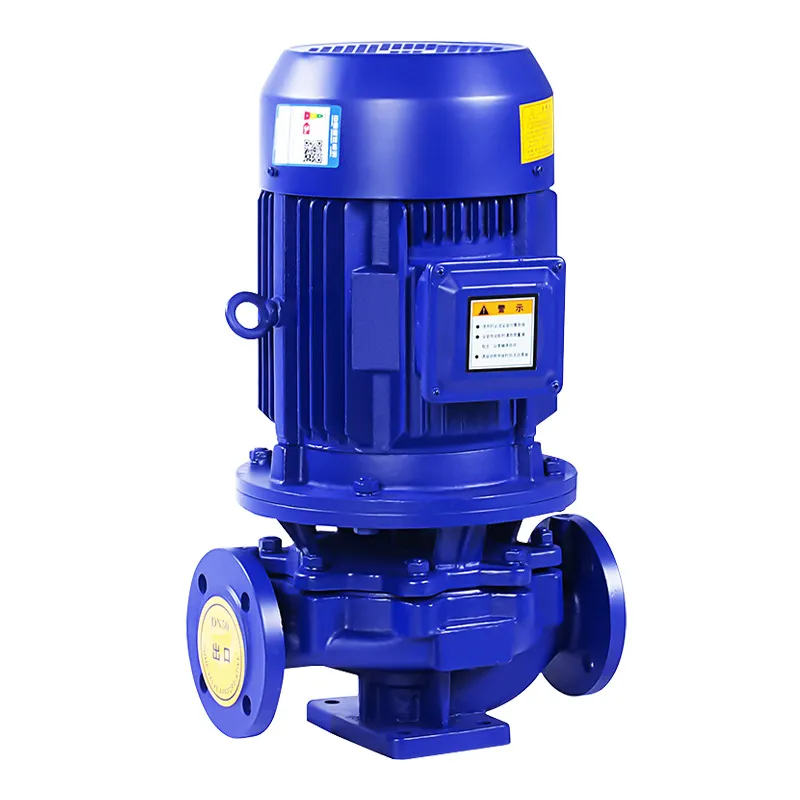 Vertical single-stage pipeline centrifugal pumps ISG and IHG
-
 Horizontal multistage pumps for feeding DC boilers
-
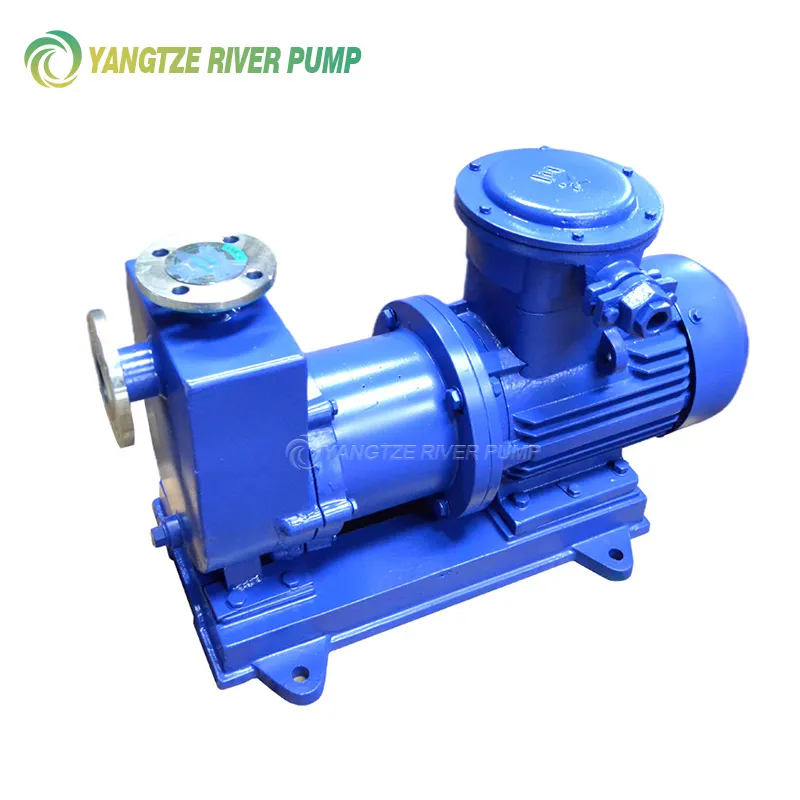 ZCQ Stainless Steel Self-Priming Magnetic Pumps
-
 Sanitary screw pumps type GF
-
 Metal pneumatic diaphragm pumps QBK